SISUKORD1.ENERGY STORY 42.USES OF ENERGY 42.1 Uses of energy in
homes 5
2.2
Types of energy used in homes 6
2.3 Energy use in
different types of homes 6
2.4 Commercial Energy Use 8
2.5
Industrial and
Manufacturing Energy Use 10
2.6 Transportation Energy Use 12
3.RENEWABLE ENERGY 143.1 What
Role Does Renewable Energy Play in the United
States ? 14
3.2 Why Don’t We Use More Renewable Energy? 15
4.NONRENEWABLE ENERGY 155.SIGNFICANT EVENTS IN THE HISTORY OF ENERGY BY FUEL 165.1 Signficant Events in the History of Energy Uses 18
6. SAVING ENERGY 197.ELECTRICITY 207.1 The
science of electricity 21
7.2 Static electricity 22
7.3 Magnets and electricity 22
7.4 Batteries produce electricity 23
7.5 Electricity travels in circuits 23
7.6 How electricity is generated 24
7.7 The transformer -
moving electricity 26
7.8 Measuring electricity 27
8. SOLAR ENERGY 278.1 Photovoltaic energy 288.2 Solar thermal
heat 29
8.3 Solar thermal
power plants 30
8.4 Solar energy and the environment 30
9.WIND ENERGY 309.1 The History of Wind 31
9.2 How wind
machines work 31
9.3 Types of wind machines 32
9.4 Wind power plants 33
9.5 Wind
production 33
9.6 Wind and the environment 34
10. TIDAL ENERGY 3410.1 Wave Energy 35
10.2
Ocean Thermal Energy Conversion (OTEC) 36
10.3 Solar 36
10.4 Wind 36
37
Picture 10.3. Wind
turbine 37
11. HYDROPOWER 3711.1 How hydropower works 37
11.2 Where hydropower is generated 38
11.3 Hydropower and the environment 39
12. NUCLEAR ENERGY 3912.1 Nuclear fuel – uranium 39
12.2 Nuclear power plants
generate electricity 40
12.3 Types of reactors 40
12.4 Nuclear power and the environment 41
13. GEOTHERMAL ENERGY 4113.1 Energy inside the earth 42
13.2 Where is geothermal energy
found ? 42
13.3 Uses of geothermal energy 43
13. 4
Direct use of geothermal energy 44
13.5 Geothermal power plants 44
13.6 Geothermal heat pumps 45
13.7 Geothermal energy and the environment 45
14. BIOMASS 4514.1
Wood and wood
waste 46
14.2 Municipal
solid waste, landfill gas, and biogas 47
14.3 Biofuels -
ethanol and biodiesel 47
14.4 Biomass and the environment 47
15. COAL 4915.1 How we get coal 49
15.2 Transporting coal 50
15.3 Types of coal 51
15.3 Where we get coal 51
15.4 How coal is used 53
15.4.1 For
electric power 53
15.4.2 For industry 53
15.4.3 For
making steel 53
15.4.4 For
export 53
15.5 Coal and the environment 53
16.NATURAL GAS 54 5416.1 How Do We Get Natural Gas? 55
16.2 How Is Natural Gas
Stored and
Delivered ? 55
16.3 How is Natural Gas Measured? 56
16.4 How Is Natural Gas Used? 56
5716.5 How Does Natural Gas Impact the Environment? 57
17. PETROLEUM (OIL) 5817.1 Where Do We Get Our Oil? 58
17.2 What
Fuels Are Made From
Crude Oil? 58
17.3 How Does Oil Impact The Environment? 59
ENERGY STORY
Once upon a time, in a town not far away , there was an 8th grader who
was afraid of the dark . Her name was Jules . She was also afraid of
the quiet , and of the cold . So she always left on the lights , the TV,
and stereo even when she had her I-Pod earbuds on. She took lots of
very long, hot showers. She never walked anywhere, but got rides from
her mom in a big SUV. She couldn't be happy unless she was using all
the energy she possibly could for all the stuff around her.
Her friend , Les, didn't like to use any energy at all. He walked to
school, read books instead of watching TV, played the trumpet instead
of Guitar Hero, and turned off the lights anytime he left a room .
Then one evening , there was a power outage. The lights went out, the
TV turned off, and everything became very quiet. Jules became very
upset, and quite scared. She couldn't do anything that she wanted to
do. She didn't think she could survive. Meanwhile , Les didn't seem to
mind at all. He was able to light a few candles and he could still read his books, practice his trumpet, and hang out and play cards
with his family.
The two friends then realized that there was a big difference in
their lifestyles and the amount of energy they used. So Jules decided
she should figure out how much energy Les used and then compare her
energy consumption to how much she really needed. To do this, they
figured out how much energy Jules was using for entertainment, light,
heating and cooling, cleaning, preparing food, transportation, and communication devices . They discovered that the amount of energy used
for any purpose could be measured in different ways . Light bulbs are
measured in watts . Air conditioners and hot water heaters are
measured in BTUs, while energy used by cars is measured in gallons of
fuel.
They used a spreadsheet to figure out how much energy they consumed
for each of their activities . Each of the lights, car miles , games,
and other appliances was converted to a common unit of power
consumption called kilowatt - hours . The spreadsheet was used to
determine how many kilowatt-hours were used during each day, each
week, and each year for each energy consumption activity. The
spreadsheet converted their energy consumption to show them the
amount of money it costs for each energy consumption activity. In the
end, they were shocked to see how much money Jules' energy using habits cost compared to Les' habits.
USES OF ENERGY
The
United States is a highly developed and industrialized society. We
use a lot of energy - in our homes, in businesses, inindustry, and
for traveling between all these different places .
The
industrial sector uses almost one-third of the total energy. The residential and commercial sectors combined use 39 percent of all
energy. These two sectors include all types of buildings, such as houses , offices, stores, restaurants, and places of worship. Energy
used for transportation accounts for more than a quarter of all
energy.
Picture 2.1. Share of energy consumed by major selectors of the economy (2007)
2.1 Uses of energy in homes
The ability to maintain desired temperatures is
one of the most important accomplishments of modern technology . Our
ovens, freezers, and homes can be kept at any temperature we choose,
a luxury that wasn't possible 100 years ago. Keeping our homes
comfortable uses a lot of energy. Over 40 percent of the average home's energy consumption is used for heating. Another 20 percent is
used for water heating, 8 percent for cooling rooms , and 5 percent
for refrigeration. Almost one- fourth of the energy used in homes is
used for lighting and appliances. Lighting is essential to a modern
society. Lights have revolutionized the way we live , work, and play.
Picture 2.2. How
energy is used in homes (2005)
Most homes still use the traditional incandescent
bulbs invented by Thomas Edison . These bulbs convert only about ten
percent of the electricity they use to produce light, the other 90
percent is converted into heat. In 1879 , the average bulb produced
only 14 lumens per watt , compared to about 17 lumens per watt today .
By adding halogen gases, the efficiency can be increased to 20 lumens
per watt.
Compact fluorescent bulbs, or "CFLs",
have made inroads into home lighting systems in the last few years.
These bulbs last much longer and use much less energy, producing
significant savings over the life of the bulb.
Appliances such as refrigerators, washing machines
and dryers are also more energy efficient than they used to be. In
1990 Congress passed the National Appliance Energy Conservation Act,
which requires new appliances to meet strict energy efficiency
standards. Learn more about energy efficient light bulbs and
appliances, and other ways to save energy at home.
2.2 Types of energy used in homes
Natural gas is the most widely consumed energy
source in American homes, followed by electricity, heating oil and
propane. Natural gas and heating oil (fuel oil) are used mainly for
home heating. Electricity may also be used for heating and cooling,
plus it lights our homes and runs almost all of our appliances including refrigerators, toasters, and computers . Many homes in rural areas use propane for heating, while others use it to fuel their barbecue grills.
Picture 2.3.
Types of energy consumed in homes (2005)
2.3 Energy use in different types of homes
About 80 percent of residential energy use is
consumed in single family homes, while 15 percent is consumed in multi -family dwellings such as apartments, and 5 percent is consumed
in mobile homes.
Picture 2.4.
Energy use in different types of homes
More than half of the energy used for heating in
single-family homes (either attached or detached ) is natural gas,
about one-fourth is electricity, and one- tenth is fuel oil (heating
oil). Over three-fourths of single-family homes have some type of air
conditioning. Most single-family homes have a washing machine and a
dryer.
Among Single-Family Dwellings:
In
2005, for the Main Heating Fuel and Equipment :
- 56% use Natural Gas
- 26% use Electricity
- 7% use Fuel Oil
- 6% use LPG
- 1% use Kerosene
84% of single family homes have air conditioning
(central system, wall/ window units – or both ).
For
Appliances:
- 95% have a clothes washer
- 92% have a clothes dryer
- 74% have a personal computer
Multi-family dwellings such as apartments use
about equal amounts of natural gas and electricity for heating. More
than 80 percent of multi-family homes have air conditioning and more
than one-third contain washers and dryers.
Among
Multi-Family Dwellings:
In
2005, for the Main Heating Fuel and Equipment:
- 47% use Natural Gas
- 41% use Electricity
- 7% use Fuel Oil
82% of multi-family homes have air conditioning (a
central system,wall/window units - or both).
For
Appliances:
- 40% have a clothes washer
- 35% have a clothes dryer
- 55% have a personal computer
Mobile
homes are more likely than the other types of homes to heat with
propane(LPG). More than one-third of mobile homes use electricity and
about one-third use natural gas for heating. Most mobile homes
contain washing machines and dryers.
Among Mobile
Homes:
In 2005, for the
Main Heating Fuel and Equipment:
- 27% use Natural Gas
- 42% use Electricity
- 3% use Fuel Oil
- 19% use LPG
- 4% use Kerosene
84%
of mobile homes have air conditioning(central system, wall/window
units - or both.
For Appliances:
- 87% have a clothes washer
- 78% have a clothes dryer
- 49% have a personal computer
2.4 Commercial Energy Use
Commercial buildings include a wide variety of building types—offices, hospitals, schools , police stations, places
of worship, warehouses, hotels, barber shops, libraries , shopping
malls—and that’s just the beginning of the list. These different
commercial activities all have unique energy needs but, as a whole ,
commercial buildings use more than half their energy for heating and
lighting.
Picture 2.5. How
energy is used in commercial buildings
Electricity and natural gas are the most common
energy sources used in commercial buildings. Commercial buildings
also use another source that you don’t usually find used in
residential buildings— district energy. When there are many
buildings close together, like on a college campus or in a big city,
it is sometimes more efficient to have a central heating and cooling plant that distributes steam, hot water, or chilled water to all of
the different buildings. A district system can reduce equipment and maintenance costs, as well as save energy.
Picture 2.6. Types
of energy used in commercial buildings
Retail and service buildings use the most
total energy of all the commercial building types. This isn’t too
surprising when you think of all the stores and service businesses in
most towns. Offices use a large share of energy, too. Education
buildings, like your school, use 13 percent of all total energy,
which is even more than all hospitals and other medical buildings
combined! Lodging buildings (like hotels or dormitories) use 8
percent of all energy. Warehouses and food service (like restaurants)
each use 7 percent. Public assembly buildings, which can be anything
from libraries to sports arenas, use 6 percent; food sales buildings
(like grocery stores and conveniencestores) use 4 percent. All other
types of buildings, like places of worship, fire stations, police
stations, and laboratories, account for the remaining 10 percent of
commercial building energy.
Picture 2.7
Energy use by type of building
2.5 Industrial and Manufacturing Energy Use
The United States is highly industrialized.
Industry accounts for about one-third of the energy used in the country .
There are many different uses and a variety of
different energy sources in the manufacturing sector. One main use is
as boiler fuel, which means producing heat that is transferred to the
boiler vessel to generate steam or hot water. Another use is as process heating, which is when energy is used directly to raise the
temperature of products in the manufacturing process; examples are
separating components of crude oil in petroleum refining, drying
paint in automobile manufacturing, and cooking packaged foods .
Picture 2.8.
Major end uses of some common energy sources
In the manufacturing sector, the predominant
energy sources are natural gas and electricity (a secondary source).
Manufacturers also use other energy sources for heat, power, and
electricity generation. Many uncommon energy sources are also used by
manufacturers as a feedstock(a raw material used to make other
products).
Picture 2.9. Sources
of used for industry and manufacturing
Every industry uses energy, but there are a
handful of energy- intensive industries that use the bulk of the
energy consumed by the industrial sector.
The chemical industry is the largest industrial consumer of energy, followed closely by petroleum refining. The
refining, chemical, paper and metal industries together use:
- 94% of the feedstock
- 92% of the byproduct energy
- 70% of total inputs of energy for heat, power, and electricity generation
Picture 2.10. Energy
use by type of industry
2.6 Transportation Energy Use
America
is a nation on the move . About 28 percent of the energy we use goes to transporting people and goods from one place to another.
Cars,
vans, and buses are commonly used to carry people. Trucks, airplanes,
and railroads can be used to carry people and freight. Barges and pipelines only carry freight. In 2005, there were almost 239 million
vehicles (cars, buses, and trucks) in the United States. That’s
more than three motor vehicles for every four people!
Automobiles,
motorcycles, trucks, and buses drove nearly 3.0 trillion miles in
2005. That’s almost one-twelfth the distance to the nearest star beyond the solar system. It’s like driving to the sun and back 13,440 times .
Picture 2.11. Energy
use for transportation
Gasoline is used
mainly by cars, motorcycles, and light trucks; diesel is used mainly
by heavier trucks, buses, and trains . Together, gasoline and diesel
make up 86 percent of all the energy used in transportation.
There
is currently a push to develop vehicles that run on fuels other than
petroleum products, or on blended fuels. Today, there are some
vehicles that run on electricity, natural gas, propane, and ethanol. Hybrid -electric vehicles combine the benefits of gasoline engines and
electric motors, reducing the amount of fuel required for moving a
vehicle. This is why hybrid-electric vehicles can get more miles per gallon of gasoline compared to vehicles that run on gasoline alone.
Picture 2.12. Fuels
used for transportation
The
people in the United States have always had a love affair with the
automobile. Personal vehicles (like cars and light trucks) consume 63
percent of the total energy used for transportation, while commercial
vehicles (like large trucks and construction vehicles), mass transit
(like airplanes, trains, and buses), and pipelines account for the rest .
Picture 2.13. Energy
use by type of vehicle
RENEWABLE ENERGY
Renewable energy sources can be replenished in a
short period of time. The five renewable sources used most often
are:
- biomass - including wood and wood waste, municipal solid waste, landfill and biogas, ethanol, and biodiesel;
- water (hydropower);
- geothermal;
- wind;
- solar.
3.1 What Role Does Renewable Energy Play in the United States?
The use of renewable energy is not new. More than
150 years ago, wood, which is one form of biomass, supplied up to 90
percent of our energy needs. As the use of coal, petroleum, and
natural gas expanded , the United States became less reliant on wood
as an energy source. Today, we are looking again at renewable
resources to find new ways to use them to help meet our energy needs. Overall consumption from renewable sources in the United States
totaled 6.8 quads (quadrillion Btu) in 2007, or about 7 percent of
all energy used nationally. Consumption from renewable sources was at
its highest point in 1997, at about 7.2 quads.
Picture 3.1. The
Role of Renewable Energy Consumption in the Nation's Energy Supply ,
2007
Over half of renewable energy goes to producing
electricity. The next largest use is the production of heat and steam
for industrial purposes . Renewable fuels, such as ethanol, are also
used for transportation and to provide heat for homes and businesses.
Renewable energy plays an important role in the supply of energy.
When renewable energy sources are used, the demand for fossil fuels
is reduced. Unlike fossil fuels, non-biomass renewable sources of
energy (hydropower, geothermal, wind, and solar) do not directly emit
greenhouse gases.
3.2 Why Don’t We Use More Renewable Energy?
In the past, renewable energy has generally been
more expensive to use than fossil fuels. Plus, renewable resources
are often located remote areas and it is expensive to build powerlines to the cities where they are needed. The use of renewable
sources is also limited by the fact that they are not always available (for example, cloudy days reduce solar energy, calm days mean no wind blows to drive wind turbines , droughts reduce water
availability to produce hydroelectricity).
The production and use of renewable fuels has grown more quickly in recent years due to higher prices for oil and
natural gas, and a number of State and Federal Government incentives,
including the Energy Policy Acts of 2002 and 2005. The use of
renewable fuels is expected to continue to grow over the next 30
years, although we will still rely on non-renewable fuels to meet
most of our energy needs.
3.3
How Do We Measure Renewable Energy?
Each of the energy sources we use is measured,
purchased, and sold in a different form. Many units of measurement
are used to measure the energy we use. Learn more about converting
energy units in the Units of Measurement section .
NONRENEWABLE ENERGY
Nonrenewable
energy sources come out of the ground as liquids, gases and solids.
Right now, crude oil (petroleum) is the only naturally liquid commercial fossil fuel. Natural gas and propane are normally gases,
and coal is a solid. Coal, petroleum, natural gas, and propane are
all considered fossil fuels because they formed from the buried remains of plants and animals that lived millions of years ago. Uranium ore, a solid, is mined and converted to a fuel. Uranium is
not a fossil fuel. These energy sources are considered nonrenewable
because they can not be replenished (made again) in a short period of
time. Renewable energy sources can be replenished naturally in a
short period of time.
Picture 4.1.
Non-renewable energy
SIGNFICANT EVENTS IN THE HISTORY OF ENERGY BY FUEL
Pre-1885
Wood was the primary source for cooking, warmth,
light, trains and steamboats. Cutting wood was time consuming, hard work.
1700's
After eons of superstitious imaginations about
electricity, Ben Franklin figured out that static electricity and
lightening were the same . His correct understanding of the nature of
electricity paved the way for the future.
1830-1839
Michael Faraday built an induction dynamo based on
principles of electromagnetism, induction, generation and
transmission.
1860’s
Mathematical theory of electromagnetic fields was
published. Maxwell created a new era of physics when he unified magnetism , electricity and light. One of the most significant events,
possibly the very most significant event, of the 19th century was
Maxwell's discovery of the four laws of electrodynamics ("Maxwell's
Equations"). This led to electric power, radios, and television .
1763- 1774
Pumping water from coal mines was a most difficult
and expensive problem. The steam engine developed by James Watt
during these years provided the solution . Watt's steam engine
remained basically unchanged for the next century and its uses
expanded to change the whole nature of industry and transportation.
1885-1950
Coal was the most important fuel. One half ton of
coal produced as much energy as 2 tons of wood and at half the cost.
But it was hard to stay clean in houses heated with coal.
Late 1860’s The steel industry gave coal a big boost .
1982
Coal accounted for more than half of the supply of
electricity but little was used in homes. In terms of national
electricity generation, hydropower, natural gas, and nuclear energy
contributed between 10 and 15 percent each.
By 1870 Oil had become the country’s second biggest export after the industry was started by Edwin Drake .
1890
Mass production of automobiles began,creating
demand for gasoline. Prior to this, kerosene used for lighting had
been the main oil product.
1951- present Oil has given us most of our energy.
Automobiles increased the demand for oil.
1960
The Organization of Petroleum Exporting Countries
( OPEC ) was formed by Iran, Iraq , Kuwait, Saudi Arabia, and Venezuela .
The group has since grown to include 11 member countries.
1970
U.S. production of petroleum (crude oil and
natural gas plant liquids) reached its highest level at 11.7 million
barrels per day. Production in the Lower -48 States has been generally
declining
since
1970. Some of this decline has been offset by increased
Alaskan
production after 1978.
1993
forward For the first time the U.S. imported more
oil and refined products from other countries than it produced. More
and more imports have been needed because of growing petroleum demand
and declining U.S. production
1906
Special theory of relativity written. Albert Einstein created a new era of physics when he unified mass, energy,
magnetism, electricity, and light. One of the most significant
events, if not the very most significant event, of the 20th century
was Einstein's writing the formula of E=mc2:
energy = mass times the square of the speed of light. This led to
nuclear medicine - and a much longer life span, astrophysics, and
commercial nuclear electric power
1942
Scientists produced nuclear energy in a sustained nuclear reaction.
1957
The first commercial nuclear power plant began operating .
1995 Nuclear power contributed about 20 percent of
the nation's electricity.
5.1 Signficant Events in the History of Energy Uses
1781
The stagecoach was the worldwide standard for passenger travel .
1800
Transportation as we know today was almost
non-existent. Railroads covered far less territory. Trains were much
smaller. Horse -drawn carts moved food and all other items on land ,
and barges moved them on rivers .
1881 The steam-powered railway train had become
the worldwide standard for passenger travel.
1908
Henry Ford produced the Model T car ( Note that the
Model T had been designed to use ethanol, gasoline, or any
combination of the two fuels).
1920
The Ford Motor Company manufactured the Model T in
large numbers .
1949-2000
In transportation, use of energy is overwhelmingly
petroleum. Energy for this use more than tripled from 1949 to 2000,
with motor gasoline accounting for about two-thirds of it. Distillate
fuel oil and jet fuel are other important petroleum products used in
transportation.
1950-present The National Highway Defense System
opened interstate highways for fast trucks.
1800
The residential sector consumed most of America's energy.
1850-1980
The average energy that each person used increased steadily.
1979-1982
Energy consumption decreased ten percent. The
industrial sector cut its consumption by 20 percent. The residential
and commercial sectors energy consumption stayed about the same.
1950
Distillate fuel oil heated about 22 percent of
U.S. households. Over a third of all U.S. housing units were warmed
by coal. Natural gas was used to warm about 25 percent of U.S.
households. Electricity was used to warm only 0.6 percent of U.S.
households.
1978
Microwave ovens were located in 8 percent of U.S. households.
1990
16 percent of households owned one or more personal computers.
1997
- Only about 11 percent of all U.S. housing units were warmed by distillate fuel oil.
- Only 0.2 percent of all U.S. housing units were warmed by coal.
- More than 50 percent of all U.S. households used natural gas for warmth.
- Electricity was used as the main heating fuel in 29 percent of U.S. households.
- 35 percent of U.S. households had personal computers.
- 83 percent of U.S. households had microwaves.
- 99 percent of U.S. households had a color television.
- 47 percent of U.S. households had central air conditioning.
- 85 percent of of U.S. households had one refrigerator
- 15 percent of U.S. households had two or more refridgerators.
SAVING ENERGY
All of us use energy every day—for
transportation, cooking, heating and cooling rooms, manufacturing,
lighting, and entertainment. The choices we make about how we use
energy— turning machines off when we’re not using them or choosing
to buy energy efficient appliances—impact our environment and our lives .
There are many things we can do to use less energy
and use it more wisely. Two main ways to save energy are energy
conservation and energy efficiency. Many people think these terms
mean the same thing, but they are different.
Energy conservation is any behavior that results in the use of less energy. Turning the lights off when you leave the
room and recycling aluminum cans are both ways of conserving energy.
Energy
efficiency is the use of technology that requires less energy to
perform the same function. A compact fluorescent light bulb that uses
less energy than an incandescent bulb to produce the same amount of
light is an example of energy efficiency. The decision to replace an
incandescent light bulb with a compact fluorescent is an example of
energy conservation.
Recycling means to use something again. Newspapers can be used to make new newspapers. Aluminum cans can be used to make
new aluminum cans. Glass jars can be used to make new glass jars.
Recycling often saves energy and natural resources through conservation.
It almost always takes less energy to make a
product from recycled materials than it does to make it from new
materials. Using recycled aluminum scrap to make new aluminum cans,
for example, uses 95 percent less energy than making aluminum cans
from bauxite ore, the raw material used to make aluminum. Natural
resources are riches provided courtesy of Mother Nature. Natural
resources include land, plants, minerals, and water. By using
materials more than once, we conserve natural resources. In the case of paper, recycling saves trees and water. Making a ton of paper from
recycled stock saves up to 17 trees and uses 50 percent less water.
ELECTRICITY
Electricity is the flow of electrical power or charge . It is a secondary energy source which means that we get it
from the conversion of other sources of energy, like coal, natural
gas,
oil, nuclear power and other natural sources,
which are called primary sources. The energy sources we use to make
electricity can be renewable or non-renewable, but electricity itself
is neither renewable or non-renewable.
Electricity is a basic part of nature and it is
one of our most widely used forms of energy. Many cities and towns
were built alongside waterfalls (a primary source of mechanical energy) that turned water wheels to perform work. Before electricity
generation began over 100 years ago, houses were lit with kerosene
lamps, food was cooled in iceboxes, and rooms were warmed by
wood- burning or coal-burning stoves. Beginning with Benjamin
Franklin's experiment with a kite one stormy night in Philadelphia,
the principles of electricity gradually became understood . Thomas
Edison helped change everyone's life -- he perfected his invention --
the electric light bulb. Prior to 1879, direct current (DC)
electricity had been used in arc lights for outdoor lighting. In the
late-1800s, Nikola Tesla pioneered the generation, transmission, and
use of alternating current (AC) electricity, which can be transmitted
over much greater distances than direct current. Tesla's inventions
used electricity to bring indoor lighting to our homes and to power
industrial machines.
Despite its great importance in our daily lives,
most of us rarely stop to think what life would be like without electricity. Yet like air and water, we tend to take electricity for granted . Everyday, we use electricity to do many jobs for us -- from
lighting and heating/cooling our homes, to powering our televisions
and computers. Electricity is a controllable and convenient form of
energy used in the applications of heat, light and power.
7.1 The science of electricity
In order to understand how electric charge moves
from one atom to another, we need to know something about atoms.
Everything in the universe is made of atoms—every star, every tree,
every animal . The human body is made of atoms. Air and water are,
too. Atoms are the building blocks of the universe. Atoms are so
small that millions of them would fit on the head of a pin.
Atoms are made of even smaller particles . The center of an atom is called the nucleus . It is made of particles
called protons and neutrons. The protons and neutrons are very small,
but electrons are much, much smaller. Electrons spin around the
nucleus in shells a great distance from the nucleus. If the nucleus
were the size of a tennis ball, the atom would be the size of the Empire State Building. Atoms are mostly empty space .
Picture 7.1.
Nucleaus and electrons
If you could see an atom, it would look a little
like a tiny center of balls surrounded by giant invisible bubbles (or
shells). The electrons would be on the surface of the bubbles,
constantly spinning and moving to stay as far away from each other as
possible. Electrons are held in their shells by an electrical force .
The protons and electrons of an atom are attracted
to each other. They both carry an electrical charge. An electrical
charge is a force within the particle . Protons have a positive charge
(+) and electrons have a negative charge (-). The positive charge of
the protons is equal to the negative charge of the electrons.
Opposite charges attract each other. When an atom is in balance , it
has an equal number of protons and electrons. The neutrons carry no
charge and their number can vary .
The number of protons in an atom determines the
kind of atom, or element, it is. An element is a substance in which
all of the atoms are identical (the Periodic Table shows all the known elements). Every atom of hydrogen , for example, has one proton
and one electron , with no neutrons. Every atom of carbon has six
protons, six electrons, and six neutrons. The number of protons
determines which element it is.
Electrons usually remain a constant distance from
the nucleus in precise shells. The shell closest to the nucleus can hold two electrons. The next shell can hold up to eight. The outer shells cans hold even more. Some atoms with many protons can have as
many as seven shells with electrons in them.
The electrons in the shells closest to the nucleus
have a strong force of attraction to the protons. Sometimes, the
electrons in the outermost shells do not. These electrons can be
pushed out of their orbits. Applying a force can make them move from
one atom to another. These moving electrons are electricity.
7.2 Static electricity
Electricity has been moving in the world forever. Lightning is a form of electricity. It is electrons moving from one cloud to another or jumping from a cloud to the ground. Have you ever
felt a shock when you touched an object after walking across a
carpet? A stream of electrons jumped to you from that object. This is
called static electricity.
Have you ever made your hair stand straight up by
rubbing a balloon on it? If so, you rubbed some electrons off the
balloon. The electrons moved into your hair from the balloon. They
tried to get far away from each other by moving to the ends of your
hair. They pushed against each other and made your hair move—they
repelled each other. Just as opposite charges attract each other,
like charges repel each other.
7.3 Magnets and electricity
The spinning of the electrons around the nucleus
of an atom creates a tiny magnetic field . Most objects are not
magnetic because the atoms are arranged so that the electrons spin in
different, random directions, and cancel out each other. Magnets are
different; the molecules in magnets are arranged so that the
electrons spin in the same direction. This arrangement of atoms
creates two poles in a magnet, a North - seeking pole and a South -seeking pole.
Picture 7.2. Bar
magnet
A magnet is labeled with North (N) and South (S)
poles. The magnetic force in a magnet flows from the North pole to
the South pole. This creates a magnetic field around a magnet.
Have you ever held two magnets close to each
other? They don’t act like most objects. If you try to push the
South poles together, they repel each other. Two North poles also
repel each other.
Turn one magnet around and the North (N) and the
South (S) poles are attracted to each other. The magnets come
together with a strong force. Just like protons and electrons,
opposites attract.
These special properties of magnets can be used to
make electricity. Moving magnetic fields can pull and push electrons.
Some metals , like copper have electrons that are loosely held. They
can be pushed from their shells by moving magnets. Magnets and wire are used together in electric generators.
7.4 Batteries produce electricity
A battery produces electricity using two different
metals in a chemical solution. A chemical reaction between the metals
and the chemicals frees more electrons in one metal than in the
other. One end of the battery is attached to one of the metals; the
other end is attached to the other metal. The end that frees more
electrons develops a positive charge and the other end develops a
negative charge. If a wire is attached from one end of the battery to
the other, electrons flow through the wire to balance the electrical
charge. A load is a device that does work or performs a job. If a
load––such as a lightbulb––is placed along the wire, the
electricity can do work as it flows through the wire. In the picture above , electrons flow from the negative end of the battery through
the wire to the lightbulb. The electricity flows through the wire in
the lightbulb and back to the battery.
Picture 7.3.
Batteries produce electricity
7.5 Electricity travels in circuits
Electricity travels in closed loops, or circuits
(from the word circle ). It must have a complete path before the
electrons can move. If a circuit is open , the electrons cannot flow.
When we flip on a light switch , we close a circuit. The electricity
flows from the electric wire through the light and back into the
wire. When we flip the switch off, we open the circuit. No
electricity flows to the light. When we turn a light switch on,
electricity flows through a tiny wire in the bulb. The wire gets very
hot. It makes the gas in the bulb glow. When the bulb burns out, the
tiny wire has broken . The path through the bulb is gone . When we turn
on the TV, electricity flows through wires inside the set, producing
pictures and sound . Sometimes electricity runs motors—in washers or
mixers. Electricity does a lot of work for us. We use it many times
each day.
7.6 How electricity is generated
A generator is a device that converts mechanical
energy into electrical energy. The process is based on the relationship between magnetism and electricity. In 1831, Faraday
discovered that when a magnet is moved inside a coil of wire,
electrical current flows in the wire.
A typical generator at a power plant uses an
electromagnet—a magnet produced by electricity—not a traditional
magnet. The generator has a series of insulated coils of wire that
form a stationary cylinder. This cylinder surrounds a rotary
electromagnetic shaft. When the electromagnetic shaft rotates, it
induces a small electric current in each section of the wire coil. Each section of the wire becomes a small, separate electric
conductor. The small currents of individual sections are added
together to form one large current. This current is the electric
power that is transmitted from the power company to the consumer.
An electric utility power station uses either a
turbine, engine, water wheel , or other similar machine to drive an
electric generator or a device that converts mechanical or chemical
energy to generate electricity. Steam turbines, internal- combustion engines, gas combustion turbines, water turbines, and wind turbines
are the most common methods to generate electricity. Most power
plants are about 35 percent efficient. That means that for every 100
units of energy that go into a plant, only 35 units are converted to
usable electrical energy.
Most of the electricity in the United States is
produced in steam turbines. A turbine converts the kinetic energy of
a moving fluid (liquid or gas) to mechanical energy. Steam turbines
have a series of blades mounted on a shaft against which steam is
forced, thus rotating the shaft connected to the generator. In a
fossil-fueled steam turbine, the fuel is burned in a furnace to heat
water in a boiler to produce steam. Coal, petroleum (oil), and
natural gas are burned in large furnaces to heat water to make steam
that in turn pushes on the blades of a turbine.
Did you know that most electricity generated in
the United State comes from burning coal? In 2007, nearly half
(48.5%) of the country's 4.1 trillion kilowatthours of electricity
used coal as its source of energy.
Natural gas, in addition to being burned to heat
water for steam, can also be burned to produce hot combustion gases
that pass directly through a turbine, spinning the blades of the
turbine to generate electricity. Gas turbines are commonly used when
electricity utility usage is in high demand. In 2007, 21.6% of the
nation's electricity was fueled by natural gas.
Petroleum can also be used to make steam to turn a
turbine. Residual fuel oil, a product refined from crude oil, is
often the petroleum product used in electric plants that use
petroleum to make steam. Petroleum was used to generate about two
percent (2%) of all electricity generated in U.S. electricity plants
in 2007. Nuclear power is a method in which steam is produced by
heating water through a process called nuclear fission. In a nuclear
power plant, a reactor contains a core of nuclear fuel, primarily
enriched uranium. When atoms of uranium fuel are hit by neutrons they
fission ( split ), releasing heat and more neutrons. Under controlled conditions , these other neutrons can strike more uranium atoms,
splitting more atoms, and so on. Thereby, continuous fission can take
place, forming a chain reaction releasing heat. The heat is used to
turn water into steam, that, in turn, spins a turbine that generates
electricity. Nuclear power was used to generate 19.4% of all the
country's electricity in 2007.
Hydropower, the source for 5.8% of U.S.
electricity generation in 2007, is a process in which flowing water
is used to spin a turbine connected to a generator. There are two
basic types of hydroelectric systems that produce electricity. In the
first system, flowing water accumulates in reservoirs created by the
use of dams . The water falls through a pipe called a penstock and
applies pressure against the turbine blades to drive the generator to
produce electricity. In the second system, called run-of- river , the
force of the river current ( rather than falling water) applies
pressure to the turbine blades to produce electricity.
Geothermal power comes from heat energy buried
beneath the surface of the earth. In some areas of the country,
enough heat rises close to the surface of the earth to heat underground water into steam, which can be tapped for use at
steam-turbine plants. This energy source generated less than 1% of
the electricity in the country in 2007.
Solar power is derived from the energy of the sun. However , the sun's energy is not available full-time and it is
widely scattered. The processes used to produce electricity using the
sun's energy have historically been more expensive than using
conventional fossil fuels. Photovoltaic conversion generates electric
power directly from the light of the sun in a photovoltaic (solar)
cell. Solar-thermal electric generators use the radiant energy from
the sun to produce steam to drive turbines. In 2007, less than 1% of
the nation's electricity was based on solar power.
Picture 7.4.
Turbine generator
Wind power is derived from the conversion of the
energy contained in wind into electricity. Wind power, less than 1%
of the nation's electricity in 2007, is a rapidly growing source of
electricity. A wind turbine is similar to a typical wind mill.
Biomass includes wood, municipal solid waste
(garbage), and agricultural waste, such as corn cobs and wheat straw.
These are some other energy sources for producing electricity. These
sources replace fossil fuels in the boiler. The combustion of wood
and waste creates steam that is typically used in conventional
steam-electric plants. Biomass accounts for about 1% of the
electricity generated in the United States.
7.7 The transformer - moving electricity
To solve the problem of sending electricity over
long distances, William Stanley developed a device called a
transformer. The transformer allowed electricity to be efficiently transmitted over long distances. This made it possible to supply
electricity to homes and businesses located far from the electric
generating plant.
The electricity produced by a generator travels
along cables to a transformer, which changes electricity from low voltage to high voltage. Electricity can be moved long distances more
efficiently using high voltage. Transmission lines are used to carry
the electricity to a substation. Substations have transformers that
change the high voltage electricity into lower voltage electricity.
From the substation, distribution lines carry the electricity to
homes, offices and factories, which require low voltage electricity.
7.8 Measuring electricity
Electricity is measured in units of power called
watts. It was named to honor James Watt, the inventor of the steam
engine. One watt is a very small amount of power. It would require
nearly 750 watts to equal one horsepower. A kilowatt represents 1,000
watts. A kilowatthour (kWh) is equal to the energy of 1,000 watts working for one hour . The amount of electricity a power plant
generates or a customer uses over a period of time is measured in
kilowatthours (kWh). Kilowatthours are determined by multiplying the
number of kW's required by the number of hours of use. For example,
if you use a 40-watt light bulb 5 hours a day, you have used 200
watthours, or 0.2 kilowatthours, of electrical energy. See our Energy
Calculator section to learn more about converting units.
SOLAR ENERGY
The
sun has produced energy for billions of years. Solar energy is the
sun’s rays (solar
radiation )
that reach the earth.Solar energy can be converted into other forms
of energy, such as heat and electricity. In the 1830s, the British astronomer John Herschel used a solar thermal collector box (a device
that absorbs sunlight to collect heat) to cook food during an
expedition to Africa . Today, people use the sun's energy for lots of
things.
Solar
energy can be converted to thermal (or heat) energy and used to:
- Heat water – for use in homes, buildings, or swimming pools.
- Heat spaces – inside greenhouses, homes, and other buildings.
Solar
energy can be converted to electricity in two ways:
- Photovoltaic (PV devices) or “solar cells” – change sunlight directly into electricity. PV systems are often used in remote locations that are not connected to the electric grid. They are also used to power watches, calculators, and lighted road signs.
- Solar Power Plants - indirectly generate electricity when the heat from solar thermal collectors is used to heat a fluid which produces steam that is used to power generator. Out of the 15 known solar electric generating units operating in the United States at the end of 2006, 10 of these are in California , and 5 in Arizona . No statistics are being collected on solar plants that produce less than 1 megawatt of electricity, so there may be smaller solar plants in a number of other states.
The
major disadvantages of solar energy are:
- The amount of sunlight that arrives at the earth's surface is not constant. It depends on location , time of day, time of year, and weather conditions.
- Because the sun doesn't deliver that much energy to any one place at any one time, a large surface area is required to collect the energy at a useful rate .
8.1 Photovoltaic energy
Photovoltaic
energy is the conversion of sunlight into electricity. A photovoltaic
cell, commonly called a solar cell or PV, is the technology used to
convert solar energy directly into electrical power. A photovoltaic
cell is a nonmechanical device usually made from
silicon alloys.
Sunlight
is composed of photons, or particles of solar energy. These photons
contain various amounts of energy corresponding to the different
wavelengths of the solar spectrum. When photons strike a
photovoltaic cell, they may be reflected , pass right through, or be
absorbed. Only the absorbed photons provide energy to generate
electricity. When enough sunlight (energy) is absorbed by the
material (a semiconductor),
electrons
are dislodged from the material's atoms. Special treatment of the
material surface during manufacturing makes the front surface of the
cell more receptive to free electrons, so the electrons naturally
migrate to the surface.
When
the electrons leave their position, holes are formed. When many
electrons, each carrying a negative charge, travel toward the front
surface of the cell, the resulting imbalance of charge between the
cell's front and back surfaces creates a voltage potential like the
negative and positive terminals of a battery. When the two surfaces
are connected through an external load, electricity flows.
The
photovoltaic cell is the basic building block of a photovoltaic
system. Individual cells can vary in size from about 1 centimeter
(1/2 inch) to about 10 centimeter (4 inches) across. However, one
cell only produces 1 or 2 watts, which isn't enough power for most
applications. To increase power output, cells are electrically
connected into a packaged weather-tight module . Modules can be further connected to form an array . The term array refers to the entire generating plant, whether it is made up of one or several thousand modules. The number of modules connected together in an
array depends on the amount of power output needed.
The performance of a photovoltaic array is dependent upon sunlight. Climate conditions (e.g., clouds, fog) have a significant effect on
the amount of solar energy received by a photovoltaic array and, in
turn, its performance. Most current technology photovoltaic modules
are about 10 percent efficient in converting sunlight. Further
research is being conducted to raise this efficiency to 20 percent.
The
photovoltaic cell was discovered in 1954 by Bell Telephone
researchers examining the sensitivity of a properly prepared silicon
wafer to sunlight. Beginning in the late 1950s, photovoltaic cells
were used to power U.S. space satellites (learn more about the
history of photovaltaic cells). The success of PV in space generated
commercial applications for this technology. The simplest
photovoltaic systems power many of the small calculators and wrist
watches used everyday. More complicated systems provide electricity
to pump water, power communications equipment, and even provide
electricity to our homes.
Some advantages of photovoltaic systems are:
- Conversion from sunlight to electricity is direct, so that bulky mechanical generator systems are unnecessary.
- PV arrays can be installed quickly and in any size required or allowed.
- The environmental impact is minimal , requiring no water for system cooling and generating no by-products.
8.2 Solar thermal heat
Solar
thermal(heat) energy is often used for heating swimming pools,
heating water used in homes, and space heating of buildings. Solar
space heating systems can be classified as passive or active .
Passive
space heating is what happens to your car on a hot summer day. In
buildings, the air is circulated past a solar heat surface(s) and
through the building by convection (i.e. less dense warm air tends to
rise while more dense cooler air moves downward) . No mechanical
equipment is needed for passive solar heating.
Active
heating systems require a collector to absorb and collect solar
radiation. Fans or pumps are used to circulate the heated air or
heat absorbing fluid. Active systems often include some type of
energy storage system.
Picture 8.1.
Solar cells
Solar
collectors can be either nonconcentrating or concentrating.
1) Nonconcentrating collectors – have a
collector area (i.e. the area that intercepts the solar radiation)
that is the same as the absorber area (i.e., the area absorbing the
radiation). Flat-plate collectors are the most common and are used
when temperatures below about 200o degrees F are sufficient, such as
for space heating.
2) Concentrating collectors – where the area
intercepting the solar radiation is greater, sometimes hundreds of
times greater, than the absorber area.
8.3 Solar thermal power plants
Solar
thermal power plants use the sun's rays to heat a fluid, from which
heat transfer systems may be used to produce steam. The steam, in
turn, is converted into mechanical energy in a turbine and into
electricity from a conventional generator coupled to the turbine. Solar thermal power generation works essentially the same as
generation from fossil fuels except that instead of using steam
produced from the combustion of fossil fuels, the steam is produced
by the heat collected from sunlight. Solar thermal technologies use
concentrator systems due to the high temperatures needed to heat the fluid. The three main types of solar-thermal power systems are:
- Parabolic trough – the most common type of plant.
- Solar dish
- Solar power tower
8.4 Solar energy and the environment
Solar
energy is free, and its supplies are unlimited. Using solar energy
produces no air or water pollution but does have some indirect
impacts on the environment. For example, manufacturing the
photovoltaic cells used to convert sunlight into electricity,
consumes silicon and produces some waste products. In addition, large
solar thermal farms can also harm desert ecosystems if not properly
managed.
WIND ENERGY
Wind is simple air in motion . It is caused by the
uneven heating of the earth’s surface by the sun. Since the earth’s
surface is made of very different types of land and water, it absorbs
the sun’s heat at different rates.
During the day, the air above the land heats up
more quickly than the air over water. The warm air over the land
expands and rises, and the heavier, cooler air rushes in to take its
place, creating winds. At night, the winds are reversed because the
air cools more rapidly over land than over water.
In the same way, the large atmospheric winds that
circle the earth are created because the land near the earth's
equator is heated more by the sun than the land near the North and
South Poles.
Picture 9.1. Wind energy
Today, wind energy is mainly used to generate
electricity. Wind is called a renewable energy source because the
wind will blow as long as the sun shines.
9.1 The History of Wind
Since ancient times, people have harnessed the
winds energy. Over 5,000 years ago, the ancient Egyptians used wind
to sail ships on the Nile River. Later , people built windmills to grind wheat and other grains . The earliest known windmills were in Persia (Iran). These early windmills looked like large paddle wheels. Centuries later, the people of Holland improved the basic design of
the windmill. They gave it propeller-type blades, still made with
sails. Holland is famous for its windmills.
American colonists used windmills to grind wheat
and corn, to pump water, and to cut wood at sawmills. As late as the 1920s , Americans used small windmills to generate electricity in
rural areas without electric service. When power lines began to
transport electricity to rural areas in the 1930s , local windmills
were used less and less, though they can still be seen on some Western ranches.
The oil shortages of the 1970s changed the energy
picture for the country and the world. It created an interest in alternative energy sources, paving the way for the re- entry of the
windmill to generate electricity. In the early 1980s wind energy
really took off in California, partly because of state policies that
encouraged renewable energy sources. Support for wind development has
since spread to other states, but California still produces more than
twice as much wind energy as any other state.
The first offshore wind park in the United States
is planned for an area off the coast of Cape Cod, Massachusetts (read
an article about the Cape Cod Wind Project).
9.2 How wind machines work
Like
old fashioned windmills, today’s wind machines use blades to
collect the wind’s kinetic energy. Windmills work because they slow down the speed of the wind. The wind flows over the airfoil shaped
blades causing lift , like the effect on airplane wings , causing them
to turn. The blades are connected to a drive shaft that turns an
electric generator to produce electricity.
With
the new wind machines, there is still the problem of what to do when
the wind isn’t blowing. At those times, other types of power plants
must be used to make electricity.
9.3 Types of wind machines
There
are two types of wind machines (turbines) used today based on the
direction of the rotating shaft ( axis ): horizontal–axis wind
machines and vertical -axis wind machines. The size of wind machines
varies widely. Small turbines used to power a single home or business
may have a capacity of less than 100 kilowatts. Some large commercial sized turbines may have a capacity of 5 million watts, or 5
megawatts. Larger turbines are often grouped together into wind farms
that provide power to the electrical grid.
Horizontal-axis
Most
wind machines being used today are the horizontal-axis type.
Horizontal-axis wind machines have blades like airplane propellers. A
typical horizontal wind machine stands as tall as a 20-story building
and has three blades that span 200 feet across. The largest wind
machines in the world have blades longer than a football field! Wind
machines stand tall and wide to capture more wind.
Picture 9.1.
Horizontal wind machine
Vertical-axis
Vertical–axis wind machines have blades that go
from top to bottom and the most common type (Darrieus wind turbine) looks like a giant two-bladed egg beaters. The type of vertical wind
machine typically stands 100 feet tall and 50 feet wide.
Vertical-axis wind machines make up only a very small percent of the
wind machines used today.
The Wind Amplified Rotor Platform (WARP) is a
different kind of wind system that is designed to be more efficient
and use less land than wind machines in use today. The WARP does not
use large blades; instead, it looks like a stack of wheel rims. Each
module has a pair of small, high capacity turbines mounted to both of
its concave wind amplifier module channel surfaces. The concave
surfaces channel wind toward the turbines, amplifying wind speeds by
50 percent or more. Eneco, the company that designed WARP, plans to
market the technology to power offshore oil platforms and wireless telecommunications systems.
9.4 Wind power plants
Wind power plants, or wind farms as they are
sometimes called, are clusters of wind machines used to produce
electricity. A wind farm usually has dozens of wind machines
scattered over a large area. The world's largest wind farm, the Horse
Hollow Wind Energy Center in Texas , has 421 wind turbines that
generate enough electricity to power 220,000 homes per year.
Unlike power plants, many wind plants are not
owned by public utility companies . Instead they are owned and
operated by business people who sell the electricity produced on the
wind farm to electric utilities . These private companies are known as
Independent Power Producers.
Operating a wind power plant is not as simple as
just building a windmill in a windy place. Wind plant owners must
carefully plan where to locate their machines. One important thing to consider is how fast and how much the wind blows.
As a rule , wind speed increases with altitude and
over open areas with no windbreaks. Good sites for wind plants are
the tops of smooth, rounded hills, open plains or shorelines, and mountain gaps that produce wind funneling. Wind speed varies throughout the country. It also varies from season to season. In
Tehachapi, California, the wind blows more from April through October
than it does in the winter . This is because of the extreme heating of
the Mojave Desert during the summer months. The hot air over the
desert rises, and the cooler, denser air above the Pacific Ocean
rushes through the Tehachapi mountain pass to take its place. In a
state like Montana, on the other hand, the wind blows more during the
winter. Fortunately, these seasonal variations are a good match for
the electricity demands of the regions . In California, people use
more electricity during the summer for air conditioners. In Montana,
people use more electricity during the winter months for heating.
9.5 Wind production
In 2006, wind machines in the United States
generated a total of 26.6 billion kWh per year of electricity, enough
to serve more than 2.4 million households. This is enough electricity
to power a city larger than Los Angeles , but it is only a small
fraction of the nation's total electricity production, about 0.4
percent. The amount of electricity generated from wind has been
growing fast in recent years. In 2006, electricity generated from
wind was 2 ½ times more than wind generation in 2002.
New technologies have decreased the cost of
producing electricity from wind, and growth in wind power has been
encouraged by tax breaks for renewable energy and green pricing
programs. Many utilities around the country offer green pricing
options that allow customers the choice to pay more for electricity
that comes from renewable sources.
Wind machines generate electricity in 28 different
states in 2006. The states with the most wind production are Texas,
California, Iowa , Minnesota, and Oklahoma .
Most of the wind power plants in the world are
located in Europe and in the United States where government programs
have helped support wind power development. The United States ranks
second in the world in wind power capacity, behind Germany and ahead of Spain and India. Denmark ranks number six in the world in wind
power capacity but generates 20 percent of its electricity from wind.
9.6 Wind and the environment
In the 1970s, oil shortages pushed the development
of alternative energy sources. In the 1990s , the push came from a
renewed concern for the environment in response to scientific studies
indicating potential changes to the global climate if the use of
fossil fuels continues to increase. Wind energy is an economical
power resource in many areas of the country. Wind is a clean fuel;
wind farms produce no air or water pollution because no fuel is
burned. Growing concern about emissions from fossil fuel generation,
increased government support, and higher costs for fossil fuels
(especially natural gas and coal) have helped wind power capacity in
the United States grow substantially over the last 10 years.
The most serious environmental drawbacks to wind
machines may be their negative effect on wild bird populations and
the visual impact on the landscape . To some, the glistening blades of
windmills on the horizon are an eyesore; to others, they’re a
beautiful alternative to conventional power plants.
TIDAL ENERGY
Tides
are caused by the gravitational pull of the moon and sun, and the rotation of the earth. Near shore , water levels can vary up to 40
feet. Only about 20 locations have good inlets and a large enough
tidal range- about 10 feet- to produce energy economically. The
simplest generation system for tidal plants involves a dam, known as
a barrage, across an inlet. Sluice gates on the barrage allow the
tidal basin to fill on the incoming high tides and to empty through
the turbine system on the outgoing tide, also known as the ebb tide.
There are two-way systems that generate electricity on both the
incoming and outgoing tides.
Tidal
barrages can change the tidal level in the basin and increase
turbidity in the water. They can also affect navigation and
recreation. Potentially the largest disadvantage of tidal power is
the effect a tidal station can have on plants and animals in the
estuaries.
There are currently two commercial sized barrages
in operations. One is located in La Rance, France ; the other is in
Annapolis Royal , Nova Scotia, Canada. The US has no tidal plants and
only a few sites where tidal energy could be produced economically.
France, England , Canada, and Russia have much more potential.
Picture 10.1.
Tidal turbine
Tidal fences can also harness the energy of tides.
A tidal fence has vertical axis turbines mounted in a fence. All the
water that passes is forced through the turbines. They can be used in
areas such as channels between two landmasses. Tidal fences have less
impact on the environment than tidal barrages although they can
disrupt the movement of large marine animals. They are cheaper to
install than tidal barrages too. A tidal fence is planned for the San
Bernardino Strait in the Philippines .
Tidal turbines are a new technology that can be
used in many tidal areas. They are basically wind turbines that can
be located anywhere there is strong tidal flow. Because water is
about 800 times denser than air, tidal turbines will have to be much
sturdier than wind turbines. They will be heavier and more expensive
to build but will be able to capture more energy.
10.1 Wave Energy
Waves
are caused by the wind blowing over the surface of the ocean. There
is tremendous energy in the ocean waves. The total power of waves
breaking around the world’s coastlines is estimated at 2-3 million
megawatts. The west coasts of the US and Europe and the coasts of Japan and New Zealand are good sites for harnessing wave energy.
One
way to harness wave energy is to bend or focus the waves into a narrow channel, increasing their power and size. The waves can then
be channeled into a catch basin or used directly to spin turbines.
There are no big commercial wave energy plants, but there are a few
small ones. Small, on-shore sites have the best potential for the
immediate future; they could produce enough energy to power local
communities. Japan, which imports almost all of its fuel, has an
active wave-energy program.
Picture 10.2.
Wave Energy
10.2 Ocean Thermal Energy Conversion (OTEC)
The energy from the sun heats the surface water of
the ocean. In tropical regions, the surface water can be 40 or more
degrees warmer than the deep water. This temperature difference can
be used to produce electricity. The OTEC system must have a
temperature difference of at least 25 degrees Celsius to operate,
limiting use to tropical regions. Hawaii has experimented with OTEC
since the 1970’s. There is no large-scale operation of OTEC today.
There are many challenges. First, the OTEC systems are not very
energy efficient. Pumping water is a giant engineering challenge.
Electricity must also be transported to land. It will probably be 10
to 20 years before the technology is available to produce and
transmit electricity economically from OTEC systems.
10.3 Solar
Research
is being done to place solar farms over the ocean. With oceans making
up 70 percent of the earth’s surface, some people believe near the
coasts would be a perfect place for solar farms. Currently, solar
energy is used on offshore platforms and to operate remotely located
equipment at sea. Solar energy is a renewable energy source, is free
and does not pollute. Visit the solar section of the site for more on
solar.
10.4 Wind
Wind
energy, like solar energy is already used on land. Wind turbines, and
wind farms can only be placed where the wind constantly blows. Along
the coast of much of the US , conditions are well suited to use wind
energy. There are people who are opposed to putting turbines just
offshore. People think the turbines will spoil the view of the ocean.
Right now, there is a plan to build an offshore wind plant off the
coast of Cape Cod , MA. Wind is a renewable energy source that does
not pollute so some people see it as a good alternative to fossil
fuels. To learn more about wind, visit the wind section of the site.
Picture 10.3. Wind turbine
HYDROPOWER
Of the renewable energy sources that generate
electricity, hydropower is the most often used. It accounted for 6
percent of total U.S. electricity generation and 71 percent of
generation from renewables in 2007.
It is one of the oldest sources of energy and was
used thousands of years ago to turn a paddle wheel for purposes such
as grinding grain. Our nation’s first industrial use of hydropower
to generate electricity occurred in 1880, when 16 brush -arc lamps
were powered using a water turbine at the Wolverine Chair Factory in Grand Rapids, Michigan. The first U.S. hydroelectric power plant
opened on the Fox River near Appleton, Wisconsin, on September 30,
1882. Until that time, coal was the only fuel used to produce
electricity. Because the source of hydropower is water, hydroelectric
power plants must be located on a water source. Therefore , it wasn’t
until the technology to transmit electricity over long distances was
developed that hydropower became widely used.
11.1 How hydropower works
Understanding the water cycle is important to
understanding hydropower. In the water cycle:
- Solar energy heats water on the surface, causing it to evaporate.
- This water vapor condenses into clouds and falls back onto the surface as precipitation.
- The water flows through rivers back into the oceans, where it can evaporate and begin the cycle over again.
Mechanical energy is derived by directing ,
harnessing, or channeling moving water. The amount of available
energy in moving water is determined by its flow or fall.Swiftly
flowing water in a big river, like the Columbia River along the
border between Oregon and Washington, carries a great deal of energy
in its flow. So, too,with water descending rapidly from a very high
point, like Niagara Falls in New York . In either instance , the water
flows through a pipe, or penstock,then pushes against and turns
blades in a turbine to spin a generator to produce electricity. In a
run-of-the-river system, the force of the current applies the needed
pressure, while in a storage system, water is accumulated in
reservoirs created by dams, then released when the demand for
electricity is high. Meanwhile, the reservoirs or lakes are used for
boating and fishing , and often the rivers beyond the dams provide
opportunities for whitewater rafting and kayaking. Hoover Dam, a
hydroelectric facility completed in 1936 on the Colorado River
between Arizona and Nevada , created Lake Mead, a 110-mile-long
national recreational area that offers water sports and fishing in a
desert setting .
Picture 11. 1.
The water cycle
11.2 Where hydropower is generated
Over one-half of the total U.S. hydroelectric
capacity for electricity generation is concentrated in three States
(Washington, California and Oregon) with approximately 27 percent in
Washington, the location of the Nation’s largest hydroelectric
facility – the Grand Coulee Dam.
Picture 11.2. Top
hydropower producting states 2007
It is important to note that only a small
percentage of all dams in the United States produce electricity. Most
dams were constructed solely to provide irrigation and flood control .
11.3 Hydropower and the environment
Some people regard hydropower as the ideal fuel
for electricity generation because, unlike the nonrenewable fuels
used to generate electricity, it is almost free, there are no waste
products, and hydropower does not pollute the water or the air.
However, it is criticized because it does change the environment by
affecting natural habitats . For instance, in the Columbia River, salmon must swim upstream to their spawning grounds to reproduce, but
the series of dams gets in their way. Different approaches to fixing
this problem have been used, including the construction of " fish ladders" which help the salmon "step up" the damv
to the spawning grounds upstream.
NUCLEAR ENERGY
Nuclear
energy is energy in the nucleus (core) of an atom. Atoms are tiny
particles that make up every object in the universe. There is
enormous energy in the bonds that hold atoms together. Nuclear energy
can be used to make electricity. But first the energy must be
released. It can be released from atoms in two ways: nuclear fusion and nuclear fission.
In
nuclear fusion, energy is released when atoms are combined or fused
together to form a larger atom. This is how the sun produces energy.
In
nuclear fission, atoms are split apart to form smaller atoms,
releasing energy. Nuclear power plants use nuclear fission to produce
electricity.
12.1 Nuclear fuel – uranium
The
fuel most widely used by nuclear plants for nuclear fission is
uranium. Uranium is nonrenewable, though it is a common metal found
in rocks all over the world. Nuclear plants use a certain kind of
uranium, U-235, as fuel because its atoms are easily split apart.
Though uranium is quite common, about 100 times more common than silver , U-235 is relatively rare . Most U.S. uranium is mined, in
the Western United States. Once uranium is mined the U-235 must be
extracted and processed before it can be used as a fuel.
Picture 12.1. Fission
During
nuclear fission, a small particle called a neutron hits the uranium
atom and splits it, releasing a great amount of energy as heat and
radiation. More neutrons are also released. These neutrons go on to
bombard other uranium atoms, and the process repeats itself over and
over again. This is called a chain reaction.
12.2 Nuclear power plants generate electricity
Nuclear
power accounts for about 19 percent of the total net electricity
generated in the United States, about as much as the electricity used
in California,Texas and New York, the three states with the most
people. In 2007, there were 66 nuclear power plants (composed of 104
licensed nuclear reactors) throughout the United States.
Most
power plants burn fuel to produce electricity, but not nuclear power
plants. Instead, nuclear plants use the heat given off during fission
as fuel. Fission takes place inside the reactor of a nuclear power
plant. At the center of the reactor is the core, which contains the
uranium fuel.
The
uranium fuel is formed into ceramic pellets. The pellets are about
the size of your fingertip , but each one produces the same amount of
energy as 150 gallons of oil. These energy- rich pellets are stacked
end-to-end in 12- foot metal fuel rods. A bundle of fuel rods is
called a fuel assembly. Fission generates heat in a reactor just as
coal generates heat in a boiler. The heat is used to boil water into
steam. The steam turns huge turbine blades. As they turn, they drive
generators that make electricity. Afterward, the steam is changed
back into water and cooled in a separate structure at the power plant
called a cooling tower. The water can be used again and again.
12.3 Types of reactors
Just
as there are different approaches to designing and building airplanes
and automobiles, engineers have developed different types of nuclear
power plants. Two types are used in the United States: boiling-water
reactors (BWRs), and pressurized-water reactors (PWRs). In the BWR,
the water heated by the reactor core turns directly into steam in the
reactor vessel and is then used to power the turbine-generator. In a
PWR, the water passing through the reactor core is kept under
pressure so that it does not turn to steam at all – it remains
liquid. Steam to drive the turbine is generated in a separate piece
of equipment called a steam generator. A steam generator is a giant
cylinder with thousands of tubes in it through which the hot
radioactive water can flow. Outside the tubes in the steam
generator, nonradioactive water (or clean water) boils and
eventually turns to steam. The clean water may come from one of
several sources: oceans, lakes or rivers. The radioactive water
flows back to the reactor core, where it is reheated, only to flow
back to the steam generator. Roughly seventy percent of the reactors
operating in the U.S. are PWR.
Nuclear
reactors are basically machines that contain and control chain
reactions, while releasing heat at a controlled rate. In electric
power plants, the reactors supply the heat to turn water into steam,
which drives the turbine-generators. The electricity travels through
high voltage transmission lines and low voltage distribution lines to
homes, schools, hospitals, factories, office buildings, rail systems
and other users.
12.4 Nuclear power and the environment
Compared
to electricity generated by burning fossil fuels, nuclear energy is
clean. Nuclear power plants produce no air pollution or carbon
dioxide but a small amount of emissions result from processing the
uranium that is used in nuclear reactors.
Like
all industrial processes, nuclear power generation has by-product
wastes: spent (used) fuels, other radioactive waste, and heat. Spent
fuels and other radioactive wastes are the principal environmental
concern for nuclear power. Most nuclear waste is
low-levelradioactive waste. It consists of ordinary tools ,
protective clothing , wiping cloths and disposable items that have
been contaminated with small amounts of radioactive dust or
particles. These materials are subject to special regulation that
govern their disposal so they will not come in contact with the
outside environment.
On
the other hand, the spent fuel assemblies are highly radioactive and
must initially be stored in specially designed pools resembling large
swimming pools (water cools the fuel and acts as a radiation shield )
or in specially designed dry storage containers. An increasing
number of reactor operators now store their older and less spent fuel
in dry storage facilities using special outdoor concrete or steel
containers with air cooling. The United States Department of
Energy's long range plan is for this spent fuel to be stored deep in
the earth in a geologic repository, at Yucca Mountain, Nevada.
GEOTHERMAL ENERGY
The word geothermal comes from the Greek words geo
(earth) and therme (heat). So, geothermal energy is heat from within
the earth. We can use the steam and hot water produced inside the
earth to heat buildings or generate electricity. Geothermal energy is
a renewable energy source because the water is replenished by
rainfall and the heat is continuously produced inside the earth.
13.1 Energy inside the earth
Geothermal energy is generated in the earth's
core, about 4,000 miles below the surface. Temperatures hotter than
the sun's surface are continuously produced inside the earth by the
slow decay of radioactive particles, a process that happens in all
rocks. The earth has a number of different layers:
- The core itself has two layers: a solid iron core and an outer core made of very hot melted rock, called magma .
- The mantle which surrounds the core and is about 1,800 miles thick. It is made up of magma and rock.
- The crust is the outermost layer of the earth, the land that forms the continents and ocean floors. It can be three to five miles thick under the oceans and 15 to 35 miles thick on the continents.
Picture 13.1. The
earth’s interior
The earth's crust is broken into pieces called plates . Magma comes close to the earth's surface near the edges of
these plates. This is where volcanoes occur . The lava that erupts
from volcanoes is partly magma. Deep underground, the rocks and water
absorb the heat from this magma. The temperature of the rocks and
water get hotter and hotter as you go deeper underground.
People around the world use geothermal energy to
heat their homes and to produce electricity by digging deep wells and
pumping the heated underground water or steam to the surface. Or, we
can make use of the stable temperatures near the surface of the earth
to heat and cool buildings.
13.2 Where is geothermal energy found?
Most geothermal reservoirs are deep underground
with no visible clues showing above ground.
Geothermal energy can sometimes find its way to
the surface in the form of:
- volcanoes and fumaroles (holes where volcanic gases are released)
- hot springs and
- geysers.
Picture 13.2.
Ring of fire
The most active geothermal resources are usually
found along major plate boundaries where earthquakes and volcanoes
are concentrated. Most of the geothermal activity in the world occurs
in an area called the Ring of Fire. This area rims the Pacific Ocean.
When magma comes close to the surface it heats
ground water found trapped in porous rock or water running along
fractured rock surfaces and faults. Such hydrothermal resources
have two common ingredients: water (hydro) and heat (thermal). Naturally occurring large areas of hydrothermal resources are called
geothermal reservoirs. Geologists use different methods to look for
geothermal reservoirs. Drilling a well and testing the temperature
deep underground is the only way to be sure a geothermal reservoir
really exists.
Most of the geothermal reservoirs in the United
States are located in the western states, Alaska , and Hawaii.
California is the state that generates the most electricity from
geothermal energy. The Geysers dry steam reservoir in northern California is the largest known dry steam field in the world. The
field has been producing electricity since 1960.
13.3 Uses of geothermal energy
Some applications of geothermal energy use the
earth's temperatures near the surface, while others require drilling
miles into the earth. The three main uses of geothermal energy are:
1) Direct Use and District Heating Systems which
use hot water from springs or reservoirs near the surface.
2) Electricity generation in a power plant
requires water or steam at very high temperature (300 to 700 degrees
Fahrenheit). Geothermal power plants are generally built where
geothermal reservoirs are located within a mile or two of the
surface.
3) Geothermal heat pumps use stable ground or
water temperatures near the earth's surface to control building
temperatures above ground.
13. 4 Direct use of geothermal energy
The direct use of hot water as an energy source
has been happening since ancient times. The Romans , Chinese, and Native Americans used hot mineral springs for bathing, cooking and
heating. Today, many hot springs are still used for bathing, and many
people believe the hot, mineral-rich waters have natural healing
powers.
After bathing, the most common direct use of
geothermal energy is for heating buildings through district heating
systems. Hot water near the earth's surface can be piped directly
into buildings and industries for heat. A district heating system
provides heat for 95 percent of the buildings in Reykjavik, Iceland .
Examples of other direct uses include: growing crops, and drying
lumber, fruits , and vegetables.
13.5 Geothermal power plants
Geothermal power plants use hydrothermal resources
which have two common ingredients: water (hydro) and heat (thermal).
Geothermal plants require high temperature (300 to 700 degrees
Fahrenheit) hydrothermal resources that may come from either dry
steam wells or hot water wells. We can use these resources by
drilling wells into the earth and piping the steam or hot water to
the surface. Geothermal wells are one to two miles deep.
The United States generates more geothermal
electricity than any other country but the amount of electricity it
produces is less than one-half of a percent of electricity produced
in United States. Only four states have geothermal power plants:
- California - has 33 geothermal power plants that produce almost 90 percent of the nation's geothermal electricity.
- Nevada - has 14 geothermal power plants.
- Hawaii and Utah - each have one geothermal plant.
There are three basic types of geothermal power
plants:
- Dry steam plants - use steam piped directly from a geothermal reservoir to turn the generator turbines. The first geothermal power plant was built in 1904 in Tuscany, Italy at a place where natural steam was erupting from the earth.
- Flash steam plants - take high-pressure hot water from deep inside the earth and convert it to steam to drive the generator turbines. When the steam cools, it condenses to water and is injected back into the ground to be used over and over again. Most geothermal power plants are flash plants.
- Binary power plants - transfer the heat from geothermal hot water to another liquid. The heat causes the second liquid to turn to steam which is used to drive a generator turbine.
13.6 Geothermal heat pumps
While temperatures above ground change a lot from
day to day and season to season, temperatures in the upper 10 feet of
the Earth's surface hold nearly constant between 50 and 60 degrees
Fahrenheit. For most areas, this means that soil temperatures are
usually warmer than the air in winter and cooler than the air in
summer. Geothermal heat pumps use the Earth's constant temperatures
to heat and cool buildings. They transfer heat from the ground (or
water) into buildings in winter and reverse the process in the
summer.
According to the U.S. Environmental Protection Agency (EPA), geothermal heat pumps are the most energy-efficient,
environmentally clean, and cost-effective systems for temperature
control. Although, most homes still use traditional furnaces and air
conditioners, geothermal heat pumps are becoming more popular . In
recent years, the U.S. Department of Energy along with the EPA have
partnered with industry to promote the use of geothermal heat pumps.
13.7 Geothermal energy and the environment
The
environmental impact of geothermal energy depends on how it is being
used.
- Direct use and heating applications have almost no negative impact on the environment.
- Geothermal power plants do not burn fuel to generate electricity, so their emission levels are very low. They release less than 1 percent of the carbon dioxide emissions of a fossil fuel plant. Geothermal plants use scrubber systems to clean the air of hydrogen sulfide that is naturally found in the steam and hot water. Geothermal plants emit 97 percent less acid rain - causing sulfur compounds than are emitted by fossil fuel plants. After the steam and water from a geothermal reservoir have been used, they are injected back into the earth.
- Geothermal features in national parks , such as geysers and fumaroles in Yellowstone National Park, are protected by law, to prevent the land from being disturbed.
BIOMASS
Biomass
is organic material made from plants and animals. Biomass contains
stored energy from the sun. Plants absorb the sun's energy in a
process called photosynthesis. The chemical energy in plants gets
passed on to animals and people that eat them. Biomass is a renewable
energy source because we can always grow more trees and crops, and
waste will always exist. Some examples of biomass fuels are wood,
crops, manure, and some garbage.
When
burned, the chemical energy in biomass is released as heat. If you
have a fireplace, the wood you burn in it is a biomass fuel. Wood
waste or garbage can be burned to produce steam for making
electricity, or to provide heat to industries and homes.
Pictures 14.1.
Types of biomass
Burning biomass is not the only way to release its
energy. Biomass can be converted to other usable forms of energy like
methane gas or transportation fuels like ethanol and biodiesel.
Methane gas is the main ingredient of natural gas. Smelly stuff, like
rotting garbage, and agricultural and human waste, release methane
gas - also called "landfill gas" or "biogas."
Crops like corn and sugar cane can be fermented to produce the
transportation fuel, ethanol. Biodiesel, another transportation fuel,
can be produced from left-over food products like vegetable oils and
animal fats .
Biomass fuels provide about 3 percent of the
energy used in the United States. People in the USA are trying to
develop ways to burn more biomass and less fossil fuels. Using
biomass for energy can cut back on waste and support agricultural
products grown in the United States. Biomass fuels also have a number
of environmental benefits.
14.1 Wood and wood waste
The most common form of biomass is wood. For
thousands of years people have burned wood for heating and cooking.
Wood was the main source of energy in the U.S. and the rest of the
world until the mid-1800s. Biomass continues to be a major source of
energy in much of the developing world. In the United States wood and
waste (bark, sawdust, wood chips , and wood scrap) provide only about
2 percent of the energy we use today.
About 84 percent of the wood and wood waste fuel
used in the United States is consumed by the industry, electric power
producers, and commercial businesses. The rest, mainly wood, is used
in homes for heating and cooking.
Many manufacturing plants in the wood and paper
products industry use wood waste to produce their own steam and
electricity. This saves these companies money because they don't have
to dispose of their waste products and they don't have to buy as much
electricity. The photograph to the right is of biomass fuel, probably
wood chips, being stored and dried for later use in a boiler.
14.2 Municipal solid waste, landfill gas, and biogas
Another source of biomass is our garbage, also
called municipal solid waste (MSW). Trash that comes from plant or
animal products is biomass. Food scraps, lawn clippings, and leaves
are all examples of biomass trash. Materials that are made out of
glass, plastic, and metals are not biomass because they are made out
of non-renewable materials. MSW can be a source of energy by either
burning MSW in waste-to-energy plants, or by capturing biogas. In
waste-to-energy plants, trash is burned to produce steam that can be
used either to heat buildings or to generate electricity.
In landfills, biomass rots and releases methane
gas, also called biogas or landfill gas. Some landfills have a system
that collects the methane gas so that it can be used as a fuel
source. Some dairy farmers collect biogas from tanks called
"digesters" where they put all of the muck and manure from
their barns. Read about a field trip to a real waste-to-energy plant
or learn about the history of MSW.
14.3 Biofuels - ethanol and biodiesel
"Biofuels" are transportation fuels like
ethanol and biodiesel that are made from biomass materials. These
fuels are usually blended with the petroleum fuels - gasoline and
diesel fuel, but they can also be used on their own. Using ethanol or
biodiesel means we don't burn quite as much fossil fuel. Ethanol and
biodiesel are usually more expensive than the fossil fuels that they
replace but they are also cleaner burning fuels, producing fewer air
pollutants.
Ethanol is an alcohol fuel made from the sugars
found in grains, such as corn, sorghum, and wheat, as well as potato skins, rice , sugar cane, sugar beets, and yard clippings. Scientists
are working on cheaper ways to make ethanol by using all parts of
plants and trees. Farmers are experimenting with " woody crops", mostly small poplar trees and switchgrass, to see if they can grow
them cheaply and abundantly. Most of the ethanol used in the United
States today is distilled from corn. About 99 percent of the ethanol
produced in the United States is used to make "E10" or
"gasohol" a mixture of 10 percent ethanol and 90 percent
gasoline. Any gasoline powered engine can use E10 but only specially
made vehicles can run on E85, a fuel that is 85 percent ethanol and
15 percent gasoline.
Biodiesel is a fuel made with vegetable oils,
fats, or greases - such as recycled restaurant grease. Biodiesel
fuels can be used in diesel engines without changing them. It is the
fastest growing alternative fuel in the United States. Biodiesel, a
renewable fuel, is safe, biodegradable, and reduces the emissions of
most air pollutants.
14.4 Biomass and the environment
Biomass can pollute the air when it is burned,
though not as much as fossil fuels. Burning biomass fuels does not
produce pollutants like sulfur, that can cause acid rain. When
burned, biomass does release carbon dioxide, a greenhouse gas. But
when biomass crops are grown, a nearly equivalent amount of carbon
dioxide is captured through photosynthesis. Each of the different
forms and uses of biomass impact the environment in a different way:
Burning wood - Because the smoke from burning wood
contains pollutants like carbon monoxide and particulate matter , some
areas of the country won't allow the use of wood burning fireplaces or stoves on high pollution days. A special clean-burning technology
can be added to wood burning fireplaces and stoves so that they can
be used even on days with the worst pollution.
Burning Municipal Solid Waste (MSW) or Wood Waste
- Burning municipal solid waste (MSW or garbage) and wood waste to
produce energy, means that less of it has to get buried in landfills.
Plants that burn waste to make electricity must use technology to
prevent harmful gases and particles from coming out of their smoke
stacks. The particles that are filtered out are added to the ash that
is removed from the bottom of the furnace. Because the ash may
contain harmful chemicals and metals, it must be disposed of
carefully. Sometimes the ash can be used for road work or building
purposes. Learn more about MSW or waste-to-energy plants.
Collecting landfill gas or biogas - Collecting and
using landfill and biogas reduces the amount of methane that is
released into the air. Methane is one of the greenhouse gases
associated with global climate change. Many landfills find it cheaper
to just burn-off the gas that they collect because the gas needs to
be processed before it can be put into natural gas pipelines. Learn
more about landfills.
Ethanol- Since the early 1990s ethanol has been
blended into gasoline to reduce harmful carbon monoxide emissions.
Blending ethanol into gasoline also reduces toxic pollutants found in
gasoline but causes more "evaporative emissions" to escape .
In order to reduce evaporative emissions, the gasoline requires extra processing before it can be blended with ethanol. When burned,
ethanol does release carbon dioxide, a green house gas. But growing
plants for ethanol may reduce greenhouse gases, since plants use
carbon dioxide and produce oxygen as they grow.
Picture 14.2. The
carbon cycle
Biodiesel- Biodiesel is much less polluting than
petroleum diesel. It results in much lower emissions of almost every
pollutant: carbon dioxide, sulfur oxide, particulates, carbon
monoxide, air toxics and unburned hydrocarbons. Biodiesel does have
nitrogen oxide emissions that are about 10 percent higher though.
Blending biodiesel into petroleum diesel can help reduce emissions.
Biodiesel contains almost no sulfur and can help reduce sulfur in
diesel fuel used throughout the country.
COAL
Coal is a combustible black or brownish-black
sedimentary rock composed mostly of carbon and hydrocarbons. It is
the most abundant fossil fuel produced in the United States.
Coal is a nonrenewable energy source because it
takes millions of years to create. The energy in coal comes from the
energy stored by plants that lived hundreds of millions of years ago,
when the earth was partly covered with swampy forests . For millions
of years, a layer of dead plants at the bottom of the swamps was
covered by layers of water and dirt, trapping the energy of the dead
plants. The heat and pressure from the top layers helped the plant
remains turn into what we today call coal.
Picture 15.1. How
coal was formed
15.1 How we get coal
Mining the Coal Coal miners use giant machines to remove coal from the ground. They use two methods: surface or
underground mining. Many U.S. coal beds are very near the ground's
surface, and about two-thirds of coal production comes from surface
mines. Modern mining methods allow us to easily reach most of our
coal reserves. Due to growth in surface mining and improved mining
technology, the amount of coal produced by one miner in one hour has
more than tripled since 1978. Surface mining is used to produce most
of the coal in the U.S. because it is less expensive than underground
mining.
Surface mining can be used when the coal is buried
less than 200 feet underground. In surface mining, giant machines
remove the top-soil and layers of rock to expose large beds of coal.
Once the mining is finished , the dirt and rock are returned to the
pit, the topsoil is replaced, and the area is replanted. The land can
then be used for croplands, wildlife habitats, recreation, or offices
or stores.
Picture 15.2.
Surface mining
Underground mining, sometimes called deep mining,
is used when the coal is buried several hundred feet below the
surface. Some underground mines are 1,000 feet deep. To remove coal
in these underground mines, miners ride elevators down deep mine
shafts where they run machines that dig out the coal. Read about a
visit to a real underground coal mine.
Picture 15.3.
Deep mining
Processing the Coal.
After coal comes out of the ground, it typically
goes on a conveyor belt to a preparation plant that is located at the
mining site. The plant cleans and processes coal to remove dirt,
rock, ash, sulfur, and other unwanted materials, increasing the
heating value of the coal.
15.2 Transporting coal
After coal is mined and processed, it is ready to
be shipped to market. The cost of shipping coal can cost more than
the cost of mining it. Most coal is transported by train, but coal
can also be transported by barge, ship , truck , and even pipeline .
About 68 percent of coal in the U.S. is transported, for at least
part of its trip to market, by train. It is cheaper to transport coal
on river barges, but barges cannot take coal everywhere that it needs
to go. If the coal will be used near the coal mine, it can be moved
by trucks and conveyors. Coal can also be crushed, mixed with water,
and sent through a "slurry" pipeline. Sometimes, coal- fired electric power plants are built near coal mines to lower
transportation costs.
15.3 Types of coal
Coal is classified into four main types, or ranks
(lignite, subbituminous, bituminous, anthracite), depending on the
amounts and types of carbon it contains and on the amount of heat
energy it can produce. The rank of a deposit of coal depends on the
pressure and heat acting on the plant debris as it sank deeper and
deeper over millions of years. For the most part, the higher ranks of
coal contain more heat-producing energy.
Lignite is the lowest rank of coal with the lowest
energy content. Lignite coal deposits tend to be relatively young
coal deposits that were not subjected to extreme heat or pressure.
Lignite is crumbly and has high moisture content. There are 20
lignite mines in the United States, producing about seven percent of
U.S. coal. Most lignite is mined in Texas and North Dakota. Lignite
is mainly burned at power plants to generate electricity.
Subbituminous coal has a higher heating value than
lignite. Subbituminous coal typically contains 35-45 percent carbon,
compared to 25-35 percent for lignite. Most subbituminous coal in the
U.S. is at least 100 million years old. About 44 percent of the coal
produced in the United States is subbituminous. Wyoming is the leading source of subbituminous coal.
Bituminous coal contains 45-86 percent carbon, and
has two to three times the heating value of lignite. Bituminous coal
was formed under high heat and pressure. Bituminous coal in the
United States is between 100 to 300 million years old. It is the most
abundant rank of coal found in the United States, accounting for
about half of U.S. coal production. Bituminous coal is used to
generate electricity and is an important fuel and raw material for
the steel and iron industries. West Virginia , Kentucky , and
Pennsylvania are the largest producers of bituminous coal.
Anthracite contains 86-97 percent carbon, and has
a heating value slightly lower than bituminous coal. It is very rare
in the United States, accounting for less than one-half of a percent
of the coal mined in the U.S. All of the anthracite mines in the
United States are located in northeastern Pennsylvania.
15.3 Where we get coal
Coal reserves are beds of coal still in the ground waiting to be mined. The United States has the world's largest known
coal reserves, about 263.8 billion short tons. This is enough coal
to last approximately 225 years at today's level of use.
Coal production is the amount of coal that is
mined and sent to market. In 2006, the amount of coal produced at
U.S. coal mines reached an all time high of 1,162.5 million short
tons. Coal is mined in 27 states. Wyoming mines the most coal,
followed by West Virginia, Kentucky, Pennsylvania, and Texas.Coal is
mainly found in three large regions, the Appalachian Coal Region , the
Interior Coal Region, and Western Coal Region (includes the Powder River Basin).
Picture 15.4.
Coal production in three regions, 2006, millions of short tons
1,162.8 millon short tons
Appalachian
Coal Region:
- More than one-third of the coal produced in the U.S. is produced in the Appalachian Coal Region.
- West Virginia is the largest coal-producing state in the region, and the second largest coal-producing state in the U.S.
- Large underground mines and small surface mines.
- Coal mined in the Appalachian coal region is primarily used for steam generation for electricity, metal production, and for export.
Interior
Coal Region:
- Texas is the largest coal producer in the Interior Coal Region, accounting for almost one-third of the region’s coal production.
- Mid-sized surface mines.
- Mid- to large-sized companies.
Western
Coal Region:
- Over half of the coal produced in the U.S. is produced in the Western Coal Region.
- Wyoming is the largest regional coal producer, as well as the largest coal-producing state in the nation.
- Large surface mines.
- Some of the largest coal mines in the world.
15.4 How coal is used
About 92 percent of the coal used in the United
States, is for generating electricity. Except for a small amount of
net exports, the rest of the coal is used, as a basic energy source
in many industries, including, steel, cement and paper. The four
major uses of coal are:
15.4.1 For electric power
Coal is used to generate almost half of all electricity produced in
the United States. Besides electric utility companies, industries
and businesses with their own power plants use coal to generate
electricity. Power plants burn coal to make steam. The steam turns
turbines which generate electricity.
15.4.2 For industry
A variety of industries use coal's heat and
by-products. Separated ingredients of coal (such as methanol and
ethylene) are used in making plastics , tar, synthetic fibers,
fertilizers, and medicines. The concrete and paper industries also
burn large amounts of coal.
15.4.3 For making steel
Coal is baked in hot furnaces to make coke, which
is used to smelt iron ore into iron needed for making steel. It is
the very high temperatures created from the use of coke that gives
steel the strength and flexibility for products such as bridges,
buildings, and automobiles.
15.4.4 For export
In 2006, 49.6 million short tons, or about four
percent of the coal mined, was exported to other countries from the
United States. Coal is exported to many different countries, but
most trade is with Canada, Brazil , the Netherlands , and Italy. More
than half of coal exports are used for making steel. Coal exports
have been generally shrinking in the past 10 years, while the amount
of coal imported from other countries has been growing. In 2006,
about 36.2 million short tons of coal were imported from other
countries. Most of these imports (from Colombia, Venezuela, and Indonesia ) were shipped to electric power producers along the U.S.
coastlines.
15.5 Coal and the environment
Environmental laws and modern technologies have greatly reduced coal's impact on the environment. Without proper care, mining can destroy land and pollute water. Today, restoring the
land damaged by surface mining is an important part of the mining
process. Because mining activities often come into contact with
water resources, coal producers must also go to great efforts to
prevent damage to ground and surface waters.
When coal is burned as fuel, it gives off carbon
dioxide, the main greenhouse gas that is linked with global warming .
Burning coal also produces emissions, such as sulfur, nitrogen oxide
(NOx), and mercury , that can pollute the air and water. Sulfur mixes
with oxygen to form sulfur dioxide (SO2), a chemical that can affect
trees and water when it combines with moisture to produce acid rain.
Emissions of nitrogen oxide help create smog, and also contribute to
acid rain. Mercury that is released into the air eventually settles
in water. The mercury in the water can build up in fish and shellfish , and can be harmful to animals and people who eat them. The
Clean Air Act and the Clean Water Act require industries to reduce
pollutants released into the air and the water.
The coal industry has found several ways to reduce
sulfur, nitrogen oxides, and other impurities from coal. They have
found more effective ways of cleaning coal before it leaves the mine,
and coal companies look for low-sulfur coal to mine. Power plants use
"scrubbers" to clean sulfur from the smoke before it leaves
their smokestacks. In addition, industry and government have
cooperated to develop "clean coal technologies" that either
remove sulfur and nitrogen oxides from coal, or convert coal to a gas
or liquid fuel. The scrubbers and NOx removal equipment are also able
to reduce mercury emissions from some types of coal. Scientists are
working on new ways to reduce mercury emissions from coal-burning
power plants, since the Environmental Protection Agency (EPA) has set
tighter mercury limits for the future.
NATURAL GAS
Millions
of years ago, the remains of plants and animals decayed and built up
in thick layers. This decayed matter from plants and animals is
called organic material -- it was once alive. Over time, the mud and
soil changed to rock, covered the organic material and trapped it
beneath the rock. Pressure and heat changed some of this organic
material into coal, some into oil (petroleum), and some into natural
gas -- tiny bubbles of odorless gas. The main ingredient in natural
gas is methane, a gas (or compound) composed of one carbon atom and
four hydrogen atoms.
Picture 16.1. Petroleum and natural gas formation
In some places, gas escapes from small gaps in the
rocks into the air; then, if there is
enough activation energy from lightning
or a fire, it burns. When people first saw the
flames, they experimented with them and
learned they could use them for heat and light.
16.1 How Do We Get Natural Gas?
The search for natural gas begins with geologists
(people who study the structure and
processes of the earth). They locate
the types of rock that are known to contain gas and oil deposits.
Today their tools include seismic surveys that are
used to find the right places to drill
wells. Seismic surveys use echoes from
a vibration source at the earth’s surface (usually a
vibrating pad under a truck built for
this purpose) to collect information about the rocks
beneath. Sometimes it is necessary to
use small amounts of dynamite to provide the
vibration that is needed.
Scientists and engineers explore a chosen area by studying rock samples from the earth and taking measurements. If the site seems promising, drilling begins. Some of these areas
are on land but many are offshore, deep in the ocean. Once the gas
is found, it flows
up through the well to the surface of the ground and into large
pipelines. Some of the gases
that are produced along with methane, such as butane and propane
(also known as 'by-products'),
are separated and cleaned at a gas processing plant. The
by-products, once removed,
are used in a number of ways. For example, propane can be used for
cooking on gas
grills.
Because natural gas is colorless, odorless and
tasteless, mercaptan (a chemical that has a
sulfur like odor) is added before
distribution, to give it a distinct unpleasant odor ( smells
like rotten eggs). This serves as a safety device by allowing it to be detected in the
atmosphere, in cases where leaks occur.
Most of the natural gas consumed in the United
States is produced in the United States.
Some is imported from Canada and
shipped to the United States in pipelines. Increasingly
natural gas is also being shipped to the United
States as liquefied natural gas(LNG).
We can also use machines called "digesters"
that turn today's organic material (plants,
animal wastes, etc.) into natural gas. This replaces waiting for thousands of years for the
gas to form naturally.
16.2 How Is Natural Gas Stored and Delivered?
The
gas companies collect it in huge storage tanks, or underground, in
old gas wells. The gas remains there until it is added back into the
pipeline when people begin to use more gas, such as in the winter to
heat homes.
Natural
gas is moved by pipelines from the producing fields to consumers.
Since natural gas demand is greater in the winter, gas is stored
along the way in large underground storage systems, such as old oil
and gas wells or caverns formed in old salt beds. The gas remains
there until it is added back into the pipeline when people begin to
use more gas, such as in the winter to heat homes.
When chilled to very cold temperatures,
approximately -260 degrees Fahrenheit, natural gas changes into a
liquid and can be stored in this form. Because it takes up only
1/600th
of the space that it would in its gaseous state, Liquefied natural
gas (LNG) can be loaded onto tankers (large ships with several domed
tanks) and moved across the ocean to deliver gas to other countries.
When this LNG is received in the United States, it can be shipped by
truck to be held in large chilled tanks close to users or turned back
into gas to add to
pipelines.
When the gas gets to the communities where it will be used(usually
through large pipelines), the gas is measured as it flows into
smaller pipelines called " mains ". Very small lines,
called "services", connect to the mains and go directly to
homes or buildings where it will be used.
16.3 How is Natural Gas Measured?
We measure and sell natural gas in cubic feet
( volume ) or in British Thermal Units
(heat content). Heat from all energy
sources can be measured and converted back and
forth between British thermal units
(Btu) and metric units. See the Energy Calculator for
help with converting natural gas units.
One Btu is the heat required to raise the
temperature of one pound of water one degree
Fahrenheit. Ten burning kitchen
matches release 10 Btu. A candy bar has about 1000 Btu.
One cubic foot of natural gas has about
1031 Btu. A box 10 feet deep, 10 feet long, and 10
feet wide would hold one thousand cubic
feet of natural gas.
16.4 How Is Natural Gas Used?
Approximately 23 percent of the energy
consumption of the U.S. comes from
natural gas.
Slightly more than half of the homes in the
U.S. use natural gas as their main
heating fuel. Natural
gas is also an essential raw material for
many common products, such as: paints ,
fertilizer, plastics, antifreeze, dyes,
photographic film , medicines, and
explosives. We
also get propane when we process natural
gas. Propane is the fuel many of us use
in our barbecue
grills.
Picture 16.2.
Natural gas use 2007
Natural gas has thousands of uses and industry
depends on it. It's used to produce
steel, glass, paper,
clothing, brick , electricity and much
more!
Homes use it too. More than 62 percent of
homes use natural gas to fuel stoves,
furnaces, water heaters, clothes dryers and other
household appliances. It is also used
to roast coffee , smoke
meats, bake bread and much
more.
16.5 How Does Natural Gas Impact the Environment?
Natural gas burns more cleanly than other fossil
fuels. It has fewer emissions of sulfur, carbon, and nitrogen than
coal or oil, and when it is burned, it leaves almost no ash
particles. Being a clean fuel is one reason that the use of natural
gas, especially for electricity generation, has grown so much and is
expected to grow even more in the future.
Of course, there are environmental concerns with
the use of any fuel. As with other fossil fuels, burning natural gas
produces carbon dioxide which is a very important greenhouse gas.
Many scientists believe that increasing levels of carbon dioxide and
other greenhouse gases in the earth’s atmosphere are changing the
global climate.
Also, as with other fuels, natural gas also
affects the environment when it is produced, stored and transported.
Because natural gas is made up mostly of methane (another greenhouse
gas), small amounts of methane can sometimes leak into the atmosphere
from wells, storage tanks and pipelines. The natural gas industry is
working to prevent any methane from escaping . Exploring and drilling
for natural gas will always have some impact on land and marine
habitats. But new technologies have greatly reduced the number and
size of areas disturbed by drilling, sometimes called "footprints."
Satellites, global positioning systems, remote sensing devices, and
3-D and 4-D seismic technologies, make it possible to discover
natural gas reserves while drilling fewer wells. Plus, the use of
horizontal and directional drilling make it possible for a single
well to produce gas from much bigger areas than in the past.
Natural gas pipelines and storage facilities have
a very good safety record . This is very important because when
natural gas leaks it can cause explosions. Since raw natural gas has
no odor, natural gas companies add a smelly substance to it so that
people will know if there is a leak. If you have a natural gas stove,
you may have smelled this “rotten egg” smell of natural gas when
the pilot light has gone out.
PETROLEUM (OIL)
Oil
was formed from the remains of animals and plants that lived millions
of years ago in a marine (water) environment before the dinosaurs. Over the years, the remains were covered by layers of mud. Heat and
pressure from these layers helped the remains turn into what we today
call crude oil . The word "petroleum" means "rock
oil" or "oil from the earth."
17.1 Where Do We Get Our Oil?
Crude oil is a smelly, yellow-to-black liquid and
is usually found in underground areas
called reservoirs. Scientists and
engineers explore a chosen area by studying rock samples
from the earth. Measurements are
taken, and, if the site seems promising, drilling begins.
Above the hole, a structure called a
'derrick' is built to house the tools and pipes going into
the well. When finished, the drilled
well will bring a steady flow of oil to the surface.
The world's
top five crude oil-producing countries are:
- Saudi Arabia
- Russia
- United States
- Iran
- China
Over one-fourth of the crude oil produced in the
United States is produced offshore in the
Gulf of Mexico. The top crude
oil-producing states are:
- Texas
- Alaska
- California
- Louisiana
- Oklahoma
The amount of crude oil produced (domestically) in the United
States has been getting smaller each year.
However, the use of products made from crude oil has been
growing, making it necessary to bring more oil from other
countries. About 58 percent of the crude oil and petroleum
products used in the United States comes from other countries.
17.2 What Fuels Are Made From Crude Oil?
After crude oil is removed from the ground, it
is sent to a refinery by pipeline, ship
or barge. At a refinery, different parts of the crude
oil are separated into useable petroleum products. Crude oil
is measured in barrels ( abbreviated "bbls"). A
42-U.S. gallon barrel of crude oil provides slightly more than
44 gallons of petroleum products. This gain from
processing the crude oil is similar to what happens to
popcorn, it gets bigger after it is popped.
One
barrel of crude oil, when refined, produces about 19 gallons of
finished motor gasoline, and 9 gallons of diesel, as well as other
petroleum products. Most of the petroleum products are used to
produce energy. For instance, many people across the United States
use propane to heat their homes and fuel their cars. Other products
made from petroleum include: ink, crayons, bubble gum, dishwashing
liquids, deodorant, eyeglasses, records, tires, ammonia, and heart valves.
17.3 How Does Oil Impact The Environment?
Products
from oil (petroleum products) help us do many things. We use them to
fuel our airplanes, cars, and trucks, to heat our homes, and to make
products like medicines and plastics. Even though petroleum products
make life easier - finding , producing, moving, and using them can
cause problems for our environment like air and water pollution. Over
the years, new technologies and laws have helped to reduce problems
related to petroleum products. As with any industry, the government
monitors how oil is produced, refined, stored, and sent to market to
reduce the impact on the environment. Since 1990, fuels like gasoline
and diesel fuel have also been improved so that they produce less
pollution when we use them.
Exploring
and drilling for oil may disturb land and ocean habitats. New
technologies have greatly reduced the number and size of areas
disturbed by drilling, sometimes called "footprints."
Satellites, global positioning systems, remote sensing devices, and
3-D and 4-D seismic technologies, make it possible to discover oil
reserves while drilling fewer wells. Plus, the use of horizontal and
directional drilling make it possible for a single well to produce
oil from much bigger areas. Today's production footprints are only
about one-fourth the size of those 30 years ago, due to the
development of movable drilling rigs and smaller "slimhole"
drilling rigs. When the oil in a well is gone, the well must be
plugged below ground, making it hard to tell that it was ever there.
As part of the "rig-to-reefs" program, some old offshore
rigs are toppled and left on the sea floor to become artificial reefs
that attract fish and other marine life. Within six months to a year
after a rig is toppled, it becomes covered with barnacles, coral,
sponges, clams, and other sea creatures.
If
oil is spilled into rivers or oceans it can harm wildlife.When we
talk about "oil spills" people usually think about oil that
leaks from ships when they crash. Although this type of spill can
cause the biggest shock to wildlife because so much oil is released
at one time, only 2 percent of all oil in the sea comes from ship or
barge spills. The amount of oil spilled from ships dropped a lot
during the 1990's partly because new ships were required to have a
" double -hull" lining to protect against spills. While oil
spills from ships are the most well-known problem with oil, more oil
actually gets into water from natural oil seeps coming from the ocean
floor. Or, from leaks that happen when we use petroleum products on
land. For example, gasoline that sometimes drips onto the ground when
people are filling their gas tanks, motor oil that gets thrown away
after an oil change, or fuel that escapes from a leaky storage tank .
When it rains, the spilled products get washed into the gutter and
eventually go to rivers and the ocean. Another way that oil sometimes
gets into water is when fuel is leaked from motorboats and jet skis .
A
refinery is a factory where crude oil is processed into petroleum
products. Because many different pollutants can escape from
refineries into the air, the government monitors refineries and other
factories to make sure that they meet environmental standards.
When a leak in a storage tank or pipeline occurs, petroleum products
can also get into the ground, and the ground must be cleaned
up. To prevent leaks from underground storage tanks, all
buried tanks are supposed to be replaced by tanks with a
double-lining. This hasn't happened everywhere yet. In some
places where gasoline leaked from storage tanks, one of the
gasoline ingredients called methyl tertiary butyl ether ( MTBE ) made
its way into local water supplies. Since MTBE made water taste bad and many people were worried about drinking it,
a number of states banned the use of MTBE in gasoline, and the
refining industry voluntarily moved away from using it when
blending reformulated gasoline.
Gasoline is used in cars, diesel fuel is used in
trucks, and heating oil is used to heat our
homes. When petroleum products
are burned as fuel, they give off carbon dioxide, a greenhouse
gas that is linked with global warming. The use of petroleum products
also gives off pollutants - carbon monoxide, nitrogen oxides,
particulate matter, and unburned hydrocarbons - that help form
air pollution. Since a lot of air pollution comes from cars and
trucks, many environmental laws have been aimed at changing the
make-up of gasoline and diesel fuel so that they produce fewer
emissions. These "reformulated fuels" are much
cleaner-burning than gasoline and diesel fuel were in 1990. In the
next few years, the amount of sulfur contained in gasoline and
diesel fuel will be reduced dramatically so that they can be
used with new, less-polluting engine technology.
60
 100 punkti
Autor soovib selle materjali allalaadimise eest saada 100 punkti.
100 punkti
Autor soovib selle materjali allalaadimise eest saada 100 punkti.
 ~ 62 lehte
Lehekülgede arv dokumendis
~ 62 lehte
Lehekülgede arv dokumendis
 2012-05-12
Kuupäev, millal dokument üles laeti
2012-05-12
Kuupäev, millal dokument üles laeti
 19 laadimist
Kokku alla laetud
19 laadimist
Kokku alla laetud
 1 arvamus
Teiste kasutajate poolt lisatud kommentaarid
1 arvamus
Teiste kasutajate poolt lisatud kommentaarid
 Katerina1
Õppematerjali autor
Katerina1
Õppematerjali autor
 annaabi.ee



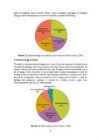
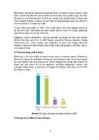
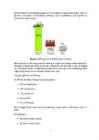

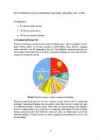
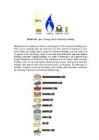
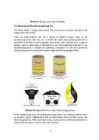
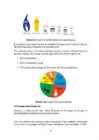
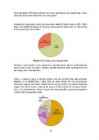
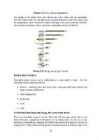
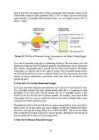
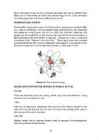
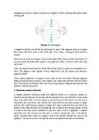
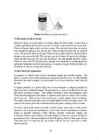
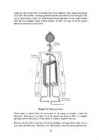

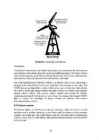
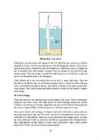
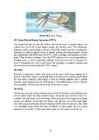
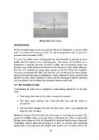
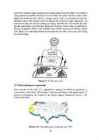
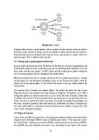
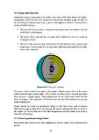
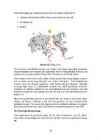
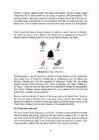
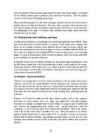
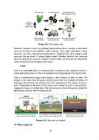
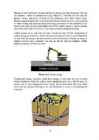
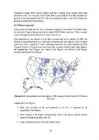
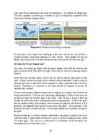
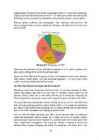







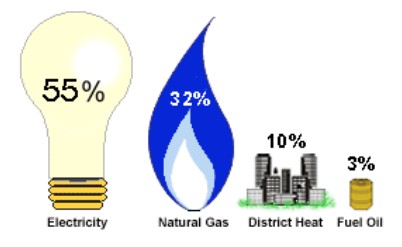
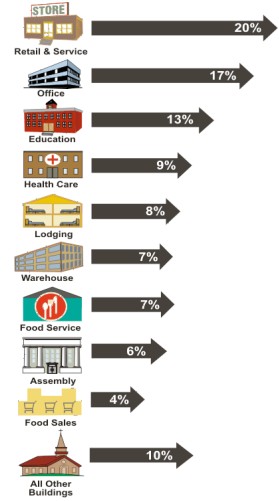
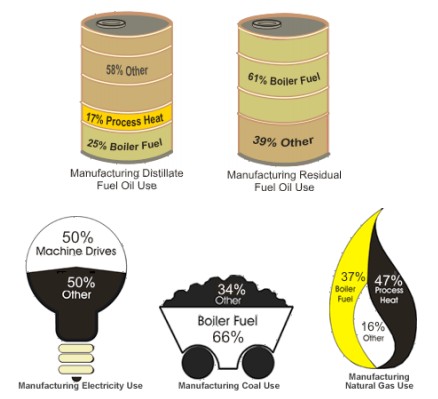
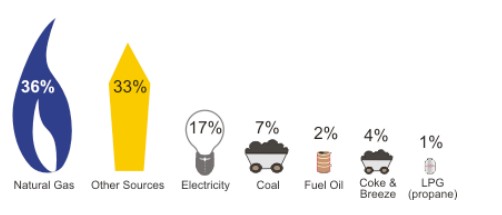
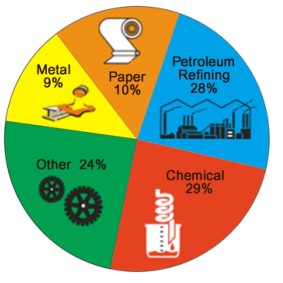
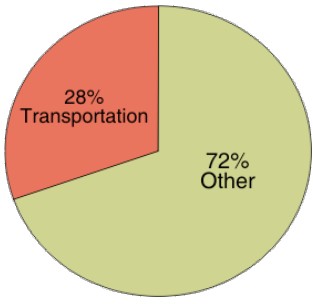
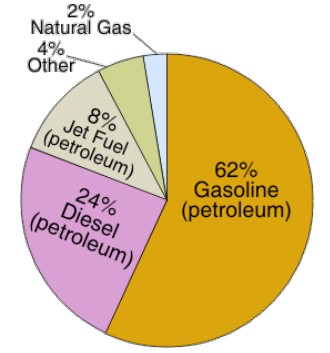
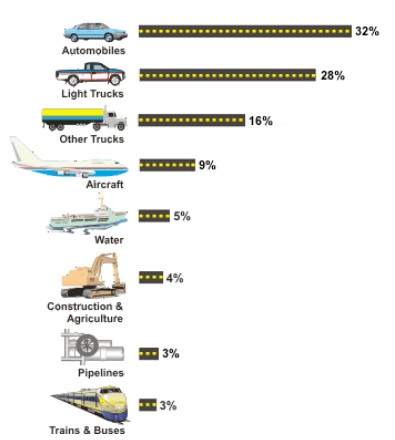
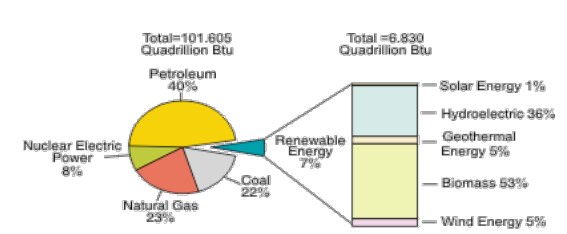
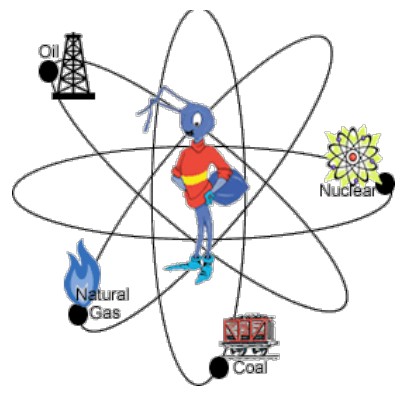

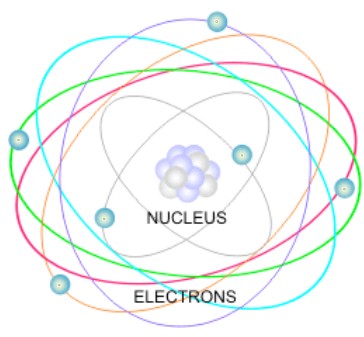
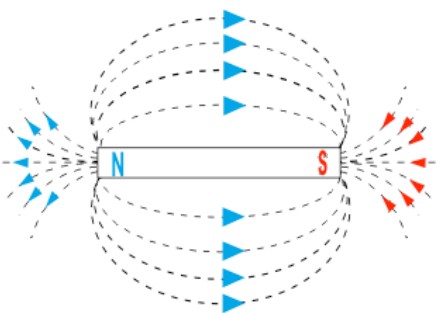
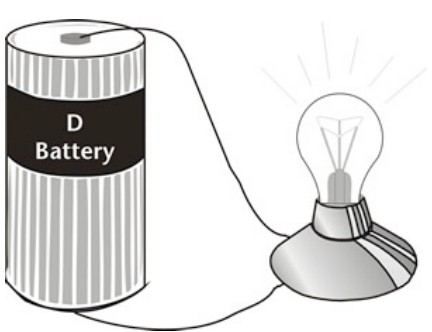
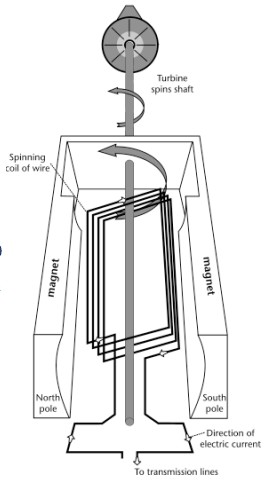
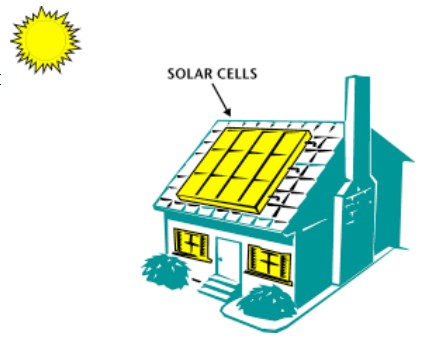
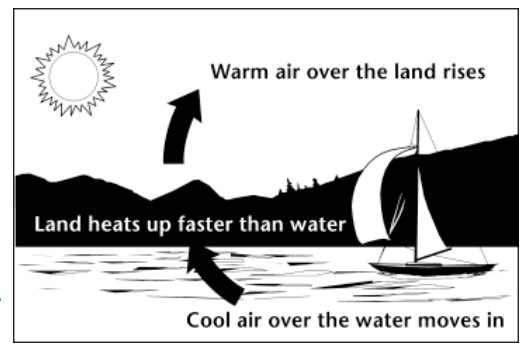
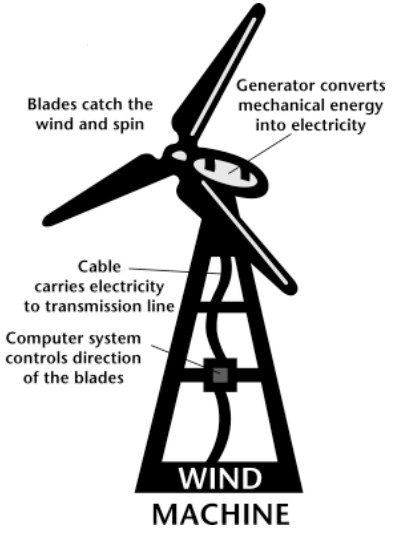
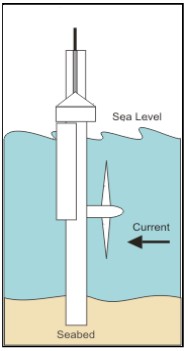
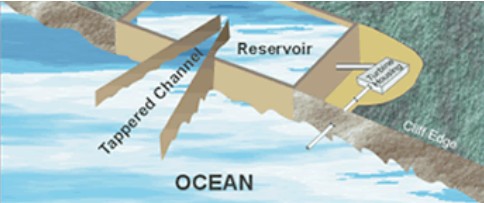
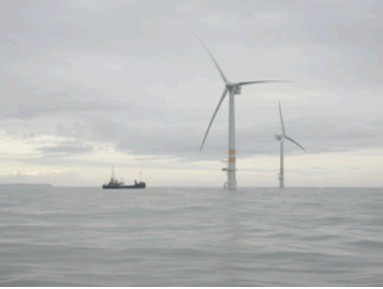
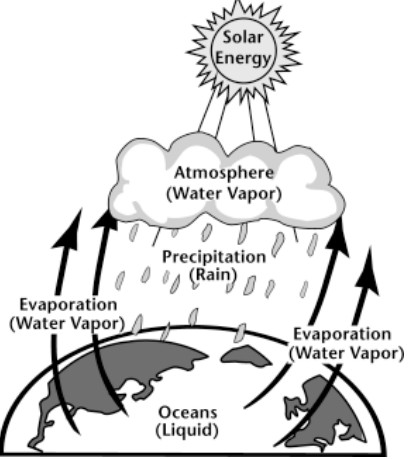
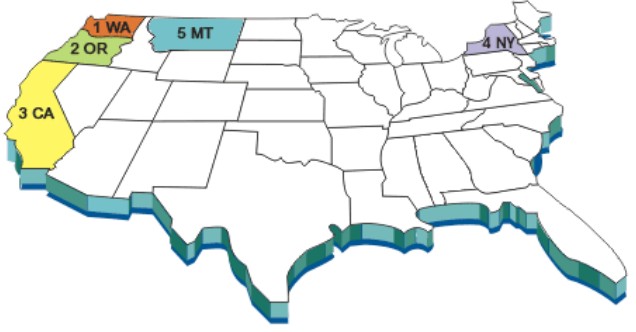
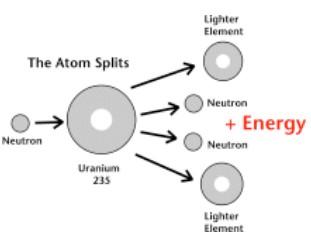
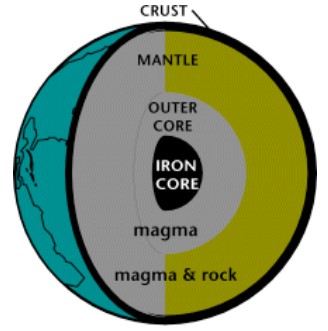
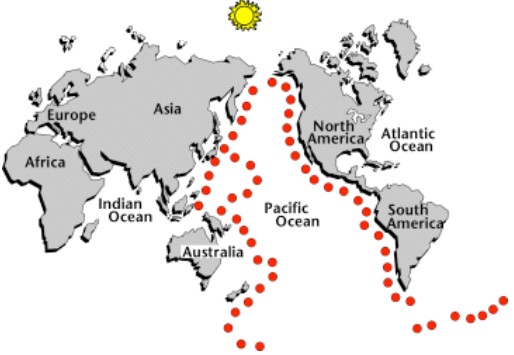
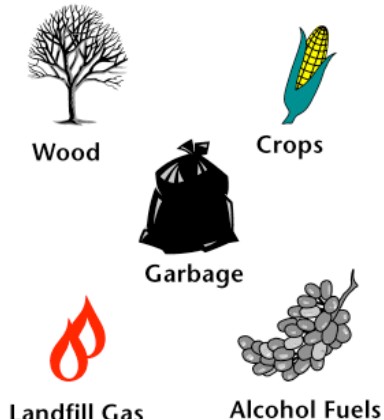
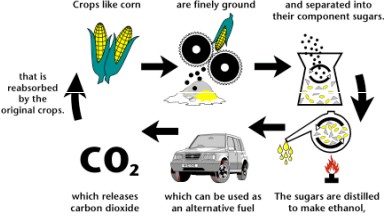
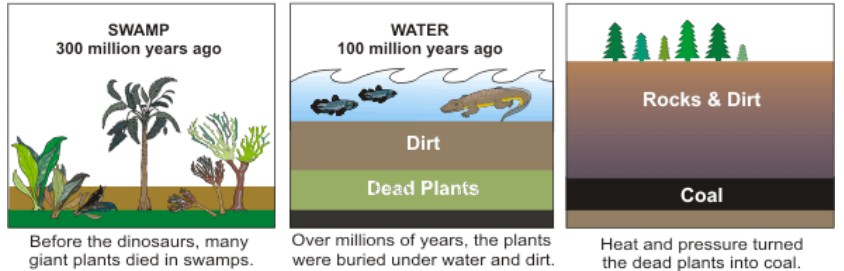
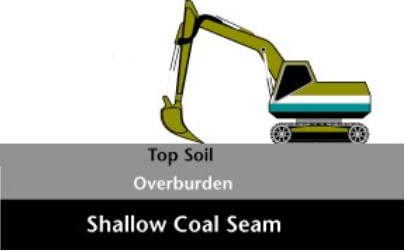
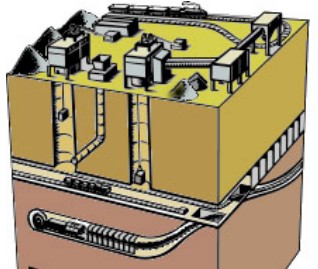
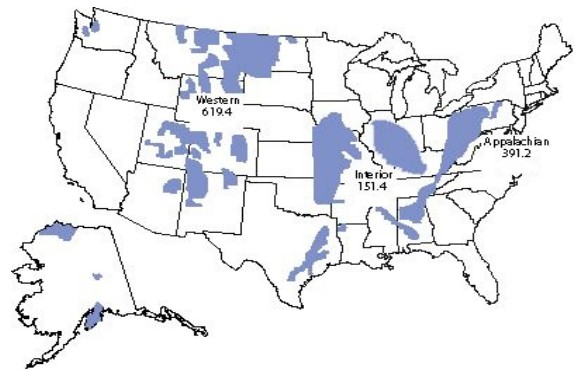
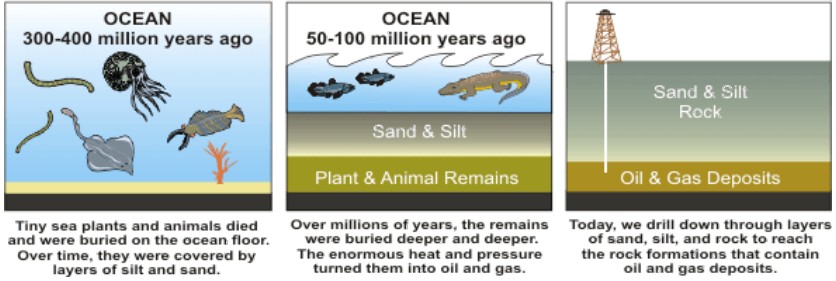
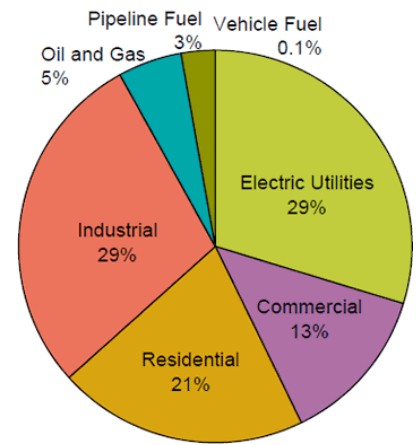
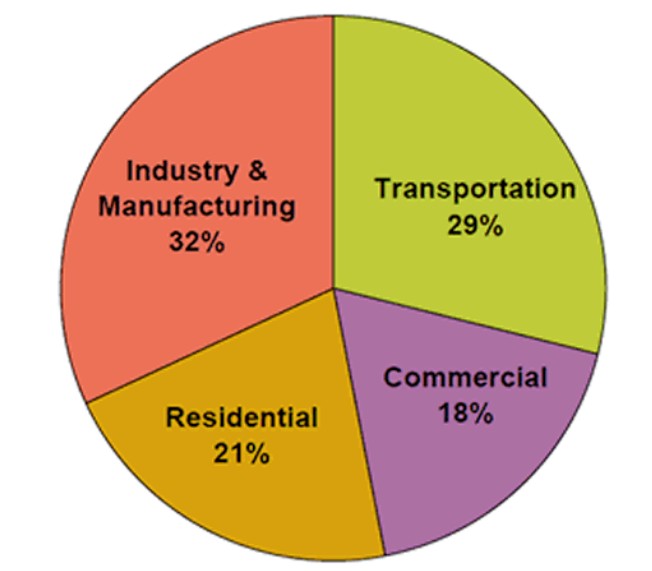
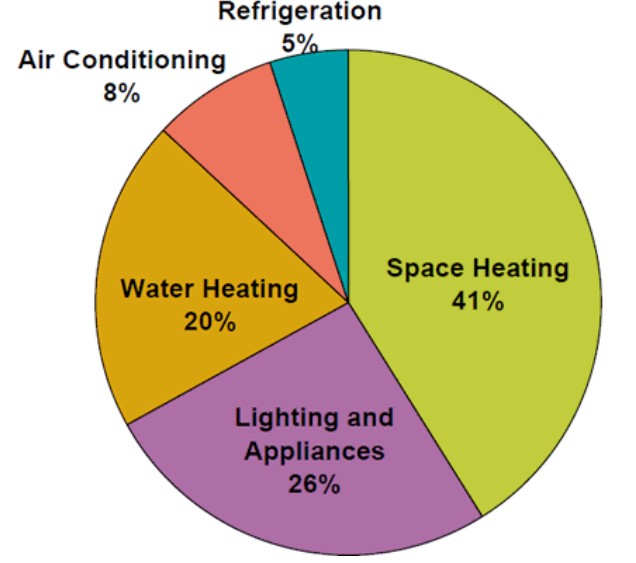
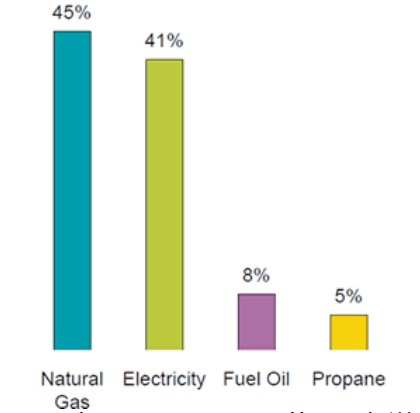
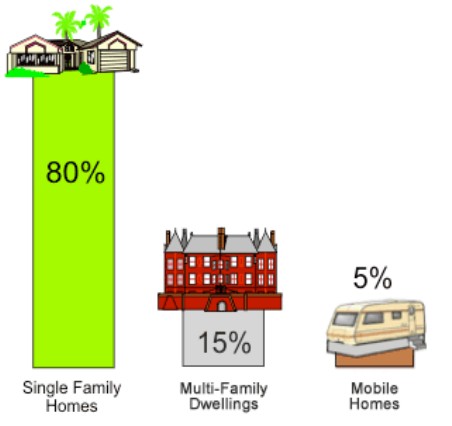
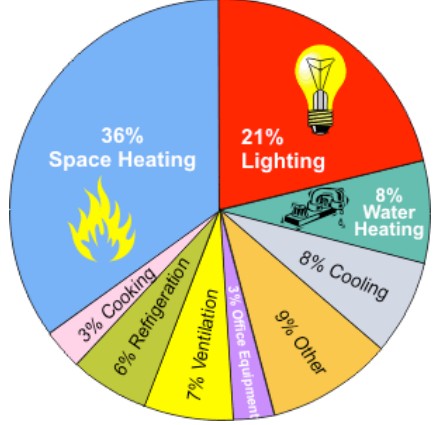


Kõik kommentaarid