Vajad kellegagi rääkida?
Küsi julgelt abi LasteAbi
Logi sisse

Renewable energy (0)

1 Hindamata
Punktid
Inglise keel - Kõik luuletused, mis on inglise keeles
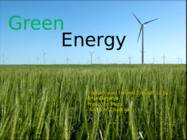
Renewable 
energy
Meriliin Lend
Estonian University of Life Sciences
Tartu 2013
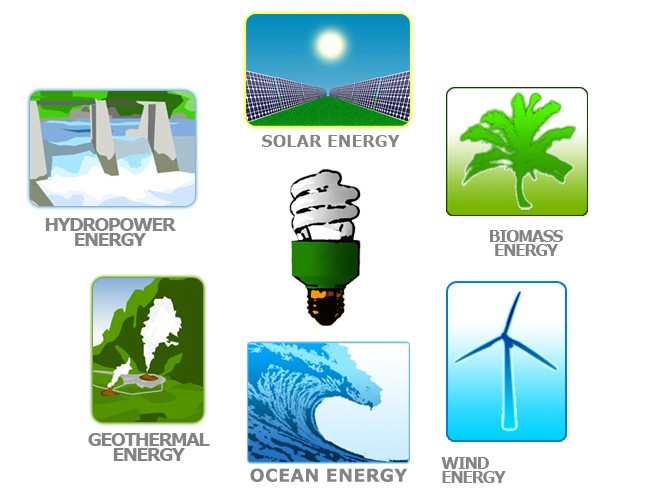
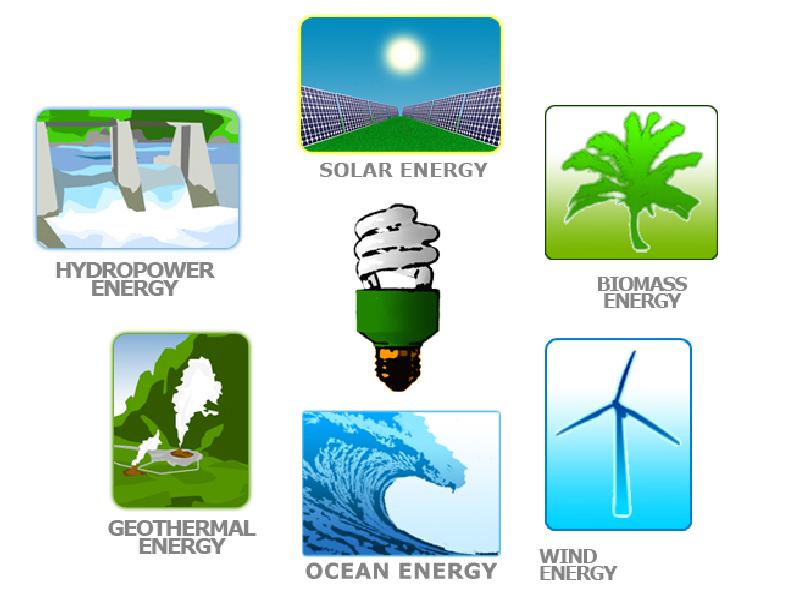
Topics
Renewable energy
Solar  energy
Wind energy
Hydroelectric  power
Geothermal  energy
Biomass  energy
Renewable energy
Renewable energy  comes  from  sources  that 
naturally renew, or will not run out in our 
lifetimes.
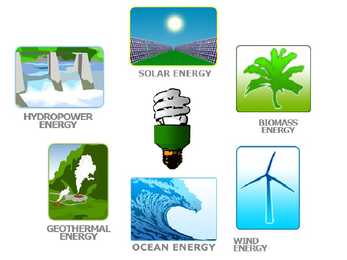
Includes sunlight, wind, water, geothermal 
heat  and various forms of  biomass.
Renewable energy  cannot  be  exhausted  and 
is constantly renewed.
Does not  harm  the environment.
Saves  money .
Solar energy
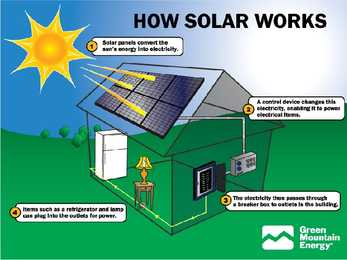
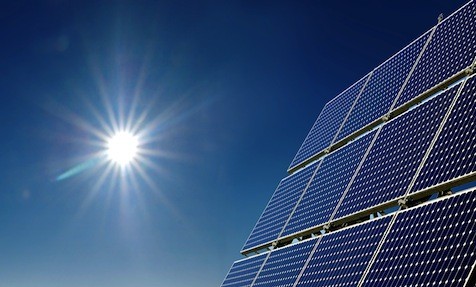
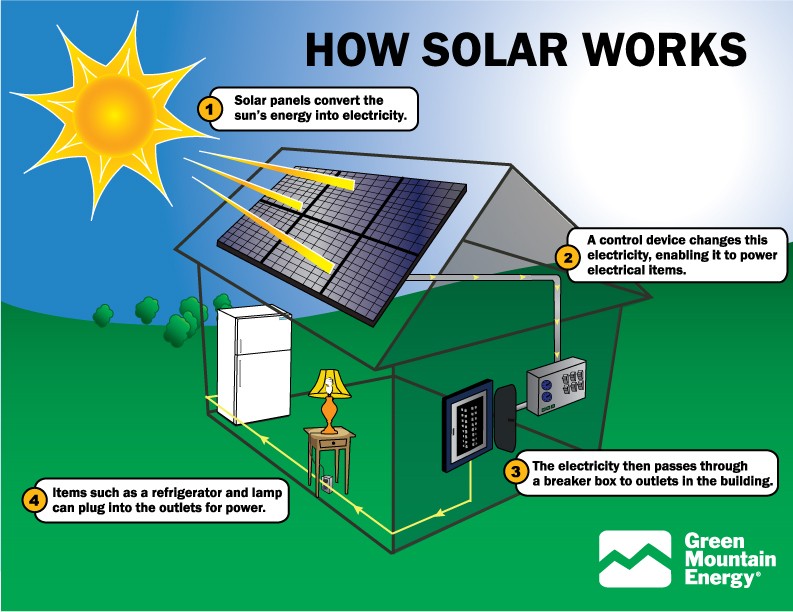
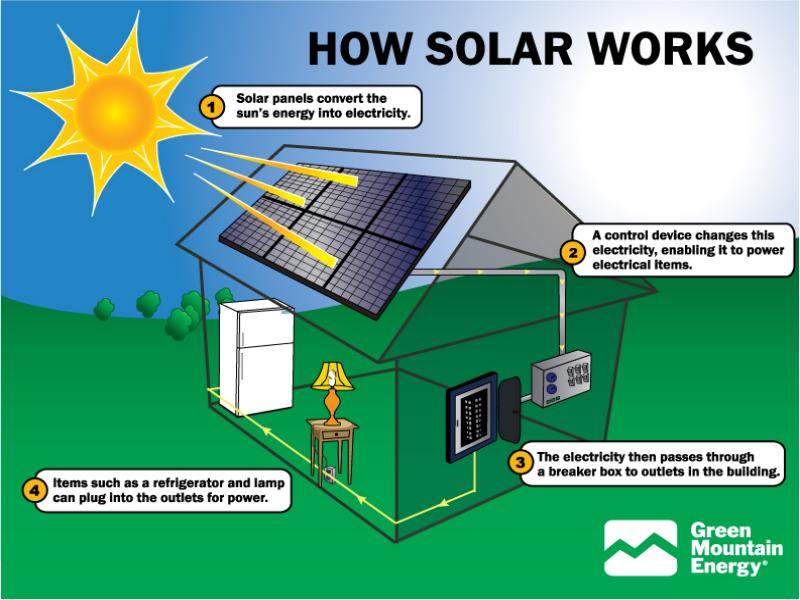
Solar energy is the  technology  used to 
harness the sun’s energy and make it 
useable.
Every hour the sun beams onto Earth 
more  than  enough energy to satisfy  global  
energy  needs  for an  entire   year .
Solar energy use has surged at about 20 
percent  a year over the past 15 years, 
thanks  to rapidly falling prices and gains 
in efficiency.
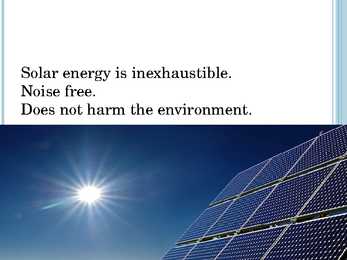
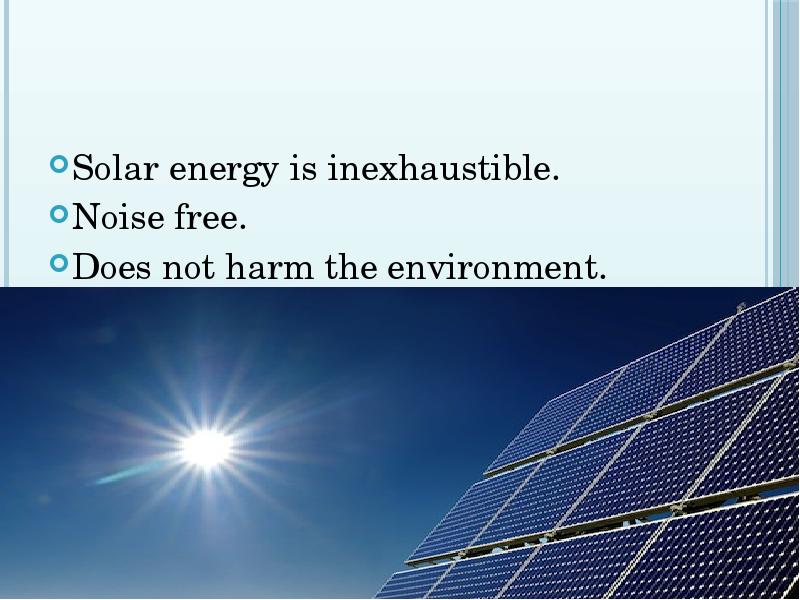
Solar energy is inexhaustible.
Noise free.
Does not harm the environment.
Click to edit Master text styles
Second level

Third level

Fourth  level

Fifth level
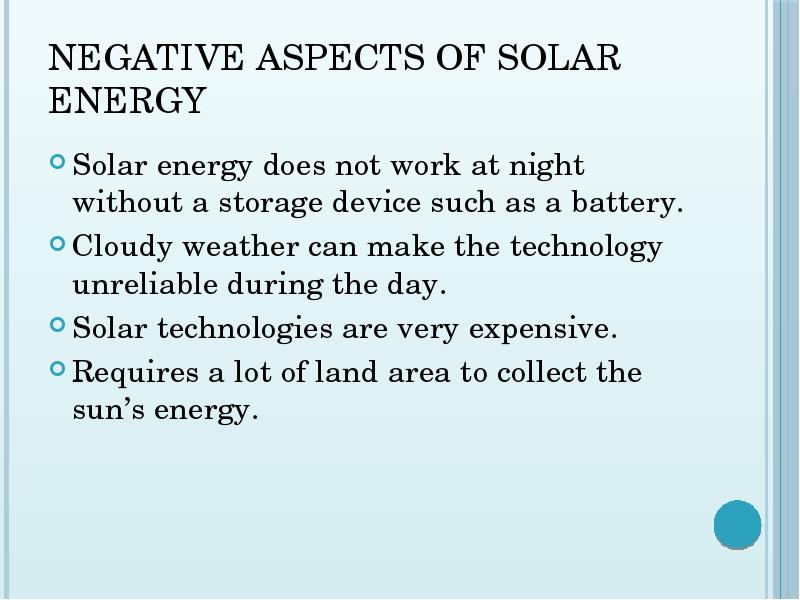
Negative  aspects of solar energy
Solar energy does not  work  at night  without  
a storage  device  such as a  battery .
Cloudy  weather  can make the technology 
unreliable  during  the day.
Solar technologies are very  expensive .
Requires  a lot of  land  area to  collect  the 
sun’s energy.
Wind energy
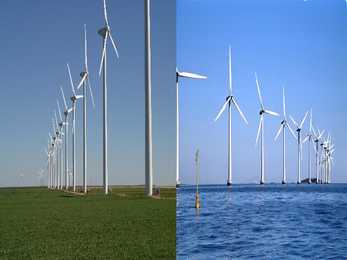
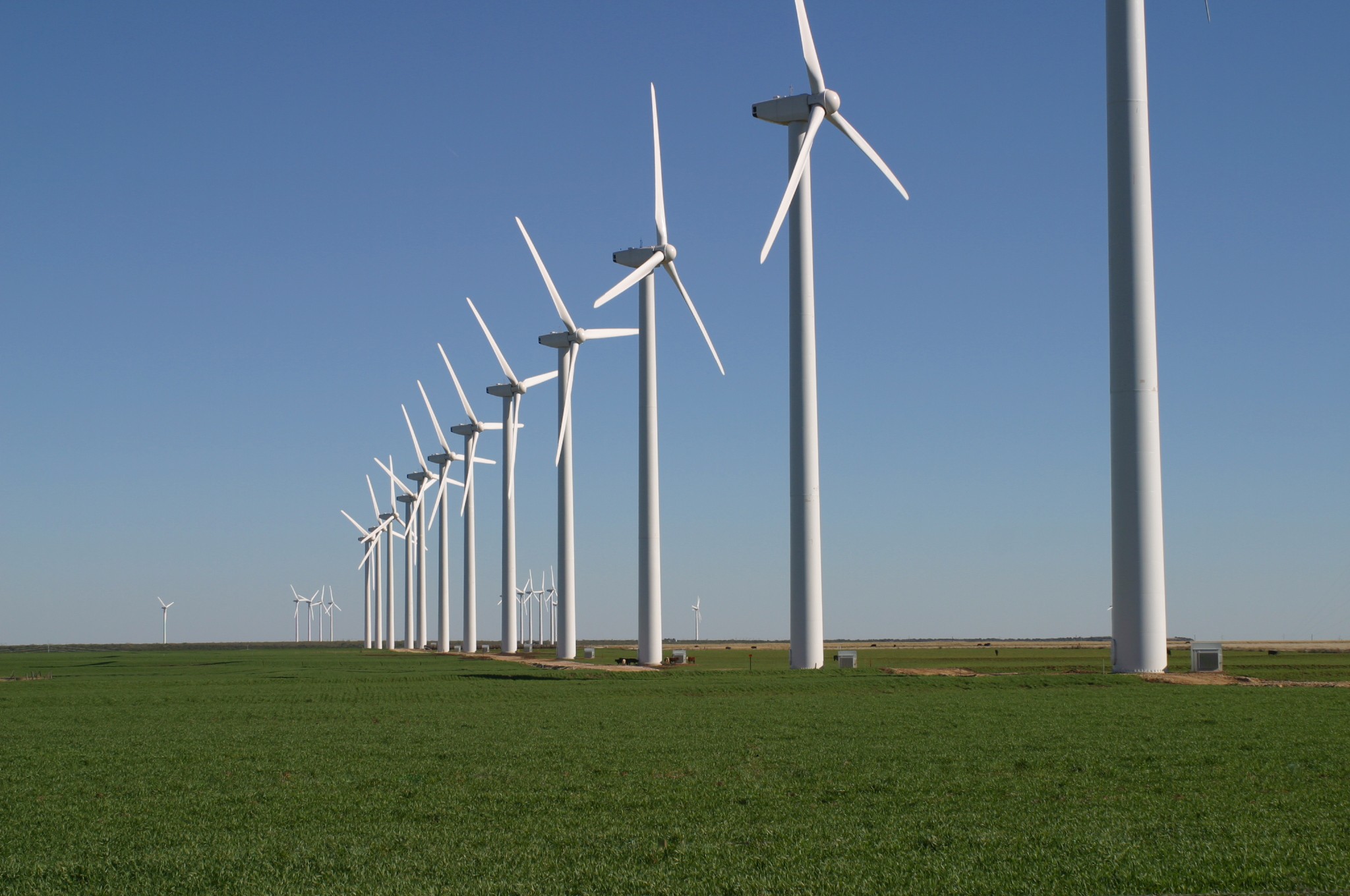
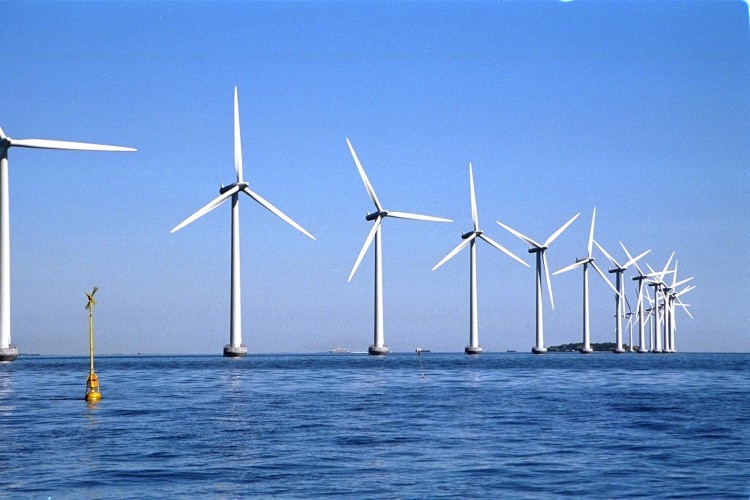
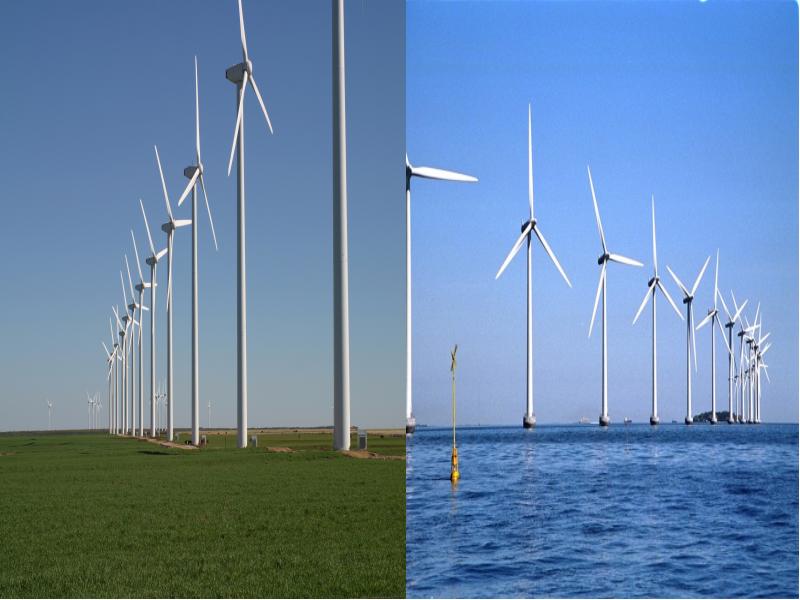
Most wind energy comes from wind 
turbines .
Wind turbines are used to wring electricity 
from the  breeze .
Wind  turbine  use has increased at more 
than 25 percent a year.
Wind is a  clean  source of renewable energy 
that produces no air or water pollution.
Wind is free, operational costs are  nearly  
zero  once  a turbine is erected.
Negative aspects of wind energy
Wind turbines make noise.
Slowly rotating blades can  kill  birds 
and  bats .
Wind is variable: if it’s not blowing , 
there ’s no electricity generated.
Wind turbines are expensive.
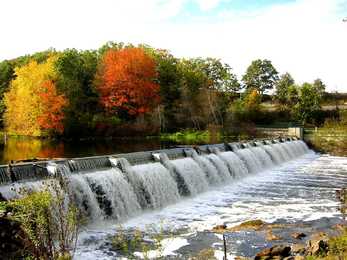
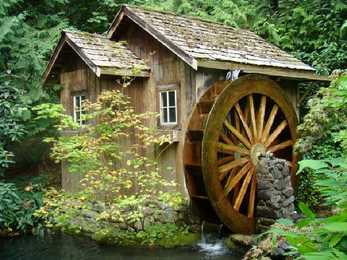
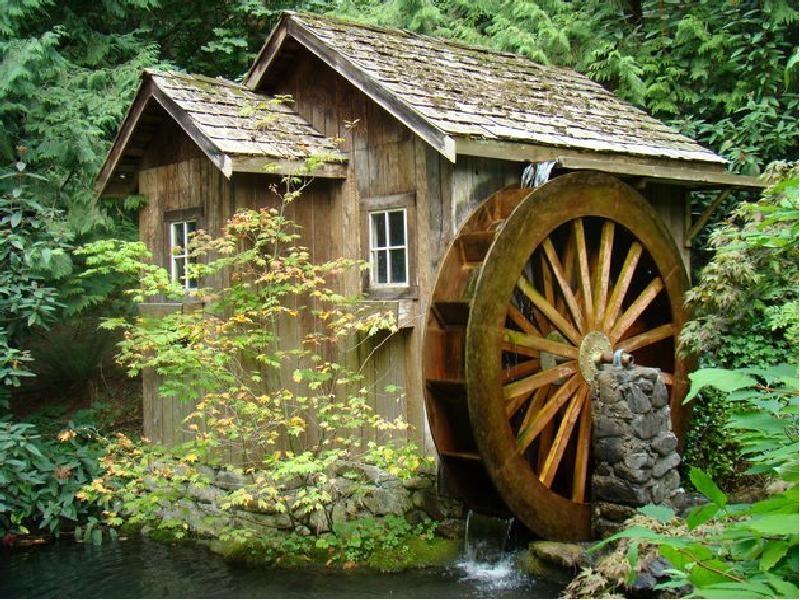
Hydroelectric power
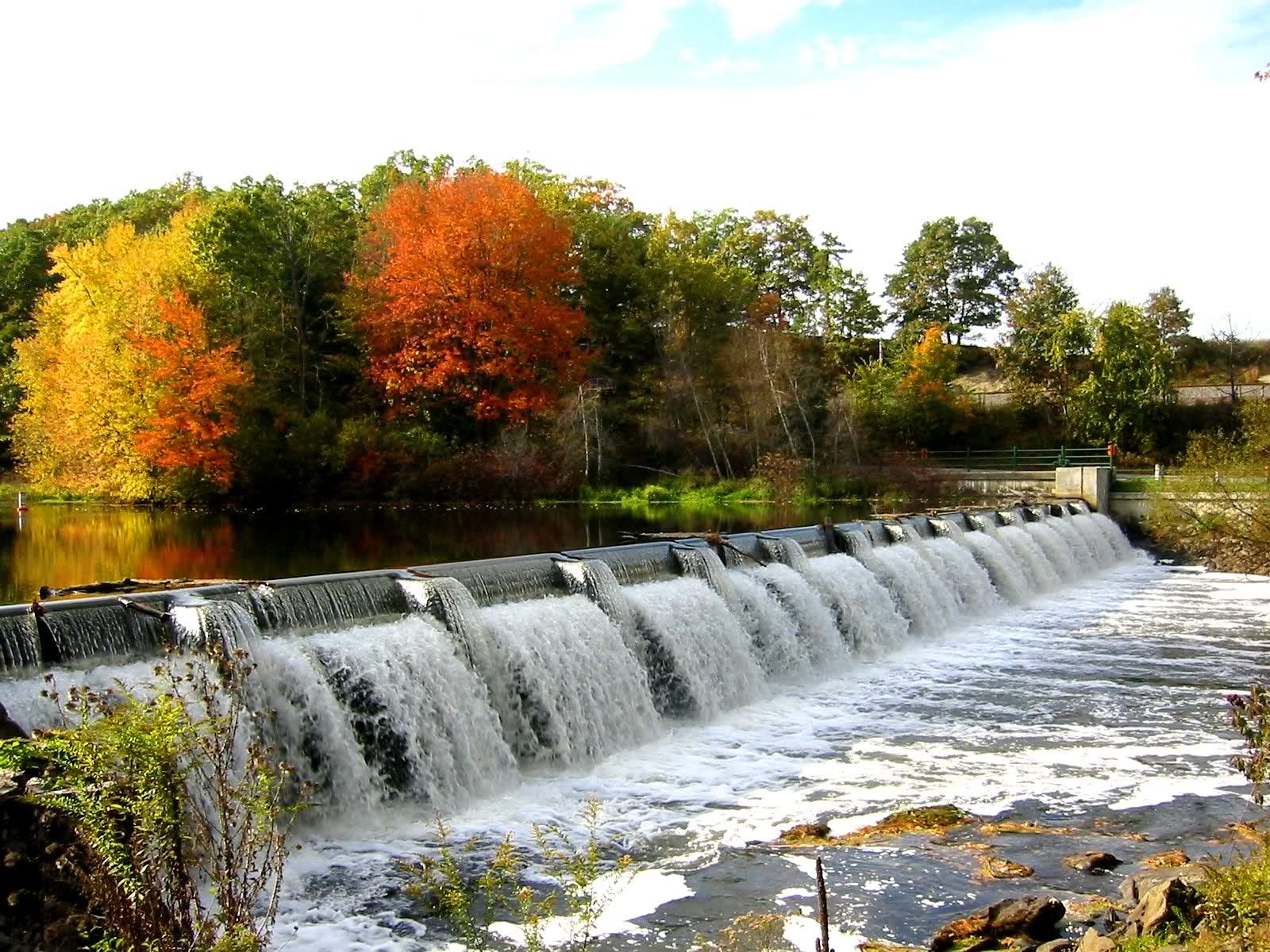
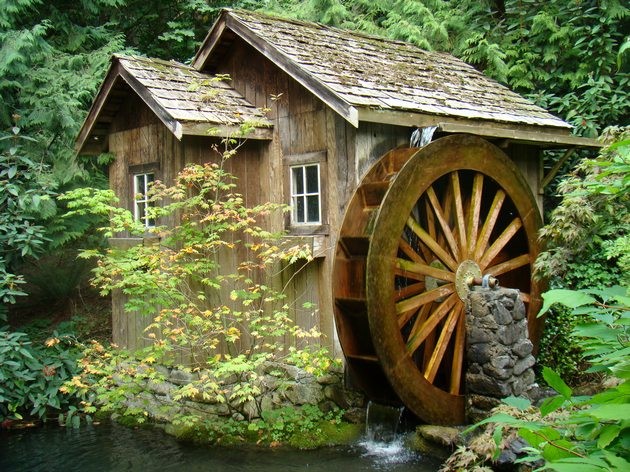
Hydropower  is electricity generated using the energy of moving 
water.
Hydropower is the cheapest way to  generate  electricity  today .
It's a clean fuel source that is renewable  yearly  by snow and rainfall.
Hydropower is readily available; engineers can  control  the flow of 
water  through  the turbines to produce electricity on demand.
In  addition , reservoirs may  offer  recreational opportunities, such as 
swimming  and boating.
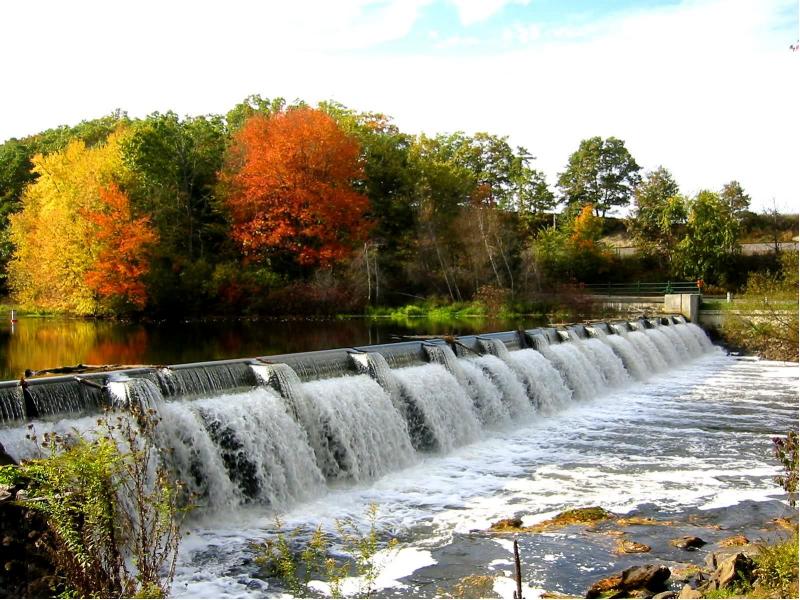
A typical hydro plant is a system with three parts: an  electric  plant 
where the electricity is produced; a dam that can be opened or closed 
to control water flow; and a reservoir where water can be  stored
Hydroelectric power provides  almost  one­fifth of the world's 
electricity.
China , Canada,  Brazil , the United States, and  Russia  were the  five  
largest  producers  of hydropower in 2004.
The  first  hydroelectric power plant was  built  at Niagara  Falls  in 
1879.
Negative aspects of hydropower
Damming  rivers  may  destroy  or disrupt  wildlife  and  other  natural 
resources. 
Hydropower  plants  can  cause  low dissolved oxygen levels in the 
water, which is harmful to river  habitats .
Hydroelectric power plants don’t work for a very long time.
Silt, or dirt from a riverbed, builds up  behind  the dam and slows the 
flow of water.
Geothermal energy
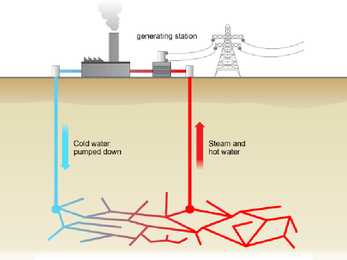
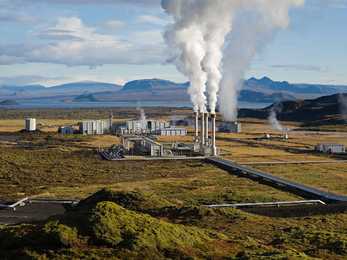
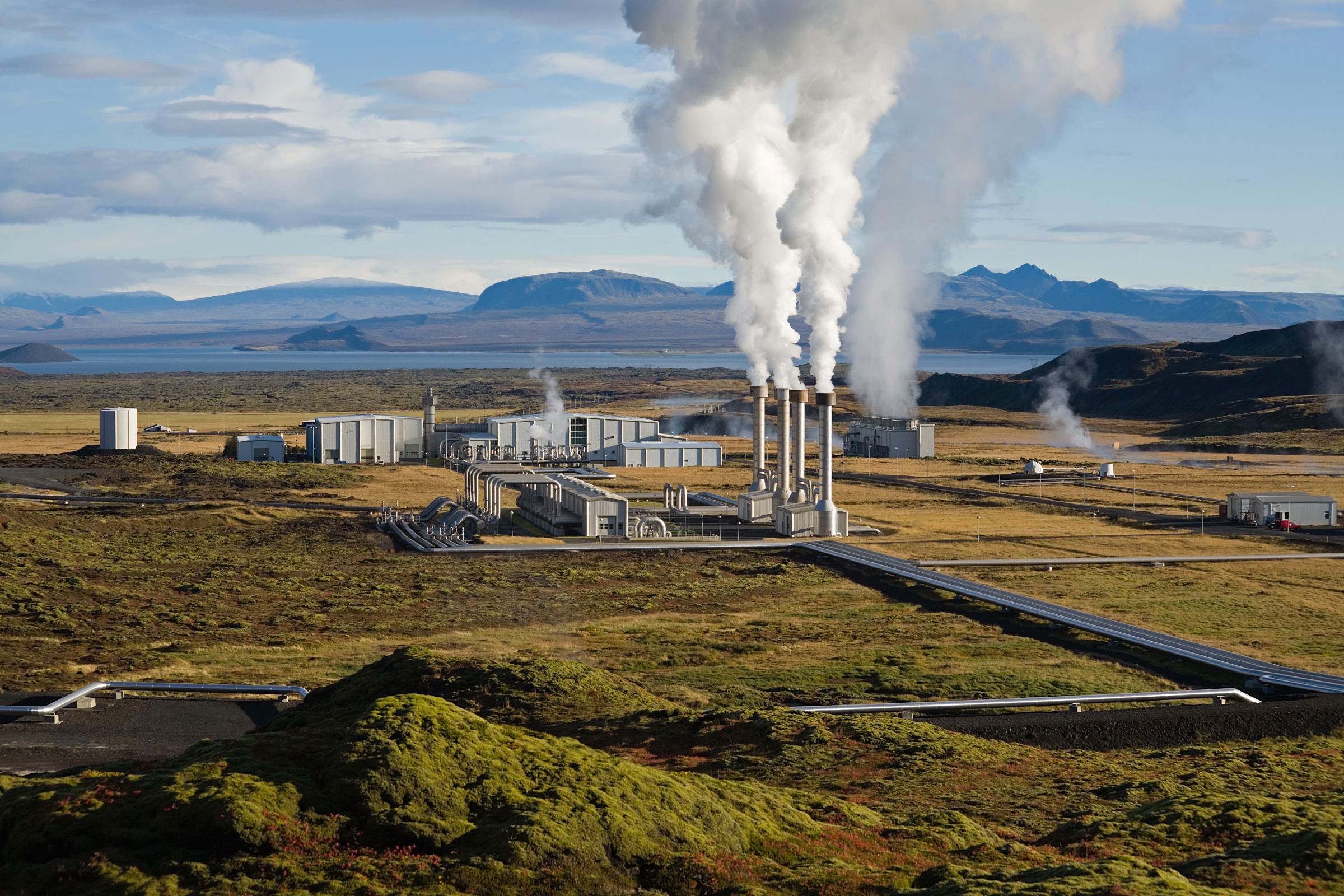
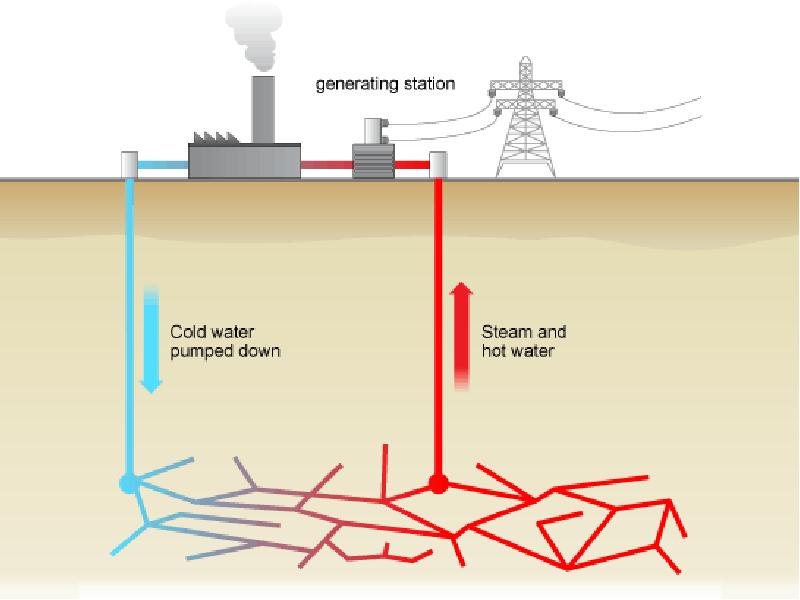
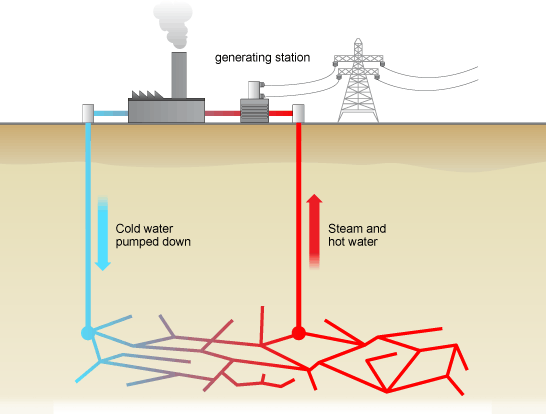
Geothermal energy is the heat from the Earth.
It's clean and  sustainable .
It can be extracted without  burning  a fossil fuel such as  coal , gas, or 
oil. 
Geothermal fields produce only about one­sixth of the  carbon  dioxide 
that a relatively clean natural­gas­fueled power plant produces. 
Unlike solar and wind energy, geothermal energy is always 
available, 365  days  a year. 
It's relatively inexpensive.
There are three types of geothermal power 
plants: dry steam, flash, and  binary
Geothermal energy is generated in over 20 
countries.
The United States is the world's largest 
producer.
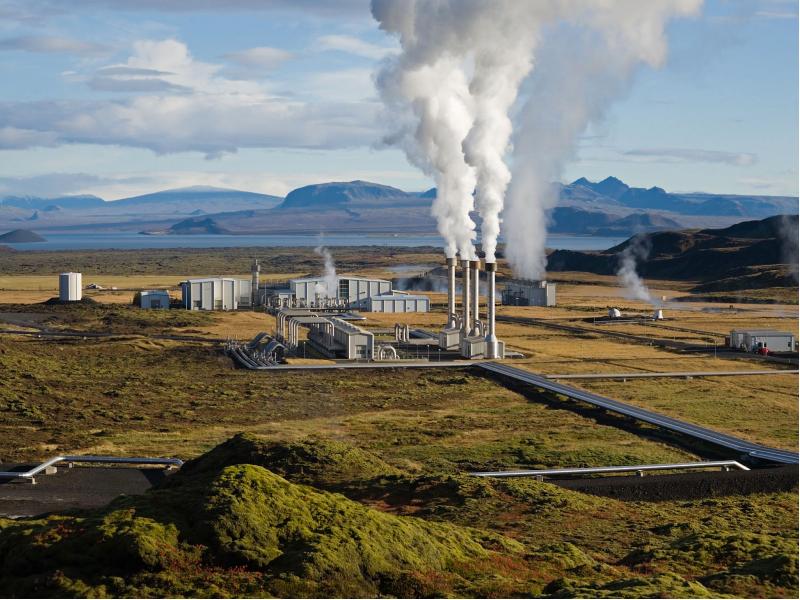
In  Iceland , many of the buildings and  even  
swimming pools are heated with 
geothermal hot water. 
Negative aspects of geothermal energy
The main  concern  is the  release  of hydrogen 
sulfide, a gas that smells like rotten egg at 
low  concentrations
Another concern is the disposal of some 
geothermal fluids, which may  contain  low 
levels of toxic materials.
 Although geothermal sites are capable of 
providing heat for many decades, eventually 
specific  locations may cool down.
Biomass energy
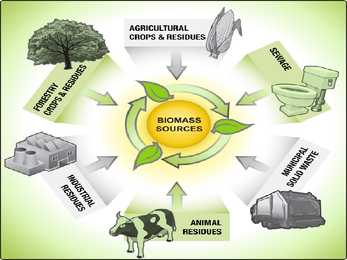
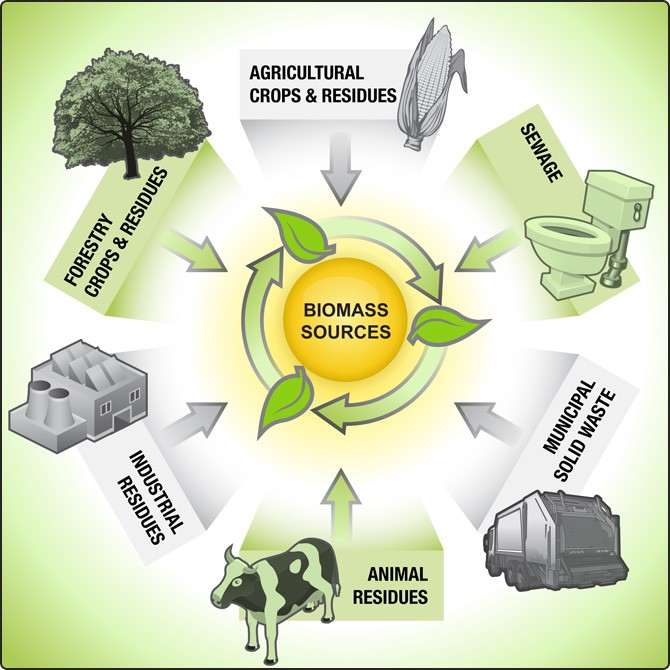
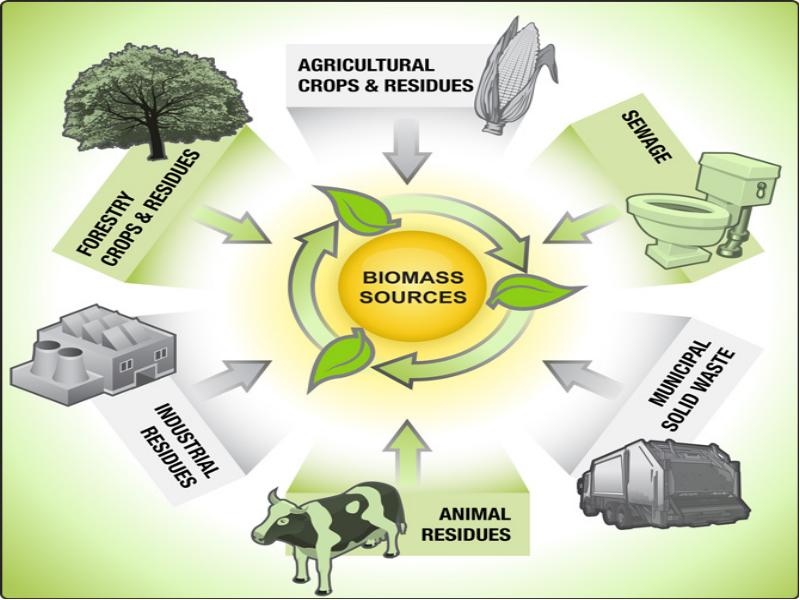
Biomass is any  material  that comes from plants or 
microorganisms that were recently living.
Trees , branches, scraps of bark, and  recycled  paper 
are common sources of biomass energy.
Manure, garbage, and crops such as  corn , soy, and 
sugar  cane can also be used as biomass feedstocks.
We get energy from biomass by burning it.
Wood  chips, manure, and garbage are dried 
out and compressed into squares called 
“briquettes.”
Biomass can also be converted into biofuel. 
major  advantage of biomass is that it can 
be stored and used when it is needed.
Negative aspects of biomass energy
Growing crops for biofuels requires large 
amounts of land and pesticides.
Some pesticides could pollute the air and 
water.
Biomass energy can also be a non­
renewable energy source. 
If people do not replant biomass feedstocks 
as fast as they use  them , biomass energy 
becomes a non­renewable energy source.
Conclusion
Renewable energy is generated from 
natural resources.  Renewable energy 
sources are sunlight, wind, geothermal 
heat, water and various forms of biomass. 
These renewable sources cannot be 
exhausted and they are constantly renewed. 
They do not harm the environment. Using 
renewable energy you can save your money 
and  protect  the environment.
References
http://world­nuclear.org/info/Energy­and­Environment/Renewable­Energy­and­Electricity/
http://environment.nationalgeographic.com/environment/global­warming/wind­power­profile/#close­modal
http://environment.nationalgeographic.com/environment/global­warming/solar­power­profile/
http://environment.nationalgeographic.com/environment/global­warming/hydropower­profile/#close­modal
http://environment.nationalgeographic.com/environment/global­warming/geothermal­profile/#close­modal
http://education.nationalgeographic.com/education/encyclopedia/renewable­energy/?ar_a=1
Pictures: www.google.com
www.glosbe.com
www. translate .google.com

Document Outline

  • Slide 1
  • Topics
  • Renewable energy
  • Slide 4
  • Solar energy
  • Slide 6
  • Slide 7
  • Slide 8
  • Slide 9
  • Negative aspects of solar energy
  • Wind energy
  • Negative aspects of wind energy
  • Slide 13
  • Hydroelectric power
  • Slide 15
  • Negative aspects of hydropower
  • Slide 17
  • Slide 18
  • Geothermal energy
  • Slide 20
  • Negative aspects of geothermal energy
  • Slide 22
  • Slide 23
  • Biomass energy
  • Slide 25
  • Negative aspects of biomass energy
  • Slide 27
  • Conclusion
  • References
  • Slide 30
Vasakule Paremale
Renewable energy #1 Renewable energy #2 Renewable energy #3 Renewable energy #4 Renewable energy #5 Renewable energy #6 Renewable energy #7 Renewable energy #8 Renewable energy #9 Renewable energy #10 Renewable energy #11 Renewable energy #12 Renewable energy #13 Renewable energy #14 Renewable energy #15 Renewable energy #16 Renewable energy #17 Renewable energy #18 Renewable energy #19 Renewable energy #20 Renewable energy #21 Renewable energy #22 Renewable energy #23 Renewable energy #24 Renewable energy #25 Renewable energy #26 Renewable energy #27 Renewable energy #28 Renewable energy #29 Renewable energy #30
Punktid 50 punkti Autor soovib selle materjali allalaadimise eest saada 50 punkti.
Leheküljed ~ 30 lehte Lehekülgede arv dokumendis
Aeg2014-01-18 Kuupäev, millal dokument üles laeti
Allalaadimisi 6 laadimist Kokku alla laetud
Kommentaarid 0 arvamust Teiste kasutajate poolt lisatud kommentaarid
Autor yellowcar Õppematerjali autor
Ülikooli inglise keele esitlus: Renewable Energy.

Kasutatud allikad

Sarnased õppematerjalid

Energeetika arengu plaanimine
20
docx

Energeetika arengu plaanimine

ELEKTROENERGEETIKA INSTITUUT Referaat Taastvad Energiaallikad Esitamise tähtaeg 14.04.2009 Õppejõud: Hannes Agabus Tudeng: Sergei Belosapko Nikita Naumov Tallinn 2009 Contents: 1. Renewable energy 1.1. Costs................................................................................................................... 2 1.2. Potential future utilization..............................................................................4 1.3. Why Don't We Use More Renewable Energy? ...........................................5 2. Energy Types 2.1. Wind Energy.......................................................................................................6 2.1.1. Annual Generation........

Energeetika arengu plaanimine
Energy - põhjalik referaat energiast
62
doc

Energy - põhjalik referaat energiast

SISUKORD ENERGY STORY................................................................................................................4 USES OF ENERGY............................................................................................................. 4 2.1 Uses of energy in homes...............................................................................................5 2.2 Types of energy used in homes.................................................................................... 6 2.3 Energy use in different types of homes........................................................................ 6 2.4 Commercial Energy Use...............................................................................................9 2.5 Industrial and Manufacturing Energy Use..................................................................11 2.6 Transportation Energy Use........

Inglise keele foneetika ja fonoloogia
Green Energy presentation
36
ppt

Green Energy presentation

Green Energy Program paid for and brought to by -Anja Bananja -Franz the Manz - And Just Chadrick Overview- What is Green Energy? Different Types? What is sustainability? German Green Energy Cost and Efficiency Recycling What is Green Energy? -It is energy resources that are renewable -Can be naturally replenished -Clean, Safe and not harmful to the environment (aka mother earth) Types of Green Energy Green Energy going cute Solar Power · Is produced by using photovoltaic cells, which capture sunlight and turns that into energy. Problems ? -The sun has got to shine -The cost of solar panels and the systems range between $20k-40k -The light from the sun produces a very small amount of energy

Inglise keel
Natural resources - our treasure
2
doc

Natural resources - our treasure

and also woods, groundwater, animals and so on, in other words it's everything that human hasn't created. These resources are also used in industry. We get natural resources from the environment. Many of them are essential for our survival while others are used for satisfying our wants. Renewable resources: Some natural resources can be reproduced within a few years or decades. These are called renewable resources. Solar radiation, wind and hydroelectricity, are perpetual resources that are in no danger of a lack of long-term availability. Some natural renewable resources such as geothermal power, fresh water, timber, and biomass must be carefully managed to avoid exceeding the worlds capability to displace them. Solar energy is the energy derived directly from the Sun. Along with nuclear energy, it is the most important source of energy on Earth

Inglise keel
Renewable energy
8
ppt

Renewable energy

Name at least 3 renewable energy sources. What consequence might there be if we use non-renewable energy too much? Which energy technology is the world's fastest growing? With what name is renewable energy also known as? Light Heat Electricity Generated from natural resources. Doesn't harm the environment. Can't be replenished Most of our energy. May cause global warming. Wind energy is the fastest growing. Most renewable energy comes from the sun. Hydroelectric energy is the oldest and largest source. Renewable energy a.k.a "green" energy. Thank you for listening! We use energy every day. It surrounds us in different forms, such as light, heat, and electricity. Our bodies use the energy stored in molecules of substances like carbohydrates and protein to move, breathe, grow, and think. We also use energy to do work and to play. Humans have invented thousands of machines and

Inglise keel
Water creates energy
1
docx

Water creates energy

Water creates energy Eduard Kamenski 11a form The world uses energy from many different sources, such as: hydroelectric power, nuclear power plants, solar energy, and wind generated power. There are positive and negative aspects of each source, but which source of energy is best? My opinion is that the best source of energy is water and I'll bring up some facts why do I think so. Hydroelectric power is currently the world's largest renewable source of electricity. It accounts for six percent of the worldwide energy supply or about fifteen percent of the world's electricity. Water has been found to be a major source of energy. Water power is utilized at present mainly as hydro-electricity. It is produced from moving water and from falls with the help of turbines and dynamos. Hydro-electricity has acquired great significance as a source of energy in the country in the present times and is being put to different uses

Inglise keel
New energy sources
28
pptx

New energy sources

New energy sources Rauno Hermann Scheer Energy law ­ example for 47 countries 6.3% to over 20% Numerous awards including The Right Livelihood Award Renewable energy in world Investments 63 billion USD > 120 billion USD 20062009 Wind energy: 74 000 MW to 135 000 MW Solar energy: 5100 MW to 19 000 MW WHAT ARE THE ALTERNATIVES TO TODAYS SOLAR, WIND AND BIOMASS ENERGY SOURCES? Osmotic power How it works? Pressure created by osmosis powers turbines Where could be used Where fresh and salt water meet (creeks, fjords) Desalination plants Now Worlds first test factory in Norway Tofte (2009) Disadvantages Km2s of membranes needed Norway, Tofte Click to edit Master text styles Second level Third level

Inglise keel
Hüdroenergia - ettekanne
1
docx

Hüdroenergia - ettekanne

Hello My name is JOHN SMITH and I am here to talk about Hydroelectricity. Global energy use has risen by 70% since 1971 and continues to increase at the rate of 2% per year. There are many scenarios for future demand. One solution would be to use more hydropower. In 2005, renewable energy represented one-fifth of total power generation. Hydropower is the most advanced of the renewable and represents 87% of this production. 160 countries all over the world are using hydropower. Five countries make up more than half of the world's hydropower production. Those countries are: Brazil,Canada, China, Russia and the USA. (Production) *Most of the energy comes from the potential energy of dammed water driving a water turbine and generator. In this case the energy extracted from the water depends on the volume and on the difference in height between the source and the water's outflow

Inglise keel


Meedia

Kommentaarid (0)

Kommentaarid sellele materjalile puuduvad. Ole esimene ja kommenteeri


Sellel veebilehel kasutatakse küpsiseid. Kasutamist jätkates nõustute küpsiste ja veebilehe üldtingimustega Nõustun