Tallinn
2013
Ott
SpeekSubject: English Geodesy Study group: GI-21b PETROLEUM PRESENTATION
Petroleum
(L. petroleum, from
Greek : Πέτρα
(rock) + Latin:
oleum (oil) is a naturally occurring
flammable liquid consisting of a
complex mixture of hydrocarbons of various molecular
weights and
other liquid
organic compounds, that are
found in
geologic formations beneath the Earth's surface. The name Petroleum
covers
both naturally occurring unprocessed
crude oils and petroleum
products that are made up of refined crude oil. A fossil fuel, it is
formed when large quantities of dead organisms,
usually zooplankton and algae, are
buried underneath sedimentary rock and undergo
intense heat and
pressure .
Petroleum
is recovered mostly
through oil drilling. This
comes after the
studies of structural geology (at the reservoir
scale ), sedimentary
basin analysis , reservoir characterization (mainly in
terms of
porosity and permeable structures). It is refined and separated, most
easily by boiling point, into a large number of
consumer products,
from
petrol (or gasoline) and kerosene to
asphalt and chemical
reagents used to make
plastics and pharmaceuticals. Petroleum is used
in manufacturing a
wide variety of materials, and it is
estimated that the world consumes about 88 million barrels each day.
The
use of fossil
fuels such as petroleum can have a negative impact on
Earth's biosphere, releasing pollutants and greenhouse gases into the
air and damaging
ecosystems through events such as oil spills.
Concern over the depletion of the earth's finite reserves of oil, and
the
effect this would have on a society dependent on it, is a
field known as
peak oil.
EtymologyThe
word "petroleum" comes from Greek: πέτρα (petra) for
rock and Greek: ἔλαιον (elaion) for oil. The
term was found
(in the spelling "petraoleum") in
10th -
century Old English
sources . It was used in the
treatise De Natura Fossilium, published
in 1546 by the
German mineralogist Georg Bauer, also known as
Georgius Agricola. In the
19th century, the term "petroleum"
was frequently used to
refer to mineral oils produced by distillation
from mined organic solids such as cannel
coal (and
later oil
shale ),
and refined oils produced from
them ; in the United Kingdom,
storage (and later transport) of
these oils were regulated by a series of
Petroleum
Acts , from the Petroleum Act
1862 onwards.
Composition In
its strictest sense, petroleum includes only crude oil, but in common
usage it includes all liquid, gaseous, and
solid hydrocarbons. Under
surface pressure and temperature
conditions , lighter hydrocarbons
methane, ethane, propane and butane
occur as gases,
while pentane and
heavier
ones are in the form of liquids or solids.
However , in an
underground oil reservoir the proportions of gas, liquid, and solid
depend on subsurface conditions and on the phase diagram of the
petroleum mixture.
An
oil well produces predominantly crude oil, with some natural gas
dissolved in it. Because the pressure is
lower at the surface
than underground, some of the gas will
come out of
solution and be
recovered (or burned) as associated gas or solution gas. A gas well
produces predominantly natural gas. However, because the underground
temperature and pressure are
higher than at the surface, the gas may
contain heavier hydrocarbons such as pentane, hexane, and heptane in
the gaseous state. At surface conditions these will condense out of
the gas to form natural gas condensate, often shortened to
condensate. Condensate resembles petrol in appearance and is
similar in composition to some volatile
light crude oils.
The
proportion of light hydrocarbons in the petroleum mixture varies
greatly
among different oil fields, ranging from as much as 97
percent by
weight in the lighter oils to as
little as 50 percent in
the heavier oils and bitumens.
The
hydrocarbons in crude oil are mostly alkanes, cycloalkanes and
various aromatic hydrocarbons while the other organic compounds
contain nitrogen,
oxygen and
sulfur , and
trace amounts of
metals such
as
iron , nickel,
copper and vanadium. The exact molecular composition
varies widely from
formation to formation but the proportion of
chemical
elements vary over fairly
narrow limits as follows:
Composition
by weight
Element Percent range
Carbon 83 to 87%
Hydrogen 10 to 14%
Nitrogen 0.1 to 2%
Oxygen 0.05 to 1.5%
Sulfur 0.05
to 6.0%
Metals
Four different
types of hydrocarbon molecules appear in crude oil. The
relative percentage of each varies from oil to oil, determining the
properties of each oil.
Composition
by weight
Hydrocarbon
Average Range
Paraffins 30% 15 to 60%
Naphthenes 49% 30 to 60%
Aromatics 15% 3 to 30%
Asphaltics 6% remainder
Most
of the world's oils are non-conventional.
Crude
oil varies greatly in appearance depending on its composition. It is
usually
black or dark
brown (
although it may be yellowish, reddish,
or
even greenish). In the reservoir it is usually found in
association with natural gas, which being lighter
forms a gas cap
over the petroleum, and saline water which, being heavier than most
forms of crude oil, generally sinks beneath it. Crude oil may also be
found in semi-solid form mixed with
sand and water, as in the
Athabasca oil sands in
Canada , where it is usually
referred to as
crude bitumen. In Canada, bitumen is
considered a
sticky , black,
tar-like form of crude oil which is so thick and
heavy that it must
be heated or diluted
before it will flow.
Venezuela also has large
amounts of oil in the
Orinoco oil sands, although the hydrocarbons
trapped in them are more fluid than in Canada and are usually called
extra heavy oil. These oil sands resources are called unconventional
oil to distinguish them from oil which can be extracted using
traditional oil well methods.
Between them, Canada and Venezuela
contain an estimated 3.6 trillion barrels (570×109
m3) of bitumen and extra-heavy oil, about twice the
volume of the
world's reserves of conventional oil.
Petroleum
is used mostly, by volume, for producing fuel oil and petrol, both
important "
primary energy" sources. 84 percent by volume of
the hydrocarbons
present in petroleum is converted into energy-
rich fuels (petroleum-
based fuels),
including petrol,
diesel , jet,
heating, and other fuel oils, and liquefied petroleum gas. The
lighter grades of crude oil produce the
best yields of these
products, but as the world's reserves of light and
medium oil are
depleted, oil refineries are increasingly
having to
process heavy oil
and bitumen, and use more complex and
expensive methods to produce
the products
required . Because heavier crude oils have too much
carbon and not enough hydrogen, these processes generally involve
removing carbon from or adding hydrogen to the molecules, and using
fluid catalytic cracking to
convert the longer, more complex
molecules in the oil to the shorter, simpler ones in the fuels.
Due
to its high energy
density , easy transportability and relative
abundance, oil has become the world's most important source of energy
since the mid-1950s. Petroleum is also the raw
material for many
chemical products, including pharmaceuticals, solvents, fertilizers,
pesticides, and plastics; the 16 per
cent not used for energy
production is converted into these other materials. Petroleum is
found in porous rock formations in the
upper strata of some areas of
the Earth's crust.
There is also petroleum in oil sands (tar sands).
Known oil reserves are
typically estimated at
around 190 km3 (1.2
trillion (short scale) barrels)
without oil sands, or 595 km3 (3.74
trillion barrels) with oil sands.
Consumption is currently around 84 million barrels (13.4×10⁶ m3) per
day, or 4.9 km3 per
year . Which in
turn yields a remaining oil
supply of only about 120
years , if
current demand remain static.
ChemistryOctane,
a hydrocarbon found in petroleum. Lines
represent single bonds; black
spheres represent carbon; white spheres represent hydrogen.
Petroleum
is a mixture of a very large number of different hydrocarbons; the
most commonly found molecules are alkanes (linear or branched),
cycloalkanes, aromatic hydrocarbons, or more complicated
chemicals like asphaltenes. Each petroleum variety has a
unique mix of
molecules, which
define its
physical and chemical properties, like
color and viscosity.
The
alkanes, also known as paraffins, are
saturated hydrocarbons with
straight or branched chains which contain only carbon and hydrogen
and have the general
formula CnH2n+2. They generally have from 5 to
40 carbon atoms per molecule, although trace amounts of shorter or
longer molecules may be present in the mixture.
The
alkanes from pentane (C5H12) to octane (
C8H18 ) are refined into
petrol, the ones from nonane (C9H20) to hexadecane (C16H34) into
diesel fuel, kerosene and jet fuel. Alkanes with more than 16 carbon
atoms can be refined into fuel oil and lubricating oil. At the
heavier end of the range, paraffin wax is an alkane with
approximately 25 carbon atoms, while asphalt has 35 and up, although
these are usually cracked by modern refineries into more
valuable products. The shortest molecules, those with four or fewer carbon
atoms, are in a gaseous state at
room temperature. They are the
petroleum gases. Depending on demand and the
cost of
recovery , these
gases are either flared off,
sold as liquified petroleum gas under
pressure, or used to
power the refinery's own burners.
During the
winter , butane (
C4H10 ), is blended into the petrol pool at high
rates, because its high vapor pressure assists with cold starts.
Liquified under pressure
slightly above atmospheric, it is best known
for powering cigarette lighters, but it is also a main fuel source
for many developing countries. Propane can be liquified under
modest pressure, and is consumed for just about every application relying on
petroleum for energy, from cooking to heating to transportation.
The
cycloalkanes, also known as naphthenes, are saturated hydrocarbons
which have one or more carbon
rings to which hydrogen atoms are
attached according to the formula CnH2n. Cycloalkanes have similar
properties to alkanes but have higher boiling points.
The
aromatic hydrocarbons are unsaturated hydrocarbons which have one or
more planar six-carbon rings called benzene rings, to which hydrogen
atoms are attached with the formula CnHn. They tend to
burn with a
sooty flame, and many have a
sweet aroma. Some are carcinogenic.
These
different molecules are separated by fractional distillation at an
oil refinery to produce petrol, jet fuel, kerosene, and other
hydrocarbons. For example, 2,2,4-trimethylpentane (isooctane), widely
used in petrol, has a chemical formula of C8H18 and it reacts with
oxygen exothermically:
2
C8H18(l) + 25 O2(g) → 16 CO2(g) + 18 H2O(g) (ΔH
= −10.86 MJ/mol of octane)
The
amount of various molecules in an oil sample can be
determined in
laboratory. The molecules are typically extracted in a
solvent , then
separated in a gas chromatograph, and
finally determined with a
suitable detector, such as a flame ionization detector or a mass
spectrometer. Due to the large number of co-eluted hydrocarbons
within oil, many
cannot be resolved by traditional gas chromatography
and typically appear as a hump in the chromatogram. This unresolved
complex mixture (UCM) of hydrocarbons is
particularly apparent when
analysing weathered oils and extracts from tissues of organisms
exposed to oil.
Incomplete
combustion of petroleum or petrol
results in production of
toxic byproducts. Too little oxygen results in carbon monoxide. Due to the
high temperatures and high pressures involved, exhaust gases from
petrol combustion in car
engines usually
include nitrogen oxides
which are
responsible for
creation of photochemical
smog .
FormationStructure
of a vanadium porphyrin compound (
left ) extracted from petroleum by
Alfred E. Treibs,
father of organic geochemistry. Treibs noted the
close structural similarity of this molecule and chlorophyll a
(right).
Petroleum
is a fossil fuel derived from
ancient fossilized organic materials,
such as zooplankton and algae. Vast quantities of these remains
settled to sea or lake bottoms, mixing with sediments and being
buried under anoxic conditions. As further layers settled to the sea
or lake bed, intense heat and pressure
built up in the lower regions.
This process caused the organic matter to
change ,
first into a waxy
material known as kerogen, which is found in various oil shales
around the world, and then with more heat into liquid and gaseous
hydrocarbons via a process known as catagenesis. Formation of
petroleum occurs from hydrocarbon pyrolysis in a variety of mainly
endothermic reactions at high temperature and/or pressure.
There
were certain
warm nutrient-rich environments such as the Gulf of
Mexico and the ancient Tethys Sea where the large amounts of organic
material falling to the
ocean floor
exceeded the
rate at which it
could decompose. This resulted in large masses of organic material
being buried under subsequent deposits such as shale formed from mud.
This massive organic
deposit later
became heated and transformed
under pressure into oil.
Geologists
often refer to the temperature range in which oil forms as an "oil
window "
below the minimum temperature oil remains trapped in the
form of kerogen, and above the
maximum temperature the oil is
converted to natural gas through the process of thermal cracking.
Sometimes, oil formed at
extreme depths may migrate and become
trapped at a much shallower level. The Athabasca Oil Sands are one
example of this.
ReservoirsCrude
oil reservoirsThree
conditions must be present for oil reservoirs to form: a source rock
rich in hydrocarbon material buried
deep enough for subterranean heat
to
cook it into oil; a porous and permeable reservoir rock for it to
accumulate in; and a cap rock (seal) or other mechanism that prevents
it from escaping to the surface. Within these reservoirs, fluids will
typically organize themselves like a three-
layer cake with a layer of
water below the oil layer and a layer of gas above it, although the
different layers vary in size between reservoirs. Because most
hydrocarbons are less
dense than rock or water, they often migrate
upward through adjacent rock layers until either reaching the surface
or becoming trapped within porous rocks (known as reservoirs) by
impermeable rocks above. However, the process is
influenced by
underground water flows, causing oil to migrate hundreds of
kilometres horizontally or even short distances downward before
becoming trapped in a reservoir. When hydrocarbons are
concentrated in a trap, an oil field forms, from which the liquid can be extracted
by drilling and pumping.
The
reactions that produce oil and natural gas are often modeled as
first order breakdown reactions, where hydrocarbons are
broken down to oil
and natural gas by a set of
parallel reactions, and oil eventually
breaks down to natural gas by
another set of reactions. The
latter set is regularly used in petrochemical plants and oil refineries.
Wells are drilled into oil reservoirs to extract the crude oil. "Natural
lift " production methods that rely on the natural reservoir
pressure to
force the oil to the surface are usually sufficient for a
while after reservoirs are first tapped. In some reservoirs, such as
in the
Middle East , the natural pressure is sufficient over a long
time. The natural pressure in most reservoirs, however, eventually
dissipates. Then the oil must be extracted using "
artificial lift" means. Over time, these "primary" methods become
less effective and "secondary" production methods may be
used. A common secondary
method is "waterflood" or
injection of water into the reservoir to
increase pressure and force
the oil to the drilled shaft or "wellbore." Eventually
"tertiary" or "enhanced" oil recovery methods may
be used to increase the oil's flow
characteristics by injecting
steam, carbon dioxide and other gases or chemicals into the
reservoir. In the United
States , primary production methods account
for less than 40 percent of the oil produced on a daily
basis ,
secondary methods account for about
half , and tertiary recovery the
remaining 10 per cent. Extracting oil (or "bitumen") from
oil/tar sand and oil shale deposits
requires mining the sand or shale
and heating it in a vessel or
retort , or using "in-situ"
methods of injecting heated liquids into the deposit and then pumping
out the oil-saturated liquid.
Unconventional
oil reservoirsOil-
eating bacteria biodegrade oil that has escaped to the surface. Oil sands
are reservoirs of partially biodegraded oil
still in the process of
escaping and being biodegraded, but they contain so much migrating
oil that, although most of it has escaped, vast amounts are still
present—more than can be found in conventional oil reservoirs. The
lighter fractions of the crude oil are destroyed first, resulting in
reservoirs containing an extremely heavy form of crude oil, called
crude bitumen in Canada, or extra-heavy crude oil in Venezuela. These
two countries have the world's largest deposits of oil sands.
On
the other
hand , oil shales are source rocks that have not been
exposed to heat or pressure long enough to convert their trapped
hydrocarbons into crude oil. Technically speaking, oil shales are not
always shales and do not contain oil, but are
fined -grain sedimentary
rocks containing an insoluble rganic solid called kerogen. The
kerogen in the rock can be converted into crude oil using heat and
pressure to simulate natural processes. The method has been known for
centuries and was patented in 1694 under British
Crown Patent No. 330
covering, "A way to extract and make great quantities of
pitch ,
tar, and oil out of a sort of stone." Although oil shales are
found in many countries, the United States has the world's largest
deposits.
ClassificationThe
petroleum industry generally classifies crude oil by the
geographic location it is produced in (e.g.
West Texas Intermediate ,
Brent , or
Oman ), its API gravity (an oil industry measure of density), and its
sulfur content. Crude oil may be considered light if it has low
density or heavy if it has high density; and it may be referred to as
sweet if it contains relatively little sulfur or
sour if it contains
substantial amounts of sulfur.
The
geographic location is important because it affects transportation
costs to the refinery. Light crude oil is more desirable than heavy
oil since it produces a higher yield of petrol, while sweet oil
commands a higher
price than sour oil because it has fewer
environmental problems and requires less refining to meet sulfur
standards
imposed on fuels in consuming countries. Each crude oil has
unique molecular characteristics which are
understood by the use of
crude oil
assay analysis in petroleum laboratories.
Barrels
from an area in which the crude oil's molecular characteristics have
been determined and the oil has been classified are used as pricing
references throughout the world. Some of the common
reference crudes
are:
West
Texas Intermediate (WTI), a very high-
quality , sweet, light oil
delivered at Cushing,
Oklahoma for
North American oil
Brent
Blend, comprising 15 oils from fields in the Brent and Ninian systems
in the East Shetland Basin of the North Sea. The oil is landed at
Sullom Voe
terminal in Shetland. Oil production from
Europe ,
Africa and Middle Eastern oil
flowing West tends to be priced off this oil,
which forms a
benchmark Dubai -Oman,
used as benchmark for Middle East sour crude oil flowing to the
Asia -Pacific
region Tapis
(from
Malaysia , used as a reference for light Far East oil)
Minas (from
Indonesia , used as a reference for heavy Far East oil)
The
OPEC Reference
Basket , a weighted average of oil blends from various
OPEC (The Organization of the Petroleum Exporting Countries)
countries
Midway Sunset Heavy, by which heavy oil in
California is priced
There
are declining amounts of these benchmark oils being produced each
year, so other oils are more commonly what is actually delivered.
While the reference price may be for West Texas Intermediate
delivered at Cushing, the actual oil being traded may be a discounted
Canadian heavy oil delivered at Hardisty,
Alberta , and for a Brent
Blend delivered at Shetland, it may be a
Russian Export Blend
delivered at the port of Primorsk.
Petroleum
industryThe
petroleum industry is involved in the
global processes of
exploration, extraction, refining, transporting (often with oil
tankers and
pipelines ), and
marketing petroleum products. The largest
volume products of the industry are fuel oil and petrol. Petroleum is
also the raw material for many chemical products, including
pharmaceuticals, solvents, fertilizers, pesticides, and plastics. The
industry is usually
divided into three
major components : upstream,
midstream and downstream. Midstream operations are usually
included in the downstream
category .
Petroleum
is vital to many industries, and is of
importance to the
maintenance of industrialized civilization itself, and thus is critical concern
to many nations. Oil
accounts for a large percentage of the world's
energy consumption, ranging from a low of 32 percent for Europe and
Asia, up to a high of 53 percent for the Middle East,
South and
Central America (44%), Africa (41%), and North America (40%). The
world at large consumes 30 billion barrels (4.8 km³) of oil per
year, and the top oil consumers largely consist of developed nations.
In
fact , 24 percent of the oil consumed in 2004
went to the United
States
alone , though by 2007 this had
dropped to 21 per cent of world
oil consumed.
In
the US, in the states of Arizona, California, Hawaii,
Nevada , Oregon
and Washington, the
Western States Petroleum Association (
WSPA )
represents
companies responsible for producing, distributing,
refining, transporting and marketing petroleum. This non-
profit trade
association was
founded in 1907, and is the oldest petroleum trade
association in the United States.
HistoryPetroleum,
in one form or another, has been used since ancient
times , and is now
important across society, including in
economy , politics and
technology . The
rise in importance was due to the
invention of the
internal combustion
engine , the rise in commercial
aviation , and the
importance of petroleum to
industrial organic chemistry, particularly
the
synthesis of plastics, fertilizers, solvents, adhesives and
pesticides.
More
than 4000 years ago, according to Herodotus and Diodorus Siculus,
asphalt was used in the
construction of the walls and
towers of
Babylon; there were oil pits near Ardericca (near Babylon), and a
pitch
spring on Zacynthus. Great quantities of it were found on the
banks of the
river Issus, one of the tributaries of the Euphrates.
Ancient Persian tablets indicate the medicinal and
lighting uses of
petroleum in the upper levels of their society. By 347 AD, oil was
produced from bamboo-drilled wells in
China .
In
the 1840s, the process to distill kerosene from petroleum was
invented by James Young in Scotland and the first refinery was built
by Ignacy Łukasiewicz,
providing a
cheaper alternative to
whale oil. The demand for
petroleum as a fuel for lighting in North America and around the
world quickly grew. The question of what constituted the first
commercial oil well is a difficult one to
answer . Edwin
Drake 's 1859
well near Titusville, Pennsylvania, is popularly considered the first
modern well. Drake's well is probably singled out because it was
drilled, not dug; because it used a steam engine; because there was a
company associated with it; and because it touched off a major
boom .
However, there was
considerable activity before Drake in various
parts of the world in the mid-19th century. A group directed by Major
Alexeyev of the Bakinskii Corps of Mining Engineers hand-drilled a
well in the Baku region in 1848. There were engine-drilled wells in
West Virginia in the
same year as Drake's well. An
early commercial
well was hand dug in
Poland in 1853, and another in nearby Romania in
1857. At around the same time the world's first, small, oil refinery
was opened at Jasło in Poland, with a larger one opened at Ploiești
in Romania shortly after. Romania is the first
country in the world
to have had its annual crude oil output officially recorded in
international statistics: 275 tonnes for 1857. The first commercial
oil well in Canada became operational in 1858 at Oil
Springs , Ontario
(then Canada West). Businessman James Miller
Williams dug
several wells between 1855 and 1858 before discovering a rich
reserve of oil
four
metres below ground. Williams extracted 1.5 million litres of
crude oil by 1860, refining much of it into kerosene lamp oil.
William's
well became commercially viable a year before Drake's Pennsylvania
operation and could be argued to be the first commercial oil well in
North America. The
discovery at Oil Springs touched off an oil boom
which
brought hundreds of speculators and
workers to the area.
Advances in drilling continued into 1862 when
local driller Shaw
reached a depth of 62 metres using the spring-pole drilling method.
On
January 16, 1862, after an explosion of natural gas Canada's first
oil gusher came into production, shooting into the air at a recorded
rate of 3,000 barrels per day. By the end of the 19th century the
Russian Empire, particularly the Branobel company in
Azerbaijan , had
taken the
lead in production.
Access to oil was and still is a major
factor in several
military conflicts
of the twentieth century, including World War II, during which oil
facilities were a major strategic
asset and were extensively bombed.
Operation
Barbarossa included the
goal to capture the Baku oilfields,
as it would provide much needed oil-supplies for the German military
which was suffering from blockades. Oil exploration in North America
during the early 20th century later led to the U.S. becoming the
leading producer by mid-century. As petroleum production in the U.S.
peaked during the
1960s , however, the United States was surpassed by
Saudi
Arabia and
Russia .
Today,
about 90 per cent of vehicular fuel
needs are met by oil. Petroleum
also
makes up 40 per cent of
total energy consumption in the United
States, but is responsible for only 1 per cent of electricity
generation. Petroleum's worth as a portable, dense energy source
powering the vast majority of vehicles and as the
base of many
industrial chemicals makes it one of the world's most important
commodities. Viability of the oil commodity is controlled by several
key parameters, number of vehicles in the world competing for fuel,
quantity of oil exported to the world
market (Export
Land Model), Net
Energy Gain (economically useful energy provided
minus energy
consumed), political stability of oil exporting nations and
ability to defend oil supply lines.
The
top three oil producing countries are Saudi Arabia, Russia, and the
United States. About 80 per cent of the world's readily accessible
reserves are
located in the Middle East, with 62.5 per cent coming
from the
Arab 5: Saudi Arabia, UAE,
Iraq ,
Qatar and Kuwait. A large
portion of the world's total oil exists as unconventional sources,
such as bitumen in Canada and oil shale in Venezuela. While
significant volumes of oil are extracted from oil sands, particularly
in Canada, logistical and technical hurdles remain, as oil extraction
requires large amounts of heat and water,
making its net energy
content
quite low relative to conventional crude oil. Thus, Canada's
oil sands are not
expected to provide more than a few million barrels
per day in the foreseeable future.
Conventional
crude oil production, those having Net Energy Gain above 10 stopped
growing in 2005 at about 74 million barrels per day (11,800,000
m3/d). The International Energy
Agency 's (IEA) 2010 World Energy
Outlook estimated that conventional crude oil production has peaked
and is depleting at 6.8 per cent per year[
citation needed]. US
Joint Forces Command's Joint Operating Environment 2010 issued this warning
to all US military commands "By 2012, surplus oil production
capacity could entirely disappear, and as early as 2015, the
shortfall in output could reach
nearly 10 million barrels per day."
ShippingIn
the 1950s, shipping costs made up 33 per cent of the price of oil
transported from the Persian Gulf to USA, but due to the
development of supertankers in the 1970s, the cost of shipping dropped to only 5
per cent of the price of Persian oil in USA. Due to the increase of
the
value of the crude oil during the last 30 years, the
share of the
shipping cost on the
final cost of the delivered commodity was less
than 3% in 2010. For example, in 2010 the shipping cost from the
Persian Gulf to the USA was in the range of 20 $/t and the cost of
the delivered crude oil around 800 $/t.[citation needed]
PriceAfter
the collapse of the OPEC-administered pricing system in 1985, and a
short lived
experiment with netback pricing, oil-exporting countries
adopted a market-
linked pricing mechanism. First adopted by PEMEX in
1986, market-linked pricing was widely accepted, and by 1988 became
and still is the main method for pricing crude oil in international
trade. The current reference, or pricing markers, are Brent, WTI, and
Dubai/Oman.
UsesThe
chemical structure of petroleum is heterogeneous, composed of
hydrocarbon chains of different lengths. Because of this, petroleum
may be taken to oil refineries and the hydrocarbon chemicals
separated by distillation and treated by other chemical processes, to
be used for a variety of purposes. See Petroleum products.
FuelsThe
most common distillation fractions of petroleum are fuels. Fuels
include (by increasing boiling temperature range):
Common
fractions of petroleum as fuels
Fraction Boiling Range oC
Liquefied
petroleum gas (LPG) −40
Butane −12 to −1
Petrol −1 to 110
Jet
fuel 150 to 205
Kerosene 205 to 260
Fuel
oil 205 to 290
Diesel
fuel 260 to 315
Other
derivativesCertain
types of
resultant hydrocarbons may be mixed with other
non-hydrocarbons, to create other end products:
Alkenes
(olefins) which can be manufactured into plastics or other compounds
Lubricants
(produces light
machine oils,
motor oils, and greases, adding
viscosity stabilizers as required).
Wax,
used in the packaging of frozen
foods , among
others .
Sulfur
or Sulfuric acid. These are a useful industrial materials. Sulfuric
acid is usually prepared as the acid precursor oleum, a byproduct of
sulfur removal from fuels.
Bulk tar.
Asphalt
Petroleum
coke, used in speciality carbon products or as solid fuel.
Paraffin
wax
Aromatic
petrochemicals to be used as precursors in other chemical production.
AgricultureSince
the 1940s, agricultural productivity has increased dramatically, due
largely to the increased use of energy-intensive mechanization,
fertilizers and pesticides. Nearly all pesticides and many
fertilizers are made from oil.
ConsumptionAccording
to the US Energy Information Administration (EIA) estimate for 2011,
the world consumes 87.421 million barrels of oil each day.
Oil
consumption per
capita (darker
colors represent more consumption).
This
table
orders the amount of petroleum consumed in 2011 in
thousand barrels (1000 bbl) per day and in thousand cubic metres (1000 m3) per
day:57]
Consuming
Nation 2011 (1000 bbl/day) (1000 m3/day) population
in
millions bbl/year
per
capita m3/year
per
capita national production/consumption
United
States 1 18,835.5 2,994.6 314 21.8 3.47 0.51
China 9,790.0 1,556.5 1345 2.7 0.43 0.41
Japan 2 4,464.1 709.7 127 12.8 2.04 0.03
India
2 3,292.2 523.4 1198 1 0.16 0.26
Russia
1 3,145.1 500.0 140 8.1 1.29 3.35
Saudi
Arabia (OPEC) 2,817.5 447.9 27 40 6.4 3.64
Brazil 2,594.2 412.4 193 4.9 0.78 0.99
Germany 2 2,400.1 381.6 82 10.7 1.70 0.06
Canada 2,259.1 359.2 33 24.6 3.91 1.54
South
Korea 2 2,230.2 354.6 48 16.8 2.67 0.02
Mexico
1 2,132.7 339.1 109 7.1 1.13 1.39
France 2 1,791.5 284.8 62 10.5 1.67 0.03
Iran (OPEC) 1,694.4 269.4 74 8.3 1.32 2.54
United
Kingdom 1 1,607.9 255.6 61 9.5 1.51 0.93
Italy 2 1,453.6 231.1 60 8.9 1.41 0.10
Source:
US Energy Information Administration
1
peak production of oil
already passed in this state
2
This country is not a major oil producer
ProductionIn
petroleum industry parlance, production refers to the quantity of
crude extracted from reserves, not the literal creation of the
product.
# Producing Nation 103bbl/d (2006) 103bbl/d (2007) 103bbl/d (2008) 103bbl/d (2009) Present Share
1 Saudi Arabia (OPEC) 10,665 10,234 10,782 9,760 11.8%
2 Russia 1 9,677 9,876 9,789 9,934 12.0%
3 United States 1 8,331 8,481 8,514 9,141 11.1%
4 Iran (OPEC) 4,148 4,043 4,174 4,177 5.1%
5 China 3,846 3,901 3,973 3,996 4.8%
6 Canada 2 3,288 3,358 3,350 3,294 2,100 4.0%
7 Mexico 1 3,707 3,501 3,185 3,001 3.6%
8 United Arab Emirates (OPEC) 2,945 2,948 3,046 2,795 3.4%
9 Kuwait (OPEC) 2,675 2,613 2,742 2,496 3.0%
10 Venezuela (OPEC) 1 2,803 2,667 2,643 2,471 3.0%
11
Norway 1 2,786 2,565 2,466 2,350 2.8%
12 Brazil 2,166 2,279 2,401 2,577 3.1%
13 Iraq (OPEC) 3 2,008 2,094 2,385 2,400 2.9%
14 Algeria (OPEC) 2,122 2,173 2,179 2,126 2.6%
15 Nigeria (OPEC) 2,443 2,352 2,169 2,211 2.7%
16
Angola (OPEC) 1,435 1,769 2,014 1,948 2.4%
17 Libya (OPEC) 1,809 1,845 1,875 1,789 2.2%
18 United Kingdom 1,689 1,690 1,584 1,422 1.7%
19 Kazakhstan 1,388 1,445 1,429 1,540 1.9%
20 Qatar (OPEC) 1,141 1,136 1,207 1,213 1.5%
21 Indonesia 1,102 1,044 1,051 1,023 1.2%
22 India 854 881 884 877 1.1%
23 Azerbaijan 648 850 875 1,012 1.2%
24
Argentina 802 791 792 794 1.0%
25 Oman 743 714 761 816 1.0%
26 Malaysia 729 703 727 693 0.8%
27
Egypt 667 664 631 678 0.8%
28
Colombia 544 543 601 686 0.8%
29
Australia 552 595 586 588 0.7%
30
Ecuador (OPEC) 536 512 505 485 0.6%
31 Sudan 380 466 480 486 0.6%
32 Syria 449 446 426 400 0.5%
33 Equatorial Guinea 386 400 359 346 0.4%
34 Thailand 334 349 361 339 0.4%
35
Vietnam 362 352 314 346 0.4%
36 Yemen 377 361 300 287 0.3%
37
Denmark 344 314 289 262 0.3%
38
Gabon 237 244 248 242 0.3%
39 South Africa 204 199 195 192 0.2%
40 Turkmenistan No data 180 189 198 0.2%
Source:
U.S. Energy Information Administration
1
Peak production of conventional oil already passed in this state
2
Although Canada's conventional oil production is declining, its total
oil production is increasing as oil sands production
grows . When oil
sands are included, Canada has the world's second largest oil
reserves after Saudi Arabia.
3
Though still a
member , Iraq has not been included in production
figures since 1998
In
2013, the United States will produce an average of 11.4 million
barrels a day, which would make it the second largest producer of
hydrocarbons, and is expected to overtake Saudi Arabia before 2020.
ExportIn
order of net exports in 2011, 2009 and 2006 in thousand bbl/d and
thousand m³/d:
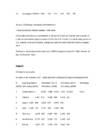
# Exporting Nation 103bbl/d (2011) 103m3/d (2011) 103bbl/d (2009) 103m3/d (2009) 103bbl/d (2006) 103m3/d (2006)
1 Saudi Arabia (OPEC) 8,336 1,325 7,322 1,164 8,651 1,376
2 Russia 1 7,083 1,126 7,194 1,144 6,565 1,044
3 Iran (OPEC) 2,540 403 2,486 395 2,519 401
4 United Arab Emirates (OPEC) 2,524 401 2,303 366 2,515 400
5 Kuwait (OPEC) 2,343 373 2,124 338 2,150 342
6 Nigeria (OPEC) 2,257 359 1,939 308 2,146 341
7 Iraq (OPEC) 1,915 304 1,764 280 1,438 229
8 Angola (OPEC) 1,760 280 1,878 299 1,363 217
9 Norway 1 1,752 279 2,132 339 2,542 404
10 Venezuela (OPEC) 1 1,715 273 1,748 278 2,203 350
11 Algeria (OPEC) 1 1,568 249 1,767 281 1,847 297
12 Qatar (OPEC) 1,468 233 1,066 169 – –
13 Canada 2 1,405 223 1,168 187 1,071 170
14 Kazakhstan 1,396 222 1,299 207 1,114 177
15 Azerbaijan (OPEC) 1 836 133 912 145 532 85
Source:
US Energy Information Administration
1
peak production already passed in this state
2
Canadian statistics are complicated by the fact it is both an
importer and exporter of crude oil, and refines large amounts of oil
for the U.S. market. It is the leading source of U.S. imports of oil
and products, averaging 2,500,000 bbl/d (400,000 m3/d) in August
2007.
Total
world production/consumption (as of 2005) is approximately 84 million
barrels per day (13,400,000 m3/d).
ImportOil
imports by country.
In
order of net imports in 2011, 2009 and 2006 in thousand bbl/d and
thousand m³/d:
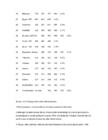
# Importing Nation 103bbl/day (2011) 103m3/day (2011) 103bbl/day
(2009) 103m3/day (2009) 103bbl/day (2006) 103m3/day (2006)
1 United States 1 8,728 1,388 9,631 1,531 12,220 1,943
2 China 2 5,487 872 4,328 688 3,438 547
3 Japan 4,329 688 4,235 673 5,097 810
4 India 2,349 373 2,233 355 1,687 268
5 Germany 2,235 355 2,323 369 2,483 395
6 South Korea 2,170 345 2,139 340 2,150 342
7 France 1,697 270 1,749 278 1,893 301
8
Spain 1,346 214 1,439 229 1,555 247
9 Italy 1,292 205 1,381 220 1,558 248
10 Singapore 1,172 186 916 146 787 125
11
Republic of China (
Taiwan ) 1,009 160 944 150 942 150
12
Netherlands 948 151 973 155 936 149
13
Turkey 650 103 650 103 576 92
14
Belgium 634 101 597 95 546 87
15 Thailand 592 94 538 86 606 96
Source:
US Energy Information Administration
1
peak production of oil already passed in this statecitation needed]
2
Major oil producer whose production is still increasing[citation
needed]
Import to the USA by country 2010oil
imports to US 2010
Non-producing
consumers
Countries
whose oil production is 10 per cent or less of their consumption.
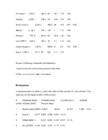
# Consuming Nation (bbl/day) (m³/day)
1 Japan 5,578,000 886,831
2 Germany 2,677,000 425,609
3 South Korea 2,061,000 327,673
4 France 2,060,000 327,514
5 Italy 1,874,000 297,942
6 Spain 1,537,000 244,363
7 Netherlands 946,700 150,513
8 Turkey 575,011 91,663
Source:
CIA World Factbook[not in citation
given ]
Environmental effects Because
petroleum is a naturally occurring substance, its presence in the
environment need not be the
result of human
causes such as accidents
and
routine activities (seismic exploration, drilling, extraction,
refining and combustion). Phenomena such as seeps and tar pits are
examples of areas that petroleum affects without man's involvement.
Regardless of source, petroleum's effects when
released into the
environment are similar.
Global warming When
burned, petroleum releases carbon dioxide; a greenhouse gas.
Along with the
burning of coal, petroleum combustion is the largest
contributor to the increase in atmospheric CO2. Atmospheric CO2 has
risen steadily since the industrial revolution to current levels of
over 390 ppmv, from the 180 – 300 ppmv of the
prior 800 thousand
years,
driving global warming. The unbridled use of petroleum could
potentially cause a runaway greenhouse effect on Earth.[citation
needed] So far, the Earth's temperature has been raised by
almost an
entire
degree Celsius. This raise in temperature has reduced the
Arctic ice cap to 1,100,000 sq mi (2,800,000 km2), smaller than ever
recorded.Because of this
melt , more oil reserves have been revealed.
It is estimated by the International Energy Agency that about 13 per
cent of the world's undiscovered oil resides in the Arctic.
ExtractionOil
extraction is simply the removal of oil from the reservoir (oil
pool). Oil is often recovered as a water-in-oil emulsion, and
specialty chemicals called demulsifiers are used to separate the oil
from water. Oil extraction is costly and sometimes environmentally
damaging, although Dr. John Hunt of the
Woods Hole Oceanographic
Institution pointed out in a 1981
paper that over 70 per cent of the
reserves in the world are associated with
visible macroseepages, and
many oil fields are found due to natural seeps.
Offshore exploration
and extraction of oil disturbs the surrounding marine environment.
Oil
spillsCrude
oil and refined fuel spills from
tanker ship accidents have damaged
natural ecosystems in Alaska, the Gulf of Mexico, the
Galapagos Islands, France and many other
places .
The
quantity of oil spilled during accidents has
ranged from a few
hundred tons to several hundred thousand tons (e.g.,
Deepwater Horizon Oil
Spill , Atlantic Empress, Amoco Cadiz). Smaller spills
have already proven to have a great impact on ecosystems, such as the
Exxon Valdez oil spill
Oil
spills at sea are generally much more damaging than those on land,
since they can
spread for hundreds of nautical
miles in a thin oil
slick which can
cover beaches with a thin
coating of oil. This can
kill sea
birds , mammals,
shellfish and other organisms it coats. Oil
spills on land are more readily containable if a makeshift earth dam
can be rapidly bulldozed around the spill site before most of the oil
escapes, and land animals can
avoid the oil more easily.
Control of oil spills is difficult, requires ad hoc methods, and often a
large amount of manpower. The dropping of bombs and incendiary
devices from aircraft on the Torrey Canyon wreck produced
poor results; modern techniques would include pumping the oil from the
wreck, like in the Prestige oil spill or the
Erika oil spill.
Though
crude oil is predominantly composed of various hydrocarbons, certain
nitrogen heterocylic compounds, such as pyridine, picoline, and
quinoline are
reported as contaminants associated with crude oil, as
well as facilities
processing oil shale or coal, and have also been
found at legacy wood treatment sites. These compounds have a very
high water solubility, and thus tend to
dissolve and
move with water.
Certain naturally occurring bacteria, such as Micrococcus,
Arthrobacter, and Rhodococcus and have been shown to degrade these
contaminants.
TarballsA
tarball is a
blob of crude oil (not to be confused with tar, which is
typically derived from
pine trees
rather than petroleum) which has
been weathered after floating in the ocean. Tarballs are an aquatic
pollutant in most environments, although they can occur naturally,
for example, in the
Santa Barbara
Channel of California. Their
concentration and
features have been used to assess the extent of oil
spills. Their composition can be used to identify their sources of
origin , and tarballs themselves may be dispersed over long distances
by deep sea currents. They are slowly decomposed by bacteria,
including Chromobacterium violaceum,
Cladosporium resinae,
Bacillus submarinus, Micrococcus varians,
Pseudomonas aeruginosa,
Candida marina and Saccharomyces estuari.
Whales James
S. Robbins has argued that the
advent of petroleum-refined kerosene
saved some
species of great whales from
extinction by providing an
inexpensive substitute for whale oil, thus eliminating the
economic imperative for
open -boat whaling.
Alternatives
to petroleumIn
the United States in 2007 about 70 per cent of petroleum was used for
transportation (e.g. petrol, diesel, jet fuel), 24 per cent by
industry (e.g. production of plastics), 5 per cent for
residential and commercial uses, and 2 per cent for electricity production.
Outside of the US, a higher proportion of petroleum tends to be used
for electricity.
Alternatives
to petroleum-based vehicle fuelsAlternative
fuel vehicles refers to both:
vehicles
that use alternative fuels used in standard or
modified internal
combustion engines such as natural gas vehicles, neat
ethanol vehicles, flexible-fuel vehicles, biodiesel-powered vehicles, and
hydrogen vehicles.
vehicles
with
advanced propulsion systems that
reduce or substitute petroleum
use such as battery
electric vehicles, plug-in
hybrid electric
vehicles, hybrid electric vehicles, and hydrogen fuel cell vehicles.
Alternatives
to using oil in industryBiological
feedstocks do exist for industrial uses such as Bioplastic
production.
Alternatives
to burning petroleum for electricity
Main
articles : Alternative energy,
Nuclear power, and Renewable energy
In
oil producing countries with little refinery capacity, oil is
sometimes burned to produce electricity. Renewable energy
technologies such as
solar power, wind power, micro hydro,
biomass and biofuels are used, but the primary alternatives remain large
scale hydroelectricity, nuclear and coal-fired generation.
Future
of petroleum productionConsumption
in the twentieth and
twenty -first centuries has been abundantly
pushed by automobile
growth ; the 1985–2003 oil glut even fueled the
sales of low economy vehicles in
OECD countries. In 2008, the
economic crisis
seems to have some impact on the sales of such
vehicles; still, the 2008 oil consumption shows a small increase. The
BRIC countries might also kick in, as China
briefly was the first
automobile market in December 2009. The immediate outlook still hints
upwards. In the long term, uncertainties linger; the OPEC believes
that the OECD countries will push low consumption policies at some
point in the future; when that happens, it will definitely curb oil
sales, and both OPEC and EIA
kept lowering their 2020 consumption
estimates during the past 5 years. Oil products are more and more in
competition with alternative sources, mainly coal and natural gas,
both cheaper sources.
US
oil production and imports, 1920–2005.
Production
will also
face an increasingly complex situation; while OPEC
countries still have large reserves at low production prices, newly
found reservoirs often
lead to higher prices; offshore giants such as
Tupi, Guara and
Tiber demand high investments and ever-increasing
technological abilities. Subsalt reservoirs such as Tupi were unknown
in the twentieth century, mainly because the industry was unable to
probe them. Enhanced Oil Recovery (EOR) techniques (example: DaQing,
China) will continue to play a major
role in increasing the world's
recoverable oil.
Peak
oilPeak
Oil is the projection that future petroleum production (whether for
individual oil wells, entire oil fields, whole countries, or
worldwide production) will eventually peak and then decline at a
similar rate to the rate of increase before the peak as these
reserves are
exhausted . The peak of oil discoveries was in 1965, and
oil production per year has surpassed oil discoveries every year
since 1980.
Hubbert
applied his theory to accurately
predict the peak of U.S. oil
production at a
date between 1966 and 1970. This
prediction was based
on data
available at the time of his publication in 1956. In the same
paper, Hubbert predicts world peak oil in "half a century"
after his publication, which would be 2006.
It
is difficult to predict the oil peak in any given region, due to the
lack of
knowledge and/or
transparency in accounting of global oil
reserves. Scientists and researchers from
Oxford University
argue that
official figures are inflated because OPEC members over-reported
reserves in the 1980s when competing for global market share. Based
on available production data, proponents have previously predicted
the peak for the world to be in years 1989, 1995, or 1995–2000.
Some of these predictions date from before the
recession of the early
1980s, and the consequent reduction in global consumption, the effect
of which was to
delay the date of any peak by several years. Just as
the
1971 U.S. peak in oil production was only
clearly recognized
after the fact, a peak in world production will be difficult to
discern until production clearly drops off. The peak is also a
moving target as it is now measured as "liquids", which includes
synthetic fuels, instead of just conventional oil.
The
International Energy Agency (IEA)
says production of conventional
crude oil peaked in 2006. Since virtually all economic sectors rely
heavily on petroleum, peak oil could lead to a "partial or
complete
failure of markets"—or, simply an orderly transition
to 100 per cent renewable energy, within as short as a decade.
 5 punkti
Autor soovib selle materjali allalaadimise eest saada 5 punkti.
5 punkti
Autor soovib selle materjali allalaadimise eest saada 5 punkti.
 ~ 29 lehte
Lehekülgede arv dokumendis
~ 29 lehte
Lehekülgede arv dokumendis
 2013-04-19
Kuupäev, millal dokument üles laeti
2013-04-19
Kuupäev, millal dokument üles laeti
 4 laadimist
Kokku alla laetud
4 laadimist
Kokku alla laetud
 0 arvamust
Teiste kasutajate poolt lisatud kommentaarid
0 arvamust
Teiste kasutajate poolt lisatud kommentaarid
 tptkas
Õppematerjali autor
tptkas
Õppematerjali autor
 annaabi.ee






































Kõik kommentaarid