Stonehenge ●One of the
best known ancient wonders of the
world, 5000
years old
●Megalith
monument,
built by
western mediterraneans
during 3000-1600 BC
●Circular
structure, large standing
stones ,
aligned with rising sun at teh
solstice ●Attlers and bones were sued to dig pits that
hold the stones
The
Celts in
Britain and their legacy
●
700-200 BC celts
invade Britain
●
Gaels or Goehls(
Ireland and
Scotland ),Cymri(
Wales ) and
Brythons(
gave name to
Brittany )
●
Fierce fighters,superb horsemen.Most of
them farmers,
lived in
thatched houses
●
Good at art,
craftmanship , used
iron ●
Divided into tribes, ruled by
kings , only in face of
danger would they
choose a
single leader ●
Legacy-
hill -forts, farms, churches,
field system,
woodland, pasture, weapons, iron objects, langugae,
culture
Caesar in Britain
● The great
Roman Emperor ● Firts
came 55 BC to gather information, celts
were doing agriculturally well,so
romans wanted to get some food too
● In 54BC Caesar defeated Cassivelaunus
● Actual
reasons why he made expeditions are
unknown or wheteher he wanted to intend
conquest
The Roman
Occupation 43-410
● 43 AD Emperor Claudius conquered Britain, it
was
easy , romans were more skilled and
betetr equipped.
● Romans faced assaults of Picts,
Scots ,
barbarians.
● 406-7 barbarians begin invasion
● Legacy- new
types of animals,
plants ;
miles ,
feet , inches-roman measurements;christianity;
Roman
basilica in curches;
reading , writing;
buildings, roads
Christianity in Roman Britain
●
Until 4th C
christians were persecuted
● 313 AD Emperor Constantine legalised
christianity
● 380 AD Emperor Theodosius I made it the
official religion of the
empire ● Paganism had been eclipsed but continued to
pose a
political ,
religious challenge Boudicca
●
Queen of Iceni people of
Eastern England , led
an uprising against Roman forces
● Prasutagus(ruler) was
first allowed to
rule when romans conquered England, after his
death , romans decided to rule Iceni and
flogged Boudicca and raped her daughters
● 60-62 AD Iceni rebelled, Boudicca´s warriors
defeated Roman Ninth
Legion , destroied
capital-Colchester
●
Finally Boudicca was defetated, she poisoned
herself to
avoid capture
Hadrian ´s wall
● A defensive barrier builtin 122 AD by Roman
emperor Hadrian to guard the
northern part of
Britain against barbarian invaders
● Most imposing
frontier of Roman Empire,
controlling
peoples mobements
●
Building took several years, builders
kept changing minds about the
size ● 119 km
lenght , 5m high, 3m
deep The Picts, Caledonia
● The painted ones, northern tribes, part of the
Scots
● Inhabited an area known as eastern and
western Scotland, until 10th c
● Mysteriously disappeared
● Constantly fought with Romans
● Teir
country - Caledonia- Pictland
The Scots, Hibernia
● Raiders, Celts
living in Ireland/Hibernia
● Migrated to Scotland
● Raided Roman Britain
● After
Kenneth McAlpin united Scotland all
inhabitants
became Scots
The Venerable Bede
● A
monk in the Northumbrian
monastery of
Jarrow
● In 731 „The Great Ecclesiastical History of the
English People“- overshaows all
other sources
of 7th,
early 8th C
● Well-
founded scraps of tradition, first
work of
history, where AD system is used
Angles,
Saxons , Jutes. Frisians
● 430´s onwards, Germans
settlers arrived in
large numbers. Anglo-
Saxon invasions in 499
● The Saxons- Saxon country to
South and
West ● The Angles- Angulus to
East Anglia,
● Jutes in Kent
●
Same culture as
southern Scandinavia,
Germany , northern
France ● 600 they had founded their 7 kingdoms
The Anglo-Saxon kingdoms
● Kent-JUtes,
● Essex, Sussex, Vessex- Saxons
● East Anglia,
Mercia , Nothumbria- Angles
● Series of over-kings from various kingdoms
●
St
Patrick ● Conversion of
Irish - 432-461
● Patron saint of Ireland, originally
pagan , slave
● He escaped, became a
Christian priest and
later bishop. Ireland was largely christian by
6th C
● Monasteries multiplied, monastic lines,
provinces were ruled by abbots
St Columba
● 6th, 7th C Irish
sent missionaries to Gaul,
Germany, Scotland and England
● St Columba
went to Scotland, converted Picts,
● 563 founded a monastery of
island Iona
● Credited with
major role in converting
Scotland to Christianity
St Aidan
● Irish missionary,
King Oswalds of
Northumbria bishop
● Had
qualities to convet Northumbria. After
monastery of Lindisfarne 635 had built he set
up a
church in
royal village ● He always travelled on foot,
● Several monasteries were founded
St Augustine
● 597
Christ church
influenced English society
of kings, warriors ad farmers
● Pope Gregory the Great, sent the first mission
in 597 headed by monk St Augustine to Kent,
where he founded a monastery at
Canterbury ● 601 Augustine was enthroned as first
Archbishop of Canterbury
●
St George
● Patron saint of England,
soldiers , arcgers,
cavalry, chivalry, farmers, riders, field workers,
saddlers, helps those whos uffer from
leprosy,pleagues, syphilis
● He
killed a
dragon to save a
fair maiden
● The flag of Saint George is in Union Jack
● 1940 King George VI inauguarated The
George
Cross -
acts of grate heroism
St Andrew
● Patron saint od Scotland as well as Creece
russia ● Was one of the 12 apostles
● Travelled to
Greece to preach christianity
where he was crucified on an x-shaped cross-
saltire, crux decusata
● St Andrews cross on Scotland flag
● Some remains in teh town St Andrews, a
place of pilgrimage
St david
● Patron saint of Wales
● Missioanry, ealry saint who travelled to Wales,
sout-west England and Brittany
● Became archbischop of Wales
● He was preaching to crowd and the
ground rise up. To a hill
● David founded monastery where St David
stands today The Synod of Whitby 664
● 664 Oswy, king of Northumbria, called a
meeting at Whitby- The Synod Of Whitby
● Which church practises should have
precedence in his kingdom- celtic or roman?
● How to calculate day of
easter ?
● It was decided to
follow Rome
● Irish clergy
left Northumbria and returned to
Ireland
●
Turning -point: all the Eng kingdoms
could not
be united under one primate
Offa´s Dyke
● An enourmous
linear earthwork,
continuous barrier betwwen England and Wales, from sea
to sea
● Constructed in 8th C by king Offa- ruler of
Anglian kingdom of Mercia
● Dyke was to place boundary
between his
domain and
Welsh kingdom of Powys
● 20 m wide, 8 m high
● A defensive work, no
wadays border
still folllows the remains of Offas dyke
Redwald
Sutton Hoo
● Redwald was a king ofEast Anglia,
whose burial was opened in 1939 at Sutton Hoo of
the East Anglian coast
● Redwald was
buried in a ship under a mound,
with his armour, weapons,
treasures ● Ceremonial whetstsone can be scarcely
anything
than a sceptre
●
Treasure is now in
British museum
Alfred the Great and the rise of
Wessex to
cultural pre-
eminence ●
Alfred the Great was the king of southern Anglo-Saxon
kingdom of Wessex, stands out for his
social and
educational reforms and for
military successes against
Danes
●
Improved the
army and navy, bought vessels bigger than
vikings ●
The first town planner
●
By 880s Wessex was covered with public strongholds,
grid of streets, planned fortified towns where landowners,
traders and crafters
started marketing ●
First English king who wor
te
books ●
More learned laity
Danelaw,
Viking territories in the
British Isles
● During 9th C all
Scottish Islands and the
Isdle of Man went to the Vikings
● The Danes invaded East Anglia, Northumbria,
Mercia and
established their kingdom-
Danelaw
●
Even being christianized, they
retained their
systems of manorial organization,
land measurement, law and social differentiations.
● Norwegians captured
Dublin and established
ther kingdom, which lasted 35 years
● Also they captured Danelaw,
York ●
Ethelred the Unready and Danegeld
● Ethelred was the king of England
● Notorious for
payments for attacking Vikings-
danegeld,
based on the angient method of
assessing land in hides, so much per
hide ● An inefficial ruler, failed to
prevent England
being ran over by the Danes
● Ordered a massacre for Danes
● Danish king Swein conquered England and
Ethelred was sent to
exile in Normandy, he
returned and got a victory over the danes,
soon he died
●
Canute/Cnut
● Cnut was the king of Denmark,
Norway and
England, all England in 1016, was set out to
rule as a rightful king
● Acted ruthlessly to secure the trone: seversl
elading English killed
● Issued
laws , founded monasterys, was a
strong , efficient king, after his death the
empire
fell apart
● Pointed several English as bishops in
Denmark, divided kingdom into 4 earldoms,
while abroad The vikings of Normandy
● 789 first ships to England
● Big raid in Kent 835. three decades of
yearly attacks, arrival of a
full -scaled army
● Reasons_ Growth of population in Vikings
home landin many european countries from
850´s onwards
● In Ireland, ScotlandWales and Cornwall-
mainly
Norwegian , in English, Frankish lands-
Danish
● 9th C invaded England, conquered all nothern,
central and eastern E, made huge damage
Feudalism ,
manor system
●
Feudalism- social system of
rights and dutie based on land
tenure and personal relationship
●
The
basis -
holding land, Main
purpose - economy
●
King was the
owner of the
whole land, land was
held by
vassals,
greater nobles gave part of their land to smal er,
system
developed mailny in 9th C,
loyal dynasties became
independent and started to
build up smal territorial
states ●
Manor system- political, economical, social system, peasants
depended on their land and
lord ●
The head of the society was the lord of the manor, part of his
land was rent out or by military
●
Peasants who held a land and field, were attached tot heir
land,
paid for in
money or
labour ●
Edward the
Confessor ● The king of England, inherited the srtongest
government in
11th C
Europe ● The royal writs
appeared , was a
brief notification to the
shire -
earl and the bishop
that a
grant of land had been made and
should be witnessed in
court ● Wax seals, clerical
staff ● Highly efficient tax system, real rulers were
advisors and noblemen
Harold Godwinson
● The last Anglo-Saxon king, nominated as
successor by Edward
● Strong ruler, skilled general
● Defeated the Norman invaders, was killed in
the
battle of Hastings
● William the Conqueror took his place
The Battle of Hastings 1066
● Edward had promised his throne to William,
Harold swore an oathe but was elected as a
king
● William took a crusade against him with papal
blessing
● Battle took place betwwen Anglo-Saxon army
by Harold, and Norman army by William
● Eng army was
exhausted from fighting with
Harold Hardrada of Norway and they, strong
at first, fell.
Ther Norman Conquest
● Started in 1066, risings against Norman rule
every
year from 1067 to 1070
● The Normans had
live like an occupation unit,
build castles
● New ruling
class , culture,
language -
French ● Higly developed feudals
ystem , royal
power ● Lasted
till 1154,
Henry II
The House of Normandy
● William te Conqueror 11C
● William II Rufus 11C
● Henri I Beauclerc 12C
●
Stephen 12C
The
Bayeux Tapestry
● Is 70 m of embroidered linen, describes how
William the Conqueror invaded England
● In annotated in
latin , made by either Queen
Matilda of ordered by Bishop of Bayeux,
William´s
brother ● The most
important pictural
image of 11 C,
priceless value
The Domesday Book
● Historical record, based on the great survey of
England which was drwan up on the
orders of
King William I
● Describes landholdings, resources of
late 11
C
● Was written in latin, consisted of two books-
Great Domesday, Little Domesday
The House of
Anjou ● Henry II 12 C
●
Richard I Lionheart 12 C
● John I 12-13 C
● Henry III 13 C
● Edward I 13-14 C
● Edward II 14 C
● Edward III 14 C
●
Richard II 14 C
● House of
Lancaster ● House of York
● Henry IV 14-15 C
● Edward IV 15C
● Henry V 15 C
● Edward V 15 C
● Henry VI 15 C
● Edward VI 15 C
Henry II and
Thomas a Becket
●Henry II was the king of England,
duke of
Normandy, Aquitaine and
count of Anjou
●Potentially the most
powerful ruler in Europe
●The founder of the English Common Law
●Died bc of the revolt of his
sons .
●His dubtious part in the
murder of Thomas
Becket- the cancellor
●1162 the arcbishop of Canterbury
●Refused to co-operate against the church, was
murdered at his own
altar in 1170, became a
saint overnight
The Anglo-Norman invasion of
Ireland, the
Pale ● In 1170 the deposed king of Leinster
asked help from Marcher Lord
● Earl of Pembroke, who led the invasion in
Ireland, helped the
kign to get his trhone
back ● In 1171 Henry II
himself went to Ireland,
where he was greeted as protector, actually it
was invasion of Ireland
● The Pale was the area
around Dublin directly
subjected to the English
crown Richard I and Minstrel Blondel
●
The Lionheart was the king of England, duke of Aquitane
●
Sultan Saladin captured jerusalem, Richard went on The
Third Crusade with
Philip from France and
Friedrich barbarossa to free Christ´s stomb from moslems
●
After shipwreck, Richard was captured by Duke of
Austria and was held as a hostage for a year
●
Troubadour Minstrel Blondel
singing Richard´s
songs ,
locvated his whereabout and Richard was
released for
ransoms
●
After, Richard recaptured everything he had
lost John Lackland and
Magna Carta 1215 ●
The King of England, an archetype of a bad king
●
Arthur of Brittany had a better
claim to throne, after Richard I
died, but he was murdered at John´s instignation. This served
a pretext for France to attack Normandy
●
He was quarel ing about the church over who should be the
next arcbishop of Canterbury, clash with Innocent III, later
made
peace with church
●
1215 rebels forced John to accept the
terms of Magna Carta,
list of grievances. It required king to proclaim
curtain rights,
respect legal procedures, accept that his wil could be
bound by the law.
Henry III and
Westminster Abbey
●
The kign of England, his
father died when he was 9,
minority
council governed in the name of his
●
He took teh trone in 1232. He lost several domains,
faced opposition bc he had
foreign councellors.
●
When Henry agreed to finance Sivily´s conquest and
meet teh pope´s debts, the barons took over the
power and rebelled under
Simon de Montfort.
●
He was buried in teh Westminster Abbey that he had
rebuilt in Gothic style
Simon de Montfort´s
Parliament 1265
● The powerful
member of the the community,
earlof
Leicester husband of the king´s
sister ● Summoned a parliament of his own 1265, first
steps to democracy
● 2 burgesses from every town and 2 knights
form every shire
● Insisted on represantatives elected, ultimately
failed
● Had
sown the
seed o f what would beome The
House of Commons
Model Parliament
1296 ● Summoning representatives from Commons to
Parliament
● To this body King called bishops, barons,
memebrs of Clergy, two nights from every
shire and two burgesses from 110 boroughs.
● Nearly 400 people, contained all the
eleements needed for
assembly ● All political classes were represented,
similar parliament to
nowadays The Welsh
March ● 11th C Wales was a
collection of small
kingdoms, in a mountaenous country.
Kingdoms
without stable borders
● Those numerous lordships were known as
march of Wales,
● Marcher
lords had their
specific rights and
were in some extent independent from
national kings and princes
Edward I´s conquest of
North Wales
● Edward´s
campaigns in Wales, he invaded in
1277 and defeated the Welsh leader
● In 1282 the Welsh rebelled
● New campaigns subdued North Wales to the
Crown
● Leader was killed, after 200 years of warefare,
Welsh had been conquested
The English built
greta castles like Conwy,
Caernavon, Harlech...
● English Common law was introduced in Wales
Prince of Wales
1301 ● Was the most honured title in the independent
Wales
● Edward gave this title to his son after the
conquest. The future Edward II
● He became the first English
origin Prince of
Wales.
● It is a title originally granted to the Heir of
Apparent
●
Fergus Mor
Marc Earca and
Dalriada
● In 498 Mor Mac Earca of the Scots initiates a
large-sca
I
le
migration from ireland to Scotland
●
Establishment of Scottish Kingdom in Pictland
called Dalriada.
● It was a confederation of tribes, based on a
system of governement in their
native land
Kenneth McAlpin and the unification
of Scotland
● Was the king of the Scots in Dalriada
● 843 he united the Pictish and Scottish
kingdom and had himself crowned
● United Scotland became known as Kingdom
of Alba
● For two C-s Scotland developed under Pictish
rule
Malcolm III Canmore and Queen
Margaret ● He was the king of Scotland
● He
married to Margaret of the house of
Wessex, whose favour secured Anglo-Norman
secular
● They had several
children ● Queen Margaret became a saint
● Malcolm fought
wars against the Kingdom of
England, had to acknowledge the overlordship
of the English King
● Malcolm´s accession to the throne is the
climax of Macbeth by Shakespeare
The Anglo-Norman invasion of
Scotland
● Queen Margaret invited the Anglo-Normans to
settle in
● They gave the Scottish king some land, anglo-
normans pledged loyalty to that
● They established themselves in Scotland and
built castles where Scottish kings would hide
in trouble
● Some Scottish nobles came to live under The
English King
The Scottish Wars of independence
1286-1371
●
Edward I was intent to exert his overlordship over
Scotland
●
In 1286 he got the
opportunity when King Alexander III
died and his heiress
●
Edward
considered himself The Lord Paramount of
Scotland and made John Balliol the king
●
Edward began
active interference in affairs, legal cases,
keeping taxes ●
John rebelled against him, Edward went to punitive
expedition in Scotland, they were defetaed in the battle of
Bannockburn
●
The
treaty of Northampton
1348 John Balliol
● When Margaret died
there were 12 claims to
the throne, JohnBalliol was made a king by
Edward I, who undermined his
authority ● Edward treated Scotland as a vassal state and
humiliated the king
● Scotland remained without a true king until
Robert
Bruce took the crown
●
William
Wallace ● A patriot and national
hero of Scotland.
Wallace led the Scottish rebellion against
Edward I
● In
1297 he defeated The English at Stirlin
Bridge ● A year after scots were defetead
●
1305 Wallace was captured and executed in
London
Robert Bruce
● The king of Scotland
● He supported Wallace´s uprising againts
Edward I
● 1306 he crowned hmself as the king, Bruce
freed Scotland from English rule by winning
the battle of Bannockburn and confirmed the
tresty of Northampton
● Effective, heroic king
The
Hammer of the Scots
● Edward I is known as the Hammer of Scots
● He intended to hammer Scots in to the ground
and
destroy them, instead he hammered them
into a strong nation
● Campains to subdue Wales and Scotland
● Legal and administrative
reform in England
Eleanor Crosses
● Series of large stone monuments made for the
memory of Edward I´s
wife Queen Eleanor
● Were erected of the
places where her funeral
cortege rested on it s
journey to London
● Only 2 of them have survived
Bannockburn
1314 ● The battle of Bannockburn 1314 is a decisive
battle in the Scottish history, English forces,
led by edward II were crushed.
● It was the culimination of Scottish Wars of
Independence
● After that Robert Bruce was recoignized as
Robert I the king of Scotland
Edward II, Queen Isabella, Roger
Mortimer ●
Edward II was the first English Prince of Wales
●
Conflict with the nobles, was overthworn by his wife in
favour if his son.
●
Opposition, king´s
freedom of
action ,
control of finance
and appointments were limited.
●
1315 Thomas Lancaster became the ruler of the England
●
Some years later Edward defetaed Lancaster and started
to rule
●
Isabella of France was sent to france on a diplomatic
mission, where she became the mistress of Roger
Mortimer-Edward´s opponent. They invaded England.
Edward III was crowned.
The
Hundred Years War
1337 -1453
● Between British and the Fench over the
dutchy of Guienne, fro what Edward refused to
pay homage to Philip IV and part of it was held
by french
● 1337 Edward
claimed the crown, war broke
out
● The English managed to take
almost all
France. After Henry´s death the french started
to win
again . 1453 Henry VI gave up his claim
to rule France, England lost all its land in
France except the port in Calais
Crecy 1346
Poitiers 1356 Agincourt
1415
●
Crecy- important battle in Hundred Years War. First great
English victory. Small army of Edward III defeated bigger
French army of Philip VI.
Superior weaponry, tactics.
Calais was captured by Edward
●
Politiers. Edward the
Black Prince won over the french
who had superior forces but english had great tactics.
John II was captured and demanded a ransom
●
Aginourt. Henry V claimed the french crown and landed
in Normandy. English inflicted a humiliating
defeat on the
french much bigger army. Northern France was occupied
Edward III and the Black Prince as
paragons of chivalry
● Edward III-
primary focus-war with France,
claimed french crown. Gave up on this in the
Treaty of Bretigny. Created the
Order of the
Garter . Faiced military
failure in France.
Outbreak of pleague. The Good Parliament-
heavy taxes, incapable ministers. New
councellors were
imposed ,
● Edward, the Black Prince wore black armour,
never became a king. He died
before his
father Edward III. Great military hero, notable
victories over France. Military brilliance in
eraly age.
The Order of Garter
● Order of knighthood and chivalry in England.
Edward III founded it in 1348 and put it under
Saint George´s patronage.
● The
patch shows St George lsaying a dragon.
● Included the
monarch and 25 knights initially.
●
Membership marked a royal favour and a
reward for loyalty.
● Honi
soit qui mal y pense- Shame on him who
thinks evil of it. In go
lden
letters Black Death 1348-1350, decline of
the manor system
●
The first pleague attack occured in southern England
1348, by the end of the 1349 it had
spread to central
Scotland.
●
It was carried by black rats from Baghdad who arrived by
ships in
ports .
●
Killed off 1/3 population
●
People were helpless diagnosing its
causes and dealing
with
effects .
●
Time after the pleague was for many an age of
opporunity, ambition anf living standard
rose .
●
Landowners were facing difficulties. It seemed advisable
to abandodn high farming and start leasing plots to
peasants. Manor system started to end
The Peasantś War
1381 ●
Poll taxes were imposed during 1377-80 to
finance war.
Rate higher than usual.
● Prolonged dislocation of the unsuccessful war,
recurrent pleagues, anticlerical temper were
turned into widespread rebellion. Eastern and
southern englishmen, led by Wat
Tyler ,
townsmen and Londoners ransacked the
Tower and tried to fightened Richard II into
broken the bonds of serfdom.
●
Rebellion was poorly organized and lasted
less than a
month Richard II and Henry Bolingbroke
●
He was only 14 when he crushed down the Peasant
´sRevolt.
●
1387 .9 the
five lords appeallant appeared- they sought to
dictate kings chioces. King refused and his cloest friends
were routed. He submitted to the demands. 8 years he
worked with his
uncle , waiting for
revenge .
●
1397 he arrested three appellants, got his power back.
●
1398 Henry Bolingbroke was banished for settling a
quarrel with Duke of York. Richard confiscated
Lancastrian estates that were to become Henry´s. Finally
king surrened his crown to him and was sent to
imprisoned where he died
The War of the
Roses 1455-1485
● Series of dynastic wars between the House of
Lancaster(red rose) and the House of
York(white rose) for the English throne.
● Many
battles , huge massacres.
Disaster for
nobility.
● It ended with the
marriage of Henry VII
Tudor and
Elizabeth of York which united roses into
red-white Tudor rose
Edward IV and Elizabeth Woodwille
● Edward IV was twice the king. Defeated the
Lancastrians and became the Lancastrian
king. Henry VI overthrown, Edward was
crowned as Edward IV.
● Earl of Warwick(powerful supporter) was
furious when king married Elizabeth secretly,
he allied with kings brother George and led a
revolt. They joined Henry VI´s wife Margaret of
Anjou, invaded England. Edward was sent to
exile, he returned and killed Warwick. Henry
VI was put to death. Second reigning time was
peaceful.
Richard III and the princes of the
tower
● Last Yorkist king on England. His brother
Edward IV died. His sons were left under
Richard´s protector. He (probably) murdered
them in the Tower. Parliament
requested Richard to take the throne, which he did.
● A short rebellion by Duke of Buckingham
● Lancasrtian claimant to the throne, Henry
Tudor, vanquished and
slew Richard. He died.
It ended the war of the roses. Henry Tudor
took the throne.
The House of Tudor
● Henry VII 15-16C
● Henry VIII 16 C
● Edward VI 16 C
●
Lady jane Grey 16 C
●
Mary I 16 C
● Elizabeth I 16 C-17
Henry VIII and the English
Reformation ● Henry was confermed
catholic , didn´t accept
Protestantis from
Netherlands . Title Fidei
defensor. He wanted to devorce from his wife,
bc they didn´t have a
male heir. Pope was
against it.
● The Reformation in England meant a break
from Rome.
● Henry became the supreme head of the
Anglican church
Fidei Defensor
●
Means defender of the
faith .
●
Given to Henry VIII by Pope Leo X in 1521.
● Henry was against Martin Luther´s ideas and
protestantism .
●
However , Henry broke with Rome, to
divorce his wife
Catherine of
Aragon and established
hismelf the The Church of England Supreme
head
Cardinal Wolsey
● Cardinal and statesman, Henry VIII´s
chancellor, archbishop of York.
● Efficient aministrator
both for the Crown and
the church.
● Henry VIII delegated more state business to
him, he was
asked to use his
influence in
Rome to get a papal annulment for the
divorce. Wolsey was anable to do this, his
downfall began. He was accused of treason,
he died on a journey to
trial Catherine of Aragon
● A
spanish princess, Henry´s wife. She had
borne him 5 children, but only Mary survived.
King demanded a male heir to protect Tudor
dynasty.
● After Henry proclaimed hismelf the Head of
the English church, he secretly married Anne
Boleyn .
● Catherine was forced to live much reduced
conditions and denied access to her
daughter .
Anne Boleyn
● Second wife. She was
already pregnant when
getting married. They had a daughter
Elizabeth,
alter Elizabeth I.
● Anne miscarried a deformed male fetus, henry
was convinced, God had damned this
marriage.
● Anne was publicly executed
Jane Seymour
● 3rd wife. Brought the male heir to the Tudor
throne. Edward, later Edward VI.
● Jane herself died
twelve days later of Tudor
surgery Anne of
Cleves ● 4th wife. Henry married her to win European
allies . Thomas
Cromwell persuaded Henry to
agree to
marry her, in the
hope of securing the
north
German princes against the Holy roman
Emperor. But Anee, did not
suit . The marriage
was a disaster, the
alliance failed. The union
was never consummated, divorce was
therefore easy.
Catherine Howard
● 5th wife. Attractive, lighthearted, fun-loving,
ahigh-spirited flirt.
● Had been ammaid of
honour to Anne of
Cleves.
● She kept lovers before and after marring
henry. Few years after the
wedding she was
executed for adultery.
Catherine
Parr ● 6th wife. Twice
widowed .
● Cultivated Erasmian, did much to preserve a
humanist reform, until it could re-
emerge in the
reign of Edward VI.
● Marriage was harmonious. King´s death
ended their marriage.
Thomas Cromwell and the
dissolution of the monasteries
●
An English statesman and advisor of Henry VII.
●
Deeply unpopular in England.
●
Pesudaded Henry VIII to marry Anee of Cleves, king
withdrew his
support . Cromwell was executed in the
Tower.
●
Major assignment- dissolution of the monasteries.
Reasons- religious houses had to be faithful to parent
institutions outside England and Wales. Henry had to buy
the allegiance away from Rome. Cromwell organized an
ecclesiastical census. The lesser monasteries were
dissolved in
1536 . The Pilgrimage of Grace interrupted.
1539 monasteries had been suppressed. Land and
money collected from selling
items went to Henry.
The Protestantism of Edward VI´s
reign
●
Became a king at the age of 9. Edward Seymour, his
uncle, took and established himself as a protector.
Archbishop
Cranmer was intent to make England
truly Protestant state, Cranmer´s Prayer Books were
introduced.
●
Altars were turned into tables,curches robbed,
religious imagery destroied. Religious ortodoxy was
enforced by Act of Uniformity.
●
Northumberland persuaded Edward to
pass the
throne to Lady Jane Grey, but she reigned only few
days, Mary took the throne with overwhelming
support
Lady Jane Grey
● Queen of England for only 9 days in an
unsuccessful bid to prevent the accession of
the catholic Mary Tudor. Duke of
Northumberland was desperate to prevent the
throne
passing to Mary Tudor.
● However Mary had widespread
popular support and she was proclaimed the Queen.
Mary imprisoned Jane, her husband and her
father in the Tower. Jane was sentenced to
death.
The Restored Catholicism of Mary
I/Bloody Mary
●
Known as Bloody Mary for her persecution of
Protestants in an attempt to
restore Catolicism.
Wanted to reunite England with Rome.
●
Executed many protestants. With Cardianl Pole, tried
to carry out Catholic reforms.
●
She married King Philip II of
Spain . In
1554 she
crushed a rebellion led by Sir Thomas Wyatt.
●
Unsuccessful war against France, deepened
disillusionment in Mary. She died sick and desterted
by Philip in 1558
Elizabeth I and the Church of
England. Anglican Church
●
Elizabeth I was the Tudor queen. Nicnames_
Gloriana,
Virgin Queen.
●
Priorities:
return England to the Protestantism faith.
●
The
Thirty -Nine
Articles . Historic statements of
Anglican Church´s doctrine that are based on forty-
two articles drafted by Cranmer.
●
She established the Anglican Church. Monarch is the
Supreme Governor of church. Mary Queen of Scots
was executed, she was a
threat to the throne.
●
Elizabeth always refused to marry and stayed
independent til the end of her life.
John Knox
● The Calvinist Leader of Protestants in
Scotland, also leader of the Scottish
reformation.
● During Mary´s execution he went to exile,
when he returned to Scotland, he led the
Scots in establishing the Presbyterian Church.
● Introduced popular Presbyterian and Calvanist
system. Mary Queen of Scots was
overthrown. The
Kirk was established and
presbyterialism became the state religion.
The Scottish Reformed Church
● The Kirk is the national church of Scotland.
Based on the principles of John
Calvin . 1560,
the Scottish Parliament adopted
Presbyterianism.
● The Kirk has no prayer book but has a hymn
book and the order of the
Service - Book of
Comon Order. Parliament can´t play any part
in Kirk´s affairs without itś consent.
● The
spiritual leader is
Jesus Christ
Mary Queen of Scots
● In 1558 she married teh French Dauphin who
alter became King Francis II.
● A
widow at 18, Mary returned to Scotland.
● In 1565 she married Henry
Stewart . They had
a son James. Her husband died in a house
exploison, Mary married James Hephurn, a
suspect in this murder. Scots turned against
her. After years in
prison by Elizabeth, she
was executed. Her son became the
successor.
The defeat of The Invincible Armada
1588
● Spanish King Philip II wanted to weaken
England´s growing
maritime power. He
decided to conquest England, that would have
assured the reconquest of Netherlands.
● His plan was to win control of the English
Channel and then invade England.
● The Spanish Armada was destroyed by the
English Feet.
The House of
Stuart ● James I of England, james VI of Scotland 17C
● Charles I 17 C
● Charles II 17 C
● James II 17 C
● William III & Mary II 17C
● William III
alone 17-18 C
● Anne 18 C
The Stuart „devine right of kings“
● The doctrine according to what a monarch has
a divine right to the throne and a rebellion
against him is sin.
● King is next in the line after God.
● He derives his authority directly from God and
is aserable to Him alone. The theory came to
the
fore during the reign of king James I
Charles I´s tyranny
1629-1640
● The Personal Rule, „
Eleven Years Tyranny“
● King Charles I of England, Scotland and
Ireland ruled without recourse to parliament..
● His
actions caused discontent
among the
ruling classes, where more popular among
common people
Arcbishop William Laud´s
controversial church reforms
● A right-wing Anglican religious adviser to King
Charles I. He imposed religious uniformity,
tried to impose Anglican practises on Scots.
His persecution of Puritans and other eligous
dissidents resulted in his execution.
● He wanted to return a more realistic church
with vestments and ornaments, to return
bischops high Church not the presbyterian
individual congreagtions.
The Long Parliament. 1640-1653
● Summoned in 1640 by King Charles I after the
dissolution of the Scots parliament. It sat
alomost continuously during the English
Civil War.
● Wanted to establish control over the arbirtary
rule of king. Its first session abolished all
prerogative courts and declared illegal any
taxation without parliamentary consent.
Declared king unfit to command the army.
Tension between king and the parliament
increased until Civil War broke out.
The Civil war
●
An
armed conflict between English royalists and
Parliamentary forces bc of constitutional,
economic ,
religious differences between Charle I and Long
Parliament.
●
Oliver Cromwell refored parliamentary army
●
The
fall of the
Oxford marked the end of the war.
●
King escaped and surrended to the Scots at
Newcastle. He was later handed over for a huge
money. He was executed.
●
The
creation of
Commonwealth , and the a
protectorate under Oliver Cromwell
The Cavaliers
● In Italian knights, were the long-haired
member sof the loyalist counrty gentry who
fought for King Charles I in 1642-52
● Later they supported
Tory party .
● Came fro among old aristocracy in the North
and West, counrty squires, cathedral and
small towns.
● All were Roman Catholics. Their
headquarters was at Oxford. They had
regular cavalry under
Prince
Rupert - kings
nephew of some military
experience.
The Roundheads
●
Puritan supporters of Parliament during the
Civil War. Name comes fro the closely
cropped
hair of the supporters of
parliamentary party.
● Came from among newly rich in the East and
London. The
merchant class, new
landowners,
● Keywords: The reformed church, The Royal
Navy, merchant
fleet and infantry.
● Headquarters in london
Oliver Cromwell
●
An English
soldier , a statesman who helped to make
England a
Republic .
●
The New Model Army
●
He undertook the most brutal military conquest ever
undertaken.
Prime mover in the trial and execution of
James I.
●
He reorganised national church, established
puritanism , presided over a curtain
degree of
religious
tolerance .
●
Refused to become a king.
●
Could not reconcile political, military and religious
actions and soon lost the support of the army
The New Model Army
● Grew out of and around Oliver Cromwell.
● Created by the parliament. Was based on a
person´s
ability rather than on his
position within society.
● Soldiers became full-time professionals, they
were paid.
● Helped the parliament to win Civil War
Marston
Moon 1644 , Naseby 1645
● Marston Moon- a battle during Civil War.
Secured a triumphant for Cromwell. Fairfax
and the Scotts got the victory over Royalists.
● Naseby- key battle. Confident that his veteran
troops would outfight parliamentś newly-raised
forces, King Charle I launched his main field
army against Fairfaxś at Naseby. The
result was a disaster for him, he lost all
changes of
winning the war
The Independents
● New Model Army developed into a political
force .
● Congregationalist principle: every
congregation or
local church is independent.
● Demands for religious toleration except for
Roman Catholics and High Anglicans on the
right and Freethinkers and Unitarians on the
left.
● Adcovćated for
complete separation of Church
and State
Pride ´s purge and the
Rump ● Enraged by the Parliaments opposition to the
New Model Army, officers dicided to
remove those
members of parliament they regarded
untrustforthy.
● Acting on the orders of Thomas Pride, they
kicked out 143 prebyterian members. The
resulting less 100 member parliament is
known as Rump
● They abolished the house of Lords.
Confiscated the crown. Set up a commission
to try the king. The Rump was dismissed by
Oliver Cromwell
Regicide
1649 ● Was the public execution of Charles I in front
of Banqueting Hosue, Whuitehall in 1649
● He was
found guilty of 68 votes to 67.
●
The Comonwealth 1649-1660
●
Was the republican government of England, between
the execution of Charles I and the restoration of
Charles II and monarchy in 1660
●
Consisted of army officers and memberso f the
Rump
●
Rebellion against the new rule was put down very
bloodily
●
Rump was dissolved after becoming corrupt.
●
Cromwell became the Lord Protector
●
The restoration took place
George Monk
●
Was a commander of the garrison in Scotland, he
was one of the Cromwell´s best generals.
●
After Cromwell´s death, the republic col apsed. His
son lacked his qualities, senior military commanders
turn fell out amongst themselves, disintegration of
the army
●
General Monk went to London, to force the Rump
into dissolving itself.
●
Charles II was recalled in conditions of religious
toleration,
liberty of consience, general amnesty and
respect for existing property realtions
Restoration 1660
● An episode in the history beginning in 1660 ,
when the monarchy restored under king
Charles II after the English Civil War. After
Cromwell´s death General Monk forced the
Rump to dissolve itself.
● The newly assembled parliament invited
Charles II to return which he triumphantly did.
The Clarendon Code
●
Measures adopted to destroy Royalist party
●
Named after Edward Hyke, Earl of Clarendon, Charles II´s
advisor, chancel or
●
1)
Corporation Act 1661 which recognized those
governing bodies who accepted the
dogma and discipline og Anglican
Church. (most towns were stil puritan)
●
2) Act of Uniformity 1662 which robbed 2000 puritan clergy of
their
jobs . They refused to accept the Anglivan Church
Pray Book
●
3) Conventicle Act 1665 prohibited public worship outside
State Church
●
4) Five Mile Act 1665 prohibited the expel ed ministers and
teachers from
coming whithin 5 miles of any
corporate town
The emergence of the two-party
system
● 1) The exclusionists or Whigs (from
Whiggamore, an
insulting name), they wanted
to
exclude James from the succession of
throne. Supporters were merchants,
capitalists, landed magnates and Puritan
lower middle class.
● 2)The Anti-Exclusionists or Tories were in
favour of James´succession. Their supporters
were Royalists, Cavalier genrty, monarchy
and its alliance wih the Anglican Church and
rural masses
The Glorious
Revolution 1688
●
It replaced the reigning king, James II with Mary and
her
dutch husband, Wil iam of Orange
●
James was chatolic. Whigs rose up against him, they
made a contact with Orange which dashed the
hopes of Mary´s son passing a throne.
●
James agreed on
Williams demand to
call a free
parliament. He himself fled to France.
●
The revolution limited royal authority, established the
supremacy of parliament over the crown.
The
Bill of Rights 1689, The Act of
Settlement 1701
● The Bill of rights was the constitutional
outcome of the Glorious Revolution, which
established that only a protestant could
become a king. Political, civil rights to people.
It was supplemented by The Act of Settlement.
Which
provided that should William III and
Anne die without heirs, succession should
pass to Sophia, electress of Hanover
The war of the Spanish
succession/The Marlborough wars
1701-1714
● The Duke of Marlborough was the commander
of the English, Dutch and German forces.
● The War of the Spanish Succession (1701–
1714) was fought between European powers,
including a divided Spain, over who had the
right to succeed Charles II as King of Spain
● The war concluded with the Peace of Utrecht
(1713), in which the warring states recognised
the French candidate as King Philip V of Spain
in exchange for territorial and economic
concessions
The act of Union with Scotland 1701
● A politcal act that completed the union of
England and Scotland. England opened its
colonial
markets to Scotland, that in return
gave up its independent Parliament and
Privy Council in
Edinburgh ● Scotland retained its legal system, established
church and gained free trade with England
The House of Hanover
● George Louis I 18C
● George Augustus II 18 C
● George III 18-19 C
● George IV 19 C
● William I IV 19 C
● Victoria 19 C
Robert
Walpole and the Cabinet
System
● Was a British Whig statesman and is
considered to be 1st prime minister.
● Poliy of peace abroad, low taxation, reducing
the national dept, knew the
importance of
keeping parliament on his side.
● The Caninet is a group advisers to the head
government.
Usually drawn from House of
Commons and Lords. The ministers have to
defend their cabinet desicions in public,
whatever their own
views The Jacobite rebellions 1708,
1715 ,
1745
● Supporters of the Stuart in exile, James II and
his son, mainly in Scotland.
● Rebelled also out of economic onditions, the
superiority of the English
● Unsuccessfully under the Old Pretender 1708,
15
● 1745 rebellion was the last effort to restore the
Stuarts . The Young Pretender was successful
but he refused to set
sail for London without
French support
The Old Pretender, the
Chevalier St
George
● The son of the exiled James II Stuart had
been proclaimed as James III. He didn´t
realise the situation and wanted to restore his
dynasty
● Attempted an unsuccessful invasion of
Scotland in 1708, in 1715 Jacobite rising he
landed safely after the victory of his followers
at Sheriffmuir.
● By Feb 1716 he settled peacefully in Rome
The young pretender/
Bonnie prince
Charlie ● Was the grandson of James II
● The son of the Old Pretender, France agreed
to support him in order to control England.
● He landed in Scotland in 1745.
● Supported by his highlanders and Jacobites
he had some success, was
afraid to act alone,
returned
half -way, was never recognised by
the pope, became the man on the run, drank
The War of the Austrian Succession
1740 -1748
●
Struggle between Prussia and Austria for
mastery of the German states.
● Maria Theresa was challenged by Philip of
Spain and Augustus III of
Poland .
● The fighting involved even the New World and
India, but the
final balance of power was
decided only after
Seven Years War
The Seven years War 1756-
1763 ● England and France fought for supremacy in
Indiain the Seven Years War. World-wide
conflict in Europe, North America, India
between France, Austria, Russia, Saxony,
Sweden , Spain vs Great Britain, Prussia,
Hanover
● The war confirmed Prussia´s European power.
It made Britain the worldś chief
● France lost its overseas posessions
● The Treaty of Hubertsburg 1763
The British East India Company and
the British expansion in India
● It was founded in 1600, first factory at Surat,
others Madras, Bombay, Calcutta
● Traded in
coffee , textiles, later tea from China
● After Regulating Act and India Act, the
company lost independence, monoply was
broken, power handed over to British Crown in
19 C
● The
biggest rival of the English were french
● They fought the Seve
n Years War which the
britsih won
The American War of Independence
1775-1783
●
Anti-British patriots were eager to break upn with Britain.
The Loyalists wanted to be under English Flag
●
The Stamp Act demanded colonists to pay
extra -taxes,
which ended in protest
●
1773
Boston Tea Party- a cargo was destroyed because
the colonists didn´t want britain to show its power
●
The
Quebec Act made thing
worse .
●
The Continental
Congress severed relations with UK
●
George Washingotn was appointed a commader of
military forces.
●
80 000 loyalists left for
Canada Canada as a british
colony ●
In 17 C Henry
Hudson explored Hudson Bay
●
The English fur traders established posts at the
mouths of Rupert and Moose Rivers on James Bay
and Hudson river on Hudson Bay
●
Hudson Bay Company. Drained all the land by the
waters flowing into Hudson Bay
●
18 C
Upper C belonged to Britain and lower to
French
●
1848 Act of Union- 2 provinces were united into one
and given internal government
Australia as British colony
●
1770 Captain James
Cook landed at Botany bay and
claimed the East coast of Australia for Britain
●
British government decided to dump its
surplus felons there, established a penal colony
●
Merino sheep,
gold ●
Transportation of convicts ended in 1840 to east
Australia but continued in tasmania and western
Australia
●
Sep
colonies set up their governemnts in 19 C
●
Established the Commonwealth of Australia with
capital in
Canberra New
Zealand as british colony
●
18 C captain Cook visited the islands
●
Missionary conquest in 19 C
●
First
permanent european settlement in Wellington
●
Maories recognised british sovereignty for
guaranteed posession of the land. New Zealand
became a separate colony, from Australian
●
Several wars between settlers and
Maoris ●
Gold was
discovered ●
In 20 C New Zealand was given dominion
status ,
1947 full independence
The British expansion in South
Africa ● In late 15 C Portuguese reached the
Cape of
Good Hope
● In 17 C permanent colony, Cape colony, by
the Dutch
●
1814 British annexation was formalized. Slave
trade and slavery was abolished by Act of
Parliament
● First
Boer republic founded
● Diamonds and gold
found
● Wars between british and Boers
The great Trek and the foundation
of the two independent Boer
republic
● In about 19 C many Voortrekkers, dutch origin
people who live in South
Afrika , the Afrikaners
moved out of British Cape Colony
● Their Great Trek- journey by ox wagon, a
sign of discontent with the English authorities who
had forbidden slave trade and postulated the
equality of whites and blacks.
● Two boer republics- Transvaal, the Orange
Free State
●
The Napoleonic Wars 1793-1815
●
The Napoleonic Wars were a series of conflicts fought
between France under the
leadership of
Napoleon Bonaparte and a number of European nations.
●
Riflemen, congreve rockets. British army under leadership of
Duke of Wel ington
●
Napoleon decide to invade Russia in
1812 , was forced to
retreat due to
weather , he was
surrounded . He abdicated in
1814.
●
Napoleon staged a daring return to power and tried to reverse
the outcome of the war at the battle of
Waterloo (18
June 1815).
●
Napoleon exiled to St Helena from where he was never to
return, marking the end of the Napoleonic wars.
Viscount
Nelson and
Trafalgar 1805
● Nelson was a British 1st viscount, naval
comander and national hero, victories over
French during Napoleonic Wars.
● Destroyed Napoleon´s fleet, France´s and
Spain´s
● He made Britain the undisputed master of the
seas and saved it of invasion by Napoleon
● He was killed in the same battle
The Duke of Wellington and
Waterloo 1815
● Arthur Wellesly was a general and statesman,
victor at the battle of Waterloo and British
prime minister. His opposition to parliamentary
reform gave him the
nickname The Iron Duke,
he erected iron shutters on the
windows to
prevent smashing in by angry crowds
● British army under Wellington defeated
Napoleon after his rule of Hundred Days
The Congress of Vienna 1815
● A conference of ambassadors of European
states. Its
objective was to withraw
continent ´s
political map and settle many other issues
arising from the French revolutionary Wars,
The Napoleonic Wars and dissolution of the
Holy Roman Empire
● Britain was not even to discuss maritime
rights, new territories like Trinidad, Tobago,
Mauritius, Ceylon
Regency
● During the reign of George III who became
irrevocably insane, George, Prince of Wales,
was made Prince
Regent in 1811 by the
Regency Act
● He later became George IV
●
Period of
excess for the aristocracy, the
Brighton pavilion, distinctive era for litearture,
architecture, fashions and
politics ● Periodic
riots , concern for british might imitate
the upheaval of the French Revolution
The Peterloo Massacre 1819
● 50 000-60 000 peaceful petitioners gathered
on St Peter´s field in Manchester for the
repeal of the
Corn Laws
● Demonstration was crushed down by cavalry,
11 killed, 400 wounded
● Corn Law artifically raised the
price of
imported corn to keep it out of British Markets
The campaign for parliamentary
reform from mid C18 to C20
● Parliamentary representation used to be in the
hands of large land families
● New interests had to buy votes – all interests
in the society would be represnted.
● A wider
franchise was needed to withstand the
House of Lords
● Reform Billl
1832 gave
vote to freeholders,
and almost all middle class
The Free Trade and Corn Law
debates
● Trade without imposition of tariffs.
● Corn law had been applied
since 12 th C, to
protect English agricultury
● Repealers supported economic liberalism: no
monopoly , use of economic resources should
follow the actual demand
● Anti-repealers: favoured better
working conditions for
poor , not
bread The
Industrial Revolution
● The economic and social transformation of
Britain in 18 and 19 C
●
Change for
domestic production to factories,
steam power, knitting, spinning, other
machinery
● A new working class, peopel moved to cities.
● Canals and railways
The emergence of the
Conservative Party
●
Was created by Sir Robert Peel after the refrom bil
of 1832.
●
It continued the
protection of Tory
policy of
agricultural
interest and defence of Church of
England against Dissent
●
Dominant party under
Stanley Baldwin 1920´s 30´s
lost privilege with the failure of Chamberlain´s
appeasement of Nazi Germany
●
Heavily beated by Labour, the turned to power in
1951 being led by
Churchill till 1955
●
Went into opposition in 2974 returned to power 1979
under
Thatcher The emergence of the Liberal Party
● Grew out of the Whig party, after the Reform
Bill of 1832 as represenative of industrial and
business classes
● Under David Lloyd George led a coalition
govern during WW II
● By 1930´s the liberals had become small third
party
● In 1988 the Party emerged with the Social
Democrats, Social and Liberal democrats
The emergence of the Labour Pary
● Grew out off
Labor representative
Committee ● Rose to official oppoisition status in 1922,
minority governments in 1924 and 1929-31
under
Ramsay MacDonald
● Won overwhelmingly in 1945 under Clement
Allee ● In opposition from 1951, returned to power in
1964, lost power in 1979, returned in 1974,
lost again in 1979, returned in 1997 under
Tony Blair
The Great
Exhibition 1851 ● Was an exhibition, held in
Crystal Palace,
Hyde Park, London, England in 1851
● A celebration of modern industrial
technology and design
● Reflected Britain´s commitment to economic
progrees
hence to Liberalism
● Over six million tickets had been
sold ● The huge crowds were well-behaved and
openly monarchic
The Crimean War 1854-1856
● Russia had pro-claimed himself as protector of
Slav Christians under Turkish rule, occupied
by Ottoman empire
●
Turkey declared war and was followed by
Britain and France
● Fighting took place in Crimea, Russia
withdrew its forces
● Treaty of
Paris ended war
Pax
Britannica ● Peace according the maintenaence of peace
under British rule
● Was populised in 1840´s by the British
government
● PB was Britain´s monopoly of world trade
under the name of Free Trade
● Traders of all nations could
move without
hindrance on the surface of seas
● All markets (UK and c olonies) were
open to
verveybody who stimulated general economic
activity The British expansion in the
Pacific sea
● In 19 C London Missionary Society sent
missionaries to Tahiti and
Tonga ● Undertook the conversion of Melanesia,
Bishop Patterson was killed in one of
these islands
● High Commission authority extended to
several
areas like Tonga,
Phoenix , Gilbert
Islands, the Carolines, The Salomons, Santa
Cruz, New
Guinea , New Britain, New Ireland
and others- new colony of Southern Oceania
The british presence in
Egypt and
Sudan
● Britain and France controlled the Suez canal
and Egypt
● Britain became the sole occupier
● Sudan was controlled for 13 years by mahdi
followers but was reconquered and jointly
governed by Egypt and Britain until 1956
General
Gordon and Khartoum
1885
● British general, the hero of Crimean and
Chiense wars
● In 1881 Muhammad Ahmad, Mahdi, a
Muslim leader and founder of the Mahdiya
brotherhood in
Islam , proclaimed holy war to
purify Islam and overran Sudan
● General Gordon went to Sudan to ecacute
Egyptian force, was revolted and died martyr´s
death
The British Expansion in East Africa
● In 19 C the Sultan of Zanzibar
received a strip
of ten miels broad
along the coast which
British east Africa Company leased
● Zanzibar (an island) was annexed and
recoginsed as British protectorate. In
following years protectorate was established over
Uganda ● In 1895 British east Africa became a
protectorate
The British expansion in West Africa
● In 19 C the Dutch governments sold their Gold
Coast forts to Britain and along with hinterland
● In 1885 The
Berlin Conference attempted to
regularize the
process of occupation in Africa,
on the contrary opened the continent to
European invaders
● The Royal Niger Company, was later taken
over by the crown
● In 1914 two
regions - Northern and Southern
Nigeria- were united into the colony and
protectorate of Nigeria
Cecil Rhodes and the British
expansion into the Southern Africa
interior ● An English-born businessman,
mining mangate, politician in South Africa
● He had made huge treasure in diamond and
gold mines, founded de Beer Company
● 1889 British South Africa Chartered Company,
Cape to Cairo railway,
region over Transvaal,
new colony, administered by Rhodes
company
● The southern Rohodesia became a self-
governing colony and Northern Rhodesia
became a protectorate
The Boer Wars 1880-1881, 1899-
1902 ● 1880-1881, Transvaal rebelled against the
British government, after which Britain
recognised Transvaal´s independence
● 1899-1902 British gold miners were denied
political rights in Transvaal. Finally
piece in
1902 after many battles
The
Indian Mutiny 1857-1858
●
Also known as
Sepoy rebellion
●
Was the revolt of the Indian soldiers in the British army in
Bengal ●
It developed into a wide-spread uprising
●
Soldiers were angered by the issuing of cartridges
coated in beef and
pork fat- taboo to Hindu and
Muslims ●
Soon the civil population was involved in the rising, teh
rebels besieged Lucknow, and conquered Cawnpore and
Delhi , British reconquest 1858
●
Reforms: rule went to British Crown
●
First Indian War of Independence
The British Raj in India
● The process of expansion involved continual
conflicts between native rulers and the
Company was forced into becoming a
governing
organisation ● The Company conrtolled the whole India while
last
persistent Marathas was defeated
● When a ruler died without children, the
Company would be inheritor
● The end of the British raj may have been
blessing for 300 million Indians who gained
independence
The British expansion in
Asia ● Several Malay states were added under british
suzerainty and treaties were concluded with
many other states under British protection
● By 1881 as aresult of the British north Borneo
Company, the whole of the north-east coast of
the islands had
passed under british control
and continued to be administrated by the
Company
The House of Wettin
● Edward VII 20 C
The
movement for
women ´s
emancipation and suffrage in the 19
C and 20 C
●
The movement for women´s emancipation started in 18 C
claiming legal and civil equality for women. In 19 C II half
women were given the right to retain separate income after
marriage and to possess tjeir own property. They as wel
could not be treated as chattels of their husbands, women
were leagl guardians of thier children after divorce or death of
a husband. 19 c also focused on wife beating,
physical cruelty, white slavery of prostitution, relation between the
sexes
●
The campiagn for
female suffrage
dated from 1860´s. More
active involvement in politics, right to vote- In 20 C after the
WW II women over 30 ratepayers, got the right to vote, later
al over 21
The House of Windsor
● George V 20 C
● Edward VIII 20 C
● George VI 20C
● Elizabeth II 20-21 C
World War I 1914-1918
●
Antanta- England, France, Russia;
triple alliance-
Germany,
Italy , Austria
●
1914 4 august Britain was forced into war
●
Cause - rivalry in the balkans between Austria-
Hungary , and Russia
●
Austria-Hungary declared war on
Serbia , Germany
declared war on Russia and its ally France
●
10 mln dead, USA new world power, germany, 2nd
rate counrty, 3 other empires Russian, Austrian,
Osman declined
The Callipoli campaign
● In 1915 following the Turkish attack on
Russia, the allies-Britain, France and Russia
launched unsuccessful campaign
● It was a British attempt to end
deadlock of
french
warfare by forcing a
passage through the Dardanelles, forcing Turkey out of the war.
Operation failed
●
Expeditionary force witdrew
The Mesopotamian campaign
● Began in 1914, when an Indian force landed
at Abadan to protect oil installations. It was a
British campaign, aim was to secure Persian
oil supplies.
● 1916 10 000 soldiers were captured by the
Turks. Baghdad fell. The Tyrks were defeated,
adied by the
Arab revolt.
● Jerusalem was taken in the end of 1917 and
Damascus and Aleppo fell in 1918
The campaign on the West Front
● Britian always tried to seize the initiative but it
resulted in huge casualties. Several battles.
Huge damages, failure.
●
Poison gas used for the first time.
● German defences were last broken through by
the allies.
● The german leadres agreed to armistice, war
became to a sudden end
The campaign for the irish
HomeRule in the 19 C and 20 C
● A movement to repeal the Act of Union
between britain and Ireland, gave ireland
parliament
responsible for domestic affairs.
● In the 1870´s irish party held the balance of
power in the parliament several
times , trying to
get the Act repealed, but the acts never
passed through House of Lords.
● In 1920 finally separate parliaments for
northern and southern Ireland were
established
The problem of Ulster in the 20 C
● Campaign of Home Rule began, the
protestant population in north was afraid of the
domination under catholic majority Home
Rule, danger for civil war
● In 1920´s The Governemnt of Ireland Act
divided Ireland into two states
● Ulster counties
formed the state of Northern
Ireland
● Southern Ireland rejected the act and
continued to fight for indepnedence
Edward VIII and
Wallis Simpson
●
King of England, abdicated voluntarily.
●
Undertook foreign
tours , visited high unempolyment
areas, became popular
●
Had many affairs with married women, fell in love
with Wallis Simpson, the american businessman´s
wife. Advisors did not believe that Edward, the Head
of the Church should marry a divorced
woman .
Edward abdicated the throne in favour of his younger
brother George VI
●
He became the Duke of Windsor and went to exile in
France, there was much bitterness between him and
his family. He died of
throat cancer
World War II 1939-1945
●
Hitler ´s invasion of Poland in September 1939
●
Great Britain and france declared war to Germany
●
In 1940 Churchil became prime minister
●
Germany conquered France in summer, Uk
stood alone
●
German bombed UK nightly, british were not
beaten , Hitler gave up the
invasion
plans ●
June 1941 Germany invaded
Soviet Union
●
Japan attacked
Pearl Harbour, United States entered the war
●
The UK, Soviet Union, United States and other Al ies final y beated the
Axis Power- germany, Italy, Japan)
●
360, 000 Britons died of war
●
The Uited States and The Soviet union came out of the war as the world´s
most powerful nations
The phoney war
● A phase in early WW II during which the
fighting seemed remote.
● Massive air-raids, trenches in public parks,
anti-aircraft weaponry, 38 million gas masks
were distributed to the population.
● Rationing on food, clothing and
petrol , and
other commodities was introduced.
Dunkirk 1940, the Battle of Britain
1940, El Alamein 1942, Singapore
1942
● Dunkirk 1940. British were cut off French,
they were retreating to Dunkirk, surrounded by
germans. Royal Navy organised
emergency evacuation, 30, 000 soldiers escaped
● The Battle of britain 1940. German attack on
Britain. German Luftwaffe raids. Battle of
Britain raged, became a legend. By
Christmas immidate threat was past, bombing continued
● El Alamein 1942. Rommel attacked to finish
off British army and break out int the Nile
delta. First battle raged 3 weeks.
Montgomery reorganised the army. Second battle raged for
12 days, british were victorious
● Singapore, 1942. British were defending
Singapore, which Japanese overran, captured
the
bulk of the British army, the worst military
disaster.
D-Day 1944, Operation
Overlord ●
Allied invasion of normandy on the western front during
WW II. Greatest operation in war history
●
6 June 1944 the thousands Allied troops parachuted from
the
skies , landed by glider and stormed the
beaches .
Landing was a
brilliant success.
●
Near 200, 000 participated one way or
another ●
The Second front was launched against the main enemy
●
The Americans captured Cherbourg, British Caen,
canadians distroyed German army at Falaise. The Allies
took Paris. On 8May the war formally ended
Winston Churchill
●
A politician, wartime prime minister, he had an army career,
also worked as a journalist.
●
First became conseravtive Member of Parliament, soon joined
Liberal party.
●
1939 first Lord of Admiralty
●
1940 Prime minister
●
Maintained a difficult al iance with Soviet Union.
●
Lost power in post-war elections
●
Remained opposition, voiced apprehensions about
Cold War,
in 1951 became Prime Minister again
●
1953
Nobel prize for litearture.
●
Died 1965
The establishment and breakdown
of the
welfare state
● Established in 1946 by national
Insurance Act
● A system of national insurance,
comprehensive welfare, maintenance of
employment ● National Health Service Act provided a free
medical service, free hospital treatment,
dental care, optician´s
services .
● The aim of the welfrae state was to cut state´s
expenditures but instead they increased and
led to financial problems. Welfare state lasted
until 1970
●
Margaret Thatcher
●
Britain´s first female prime minister and first to win 3 elections
●
Has had many occupations like research chemist, Member of
Parliament, junior inister for pensions, secretary for education.
●
Became the leader of the conservative si 1974
●
Succeeded in reducing inflation, uneployment increased, a close
political realtionship with Ronald
reagan ,
●
Nicknamed the Iron lady by soviets.
●
Controversial policies, including poll taxes and her opposition to
integration with Europe produced divisions whithin the Conservative
Party which led to a leadership challenge
●
Resigned 1990
Document Outline
- Slide 1
- Slide 2
- Slide 3
- Slide 4
- Slide 5
- Slide 6
- Slide 7
- Slide 8
- Slide 9
- Slide 10
- Slide 11
- Slide 12
- Slide 13
- Slide 14
- Slide 15
- Slide 16
- Slide 17
- Slide 18
- Slide 19
- Slide 20
- Slide 21
- Slide 22
- Slide 23
- Slide 24
- Slide 25
- Slide 26
- Slide 27
- Slide 28
- Slide 29
- Slide 30
- Slide 31
- Slide 32
- Slide 33
- Slide 34
- Slide 35
- Slide 36
- Slide 37
- Slide 38
- Slide 39
- Slide 40
- Slide 41
- Slide 42
- Slide 43
- Slide 44
- Slide 45
- Slide 46
- Slide 47
- Slide 48
- Slide 49
- Slide 50
- Slide 51
- Slide 52
- Slide 53
- Slide 54
- Slide 55
- Slide 56
- Slide 57
- Slide 58
- Slide 59
- Slide 60
- Slide 61
- Slide 62
- Slide 63
- Slide 64
- Slide 65
- Slide 66
- Slide 67
- Slide 68
- Slide 69
- Slide 70
- Slide 71
- Slide 72
- Slide 73
- Slide 74
- Slide 75
- Slide 76
- Slide 77
- Slide 78
- Slide 79
- Slide 80
- Slide 81
- Slide 82
- Slide 83
- Slide 84
- Slide 85
- Slide 86
- Slide 87
- Slide 88
- Slide 89
- Slide 90
- Slide 91
- Slide 92
- Slide 93
- Slide 94
- Slide 95
- Slide 96
- Slide 97
- Slide 98
- Slide 99
- Slide 100
- Slide 101
- Slide 102
- Slide 103
- Slide 104
- Slide 105
- Slide 106
- Slide 107
- Slide 108
- Slide 109
- Slide 110
- Slide 111
- Slide 112
- Slide 113
- Slide 114
- Slide 115
- Slide 116
- Slide 117
- Slide 118
- Slide 119
- Slide 120
- Slide 121
- Slide 122
- Slide 123
- Slide 124
- Slide 125
- Slide 126
- Slide 127
- Slide 128
- Slide 129
- Slide 130
- Slide 131
- Slide 132
- Slide 133
- Slide 134
- Slide 135
- Slide 136
- Slide 137
- Slide 138
- Slide 139
- Slide 140
- Slide 141
- Slide 142
- Slide 143
- Slide 144
- Slide 145
- Slide 146
- Slide 147
- Slide 148
- Slide 149
- Slide 150
- Slide 151
- Slide 152
- Slide 153
- Slide 154
- Slide 155
- Slide 156
- Slide 157
- Slide 158
- Slide 159
- Slide 160
- Slide 161
- Slide 162
- Slide 163
- Slide 164
- Slide 165
- Slide 166
- Slide 167
- Slide 168
 100 punkti
Autor soovib selle materjali allalaadimise eest saada 100 punkti.
100 punkti
Autor soovib selle materjali allalaadimise eest saada 100 punkti.
 ~ 168 lehte
Lehekülgede arv dokumendis
~ 168 lehte
Lehekülgede arv dokumendis
 2014-01-11
Kuupäev, millal dokument üles laeti
2014-01-11
Kuupäev, millal dokument üles laeti
 15 laadimist
Kokku alla laetud
15 laadimist
Kokku alla laetud
 0 arvamust
Teiste kasutajate poolt lisatud kommentaarid
0 arvamust
Teiste kasutajate poolt lisatud kommentaarid
 erekollaneapelsin
Õppematerjali autor
erekollaneapelsin
Õppematerjali autor
 annaabi.ee


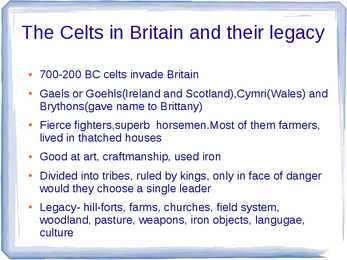
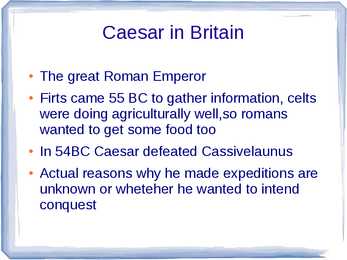
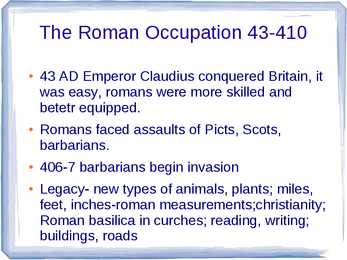
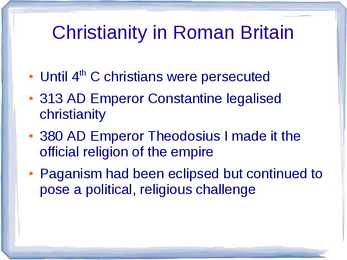
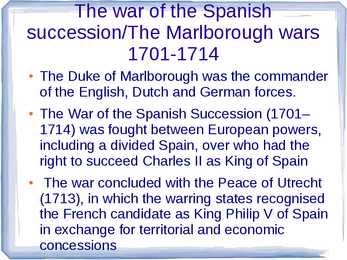
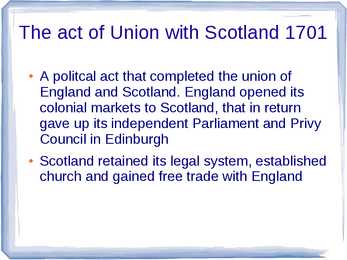
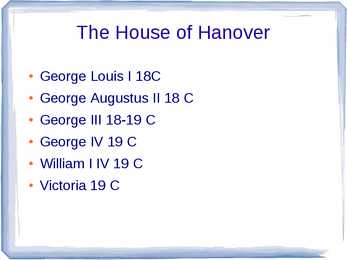
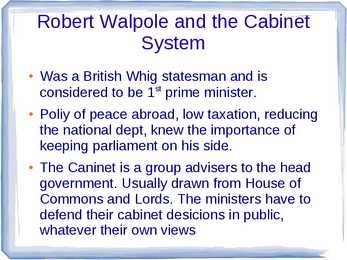




Kõik kommentaarid