Vajad kellegagi rääkida?
Küsi julgelt abi LasteAbi
Logi sisse

British kings and queens (0)

1 Hindamata
Punktid
British kings and queens
Kings
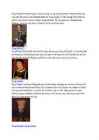
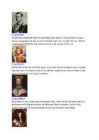
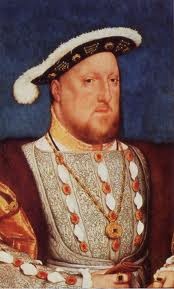
King Henry VIII
King Henry VIII is arguably the most well- known king of England . Famous for beheading his wives, of which he had six, King Henry VIII also had several children .
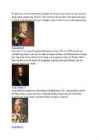
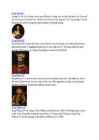
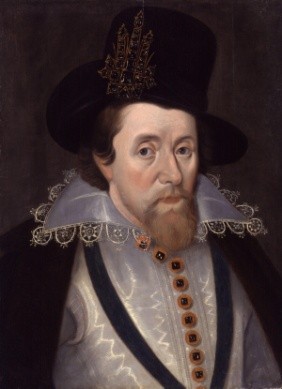
King James I
King James I was already King of Scotland when he got the English crown . King James I was the first ruler to call himself King of Great Britain , as he ruled England, Scotland and WalesKing James was the first King of Great Britain.
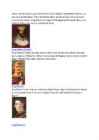
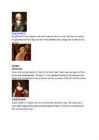
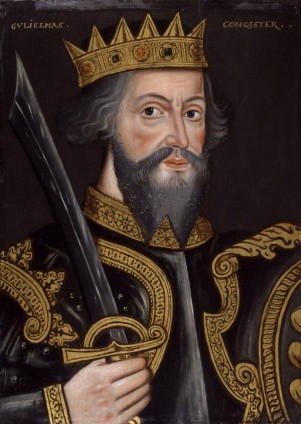
King William I, the Conqueror
King William I, otherwise known as William the Conqueror was born in France on 1028 . He became friendly with the current English King, Edward the Confessor . He invaded and attacked England on Edward's death, as he was promised the English crown, but then denied it by the Saxon Harold.
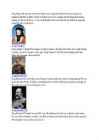
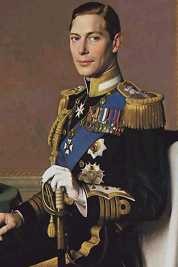
King George VI
King George VI did not expect to become king, he was the shy brother of Edward VIII who only took the thrown when Edward abdicated. King George VI ruled during World War two and bravely refused to leave London during the blitz. The two princesses; Elizabeth and Margaret , spent the war years in Windsor Castle away from harm .
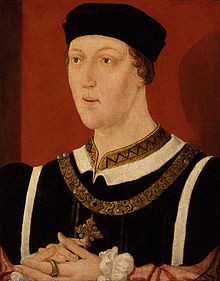
King Henry VI
King Henry VI  still holds the record for being the youngest king of England, it is unlikely that the record will be broken any time soon. He came to the thrown at just 9 months old. For the first 20 years of his life England and France were ruled by his uncles and advisors.
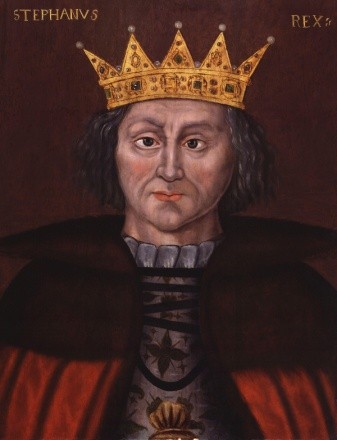
King Stephen
King Stephen was king of England (and not Normandy), although he was born in France. He was crowned at Westminster Abbey , like his father before him.Stephen was nephew of Henry I and grandson of William I, and was elected to be king in 1135 - although he presumed Henry I daughter Matilda would take the thrown. This decision was made by a council that threw the country into civil war.
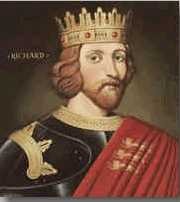
King Richard I the Lionheart
Richard I was known as Richard the Lionheart. He was given this name as he was known for being a brave warrior king. Richard I (The Lionheart) was the oldest surviving son of Henry II. Another king that spent little time in England, only 10 months in his 10 year reign as king.
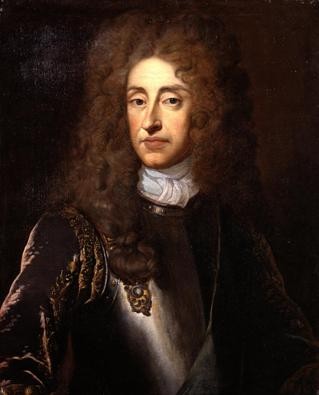
King James II
King James II was king of England and Scotland (as James VII) from 1685 when he was crowned. King James II was only 15 when he escaped to France in 1648 disguised as a young girl. King James II was well known for trying to force people to follow his Roman Catholic faith . Because of this he became very unpopular, especially amoung Protestants, and was generally hated by the people.
King George III
King George III reigned over Great Britain and Ireland from 1760 . King George III was the first Hanoverian monarch to be born in England. Notably, King George III was the first monarch since Queen Anne to put Britain before Germany , or Hanover.
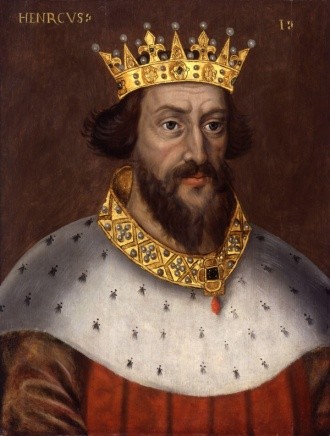
King Henry I
Henry is the first English king of the Normans. Son of William I and Matilda of Flanders, he was crown on 6th August, 1100 at Westminster Abbey. He married twice, one of his wives was a Scottish princess. King Henry I was king of both England and Normandy. Henry I was brother to Rufus, from whom he inherited the throne.
King William II, Rufus
King William II (Rufus) was often known as William the Red due to his odd red colour and hair /complexion. William II is William I son and inherited England while his brother inherited France. William II died under suspicious circumstances.
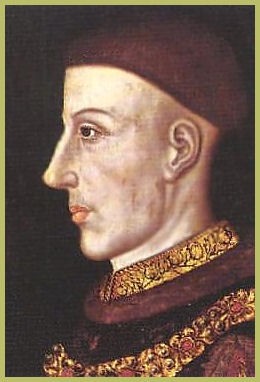
King Henry V
King Henry V is one of the most well-known English kings, thanks to Shakespeare . Unknown to a lot of people, Henry V was the first English king who could read and write easily in English.
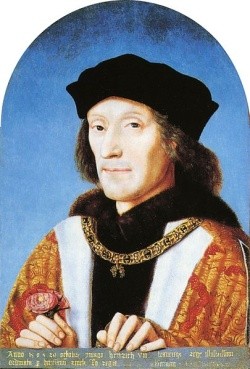
King Henry VII
King Henry VII was the first of the Tudors to be in power. Henry VII came to power by killing Richard III in battle . Henry VII spent a lot of his younger life travelling and fleeing during the War of the Roses . It was at the Battle of Bosworth that Henry killed the king and ended the War of the Roses.
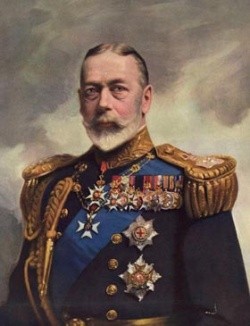
King George V
King George V decided the change the family name to Windsor due to the very strong feeling of dislike towards German 's at the time. King George V ruled Britain throughout the first Word War, between 1914 and 1918.
King Edward VII
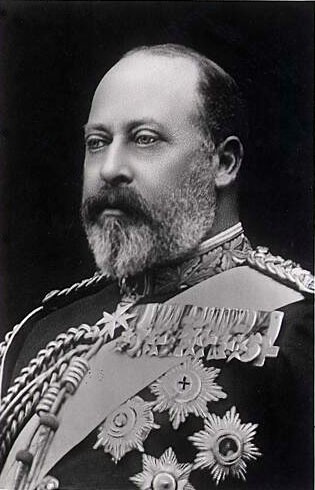
King Edward VII is the eldest son of Queen Victoria and Prince Albert . King Edward VII was given the title of Price of Wales immediately after his birth . He became king at an old age of 60, when most men were looking to retire.
King Edward VIII
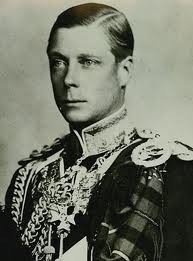
King Edward VIII ruled for only 325 days . He abdicated the thrown so that he could marry his love Wallis Simpson . A king is not able to marry a divorced woman and become king, and Mrs Simpson was an american divorcee.
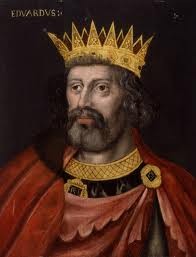
King Edward I
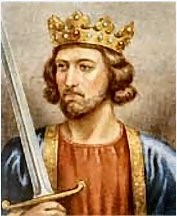
King Edward ovtained the thrown by inheritance from Henry III. King Edward I was also known as Longshanks because he was over 6ft tall , which was very tall at the time. Edward I fought against Robert the Bruce and was known as the hammer of the scots .
King Henry II
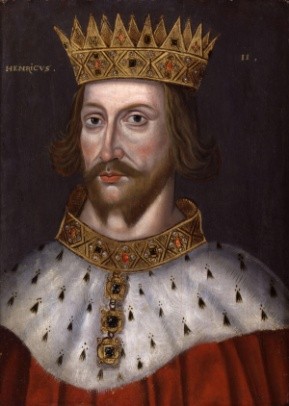
French Henry II was the first of the Angevins who were the first Plantagenet kings. A young king who came to the throne at only 21, he ruled for a long 34 years, however  Henry II only spent 14 of those years in England, or Britain.
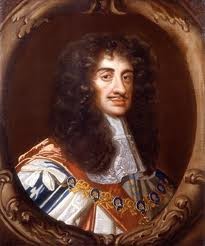
King Charles II
King Charles II was crowned king of Scotland in 1651. When Richard Cromwell , who was lord protector of England at the time, was abdicated Charles returned to London. King Charles II was only 13 when he returned, but took rule over all of Great Britain.
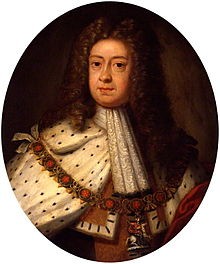
King George I
George I is the first German-born king of Britain. George was declard:George by the Grace of God and king of Great Britain, France and Ireland, on 1st August 1714. King George I set the record at the time for being the oldest monarch in British history.
King Henry III
King Henry III is known for being crown when he was just 9 years old, although he did not obtain full control of England until he was 20 years old, in 1227. His reign lasted 56 years making it the longest ever reign of any English monarch (not British).
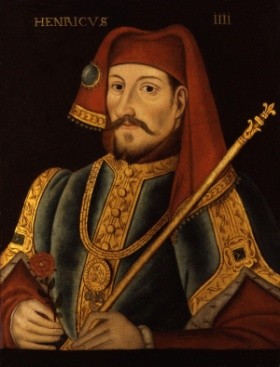
King Henry IV
King Henry IV is known to have taken the crown and thrown by force. He made his cousin Richard II abdicate and took his reign for his own. This saga lead to a long running dispute between The House of Lancaser and the House of York.
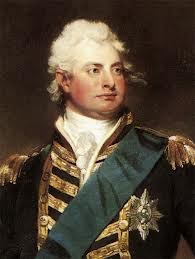
King William IV
King William IV was king of Great Britain and Ireland from 1830. The King became known as the Sailor King after joining the navy from just 13 years old. During his reign King William IV saw the passing of the infamous Reform Act of 1832 .
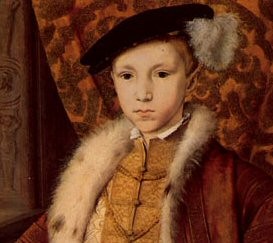
King Edward VI
King Edward VI was king but under total protection from his uncle , the Duke of Somerset. King Edward didn't live long, and was a very unhealthy and ill young man. He died at only aged 15.
Queens

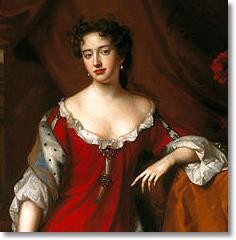
Queen Anne


Queen Anne was the daughter of James II and Anne Hyde. Queen Anne was queen of Great Britain and Ireland between 1702 and 1714. Her nickname wasBrandy Nan because of her alleged taste for fine French brandy , she also had the nicknames of Mrs Bull  and Mrs Morely.

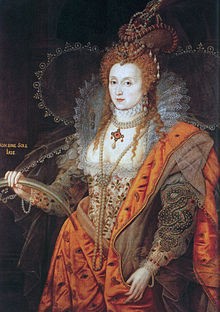
Queen Elizabeth


Queen Elizabeth I is famous for lots of achievements during her reign. The strong queen successfully fought off the Spanish Armada against all odds , as well as discovering lots of new lands during her reign.’

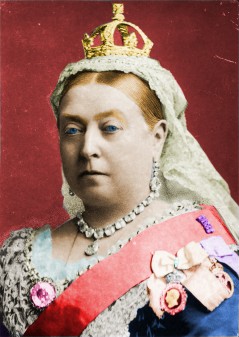
Queen Victoria


Queen Victoria is known for her part in the industrial revolution. The Queen took Britain and turned it into a rich , powerful and confident country. Queen Victoria took the record for the longest reign for a monarch in British history of 64 years.

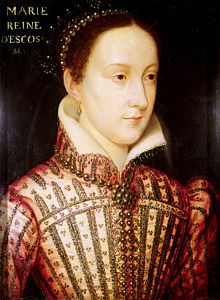
Queen Mary I (Bloody Mary)


Queen Mary I or Bloody Mary was not the first queen of England. Lady Jane Grey was next in line after Henry VIII, but reigned for only 9 days after Mary Ientered London with her supporters and executed Lady Jane Grey at age 17. The Queen's nickname came from the huge numbers of people that she killed to return England to the Catholic faith.

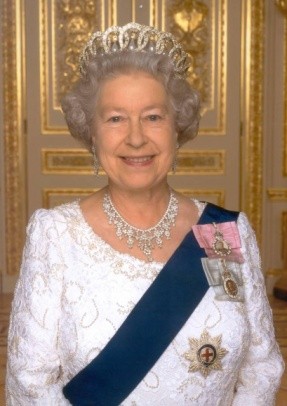
Queen Elizabeth II


Queen Elizabeth II is the current queen and monarch of Britain. Taking over at the age of 26, Elizabth took the thrown in 1952. Queen Elizabeth II was the first monarch who had their coronation broadcast on national television , making it the most accessible British coronation at the time.
Vasakule Paremale
British kings and queens #1 British kings and queens #2 British kings and queens #3 British kings and queens #4 British kings and queens #5 British kings and queens #6 British kings and queens #7 British kings and queens #8 British kings and queens #9 British kings and queens #10
Punktid 100 punkti Autor soovib selle materjali allalaadimise eest saada 100 punkti.
Leheküljed ~ 10 lehte Lehekülgede arv dokumendis
Aeg2013-04-07 Kuupäev, millal dokument üles laeti
Allalaadimisi 5 laadimist Kokku alla laetud
Kommentaarid 0 arvamust Teiste kasutajate poolt lisatud kommentaarid
Autor lanzu Õppematerjali autor
Briti tuntumad kuningad ja kuningannad koos lühikirjelduse ja pildiga.

Sarnased õppematerjalid

Inglise keelt kõnelevate maade ajaloo eksamiküsimused
28
doc

Inglise keelt kõnelevate maade ajaloo eksamiküsimused

D. As the century progressed Christianity spread very quickly. Despite official recognition there was no mass conversion to Christianity; worship of the pagan gods and goddesses was not even formally banned until late in the fourth century. *Boadicea/Boudica ­ At his death bed, Boudica's husband left half his possession to the emperor, expecting that this would protect his family. However, his property was confiscated. When Boudica, the queen of the Celts, protested, she was flogged and her daughters were raped. She swept trough Southern Britain with her tribe and tortured every Roman she met. A women having power seemed unnatural to the Romans. She fought back for 2 years, but finally took poison and died. *Hadrian's Wall ­ It was built by the emperor Hadrian and it marked the Northen border of the Roman empire. Hadrian's Wall was built, beginning in 122, to keep Roman Britain safe from hostile attacks from the Picts

Inglise keel kõnelevate maade ajalugu
Inglise keelt kõnelevate maade ajalugu lühikonspekt
168
odp

Inglise keelt kõnelevate maade ajalugu lühikonspekt

Circular structure, large standing stones, aligned with rising sun at teh solstice Attlers and bones were sued to dig pits that hold the stones The Celts in Britain and their legacy 700-200 BC celts invade Britain Gaels or Goehls(Ireland and Scotland),Cymri(Wales) and Brythons(gave name to Brittany) Fierce fighters,superb horsemen.Most of them farmers, lived in thatched houses Good at art, craftmanship, used iron Divided into tribes, ruled by kings, only in face of danger would they choose a single leader Legacy- hill-forts, farms, churches, field system, woodland, pasture, weapons, iron objects, langugae, culture Caesar in Britain The great Roman Emperor Firts came 55 BC to gather information, celts were doing agriculturally well,so romans wanted to get some food too In 54BC Caesar defeated Cassivelaunus Actual reasons why he made expeditions are unknown or wheteher he wanted to intend

Inglise keel
Britain history
6
doc

Britain history.

A.D. Romans occupied Britain for four centuries. The Roman way of life all vanished after the invasions from Northern Europe by the Angles, Saxons and Jutes from the 5th century onwards. They ruined Londinium, but they were easily turned into Christianity and religion became more and more important. The Vikings, who came in the 9th century, first raided England to plunder it, but then they decided to stay. In the 10th century England fell under Danish Rule, with King Canute finally managing to unite the Anglo-Saxons and Danes at the beginning of 11th century. Medieval England After defeating the Anglo-Saxon King Harold at the Battle of Hastings in 1066, William of Normandy (who became William I, also called William the Conqueror) introduced the Norman feudal system, rewarding his French-speaking followers with land in return for their continued support. French remained the language of the upper classes and administration until the 14th century.

Inglise keel
Roman Britain
5
odt

Roman Britain

Richborough landing, on the river Medway, the second on the Thames. One of the Catuvellaunian leaders, Togodumnus, was killed, but his brother Caratacus survived to continue resistance elsewhere. Plautius halted at the Thames and sent for Claudius, who arrived with reinforcements, including artillery and elephants, for the final march to the Catuvellaunian capital, Camulodunum . The future emperor Vespasian subdued the southwest,Cogidubnus was set up as a friendly king of several territories, and treaties were made with tribes outside the area under direct Roman control.Romans built many roads and also many great bulidings like the Hadrians wall. Anglo-Saxons and Normans The history of Anglo-Saxon England broadly covers early medieval England from the end of Roman rule and the establishment of Anglo-Saxon kingdoms in the 5th century until the Conquest by the Normans in 1066.

Inglise keel
The Middle Ages
8
doc

The Middle Ages

The Middle Ages started in 1066. with the Battle of Hastings and the Norman Conquest. William the Conqueror took all the lands from the Saxon English and gave these to French nobles. Normans were known as great builders. This is assured by the fact that many great castles and other buildings, including the Tower of London, were built during the Norman Conquest. In 1086. Domesday Book was compiled. It is a detailed survey of England ordered by William the Conqueror. The reign of King William Rufus who was the son of William started in 1087 and lasted until 1100. Next king was Henry I who was the brother of William Rufus. His reign was from 1100-1135. In 1135 Henry I nephew Stephen got to the throne of England and reigned the country for 19 years. He was the last Norman king of England and his reign ended in 1154. From 1154 until 1377 the Plantagenet Kings of England ruled the English. The first Plantagenet King was Henry II. He was the grandson of Henry I

British history (suurbritannia ajalugu)
Suurbritannia üldkokkuvõte
8
doc

Suurbritannia üldkokkuvõte

1) General facts The UK: * the United Kingdom of Great Britain and Northern Ireland was formed in 1801 * it covers 243,610 sq km * everybody from the UK is called British * the capital city is London * is made up of four constituent countries: England, Scotland, Wales and Northern Ireland which in turn are divided into counties * the flag is called the Union Jack which is a combination of the flags of England, Scotland and Northern Ireland * the population is about 60,000,000 people, the population density is 242 people/sq km * its coasts are washed by the Atlantic Ocean, the North Sea, the English Channel, the Celtic Sea,

Inglise keel
Keskaegne Inglismaa-1066-1485
27
ppt

Keskaegne Inglismaa (1066-1485)

Medieval England 1066-1485 Eva Asper Anna Pohlak 11.c The Norman Dynasty The Norman Conquest In the 11th century, Normans conquered England - The Battle of Hastings ­ 14.10.1066 The Anglo-Saxon forces had more soldiers but the Normans had better military tactics and won in the end thanks to a clever strategy William I, also known as William the Conqueror, replaced King Harold on the throne The invasion was completed by 1071 - The Norman invasion is depicted on the Bayeux Tapestry ­ a long embroidered cloth The death of King Harold embroidered on the Bayeux Tapestry The Norman England William I ensured his power by dividing the land into parts and making 1/7 of it a royal domain He made his nobles swear an oath of allegiance and become his vassals Died in 1087 while fighting in France, was

Inglise keel
The Middle Ages
6
docx

The Middle Ages

Years 1154-1485 Henry I was the first unquestioned ruler. One of the most important kings in the Middle Ages. He had lands in Britain & France. Then the government was the monarch, a person, not a place. He had more land than any pervious king. After his marriage to Eleanor of Aquitaine, he also ruled the lands south of Anjou. His empire stretched from the Scottish border to the Pyrenees. England provided most of its wealth, but the heart was Anjou. Henry II began to regain royal control. During the war some barons had become very powerful. He pulled down some of their castles. He tried to restore law & order. He wanted the same kind of justice to be used everywhere. He appointed his own judges to travel around the country

British history (suurbritannia ajalugu)


Meedia

Kommentaarid (0)

Kommentaarid sellele materjalile puuduvad. Ole esimene ja kommenteeri


Sellel veebilehel kasutatakse küpsiseid. Kasutamist jätkates nõustute küpsiste ja veebilehe üldtingimustega Nõustun