Mari-Liis
Luukas
11c
The British IslesAdministrative / əd'mɪnɪstrətɪv
/ haldus-
Self-
governing / ˌself'gʌvənɪŋ
/ isemajandav, iseseisev
Legislative assembly/ 'ledʒɪslətɪv
ə'semblɪ/ seadusandlik kogu
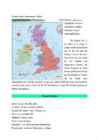
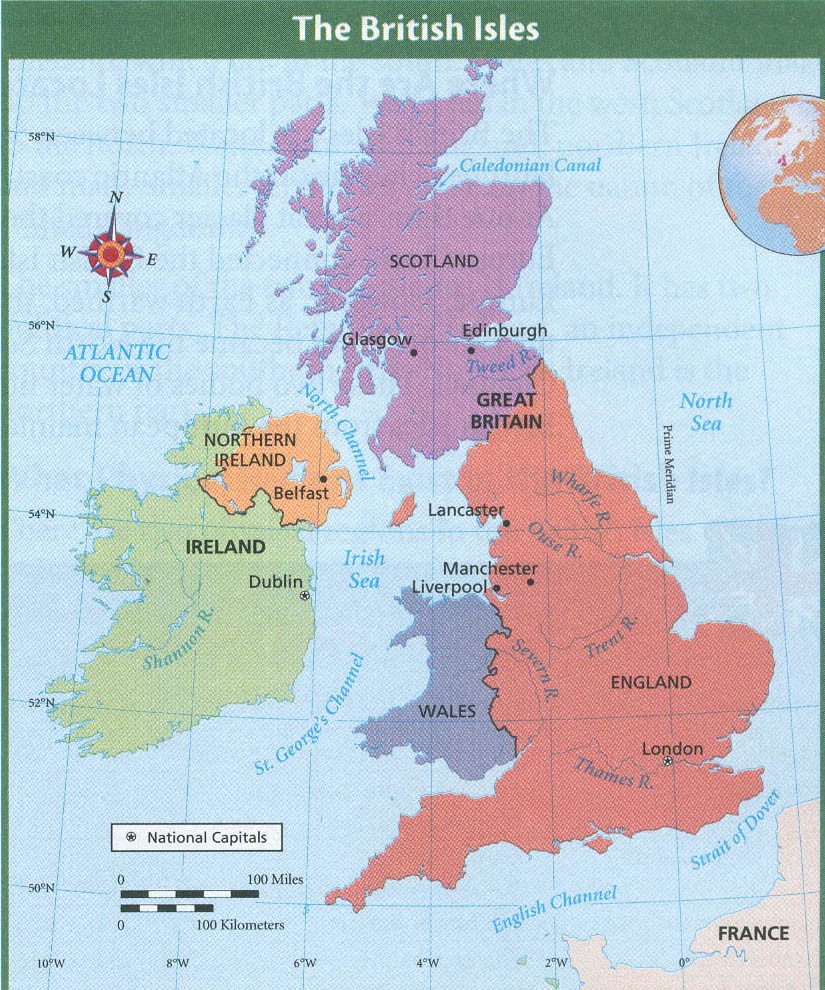
The British Isles is the name of a group
of
islands washed by the
North Sea in the
east and the
Atlantic Ocean in the
west . The British Isles
are shared by two separate and independent countries: the
United Kingdom of Great
Britain and
Northern Ireland and the
Republic of Ireland. All the islands have
administrative ties with the mainland, except some islands which have
their own
legislative assemblies and systems of law,
but the UK
Government is responsible for their international
relations and defence.
Great
BritainAcross / ə'krɒs
/ risti, läbi, põiki
Locality
/ ləʊ'kælətɪ
/ asukoht, paikkond
Inland
body / 'ɪnlænd 'bɒdɪ
/ sisemaine osa
Inlet
/ 'ɪnlet
/ merekäär, laht
Headland
/ 'hedlənd
/
neem Scour
/ 'skaʊə
/ küürima
Foreshore
/ 'fɔ:ʃɔ:
/ tõusu ja mõõna vaheline
rand Recreational
/ ˌrekrɪ'eɪʃnəl
/ lõõgastumis-, vabaaja-
Scenery / 'si:nɚrɪ
/
maastik Juxtaposition
/ ˌdʒʌkstəpəʊz'iʃn
/ kõrvuti asetsev
GB
consists of
England ,
Scotland and
Wales . GB is only a dot
on the world map. It
offers a great
variety and
scenic contrasts are often within
easy reach. The coastline is washed by the
tidal system twice a day. Britain´s
speciality is the man-made
scenery. Each
part of the country
has its peculiar geographical
features .
EnglandIndented
/ ɪn'dentɪd
/ sakiline
Estuary
/ 'estjʊrɪ
/ suudmelaht
Watershed
/ 'wɔ:təʃəd
/veelahe
Pike / paɪk
/
haug Rugged
/ 'rʌgɪd
/ konarlik, karm
Meadow
/ 'medəʊ
/ aas,
heinamaa England
features mostly low
hills and plains. The
Pennine Chain runs from the north to
south , splitting northern England into
western and
eastern parts. The
Lake
District in
situated in the
north-west of England and
there are the most beautiful
landscapes and
the
highest peak in England is Scafell
Pike (978 m). The warmest part in
England is the Peninsula
of Cornwall in
summer .
ScotlandDensely
/ 'denslɪ
/ tihedasti
Scotland
features very
wild landscapes, large areas of
untouched
land ,
mountains and lochs.
Scotland can be
divided into two parts: the
Lowlands and the Northern
Highlands. The highest peak in
Scotland is Ben
Nevis (1343 m)
WalesEarthwork
/ ɜ:θwɜ:k
/ mullavall
Beacon
/ 'bi:kən
/
tuletorn , majakas
Peninsula
/ pɪ'nɪnsjʊlə
/ poolsaar
Wales
is
surrounded by the sea
on three
sides and has two
major mountain systems: the
Black Mountains and the Brecon Beacons. The
rivers offer a
wide variety of
fish .
Wales
gets a bit more
rain
than other parts of Britain.
The highest peak in Wales is Snowdon
(
1085 m), one of the mountains of Snowdonia.
IrelandEmerald / 'emrɚld
/ smaragdroheline
Intensity
/ ɪn'tensətɪ
/ jõulisus, intensiivsus
Tranquility
/ 'træŋkwɪliti
/ hingerahu, rahu ja
vaikus Ornithologist
/ ˌɔ:nɪ'θɒlədʒɪst
/ linnuteadlane
Pasture
/ 'pɑ:stʃə
/ karjamaa
Ireland
is the second
largest of the British Isles. It´s
called the “Emerald
Isle” because of its
intensive greenery. It´s often visited to see natural
beauty and
feel relaxed and
peaceful. Ireland is
known for its pastures
and
dairy products .
ClimateTemperate
/ 'tempɚrət
/ mõõdukas
Ripen
/ 'raɪpɚn
/ küpsema
Prevailing
/ prɪ'veɪlɪŋ
/ üldlevinud, ülekaalus olev
Dampness
/ 'dæmpnɪs
/ niiskus, rõskus
Precipitation
/ prɪˌsɪpɪ'teɪʃn
/ sademed
Distribute
/ dɪ'strɪbju:t
/ levitama,
jagama The
climate is mild
and temperate and has an
influence on everything. It is
influenced by the surrounding seas. The climate
is the
primary talk subject . In winter there is an
average of only an hour or two of sunshine a day.
The Weather Wintry
/ 'wɪntrɪ
/
talvine , jäine
Set
in / set ɪn
/
algama , võimust võtma
Spell / spel
/
hoog Localised
/ 'ləʊkəlaɪzd
/ paigutama, lokaliseeruma
They
say that you can
experience four seasons in
the
course of one day.
English wisely
comment current weather, not the
entire day. The weather is
always unpredictable.
Questions1) British
Isles is the geographical name of
islands that consist of Great Britain, Ireland and many small
islands. Great
Britain consists of England,
Scotland and Wales. The United Kingdom of Great Britain and Northern
Ireland and the Republic of Ireland.
3) Estonia
lies on the eastern shores of the
Baltic Sea, south of Finland. The country's
highest point is the Suur
Munamägi (318 m) in the southeast.
Estonia has many lakes. Most are very small the largest is Lake
Peipsi . There are many rivers in the
country. The largest are the
Võhandu (162 km) and Pärnu (144
km). Estonia also has numerous bogs and coastline marked by numerous
bays, straits, and inlets. Two largest islands are large enough to
constitute their own counties: Saaremaa
and
Hiiumaa .
England
is north from
France , surrounded by the Atlantic
Ocean from the west and North
Sea from the east. The highest peak
in Great Britain is Ben
Nevis (1343 m). The largest
river in
Great Britain is the
Severn.
5) England:
Scafell Pike, low hills and plains, the
rose , the Pennine Chain, very
little dry
land Scotland:
wild landscapes, large areas of untouched lands, Ben Nevis, lochs,
mountains, sheep,
ancient castles Wales:
mountains, sea on three sides, National Park, caves, rivers,
beaches Ireland:
intensive greenery, pastures, tranquillity, dairy products, second
largest of the British Isles, spectacular
landscape 9) British
talk about the
weather because it
changes very often and
therefore is
unpredictable.
It also varies according to the
location ; it can be
sunny in one
place and
cloudy just a few kilometres
away . The weather has changed
Britain´s landscape.
Estonians
use the weather as a neutral
talk subject. People start
complaining about the weather if it has been like that for a long
time.
10) The British weather has made the British
easily
adaptable, more reserved
and a bit tired.
British
HistoryPrehistoric
BritainHill figures / hɪl
'fɪgəs
/ künkajoonised, -
figuurid Hill
forts / hɪl
fɔ:ts / künkakindlused
Fortification
/ ˌfɔ:tɪfɪ'keɪʃn
/ kindlustamine
Ditch
/ dɪtʃ
/
kraav Bank
of earth / bæŋk
ɒv
ɜ:θ
/ mullavall
There
are no
written records of Prehistoric
Britain, the history
is recorded in hill figures
(pictures on mountains), hill
forts like
Hadrian ´s
wall and
stone circles which were used as temples
like Stonehenge. The priests were called Druids.
Britain
was inhabited
by various
peoples who
later spread
the Christianity
through Northern England and Scotland.
Roman BritainNearing
/ nɪərɪŋ
/ lähenev
Wide-
scale / waɪd
skeɪl
/ laia haardega
Warlike
/ 'wɔ:laɪk
/ sõjakas
To
overrun / ˌəʊvə'rʌn
/ vallutama
Bath
/ bɑ:θ
/ saunakompleks, linnasaun
Julius Caesar
arrived in Britain in 55 BC
and
named this
island Albion
after the
chalk cliffs on the
southern coast. Britain
became the Roman
colony. They
built roads, villas,
public baths and fortifications. Emperor Hadrian
built a stone wall to
protect England from Scots.
Romans left Britain in 400 AD to protect their
empire on the
continent of
Europe from the
Germanic tribes .
The
Anglo-Saxon, Danish and Norman InvasionsRaid
/ reɪd
/ rünnak
Abbey / 'æbɪ
/
klooster Parish
/ 'pærɪʃ
/
kihelkond Germanic
tribes attacked Britain after the
Romans had left. The Angles named this island Anglia.
In 597 AD St Augustine of Rome
brought Christianity
to England after which religion
became very
important . The
Vikings settled mainly in Scotland and Ireland, the Danes in the north and
east of England.
Local Anglo-
Saxons lost their
power in 1066 to Norman
conqueror William
the Conqueror.
Medieval
BritainCentralised
/ 'sentrəlaɪzd
/ tsentraliseeritud, kesestatud
Administration
/ ədˌmɪnɪ'streɪʃn
/ valitsus,
juhtkond The
Normans introduced the
feudal system, strengthened
the power of the
King and the
Church .
England became a strong country under
military rule . The Normans enjoyed
absolute power: they built castles
and destroyed villages. The main
language spoken was Norman
French which influenced the
development of English.
Main
Events of the Period Canonised
/ 'kænənaɪsd
/ pühakuks kuulutatud
Charter
/ 'tʃɑ:tə
/ üürima, harta
Latter / 'lætə
/ viimane, lõpupoolne
1066
– The
Battle of Hastings –
Normans
took over power in England, William the Conqueror (William I)
became the King.
1170
– The
murder of Archbishop
Thomas a Becket –
a
fight between the King and the Church, Canterbury
Cathedral became
a Mecca for pilgrims after the murder of Thomas a Becket.
1215
– The
Magna Carta – King John
was forced to
sign a
document which limited his power and
extended the
rights of his
subjects .
1337
– The
Hundred Years ´ War – a
war with France which lasted 100 years, England tried to maintain
control over the properties in France. France won.
1348 – The Black
Death – an
illness which
killed a lot of people
1455
– 1485 – the
Wars of the
Roses –
a war between the House of
York (white rose) and the House of
Lancaster (red rose). Henry
Tudor of the House of York became the
King.
The
Tudors1485
–
1603 Lively
/ 'laɪvlɪ
/ pulbitsev, elav
Armada
/ ɑ:'mɑ:də
/ sõjalaevastik
Invincible
/ ɪn'vɪnsəbl
/ võitmatu
Unfazed
/ ʌnfeizd
/ külma kõhuga, häirimatu
Bowls
/ bəʊlz
/
keegel Supremacy
/ sʊ'preməsɪ
/ ülemvõim, üleolek
Intellectual
brilliance / ˌɪntə'lektʃʊɚl
'brɪlɪəns / vaimne
hiilgus Flourishing
/ 'flʌrɪʃɪŋ
/ õitseng, õitsev
Prosperity
/ prɒ'sperətɪ
/ majanduslik õitseng
Evergreen
/ 'evəgri:n
/
igihaljas A
lively period where much new was
learned, naval
battles won, sea
explored and trading flourished.
England
beat
Spanish Armada, under the
guidance of Sir
Francis Drake, which was
thought to
be unbeatable.
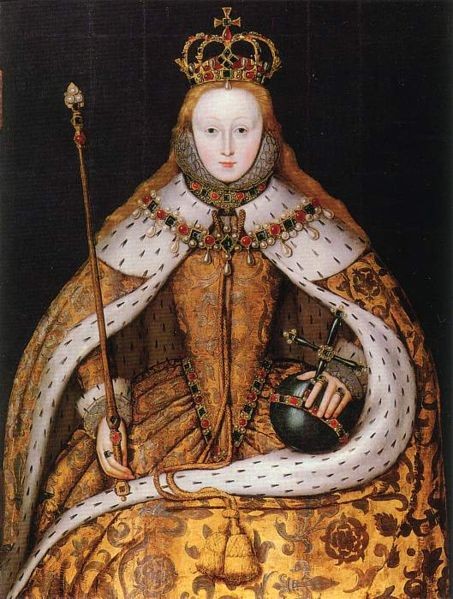
Most
powerful Tudor monarchs were Henry
VIII and his
daughter Elizabeth I who had a long and
golden reign and
whose time the
literature flourished.
Walter Raleigh was an
explorer who was the
first to bring potatoes and tobacco to Britain from America.
The Stuarts 1603 – 1714
Exile
/ 'eksaɪl
/ pagendus
Commemorate
/ kə'meməreɪt
/ mälestust austama
On
the 5th
of November in 1605 English
Catholics tried to blow up the King and the
Parliament , but they
failed. In 1642
the
Civil War between the Parliament
and the King began.
The
Parliament won and Oliver
Cromwell took up rule of the
country. Britain became a republic.
Charles I was executed. After Cromwell´s death Charles´s son became
the King.
The
House of Hanover1714 – 1901
Controversial
/ ˌkɒntrə'vɜ:ʃl
/
vastuoluline The
Cabinet / θə
'kæbɪnɪt
/ valitsus
Jacobite
rebellions / 'dʒækəʊbaɪt
rɪ'belɪəns / jakobiitide
mäss/ülestõus
Retreat
/ rɪ'tri:t
/ taganemine
Slaughter
/ 'slɔ:tə
/
tapmine , surmama
Pretension
/ prɪ'tenʃn
/ nõudlus
Prolonged
/ prəʊ'lɒŋd
/ kauakestev, pikaajaline
Confine
/ 'kɒnfaɪn
/ piirduma, sulgema
Foothold
/ 'fʊthəʊld
/ jalaase, tugipunkt
Coal / kəʊl
/ kivisüsi
George
I left the power to the Cabinet which led to
having a
Prime Minister (first Prime Minister
was Robert Walpole).
The
Scottish Jacobite
rebellions in 1715 and 1719
threatened the King, but the
leader of Jacobites, James Stuart, was
easily defeated.
During the reign of George III, Britain
lost its American colonies and the
United
States was born.
In
1805
Admiral Nelson defeated the French navy in
the
Battle of Trafalgar. In 1815
Arthur
Wellesley, known as the
Duke of
Wellington,
ended Napoleon
Bonaparte ´s plan to rule the world in the
Battle of Waterloo.
Captain James
Cook changed the map
of the world, mapped many seaways
and countries. Thanks to him Britain
became
rich in colonies and trading.
Industrial Revolution Iron ore / 'aɪən
ɔ: /
rauamaak Loom
/ lu:m
/
kangasteljed Weaving
/ 'wi:vɪŋ /
kangast kuduma
Enterprise
/ 'entəpraɪz
/ ettevõte
Disregard
/ ˌdɪsrɪ'gɑ:d
/ eirama
Imprint
/ 'ɪmprɪnt
/ jälg, jäljend
Supplement / 'sʌplɪmənt
/ täiend, lisa
Tenement / 'tenəmənt
/ vilets üürimaja
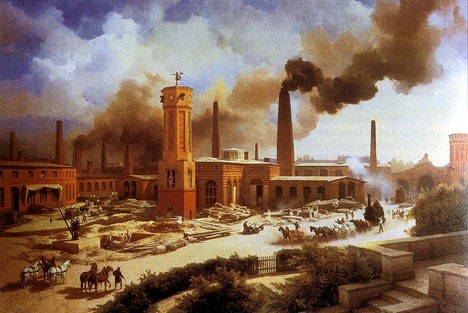
Industrial
Revolution
started in the second
half of the
18th century . It was a period when many machines
were invented and factories
established. Factories meant more
work for people but the
conditions were inhuman. By
the end of the 18th century Britain
was the most industrialised country enjoying an international
trade
boom .
During
the
late 18th century a huge
network of canals and railways were built. Telegraph
lines, magazines and
newspapers became a part of
every day.
In
the 1840s, when Britain was struck by famine,
millions of citizens had to
live in overcrowded
tenements and their
work regimes
came close to slavery.
The Victorian AgeEncompass
/ ɪn'kʌmpəs
/ ümbritsema, hõlmama
Inconsolable
/ ˌɪnkən'səʊləbl
/ lohutamatu
Withdraw
/ wɪð'drɔ:
/ taanduma, tagasi tõmbuma
The
Victorian Age lasted from
1837 to
1901, when the throne belonged to
Queen Victoria. She liked to be involved in the affairs of state and
this resulted in Britain being the
most powerful
nation in the world and the British Empire
having a quarter of the world´s
territory and population. Queen Victoria had
nine children during her 20-
year marrige to
Albert .
After her
husband ´s death, she built many memorials to him.
Florence Nightingale Nightingale
was the first
woman to run a
field hospital. She later set up a
school for nurses, turning
nursing into a
real profession.
Charles Dickens Dickens
was one of the
greatest English
novelists of all time. He was
popular with royality
and common people. After he became very rich, he used it to
support antislavery
movement ,
social housing
projects and international
copyright
laws .
Edward VIIISovereign
/ 'sɒvrɪn
/ kõrgeim, ülim
Abdication
/ ˌæbdɪ'keɪʃn
/ loobumine, äraütlemine
Edward
VIII
fell in love with an American
divorcee, but he couldn´t
marry her, because it was forbidden
in Britain to marry a divorced
person . Edward
chose love over duty and
gave the
throne to his
brother Albert. Edward and his loved one lived
in exile for years, but now they are
buried together in a
royal family
tomb near Windsor .
World War I1914 - 1918
Spark / spɑ:k
/ süütama
Archduke
/ ˌɑ:tʃdju:k
/
ertshertsog Trench
/ trentʃ
/ kaevik
Proclamation
/ ˌprɒklə'meɪʃn
/ väljakuulutamine
Bombardment
/ bɒm'bɑ:dmənt
/ pommitus
Inaugurate
/ ɪ'nɔ:gjʊreɪt
/ pühitsema, pidulikult tähistama
Annex
/ 'æneks / liitma, liidetuks jääma
World
War I broke out because of an
assassination of Archduke Franz
Ferdinand . The war was thought
to end quickly, but it lasted for four
years during which over ten
million people were killed.
During
that time
Irish Volunteers captured
Dublin ´s strategic
points and
declared the
birth of the Irish
Republic. Britain was unable to resist to the movement.
Five years later, on 6 December 1921 the
Irish Free State was created. Northern
Ireland remained attached to the United Kingdom.
World War II1939 – 1945
Blitz
/ blɪts
/ pommirünnak
Rationing
/ 'ræʃnɪŋ
/ talongisüsteem
Cease
/ si:s
/ lakkama, järele jääma
Comprehensive
/ ˌkɒmprɪ'hensɪv
/ laiaulatuslik
Aegis / 'i:dʒɪs
/ kaitsja,
eestkostja It
was started by Adolf
Hitler and involved
almost every country in the world. About 55
million people were killed. The war ended when the United
States
dropped nuclear bombs
on two
Japanese cities after which
Japan surrended.
The
war was destructive. Many
buildings collapsed and the
amount of goods
became subject to restriction.
Sir
Winston Churchill, a Prime Minister of that time, led Britain
through the war.
After
the war, the
Labour Party
promised the greatest social
revolution in British history.
Queen Elizabeth II1953 –
Founder
/ 'faʊndə
/ karile jooksma
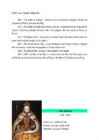
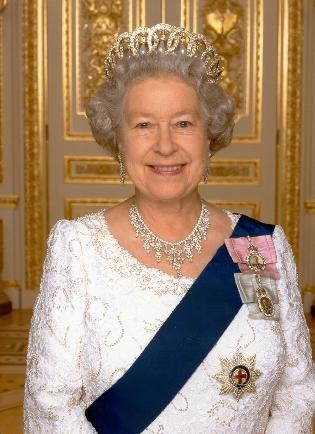
She
was coronated in 1953 and
the
coronation ceremony was televised around the world. Her reign has
seen ten prime ministers,
separation and tragic
in the royal family. The death
of
Diana , her daughter-in-law, had an influence on the royal
family as a
whole .
How Did Britain Lose Its
EmpireExtent
/ ɪk'
stent / ulatus, määr
Retain / rɪ'teɪn
/ säilitama
Momentum
/ məʊ'mentəm
/ impulss, hoog
Neglect
/ nɪ'glekt
/ hooletusse jätma
The
first signs
appeared in 1920s, when Britain had many colonies and
started allowing a
degree of self-government.
On different
reasons , one by one, the colonial
countries started to separate. Britain didn´t pay much
attention to Europe until it lost its empire.
Britain And EuropeCrop
up / krɒp
ʌp
/ esile kerkima
Opt
out / ɒpt
aʊt
/
loobuma Britain
tried to avoid a European
Union, saying that they
could never become real patriots of Europe.
After
joining the
Council of Europe in 1949, Britain had to admit
that it was difficult to
stay out
of Europe. British people tend to feel that they didn´t get
any
economic benefit from Europe.
Britain And the USAThe
relationship with the United States is
based on their common language,
wartime
alliance, the
Cold War and the
popularity of W. Churchill in
America. In 1962 Britain purchased American Polaris nuclear missiles,
which tied
them even more closely together. Toward the end of 1980s
it was obvious that Britain
hadn´t made up its mind whether its
first loyalty belonged to the United States or to the
Soviet Union.
 50 punkti
Autor soovib selle materjali allalaadimise eest saada 50 punkti.
50 punkti
Autor soovib selle materjali allalaadimise eest saada 50 punkti.
 ~ 15 lehte
Lehekülgede arv dokumendis
~ 15 lehte
Lehekülgede arv dokumendis
 2009-10-05
Kuupäev, millal dokument üles laeti
2009-10-05
Kuupäev, millal dokument üles laeti
 10 laadimist
Kokku alla laetud
10 laadimist
Kokku alla laetud
 0 arvamust
Teiste kasutajate poolt lisatud kommentaarid
0 arvamust
Teiste kasutajate poolt lisatud kommentaarid
 Mari-Liis Luukas
Õppematerjali autor
Mari-Liis Luukas
Õppematerjali autor
 annaabi.ee








Kõik kommentaarid