Contents
What we learn: 3
Case brief 4
HOMEWORK - Academic writing 4
HOMEWORK 5
Terms to
explain : 5
Retelling 6
2 ways to classify the courts: 6
When to
apply the European
Court of Justice? 6
The
decision to prosecute 6
Erinevad kuriteod: 6
WORDS 7
TOPICS for the prelim 19
Use 10 terms and
retell 19
HOMEWORK 22
Explain and retell the text! Not
examples , but the terms 23
Zhu or
Chan case: 23
Academic writing 23
Terms to explain 27
Common law 28
Continental law 28
Terms to explain: 29
Speech – How are
laws made in Estonia? 29
Are the laws
necessary for the society to
exist ? 32
Terms to explain 33
Criminal procedure 33
Civil procedure 34
Terms to explain 35
Terms to explain 35
Court
reform 36
CHANGES : 38
Civil courts 38
Terms to explain: 39
Terms to explain: 39
Classification of courts in Estonia 40
Terms to explain 41
Speech 41
How to become an
attorney at law? 41
Terms to explain: 42
Common law 44
Continental law 44
Criminal procedure 45
Civil procedure 45
How to become an attorney at law? 46
11.02.09
INGLISE
KEEL
Palju
aega läheb.
10
nädalat aint.
One
of the ESP courses.
What
we are
going to do, what is needed:
- What we do - 1 test, on words.
- 2 Essays , that means that we have to look into academic writing Any dictionary will do, but the best is Black’s Law dictionary
- Homereading – we read a case from European Court of Justice thingy.
- Oral thing .
- 90% you have to attend
- Have to prepare for class and take part of it etc
What we learn:
Terms
Expressions / collocations (nt obey/abide by the
law)
Explaining
AWOL
– absence without a leaveLegal English can be
divided into 3 levels. We learn the
first one, which
is needed for the
other two! You have to
know the
vocabulary etc.
Second level has to do with legal contracts... The third level
both 1
and 2 and explaining...
We
learn the vocabulary + explaining.
Process of law-
making
draft law/
bill (seaduseelnõu) is
developed
draft is
sent to the
parliament readings(amendments
made to the law (seadusemuudatused)
pass /
adopt the lawpass
on to the
president proclame
(väljakuulutama) or
veto or sent to supreme court (
riigikohus )
(may declare it un-constitutional)it
has to be published in the state gazette (
riigiteataja )
Vald
–
rural municipality
Kihelkond - parish
Come /enter
into
force - jõustuma
Legislative
bodys – seadusandlikud
organid Search this case!!!!Curia.europa.eu
Eur-lex.europa.eu
c-200/02
Zhu
Chen 12.02.09
Case brief
You
have to know the name and nr of the case (ex Zhu or Chen)
When
I
answer home
reading –start with the name and nr of the case. And
then the
parties . (preferably „
Full court“). Then the
relevant problems and
events . Let the
details be. The next one is – what was
the question that was
asked from court. (Normally very concrete
question). Then the decision of the court with my own words. (5
things all together!):
Name and nr of the case
The parties ( there is a trick – queen v Smith might mean state v Smith (in UK) a not criminal case; people v Smith – it is a criminal case; Brown v Smith means that it’s a civil case.)
Relevant problems and events (no details!)
What is the question asked from the court? (concrete)
The decision of the court (in my own words)
(Read
the Miranda rights / case, Microsoft case, they are landmarks .) ( http://en.wikipedia.org/wiki/Ernesto_Miranda ; http://en.wikipedia.org/wiki/United_States_v._Microsoft )
When
we retell,
we concentrate on the terms,
not on the examples etc.
NB!
Märkmeid võib teha ja TÕLGI
KINDLASTI ETTE ÄRA JUBA!!!!!!!!!!!!
HOMEWORK - Academic writing
Title
Introduction
Body
conclusion
Lõikude
vahele 1 rida, taandrida ei jäeta!
Argumendid
millegi poolt, argumendid millegi vastu. Väldime I-vormi, vaid
kasutame passive -vormi. Lõhikesi vorme ei kasutata! (don’t)
150
sõna – Teema – “should mery- killing be punished ?”
HOMEWORK
Terms to explain:
Nation
- a country , especially when thought of as a large group of people living in one area with their own government , language , traditions ,
etc:
Stranger
– someone whom you do not know
Citizen
- a person who is a member of a particular country and who has rights
and obligations because of being born there or because of being given them
Penalty
- a punishment for doing something that is against a law
Government
- the group of people who officially control a country
System
of courts - a set of connected
positions which operate together to ensure … ?
To
commit a crime – to do sth that is
forbidden by law
Corruption
- illegal , immoral or dishonest behaviour, especially by people in
positions of power
Fine
( trahv ) - an amount of money that has to be paid as a punishment for
not obeying a rule or law
Suspension
- when a person is temporarily not allowed to work , go to school or
take part in an activity , as a punishment
Prosecution
- to officially accuse someone of committing a crime in a court of
law, or to try to prove that a person accused of committing a crime
is guilty of that crime
Injury
– bodily harm , damage
Public
opinion – sth that most of the ppl in
a society think of sth
Simple majority - sth is voted for or against
by not more than half of the votes altogether
Absolute
majority - when more than half of the
ppl (voting) is for or against sth
To
be guilty of a crime – to have done sth illegal
Abuse
- to use or treat someone or something wrongly or badly, especially
in a way that is to your own advantage
Property
- an object or objects that belong to someone; a building or area of
land, or both together
Dangerous driving – to drive recklessly and
without any fear or respect
Loss
- when you no longer have something or have less of something
International
law - the set of rules that most
countries obey when dealing with other countries
Operating law – the set of rules that one
country and its people obey
Legal
system – an area ( of countries) that follow the same kind of rules????
Retelling
Explain
and retell the text! Not examples, but the terms and expressions.
Think
about the terms,
play with the terms, and put them into right contexts. 7
terms!
Think
about the structure!
Introduction
body
conclusion = well structures . NO new information in the conclusion!
2 ways to classify the courts:
By
their functions and by their levels.
When to apply the European Court of Justice?
When
it has to do European Law and EU. And when there is a pending case
(pooleliolev kohtuasi ), the courts here (ex in Estonia) can ask the
European Court of Justice for advice .
The decision to prosecute
- Who? General rule – any private individual can bring a prosecution –
- Actions instigated by the police
- Greatest nr of prosecutions
- Police officels – advocates (some cases ) (tõid tõendied ise väja)
- Wasn’t ideal
-
Erinevad kuriteod:
Arson ,
public theft , robbery, computer crimes, reckless driving, DUI, espionage , kidnapping, homicide , terrorism, littering, loitering, rape , manhandling, abuse, murder, hijacking, blackmail, stabbing, hit
and drive accidents, trespassing, poisoning,
WORDS
Explain
without the word itself, describe it, if possible, give synonym and
example.
Vald
– rural municipality
Kihelkond
- parish
Come/enter
into force - jõustuma
Legislative
bodys – seadusandlikud organid
Law:
break, infringe, breach ((nt seadust) rikkuma), violate((õigusi)rikkuma).
Law:
pass, adopt (SEADUST vastu võtma)
Law:
repeal (tühistama)
Law
making process ; draft law – seadust tegema
Conclude
a contract – lepinguga nõustuma
Breach
a contract – lepingut rikkuma
Fulfill
/ perform a contract – lepingut järgima
Abide
by law – seaduse järgi käituma.
The
state governed by the rule of law - õigusriik
To impose
sth on / upon sb – midagi kellelegi määrama, peale määrama
(taval neg )
to impose taxes / speed limits / …
custom –
toll; tava
celebrating a bday
Nation – riik
to enforce –
täitmise tagamine
law enforcement
citizen – a citizen has
accepted some duties, but also has rights - kodanik.
apply for
citizenship – kodakondsust taotlema
apply to (the court) -
kellegi poole pöörduma
application law – rakendusseadus
Constitution – põhiseadus
applicable – rakendatav
inapplicable – rakendamatu
application – taotlus
to submit / hand in an application – avaldust sisse
andma 2
Citizenship Act – kodakondsusseadus
Law on citizenship – kodakondsusseadus
Alien (foreigner) – võõra-, välismaalane
Alien’s office – välisministeerium
Non-citizen – mittekodanik
Penalty; punishment - karistus
Fine – trahv
Enforceable – täideviidav
Law making process - Seadusloome prostesse
System of courts; judicial system- kohtusüsteem 2
3 – instance / 3- level court system – kolmetasandiline kohtusüsteem 2
Administrative
courts – halduskohtud (level 1)
County court –
maakohus (level 1)
Trial court – esimese astme kohtud (arutavad
kohtuasju)
Circuit court – ringkonnakohus (2 level)
Supreme court – riigikohus (3 level)
Judge – kohtunik 1 ja 2 levelil
Justice
– kohtunik 3 levelil
Chief justice - riigikohtu esimees
Commit
a crime – kuritegu tegema
Police
– ARE – alati mitmuses
Corruption
– korruptsioon
( Informal )
rule of conduct – eetikakoodeks
Provide - ei ole seadusega sätestatud ?????
Law provision – seadusega sätestamine
Compensate;
( benefit ); indemnify (kindlustusega seot); reimbursement, award damages– hüvitama, kompenseerima
Insurance indemnification
Suspend
– mingiks ajaks kõrvaldama
Dismiss; fire – vallandama
Prosecution
– kohtulikule vastutusele võtmine
Prosecutor’s
office – prokuratuur
Under
this or that law – selle või teise seaduse järgi (nt süüdi
mõistetud)
According
to; pursuant
to this law – vastavalt sellele seadusele 2
Injury;
bodily harm (BH)- vigastus
Claim – nõue
To
file a claim with
sb – (kellegagi hagi esitama); nõuet esitama
To
bring an action – hagi alustama
To find sb guilty – süüdi mõistma
Not
guilty (innocent) - süütu
Verdict
– otsus, mille teeb vandekohus
Judgment
– kohtuniku otsus
Prison – vangla –(taval kauem)
Jail – vangla (taval pool-aasta aega)
Serve a sentence – karistust kandma
Offence (crime); felony;– süütegu, kuritegu 3
Misdemenour
– väärtegu, tavaliselt väike (nt trahviga karistatav)
Public
law – avalik õigus
Private
law – eraõigus
Civil
law – eraõigus
Implementation
– kohaldamine, rakendamine
To
administer justice – õigust mõistma
Public
opinion – avalik arvamus
Majority - enasmus
Fair trial – õiglane kohtupidamine
Define sb guilty of sth – süüdi millestki
Mercy -killing
- eutanaasia
Abuse
– kuritarvitamine
Balance and Separation of powers – võimude tasakaal ja lahusus
Judicial
power – kohtu võim
Legislative
power – seadusandlik võim
Executive
power – täideviiv võim
Property
– vara
Immoveable
or real estate – kinnisvara
Moveable
property – vallasvara
Pressure group – survegrupp
Common sense – terve mõistus
Reckless; Dangerous driving – hooletu sõitmine
Loss
– kaotus, kahju
Solely – ainult
Sole
right, Exclusive right – ainuõigus
Sole
proprietor, self employed – FIE (füüsilisest isikust ettevõtja)
Inherit
– pärima
To
bequeath
– pärandama
International
law – rahvusvahline õigus
Operating
law; the law in force – kehtiv õigus
This
law or act in valid – see seadus või akt on kehtiv
Invalid
– kehtetu
Ius soli – you gain the citizenship of the country in which you are
born.
Pending
case – “käibel” olev kohutasi.
Citizenship
– you live in this country and you have obligations to the country
and you have rights from. – KODAKONDUS
Nationality – ppl with the same nationality often share common origin,
language, cultural background. – RAHVUS
NB!
In some countries “nationality” means “citizenship” (ex USA)
To remove sb from office – töölt lahti laskma
Term of office – aeg, milleks inimene tööle määratakse (nt president 4 aastat)
To
appoint sb to office – tööle määrama?
Misuse
– usually no malicious attempt.
Abuse
– more like when you do it with you malicious attempt – kuri tahe
Property
law / law of property – asjaõigus
Moveables
Immoveables
Common
sense – rational, reasonable thinking.
Separation
– lahku kolimine nt
Divorce
– lahutus
Hate
crime – vihkamiskuriteod
CIS
– commonwealth of independent states – SRÜ rigid
NIS
– new independent states – uued iseseisvunud rigid
Statutory
rape – alaealise vägistamine (ei tulene kohtu poolt tehtavatest seadustest ) (ei kasutata pretsedenti)
Case
law system – kohtulahendi süsteem
Apply
a law – seadust vastu võtma
Implementation
law – rakendusseadus
Make
law
Law-making
law
Interpretation - tõlk – tõlgib suuliselt
Translation
– tõlkija, tõlgib kirjalikult
Simultaneous
interpretation – sünkroontõlge ( klapid peas, aparatuuriga tõlge)
Consecutive
in – järeltõlge ( suuline tõlge ilma aparaadiga)
Whispering
intre – sosistades tõlkimine
Under
which law was he punished? /What law he was punished under? –
milled seaduse järgi teda karistati?
Legislators
– seadusetegijad
He
filed the claim with
the court – ta esitas kohtule
nõude
To amend – muutma , parandama
Substantial
law – materiaalõigus
Head
of state – riigipea ( really safe to use everywhere )
Procedural
law – menetlusseadus
Unicameral
– ühekambriline ( parlament )
Legislative authority /power – legislatiivjõud
Convene
– kokku kutsuma
Accede
– ühinema, liituma
Accession treaty – ühinemisleping
Eligible ?– valitav mingile kohale
Ineligible?
– ei saa valida seda inimest
Extraordinary
elections – erakorralised valimised
Regular elections - ?
Chancellor
of justice - õiguskantsler
Larceny,
theft – vargus
Adopt
a law – seadust vastu võtma
Case
law systems – kohtuasi; kohtulahend ????
Court
ruling – kohtuniku tehtud otsus
Statute
– statuut
To
administrate law – seaduste/õiguste tagamine,
Civil
disputes – tsiviilvaidlus
Uniform application – seaduste 1kordne rakendamine
Doctrine
of precedent – pretsedendi doktriin
Was bound – kohustatud
Binding
– kohustuslik, siduv
Unless
otherwise provided by law – kui seaduses pole teisite märgitud
The
court of equity – parema äratundmise järgi otsustav kohus
Equitable
- õiglane
Appealing
- appelleerima
Chancellor
– kantsler
Solve
disputes – vaidlust lahendama
Enforce
– sundima
Fulfill
a contract – lepingut täitma
Pay
damages – kahjutasu maksma
Beneficiary
– kellegi kasuks
Bring
actions – kohtuasja algatama
Breach
of contract – lepingu rikkumine
Specific performance – täitmine natuuras
Trust – hooldusel olev ese või vara
Trust
deed – volikiri
Source
of law – õiguse allikas
Avoid the obligation to – kohustust välitma
Computer
theft
– arvuti abil kahju tegemine (nt häkkimine)
Former ,
ex – endine
Evidence , proof – tõend
Unified
– ühine
Codified
– kodifitseeritud
inherited
– pärima
egalitarian
– kõik on võrdsed (pole term)
lawmakers
– seadusetegijad
judiciary – kõik kohtunikud kokku
canon law – kanooniline-/kirikuõigus
supersede, replace – välja vahetama /tõrjuma
impact, influence – mõju
challenge – vaidlustama
secular
– ilmalik
section
– paragrahv (seaduses)
põhiseaduses voib olla sectionite asemel article.
Employment contract, employment agreement, labor contract – töölevõtuleping
By-law
– kõik, mis jääb allapoole seadust (määrused, ediktid jne)
(usas – sisekorraeeskiri)
Pass/adopt
(/enact) a act – seadust vastu võtma
Make/pass/enact legislation
Update /amend legislation – seadusandlust ? muutma
Repeal
law – tühistama
Instrument
– any legal document
Pressure
group - survegrupp
Discharge
– kui oled teind kõik, mis oled lubanud (contract)
To
contest/challange (a decision)- vaidlustama
Negative order – keeld
Positive order – käsk
Restraining
order – lähenemiskeeld
Non-performance/non-fulfillment
– mittetäitmine (lepingu puhul)
Award
damages – kahjutasu maksma
Unless
otherwise provided by law - Kui
seadusega pole teisiti sätestatud
Binging
– siduv
interpret
– tõlgendama
constitutional
law- riigiõigus
to
challenge the judgement/ to contest the judgement - edasi kaebama
evidence
– tõendid
consumer protection – tarbijakaitse
efficient
– tõhus
expire
one’s shelf life – parime enne möödas,
legal
reasoning – õiguslik argumentatsioon
override
– tühistama
binding
on the
case – kohustuslik
applicable
TO – millelegi rakendatav, kohaldatav
persuasive
– veenev
faction
– fraktsioon
elaboration
– detailselt välja töötama
develop
– üldiselt plaani paika panama (välja töötama)
it
is deemed to be - arvatakse olevat (tlevikus)
votes
in favour – poolthääled
veto
power – vetoõigus
labor/employment
law – tööõigus
new types of crimes are committed – uut tüüpi seaduserikkumisi
tehakse
claim
– hagi, nõue
cases
differ in seriousness and complexity – kohtuasjad erinevad tõsiduse
ja keerukuse poolest
recovery of debt – hagi võla tagasinõudeks
claim
for damages – kahjunõue
arbitrary
– omavoliline
arbitration – arbitraaš ( erikohus (eestis pole
need lubatud)) (not a judicial way of solving a case) (when 2 ppl
have agreed, that sb is an expert , and you give that person the right
to solve their problem.)
resolve a dispute
set
up a court – looma kohut
a
court is easily accessible – (if it easy to get legal help from a
court)
sue
for debt – võla pärast kohtusse kaebama
plaintiff
– advokaat tsiviilasjades ( VIST ???)
mandatory
= obligatory - kohustuslik
the
case is heard – kohtuasi kuulatakse ära
registrar
- kohtusekretär, abikohtunik (eri maades eri asi!!)
assistant
judge – abikohtunik
law
judge – kaasistujad (pole erialast ettevalmistust)
pretrial
– eelistung
preliminary
– eel.. (nt preliminary consideration)
in formal atmosphere
rules
of procedure
party to.. –
millegi pool
conciliation
– lepitamine
adversarial
– võistlev
expert
witness – ekspert tunnistaja
costs
are awarded
to
give a judgement
to
challenge/contest – vaidlustama
increasing
access to the court
võistlev
vorm
enquiry
– juurdlus ; uurimine
labor
dispute committee / - nt tööl on vaidlusta lahendaminseks see
komitee, et ei peaks kohtusse minema.
Adjudication
– kohumõistmine; (ametnikul on õigus kohut mõista (nt politseid)
Adjudicate
– kohut mõistma
Jurisdiction
is limited by the type
To
exceed sth – midagi ületama
Try
civil cases - ?
Probate – testamendi kinnitamine (kinnitatud testament )
Divorce
Will
– tahe, soov; testament =testament
Draw
up a will/make a will – testamenti koostama
Legal
aid/legal services
Lay
ppl – tavakodanik
Eye-witness
– pealtnägija
Witness
– tunnistaja vmt (on nt kuulnud vüi näinud, mis juthus)
Appellant
- appeleerija
Respondent
– kostja
The
court sits with 3 members – asja arutatakse kohtulikult kohtuniku
ja … ja …-ga.
Chiefly
– põhiliselt
Maintenance – ülalpidamine, hoolitsemine
Matrimonial matters – abieluga seaotud asjad
Adoption
– lapsendamine
Guardianship
- eestkoste, hooldus
Affiliation
– ühendamine; põlvnemine tehakse selgeks (isaduse tuvastamine )
Illegitimate children / born out of wedlock – abieluvälised lasped
paternity
case – isaduse tuvastamise juhtum
stipendaries
- kohtuniku abi (palgaga)
magistrate
– kohtunik
with
a leave – loaga
to grant a leave/ a permission – luba andma
administer
justice – õigust mõistma
consent/agreement
– nõusolek
to
overturn sth – to cancel sth – tühistama midagi
adjudicate
on disputed – õigust mõistma
litigant
– hageleja, see, kes kohtus käib
amount
of damages awarded – hulk...
case load – asjade hulk,
mida arutama peab
adjudicate
– mõistab kohut
the
wronged party/injury case – see pool, kes kahju kannatas
aggrieved party – see pool, kes kahju kannatas
injured
party – see pool, kes kahju kannatas
perpetrator
– toimepanija (neg meaning )
the
burden of proof – tõestamise kohustus
the
accused – süüdistatav
to
commit a crime/offence – kuritegu toime panama
to
bring the charges – süüdistust esitama
sole/exclusive
right to do sth – ainuõigus midagi teha
charge – laadima; süüdistama
to
drop the charges – süüdistusest loobuma
defendant
– kostja
fair
hearing/trial – õiglane kohtupidamine
impose
the rules on sb – unpleasant (taxes) – kellelegi reegleid peale
panama.
To
start criminal proceedings – kriminaalasja avama
Private
prosecution – erasüüdistus
Domestic
violence - koduvägivald
Battery – peksmine (pidev nt koduvägivallas) vägivalla 1 liik
Shoplifting
– vargus poest
Litigation!!!!
– kohtuprotsess
Restitution
– taastamine
Restitution of administrative court
Chamber for constitutional revue - Põhiseadusliku järelalve kollegium
Adjudicate
on - ??? kohtunikuks olema; midagi
lahendama
Start
criminal proceeding
Private
individual – eraisik
Bring
an action, prosecution – süüdistust alustama
Private
prosecution – erasüüdistus
Aggrieved
shopkeeper – kahju
saanud poodnik
To
institute proceedings – algatama menetlust
Appointment
– ametisse määramine
Adversarial relationship – võistlev suhe
Report crimes – teatama kuritegudest
Reported/unreported
crimes – teatatud/teatamata kuriteod
To
conduct – teostama kohtuliku vastutust
Conflict
of interests - huvide konflikt
Collect
evidence – tõendusmaterjali koguma
Drop
charges – süüdistusest loobuma
Recruitment
– värbamine (tööle, organisatsiooni)
The
judicial system is overburdened – kohtusüsteem on ülekoormatud
Discretion
– kaalutlusõigus
Administer
an informal caution – registreerimata hoiatust
tegema
Lack of uniformity – ühetaolisuse (ühtsete normide, põhimõtete)
puudumine
Shortage
– napp (lack – täiesti puudu (suht=))
To
commit an offence – kuritegu tegema
To
assure uniformity – ühetaolisust
kehtestama
Prospect of conviction - Süüdimõistmise
tõenäosus
Issue a formal warning – ametlikku hoiatust tegema
Calculate
the amount of damages – Kahjutasu suuruse arvutamine
Transfer, sign – üle andma (nt kohtuasja)
Conflict
of interests – huvide konflikt
Perpetrator
– keegi, kes on
midagi valesti teinud.
Consent
– luba!!!!!!!!(formal)
Misdemeanors
– väärtegu
Indictable
– süükspandav
Summary
offences – less serious offences (misdemeanors)
Summary
proceedings – kiirmenetlus
Without
a jury – vandekohut ei ole
Lay
magistrates – neile ei maksta
Verdict
– otsus (jury oma)
Guilty/not
guilty – süüdi, mittesüüdi
Acquit
– õigeks
mõistma
Impose
a fine – trahvi määrama
A maximum prison sentence – suurim vanglakaristus
Excess of jurisdiction – ületavad oma võimu, mis neile antud on
State
the case – give reasons
Manslaughter
– mitte kavatsetud, tahtmatu tapmine
Arson
– süütamine
To
conduct a inquiry – juurdlus (uurija)
Acquittal
– õigeksmõistmine
Prima facie – as the things seem at first
Pass
a sentence – karistust määrama?
To
assess the facts – hindama fakte
Appeal
against
the conviction to
the next court level
Discharge
– lükkama tagasi, saadatakse edasi (nemad sellega enam ei tegele)
Doppel
jepordy – ei saa enam samas asjas süüdi mõista
Burglary
– murdvargus
Insist tried by jury – sul on õigus nõuda vandekohuse poolt
õigusmõistmist
Indictment
– [indaidzment] – süüdistus,
süükspandav.
Verdict
– otsus,mille teeb vandemeeste kogu
Tribunals – erikohtus; tribunal
Arbitration
– suurem mõiste kui ’tribunals’. Erikohus, aga ei pea olema
KOHTULIK vmt..
Adjudication
– kohtumõistmine
Extra -court
adjudication – kohtuväline kohtumõistmine
Limited
jurisdiction – tegelevad väga kirtsa valdkonnaga mis neile on
usaldatud..
Employers
– tööandjad
Employees
– töötajad
Welfare system –sotsiaalsüsteem
To
dismiss sb – kedagi vallandama
To
make sb redundant – koondama kedagi
Labour
contract act -
Under
the term of employment legislation - Tööseadusandluse ? järgi
Benefit,
support, allowance – toetus
Claim
– nõue; hagi
Perks
= perquisite – Ametihüved
Updating
courses – teadmiste täiendamise kursused
To
report – aru andma
To
be responsible – millegi eest vastutama
To
be accountable – kellelegi aru andma (kõrgemal seisvale inimesele
vastutama)
Sth
is very costly – kallis on midagi väga
Expertise
– ekspertiis
Expert
assessors – ekspert hindajad
Panel
– kohtukoosseis
Case
load – kohuasjade arv, mida keegi lahendama peab.
Act
as a watchdog –
Judicial
review are subject to – kohus võib need asjad läbi vaaadat, nn
kohtulik järelvalve
The nature on claims – nõuete või hagide iseloom
Lack
of legal aid from the state – riigi poole vähene õigusabi
Article
– paragrahv (PÕHISEADUSES eriti)
Section
– lõige sellisel juhul
Section
– paragrahv
Subsection/point
– lõige sel juhul
COMMIT
A CRIME ja JUDICIAL
on VAJA TEADA EKSAMIL, MUIDU KUKUB LÄBI!
Because
Administrative
tribunal – haldus erikohus
Extra-judicial
– pole kohtuga seotud
Parties
to the case – kohtuasja pooled
Commercial
dispute – äri/kaubandusvaidlus
Suppliers
of goods and services – kaupade –teenuste pakkuja , tarnija
Independent
third party – sõltumatu kolmas osapool/menetlusväline isik…
Is
bound – on kohustatud
It takes place in private – mitteavalikult toimub
Court
hears the case in camera – court hears the case
in private
Judgement,
ruling, award - otsus
Subject
to an appeal (to a higher court) – seda võib edasi kaevata
Trade association – kaubandusühing/ühendus (ka erialaühendus)
Trade
union – ametiühing
Code of practice – tegevusjuhend , põhikiri, mille järgi midagi
lahendada
Claimant
– nõudleja
Deposit – sissemakse (sisse maksma, hoiustama)
Advantages
– eelised
Informality
- mitteametlikkus
Two- tier system – kahetasandiline süsteem
Malfeasance
– erialaga seotud kuritegu
Crime:
- Is atrocious
- Is brutal
- Horrible
- Outrageous
- Vicious
- Violent
- Serious
- Petty crime – väike misdemeanor
- Major crime
- Minor crime
- Organized crime
Sentence:
- Harsh
- Heavy
- Sever?
- Stiff
- Light
- Suspended sentence – tingimisi edasilõükatud
- Prison sentence
Case:
- Pening case – Pooleliolev kohtuasi
- Boarding case – kahe asja vahele java kohutasi (et seda saab 2 moodi lahendada)
- Very clear case
- Strong case
- Convincing case
- Test case – (kuidas midagi lahendama)
- LANDMARK CASE
Judgement:
- Fair
- Just
- Unfair
- Unjust
- Unanimous - üksmeelne
- (un)favourable – kellegi jaoks hea, soosib kedagi
Follow
privileged communication rules – järgima seda, et nad ei räägi
teistele, mis neile usaldatud on.
Good command of a langue – valdab keelt hästi
To
be eligible – olla valitav
Legalese – õiguskeel
Valid
– kehtiv
Testator
– testamendi tegija
Consumer
protection committee – tarbijakaitse
Child protection services – lapsekaitsemingivärk
Labor
dispute committee – töövaidluskomisjon
TOPICS for the prelim
Use 10 terms and retell
Prescriptive and descriptive law
Sources of law (general)
Common law
Continental law
Civil law
Public law
Classification of courts (general)
Civil courts (general + Estonia)
Criminal courts (general + Estonia)
Classification of offences (general)
Classification of offences (Estonia)
Civil procedure
Criminal procedure
Tribunals
Arbitration
Work of lawyers: notary public, prosecutor
Work of lawyers: judge, attorney-at-law
Legalese
Provision of legal services outside the profession
Separation of powers
Case
brief words:
Miscellaneous
– mitmesugune
(E)ECTreaty -
Strictly speaking, there is no specific document called the `EC
Treaty'. The term generally refers to the original TreatyOfRome,
which established the EEC,
as variously ammendmented over the years by later treaties. The
TreatyOfMaastricht
renamed the EuropeanCommunities
(by this time largely dominated by the EEC) to the `European
Community', and re-issued the ammended (and renumbered) Treaty of
Rome as the `Treaty Establishing the European Communities'. It is
this that is generally contracted to `EC Treaty' ; The Treaties of Rome are two of the treaties
of the European Union signed on March 25, 1957. Both
treaties were signed by The
Six: Belgium , France , Italy ,
Luxembourg, the Netherlands and West Germany .
Community law -
Law of the member
states of the European Union, as adopted by the Council of Ministers.
THE
FEDERAL REPUBLIC OF GERMANY – saksamaa liitvabariik
Name and nr of the case - 120/78; Cassis de Dijon case (1979)
The parties - Rewe-Zentral AG ( HAVING ITS REGISTERED OFFICE IN COLOGNE ) v Bundesmonopolverwaltung für Branntwein ( FEDERAL MONOPOLY ADMINISTRATION FOR SPIRITS ).
Relevant problems and events (no details!) – An importer was prohibited by the German authorities from importing Cassis de Dijon, a French liqueur, into Germany, on the grounds that its alchoholic strength was too low. German law prevented the sale of any drink with an alchohol content between 15% and 25%.
The importer argued that the German legal measure was in contravention of Art. 30 of the EC Treaty, being a measure equivalent to a quantitative restriction on importation. The German authorities argued that this measure was not concerned with country of origin at all, and would have applied to domestic as well as to imported products .
Moreover, it pursued legitimate consumer protection objectives (it was argued, for example, that drinks in this strength encourage alchoholism).
What is the question asked from the court? (concrete) – can a member state set a minimum limit of strength for alcoholic beverages? (how to undrestand article 30 of the EEC treaty, does it prohibit this?)
The decision of the court (in my own words) – no, it cannot . Article 30 of the EEC Treaty is to be understood in a way that prohibits this.
( Importance – with this case the court decided how THE CONCEPT OF ' ' MEASURES HAVING AN EFFECT EQUIVALENT TO QUANTITATIVE RESTRICTIONS ON IMPORTS ' ' should be undrestood in this and the following cases)
REWE-ZENTRAL
AG , HAVING ITS REGISTERED OFFICE IN COLOGNE ,
AND
BUNDESMONOPOLVERWALTUNG
FUR BRANNTWEIN ( FEDERAL MONOPOLY ADMINISTRATION FOR SPIRITS ),
HOMEWORK
Terms
to explain:
Nation
- a country, especially when thought of as a large group of people
living in one area with their own government, territory, language,
traditions, etc:
Stranger
– someone whom you do not know, unknown person; a non-citizen (you
have a citizenship, but not the one form the country in which you
are); stateless persons (you have absolutely no citizenship).
Citizen
- a person who is a member of a particular country and who has rights
because of being born there or because of being given rights or a
person who lives in a particular town or city
Penalty
- a punishment, or the usual punishment, for doing something that is
against a law (, contract)
Government
- the group of people who officially control or run a country
System
of courts – a judicial system, that
administer justice
To
commit a crime – to do sth that is
forbidden by law
Corruption
- illegal, immoral or dishonest behavior , especially by people in
positions of power. Paying sb or doing a favor to someone (bribe sb)
to get sth.
Fine
(trahv) - an amount of money that has to be paid as a punishment for
not obeying a rule or law
Suspension
- when a person is temporarily
not allowed to work, go to school or take part in an activity, as a
punishment
Prosecution
- to officially accuse someone of committing a crime in a court of
law, or (of a lawyer ) to try to prove that a person accused of
committing a crime is guilty of that crime
Injury
– bodily harm, damage
Public
opinion –
sth that most of the ppl in a society think of sth
Simple
majority - sth is voted for or against
by not more than half of the votes altogether. The ppl entitled to
vote that are present !
Absolute
majority - when more than half of the
ppl (voting) is for or against sth. All of the ppl entitled to vote =
100%.
To
be guilty of a crime – to have done
sth illegal or punishable. The person accused are right.
Abuse
- to use or treat someone or something wrongly or badly, especially
in a way that is to your own advantage
Property
- an object or objects that belong to someone; a building or area of
land, or both together
Dangerous
driving – to drive recklessly and
without any fear or respect. You don’t estimate the risks.
Loss
- when you no longer have something or have less of something without getting sth in return .
International
law - the set of rules that most
countries obey when dealing with other countries
Operating
law – the set of rules that one
country and it’s people obey, that is in force
Legal
system – a system for enforcing the
laws
Explain and retell the text! Not examples, but the
terms
Esimene
jutt
Zhu or Chan case:
( http://www.ena.lu/ )
Name and nr of the case – Case nr C-200/02, Zhu or Chen case
The parties - Kunqian Catherine Zhu, Man Lavette Chen v(s) Secretary of State for the Home Department
Relevant problems and events (no details!) – child has citizenship but the mother doesn’t. Child needs mother to take care of her because she’s a minor. Mother has a citizenship of a non-member country. The child and mother applied for the residence permit. They couldn’t have it because the mother had a Chinese citizenship. The domestic court asked the European court of justice for advice. The European court of justice said that the parents can stay if they can provide for themselves and the child and they have to have health-insurance.
To go to the European court you have to exhaust the domestic courts.
What is the question asked from the court? (concrete) – Is the mother of a child born in a Member state (with the citizenship of this country) allowed to live there with the child? Right of residence? – Child with the nationality of one Member State but residing in another Member State – Parents nationals of a non-member country – Mother's right to reside in the other Member State
The decision of the court (in my own words) – The child and the mother are allowed to stay in the country for an indefinite period . The mother and the child must have enough money to not become a burden on the public finances of the host Member State, and they have to have appropriate health insurance.
Academic writing
Title
Introduction
Body
conclusion
Lõikude
vahele 1 rida, taandrida ei jäeta!
Argumendid
millegi poolt, argumendid millegi vastu. Väldime I-vormi, vaid
kasutame passive-vormi. Lõhikesi vorme ei kasutata! (don’t)
150
sõna – Teema – “should mery-killing be punished?”
Should
Mercy Killing Be Punished?
Mercy
killing is the act of killing someone who is very ill or very old so
that they do not suffer any more. Many different forms of euthanasia can be distinguished, including animal euthanasia and human euthanasia. Some forms of euthanasia are
legal for instance in Belgium,
The
Netherlands and Switzerland.
But should mercy killing be punished?
Firstly,
mercy killing could be a very good thing. There are people who suffer
from a painful illness and want to rather die than to suffer agonies.
But they might be too weak to kill themselves and so they need help
dying. Thus, mercy killing is a very humane thing to do.
On
the other hand, if mercy killing was not punished, there would be a
risk of misuse. Since people are greedy, getting ones hand on an
inheritance could be a reason to kill somebody. With mercy killing it
could be legal and easy.
In
conclusion, it is believed that mercy killing should not be punished,
but it must be taken seriously and there has to be a strict control
over who really wants to die and who not.
Words
to explain:
Political structure - refers to institutions
or groups and their relations to each other, their patterns of
interaction within political
systems and to political regulations,
laws and the norms
present in political systems in such a way that they constitute the
political landscape of the political entity.
Social value - Abstract standards
or empirical
variables
in social
life
which are believed to be important and/or desirable
To
revise legal system – to correct and
renew a system for enforcing the laws
Civil
war - a war fought by different groups
of people living in the same country
Industrialization
- the process of developing industries (the companies and activities involved in the process of producing goods for sale, especially in a factory or special area) in a country
To retain a law - to keep , maintain or continue to have a rule, usually made by a government, that is used
to order the way in which a society behaves or the whole system of
such rules
Occupation
- a person's job; a regular activity
Common
law - the legal system in England and
most of the US which has developed over a period of time from old
customs and court decisions , rather than laws made in Parliament
Continental
law – civil law; the most prevalent
legal system in the modern world and the oldest in human history.
Court
ruling (otsus) - an official proclamation by a judge
(or panel of judges) that defines the legal relationships between the
parties to a hearing,
a trial, an appeal
or other court proceedings
Precedent
- an action, situation or decision which has already happened and
which can be used as a reason why a similar action or decision should
be performed or taken; a decision (by the court) about a particular
law case which makes it likely that other similar cases will be
decided in the same way
SPEECH
There are two major legal traditions in the world
are common law and continental law.
Common
law is based on precedent and continental law is based on a code.
The
civil law system is based on Roman law, especially the Corpus Juris
Civilis of Emperor Justinian, as later developed by the Middle Ages .
Estonian legal system
belongs to the continental European legal tradition.
Estonian
law is basically divided into private and public law. Public law
regulates the relationship between individuals and the state. Public
law consists of constitutional law, administrative law, procédural
law, criminal law. Private law involves relationships between
individuals. Private law includes civil law, commercial law,
intellectual property, international private law. However , it should
be mentioned that is hard to say if a problem belongs to the private
or public law sphere.
As
mentioned before , civil law is based on a code. A code is a
systematic collection of laws or regulations. Estonia too has
detailed codifications and issuses are solved according to them. For
example, there is the penal code that defines crimes and specifies
the punishment. If someone is accused of a murder, then we turn to
the penal code for solution .
It
is typical that legal systems borrow principles from each other.
Estonian law is no exception. Today , even precedent serves as a
source of law. The Supreme Court has the authority to interpret legal
rules and its opinions are taken into account when dealing with
similar situations in the future.
Additionally,
generally recognized principles of international law and binding
international treaties form an inseparable part of Estonian law. That
is also stated in the Constitution.
Constitution
is the most powerful and important act. All other acts have to be in
accordance with the constitution. The current Estonian Constitution
was adopted by a referendum held on 28 June 1992. The Constitution
stipulates that Estonia is a sovereign democratic republic where the
supreme power of the state is vested in the people.
In
conclusion, this was a short overview of the Estonian legal system.
Estonian legal system belongs to the continental European legal
tradition, as do for example Germany and France. The supreme power of
the state is vested in the people, who are regulated by prescriptive
laws.
Terms to explain
Equity
- impartial the value of a company, which is divided into many equal
parts owned by the shareholders,
or one of the equal parts into which the value of a company is
divided
To
appeal - to interest or attract someone
To
solve a dispute - to find an answer to
an argument or disagreement, especially an official one between, for
example, workers and employers or two bordering countries
To
force sb to do sth – to make sb to do
sth against their will
To
fulfill a contract – to satisfy a
legal document that states and explains a formal agreement between
two different people or groups, or the agreement itself
To
pay damages - to give money to someone
by a person or organization who has been responsible for causing them
some injury or loss
Beneficiary
- a person or group who receives money, advantages, etc. as a result of something else
Legislation
- a law or set of laws suggested by a government and made official by
a parliament
Obligation
- something that you must do; a legal duty
Computer
theft – crimes that are done with the
help of an electronic machine which is used for storing, organizing
and finding words, numbers and pictures, for doing calculations and
for controlling other machines
Evidence
- one or more reasons for believing that something is or is not true
Judiciary
- the part of a country's government which is responsible for its
legal system and which consists of all the judges in the country's
courts of law
Canon
law - internal ecclesiastical
(kiriku-) law made by the church .
To
challenge a decision – to doubt ,
contest (vaidlustama) a report of a conclusion
Secular
ideology – a theory, or set of beliefs or principles which have no connection with religion
Common law
There
are several different types of law in the world today. For example
case law, common law, Islamic law. Common law is mostly used in
essentially, every country which has been colonized at some time by
England, England
and Wales , Northern Ireland , Ireland,
the united states, Australia , new- Zealand and some others.
Common
law refers to law and
the corresponding legal
system developed through decisions
of courts and
similar tribunals (called case
law), rather than through legislative
statutes or executive
action.
Common
law is law created and
refined by judges: a
decision in a currently pending legal
case depends on decisions in previous cases and affects the law
to be applied in future cases. When there is no authoritative statement of the law, judges have the authority and duty to make law
by creating precedent
The
body of precedent is called "common law" and it binds
future decisions. In future cases, when parties disagree on what the
law is, an idealized common law court looks to past precedential
decisions of relevant courts. If a similar dispute has been resolved
in the past, the court is bound
to follow the reasoning used in the prior decision (this principle is known as stare
decisis). If, however, the court finds that the current dispute
is fundamentally distinct from all previous cases, it will decide as
a " matter of first impression ." Thereafter, the new decision becomes
precedent, and will bind future courts under the principle of stare
decisis. *
(pretsedendi järgimise kohustus)
This
was a short overview of common law, thank you for listening .
Continental law
There
are several different types of law in the world today. For example
case law, common law, Islamic law, socialist law. Continental law,
also known as Civil law, Roman law, Romano-Germanic law is the most
prevalent legal system in the modern world and the oldest in human
history.
A
prominent example of civil law would be the Code Napoleon , named after French emperor Napoleon Bonaparte. Rather than a catalog of
judicial decisions, the Code consists of abstractly written
principles as rules of law.
The
civil law system is based on Roman
law, especially the Corpus
Juris Civilis of Emperor Justinian,
as later developed by the Middle
Ages.
A
second characteristic, beyond Roman law foundations, is the extended codification of the adopted Roman law, that is its inclusion into
civil codes.
The
concept of codification was further developed during the 17th and 18th century , as an expression of both Natural
Law and the ideas of the Enlightenment.
This
was a short overview of continental law, thank you for listening.
Terms to explain:
Criminal
code - a set of principles relating to
crime that are accepted and used by society or a particular group of
people
Civil
code - a set of principles relating to
private arguments between people or organizations rather than
criminal matters
To
refrain from doing sth – if you are
made to avoid sth.
Economic power - ability to control people and
events relating to trade, industry and money
Socialism
- the set of beliefs which states that all people are equal and
should share equally in the wealth of the country, or the political
systems based on these beliefs
Unbiased
institution - a large and important
organization, such as a university or bank that is able to judge
fairly because you are not influenced by their own opinions
Violence
- actions or words which are intended to hurt people
Consumer
matters - a situation or subject which
is being dealt with or considered that has sth to do with the one
that consumes
Constitutional
law - the system of rules of a
particular country allowed by or contained in a constitution
Speech – How are laws made in Estonia?
INTRO
Process
of law-making draft
law/bill (seaduseelnõu) is developed
draft is sent to the parliament readings(amendments
made to the law (seadusemuudatused))pass/
adopt the lawpass
on to the presidentproclame
(väljakuulutama) or veto or sent to supreme court (riigikohus)
(may declare it un-constitutional)it
has to be published in the state gazette (riigiteataja)
CONCLUSION
Is
the purpose of law to protect property?
Law
is an inseparable part of our lives nowadays. But what exactly is the
purpose of law?
Some
think the purpose of law is to maintain and control the people, but
in order to maintain, punishment must be used. Therefore the purpose
of law is to punish. Others disagree though, they think the purpose
of law is just to maintain, but not control. Both parties would agree that one of the purposes of law is to protect property.
It
is believed that laws set boundaries. Without law, how do you know
what is right or wrong? Laws make it clear for all who are under
them. Their purpose is supposed to be for the protection of society
in general, not simply property. Without law, it is debated, chaos
would prevail.
All
in all, the purpose of law could be to protect property, but it
definitely is not the only task .
Are the laws necessary for the society to exist?
Terms to explain
Binding
agreement – a decision or
arrangement, often formal and written, between two or more groups or
people which cannot be legally avoided or stopped, (which is
obligatory)
Reputation
– the opinion that people in general have about someone or
something, because of sth that has happened in the past. (public image of sb or sth)
Family
law – Family law is an area of the
law that deals with
family- related issues and domestic
relations
Unjust
enrichment – improving your financial status in an illegal way
Procedure
– a set of actions which is the official or accepted way of doing
something;
Plaintiff
– someone who makes a legal complaint against someone else in court
(civil)
Suspect
– to think or believe something to be true or probable without
having any proof
Victim
– someone or something which has been hurt, damaged or killed or
has suffered, either because of the actions of someone or something
else, or because of illness or chance ;
Beyond
reasonable doubt – If a legal case or
a person's guilt is proved beyond reasonable doubt, there is enough
proof for the person accused of a crime to be judged guilty; almost completely certain.
On
the balance of probabilities – there
are more argument for than against the case in a civil case.
Sth
is admissible as evidence – sth is
considered satisfactory and acceptable as a proof
To
comply with sth – to act according to
an order, set of rules or request
Civil
liability – when you are legally
responsible for something
Mistreat
sb – to manipulate; to deal with ppl
in an unjust way
Criminal procedure
Criminal
procedure deals with the set of rules governing the series of
proceedings through which the government enforces substantive
criminal law.
Most
countries make a rather clear distinction between civil and criminal
procedures. For example, an English
criminal court
may force a defendant to pay a fine as punishment for his crime, and
he may sometimes have to pay the legal
costs of the prosecution.
But the victim of the crime
pursues his claim for compensation
in a civil, not a criminal, action. In France,
however, a victim of a crime may be awarded damages
by a criminal
court judge.
The
standards of proof are higher in a criminal
action than in a civil one since the loser risks not only
financial penalties but also being sent to prison
(or, in some countries, executed). In English
law the prosecution must prove the guilt of a criminal “beyond
reasonable doubt”; but the plaintiff
in a civil action
is required to prove his case “on the balance of probabilities”.
Thus, in a criminal case a crime cannot be proven if the
person or persons judging it doubt the guilt of the suspect and have
a reason (not just a feeling or intuition) for this doubt.
Criminal
and civil
procedures
are different. Although some systems, including the English, allow a private citizen to bring a criminal
prosecution against another citizen,
criminal
actions are nearly always started by the state.
Civil actions,
on the other hand, are usually started by individuals.
This
was a short overview of criminal procedures, thank you for listening.
Civil procedure
Civil
procedure is the body of law
that sets out the rules and standards that courts
follow when adjudicating
civil
lawsuits (as
opposed to procedures
in criminal law
matters). These rules govern how a lawsuit
or case may be
commenced, what kind of service of process (if any) is required, the types of pleadings
or statements
of case, motions
or applications, and orders allowed in civil cases and more. The judge performs the role of case manager .
Most
countries make a rather clear distinction between civil and criminal
procedures. For example, an English
criminal court
may force a defendant to pay a fine as punishment for his crime, and
he may sometimes have to pay the legal
costs of the prosecution.
But the victim of the crime
pursues his claim for compensation
in a civil, not a criminal, action. In France,
however, a victim of a crime may be awarded damages
by a criminal
court judge.
The
standards of proof are higher in a criminal
action than in a civil one since the loser risks not only
financial penalties but also being sent to prison
(or, in some countries, executed). In English
law the prosecution must prove the guilt of a criminal “beyond
reasonable doubt”; but the plaintiff
in a civil action
is required to prove his case “on the balance of probabilities”.
Thus, in a civil case, the court will weigh all the evidence and
decide what is most probable.
Criminal
and civil
procedure
are different. Although some systems, including the English,
allow a private citizen to bring a criminal
prosecution against another citizen,
criminal
actions are nearly always started by the state.
Civil actions,
on the other hand, are usually started by individuals.
This
was a short overview of criminal procedures, thank you for listening.
Terms to explain
Original
court – the court in which the case
is first heard (
Appellate
court - any court
of law that is empowered to hear an appeal
of a trial court
or other lower tribunal
To exercise jurisdiction –to make and
deal with especially legal decisions (you are authorized by
legislation)
European
Court of Justice - the highest court of the European
Union, in which they solve only problems related to EU
law.
A
recovery of a debt – paying back the
money you own sb
Arbitration
- a legal technique
for the resolution of disputes
outside the courts
by an expert.
Expert
- a person with a high level of knowledge or skill ; a specialist
Conciliation
- a process in which parties to a dispute with the assistance of a
neutral third
Witness
- a person in a law court who states what they know about a legal
case or a particular person
(expert
witness - a person who is
allowed to give their opinion in a law court because of their
knowledge or practical experience of a particular subject)
Adversarial/accusatorial
procedure – it’s usually in common
law countries. Parties to the case have to find evidence themselves.
Inquisitorial
procedure –
it’s usually applied in Roman law countries. Examining
judge/magistrate has the duty to investigate the case and produce
evidence.
Terms to explain
(Pages
25-26)
Adjudication
– is a legal process of solving a legal dispute process of
judicially deciding a case.
Divorce
– to end your marriage by an official or legal process; dissolution
of a marriage
Will
– an official statement of what a person has decided should be done
with their money and property after their death
The
court is sitting – the court is
spending time in order to solve a case; the court hears the case.
A
jury – a group of people who have
been chosen to listen to all the facts in a trial in a law court and
to decide whether a person is guilty or not guilty, or whether a
claim has been proved
Respondent
– one who answers; the person against whom a case is …?
Matrimonial
matters –
procedures related to marriage or people who are married
Guardianship
– ppl who help minors or disabled and take the legal
responsibility; the state or duty of being a guardian
Adoption
– to take another person's child into your own family and legally
raise him or her as your own child
To
maintain sb – to continue to have; to
keep in existence, or not allow to become less
Illegitimate
children – children who are born to
parents who are not officially married to each other; born out of
wedlock
Leave
– (luba) - official permission to do sth
Consent
– official, formal agreement
To
overturn – to cancel (a legal
decision)
A
litigant – a person who is fighting a
legal case
Personal
injury case – accident or event
related to bodily harm.
Court reform
Courts
have been reformed because as time goes on, different situations gain
different meanings and thus new way to solve a problem are needed.
1990
to the Present
The
restitution of Estonia’s independence has been a long process of
political and legal steps, of which one of the most significant with
respect to the judiciary has been the Declaration
of Sovereignty
on 16 November 1988. According to the declaration, the sovereignty of
"the Estonian SSR" meant that the highest authority within
its territory was the states own legislative,
governmental and judicial institutions.
On 30 March 1990, the Supreme Council of the Estonian SSR, acting at
that time as the de facto representative of the people, stated its
will to restore Estonian independence and declared the rule of the Soviet Union in Estonia illegal from its inception. As of the day of
its implementation, and proclaimed
the restitution of the Republic of Estonia (restitutio ad integrum).
A decision by the Estonian Supreme Council of 16 May 1990,
established that the judicial system of the Republic of Estonia was
to be founded on the will of the Estonian people and universally
recognised norms of international law. During the days of the August
1991 coup
attempt the Estonian Supreme Council confirmed once more the national
sovereignty of the Republic of Estonia and requested that diplomatic
relations
be restored on the basis of continuity. At the same time, a
Constitutional Assembly was formed for the task of drawing
up a constitution.
The
Constitution, which was adopted by popular referendum on 28 June
1992, establishes the rule of law and judicial power as the basic ideas. It determines the role of the courts and their position in the
general system of government. Modern legal theories, the examples of
other countries, Estonia’s own experiences from ancient times and
the first period of independence, and current conditions and
possibilities are taken into account.
The
Restored Judiciary
The
Estonian court system is governed by Chapter 13 of the Constitution
as well as the Courts Act and the Status of Judges Act, where it is
clearly and emphatically stated that justice in the Republic of
Estonia is administered by courts of law and that they solely
exercise judicial power. The Estonian court system comprises: 1)
County and City Courts and Administrative Courts; 2) Circuit Courts;
3) the Supreme Court.
County,
City Courts and Administrative Law Courts are first-level courts.
County and City Courts deal with all civil and criminal cases, while Administrative Law Courts investigate cases which they have been
specifically empowered to deal with. Administrative Law Courts are
usually attached to County and City courts; special administrative
courts can be set up whenever needed.
Circuit
Courts are second-level courts and hear appeals from first-instance
courts. Circuit courts are divided into colleges according to the
type of case under consideration, and decisions are reached after
collegiate discussion.
The
Supreme Court is the final appeals court in Estonia. It considers
court decisions which are appealed to them and may also, in cases
specified by law, change a lower court decision or correct
miscarriages of justice.
Two
new, previously non-existent functions have been added to the
judiciary: constitutional review and administrative court
proceedings.
Constitutional
review is exercised by the Supreme Court. The work of the Supreme
Court is carried out by the following bodies:
- the Civil Chamber;
- the Criminal Chamber;
- the Administrative Law Chamber;
- the Constitutional Review Chamber;
- the General Assembly of the Supreme Court, comprising all members of the court.
Practical
steps toward a judicial reform were initiated on 8 December 1992,
when the Riigikogu (Parliament) appointed a Chief Justice of the
Supreme Court. The reconstituted Supreme Court held its first session
on 27 May 1993, in Tartu. On 1 October, the Soviet-era Supreme Court
was abolished, and on 15 December 1993, a constitutional three-tier
judiciary became operational.
The
Courts
By
the end of 1994, Estonia had 2 administrative law courts (in Tallinn
and Tartu), 21 city and county courts, 3 circuit courts (in Tallinn,
Tartu and Jõhvi), and one higher court, the Supreme Court. In 1995,
land register offices and business registries started operating at
the courts.
CHANGES:
1995
land register (maakataster???) of .....
1993
estonial arbitration court was closed (now we have labour dispute
commitees)
When
16 courts were changed to 4, what happened to the judges?! –
(because they are ... for life).
Management
of courts:
Civil courts
Civil
court is the body of law
that sets out the rules and standards that courts
follow when adjudicating
civil
lawsuits (as
opposed to procedures
in criminal law
matters). These rules govern how a lawsuit
or case may be
commenced, what kind of service
of process (if any) is required, the types of pleadings
or statements
of case, motions
or applications, and orders
allowed in civil cases and more. The judge performs the role of case
manager.
Most
countries make a rather clear distinction between civil and criminal
procedures. For example, an English
criminal court
may force a defendant to pay a fine as punishment for his crime, and
he may sometimes have to pay the legal
costs of the prosecution.
But the victim of the crime
pursues his claim for compensation
in a civil, not a criminal, action. In France,
however, a victim of a crime may be awarded damages
by a criminal
court judge.
The
standards of proof are higher in a criminal
action than in a civil one since the loser risks not only
financial penalties but also being sent to prison
(or, in some countries, executed). In English
law the prosecution must prove the guilt of a criminal “beyond
reasonable doubt”; but the plaintiff
in a civil action
is required to prove his case “on the balance of probabilities”.
Thus, in a civil case, the court will weigh all the evidence and
decide what is most probable.
Criminal
and civil
procedure
are different. Although some systems, including the English,
allow a private citizen to bring a criminal
prosecution against another citizen,
criminal
actions are nearly always started by the state.
Civil actions,
on the other hand, are usually started by individuals.
This
was a short overview of civil courts, thank you for listening.
Terms to explain:
Remedy
– parandus, abinõu – the means that help you in a situation; a
successful way of curing an illness or dealing with a problem or
difficulty
Wronged
party – = aggrieved/injured party; the party treated in an unfair
or unacceptable way
Wrongdoer
– a person who does something bad or illegal
Wrongful
conviction – describes actions that are unfair or illegal
Fear
fearing – an opportunity to explain something or give your
opinions, without other people trying to influence the situation
Domestic
assaults – ex battery;
To
institute proceedings – to establish a courts
To
appoint sb – (to assign); to nominate sb
To
report a crime – give a spoken of written notice about an illegal
action
Conflict
of interests – a disagreement between public and private issues
Collection
of evidence – proof/facts that say the other party is guilty
To
drop charges –
Overburdened
(justice system) –someone or something has been made work too hard
or carry, contain or deal with too much
Discretion
– the right or ability to decide something; the ability to behave
without causing embarrassment or attracting too much attention
Caution
– a spoken warning given by a police officer or official to someone
who has broken the law; advice/warning; reprimand
Public
interest – sth that most of the ppl are interested in because it is
important
Terms to explain:
Motoring
offence – an illegal act relating to
driving; to infringe a traffic code
To
pass a sentence – a punishment is
given by a judge in court to a person or organization after they have
been found guilty of doing something wrong
To
exceed jurisdiction (in excession of
jurisdiction) – to be greater than the authority of an official
organization to make and deal with legal decisions;
?????????????????????
To
conduct a preliminary inquiry – to
organize a question that comes before a more important action or
event; a pretrial procedure
To
discharge the case – to stop dealing
with the case
Welfare
system – a combination of financial
or other system to help ppl to manage with their every day life
Employers
and employees – persons or
organizations that employ people and people who are paid to work for
someone else
Panel (kohtukoosseis) – a small group of
people chosen to give advice, make a decision, or publicly discuss
their opinions; court in it’s full power (tegelt ei)
Judicial
revue – a theatrical production
consisting typically of brief loosely connected often satirical
skits, songs , and dances involving a court of
law??????????????????????????????????
Legal
aid – a system of providing free
advice about the law and practical help with legal matters for people
who are too poor to pay for it
Classification of courts in Estonia
The Penal law reform
was completed in 2001, where offences are defined as
an unlawful and wrongful act consisting of necessary elements .
Offences can be classified accordingos to the division of offences
into criminal offences
and misdemeanours,
and the subdivision of criminal offences
into criminal offences in
the first degree
and second degree .
A criminal offence is an offence
provided for in the Penal Code and the principal punishment
in the case of natural persons is a pecuniary punishment or
imprisonment and in the case of legal persons, a pecuniary punishment
or compulsory dissolution.
A misdemeanour
is an offence provided for in the Penal Code or another Act and the
principal punishment is a fine or detention.
If a person commits
an act, which
comprises the necessary elements of both a misdemeanour and a
criminal offence, the person shall be punished only for the criminal
offence. If a punishment is not imposed for the criminal offence, the
same act may be punished for the misdemeanour.
Criminal offences prescribed by
the Penal Code also include offences of less importance, which may be
regarded as
non-genuine
bagatelle
offences. Therefore, the borderline between criminal offences and
misdemeanours, is very vague in respect of criminal offences of less importance and more
serious misdemeanours.
The punishment prescribed for
an offence is the basis for classification of offences in to minor
and major
offences.
However, the borderline between minor and major offences is arbitral
and has not been solved in
the same way in different
jurisdictions.
A criminal offence in the
first degree is an offence
with the
maximum punishment, which
can be imprisonment for a term of
more than five years, life imprisonment or compulsory dissolution.
The punishment for a
criminal offence in the second
degree is
imprisonment for a term of up to
five years or a pecuniary punishment.
Terms to explain
Suppliers
of goods and services – ppl or
organization that provide products and work that is wanted or needed,
often in large quantities and over a long period of time
Commercial
dispute – an argument or disagreement
about business; disagreement between business partners
Sth
takes place in private – (sth happens
behind closed doors so that nobody can see it); in camera
Trade
association – An industry trade group
Code
of practice – a set of standards
agreed on by a group of people who do a particular job; the
code of conduct
Claimant
– a person who asks for something which they believe belongs to
them or which they have a right to
Deposit
– to leave something somewhere; the
act of money storing
A
two-tier system – system with two
levels
Fair
trial – an opportunity to explain
something or give your opinions, without other people trying to
influence the situation; fair hearing
Access
to justice – ppl have the opportunity
to go to court to solve their law-related problems; ppl
have the opportunity to get legal aid
Speech
How to become an attorney at law?
Good
afternoon! Today I am going to talk about how to become an attorney
at law.
The Bar Association is competent
to admit
members to and exclude members from the Bar Association, organise in-service
training
for advocates, exercise supervision
over the professional activities of advocates of
foreign states
who are practicing in Estonia and more.
There
are several requirements
for advocates. Firstly, a person may be admitted to the Bar
Association if he or she has active legal capacity and is a resident of Estonia or is a citizen
of the Republic of Estonia or a Member State of the EU.
Secondly,
to become an attorney at law you need to
fulfill
an accredited
law curriculum of academic studies and have oral
and written
proficiency
in Estonian.
In
addition the person has to be honest
and of high moral character . And the person who wants to be a sworn
advocate has to be at least 24 years old.
In
order to be admitted to the Bar Association, a person must submit
a written application
and pass an advocate’s
examination,
which is known to be very difficult to pass. In the application, a
person shall certify that the circumstances which exclude
admission
of a person to the Bar Association do not
exist
with respect to the applicant. (the
circumstances are provided for in sub section 27 (1) in the Bar
Association Act)
Finally ,
members are admitted to the Bar Association by a resolution
of the Board . The Board of the Bar Association shall publish
notices
concerning admission of advocates to the Bar Association in the
official publication Ametlikud Teadaanded.
CONCLUSION
Terms to explain:
To
qualify to do a job – to be good and
educated enough to do a certain kind of work.
The
right of audience – the right of an
advocate to be heard in legal proceedings
To
draw up a will – to put in writing
who you want to have what part of your property after you die
Professional
title – a title or certification that
shows you have some type of continuing education in any particular
field of employment.
Law firm – company that deals with
juridical questions ???? a business entity formed by one or more
lawyers to engage in the practice of law
Liable
- having (legal) responsibility for something or someone
Stock broker - broker who executes orders to
buy and sell securities and often also acts as a security dealer
Share
transactions -
Legal
profession – lawyer?
Welfare
rights – the right to become social
aid from the state
Immigration
procedure – the set of actions when
someone comes to live in a different country
Political
crimes – a crime involving overt acts
or omissions
(where there is a duty to act), which prejudice the interests of the
state, its
government or
the political system
To
be entitled to do sth – to have the
right to own sth
Government
funded aid – state provided help
Professional
examinations – tests made to make sure sb is qualified for sth.
Preparatory
course – a class done in order to get ready for something
To
supervise sb - to watch a person or
activity to make certain that everything is done correctly, safely,
etc
Professional
incompetence - lack of ability or skill
in one specific area to do something successfully or as it should be
done
Junk bond (lk 42) - typically a
high-interest loan with relatively unfavorable terms to compensate
for a high risk of default; the right to collect a debt which will if
fact probably never be repaid
To
advertise sth - to make something known
generally or in public, especially in order to sell it
Legal
loophole - a small mistake in the law
which gives someone the chance to avoid having to do something
Ambiguity
- the property of being ambiguous, where a word,
term, notation, sign, symbol ,
phrase, sentence,
or any other form used for communication,
is called ambiguous if it can be interpreted in more than one way
Omission
- when something has not been included that should have been
Testator
– the person who writes the will
To
attest sth – to show something or to
say or prove that something is true
Common law
There
are several different types of law in the world today. For example
case law, common law, Islamic law. Common law is mostly used in
essentially, every country which has been colonized at some time by
England, England
and Wales, Northern
Ireland, Ireland,
the united states, Australia, new-Zealand and some others.
Common
law refers to law and
the corresponding legal
system developed through decisions
of courts and
similar tribunals (called case
law), rather than through legislative
statutes or executive
action.
Common
law is law created and
refined by judges: a
decision in a currently pending legal
case depends on decisions in previous cases and affects the law
to be applied in future cases. When there is no authoritative
statement of the law, judges have the authority and duty to make law
by creating precedent
The
body of precedent is called "common law" and it binds
future decisions. In future cases, when parties disagree on what the
law is, an idealized common law court looks to past precedential
decisions of relevant courts. If a similar dispute has been resolved
in the past, the court is bound
to follow the reasoning used in the prior decision (this principle is
known as stare
decisis). If, however, the court finds that the current dispute
is fundamentally distinct from all previous cases, it will decide as
a "matter
of first impression." Thereafter, the new decision becomes
precedent, and will bind future courts under the principle of stare
decisis. *
(pretsedendi järgimise kohustus)
This
was a short overview of common law, thank you for listening.
Continental law
There
are several different types of law in the world today. For example
case law, common law, Islamic law, socialist law. Continental law,
also known as Civil law, Roman law, Romano-Germanic law is the most
prevalent legal system in the modern world and the oldest in human
history.
A
prominent example of civil law would be the Code Napoleon, named
after French emperor Napoleon Bonaparte. Rather than a catalog of
judicial decisions, the Code consists of abstractly written
principles as rules of law.
The
civil law system is based on Roman
law, especially the Corpus
Juris Civilis of Emperor Justinian,
as later developed by the Middle
Ages.
A
second characteristic, beyond Roman law foundations, is the extended
codification of the adopted Roman law, that is its inclusion into
civil codes.
The
concept of codification was further developed during the 17th and
18th century, as an expression of both Natural
Law and the ideas of the Enlightenment.
This
was a short overview of continental law, thank you for listening.
Ma
tean, et need kaks on jube sarnased, aga mina pidin 1 neist ette
lugema ja õpetaja ütles, et on ok, kui neid kahte võrrelda niimoodi omavahel. Pealegi, nii on kergem ära õppida ;)
Criminal procedure
Criminal
procedure deals with the set of rules governing the series of
proceedings through which the government enforces substantive
criminal law.
Most
countries make a rather clear distinction between civil and criminal
procedures. For example, an English
criminal court
may force a defendant to pay a fine as punishment for his crime, and
he may sometimes have to pay the legal
costs of the prosecution.
But the victim of the crime
pursues his claim for compensation
in a civil, not a criminal, action. In France,
however, a victim of a crime may be awarded damages
by a criminal
court judge.
The
standards of proof are higher in a criminal
action than in a civil one since the loser risks not only
financial penalties but also being sent to prison
(or, in some countries, executed). In English
law the prosecution must prove the guilt of a criminal “beyond
reasonable doubt”; but the plaintiff
in a civil action
is required to prove his case “on the balance of probabilities”.
Thus, in a criminal case a crime cannot be proven if the
person or persons judging it doubt the guilt of the suspect and have
a reason (not just a feeling or intuition) for this doubt.
Criminal
and civil
procedures
are different. Although some systems, including the English,
allow a private citizen to bring a criminal
prosecution against another citizen,
criminal
actions are nearly always started by the state.
Civil actions,
on the other hand, are usually started by individuals.
This
was a short overview of criminal procedures, thank you for listening.
Civil procedure
Civil
procedure is the body of law
that sets out the rules and standards that courts
follow when adjudicating
civil
lawsuits (as
opposed to procedures
in criminal law
matters). These rules govern how a lawsuit
or case may be
commenced, what kind of service
of process (if any) is required, the types of pleadings
or statements
of case, motions
or applications, and orders
allowed in civil cases and more. The judge performs the role of case
manager.
Most
countries make a rather clear distinction between civil and criminal
procedures. For example, an English
criminal court
may force a defendant to pay a fine as punishment for his crime, and
he may sometimes have to pay the legal
costs of the prosecution.
But the victim of the crime
pursues his claim for compensation
in a civil, not a criminal, action. In France,
however, a victim of a crime may be awarded damages
by a criminal
court judge.
The
standards of proof are higher in a criminal
action than in a civil one since the loser risks not only
financial penalties but also being sent to prison
(or, in some countries, executed). In English
law the prosecution must prove the guilt of a criminal “beyond
reasonable doubt”; but the plaintiff
in a civil action
is required to prove his case “on the balance of probabilities”.
Thus, in a civil case, the court will weigh all the evidence and
decide what is most probable.
Criminal
and civil
procedure
are different. Although some systems, including the English,
allow a private citizen to bring a criminal
prosecution against another citizen,
criminal
actions are nearly always started by the state.
Civil actions,
on the other hand, are usually started by individuals.
This
was a short overview of criminal procedures, thank you for listening.
How to become an attorney at law?
Good
afternoon! Today I am going to talk about how to become an attorney
at law.
The Bar Association is competent
to admit
members to and exclude
members from the Bar Association, organise in-service
training
for advocates, exercise supervision
over the professional activities of advocates of
foreign states
who are practicing in Estonia and more.
There
are several requirements
for advocates. Firstly, a person may be admitted to the Bar
Association if he or she has
active legal capacity
and is a resident
of Estonia or is a citizen
of the Republic of Estonia or a Member State of the EU.
Secondly,
to become an attorney at law you need to
fulfill
an accredited
law curriculum of academic
studies and have oral
and written
proficiency
in Estonian.
In
addition the person has to be honest
and of high moral character. And the person who wants to be a sworn
advocate has to be at least 24 years old.
In
order to be admitted to the Bar Association, a person must submit
a written application
and pass an advocate’s
examination,
which is known to be very difficult to pass. In the application, a
person shall certify that the circumstances which exclude
admission
of a person to the Bar Association do not
exist
with respect to the applicant. (the
circumstances are provided for in sub section 27 (1) in the Bar
Association Act)
Finally,
members are admitted to the Bar Association by a resolution
of the Board. The Board of the Bar Association shall publish
notices
concerning admission of advocates to the Bar Association in the
official publication Ametlikud
Teadaanded.
This
was a short overview of how to become an attorney at law. Thank you
for listening.
 50 punkti
Autor soovib selle materjali allalaadimise eest saada 50 punkti.
50 punkti
Autor soovib selle materjali allalaadimise eest saada 50 punkti.
 ~ 35 lehte
Lehekülgede arv dokumendis
~ 35 lehte
Lehekülgede arv dokumendis
 2012-01-23
Kuupäev, millal dokument üles laeti
2012-01-23
Kuupäev, millal dokument üles laeti
 268 laadimist
Kokku alla laetud
268 laadimist
Kokku alla laetud
 1 arvamus
Teiste kasutajate poolt lisatud kommentaarid
1 arvamus
Teiste kasutajate poolt lisatud kommentaarid
 juura juura
Õppematerjali autor
juura juura
Õppematerjali autor
 annaabi.ee










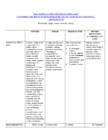


Kõik kommentaarid