To arrange for the transfer of your property to your beneficiaries after you die, you must use one or some combination of various legal devices. The two most popular are will and living trusts. Wills A will, the simplest estate planning device to prepare, is a document that leaves some or all your property to beneficiaries you choose. You can also use a will to name an adult guardian for your young childrens. The principal drawback of a will is that it must normally go through probate, a complicated and expensive court proceeding. Living Trusts A living trust is a legal document similar to a will in function, exept that no probate or other court proceedings are required to turn property over to beneficiaries. Because of this, living trusts are the most popular probate- avoidance device. Beneficiaries Direct beneficiaries come in two types: · Primary beneficiaries- people or institutions named to receive specially identified property.
prevent vältima, tagasi hoidma, ennentama gaining tulu, teenistus, kasum inheritance pärand, pärandus incapacity võimetus, suutmatus, sobimatus, varatus vital oluline, eluliselt oluline crucial otsustav, ülioluline arrangement korrastamine, kokkulepe, abinõu, meetmed wrenching Lk 9 befall juhtuma, tabama, osaks saama daring väljakutsuv, kartmatu stressed kannatav, murelik drawback puudus, defekt probate pärandivara hooldama probate- avoidance testamendi vältimine Lk 10 certain kindel, veendunud, vaieldamatu stocks varukapital, aktsiakapital, aktsiad, valmistoodang bonds võlakohustus, võlakiri joint tenancy kaasvaldus, ühisvaldus entirety ühisvara kaasomand, ühisvaldus liable vastutav, kohustav amend kahjuhüvitis, heastus revoke tühistama, annulleerima, otsust muutma
jurisdiction (kohtualluvus) - the power or authority to decide legal cases criminal matter (kriminaal asi) - wrongful act that is considered unacceptable and described in Penal Code to adjudicate on the dispute (kohtuotsust langetama konflikti kohta) - judicially making a decision about who is right amount of the claim (nõude summa) - amount payable on the maturity of a policy or when a claim is raised probate (testamendi kinnitamine) - to establish that a will is valid divorce (lahutus) - legal ending to a marriage; complete separation Roman law (Rooma õigus) - the code of laws of ancient Rome: the basis for the modern legal system in many countries single judge (üksik kohtunik) - judge who hears the case alone sitting without a jury (istung ilma vandemeesteta) - case in court solved only by a judge
reviewing appeals from legal cases that have already been heard in a trial-level or another lower court. 3. Jurisdiction (jurisdiktsioon)- the official power to make legal decisions and judgements. 4. To exercise jurisdiction - to apply the official power to make legal decisions and judgements 5. Amount of a claim – the sum of money a. Main claim 2000 euros b. And final claim 4000 euros 6. Probate - the legal process of deciding if a person's will has been made correctly and if the information it contains is correct 7. Divorce - an official or legal process to end a marriage a. Custody for mothers b. Fathers need to pay alimony c. Visitation right for fathers – külastusõigus isale 8. Canon law - ecclesiastical law, especially (in the Roman Catholic Church) that laid down by papal pronouncements a
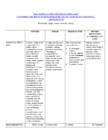
The main categories of private law in Estonia are: Civil law (general part, law of property, law of obligations, family law, law of succession) commercial law Intellectual property law private international law But in England they are: Contracts- binding agreements between people or companies torts- wrongs committed by one individual against another individual’s person, property or reputation trusts - arrangements whereby a person administers property for another person’s benefit probate - arrangements for dealing with property after the owner’s death family law 6. Public law Public law – the area of law that deals with the relationship between the government and other organizations or between the government and the public Dispute – disagreement Citizen – a member of a state Government – system by which a state or community is controlled Criminal law – part of the legal system that relates to punishing people who break the law
expert witness ekspert tunnistaja costs are awarded to give a judgement to challenge/contest vaidlustama increasing access to the court võistlev vorm enquiry juurdlus; uurimine labor dispute committee/ - nt tööl on vaidlusta lahendaminseks see komitee, et ei peaks kohtusse minema. Adjudication kohumõistmine; (ametnikul on õigus kohut mõista (nt politseid) Adjudicate kohut mõistma Jurisdiction is limited by the type To exceed sth midagi ületama Try civil cases - ? Probate testamendi kinnitamine (kinnitatud testament) Divorce Will tahe, soov; testament =testament Draw up a will/make a will testamenti koostama Legal aid/legal services Lay ppl tavakodanik Eye-witness pealtnägija Witness tunnistaja vmt (on nt kuulnud vüi näinud, mis juthus) Appellant - appeleerija Respondent kostja The court sits with 3 members asja arutatakse kohtulikult kohtuniku ja ... ja ...-ga. Chiefly põhiliselt Maintenance ülalpidamine, hoolitsemine
 annaabi.ee