The
sunflower
(
Helianthus
annuus)
is an annual(iga
aastane)
plant in the family Asteraceae,
with a large
flower head (inflorescence(õiekobar,
õisik, õitseaeg, õidumine)).
The stem(tüvi) of the flower can
grow up to 3 metres
tall , with the flower head reaching 30 cm in diameter. The
term "sunflower" is also used to
refer (nimetama,
viitama , üle
andma) to all
plants of the
genus (perekond,
sugu) Helianthus,
many of which are perennial(alaline,
aastaringne) plants.
What is
usually called the
flower
is actually a
head
(formally(ametlikult)
composite(liit-,
komposiit - ; korvõieline, komposiit
)
flower) of
numerous flowers (
florets)
crowded(täistuubitud, tunglev,
rahvarohke) together.
The
outer flowers are the
ray
florets(pähik (õisiku osa)
and can be
yellow ,
maroon,
orange,
or
other colors ,
and are sterile(steriilne,
viljatu ). The florets inside the circular
head are called
disc florets.
Sunflower head displaying florets in
spirals of 34 and 55
around the
outside The florets
within this
cluster(
kobar , kimp, klaster,
parv ; kobarasse kogunema)
are arranged (korraldatud, ettekavatsetud)spirally(spiraalselt).
Typically each floret is oriented(suunitlusega)
toward (poole) the
next by
approximately (
umbkaudu , ligikaudu) the
golden angle(
parima nurga alla), producing a pattern(muster, lõikeleht, seaduspärasus)
of interconnecting spirals
where the number of
left spirals and the number of right spirals are
successive Fibonacci
numbers .(fibonacci
arv/ rida) Typically,
there are 34 spirals in 1 direction(suund,
juhatamine, juhis) and 55 in the other; on a very large sunflower you
may see 89 in one direction and 144 in the other.
The disc florets
mature(täiskasvanud ; valmima,
kääritama ) into what
are traditionally called "sunflower
seeds",
but are actually the fruit
(an
achene)
of the plant. The true seeds are encased(ümbritsetud, koorikus) in
an inedible husk (söögikõlbmatu,
mittesöödav, kest, aganad ; kroovima, koorima)
Heliotropism
(heliotropism
(taime päikese poole pöördumine)
Sunflowers in the bud(
pung ,
õienupp ; tärkama, punguma)
stage
exhibit (välja
panema ,
näitama ;
eksponaat , asitõend)
heliotropism.
At sunrise, the faces of most sunflowers are turned towards the
east .
Over the
course (kurss, suund,
kulg,
kursus , käik, väljak, müürilade)
of the day, they
move to
track (jälitama) the sun from east to
west ,
while at
night they
return to an eastward(ida
suunaline , ida poole)
orientation. This motion(liikumine,
esildis) is performed by
motor cells in the pulvinus, a flexible
segment (segment,
lõik ; segmenteerima, tükeldama)
of the stem just
below the bud. As the bud stage ends, the stem(tüvi)
stiffens(kangestuma, jäigastuma)
and the blooming stage is reached.
Sunflowers in the blooming stage are not heliotropic anymore. The
stem has
frozen , typically in an eastward orientation. The stem and
leaves
lose their
green color .
The
wild sunflower typically does not
turn toward the sun; its
flowering heads may
face many directions when mature.
However , the
leaves typically exhibit some heliotropism.
Cultivation
and uses
A sunflower
farm near Mysore,
India.
Sunflower heads solds as snacks
in
China .
Sunflowers are
native (pärit)
to the
Americas .
The earliest
known examples of a fully domesticated sunflower were
found at the Olmec
site of San
Andrés
dating some time
before 2500 B.C.[1]
The Incas
used the sunflower as an image of their sun
god.
Gold images of the flower, as well as seeds,
were taken
back to
Europe early in the
16th century .
The Giant sunflower (Hlianthus giganteus) is native to Connecticut.
They can grow to be
between 3 and 12
feet tall. Their flower heads
can be between 2 to 3 inches
wide . They are most
commonly found in
valleys with wet meadows or swamps. The Giant sunflower
grows between
July and October.
To grow well, sunflowers need
full sun. They grow
best in
fertile , moist, well-drained
soil with a lot of mulch.
In commercial planting, seeds are planted 45 cm (1.5') apart and 2.5
cm (1")
deep .
Sunflower "
whole seed "
(fruit) is
sold as snacks and can be processed into a peanut
butter
alternative , Sunbutter,
especially in China,
the United
States ,
the
Middle East
and Europe.
In
Russia it is probably the most wide
spread snack.[
citation needed]
It is also sold as food for
birds and can be used directly in cooking and salads.
Sunflower
oil,
extracted from the seeds,
is used
for cooking
(but is less cardiohealthy
than olive oil),
as a
carrier oil
and to produce biodiesel,
for which it is less
expensive than the olive
product.
During the
18th Century, the use of sunflower oil
became very
popular in Europe,
particularly with
members of the
Russian Orthodox
Church because sunflower oil was one of the few oils that was not prohibited
during
Lent .
The
cake remaining after the
seeds have been processed for oil is used as a livestock
feed . Some recently
developed cultivars
have drooping heads.
These cultivars are less attractive to gardeners
growing the flowers as ornamental
plants,
but appeal to farmers,
because they
reduce bird damage and
losses from some plant
diseases .
There are also new breeds of sunflowers which are transgenic,
so that they are resistant to some diseases.[
citation
needed]
Sunflowers also produce
latex and are the
subject of experiments to
improve their suitability as an
alternative crop for producing hypoallergenic
rubber .
Additionally, the stem of a dead sunflower can dry out
open wounds.[
citation
needed]
For farmers not intending to
grow it, the sunflower is
considered a noxious
weed .
The wild variety will grow unwanted in
corn and soybean fields which
can have a negative impact on yields.
Diseases
Main article: List
of sunflower diseases
Greek
myth
In
Greek mythology,
a girl
named Clytie
fell in love with the sun god
Apollo ,
and would do nothing but watch his chariot
move
across the sky. After nine
days , she was transformed into a
sunflower. However, the word "sunflower" and its cognates
existed long before
Helianthus
annuus was
brought to Europe,
and it is
thought that the
myth (which is mentioned in Ovid's
poem Metamorphoses)
actually refers to heliotrope
or marigold.
Trivia
- The sunflower is the state flower of the U.S. state of Kansas , and one of the city flowers of Kitakyushu, Japan.
- The Jerusalem artichoke (Helianthus tuberosa) is related to the sunflower. The Mexican sunflower is Tithonia rotundifolia. False sunflower refers to plants of the genus Heliopsis.
- Scientific literature reports, from 1567, that a 12 m (40'), traditional , single -head, sunflower plant was grown in Padua. The same seed lot grew almost 8 m (24') at other times and places (e.g. Madrid). Much more recent feats (past score years ) of over 8 m (25') have been achieved in both Netherlands and Canada (Ontario).
- The sunflower is often used as a symbol of green ideology, much as the red rose is a symbol of socialism or social democracy .
Flower
formation
1. The
first stage of the flower
formation 2. The flower is
still covered, but faces the sun
3. The flower is nearly
completely exposed
Introduction Taste
is
tops , but health and nutrition rank high for consumers who want
foods that are as
good for
them as they are good to eat. Sunflower
oil and kernels meet that challenge with their combination of health
benefits and
flavor .
From
phytochemicals and
important vitamins and minerals to convenience of
size and
cost effectiveness, the
amazing sunflower
kernel is a
powerhouse compared to no other! And one need
look no
further than
NuSun oil for a healthy, trans-free alternative to hydrogenated oils
and shortenings.
While
the vibrant,
strong sunflower is a recognized
worldwide for its
beauty , it is also an important source of food. Sunflower oil is a
valued and healthy
vegetable oil and sunflower seeds are enjoyed as a
healthy, tasty snack and nutritious ingredient to many
foods.
Sunflower
is an important agricultural crop
choice for US
producers in the
northern plains of the Dakotas to the panhandle of Texas. Browse this
complete site on US sunflower
production to learn about the sturdy
sunflower and the healthy
products it provides.
IntroductionSunflower
seeds are an American original. Called either confection or non-oil,
seeds are a delicious and nutritious snack or
addition to your
favorite food.
It
is a native
species to
North America and was used by American Indians
for an important, high-energy food source. Spanish explorers carried
it with them to Europe. Russian agronomists were
responsible for the
first agricultural
hybrids . These returned to the United States with
Russian and
German immigrants .
Sunflower
began as an important agronomic crop in the U.S. in the 1950's,
starting in North Dakota and
Minnesota .
Seeds,
kernel(tuum), what is the difference ?The
answer , there isn't a difference. Here is how the NSA refers to
sunflower seeds/kernel:
- In- shell means the seed is left intact with the " meat " of the seed still in the shell. It is normally roasted and seasoned. It is eaten as a snack by cracking the shell with one's teeth, discarding the hull and eating the delicious morsel within. 'Chew and spit' is a great American pastime, especially at baseball games and other outdoor events .
- Kernel means the processor has mechanically removed the hull. The resulting kernel is now in a convenient form to be sold raw or roasted for snacking or as an ingredient.
Confection/Non-oil
Sunflower Characteristics
Confection
sunflower seeds are normally
black with white stripes and
approximately
five eighths of an
inch long. The
heavy hull
accounts for approximately
half the
weight of the seed and is loosely fixed to
the kernel inside. Seed size is primarily
affected by plant genetics,
but also to planting
density and
weather .
Sunflower
seeds are graded according to size and separated into groups. The
largest size will go into the in-shell
market . The
medium -sized seeds
are usually hulled for the kernel market. The smallest size will go
into the bird and pet feeding market.
Sunflower
Oil - Your Healthy ChoiceHealthy,
natural sunflower oil is produced from oil type sunflower seeds.
Sunflower oil is
light in taste and appearance and supplies more
Vitamin E than any other vegetable oil. It is a combination of
monounsaturated and polyunsaturated
fats with low
saturated fat
levels.
The
versatility of this healthy oil is recognized by cooks
internationally. Sunflower oil is valued for its light taste, frying
performance and health benefits.
There
are three
types of sunflower oil
available ; NuSun,
linoleic
and high
oleic
sunflower oil. All are developed with standard breeding techniques.
They
differ in oleic levels and each one
offers unique
properties.
With
three types of sunflower oil available, sunflower oil meets the
needs of consumer and food manufacturers alike for a healthy and high
performance non-transgenic vegetable oil.
Sunflower
plantings, production, and
supply and disappearance activities
throughout the world are ever-
changing . Statistics provide persons
with a vested
interest in the industry a foundation of where we’ve
been in
order to help us
understand where we need to go. Use the
Sunflower Statistics
section as a resource for data on a global,
national, and state-level perspective.
Meal /Wholeseed
FeedingSunflower
meal is the by-product of the oil extraction
process . Oil is the
majority value of sunflower seed and meal is considered a by-product.
Sunflower meal is an excellent livestock feed, especially for
ruminants. For the last
several years, the supply of U.S. sunflower
meal has been somewhat inconsistent. That is changing as the
domestic market for sunflower oil
increases .
September the fields and roadsides of the Great
Plains
erupt in a blaze of yellow as the sunflowers and goldenrods
(also members of the sunflower family) make their presence known to
the
local pollinating
insects . While many sunflower species may
begin blooming in July, they are not as noticeable then as
later on
when they have grown up and over the surrounding vegetation.
There are
eleven species of sunflower recorded from Kansas.
Most of them are perennials. Only the common sunflower and H.
petiolaris, the
Prairie Sunflower, are annuals. Identification of sunflowers can be
very complicated because they frequently hybridize and
even within
species there is a high
degree of variability. With a
little practice, however, the most common species can be readily recognized.
The Common Sunflower has a long history of
association with people.
Nearly 3,000 years ago it was domesticated for food production by the
Native Americans. The seeds of the wild type of sunflower are
only about 5 mm. long. It was only
through careful
selection for the largest size seeds over hundreds of years that the cultivated
sunflower was produced. Lewis and
Clark made
mention in their
journals of its
usage by the plains Indians. It was brought
back to the Old World by the early European explorers and widely
cultivated there also.
Today it is a common alternative crop in
the Great Plains and elsewhere for food and oil production.
Next time you
munch down on some sunflower seeds, thank the many
generations of Native Americans
whose careful husbandry gave us this
valuable food item.
The wild cousins of those grown on the farm are still common,
however, in fields, roadsides and disturbed
ground throughout the
Great Plains.
The Common Sunflower is a
typical member of the Asteraceae, one of
the largest and most successful
families of plants. Within the
structure we think of as the "flower", it actually has two
different types of flowers - ray and
disk flowers.
The ray flowers have the big, straplike structures that we see around
the
edge of the "flower" while the disk flowers occupy the
middle of it. Within the Asteraceae, many confusing
combinations of the two are possible along with the
total absence of
one or the other in some species!
Individual ray or disk
flowers may be
male ,
female or both and either fertile or infertile
(do or don't produce seeds). In sunflowers, the ray flowers are
usually female and infertile. The disk flowers are both male
and female and are fertile.
If you look closely at the
center of a sunflower you can see that the disk flowers grow in a mesmerizing pattern of two opposite spirals. This is most easily
seen either before the disk flowers open up or after the seed has set and all the accessory flower parts have fallen off. This is one of the more interesting
patterns in nature.
The
rough -hairy
quality of the Common Sunflower is
characteristic of many members of its family. These little bristles probably serve two
functions : to discourage plant-eating
animals and to conserve water in the plant by limiting evaporation.
Members of the sunflower family are popular with butterflies because the wide flower head
makes a good "landing
platform " and the numerous individual flowers make for a high probability of
finding nectar.
Monarch butterflies are commonly seen nectaring on sunflowers during their
fall migration.
Whether as a source of food for people and
wildlife or an
eye-catching splash of color on the
landscape , the Common Sunflower
is an important member of the prairie community.
I. History:
Sunflower (
Helianthus annuus L.) is one of the few crop
species that originated in North America (most originated in the
fertile crescent,
Asia or
South or Central America). It was probably
a "camp follower" of several of the
western native American
tribes who domesticated the crop (possibly 1000 BC)
and then carried it eastward and southward of North America. The
first Europeans
observed sunflower cultivated in many places from
southern Canada to
Mexico .
Sunflower was probably first introduced to Europe through Spain, and
spread through Europe as a curiosity
until it reached Russia where it
was readily adapted. Selection for high oil in Russia began in 1860
and was largely responsible for increasing oil content from 28% to
almost 50%. The high-oil lines from Russia were reintroduced into the
U.S. after World War II, which rekindled interest in the crop.
However, it was the
discovery of the male-sterile and restorer gene
system that made hybrids feasible and increased commercial interest
in the crop. Production of sunflowers subsequently rose dramatically
in the Great Plains states as marketers found new niches for the
seeds as an oil crop, a birdseed crop, and as a human snack food.
Production in these
regions in the 1980s has declined mostly because
of low prices, but also due to
disease ,
insect and bird problems.
Sunflower acreage is now
moving westward into dryer regions; however,
85% of the North American sunflower seed is still produced in North
and South Dakota and Minnesota.
II. Uses:
A. Edible(söödav)oil:
Commercially available sunflower
varieties contain from 39 to 49% oil
in the seed. In 1985-86, sunflower seed was the third largest source
of vegetable oil worldwide, following soybean and
palm . The
growth of
sunflower as an
oilseed crop has rivaled that of soybean, with both
increasing production over 6-
fold since the
1930s . Sunflower accounts
for about 14% of the world production of seed oils (6.9 million
metric tons in 1985-86) and about 7% of the oilcake and meal produced
from oilseeds. Europe and the USSR produce over 60% of the world's
sunflowers.
The oil accounts for 80% of the value of the sunflower crop, as
contrasted with soybean which derives most of its value from the
meal. Sunflower oil is generally considered a
premium oil because of
its light color, high level of unsaturated fatty acids and
lack of
linolenic acid, bland flavor and high smoke
points . The
primary fatty
acids in the oil are oleic and linoleic (typically 90% unsaturated
fatty acids), with the remainder consisting of palmitic and stearic
saturated fatty acids. The primary use is as a
salad and cooking oil
or in
margarine . In the USA, sunflower oils
account for 8% or less of
these
markets , but in many sunflower-producing countries, sunflower
is the
preferred and the most commonly used oil.
High oleic sunflower oil (over 80% oleic acid) was developed
commercially in 1985 and has
higher oxidated stability than
conventional oil. It has
expanded the
application of sunflower oils
for frying purposes, tends to enhance
shelf life of snacks, and
could be used as an ingredient of infant
formulas requiring stability.
B. Meal:
Non-dehulled or partly dehulled sunflower meal has been substituted
successfully for soybean meal in isonitrogenous (equal
protein ) diets
for ruminant animals, as well as for swine and
poultry feeding.
Sunflower meal is higher in
fiber , has a
lower energy value and is
lower in lysine but higher in methionine than soybean meal. Protein
percentage of sunflower meal ranges from 28% for non-dehulled seeds
to 42% for completely dehulled seeds. The color of the meal ranges
from
grey to black, depending
upon extraction
processes and degree of
dehulling.
The
price of sunflower oil usually prohibits its widespread use in
industry, but there are several applications that have been explored.
It has been used in certain paints, varnishes and
plastics because of
good semidrying properties
without color modification associated with
oils high in linolenic acid. In
Eastern Europe and the USSR where
sunflower oil is plentiful, sunflower oil is used commonly in the
manufacture of soaps and detergents. The use of sunflower oil (and
other vegetable oils) as a pesticide carrier, and in the production
of agrichemicals, surfactants, adhesives, plastics, fabric softeners,
lubricants and coatings has been explored. The utility of these
applications is usually contingent upon petrochemical feedstock
prices.
Sunflower oil contains 93% of the energy of US Number 2
diesel fuel
(octane rating of 37), and
considerable work has been
done to explore
the potential of sunflower as an alternate fuel source in diesel
engines . Blends of sunflower oil and diesel fuel are
expected to have
greater potential than the
burning of pure vegetable oil.
D. Non-Oilseed:
The use of sunflower seed for birdfeed or in human diets as a snack,
has grown consistently over the past 15 years. Varieties used for
non-oilseed purposes are characterized by a larger seed size and
require slightly different management
practices . During
processing ,
seed is
divided into 1) larger seed for in-shell roasting, 2) medium
for dehulling, and 3) small for birdseed. Standards for different
uses
vary .
E. Forage(söök, toitu hankima, tuhnima):
Sunflower can also be used as a silage crop. It can be used as a
double crop after early harvested small grains or vegetables, an
emergency crop, or in
areas with a
season too short to produce mature
corn for silage.
Forage yields of sunflower are generally less than corn when a full
growing season is available. In one
study , sunflower dry
matter yields
ranged from 2.0 to 3.0 ton/acre compared with 3.1 to 3.8
ton/acre for corn. Moisture content of sunflower at maturity is
usually high (80 to 90%) and would require wilting before ensiling.
Nutritional quality of sunflower silage is often higher than corn but
lower than alfalfa hay (Table 1).
Crude protein level of sunflower
silage is
similar to grass hay and higher than corn silage.
Generally, crude protein of sunflower decreases and lignin percentage
increases after the flowering stage. High plant populations increases
fiber and lignin percentage. Seed size does not
seem to affect
yield or quality.
Table 1: Nutritional quality of sunflower, immature corn, and
mature corn silage, alfalfa hay (harvested in early bloom ) and timothy bay (harvested in late vegetative stage).1 Silage
Hay
Sunflower
Immature corn
Mature corn
Alfalfa
Timothy
% of dry matter
Total digestible nutrients
67.0
60.0
69.0
58.0
68.0
Crude protein
11-12
8.2
7.8
18.0
11.4
Ether extract
10-12
2.6
2.9
2.2
2.4
Crude fiber
31.0
31.0
23.0
31.0
31.0
Acid detergent fiber
32.0
---
31.0
38.0
33.0
Lignin
10-16
---
---
9.0
3.1
IVDDM 2
63-70
---
---
66.0
63.0
1Data from Miller, Oplinger and
Collins , 1986.
2In
vitro dry matter disappearance.
Sunflower silage contains considerably more fat than many other
forages, (Table 1). Some producers and researchers in Oregon have
experimented with sunflower/corn intercrops to
increase energy
content of a silage, but
results of this work are not yet complete.
In South Dakota trials,
milk yields were reduced by 9% when straight
sunflower silage was compared with corn. The nutritional quality of
sunflower silage is generally recognized as adequate for dry cows,
steers, and low milk producers.
III. Growth Habit:
Sunflower is an annual,
erect , broadleaf plant with a strong taproot
and prolific lateral spread of surface
roots .
Stems are usually round
early in the season, angular and
woody later in the season, and
normally unbranched.
Sunflower leaves are phototropic and will
follow the sun's rays with
a lag of 120
behind the sun's azimuth. This property has been shown
to increase light interception and possibly photosynthesis.
The sunflower head is not a single flower (as the name implies) but
is made up of 1,000 to 2,000 individual flowers joined at a common
receptacle. The flowers around the circumference are ligulate ray
flowers without stamens or pistils; the remaining flowers are
perfect flowers (with stamens and pistils). Anthesis (
pollen shedding)
begins at the periphery and proceeds to the center of the head. Since many
sunflower varieties have a degree of self-incompatibility, pollen
movement between plants by insects is important, and bee
colonies have generally increased yields.
In temperate regions, sunflower
requires approximately 11 days from
planting to emergence, 33 days from emergence to head
visible , 27
days from head visible to first anther, 8 days from first to last
anther, and 30 days from last anther to maturity. Cultivar
differences in maturity are usually associated with changes in
vegetative
period before the head is visible.
IV. Environment requirements:
A. Climate:
Sunflower is grown in many semi-arid regions of the world from
Argentina to Canada and from central
Africa into the
Soviet Union. It
is
tolerant of both low and high
temperatures but more tolerant to
low temperatures. Sunflower seeds will germinate at 39°F, but
temperatures of at
least 46 to 50°F are
required for satisfactory
germination. Seeds are not affected by vernalization (
cold ) in the
early germination stages. Seedlings in the cotyledon stage have
survived temperatures down to 23°F. At later stages freezing
temperatures may injure the crop. Temperatures less than 28°F are
required to kill maturing sunflower plants.
Optimum temperatures for growth are 70 to 78°F, but a wider range of
temperatures (64 to 91°F) show little effect on productivity.
Extremely high temperatures have been shown to lower oil percentage,
seed
fill and germination.
Sunflower is often classified as insensitive to daylength, and
photoperiod seems to be unimportant in choosing a planting
date or
production area in the temperate regions of North America. Oil from
northern regions tends to be higher in linoleic acid and has a higher
ratio of polyunsaturated to saturated fatty acids than oil produced
in southern latitudes.
Sunflower is an inefficient user of water, as measured by the
amount of water transpired per
gram of plant
above -ground dry matter. Levels
were 577 (g H2O/g DM) for sunflower, 349 for corn, 304 for
sorghum in an Akron, Colorado study. It is similar to
wheat , soybean,
fieldbean, oat, and
rape in that
respect . Efficiency is measured at
an optimum moisture level and is not a
measure of
drought resistance .
Sunflower is not considered
highly drought tolerant, but often
produces satisfactory results when other crops are damaged during
drought. Its extensively branched taproot, penetrating to 6.5 ft,
aids the plant during water stress. A
critical time for water stress
is the period 20 days before and 20 days after flowering. If stress
is likely during this period, irrigation will increase yield, oil
percentage and test weight, but
decrease protein percentage.
B. Soil:
Sunflower will grow in a wide range of soil types from sands to
clays. The demands of a sunflower crop on soil macronutrients are not
as great as corn, wheat or potato. As with other non-leguminous grain
crops, nitrogen is usually the first limiting
factor for yield.
Medium to high levels of macronutrients are usually required for good
plant growth. Sunflower stover contains a large
proportion of these
elements, which means sunflower is relatively inefficient in the use
of these elements. However, most of these nutrients are returned to
the soil with the stover.
Sunflower is low in
salt tolerance but is somewhat better than
fieldbean or soybean in this respect. Corn, wheat, rye and sorghum
are rated medium, and sugarbeet and barley are high in salt
tolerance.
Good soil drainage is required for sunflower production, but this
crop does not differ substantially from other
field crops in flooding
tolerance.
V. Cultural Practices:
Many different
tillage systems can be used effectively for sunflower
production. Conventional systems of seedbed preparation consist of
moldboard plowing or chisel plowing to invert residue and several
secondary field operations. Conventional systems have been shown to
increase the availability and improve the distribution of
potassium and nitrogen and to increase the seed zone temperatures. However, the
risk of erosion and expense of the several tillage operations has led
to greater interest in minimum or ridge tillage systems.
Both germination percentage and lodging have been shown to increase
in ridge-
till systems vs. level plantings. Several tillage systems
have been used with some
success in
specific environments.
Major considerations are: 1)
firm placement of seed near moist soil, 2)
absence of green vegetation during emergence, 3) maintaining an
option to cultivate and 4) reduce the risk of soil erosion.
B. Seeding Date:
Sunflower can be planted at a wide range of dates, as most cultivars
are earlier in maturity than the
length of growing season in most
areas. In areas of the world with no winters, sunflower has been
planted at any
month of the
year to obtain satisfactory yields. In
northern regions,
highest yields and oil percentages are obtained by
planting early - as soon after the
spring -sown small grain crops as
possible. In the northern midwest and Canada this is often May 1
through 20 and mid-
March through early April in the southern USA.
Resistance to frost damage decreases as the seedlings
develop into
the 6leaf stage, so too-early sowings in the northern USA or Canada
can be risky.
A later planting date tends to increase the proportion of linoleic
acid in sunflower, especially at southern locations. Damage of
sunflower heads by insect larvae may be increased by early planting.
Test weight tends to decrease with late plantings. A planting date of
early to mid May is recommended in Minnesota and Wisconsin.
C. Method and Rate of Seeding:
A planting depth of 1 to 3.5 in. allows sunflower seeds to reach
available moisture and gives satisfactory
stands . Deeper plantings
have resulted in reduced stands and yields. If crusting or packing of
the soil is expected, with silt loam or clay soils, a shallower
planting depth is recommended.
Sunflower row
spacing is most often determined by machinery
available, which might be 30 or 36 in. for corn, soybean or sorghum
growers, or narrower rows for sugarbeet growers. In Minnesota trials,
sunflower yield, oil percentage, seed weight, test weight,
height ,
and flowering date did not differ at narrow vs. wide rows over five
plant populations.
Hence , row spacings can be chosen to fit available
equipment . Row spacings of 30 in. are most common. There is evidence
that earlier, semidwarf varieties may
perform better in narrower rows
at high populations.
Sunflower stands have the
capacity to produce the same yield over a
wide range of plant densities (Table 2). The plants adjust head
diameter, seed number per plant, seed size, to lower or higher
populations, so that yield is relatively constant over a wide range
of plant populations. Trials in eastern North Dakota show increases
in yields with densities up to 29,000 plants/acre, but most
studies have shown less effect of seeding rate. Higher densities are often
recommended for irrigated or high rainfall areas.
Table 2: Effect of plant population on yield and yield components
- average of 12 trials in MinnesotaPlant density
heads/acre
Seed yield
lbs/acre
Seed number
seeds/head
Seed weight
mg/seed
Large seedl
Oil content
Lodging
score2
14,970
2,004
831
73
52
42.1
1.5
19,830
2,131
727
67
44
43.2
1.8
25,090
2,169
632
62
33
43.2
2.1
29,940
2,173
548
60
31
43.4
2.4,
34,800
2,231
501
58
16
43.8
2.5
lNon-oilseed cultivars
held on an 0.8 cm round-hole
screen 21 = erect, 9 = prostrate.
Plant population has a strong effect on seed size, head size, and
percent oil. A medium to high population produces higher oil
percentage than does low populations, and the smaller heads dry down
faster at higher plant populations.
A lower plant population is critical for maximizing seed size for
non-oilseed use.
Current recommendations in Minnesota and Wisconsin
are 17,000 plants/acre (4 lb seed/acre) for non-oilseed and 23,000
plants/acre (3 lb seed/acre) for oilseed.
Some have suggested that north-south orientation of rows produce
higher yields than east-west rows, but studies to examine this effect
have found no differences in yield.
Research has shown that sunflower responds to N, P and K. Nitrogen is
usually the most common limiting factor for yield. Nitrogen
fertilizer tends to reduce oil percentage of the seed, change the
amino acid
balance , and increase
leaf area of the plant. Yield
increases from N fertilizer rates up to 175 lb/acre have been
observed, but rates considerably lower than this are usually
recommended. Nitrogen recommendations in dryer regions can be made
from estimates of nitrate nitrogen in the soil, but in
wetter regions, this is not feasible. In the wetter regions of eastern and
southern Minnesota and Wisconsin, recommendations are
based upon soil
organic matter and
previous crop history. Recommendations of
approximately 18 lb N/acre after fallow or legume sod, 60 lb N/acre
after small grain or soybean and 80 to 100 lb N/acre after corn or
sugarbeet are common. On higher organic matter soils, amounts should
be lowered. Nitrogen can be supplied from
mineral or non-mineral
sources (
manures , legumes, compost). Row placement of P and K may be
important in sunflower for maximizing efficiency of fertilizer use,
as it is with many species.
More yield increases are
reported as a result of applications of P
than from K in Europe and North America. Recommendations for
applications of P and K should be made from soil
tests and the yield
goal for each field. Recommendations range from 40 to 70 lbs P2O5
and -60 to 140 lbs K2O /acre for soils testing very low in
P or K, depending on soil yield potential. These recommendations
decrease as soil test P and/or K increase. Response to P is not
expected if soil P exceeds 30 lb/acre nor to K if the K test is
greater than 300 lb/acre.
Sunflower is not highly
sensitive to soil pH. The crop is grown
commercially on soils ranging in pH from 5.7 to over 8. The optimum
depends upon other properties of the soil; no pH is considered
optimum for all soil
conditions . The 6.0 to 7.2 range may be optimal
for many soils.
E. Variety Selection(mitmekesisuslik valik):
The
development of a cytoplasmic male-sterile and restorer system for
sunflower has enabled seed
companies to produce high-quality
hybrid seed. Most of these outyield open-pollinated varieties and are higher
in percent oil. Performance of varieties tested over several
environments is the best
basis for selecting sunflower hybrids. The
choice should
consider yield, oil percentage, maturity, seed size
(for non-oilseed markets), and lodging and disease resistance.
Performance results from the
Upper Midwest are usually available
annually from North Dakota State
University , University of Minnesota,
and South Dakota State University.
As a crop, sunflower yields are reduced, but rarely eliminated by
weeds which
compete with sunflower for moisture and nutrients and
occasionally for light. Sunflower is a strong competitor with weeds,
especially for light, but does not
cover the ground early enough to
prevent weed establishment.
Therefore , early season weed control is
essential for good yields. Annual weeds have been the primary focus
of weed control research. Perennial weeds can also
present problems
but are usually not specific to sunflower.
Successful weed control should
include a combination of
cultural and
chemical methods. Almost all North American sunflower plantings are
cultivated and/or harrowed for weed control, and over 2/3 are treated
with herbicides. Postemergence cultivation with a coilspring
harrow ,
spike tooth harrow or rotary hoe is possible with as little as 5 to
7% stand loss when sunflowers are at the
four to six leaf stage
(
beyond cotyledon), preferably in dry afternoons when the plants are
less turgid. One or two between row cultivations are common after the
plants are at least 6 in. tall.
Several herbicides are currently approved for weed control in
sunflowers. Information on chemical weed control in sunflowers is
available at most
county extension offices.
G. Diseases:
The most
serious diseases of sunflower are caused by fungi. The major
diseases include
rust , downy mildew, verticillium wilt, sclerotinia
stalk and head rot, phoma black stem and leaf spot. The symptoms of
these diseases are
given in Table 3. The severity of these disease
effects on total crop yield might be ranked: 1) sclerotinia, 2)
verticillium, 3) rust (recently more severe), 4) phoma, and 5) downy
mildew. Resistance to rust, downy mildew, and verticillium wilt has
been incorporated into
improved sunflower germplasm.
Table 3: Major sunflower diseases and symptoms.Downy mildew
Plasmopara halstediCottony fungus on underside of leaves. Dwarfing, contrasting discoloration of yellow-green and green. Blackening and sometimes swelling at
base of stem. Disease most severe when rain occurs before and after emergence.
Powdery mildew
Erysiphe cichoracearumCottony fungus on green leaves late in
summer - not largely damaging.
Leaf spot
Septoria helianthiDead blotches on flower leaves before
heading . Has not caused appreciable loss.
Verticillium wilt
Sclerotinia sclerotiorumBefore heading, dead areas along leaf veins, bordered by light yellow-green margins. Decayed vascular tissue in
cross -section of stem.
Rust
Puccini helianthiRust colored pustules on leaves,
latter black specks on stems.
Sclerotinia head and stem rot
Verticillium dahliaeWilt soon after flowering. Light tan
band around the stem at soil level. Grey-black sclerotia (size of seed) in rotted heads and stems. Seed and meats discolored.
Phoma black stem
Phoma macdonaldiiLarge
chocolate colored blotches on stems at maturity.
H. Insects, Pollinators, and Birds:
Bees are
beneficial to sunflower yield because they carry pollen from
plant to plant which results in cross pollination. Some sunflower
varieties will not produce highest yields unless pollinators are
present. All varieties will produce some sterile seed (without
meats), but varieties differ in their degree of dependence on insect
pollinators. Autogamous sunflower hybrids do not require bees for
maximum yield and will yield the same when covered by bags as
uncovered. In non-autogamous sunflower varieties, pericarp (
bull )
development is normal but no ovules or meat develop. Wind is
relatively unimportant in cross-pollination of sunflower. Some of the
older open-pollinated varieties
such as Peredovick set only 15 to 20%
of seed without pollinators, whereas many hybrids set 85 to 100%
seeds without pollinators.
Insect pests have become major potential yield-reducing factors in
sunflower production in the northern Midwest (Table 4). Insects
specific to sunflower that feed on the heads include the larvae of
three moths; sunflower
moth , banded sunflower moth and sunflower bud
moth. Sunflower midge has caused widespread damage in some years.
Sunflower headclipping weevil, sunflower beetle, sunflower maggot,
wireworm, grasshopper, cutworm, sugarbeet webworm, ragweed plant bug,
woolybear and painted.lady
caterpillar have caused occasional damage
to sunflower. Adults of insect pests of other crops (such as corn
rootworm beetle and blister beetle) can be found as pollen feeders on
sunflower heads, but usually
cause little injury.
Table 4: Common Insects in Sunflower
Sunflower moth
Homoeosoma electellumEggs are
laid at flowering and
hatch in 1 week.
Larva have
dark bands
running length of
body . Feeds on floral parts, tunnels in Seed.
Banded sunflower moth
Cochylis hospesMoth has
brown area mid-
wing (.5 in.). Larvae are not dark striped, smaller than head moth. Makes a small hole in top of seed, feeds on meat.
Sunflower bud moth
Suleima helianthanaDark grey moth. Larvae .5 to 1 in. in length. Feeds on young stem and head. Headless or damaged heads or large hole on stem near a leaf petiole is symptom.
Sunflower midge
Contarinia schulziSmall (.1 in.) gnat with
tiny (.1 in.) cream-colored larvae laid when head is 1" in diameter. Brown spots at base of individual florets or absence of ray flowers, cupping of heads is symptom.
Sunflower headclipping weevil
Haplorynchites aeneusBlack weevil, about .25 in. long,
causes head drop.
Sunflower beetle
Zygogramma exclamationisAdult is .25 in. long with yellow strips length of wing covers. Humpback yellow larvae causes large areas of defoliation.
Sunflower maggot
Strauzia longipennisAdult a yellow fly with dark wing markings, smaller than housefly. Maggots burrow in stem.
Red sunflower seed weevil
Smicronyx fulvusAdult about 1/8 in. long, rusty colored, and found in head. Adult female
drills egg hole in
developing seed and
lays egg in hole. Larvae
internal to seed; white legless with dark head capsule.
Gray sunflower seed weevil
Smicronyx sordidusAdult about 1/8 in. long, gray colored; has
behavior similar to red sunflower seed weevil.
Sunflower stem weevil
Cylindrocopturus adspersusA
robust brown and white spotted snout beetle found on the stem and in leaf axils. It is about 1/4 in. long. Drills egg hole in stem in which it lays its egg. The larva, a white legless larva, burrows in the stem pith. Much more abundant in drouthy
sites and years.
Resistance to seed insects can be improved by the presence of a dark
colored "armor"
layer in the seed
coat . Resistance to midge
has been suggested but is not currently effective. Only currently
approved insecticides should be used for control of insects.
Birds can be major pests in sunflowers. Especially important are
blackbird, goldfinch, dove, grosbeak and sparrow. Many approaches to
disruption of feeding have been tried,
including scarecrows, fright
owls, aluminum strips that flutter in the wind, and carbide
exploders. No techniques are 100% effective, as birds will adapt to
many of these techniques. However, in many environments, some attempt
is wan-anted. Currently, no
chemicals are approved for bird control
in sunflower.
I. Harvesting:
Sunflowers are generally mature long before they are dry enough for
combining. Seed maturity occurs when the backs of the heads are
yellow, but the fleshy sunflower head
takes a long time to dry.
Often, there are only a few good combining days in October when the
seed is dry enough for
storage . Seeds should be below 12% moisture
for temporary storage and below 10% for long term storage. Seed up to
15% moisture is satisfactory for temporary storage in freezing
weather, but spoilage is likely after a few days of
warm weather.
Commercially available sunflower headers are useful in decreasing
loss of seed as the crop is direct combined. This equipment usually
includes 9 to 36 in.
width metal pans for catching matured seed and a
three-armed or similar
reel . A narrower (9 in.) pan width enables
harvesting diagonal to the row, which produces fewer harvest losses
in some situations.
Windrowing has been demonstrated to be effective, but probably would
not be economical, given the added cost of windrower and
pickup-modifications.
VII. Economics of Production and Markets:
The cost of production and return over variable costs for sunflower
is similar to that for small grains. The culture of sunflower and
growing season requirements makes them a good niche in cropping
systems where small grains are the predominant crops. Markets are
generally available in most areas where sunflower has been
traditionally grown. However, if a grower considers sunflower as an
alternative crop,
marketing opportunities should be pursued
prior to
making the
decision to grow sunflower, particularly for non-oilseed
varieties.
Sunflower
is the common seed name for the genus
Helianthus. The
sunflower is native to North America, and was used by early North
American Indians for food and pressed to make
hair oil. Meal from
processed seed has been used for livestock feed. Today, whole seeds
are used for oil, bird seed and snacks. The seeds are a
rich source
of
calcium plus 11 other minerals. The 50 percent fat
composition is
mostly polyunsaturated linoleic acid.
Uses:
As a
garden plant, the sunflower is valuable for
forming a background
screen. A rapid grower, it reaches a height of 8 to 12 feet in rich
soil.
This rapid growth could cause competition with other garden plants,
especially by shading. Sunflowers can be planted between groups of
shrubs, particularly where these form a background. For smaller
gardens , the
multi -branched species are more suitable.
Dwarf forms of
24 inches in height make a spectacular bed by themselves.
When growing sunflowers for bird food or human consumption,
select the confectionery types over the oil types
Culture
Sunflowers do best when grown on soils with adequate water-
holding capacity, internal drainage and
proper fertility. They will tolerate
a wide range of soil types; however, one that is too high in nitrogen
encourages excessive plant growth that will
check maturity of the
flower heads. Adequate levels of
phosphorus and potassium are
recommended, and, as with any garden activity,
frequent soil tests
are recommended to get good results. The plant's roots go deep and
spread extensively, so the sunflower can withstand some drought and
nearby cultivation. Sunflowers should not be water stressed during
the critical period; about 20 days before and after flowering.
Plant seed into moistened soil one to two inches deep, but no deeper
than three inches.
Space seed 12 inches apart in rows spaced 2 to 2
1/2 feet apart. Plants grown for large heads should be spaced farther
apart or scattered around the garden.
In Ohio, planting can take
place from early to mid-May. Seed bed soil
temperature must be between 42 and 50 degrees F with temperatures
above 50 degrees F preferable for germination to
occur rapidly.
Depending on variety and environmental factors, germination will
occur in 7 to 12 days. Plants will mature in 80 to 90 days.
For the home situation, seed can be
started in four-inch peat
pots and transplanted outdoors. Transplants may grow taller and flower
sooner than seed started plants. They should start to flower in ten
weeks.
Weeds can be a problem for sunflowers. Weed control is practiced for
the first four to five weeks after seed emergence. For the home
garden,
hand weeding and mulching are the best methods.
Diseases and Pests
A common disease of sunflowers is
Sclerotina or white
mold ,
which causes stalk and head rots. Disease spores can
live for many
years in the soil. Other common diseases are downy mildew, rust and
verticillium wilt. Sanitation and crop
rotation should be considered
for control in the home garden.
The sunflower head moth is the major insect
pest . The moth attacks at
flowering time with the larvae feeding on floral parts and tunneling
through developing seed. Aphids and whiteflies also can be a problem.
Birds can be troublesome near harvest time. Seeds are exposed and the
large flower head serves as a feeding perch. To
deter birds, use
frightening devices and human activity in the immediate area before
damage is expected. Flower heads can be covered with
plastic netting
or cheesecloth.
Harvesting
Harvest begins in mid-September and can run into October. A check of
the flower head will indicate maturity; florets in the center of the
flower disk are shriveled, heads are downturned, and a
lemon yellow
color is on the
backside . Pull a few seeds and
split them with a
knife to check if seed meat has
filled . Poorly filled seeds may be
due to a lack of pollinating insects.
To harvest, cut the seed head with about a
foot of stem attached and
hang in a warm, dry, well-ventilated, rodent and insect-free place. A
paper bag with holes or cheesecloth can be placed over the heads to
catch falling seeds as they drop during drying. Seed heads can be
allowed to ripen on the plant, but cheesecloth or nylon netting will
be needed for bird protection.
Once the seed is dried, it can be
rubbed easily from seed heads. Humidity levels must be
kept low to
prevent spoilage.
Roasting Seeds
Raw mature seeds may easily be prepared at home by covering unshelled
seeds with salted water (2 qts. of water to 1/4 to 1/2 cups salt).
Bring to a
boil and simmer two
hours or soak in a salt solution
overnight. Drain and dry on
absorbent paper.
Put sunflower seeds in a
shallow pan in a 300 degree F
oven for 30 to
40 minutes or until golden brown, stirring occasionally. Take out of
oven and add one teaspoon of melted butter or margarine to one cup of
seeds. Stir to coat. Put on an absorbent towel. Salt to taste.
Sunflower Species
Common Sunflower (
H. annuus) - Includes the cultivars
H.
bismarkianus's, single yellow flower, 6 to 8 feet tall;
H.
citrinus, primrose yellow flowers, 6 to 8 feet tall;
H.
giganteus, Russian Giant, large, single yellow flower grown
mainly for seeds, 10 to 12 feet tall.
Silverleaf Sunflower (
H. argophyllus) - Stems and leaves
covered with silky gray down, especially on younger growth. Flowers
golden with purplish brown center, plants 5 to 6 feet tall. Silvery
leaves used in fresh and dried flower
arrangements .
Cucumberleaf Sunflower (
H. debilis) - Four-foot plants with
multiple branches. Excellent for cutting. Three-inch flowers have a
purple disk and yellow rays.
The Sunflower Spiral Count.
These sunflower seeds seem to be arranged in 34 spirals opening clockwise. But you can also see spirals going the other way. Question: how many? Further down on this page, you'll get a
chance to submit your answer.
The
diagram on the right shows an
abstract version of this pattern. Maybe you'll
find it
easier to
count those
Do
you know what country grows the most sunflowers? The former Soviet
Union
Do you know what country grew the tallest sunflower? The
Netherlands (25' 5.5" tall) grown in 1986 by M. Heijmf
Do you
know what country grew the largest sunflower head? Canada (32 1/2"
across)
Did you know sunflowers are at least 3000 years old?
Archeologists found proof in North American clay!
Do you know what
the scientific name of sunflowers is? Helianthus
Do you know what
it means? Sun for helios and flower for anthos
Do you know the French word for sunflower? Tournesol
Do you know the translation ?
Turn with the sun
Do you know which State's flower is the
sunflower? KansasOf all crops harvested for seed around the world, only one was
domesticated in America -- sunflower. This widely adapted crop is now
grown in every temperate region, including many parts of the U.S.
In the U.S., 2.7 million acres were grown in 1991, about 85 percent
of which was oilseed sunflower. The
rest was grown for whole-seed
confectionary uses. North Dakota has been the
leader in sunflower
production, with 1.4 million acres in 1991. South Dakota and
Minnesota are the next biggest sunflower producers.
Kansas grew about 75,000 acres of sunflower in 1991, about two-thirds
of it oilseed varieties. Nearly 20,000 acres were grown in
Missouri in the late 1970s, but Missouri acreage declined to a few
thousand acres after prices fell. The 1990 Farm
Bill has renewed interest in
sunflower, since it
established new farm programs to promote
sunflower and other
minor oilseeds.
History
Sunflower is believed to have been domesticated from wild sunflower
around 1000 B.C. in the western U.S. As can be seen along most
Missouri roadsides in mid to late summer, wild sunflower is highly
branched with small heads and small seeds, in
contrast to the large
seed head of domesticated sunflower.
Spaniards brought the sunflower to Europe in
1510 , but it was
never really viewed as a food plant by Europeans until it reached Russia in
the late 1800s. The process of improving sunflower into a modern crop
began in Russia around 1860. By the late 1940s, Americans were
able to bring back sunflower varieties with oil contents of nearly 50
percent. American varieties at the time had 20 to 30 percent seed oil
content.
U.S. production has emphasized oilseed varieties, but sunflower as a
snack food has gradually increased. Sunflower acreage peaked in the
late 1970s, then fell due to lowered prices and pest problems. More
pest-tolerant varieties, new
government support and growing demand
are
again increasing sunflower acreage.
One
reason that sunflower (Helianthus annuus) is grown so
widely is its relatively short growing season, generally requiring 90
to 100 days from planting to maturity in the north-central U.S. and
somewhat longer for more full-season varieties in Missouri. The
crop's progression through its growth stages depends more on growing
degree days than photoperiod. Full-season sunflower flowers during
July in Missouri, while double-cropped varieties flower in August.
Sunflower heads consist of 1,000 to 2,000 individual flowers joined
together by a receptacle base. The large petals around the edge of a
head are actually individual ray flowers, which do not develop into
seed. Pollination and seed development begin at the periphery of the
grain head and move toward the center. It usually takes about 30 days
from the time the last flower is pollinated until maturity.
A well-known sunflower characteristic is that the flowering heads
track the sun's movement, a phenomenon known as heliotropism. Most
newer varieties have heads that will droop to face the ground as the
plants mature. This has the potential of reducing bird damage and
reducing some disease development that could occur if water collected
in the seed head.
Sunflower plan
heights vary widely, but most full-season field crop
varieties range from 5 to 7 feet tall, except for dwarf varieties,
which are more typically 3 to 4 feet tall with smaller grain heads.
Stems normally are unbranched, with a single seed head on each plant.
Uses
Food
Vegetable oil is the main market for
sunflower in the U.S. and worldwide. Sunflower oil generally is
considered a premium oil due to its light color,
mild flavor, low
level of saturated fats and
ability to withstand high cooking
temperatures. Despite these advantages, it is normally handled in the
U.S. marketplace as a commodity vegetable oil. In the U.S., sunflower
is perhaps better known as a snack food, even though that is actually
a smaller market for the crop.
Birdseed
Another well-known use of
sunflower in the U.S. is as a birdseed, most typically mixed with
millet and other grains. The black oilseed varieties usually are
favored over the striped confectionary seeds, since they cost less
per pound. Sunflower seeds' high oil content provides a good energy
source for birds.
Livestock
Sunflower is sometimes used as a
livestock feed and in recent years has been determined to be a
reasonable silage crop for certain situations.
The
material remaining in the seed after oil extraction, called meal,
has 28 to 42 percent protein and is an adequate feed source. Most
often the seed is not dehulled or is only partially dehulled,
somewhat lowering the protein percentage.
Hulled or partially dehulled sunflower meal is higher in fiber but
lower in energy value and protein than soybean meal. Sunflower meal
is best substituted for soybean meal on an equal protein basis, which
means that a larger amount of sunflower is needed.
Sunflower hulls are sometimes used as a roughage for ruminants, but
more often are burned at the processing facility due to the cost of
transportation.
Sunflower can be used as a forage,
although this is not common. When
it is grown as a silage, the most appropriate harvest stage is when
about half of the head area has immature seeds. The plants should be
allowed to wilt and lose moisture before being ensiled.
The crude protein level of sunflower silage is greater than that of
corn silage. It is about the same as that of tall fescue hay but
lower than that of alfalfa hay. If sunflower is not cut for silage
until after the flowering stage, crude protein level will decline and
lignin content will increase. Sunflower silage is considered adequate
for steers and dry cows or low milk producers, but not for
high-producing milk cows.
Industrial
Like most oilseeds, sunflower
has potential for many industrial products, but has not been used
much for non-food, non-feed purposes in the U.S. Because sunflower
oil is used for food purposes, its price is higher than is currently
competitive with
petroleum feedstocks for oil-derived products.
Sunflower hulls have been marketed for specialty purposes such as
poultry
litter , fireplace logs and other high-fiber products, but
these markets are limited. Sunflower oil has been researched as a
potential diesel fuel substitute, since sunflower oil has an energy
content
equivalent to 93 percent of no. 2 U.S. diesel fuel.
Sunflower profitability depends
greatly on price levels. In 1991,
sunflower prices were as high as 11 to 12 cents a pound, but fell to
8 cents a pound by the end of the year. At the higher price level,
and with yields of 2,500
pounds per acre (which is achievable but not
certain), sunflower is competitive with corn, especially if
government payments are
received . Under the minor oilseed provisions
of the 1990 Farm Bill, which will be in effect until as least 1995, a
producer can plant sunflower on normal flex acres and still receive
deficiency payments for the
program crop. Another option is to enroll
program crop acres in the 0/92 program and plant sunflower.
Lack of crushing
facilities limit oilseed sunflower marketing in
Missouri. The closest sunflower processors probably are those in
western Kansas. Sometimes soybean processors will crush sunflower
during the off season, but only if there is a substantial volume of
seed. Cost-effective transport requires that enough sunflower be
grown locally to fill a rail car or barge. Trucking oilseed sunflower
to an out-of-state processor usually is too costly for an individual
producer.
Fortunately, a substantial in-state sunflower market exists for
birdseed mixes. Missouri birdseed manufacturers consumed an
estimated 10,000 tons of sunflower in 1991, most of it from out of state. Two
major birdseed processors are The Grainery (Mexico, Mo.,
573-581-3980) and Pennington Seed (Greenfield, Mo., 800-492-4175).
(Keller's, in Quincy, Ill., also has
purchased large volumes of
sunflower seed for packaging.)
These processors usually
prefer oilseed varieties over the striped
seed varieties, since striped seed
sells for a premium. Producers are
encouraged to obtain a contract with a birdseed processor or other
market
outlet before planting a sunflower crop.
How to grow sunflower
Sunflower produces large quantities of vegetable oil per acre, since
oilseed-type seeds generally are 40 to 50 percent oil by weight.
Yields can be more than 3,000 pounds per acre, although most Missouri
soils are more likely to be in the 1,000 to 1,500 pounds-per-acre
range, with up to 2,500 pounds per acre possible under good growing
conditions. Variety selection and pest pressures are major
determinants of yield. Sunflower yields are less affected by dry
conditions than corn yields, which is an advantage in Missouri.
As with most alternative crops, it is best to identify a market
outlet before growing sunflower. Producers should start with a small
acreage to get a
feel for yield potential, then adjust acreage levels
based on current prices and projections of sunflower
stock levels.
Rotations and site selection
Sunflower can be grown either as a full-season crop or a double crop.
From an
economic standpoint, it is particularly attractive as a
double crop, since the yield reduction due to planting late (after
the wheat harvest) is less than the yield reduction normally seen
with soybeans.
As a full-season summer annual crop, sunflower can follow any of
Missouri's other summer annual crops. Sunflower seeds will volunteer
as weeds in the next year's crop, but can be easily controlled by
herbicides available for corn, sorghum or soybeans. Sunflower
volunteers, most of which will
emerge in the first year, also can be
controlled by cultivation and hand weeding, or by
extra spring
tillage.
It is important to use a long rotation period, since disease
organisms can
build up quickly and become
quite severe. Producers
should not grow sunflower more than once every three to four years on
a given field. An even longer rotation period is preferable, since
some sunflower diseases can
stay in the soil for several years (up to
10 years for Verticillium spp.). The shorter the rotation,
the more important it becomes to select disease-resistant or tolerant
varieties.
If a field is already in row crop production, it is probably suitable
for sunflower. The only situations likely to severely limit sunflower
are poorly drained soils or soils that would prevent taproots from
penetrating. Sunflower survives droughts through its extensive tap
root ; the above-ground portion of the plant does not use water very
efficiently . Sunflower can tolerate pH values from 5.7 to 8.0.
Choosing a variety
Sunflower varieties have steadily improved over time. Numerous
options are now available, including dwarf types and specialty oil
(high oleic) types. Hybrids are the most common and normally have
higher yields and higher oil percentage. Most modern varieties are
autogamous, able to produce seed without help from insect
pollinators. Besides yield and oil percentage, traits to consider in
variety selection include lodging and disease resistance, maturity,
and seed size if the crop is for the snack food market.
Field preparation
Sunflower is more likely to be limited by nitrogen than any other
nutrient. If nitrogen is limited, yields and oil percentage will be
reduced. Amount of nitrogen fertilizer needed depends on soil type,
organic matter and the preceding crop, but around 100 pounds per acre
should be adequate following corn, (60 pounds per acre following
soybeans).
Research suggests sunflower is somewhat more sensitive to phosphorous
than potassium. A 2,000 pounds-per-acre sunflower crop would take up
about 40 pounds of phosphorous per acre and 80 pounds of potassium
per acre. Use a soil test to determine how much of each should be
added through fertilizer.
Seedbed preparation can be much like that for other row crops.
No-till can be used as long as the soil drains adequately, but most
sunflower fields receive some spring tillage. Preserve soil moisture,
since sunflower seeds require high moisture for good germination. If
soil crusting
limits seed emergence, a rotary hoe can be used to help
loosen the crusted layer.
Planting
The most critical planting requirements are
getting the seed into
adequate soil moisture and choosing an appropriate seeding rate.
Planting date and row widths can vary considerably without seriously
affecting production. For heavy soils, seeding depth should be 1 to
1.5 inches, depending on depth to moisture.
Seeding rate is especially important for sunflower varieties intended
for the snack food market. A high seeding rate will cause seed to be
smaller, which is undesirable for snack food. A general
recommendation for this type of sunflower is 17,000 seeds per acre
(roughly 4 pounds per acre), while a general recommendation rate for
oilseed varieties is 23,000 seeds per acre (roughly 3 pounds per
acre). The higher seeding rate is recommended for oilseed types to
improve yields. Seed size will be reduced, but market prices for
oilseed sunflower are unaffected by seed size.
Yields from April or May plantings normally will be higher than June
or July plantings. Sunflower can germinate and emerge from soils as
cool as 46 degrees F if the seed is of good quality. Frost will not
cause long-term damage until plants are around the six-leaf stage,
which is normally after the
danger of frost has
passed . Mature
sunflower also tolerates low temperatures, being able to withstand
temperatures down to 25 degrees F.
Row spacings should be wide enough to
permit cultivation, typically
20 to 30 inches. Various row spacings show little effect on yield,
except that dwarf sunflower will
close a canopy better and yield more
when rows are less than 30 inches apart. Row orientation is another
factor often debated for sunflower. Research has shown no yield
difference
among possible row orientations, but some have suggested
that a north-south row orientation can make harvesting easier.
A common planting method is to equip a corn planter with
special sunflower seed plates, which are sold by various companies. A
fungicide seed treatment prior to planting is often recommended.
Weed control
When planted in wide rows, sunflower can be easily cultivated for
weed control. Delaying planting to
allow more time for shallow
tillage can aid in control of some early season weeds. Most sunflower
varieties grow rapidly and can compete effectively with weeds once
they are well established (this is less true for dwarf sunflower).
Several herbicides are registered for sunflower, including compounds
such as Eptam, Treflan, Sonalan, Poast, Assert and Prowl. Since the
list of registered products changes periodically, growers are
encouraged to contact MU Extension personnel or industry
representatives for up-to-date information.
Insects
Both beneficial and pest insects can be found on sunflower plants in
the summer, especially around the head. Many insect pests are known
to cause head damage, but the damage usually is quite limited.
Insect pests that occasionally appear on sunflower plants include
sunflower moth, sunflower maggot and sunflower beetle. Heads can be
clipped off or leaves damaged by cutworm, headclipping weevil and
assorted caterpillars. Grasshopper, wireworm, and sunflower maggot
also can cause plant damage.
Of these pests, sunflower moth is the most likely to cause damage in
Missouri. Unfortunately, economic threshold levels have not been
determined for sunflower insects, so it is sometimes difficult to
know when it is
profitable to spray for pests unless
massive damage
is
clearly being done.
Several insecticides are labeled for sunflower use, but such sprays
should be used with caution during pollination with varieties that
depend on insect pollinators (autogamous varieties can achieve 85 to
100 percent seed set without insect pollinators).
Diseases
Diseases can be a serious problem in a sunflower field. Newer
varieties have significantly improved resistance or tolerance, but
once a disease occurs, little can be done for control. Verticillium
wilt and sclerotinia stalk/head rot are two of the worst diseases.
Rust, phoma and downy mildew also can appear. Sclerotinia is
hard to
avoid, since varietal resistance is minimal and sclerotinia organisms
can be
built up in a field by soybean, alfalfa, canola, and weeds
such as lambsquarter and wild mustard.
Harvesting and storage
Sunflower is
ready to harvest when the back portion of the head turns
brown. The seeds actually mature somewhat earlier, but the head will
be too wet for efficient harvest until the brown color
appears .
Timely harvest is important to minimize losses due to birds and late
season diseases.
Efficient harvest requires a
modified grain head on the combine. A
standard combine header will cause excessive seed loss to the ground
from shattering, so a special sunflower header should be obtained, or
a conventional header can be modified by adding catch pans,
deflectors and possibly a smaller reel.
The modifications are intended to collect the sunflower head while
minimizing stem material
collection . (A guide on modifying standard
grain heads for use in sunflower harvest is available from the
authors , MU Extension -- Agronomy Office, 214
Waters Hall,
Columbia ,
MO 65211.)
Cylinder speeds should be relatively
slow , from 300 to 450
rpm. A proper concave adjustment is necessary to prevent dehulling
the seeds.
Seeds can be
stored at up to 12 percent moisture for short periods,
but should be dried to 9 percent moisture for long-term storage. It
is best to have on-farm storage available, since some of the current
market outlets in Missouri
accept sunflower
delivery only during
certain time periods.
Sources of sunflower seed
Agri-Pro
Shawnee Mission, KS
913-384-4940
Agway
Grandin, ND
701-484-5313
Cargill Seeds
Fargo, ND
800-634-8941
Dahlgren and Co.
Crookston, MN
218-281-2985
ICI Seeds
Coon Rapids, IA
800-348-2742
Interstate Seed
Fargo, ND
800-437-4120
Jacques Seed Co.
Prescott, WI
800-321-2867
Kaystar
Huron, SD
800-288-8791
Pioneer
O'Fallon, IL
618-624-8222
Sigco Sun Products
Breckenridge, MN
800-654-4145
Triumph Seed Co.
Ralls, TX
806-253-2584
Oil-Type
Sunflowers
Sunflowers grown for oil are characterized by black hulls. With
oil-type sunflowers there are 3 different groupings: traditional,
mid-oleic (NuSun), and high oleic. These groupings are based
according to their specific oil
profile . The mid-oleic varieties have
an oil profile that is
intermediate to the traditional and the
high-oleic sunflower varieties. Currently most of the sunflower
varieties recommended and grown in Manitoba are of the conventional
oil type.
Name:
The botanical name is Helianthus. The Greek word "helios"
means sun and "anthos" means flower. It is aptly named
after the sun which it resembles.
Description:
A large flower head with usually a big dark centre and
bright yellow
petals.
Origin:
South and West of the USA.
Colour :
Most sunflowers are bright yellow with dark brown
centres , but
varieties are appearing now which have tan, orange, maroon or striped
petals, and green-yellow centres. Some are even without the central
disc, but are fully covered in petals instead.
Availability:
A summer flower, but some are available all year round ('Orit') and
most can be available from late spring to late autumn.
Family:
Asteraceae,
Aster family
Varieties:
There are now so many varieties owing to its
popularity and sunflower
is one of the top ten best selling cut flowers in UK. 'Snittgold'
cultivar, which is the
classic sunflower, has more than 15 different
varieties from the small-flowered '
Sonja ' to the large-flowered
'Orit'. 'Sunrich Orange' has the darkest yellow of all the sunflower
varieties. Other bi colours such as 'Prado Red' and '
Floristan ' have
reddish brown petals with yellow bordering.
Care
Tips: They need a lot of water.
Trivia :
Facts:
Sunflower stems were used to fill lifejackets before the
advent of
modern materials. Low-pollen sunflowers have been developed in recent
years which not only helps asthma sufferers, but
extend the flower's
life
Language of Flowers: The dwarf sunflower means
"adulation".
Medicinal:
The sunflower is grown for the seeds and oil it
produces.Each mature flower yields 40% of its weight as oil.
History:
The flower was cultivated by North American Indians for many years as
a food crop The nutritional value is still the main reason for
growing it in many parts of the world. Only recently have we
begun to
grow sunflowers for decorative reasons.
Zodiac:
Sunflowers are
bold and exuberant and one of the flower associated
with the
star sign Leo.
Sunflower HistoryAround the world, the sunflower is the only crop harvested for seed that was domesticated in the United States. Sunflower was a common crop among Native American tribes throughout North America. Evidence suggests that Native Americans were cultivating sunflowers in the Four Corners area of the
southwestern United States about 3,000 B.C. Sunflower seeds were ground or pounded into
flour , cracked and eaten as snacks, mixed with other vegetables, or even squeezed for oil which was used in making
bread . Non-food uses included purple dye,
medical uses, and using the dried stalk as a
building material. The plant and the seeds were widely used in ceremonies.
In Peru, this flower was much revered by the Aztecs. In the Aztec
temples of the Sun, the priestesses were crowned with sunflowers and carried them in their hands. The early Spanish conquerors found numerous pure gold representations of the sunflower in these temples.
Spanish explorers took the
exotic sunflower plant to Europe in the 1500's, where it was widely used as an ornamental plant. By 1716, an English
patent had been granted for squeezing oil from sunflower seeds but the sunflower was never really viewed as a food plant until it reached Russia. By 1830, sunflower oil was being commercially manufactured. The Russian Orthodox Church increased the popularity of sunflower oil when sunflower was left off the list of oil foods prohibited from being consumed during Lent.
By the early 19th Century, Russian farmers were growing over 2 million acres of sunflowers and government research programs were being implemented in Russia. By the late 19th Century, Russian sunflower seed had found its way into the United States, probably being reintroduced by Russian immigrants.
The first commercial use of the sunflower crop in the United States was as silage feed for poultry. In 1926, the Missouri Sunflower Grower's Association processed sunflower seed into oil.
Canada started the first official government sunflower breeding program in 1930, using
basic plant breeding material from Mennonite (Russian immigrants) gardens. Sunflower acreage spread from Canada down into Minnesota and North Dakota, rapidly increasing in the United States in the late 1970's.
The top 3 sunflower producing states are North Dakota, South Dakota, and Kansas.
http://en.wikipedia.org/wiki/Sunflower Ihttp://www.gpnc.org/sunflower.htmn
http://www.hort.purdue.edu/newcrop/afcm/sunflower.html http://ohioline.osu.edu/hyg-fact/1000/1228.html http://www.pims.math.ca/education/2000/bus00/sunflower/ http://jenefer.speedyweb.com/sunflower.shtml http://muextension.missouri.edu/explore/agguides/crops/g04290.ht m
http://www.flickr.com/photos/tags/sunflower/clusters/ http://www.gov.mb.ca/agriculture/crops/oilseeds/bgd01s01.html http://www.flowers.org.uk/flowers/facts/s-z/sunflower.ht m
http://www.sunnews.com/Congratsunflower2005.ht m
http://ohioline.osu.edu/agf-fact/0107.html http://www.cyberspaceag.com/kansascrops/sunflowers/sunflowerhistory.ht m
 50 punkti
Autor soovib selle materjali allalaadimise eest saada 50 punkti.
50 punkti
Autor soovib selle materjali allalaadimise eest saada 50 punkti.
 ~ 31 lehte
Lehekülgede arv dokumendis
~ 31 lehte
Lehekülgede arv dokumendis
 2010-04-01
Kuupäev, millal dokument üles laeti
2010-04-01
Kuupäev, millal dokument üles laeti
 17 laadimist
Kokku alla laetud
17 laadimist
Kokku alla laetud
 0 arvamust
Teiste kasutajate poolt lisatud kommentaarid
0 arvamust
Teiste kasutajate poolt lisatud kommentaarid
 kollane00
Õppematerjali autor
kollane00
Õppematerjali autor
 annaabi.ee


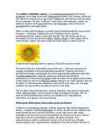
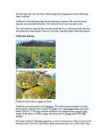
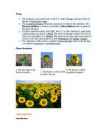
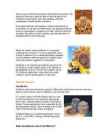
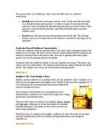
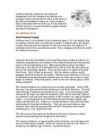
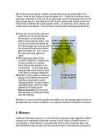
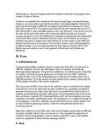
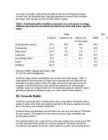
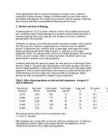
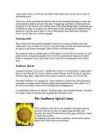
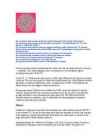
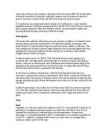
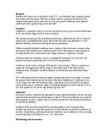
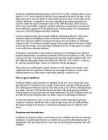
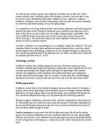
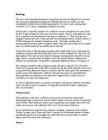
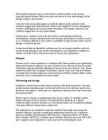


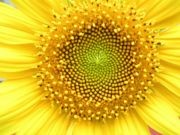
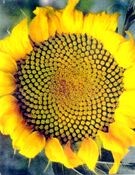
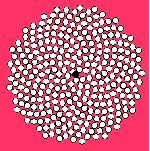
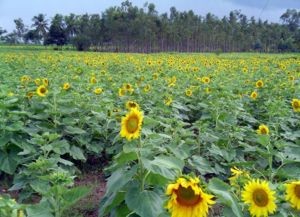
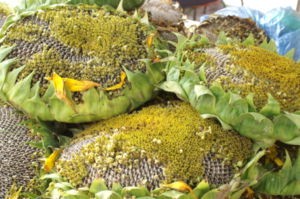
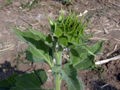
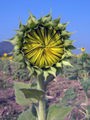
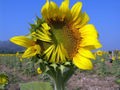
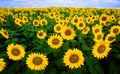
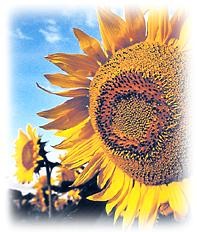
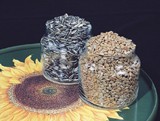
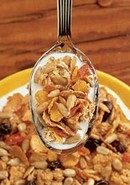
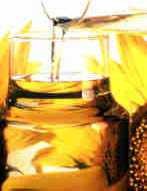
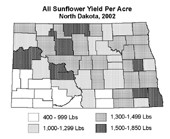
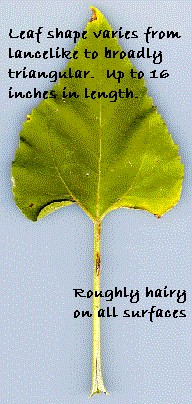









Kõik kommentaarid