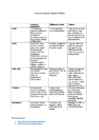
Environmental problems Nimi Klass Biodiversity The variety of life on Earth, its biological diversity, is commonly referred to as biodiversity. The number of species of plants, animals, and microorganisms, the enormous diversity of genes in these species, the different ecosystems on the planet, such as deserts, rainforests and coral reefs are all part of a biologically diverse Earth. Appropriate conservation and sustainable development strategies attempt to recognize this as being integral to any approach. In some way or form, almost all cultures have recognized the importance of nature and its biological diversity for their societies and have therefore understood the need to maintain it. Yet, power, greed and politics have affected the precarious balance.
a) Leidsin 55 artiklit 2.2 Otsing andmebaasist ProQuest Science Journal 2.2.1 Leia Jim Browni artikkel Tools of jobs a) Jim Brown juhatab Tech-Clarity Inc. In Media, Pa. b) Kasutasin Basic Search otsingut, kuhu sisestasin artikli nime. Leidsin ühe artikli, kus avades oli Abstract (referaat) ja Full text (täistekst). Täisteksti alt leidsin infot autori kohta. 2.2.2 Ava andmebaasi ProQuest tesaurus: Advanced Search/Thesaurus a) Laiemad märksõnad: aquatic ecosystems (vee ökosüsteemid), ecosystems (ökosüsteemid), freshwater ecosystems (magevee ökosüsteemid), terrestrial ecosystems (maapealsed ökosüsteemid) b) Märksõnaga rainforests leidsin 6222 kirjet, millest vanima autor on Daniel Janzen. 2.3 Otsing andmebaasist EBSCOhostWeb a) Parima tulemuse andis Advanced Search, kus otsiprofiiliks panin biocatalytic or stereochemical and synthesis. Lisaks täpsustasin keeleks inglise keele ja otsisin täistekste Scholarly Journal`ist
54 2.1 a) Ava artikli täistekst ja leia, millist firmat Jim Brown juhatab. Jim Brown juhatab firmat nimega Tech-Clarity Inc. in Media, Pa b) Kirjelda otsistrateegiat: Avasin lehe, kirjutasin otsingusse Tools for all jobs, avasin esimese artikli, otsisin tekstist kirjeid autori kohta kasutades ctrl+F otsifunktsiooni. 2.2. Ava andmebaasi ProQuest tesaurus: Advanced Search/Thesaurus. a) esita kitsamad ja laiemad märksõnad, mida võib kasutada ökosüsteemide (ecosystems) kohta kirjanduse leidmisel. - laiemad (broader) märksõnad: Environment - kitsamad (narrower) märksõnad: Aquatic ecosystems, arid zones, coastal plains, coral reefs, deserts, forests, grasslands, oceans, prairies, rainforests, taiga & tundra, terrestrial ecosystems, wetlands b) vali kitsamatest märksõnadest Rainforests, kliki ADD to Search, märksõna ilmub Avanced Search otsiaknasse, piira otsingut Full text only ja Scholary journals (tee kastikesse linnuke) ja soorita otsing.
com/docview/230171400/13CC363D7D13127162A/1? accountid=28786 a) Jim Brown heads a management consulting firm, Tech-Clarity Inc. in Media, Pa. he also serves as the product lifecycle management specialist for the PLM Evaluation Center at Technology Evaluation Centers in Montreal. b) kasutasin Advanced Search’i, sisestasin autoriväljale nime Jim Brown ning kasutasin märksõnadena tools ja jobs ning märkisin full text välja. Sain esimese hitina vajaliku artikli. 2.2.2 a) Laiad märksõnad: ecosystems, environment Kitsamad märksõnad: coral reefs, aquatic ecosystems, costal plains, arid zones, deserts, forests, grasslands, oceans, prairies, rainforests, taiga and tundra, terrestrial ecosystems, wetlands. b) Plotkin, Mark J. 2.3 Solar Energy Materials and Solar Cells (52), Thin Solid Films (50), (Journal of Non- Crystalline Solids (31), Synthetic Metals (18), Organic Electronics (10), Materials Science in Semiconductor Processing (2)
a) mitu artiklit leidsid? Leidsin 59 artiklit 2.2. Otsing andmebaasist ProQuest Science Journals 2.2.1.Leia Jim Browni artikkel Tools for all jobs. a) Ava artikli täistekst ja leia, millist firmat Jim Brown juhatab - Tech-Clarity Inc b) Kirjelda otsistrateegiat: otsiprofiil: au(Jim Browni) AND (Tools for all jobs) 2.2.2. Ava andmebaasi ProQuest tesaurus: Advanced Search/Thesaurus a) esita kitsamad ja laiemad märksõnad, mida võib kasutada ökosüsteemide (ecosystems) kohta kirjanduse leidmisel. - laiemad (broader) märksõnad: environment - kitsamad (narrower) märksõnad: aquatic ecosystems; arid zones; coastal plains; coral reefs; forests; grasslands; oceans; prairies; rainforests; taiga&tundra; terrestrial ecosystems; wetlands b) vali kitsamatest märksõnadest Rainforests, kliki ADD to Search, märksõna ilmub Avanced Search otsiaknasse, piira otsingut Full text only ja Scholary journals (tee kastikesse linnuke) ja soorita otsing.
Iseseisev töö nr. 3 1. Otsing andmebaasist ProQuest Science Journals. b) ("tools for all jobs") AND (jim brown OR brown jim) c) Jim Brown heads a management consulting firm, Tech-Clarity Inc. in Media, Pa. He also serves as the product lifecycle management specialist for the PLM Evaluation Center at Technology Evaluation Centers in Montreal. d) Laiemad märksõnad: environment Kitsamad märksõnad: aquatic ecosystems oceans arid zones peatlands coastal plains prairies coral reefs rainforests deserts taiga & tundra forests terrestrial ecosystems
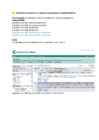
((polyethylene) WN CV) ) f) 4 artiklit 2.1.2 a) 69 artiklit 2.2. Otsing andmebaasist ProQuest Science Journals. 2.2.1 a) Jim Brown heads a management consulting firm, Tech-Clarity Inc. in Media, Pa. b) Valisin advanced search. Sealt sisestasin otsiprofiili "Tools for all jobs" in Document title. Tegin linnukese full texti ette, autoriks kirjutasin "Jim Brown". Dokumendi tüübiks valisin Article. 2.2.2 a) · laiemad märksõnad: environment · kitsamad märksõnad: aquatic ecosystems, arid zones, coastal plains, coral reefs, deserts, forests, grasslands, oceans, prairies, rainforests, taiga&tundra, terrestrial ecosystems, wetlands b) 1363 artiklit; kõige vanema artikli autor on: Plotkin, Mark J 2.3. Otsing andmebaasist Science Direct. e) Sain 296 artiklit f) Sain 4 artiklit g) 4 articles found for: KEYWORDS(Semiconductors) and KEYWORDS(solar cells) AND LIMIT-TO(cids, "271603","Thin Solid Films") AND LIMIT-TO(yearnav, "2012") 2.4
(({KRUNKS M.}) WN AU)) 2.2.1 a) Jim Brown heads a management consulting firm, Tech-Clarity Inc. in Media, Pa. b) Otsistrateegia : Kõige pealt kirjutasin otsingulahtrisse Tools for all jobs seejärel panin Advanced Search ja sealt kirjutasin teise otsingukasti Jim Brown ja panin in Autors- AU , kahe otsingufraasi vahel oli AND 2.2.2 a) o laiemad märksõnad: environment o kitsamad märksõnad: aquatic ecosystems, arid zones, coastal plains, coral reefs, deserts, forests, grasslands, oceans, prairies, rainforests, taiga&tundra, terrestrial ecosystems, wetlands b) 1363 artiklit; kõige vanema artikli autor on Plotkin, Mark J 2.3 e) 38,091 articles found for: ALL(Semiconductors in solar cells)[Journals(Chemical Engineering,Chemistry,Materials Science)] f) 216 articles found for: ALL(Semiconductors in solar cells) AND LIMIT-TO(cids, "271603","Thin Solid Films") AND LIMIT-TO(yearnav, "2012")
degradation to the system. Overfishing is a non-sustainable use of the oceans. WHAT IS CAUSING OVERFISHING? Worldwide, fishing fleets are at least two to three times as large as needed to take present day catches of fish and other marine species. On a global scale we have enough fishing capacity to cover at least four Earth like planets. Overfishing have a large impact on the basic functioning of our marine ecosystems. These unselective fishing practices and gear cause tremendous destruction on non target species. WHY IS OVERFISHING A PROBLEM? The FAO scientists publish a report (SOFIA) on the state of the world's fisheries and aquaculture. 52% of fish stocks are fully exploited 20% are moderately exploited 17% are overexploited 7% are depleted 1% is recovering from depletion WHY IS OVERFISFING A
Tech-Clarity Inc. in Media, Pa b) Kirjelda otsistrateegiat: Võtsin artikli lahti ning kasutades klahvikombinatsiooni Ctrl+F sisestasin alguses sõna company, millele tuli küll 7 vastet, kuid ükski neist ei sobinud. Seejärel sisestasin sõna firm ning leidsin ühe vaste, mis vastas otsitule. 2.2.2. Ava andmebaasi ProQuest tesaurus: Advanced Search/Thesaurus. a) esita kitsamad ja laiemad märksõnad, mida võib kasutada ökosüsteemide (ecosystems) kohta kirjanduse leidmisel. - laiemad (broader) märksõnad: environment - kitsamad (narrower) märksõnad: aquatic ecosystems, arid zones, coastal palins, deserts, coral reefs, grasslands, forests, prairies, oceans, rainforests, taiga, tundra, wetlands, terrestrial ecosystems b) vali kitsamatest märksõnadest Rainforests, kliki ADD to Search, märksõna ilmub Avanced Search otsiaknasse,
but has become more widespread The use of tall smokestacks to reduce local pollution has contributed to the spread of acid rain by releasing gases into regional atmospheric circulation Often deposition occurs a considerable distance downwind of the emissions, with mountainous regions tending to receive the greatest deposition An example of this effect is the low pH of rain which falls in Scandinavia Effects Many ecosystems are affected by acid rain. Bodies of water, such as lakes and rivers, see many of their inhabitants die off due to rising acidity levels. Acidic water also ruins plant nutrients, hurting plants' ability to survive and to give life to other organisms Human-made products are also experiencing degradation from acid rain. Cars can lose their finishes, and outdoor statues are beginning to rust Acid rain's effects are destructive and long lasting. Though scientists have studied
As one might expect, humans have been producing increasing amounts of pollution as time has progressed, and they now account for the majority of pollutants released into the air. Air pollution has been a problem throughout history. Even in Ancient Romepeople complained about smoke put into the atmosphere. The effects of air pollution are diverse and numerous. Air pollution can have serious consequences for the health of human beings, and also severely affects natural ecosystems. Because it is located in the atmosphere, air pollution is able to travel easily. As a result, air pollution is a global problem and has been the subject of global cooperation and conflict. Some areas now suffer more than others from air pollution. Cities with large numbers of automobiles or those that use great quantities of coal often suffer most severely from problems of air pollution. CAUSES There are many different chemical substances that contribute to air pollution
more widespread. The use of tall smokestacks to reduce local pollution has contributed to the spread of acid rain by releasing gases into regional atmospheric circulation.[11][12] Often deposition occurs a considerable distance downwind of the emissions, with mountainous regions tending to receive the greatest deposition (simply because of their higher rainfall). An example of this effect is the low pH of rain (compared to the local emissions) which falls in Scandinavia. Many ecosystems are affected by acid rain. Bodies of water, such as lakes and rivers, see many of their inhabitants die off due to rising acidity levels. Acidic water also ruins plant nutrients, hurting plants' ability to survive and to give life to other organisms. Human-made products are also experiencing degradation from acid rain. Cars can lose their finishes, and outdoor statues are beginning to rust. Acid rain's effects are destructive and long lasting. Though scientists have studied
Fast- flowing rivers from the highlands descend to the coastal plains. A line of active volcanoes stretches along the north coast of the mainland and continues on the island of New Britain. To the north and south of this central mountain range on the main island lie vast stretches of mangrove swamps and coastal river deltas. /1/ Volcanoes and thermal pools are also found in the southeast of other islands. Papua New Guinea offers the greatest variety of terrestrial ecosystems in the South Pacific, including five types of lowland rainforest, 13 types of montane rainforest, five varieties of palm and swamp forest and three different mangrove forests. Two-thirds of the world's species of orchids come from New Guinea. /1/ Birds include 38 species of the bird of paradise, and the megapode and cassowary. Marsupials and mammals include cuscus, tree kangaroos, wallabies, bandicoots, spiny anteaters and, in the coastal waters, the dugong. There are
materials, and medicine for all those who have lived in the majesty of the forest. However, the inner dynamics of a tropical rainforest is an intricate and fragile system. Everything is so interdependent that upsetting one part can lead to unknown damage or even destruction of the whole. Sadly, it has taken only a century of human intervention to destroy what nature designed to last forever. The scale of human pressures on ecosystems everywhere has increased enormously in the last few decades. Since 1980 the global economy has tripled in size and the world population has increased by 30 percent. Consumption of everything on the planet has risen- at a cost to our ecosystems. In 2001, The World Resources Institute estimated that the demand for rice, wheat, and corn is expected to grow by 40% by 2020, increasing irrigation water demands by 50% or more
WHAT IS CAUSING OVERFISHING?: Worldwide, fishing fleets are two to three times as large as needed to take present day catches of fish and other marine species (spiišis) and as what our oceans can sustainably support. On a global scale we have enough fishing capacity (cäpaseti) to cover at least four Earth like planets. On top of the overcapacity many fishing methods (methouds) are unsustainable in their own way. These methods have a large impact on the basic functioning of our marine ecosystems (ikousistem). These unselective fishing practices and gear cause tremendous destruction on non target (taaged) species. Bycatch and discards and bottom trawling destruction are two examples of this. WHY IS OVERFISHING A PROBLEM?: To explain why overfishing is a problem we first have to get an idea on the scale of the problem. This is best done by looking at repord published by the Food and Agriculture Organization scientists.
Why is it different? heavy rains, winds(119 km/h) late summer form over warm seas,27 Inside: strong winds around the eye The strongest winds inside the eyewall Why do they happen? warm air collides with cold air spin in a counter clockwise direction result a storm surge,strong winds Steps of a typhoon windy, rainy (several hours) the eye brings calm weather damage to marine, shoreline, inland ecosystems weaknens, needs warm water The biggest `Tip' Oct 4th, 1979 Highest 260 km/h Damage 99 fatalities Guam, Japan Interesting facts Typhoon from Chinese(tai fung, great wind) China's rain(typhoons) 2 weeks References http://library.thinkquest.org/03oct/01027/cyclones.html http://en.wikipedia.org/wiki/Pacific_typhoon http://agora.ex.nii.ac.jp/digitaltyphoon/help/world.html
the consequenses. Author: Xvazquez Scope of sustainability · Renewable resources Source: Thegreatergreen (2011) Scope of history · Trees carry information from centuries. By: Jaymi Heimbuch Scope of developmement · GMO genetically modified organism Author: John Gress A new perspective at sustainability · We have found law-like behaviours in ecosystems From: www.galapagosholidays.com (2011) Conclusion · Test, before using · Is it historic tree or usual · Before cuting down, make sure what tree it is Thank you for listening! Kasutatud kirjandus · K. von Gadow, T. Pukkala, M. Tomé Sustainable Forest Management · http://en.wikipedia.org/wiki/Araucaria_mirabilis · http://thegreatergreen.typepad.com/.a/6a00e54fa640228834011168a45494970c- 800wi · http://www.usatoday
2. November Form: 10e Kaspar Oll United States of America The United States of America is a federal constitutional republic comprising fifty states. At 3.79 million square miles and with over 312 million people, the United States is the third or fourth largest country by total area and the third largest by both land area and population. The president of USA is Barack Obama and the vice president is Joe Biden. The U.S. economy is the world's largest national economy. America was first discovered in 1492 by Christopher Columbus. Probably the most important thing in U.S history is the Declaration of Independence in the year 1776. U.S territory was occupied first by the Native Americ...
educators or community groups What is the point? Informs and interprets nature and its processes, or educates us about environmental problems Is concerned with environmental forces and materials, creating artworks affected or powered by wind, water, lightning, even earthquakes Re-envisions our relationship to nature, proposing new ways for us to co-exist with our environment Reclaims and remediates damaged environments, restoring ecosystems in artistic and often aesthetic ways Greenmuseum The variables of environmental art can make exhibiting this work difficult for traditional museums so the group of people created greenmuseum.org: an online museum for global the environmental art movement. Listen... by Olga Ziemska Lives of Grass by Mathilde Roussel Equilibri by Michael Grab
1. Ökoloogiateaduse uurimisobjektid Ecology (from Greek: , "house"; -, "study of") is the scientificstudy of the relation of living organisms to each other and their surroundings.[1] Ecology includes the study of plant and animalpopulations, plant and animal communities and ecosystems. Ecologists study a range of living phenomena from the role of bacteria in nutrient recycling to the effects of tropical rain forest on the Earth's atmosphere. Autökoloogia on ökoloogia haru, mis tegeleb organismide keskkonnanõudluste ja keskkonna- suhete uurimise ja kirjeldamisega. Demökoloogia ehk populatsiooniökoloogia (Schwerdtfeger 1963: 1314) on ökoloogia haru, mis uurib organismide populatsioone ja nende keskkonnaoludest johtuvat dünaamikat.
arvestada Kasutatud kirjandus Castells M. (2011), “A Network Theory of Power”, International Journal of Communication 5 (2011), 773–787 Ingram D. "The Relationship Between Systems Theory and Employee Relations” Demand Media Pavlus J. (2015), “Apple and Google Race to See Who Can Kill the App First” , kättesaadav: http://www.wired.com/2015/06/apple-google-ecosystem/ , (kasutatud 07.10.2015) “Platform Competition: Are Device Ecosystems Expanding?” kättesaadav: http://vertoanalytics.com/2015/03/platform-competition-device-e cosystems-expanding / , (kasutatud 07.10.2015) Spencer G. (2015), “No Ecosystem Is an Island: Google, Microsoft, Facebook & Adobe’s iOS Apps” kättesaadav: https://www.macstories.net/stories/no-ecosystem-is-an-island-goo gle-microsoft-facebook-adobes-ios-apps / , (kasutatud 07.10.2015)
jahti pidamas. kühmsood täiesti vaipsood reostunud. kaduda. Kasutatud allikad: 1. https://et.wikipedia.org/wiki/Aabasoo 2. http://www.soo.ee/sood-maailmas 3. https://www.buglife.org.uk/advice-and-publications/advice-on-managing-bap-habitats/blanket- bog 4. http://www.landcareresearch.co.nz/publications/factsheets/rare-ecosystems/wetlands/blanket- mires 5. https://www.wildlifetrusts.org/wildlife/habitats/blanket-bog 6. https://en.wikipedia.org/wiki/Palsa 7. https://julkaisut.metsa.fi/assets/pdf/lp/Esitteet/aapa_mires_plants.pdf
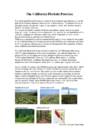
73.451 square kilometers.There are 2.124 endemic plant species, 4 endemic threatened bird kinds, 5 endemic threatened mammals, 8 endemic threatened amphibians and 2 extinct species.There lives 121 persons per 1 square kilometers. As one of only five areas with a Mediterranean type climate in the world, all of which are on the hotspot list, the California Floristic Province is characterized by hot, dry summers and cool, wet winters. The region contains a wide variety of ecosystems, including sagebrush steppe, coastal sage scrub, chaparral, juniper-pine woodland, upper montane-subalpine forest, alpine forest, riparian forest, cypress forests, mixed evergreen forests, Douglas fir forests, sequoia forests, redwood forests, coastal dunes, and salt marshes. Today, about 80,000 square kilometers or 24.7 percent of the original vegetation, remains in more or less pristine condition. Sagebrush steppe coastal sage scrub chaparral
investigate these trees enough, before we start using in forestry? We will never know what could happen. It may not happen today or tomorrow but it can happen in next century. Essentially are GMO trees used by fruit-farmers. Here is a picture of genetically changed tree leaf. (pappel) poplar (Fruit-tree farmers are using it essentially) 7.slaid We have found law-like behaviours in ecosystems. For example when the forest is overflooded, there will be swamp. Our knowledge is getting wider every day. 8.slaid Conclusion We need to be careful before we start developing and taking risks. We need to make difference between trees with meaning and usual trees. We cant cut down trees which have historical meaning we need to make sure what tree it is before we start cuting it. Maybe this tree is on the border of extinction. Thank you for listening.
chlorinated compounds are polluting the coastal waters of Sweden and Finland. Most of this material is still present in sediments of the central Baltic Sea and can be terminated by near bottom currents. [2] Unsustainable factory farming made the Baltic Sea one of the world's most polluted seas. A really bad year was 2010 unprecedented potentially toxic algae bloom covered almost 377,000 square kilometers. This is an area larger than Germany. This affects marine ecosystems and can cause important disturbance to them. [3] In my opinion, people should stop all the companies that spread toxic pollutants into the Baltic Sea. We could help cleaning it by supporting companies like: http://helcom.fi/Documents/Baltic%20sea%20action%20plan/Baltic_Sea_Action_Plan_brochur e.pdf I believe that with enough resources, the Baltic Sea would be much more cleaner. I really hope that someday it would be clean and nice again! Sources [1] https://www.europeaninstitute.org/index
for it’s generally easier to just recycle. It's really easy to carelessly waste energy–– leaving a light bulb on here and there, keeping the air conditioning on at home when you're out at work or school all day etc. Although it may not be obvious, there is a connection between energy use and the environment. As the same with recycling; when you consume less power, you reduce the amount of toxic fumes released by power plants, conserve the earth’s natural resources and protect ecosystems from destruction. Although, individual consumers can’t solely be blamed for our rising global temperatures, since most of the world’s greenhouse gas emissions can be traced back to large companies. But people want to feel like they’re doing something, no matter how small, to prevent the worst-case climate catastrophe scenario from unfolding. After all, the only thing that has ever helped to change and protect the world, are us, humans.
tavatootja ning oma tegevuse palju põhjalikumalt läbi mõtlema. Ei kasutata sünteetilisi väetisi ja pestitsiide (herbitsiide, fungitsiide ja insektitsiide) ega geneetiliselt muundatud organisme (GMO), soodustatakse elustiku mitmekesisust ja pööratakse suurt tähelepanu tootmise keskkonnasõbralikkusele. 11 KASUTATUD KIRJANDUS 1. Altieri, M. A. (1999). The ecological role of biodiversity in agroecosystems. – Agriculture, Ecosystems & Environment. Vol. 74, No. 1–3, pp. 19–31. 2. Benton, T.G., Vickery, J.A., Wilson, J.D. 2003. Farmland biodiversity: is habitat heterogeneity the key? Trends in Ecology & Evolution 18:182-188 3. Brussaard, L., de Ruiter, P. C., Brown, G. G. (2007). Soil biodiversity for agricultural sustainability. – Agriculture, Ecosystems & Environment. Vol 121, No. 3, pp. 233–244. 4. David W. Crowder Randa Jabbour. Biological Control. Relationships between
are no regulations for farms in China for how to manage their wastewater. It all depends on the environmental consciousness of farm owners. Many tend to discharge wastewater directly into rivers, wastewater treatment is expensive.” Kathryn Arnold, at the University of York, who has been researching reasons of wildlife decline said: “With thousands of antibiotics in use globally, they have the potential to have potent effects on wildlife and ecosystems.” Research published in 2014 revealed that in the last 40 years, in freshwater habitats, where drug residues are most commonly found, the research found 75% of fish and amphibians had been lost. That shows clearly the harmful effect of the antibiotics to aquatic animals. In my opinion, the authors have succeeded with their articles. Firstly, I really liked that all of the articles had specific statistics and I appreciate it. Secondly, all the examples were apposite and points were clear
*And Because the hydroelectric dams do not burn fossil fuels, they do not directly produce carbon dioxide. *The reservoirs can also provide facilities for water sports, and become tourist attractions themselves. In many countries farming fish in the reservoir is common. Also large dams can control floods. The reservoirs can also improve transport. on the other hand there are some Disadvantages *Hydroelectric projects can be disruptive to surrounding ecosystems both upstream and downstream. For instance, studies have shown that dams along the Atlantic and Pacific coasts on North America have reduced salmon populations, even thou most dams have fish ladders installed. *Another disadvantage of hydroelectric dams is the need to relocate the people living where the reservoirs are planned. Additionally, historically and culturally importants sites can be flooded and lost. *Dams can be vulnerable to bombardment during wartime, sabotage and terrorism.
Palmityl Alcohol Impacts on health • Contains no trans fats but contains same amount of saturated fats as butter • Increases the level of cholesterol in body which can lead to heart diseases • How to avoid palm oil in your diet – avoid packaged and processed foods. Cook your own meals from natural whole foods Impacts on environment • Oil palms are grown in tropics – Asia, Africa, Latin America • Large areas of tropical forests and other ecosystems with high conservation values have been cleared to make room for vast monoculture of oil palm plantations. This clearing has destroyed critical habitat for many endangered species—including rhinos, elephants, tigers and orang-utans – the biggest victims • Burning forests to make room for the crop is a major source of greenhouse gas emissions. Intensive cultivation methods result in soil pollution and erosion and water contamination Impact on inhabitants
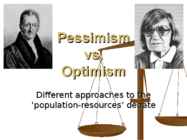
‘checks’: Negative (preventative) checks are methods of limiting population growth:e.g. celibacy, delaying marriage which lower fertility rates He noted that there was a correlation between wheat prices and marriage rates i.e. wheat price increases marriage rates decrease (C18th) Positive checks (decrease in population size due to): famine, war, diseases i.e. anything which increases mortality and decreases life expectancy. Carrying capacities can relate to ecosystems and humans. Rapid economic growth can impede economic development by exacerbating social and economic problems. Studythe graphs on page 379 and summarise the points made relating to links between population growth and levels of economic development. Checks fall into three categories; 1. Misery-(Shorten LE) 2. Vice-Warned against the dangers of practicing family planning which may lead to promiscuity 3. Moral restraint-Advised this e.g. delayed marriage and limit sexual partners.
number of steps are being taken to reduce sulfur and nitrogen emissions. Most notably, many governments are now requiring energy producers to clean smoke stacks by using scrubbers which trap pollutants before they are released into the atmosphere and catalytic converters in cars to reduce their emissions. Additionally, alternative energy sources are gaining more prominence today and funding is being given to the restoration of ecosystems damaged by acid rain worldwide. References http://environment.nationalgeographic.com/environment/global-warming/acid-rain- overview.html http://en.wikipedia.org/wiki/Acid_rain http://upload.wikimedia.org/wikipedia/commons/thumb/0/0c/Acid_rain_woods1.JPG/800px- Acid_rain_woods1.JPG http://www.ypte.org.uk/environmental/acid-rain/1
They feed on algae as well as dead fish, birds and seals. They can get out of harm's way quickly, which is where they get the name "Lightfoot." Concerving the Galapagos In 1959, the government of Ecuador designated 97% of the land area of Galapagos as the country's first National Park. The Charles Darwin Foundation was founded in 1959, in favor of UNESCO and the World Conservation Union. The Foundation is dedicated to the conservation of the Galapagos Islands ecosystems. The Charles Darwin Foundation exists to provide knowledge and support to ensure the conservation of the environment and biodiversity of the Galapagos Archipelago through scientific research and complementary actions. The Galapagos Islands remain well preserved as a natural environment in large part due National Park Rules. It is prohibited to transport any live material to the islands, or from island to island, not to take any food to the uninhabited islands, not to feed or touch the animals
, Howard, E., Kucharik, C., Monfreda, C., Pats, J., Prentice, C., Ramankutty, N., Snyder, P. 2005. Global Consequences of Land Use. Science. Vol. 309. pp. 570-574. Kättesaadav: http://www.sciencemag.org/content/309/5734/570.full (Viimati külastatud 16.10.12). Homutov, T. 2011. Kõrbestumine mõjutab ka Euroopat. Kättesaadav: http://www.bioneer.ee/eluviis/kliima/aid-10951/K%C3%B5rbestumine-m%C3%B5jutab-ka- Euroopat (Viimati külastatud 16.10.12) Millennium Ecosystem Assessment. 2005. Ecosystems and Human Well-being: Desertification Synthesis. World Resources Institute, Washington, DC. Kättesaadav: http://www.maweb.org/documents/document.355.aspx.pdf (Viimati külastatud 16.10.12) Ponting, C. 1991. Maailma roheline ajalugu. Varrak. New York. 308-310.
1% Rastafarian, 6.5% Other, 2.3% Not stated, 21.3% None · Demonym: Jamaican · Jamaica is a parliamentary democracy and constitutional monarchy, with Queen Elizabeth II serving as the Jamaican monarch · Independence from the United Kingdom, Granted 6 August 1962 · Currency: Jamaican dollar (JMD) · Jamaica is divided into 14 parishes, which are grouped into three historic counties that have no administrative relevance. · Jamaica's climate is tropical, supporting diverse ecosystems with a wealth of plants and animals. · Areas of heavy rainfall contain stands of bamboo, ferns, ebony, mahogany, and rosewood. · Cactus and similar dry-area plants are found along the south and southwest coastal area. Parts of the west and southwest consist of large grasslands, with scattered stands of trees. The Jamaican animal life- typical of the Caribbean, includes a highly diversified bird life. Parrots, hummingbirds,cuckoos, and green todies provide examples
world’s vegetable oil production. This single vegetable oil is found in approximately 40-50% of household products in countries such as United States, Canada, Australia and England. Palm oil can be present in a wide variety of products, including: baked goods, confectionery, shampoo, cosmetics, cleaning agents, washing detergents and toothpaste. A large proportion of palm oil expansion occurs at the expense of biodiversity and ecosystems in the countries it is produced. Currently, a third of all mammal species in Indonesia are considered to be critically endangered as a consequence of this unsustainable development that is rapidly encroaching on their habitat. There are over 300,000 different animals found throughout the jungles of Borneo and Sumatra, many of which are injured, killed and displaced during deforestation. In addition,
Viruses 4. Actinomycetes and stretomyces; 5. Algae eg. BGA, yellow gree algae, golden brown algae. The soil microflora largely depends on the type of soil, temperature, moisture, plant growth, nutrients, pH, and many other factors which may vary between locations but also within a single plot and over very small distances (OECD, 2007). Nevertheless of the quantity of microflora, biomass of all microorganisms living in soil play an important role in the functioning of entire soil ecosystems because their enormous biochemical activity (Barabasz et al. 2002). Soil microflora cycles carbon, nitrogen, phosphorus, and sulfur, plays a role in soil structure formation, decomposition of organic matter, toxin removal, promoting plant growth, and in changes in vegetation (Canbolat at al. 2005 and Martin et al. 2012). Therefore, soil microflora plays a major role in preservation and the balance of life. Because of active role of soil micro-
forest disturbanceregimes in Europe.- Global Change Biology, 17, 2842-2852. Stadelman, G., Bugmann, H., Wermelinger, B., Bigler, C. 2014. Spatial interactions between storm damage and subsequent infestations by the European spruce bark beetle. – Forest Ecology and Management, 314, 167-174. Swift, K., Ran, S. 2012. Successional Responses to Natural Disturbance, Forest Management, and Climate Change in British Columbia’s Forests.- BC Journal of Ecosystems and Management, 13(1), 1-23. Thomas, P.A., McAlpine, R.S. 2010. Fire in the Forest. UK: Cambridge University Press. 225 lk. Woods, A., Coates, K.D. 2013. Are biotic disturbance agents challenging basic tenets of growth and yield and sustainable forest management?- Forestry, 0, 1-12.
Danger: leak of aniline to the ponds Source of risk: the human factor, broken pipes Results: death of aquatic organisms, intoxication, may be some unknown results Damages due to accident: 3C Life and health B limited. Some toxins can enter the human body through the eaten fish. Environment D heavy. Serious damage to ecosystems. Property depends on leak rate. Danger: inhaled vapor 3C Source of risk: work without protection, human factor Results: acute and chronic toxicity for workers Damages due to accident: Life and health E very heavy. Death danger, can be injured people, who do not work with aniline Environment B limited. Too much aniline vapor can also influence the environment
petrol (or gasoline) and kerosene to asphalt and chemical reagents used to make plastics and pharmaceuticals. Petroleum is used in manufacturing a wide variety of materials, and it is estimated that the world consumes about 88 million barrels each day. The use of fossil fuels such as petroleum can have a negative impact on Earth's biosphere, releasing pollutants and greenhouse gases into the air and damaging ecosystems through events such as oil spills. Concern over the depletion of the earth's finite reserves of oil, and the effect this would have on a society dependent on it, is a field known as peak oil. Etymology The word "petroleum" comes from Greek: πέτρα (petra) for rock and Greek: ἔλαιον (elaion) for oil. The term was found (in the spelling "petraoleum") in 10th-century Old English sources. It was used in the treatise De Natura Fossilium, published in 1546 by
Vihmametsade raie Uurimustöö Sissejuhatus Mina valisin ülemineku arvestuse uurimustöö teemaks vihmametsade raie. Ma valisin selle teema sellepärast, et mind huvitab, miks vihmametsi maha raiutakse ja mis võivad olla tgaajärjed. Minumeelest on tänapäeval see teema väga aktuaalne, sest just praegu on õige aeg selle vastu tegelema hakata ja kindlasti see võib mõjutada ka minu elu, seega ma tahan teada kuidas täpsemalt võib see mu elu mõjutada või muuta. Ma tahaks veel teada, kas see põhjus miks vihmametsi maha raiutakse on ...
Sustaining Tourism (2013) Is sustainable Tourism achievable? http://www.sustainabletourism.net/ - accessed 06/03/2013 State of Belize's protected areas (2009) http://www.seabelize.org/pdf_files/State_of_Protected_Areas.pdf - accessed 15/03/2013 Trading Economics (2012) International tourism; number of arrivals in Belize. http://www.tradingeconomics.com/belize/international-tourism-number-of-arrivals-wb-data.html - accessed 19/03/2013 Tropical Conservation Science (2012) Belize's Ecosystems: Threats and Challenges to Conservation in Belize http://tropicalconservationscience.mongabay.com/content/v1/08-03-03-Young.htm - accessed 17/03/2013 UNWTO (a.i.) Definition http://sdt.unwto.org/en/content/about-us-5 - accessed 13/03/2013 Wall, G. (1997) Is ecotourism sustainable?. Environmental Management. Vol. 21, No.4, pp. 483-491. World Commission on Environment and Development (1987) http://www.regjeringen.no/upload/SMK/Vedlegg/Taler%20og%20artikler%20av%20tidligere
Examples of community impacts might include: community dependency on the organisation’s activities; ability of the organisation to attract further investment into an area; or the location of suppliers. 2) Environmental Performance Indicators The environmental dimension of sustainability concerns an organisation’s impacts on living and non-living natural systems, including ecosystems, land, air and water. The environmental dimension of sustainability has achieved the highest level of consensus among the three dimensions of sustainability reporting. It is particularly important to provide environmental performance information in terms of both absolute figures and normalized measures. Both measures reflect important, but distinct, aspects of sustainability. Absolute figures provide a sense of scale or magnitude of the use or
impact the natural environment and create problems for plants, wildlife and even human population. Often this includes killing plant life and posing dangers to local animals. Plastic is an incredibly useful material, but it is also made from toxic compounds known to cause illness, and because it is meant for durability, it is not biodegradable. Plastic pollution does a lot of damage to the world’s ecosystems. Some of the major long-term effects of plastic pollution are: 1. It upsets the food chain because it comes in sizes large and small, polluting plastics even affects the world’s tiniest organisms such as plankton. When these organisms become poisoned due to plastic ingestion, this causes problems for the larger animals that depend on them for food. This can cause a lot of problems, each step further along the food chain. Plus, it means that plastic are present in the
, Vihalemm, P. (1985). Keskkonnateadvus - arusaamad ja hinnangud. - Eesti Loodus, nr 6. Living Planet Report (2000). WWF-World Wide Fund For Nature. Gland. Switzerland. Interneti väljatrükk seisuga 18. jaanuar 2001, http://www.panda.org. Mander, Ü., Strandberg, M., Mauring, T. & Remm, K. (2001). Wetlands as Essential Basis for Sustainable Development: Estonian Case. Proc. Of the 3rd Int. Conf. On Ecosystems and Sustainable Development (trükkimisel). Merenäkk, T. (2000). Saabuv sajand ja Eesti biofilosoofia. - Tekst ja loodus. Tartu: Eesti Kirjanduse Selts.
764. interrelated elements vastastikuses seoses elemendid 765. environmental interdependence vastastikune sõltuvus keskkonnast 766. by national boundaries 767. unification on environmental law- keskkonna ühtlustamine 768. ecological equilibrium ökoloogiline tasakaal 769. cultural and historical heritage and landscape kultuuriline ja ajalooline pärand ning maastik 770. legal and naturalistic definition seaduslik ja naturalistlik definitsioon 771. survival of ecosystems and the suitability of the planet earth ökosüsteemide ellujäämine ja maa kõlblikus(elule) 772. to ensure the sustainable development and viability of the planet kindlustada jätkusuutlik 773. pollution - reostus 774. introduction of substances or energy 775. impairs other legitimate uses of the environment kahjustab teisi seaduslikke 776. involve solid, liquid or gaseous material - hõlmab enda alla fosiilseid, vedelaid ja gaasilisi materjale 777
Resume Energy offers the comfort and the ability to move and is also essential for the creation of wealth in industry, trade and society. On the other hand, producing energy and consuming it unfolds significant pressure on the environment. Problems are air pollutants, greenhouse gases, waste generation and pollution caused by oil. It helps to change climate, damage natural ecosystems and tehiskeskkonda and adversely affect human health. Renewable energy is the solution. This is the energy that is produced in an environmentally sustainable manner. The main sources of renewable energy are a direct solar energy, hydroenergy, wind energy, biomass, biofuel, tidal energy, and geothermal energy. This topic has been chosen because the author has an interest in renewable energy and their use.
Masing, 1992. Ökoloogialeksikon; Eesti Entsüklopeediakirjastus, Tallinn Murray et al., 1999 S. N. Murray, R. E. Ambrose, J. A. Bohnsack, L. W. Botsford, M. H. Carr, G. E. Davis, P. K. Dayton, D. Gotshall, D. R. Gunderson, M. A. Hixon, J. 28 Lubchenco, M. Mangel, A. MacCall, D. A. McArdle, J. C. Ogden, J. Roughgarden, R. M. Starr, M. J. Tegner & M. M. Yoklavich, 1999. No-take Reserve Networks: Sustaining Fishery Populations and Marine Ecosystems. Fisheries volume 24, issue 11, lk 11-25 McLeod et al., 2008 E. McLeod, R. Salm, A. Green & J. Almany, 2008. Designing marine protected area networks to address the impacts of climate change, Frontiers in Ecology and the Environment 7, lk 362370 Oceana, 2013 - Oceana proposals for Baltic Sea and Kattegat. Oceana Report, March 2013. Internetis kättesaadav: http://oceana.org/sites/default/files/reports/OCEANA_Introduction.pdf Paal, 2000 J. Paal, H.Mäemets, T.Kõiv, V.Kuusemets & J
puhmikulised kuid need erinesid nii liikide kui suuruse poolest. Regulaarse niitmise korral olid nendeks alumises rohurindes kasvavad kõrrelised, niitmata aladel aga suuri puhmikuid moodustavad liigid nagu luht-kastevars, mätastarn. 43 SUMMARY Changes of the plant cover in the Halliste meadow The aims of the present thesis were the following: to characterize flood-plain meadow that is one of the Soomaa key ecosystems; give a survey of the hydrological and trophic conditions of flood-plain meadow communities and their connections with economic activities; applying map material analysis to study how the nature protection measures and changes in agricultural land use have influenced the area of flood-plain grasslands in the studied area; to find out about the vegetation changes of flood-plain grasslands due to the cessation of management; to
 annaabi.ee