2
Emotion
regulation in relation..
Emotion
regulation in relation to
physiological stress response. University NameResearch Project Module Code : xx2007-2008Supervised
by xxxWord
count: 7261 Abstract The
aim of this
study was to investigate the
association between psychological and the
biological stress response. It is
known that
humans , interacting with each
other or their environment, have
emotional reactions that are individually regulated.
These emotional
responses are
linked to
changes in autonomic and neuroendocrine
systems, which are
essential for metabolic
support when preparing the
body for
action . Since emotion can
influence such important processes like
learning ,
decision -
making ,
memory and consequently health and
welfare of the
individual then dysfunctional regulation of
emotions can
lead to psychopathology. A
total of 26 healthy, non
smoking male
participants, age group 18-42
years were recruited into the study.
Based on the theory of Cybernetic 3-Dimensional
Model on Emotion Regulation (CMER), three dimensions of
emotion regulation was measured. Participants were
stressed using the TSST test, and the
salivary cortisol and
plasma IL-6 was measured as endocrinological
markers of the stress response. Multiple
regression and correlation
analysis were conducted investigating the
main hypothesis. The
results show that hedonistic emotion regulation
(HER) and the
distress - augmentative emotion regulation (DAR) were
the predictors and AUCg (area under the curve in
respect to
ground )
and AUCi (area under the curve in respect to
increase ) were the
dependent variables. Participants, who
scored high in HER showed
lower cortisol responses, whereas,
individuals who scored high in DAR showed a trend towards
higher cortisol responses. These results indicate that HER is
related to a
lower cortisol response to psychosocial stress. In
conclusion these
results suggest that HER and DAR have an impact on the cortisol
response.
AcknowledgementsFirstly
I would like to thank my supervisor xxx for his help and
advice throughout this research and also xxx is gratefully acknowledged for
his support and advice on
blood markers of stress.
Table
of Contents1
Introduction 5
The effects of emotion regulation (ER) strategies
in
response to psychological stress 6
Figure 1. A process model of emotionregulation 8
Figure
2. Cybernetic 3-Dimentional Model on ER 10
1.3 Stress
and physiological factors 11
Figure
3. The hypothalamic-Pituarity- Adrenocortical Axis (HPA) 11
2 Method 14
2.1 Participants 14
2.2 The
psychological measurements 14
2.3 Psychological
stress response measures 15
2.3.1 Detection
of plasma IL-6 15
2.3.2 Detection
of salivary cortisol 16
2.4 Psychological
procedure 16
2.5 Statistical
analysis 17
3 Results 18
3.1 Cortisol
response in relation to TSST test 18
Table
1. Mean and Standard Deviation of salivary cortisol 18
Figure
4. Cortisol reactivity 18
3.2 Descriptive
statistics for the items of HER and DAR 19
Table
2. Descriptives for HER 19
Table
3. Descriptives for DAR 20
3.3 Emotion
regulation (HER and DAR) in relation to cortisol
response
as measured by AUCg and AUCi calculations 21
Figure
5. Cortisol reactivity as a function of high and low HER 21
3.4 HER
as predictor for cortisol response 22
Figure
6. AUCg as function of HER 22
Figure
7. AUCi as function of HER 22
3.5 Plasma
Interleukin- 6 (IL-6) 23
4 Discussion 24
References 29
Appendixes
1 Introduction
The relationship between psychology and the stress response has been
studied for many years. Hans Selye (1956) defined stress as the psycho -physiological response to demands that influence the endocrine
system and the autonomic nervous system. He conceptually defined
stress as a General Adaptation Syndrome (G.A.S) comprising three
phases. Firstly an alarm reaction phase accumulated from an arousing external stimuli, followed by a period of adaptation to the stressor or so called resistance stage, until finally the body expresses
exhaustion. More recently the effects of exercise -induced stress has
been extensively studied in relation to the immune response (Brydon
et al 2005,Morita et al., 2005).
In
psychology stress is studied in terms of psychosocial factors, which
in turn are thought to affect physiological and immunological
responses. In addition to questionnaires that are largely used to measure mood, emotions, the steroid hormone cortisol has been widely
measured in experimental psychology to explore physiological stress
responses. In addition to physiological responses to external
stressors the stress response to emotions has also attracted the interest of researchers. Investigations of how emotions are regulated
has mainly looked at emotional states focusing on duration, frequency and intensity, neglecting the emotion regulation processes
(Mohiyeddini, 2005). Nevertheless it is known that emotion regulation
has an effect on human welfare (Gross, 1999) and positive emotions are associated with a smaller risk of physical disease and a
longer healthy life expectancy (Huppert et al., 2004).
1.2 The effect of emotion regulation strategies in response to
psychological stress.
Humans,
whether interacting with each other or their environment have
emotional reactions that are individually regulated. Emotion is a
response to a situation that one considers to be relevant to his or
her goals (Gross & Thomson , 2007). Gross and Thomson (2007) have
presented a modal model of emotion, that illustrates the process;
situation→ attention → appraisal → response. Situation can be
either external or an internal mental presentation that is attended
to on the basis of an individual appraisal that leads to emotional
response. This emotional response can influence the situation and can change behaviour. These emotional responses are linked to changes in
autonomic and neuroendocrine systems, which are essential for
metabolic support when preparing the body for action. Since emotion
can influence important processes like learning, decision-making,
memory and consequently health and welfare of the individual ( Wolf ,
2007; Gross, 2002; Richards & Gross, 2000; Gross and Levenson,
1993) then dysfunctional regulation of emotions can lead to
psychopathology (Segerstrom et al., 2000; Nolen-Hoeksema, 2000). There are many different strategies employed to regulate emotions.
Gross (2007) has described ER strategies as social - cognitive traditions that are dynamic and ubiquitous in trait . ER can be viewed
as trait-like, that is individual tendencies and differences towards
certain ER strategies. Individuals are regulating their emotions in
communication in order to socially benefit and achieve the ambitions,
as well as maintaining a balanced mental state. Also emotions are
regulated in order to deal with extraordinary, special or unexpected
situations. Although , the regulation of emotions has always been a crucial part of human existence, however , research into emotion
regulation (ER) is relatively recent . Nonetheless the research
interest in processes involved in ER has grown rapidly. Increasingly
attention has been directed to unintentional regulation of emotions
and the ways of measuring the biological responses in ER (Wirtz et
al., 2006, Rimmele et al, 2007). Previous research interest in ER was
largely focused on intentional-responsive regulation, (Muraven et al
1998; Gross & Levenson 1997; Wegner, Erber & Zanakos 1993)
where only intentional responses where recorded, and the data was
based mainly on self-reports. Consequently LeDoux (2000) pointed out
the need to discover new approaches in emotional research. Furthermore , while some field strategies measured ER, there was less
attention given to automatic regulatory processes such as
physiological responses and taught behaviour patterns in childhood
(Fitzsimons & Bargh, 2004; Gollwitzer, 1999; Cohen , 1997).
Davidson (2000) argued that there are regulatory processes in emotion
that occur automatically which modulate the onset and recovery function of emotion. He suggested that these regulatory processes
influence the emotional information processing at the conscious level, however not themselves being in conscious experience. In other words there are operating regulatory processes that are automatic and therefore cannot be controlled intentionally. It is known that people
use a range of different strategies to regulate their emotions
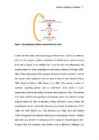
(Ochsner & Gross, 2004; Gross, 1998b). Gross (2001) has proposed
a “process model of ER”, with underlying conception of
emotion-generative process that distinguishes between
antecendent-focused and response-focused ER strategies.
Antecedent-focused strategies include actions before the full activation of emotion response tendencies that endorse changes in
behaviour and peripheral physiological responses (cognitive change
e.g reappraisal; see figure 1). Response-focused strategies include
the actions after response tendencies have been generated and emotion
is already in progress (response modulation e.g suppression). In comparison to suppressive emotion expressive behaviour, reappraisal
seems effectively to change the outcome in aversive events (Gross,
2002; Richards & Gross, 2000; Gross & Levenson, 1993).
However, based on present knowledge it is known that reappraisal can
be used not only to alter bad situations, mentally for the better,
but is also used to exacerbate bad situations in the mind, which in
turn could lead to depression and anxiety ( Segerstrom et al., 2000;
Nolen-Hoeksema, 2000; Connor & Leonard, 1998) or ill health
(Janine , 2007). Thus, it has become clearer that emotions influence
not only our mood but also physiological functions . Sculkin (2003)
noted that the appraisal systems, particularly the unconscious
mechanisms, are pervasive throughout the nervous system therefore it
is crucial to expand the methods of measuring it.
Figure
1
Figure
1. A process model of emotion regulation (Gross, 2001).
Much
of ER is measured by self-reports, although some current research in
to ER has used physiological measurements such as blood pressure in
emotion suppression ( Butler et al., 2002) and repression (Giese- Davis et al., 2007) where elevated blood pressure has been observed .
Additionally, some functional magnetic resonance imaging (fMRI) studies have shown amygdala activity in accordance with the goal (Schaefer et al., 2002; Ochsner et al., 2002, 2004b). This suggests
that whichever particular prefrontal system regulates the amygdala
depends on the strategy and the goal. Yet again , these studies are
intentional –responsive studies, showing the physiological-
neurological difference in functions when intentionally regulating
emotions. Only recently researchers have started to apply knowledge
to automatic processes by measuring psychobiological responses in
relation to emotion regulation. There is evidence that elevated
cortisol is associated with negative emotion (Polk et al. 2005).
Hostility and trait negative affect (NA) are positively associated
with higher levels of systemic inflammation as measured by the
pro-inflammatory cytokine Interleukin-6 (IL-6) (Marsland et al.,
2008). However, a disadvantage of these studies is the neglect of the
immediate ER process. Reading the average account of emotional
experience that is measured over the duration of 1 to 2 weeks,
demonstrates the results of emotion regulation rather than emotion
regulation itself. Despite the currently poor assortment of applicable studies there is nevertheless evidence of elevated stress
hormone reactivity to psychosocial stress in relation to poor emotion
regulation (Wirtz et al., 2006). Emotional regulation itself has been
measured in many different ways and the Cybernetic 3-dimensional
Model on Emotion Regulation (CMER) has been recently developed by
Mohyeddini (2005). CMER is combined from existing ideas of mood repair ( Singer & Salovey, 1988), motivational approach (Parrott,
1993) and mood congruency effect (Bower, 1981). The CMER consists of
3 dimensions. These are, first the hedonistic regulation (HER) that
measures the buffering of emotions, as a result people who score high
in HER, use positive reappraisal in order to alleviate the stress and
be predominantly positive. In contrast to positive reappraisal a
second dimension is distress-augmenting regulation (DAR), which is a
measure of intensifying of negative emotions e.g. people who score
high in DAR tend to mentally alter stressful situations with
exacerbating the negative emotions. Thirdly, moderating regulation
(MR), people who score high in MR tend to moderate emotions e.g.
using suppression to moderate emotions (Mohiyeddini 1998, 2005; see
figure 2).
Figure
2
Figure
2. Cybernetic
3-Dimensional Model on emotion Regulation (Mohiyeddini
1998, 2005)
Although little research to-date has examined the specific effects of ER as
measured by e.g. HER and DAR on the physiological stress response,
Mohiyeddini and colleagues have reported that hedonistic emotional
states link to lower cortisol, epinephrine and nor-epinephrine levels
after stress (Wirtz et al., 2006) . Thus further studies in this area
would increase our understanding of the emotional regulation of the
physiological response and lead to better psychotherapeutic
interventions and / or management of the damaging stress response.
1.3
Stress and physiological factors.
Organisms respond to stress with secretion of neuroendocrine mediators. These
hormones interact with physical, cognitive and emotional processes.
(Steptoe et al., 2007; Herbert et al.,
2006; De Kloet et al., 2005; Kiecolt- Glaser et al., 2003; Rohleder et
al., 2002,). Psychological and other
forms of stress influence the sympathetic nervous system,
hypothalamus–pituitary– adrenal (HPA) - axis, and immune system;
the interaction between these systems is complex (Raison et al.,
2003, Pariante & Miller , 2001; Adler , Felten & Cohen, 2001).
Activation of the HPA axis by physical or psychological stress begins with corticotrophin-releasing hormone (CRH) secretion from the
Hypothalamus, CRH then signals the Anterior Pituitary gland to
secrete Adrenocorticotropic hormone ( ACTH ), ACTH then acts on the
Adrenal gland which then produces glucocorticoids such as
corticosterone and cortisol (Figure 3) which have important metabolic
and immunological effects (Arzt, 2001; Hoffman -Goetz & Pederson,
1994; Fitzgerald , 1998).
Figure
3. The Hypothalamic-Pituitary-Adrenocortical Axis (HPA)
Cortisol
has been widely used in psychology to measure stress. Cortisol has
metabolic effects on liver glucose sythnesis, breakdown of skeletal
muscle protein to amino acids and in adipose tissue mobilizes fat. It
can also have anti-inflammatory and immunosuppressive actions
depending on concentration (Rhoades & Pflanzer, 1989). Most of
these physiological effects prepare the body for hostile conditions.
Cells of the immune system respond to stress or injury in many of
ways ( Benoy & Heels, 1998; Mayer & Watkins, 1998; Brines et
al, 1996). They secrete a number of cytokines (signalling protein)
such as interleukin-6 (IL-6) which is a pro-inflammatory cytokine
that mediates the acute phase response to stress. The cytokine IL-6
is also involved in the regulation of the immune system. It is a sensitive immune response marker for stress in laboratory settings
and there is now evidence that psychological stressors and hostile
behaviour may increase the production of IL-6 (Maes et.al 1998,
Morita et al., 2005, Marsland et al 2008). Elliot and Eisdorfer
(1982) distinguished two important dimensions in psychological
stressors - duration and course (e.g. discrete vs continuous ) and five categories of psychological stress. Amongst these five
categories acute stressors such as laboratory challenges (e.g.
public speaking, mental arithmetic tests or benji jump ), are the most
validated and practical to study stress in psychology. Meta -analyses
of 300 empirical studies, conducted by Segerstrom and Miller 2004,
implicated that acute stressors were linked with increase in some
parameters of natural immunity e.g. natural killer cells and the
pro-inflammatory cytokine interleukin-6 (IL-6) and down regulation of
some functions of specific immunity (e .g. lymphocyte responses).
Although
the steroid hormone cortisol has often been used as a psychological
measure of stress however, many studies have failed to find changes
in cortisol (Manuck et al, 1991), and there has been inconsistency in
the effects of psychological stressors on cortisol activity ( Biondi &
Picardi, 1999). Despite these reports, Dikerson and Kemery (2004) in
a meta-analysis of acute psychological stressors and various
laboratory tests, did show variations in the cortisol response. The
public speaking/cognitive task combination was associated with
significantly greater cortisol responses than other types of
psychological stressors. The combination of social-evaluative threat
(being judged negatively by others when performing arithmetic or
speaking task) and uncontrollability (time constriction and possible
outcome) was the strongest predictor for the cortisol response.
Detecting
an association between repeated measures combining several time points , for cortisol the most widely used formulas are the area under
the curve (AUCg and AUCi), where AUCg is ´area under curve with
respect to ground` and AUCi is `area under the curve with respect to
increase´. The calculation of the AUC is used to simplify the
statistical analysis with increasing the power of the testing without
loosing any information enclosed in repeated measurements (Pruessner
et al, 2003). The aim of this study was to investigate any
association between psychological variables and the biological stress
response. We measured salivary cortisol and
IL-6 as markers of the biological stress response. We wished to test
the hypothesis that low secreation of cortisol and IL-6, as
biological indicators of stress reactivity are associated with a high
level of hedonistic regulation (HER) and with a low level of distress
augumentative regulation (DAR).
2 Method
2.1 Participants.
A
total of 26 healthy, non smoking male participants, who was in age
range 18-42 yrs (Mean 27 +- 7,27 SD) and responded to advertisement
on ´gumtree´ website ( appendix 1), were recruited for the study. 17
participant data was used for this analysis. All participants were asked to complete a consent form (appendix 1) and general health
questionnaire (appendix 1) for exclusion of any mental or chronic illness , the use of medication, abuse of alcohol and/or drugs, or
with poor sleeping patterns. Also, participants having regular heavy
exercise were excluded. Additionally, a verbal explanation of all
procedures was given (including blood being taken by a trained phlebotomist) as well as the option for withdrawal at any time. The approval for the study was given by the Roehampton University ethics
committee (appendix 5).
The psychological measurements
The
34-item Emotional Regulation Inventory (ERI; Mohiyeddini, 1998; see
appendix 2) is specially suited for assessment of behavioral
regulation of emotions. It comprises a hedonistic way of emotional
regulation, i.e. hedonistic
regulation (HER), buffering of emotions, i.e.
emotional moderation (EM), and
intensifying of negative emotions, i.e.
distress-augmenting regulation (DAR).
Using a 6-point rating scale ranging from 1 (almost never ) to 6
(almost always), participants were asked to rate how often they use
specific strategies (e.g. listen to cheerful music, go out with friends) to regulate their emotions.
Higher scores mean higher HER, stronger buffering of emotions in EM,
and higher distress augmenting regulation in DAR.
Physiological stress response measures.
Participants
collected their saliva by chewing plain (non-citric acid) cotton Salivettes and the samples (8 time points as described in section 2.4 on p 15) were frozen at – 20oC prior to
assaying for cortisol. Peripheral venous blood (2 ml anticoagulant
with heparin) was obtained by a trained phlebotomist 10 min before
the TSST and again 50 min after the TSST. The whole blood was
centrifuged (250g for 10 mins) and the resulting plasma layer was
removed, aliquoted and stored at – 70oC for cytokine
analysis. All samples were numerically coded (known to the principal
investigator) and laboratory measurements (see below ) undertaken blind .
Detection of Plasma IL-6
Plasma
IL-6 was detected using commercially available paired antibodies
enabling cytokine detection in an ELISA ( Enzyme Linked ImmunoAssay)
format (R & D systems Ltd, Abingdon, UK). The sensitivity for the
IL-6 ELISA was 9 – 1000 pg/ml. There was no reported
cross-reactivity with other cytokines (R & D systems Ltd,
Abingdon, UK).
Detection of Salivary Cortisol
Salivary
cortisol was dectected using a commercially available ELISA
(Salimetrics, LCC, USA). Briefly , a 96-well microtitre plate coated
with monoclonal antibodies to cortisol was used. Cortisol standards
(3.000, 1.000, 0.333, 0.111, 0.037, and 0.012 μg/ml) and the unknown
compete with cortisol linked to horseradish perxidase for the
antibody binding sites . Following incubation (55 mins) the
plate was washed to remove unbound material. Bound cortisol
peroxidase was measured by the reaction of the peroxidase enzyme on
the substrate tetramethylbenzidine (TMB). After incubation for 25
mins this reaction was stopped with 50 μl per well of stop solution (H2SO4). The colour change was measured on a
plate reader at 450 nm. The cortisol peroxidase detected is inversely proportional to the amount of cortisol present.
Psychosocial procedure
Two rooms were used in the procedure, one room for resting and the other
for Trier Social Stress Test (TSST; see appendix 3). All experimental
sessions took place in Roehampton University between 1300 and 1700 h
and lasted approximately 2h (see timetable appendix 3). To cause acute psychosocial stress, the Trier Social Stress Test (TSST) was
used (Kirschbaum et al., 1993) consisting of 5 min preparation , a 5
min mock interview and mental arithmetic ( serial subtraction, 5 min)
in front of a mixed gender audience. On arrival at the laboratory
participants where asked to undertake a 45 min resting period before
TSST (seated and listening to calming music in a resting room).
Participants were asked to provide a saliva samples (chew cotton
salvettes). Samples of saliva for cortisol analysis were collected by
participants themselves in the resting room in two time points 10 min
before introduction to the TSST (30 and 40 min after arrival) to
assess resting levels. Additionally blood was taken by a phlebotomist
10 min before the TSST. After the TSST, participants were sent to the
other resting room, where the saliva was collected just after the
test and then at 10, 20, 30, 40 and 50 min. Additionally a second
blood sample was taken 50 min after TSST. Throughout the procedure
the participants were asked to complete questionnaires designed to
assess their emotional regulation type (e.g. DAR, MR, HER;
Mohiyeddini, 2005).
Statistical Analysis
Multiple
regression and correlation analysis were used. Hedonistic emotion
regulation and the distress- augmentative emotion regulation were the
predictors and AUCg and AUCi were the dependent variables.
Furthermore, a one factorial analysis of variance (ANOVA) was
conducted to explore the differences between individuals with high
vs. low tendency to hedonistic emotion regulation (see appendix 4).
Additionally, the reliability of hedonistic and
distress-augmentative regulation was
investigated using Cronbach’s Alpha . The
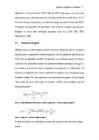
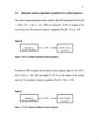
‘Area under the curve with respect to ground’ (AUCg)
and the ‘Area under the curve with respect to increase’ (AUCi)
was calculated using the following formulas:
Note .
t = time difference between two cortisol sample, mi = cortisol sample
at time I
Note.
t = time, mi
= cortisol sample at time I
All
data set analysis was undertaken anonymously using the coded
laboratory sample results.
Results
3.1 Cortisol
response in relation to TSST test
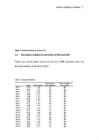
Table
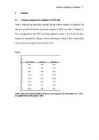
1 represent the descriptive statistics for the cortisol samples. As expected , the salivary cortisol level showed an increase at points 3
and 4 (see table 1 & figure 4). This corresponded to the TSST
test being applied at points 2 and 3 and the stress response as
measured by salivary cortisol increasing at points 3 and 4 ( maximum )
with the recovery response observed from 6 to 8.
Table
1
timeMean
Std. Deviation
Minimum
Maximum
10.16
0.15
0.03
0.61
20.16
0.16
0.02
0.64
30.23
0.24
0.03
0.81
40.41
0.42
0.04
10.32
50.35
0.40
0.03
10.51
60.23
0.22
0.03
0.70
70.22
0.23
0.04
0.82
80.12
0.10
0.03
0.37
Table1.
Mean and standard deviation of salivary cortisol (μg/ml) over 8 time
points, n=17. TSST was applied between time points 2 and 3.
Figure
4. Cortisol reactivity over time. n=17
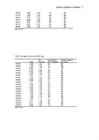
Descriptive statistics for the items of HER and DAR
Table
2 shows the descriptive statistics for the items of HER. And table 3
shows the descriptive statistics for the items of DAR.
Table
2 Descriptive Statistics
Mean
Std. Deviation
Corrected Item-Total Correlation
Cronbach's Alpha if Item Deleted
HED1
3.20
1.38
.41
.86
HED2
3.00
1.00
.33
.86
HED3
3.12
1.05
.45
.86
HED4
3.68
1.22
.63
.85
HED5
2.80
1.41
.33
.86
HED6
3.00
1.50
.62
.85
HED7
2.96
1.37
.50
.86
HED8
3.52
1.05
.09
.87
HED9
4.60
1.19
.04
.87
HED10
4.16
1.21
.07
.87
HED11
3.27
1.48
.71
.85
HED12
3.62
1.44
.63
.85
HED13
4.58
1.10
.36
.86
HED14
3.31
1.12
.64
.85
HED15
3.50
1.42
.59
.85
HED16
3.31
1.46
.42
.86
HED17
3.62
1.13
.21
.86
HED18
3.23
1.21
.70
.85
HED19
2.69
1.29
.51
.86
HED20
2.69
1.26
.49
.86
HED21
2.72
1.24
.30
.86
HED22
3.38
1.68
.05
.87
HED23
3.04
1.37
.60
.85
HED24
3.04
1.22
.34
.86
HED25
2.96
1.46
.57
.85
Note.
N = 26.
Table
3 Descriptive statistics of DAR-Items
Mean
Std. Deviation
Corrected Item-Total Correlation
Cronbach's Alpha if Item Deleted
DAER1
4.38
1.44
.42
.81
DAER2
4.38
1.66
.47
.80
DAER3
5.00
1.22
.72
.79
DAER4
5.50
0.83
.40
.81
DAER5
3.79
1.61
.57
.80
DAER6
3.92
1.77
.54
.80
DAER7
4.25
1.22
.53
.80
DAER8
3.08
1.25
.17
.82
DAER9
4.17
0.96
.52
.80
DAER10
4.08
1.38
.23
.82
DAER11
4.33
1.34
.21
.82
DAER12
4.58
1.06
.41
.81
DAER13
4.63
1.44
.34
.81
DAER14
4.46
1.38
.53
.80
DAER15
4.58
1.21
.30
.81
DAER16
4.04
1.12
.12
.83
DAER17
4.71
1.23
.64
.79
DAER18
3.71
1.23
.44
.80
DAER19
3.88
0.90
.19
.82
Note.
N = 26.
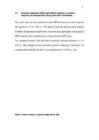
Emotion regulation (HER and DAR) in relation to cortisol response as measured by AUCg and AUCi calculation.
The
results show that the correlation between HER and salivary cortisol
responses was significant (r (17)= -.525, p The
correlation between DAR and cortisol reactivity, was not significant
(r(17) = 0.30, p> .05), although there was a trend for positive
relationship. Furthermore, the correlation between DAR and AUCi is
not significant (r(17) = 0.259, p> .05)
Figure
5 cortisol reactivity as a function of High and low HER .
Hedonistic emotion regulation as predictor for cortisol response.
The
results of regression analysis shows (figure 6) that HER can predict the AUCG (
= -0.525, t(17) = 2.32, p explain R² =27.6% of
variance of the cortisol reactivity. This amount of variance is
significant (F(1,16) = 5.71, p = .03).
Figure
6
Figure
6. AUCG as function of hedonistic emotion regulation.
Furthermore,
HER can predict the increase in cortisol
response (figure 7) (
= -0.524, t(17) = 2.38, p
Figure 7
Figure
7. AUCI as function of hedonistic emotion regulation.
Plasma Interleukin –6 (IL-6)
We
were only able to detect plasma IL-6 in 13 out of the 26 participants
studied. Plasma IL-6 in these samples ranged from 1.20 to 327 pg/ml.
Furthermore, there was no difference in plasma IL-6 concentrations 50
mins after the TSST test compared with the baseline sample (data not
shown).
4. Discussion
The
aim of this study was to investigate the association between
psychological variables and the biological stress response and test
the hypothesis that people who score high in HER and/or low in DAR
have a lower cortisol response. Emotion regulation was measured based
on the theory of Cybernetic
3-Dimensional Model on Emotion Regulation (CMER; Mohiyeddini, 2005)
which integrates the previous theories of mood congruency effect
(Bower, 1981), mood repair approach (Singer & Salovey, 1988) and
motivational approach of emotion regulation (Parrott, 1993).
In
conclusion the results of regression analysis show that HER can
predict the AUCG (
= -0.525, t(17) = 2.32, p means that people who score highly in HER have
a lower salivary cortisol response. In those who score high in DAR in
contrast showed a trend towards higher salivary cortisol responses.
This means that the findings support the idea that different paterns
of emotion regulation could cause long term stress and in turn
greater susceptibility to stress related illnesses. In view of these
results the role of ER in relation to stress related disorders maybe
important.
The
present finding of an increased salivary cortisol in response to the
psychosocial stress test TSST is consistent with previous findings
(Dikerson and Kemery, 2004 ). Several
new and important findings emerge from the present study. Supporting
our hypothesis, participants, who score high in HER did show lower
cortisol response. . These result indicate that HER is predictive of
a lower cortisol response to the psychosocial stress test TSST,. This
finding is in agreement with Wirtz et al., (2006) who also reported
high HER with a low cortisol response in a clinical sample. In
contrast DAR did not show any significant association with the
cortisol response, although there was positive correlation with
cortisol in this group but which was not significant. Interestingly
there is evidence that elevated cortisol is associated with
negative emotion (Polk et al., 2005). However, a disadvantage of
previous studies is the neglect of the immediate ER process. Reading
the average account of emotional experience that is measured over the
duration of 1 to 2 weeks, demonstrates the results of emotion
regulation rather than emotion regulation itself. This study in
addition to Wirtz (2006) provides evidence for physiological response
of immediate emotional regulation. This finding
validates the psychological questionnaire that was used in this
study. Importantly the present findings and those described above support the process model proposed by Gross (2001), suggesting that
cognitive change-reappraisal occurs before the emotion response
tendencies. Thus these findings support the idea that people who
score high in HER, by using automatic reappraisal to positive, can
change the perception of the situation before the emotion response
tendencies , which in turn could be the reason for lower cortisol release . The present results for IL-6 dose not support the
findings of Edwards et al (2006) who found increased plasma IL-6
levels in males following a psychological stress task known as the
paced auditory serial addition task (PASAT). However, it is
interesting to note that their reported differences were very small
and were less than 1 pg/ml. Interestingly, the highest values
reported by Edwards et al (2006) were at 30 mins following the stress
test. It is possible that our lack of change in plasma IL-6 after the
TSST test and inability to detect plasma IL-6 in many of the
participants may reflect the late time point we used to obtain plasma
samples (50 mins). Moreover , Edwards et al (2006) used a different
psychological stress protocol (PASAT) than the one we employed (TSST)
and this may also have contributed to the differences in results
between the studies. Further research using earlier time points would resolve this problem and provide for a better comparison between the
effects of the two psychological stress protocols on plasma IL-6.
Moreover, many of the studies using TSST as the psychological
stress protocol in relation to an increase in IL-6 have used isolated
leucocytes in vitro rather than plasma IL-6 measurements
(Steptoe et al 2007).
Despite
these findings that show an association between cortisol and ER
types, more studies are needed, as there are several limitations to
the present study. Firstly the participants were restricted to males
and the findings may not be applicable to females. There is evidence
of gender differences in response to stress ( Laurent & Powres,
2007). Also women have a different kinetic profile for IL-6 (Edwards
et al., 2006), and different stress related disorders, e.g general
anxiety disorder (Alonso et al., 2004). Secondly the sample size was
relatively small thus increasing the sample size may power the study
to produce statistically significant results for e.g correlation
between DAR and salivary cortisol. Thirdly, the apparent lack
of difference in the plasma IL-6 concentration after the TSST test
may be due to using a single time point sample (50 min.) rather than
a full time course consisting of e.g. three 15 minutes sampling time
points. And lastly, HER and DAR should not be perceived as opposite ends of a spectrum of ER. The balance of HER,
DAR within individuals may vary considerably leading to complex
interactions which affect physiological stress responses such as
cortisol, and it is not known whether variables such as age or
testosterone could also have an influential role in determining which
ER type and individual scores higher.
It
is know that emotion can influence such important processes like
learning, decision-making, memory and consequently health and welfare
of the individual (Wolf, 2007; Gross, 2002) then dysfunctional
regulation of emotions can lead to psychopathology (Segerstrom et
al., 2000; Nolen-Hoeksema, 2000). Our findings
support the suggestions that there are regulatory processes in
emotion that occur automatically and influence the emotional
information processing at the conscious level (Davidson, 2000).
Additionally to previous findings, the current
study investigated automatic strategies through their effects on
physiological responses and suggests that the type of ER may affect
the physiological stress response, which in turn may impact on an
individuals´ health and well-being. The importance of ER type
in the development of stress related disorders
e.g. hypertension, is unclear thus long term studies in people (men
and women) with different ER and their subsequent development of
stress related disorders would be of interest. Studies in females may
give enhanced information that can lead to better understanding of
anxiety related disorders where the majority of diagnosed are
females. However, it is believed that social environment may be a factor in the gender difference in relation to the chance of
developing anxiety or depression (Maier et
al., 1999). The current study draws attention to individual
differences in ER that may have a strong influence on the health of
the individual. Thus further studies in this area would
increase our understanding of the emotional regulation of the
physiological response and lead to better psychotherapeutic
interventions and / or management of the damaging stress response. It
would also be interesting to investigate training effects, as opposed
to participants being naïve, of psychological stress tests on the
physiological stress response as measured by the salivary cortisol
response in relation to ER. Such studies may reveal for example which
ER types are better learners. Additionally, the use of more sensitive
physiological stress markers of ER such as dehydroepiandrosterone
(DHEA) and α- amylase and a panel of specific markers may in the
future be predictive in individuals of their longer term response to
stress and susceptibly to stress related disorders.
References
Ader
R., Felten D. L., & Cohen N. (2001) Psychoneuroimmunology
(3rd
ed.). San Diego , CA: Academic Press.
Alonso
J., Angermeyer M.C., Bernert S., Bruffaerts R., Brugha, T.S., Bryson
H., et al., 2004. Prevalence
of mental disorders in Europe: results from the European Study of the
Epidemiology of Mental Disorders (ESEMeD) project. Acta. Psychiatr.
Scand. Suppl. 21–27.
Arzt
E. (2001) gp130 cytokine signaling in the pituitary gland: a paradigm for cytokine-neuro-endocrine pathways, Journal of Clinical Invesigation. 108:
1729–1733.
Benoy
I., Neels H., (1998) Cytokine
10:
313–318.
Biondi
M., & Picardi A. (1999) Psychological stress and neuroendocrine
function in humans: The last two decades of research. Psychotherapy
& Psychosomatics. 68: 114–150.
Bower
G. H. (1981) Mood and memory. American
Psychologist. 36:
129-148.
Brines
R., Hoffmann-Goetz L., Pederson B.K. (1996) Can you exercise to make
your immune system fitter? Immunology
Today
17: 252-254
Brydon
L., Edwards S., Jia H., Mohamed-Ali V., Zachary, J., Martin, J.F.,
Steptoe A. (2005) Psychological
stress activates interleukin-1 gene expression in human mononuclear
cells. Brain , Behavior , and Immunity
19: 540–546
Butler
E.A., Egloff B., Wilhelm F.H., Smith N.C., Erickson E.A & Gross
J.J. (2002) The Social Consequences of Expressive Suppression.
Emotion
3(1): 48-67
Cohen,
D. (1997). Ifs and thens in cultural psychology. In R. S. Wyer Jr.
(Ed.), Automaticity
of everyday life advances in social cognition
p.
121–131). Mahwah, NJ, US: Lawrence Erlbaum Associates, Publishers.
Davidson
R.J (2000) Emotion, Plasticity, Context and Regulation: Perspectives
from affective neuroscience . Psychologcal
Bulletin
126(6): 890-909
De
Kloet E. R., Joels M., & Holsboer F. (2005) Stress and the brain:
From adaptation to disease. Nature Reviews Neuroscience,
6: 463–475.
Dickerson
S.S. & Kemeny M.E. (2004)Acute
Stressors and Cortisol Responses: A Theoretical Integration and Synthesis of Laboratory Research
. Psychological
Bulletin.
130 (3): 355–391
Edwards
K.M., Burns V.E., Ring C. & Carroll D. (2006) Sex
differences in the interleukin-6 response to acute psychological
stress.
Biological
Psychology,
71; 236–239
Elliot
G. R., & Eisdorfer C. (1982) Stress
and human health: An analysis and implications of research. A study
by the Institute of Medicine, National Academy of Sciences .
New York : Springer Publishing.
Fizgerald
L. (1988) Exercise and the immune system. Immunology
Today
9: 337-387
Fitzsimons
G. M., & Bargh J. A. (2004) Automatic self-regulation. In R. F.
Baumeister & K. D. Vohs (Eds.), Handbook of self-regulation: research, theory, and applications
(pp.
151–170). New York: Guilford Press.
Giese-Davis
J., Conrad A., Nouriani B., Spiegel D. (2007) Exploring
emotion-regulation and autonomic physiology in metastatic breast cancer patients: Repression, suppression, and restraint of hostility
Personality
and Individual Differences
44 : 226–237
Gollwitzer
P. M. (1999) Implementation intentions: Strong effects of simple plans. American
Psychologist 54:
493–503.
Gross
J.J & Thomson R.A.(2007) Emotion Regulation. Coceptual
Foundations. In Gross J.J. (Eds) Handbook
of Emotion Regulation.
London: Guilford Press
Gross
J.J. (2002) Emotion regulation: affective, cognitive, and social
consequences. Psychophysiology
39 (3): 281–291.
Gross
J.J. (2001) Emotion Regulation in Adulthood: Timing is everything.
Current
Directions in Psychological Science 10;
215
Gross
J.J. (1999). Emotion regulation: Past, present, future. Cognition
and Emotion, 13;
551-573.
Gross
J. (1998) Review
of General Psychology, 2
; 271-299
Gross
J.J. (1998b) The emerging field of emotion regulation: an integrative
review. Review
of General
Psychology
2: 271–299.
Gross
J.J., & Levenson R.W. (1997) Hiding feelings : The acute effects
of inhibiting negative and positive emotion. Journal
of AbnormalPsychology 106: 95-103.
Gross
J.J., Levenson R.W. (1993) Emotional suppression: physiology,
self-report, and expressive behaviour. Journal
of Personality & Social Psychology 64
(6): 970– 986.
Herbert
J., Goodyer I. M., Grossman A. B., Hastings M. H., De Kloet E. R.,
Lightman S. L. (2006) Do corticosteroids damage the brain? Journal
of Neuroendocrinology,
18: 393–411
Hoffman-Goetz
L & Pederson B.K. (1994) Exercise and the immune system: A model
of the stress response. Immunology
Today
15: 382-387
Huppert
J.D, & Alley A.C. (2004) The clinical application of emotion
research in generalized anxiety disorder: some proposed procedures.
Cognitive
and Behavioural Practice 11: 387-392
Kiecolt-Glaser
J. K., Preacher K.J, MacCallum
R.C, Atkinson C., Malarkey W.B. & Glaser R. (2003) Chronic
stress and age-related increases in the proinflammatory cytokine
IL-6. Ed
by Burton H. Singer, Princeton University, Princeton, NJ,
Kirschbaum
C., Pirke K.M., Hellhammer D.H. (1993) The ‘Trier Social Stress
Test’—a tool for investigating psychobiological stress responses
in a laboratory setting. Neuropsychobiology
28:76–81
Laurent
H. & Powers S. (2007) Emotion
regulation in emerging adult couples: Temperament, attachment, and
HPA response to conflict. Biological
Psychology,
76; 61–71
Le
Doux J.E. (2000) Emotion circuits in the brain.
Annual
review of neuroscience
23: 155-184
Maes
M.,
Song
C.,
Lin
A.,
De
Jongh R.,
Van
Gastel A., Kenis G.,
Bosmans
E.,
De
Meester I.,
Benoy
Ina, Neels H.,
Demedts
P., Janca A.,
Scharpe
S., Smith R. S. (1998) The effects of psychological stress on humans;
Increased production of proinflammatory cytokines and a Th0 like
response in stress induced anxiety. Academic
Press Limited
Maier
W.,Gansicke M.,Gater R., Rezaki M., Tiemens B.,Urzua R.F.
(1999).Gender differences in the prevalence of depression: a survey in primary care. Journal of affective disorders, 53; 241–252.
Maier
S. F., & Watkins L. R. (1998) Cytokines for psychologists:
Implications of bi-directional immune-to-brain communication for
understanding behaviour, mood, and cognition. Psychological
Review 105: 83–107.
Marsland
A. L., Prather A. A., Petersen K. L., Cohen S., Manuck S. B (2008)
Antagonistic characteristics are positively associated with
inflammatory markers independently of trait negative emotionality.
Brain,
Behavior, and Immunity
xxx xxx–xxx
Manuck,
S. B., Cohen, S., Rabin, B. S., & Muldoon, M. F. (1991).
Individual differences in cellular immune response to stress.
Psychological
Science, 2:
111–115.
Mohiyeddini
C. (2005) Personality, emotion regulation and psychopathology,
Habilitation theses, University of Tuebingen, Germany
Mohiyeddini
C. (1998) Emotional Regulation Effectiveness Inventory (EREI),
translated by B. Kudielka & A. Hahn (2001) from Inventar zur Emotionsregulationswirksamkeit (IERW), University of Mainz
Morita
K., Saito T., Ohta M., Ohmori T., Kawai K., Teshima-Kondo S., Rokutan
K. (2005) Expression
analysis of psychological stress-associated genes in peripheral blood
leukocytes. Neurocience
Letters
318: 57-62
Muraven
M., Tice D. M., & Baumeister R. F. (1998) Self- control as a
limited resource: regulatory depletion patterns. Journal
of Personality and Social Psychology, 74:
774–789.
Nolen-Hoeksema
S. (2000) The role of rumination in depressive disorders and mixed
anxiety/depressive symptoms. Journal
of Abnormal Psychology
109 (3): 504– 511.
Ochsner
K.N., Gross J.J. (2004) Thinking makes it so: a social cognitive
neuroscience approach to emotion regulation. In: Vohs, K.,
Baumeister, R., (Eds.) The
Handbook of Self-Regulation.
Erlbaum, NJ, pp. 62–83.
Ochsner
K.N., Feldmann, Barrett, L. (2002) A multiprocess perspective on the
neuroscience of emotion. In: Mayne T.J., Bonanno G.A. (Eds.),
Emotions:
Currrent Issues and Future Directions.
The Guilford Press, New York, NY, pp. 38–81.
Ochsner
K.N, Ray
R.D., Cooper J.C., Robertson E.R.,
Chopra
S., Gabrieli John D.E. & Gross J.J. (2004)
For
better or for worse : neural systems supporting the cognitive down-
and up-regulation of negative emotion. Neuroimage
23:
483– 499
Pariante
C.M., & Miller A.H. (2001) Glucocorticoid receptors in major
depression: relevance to pathophysiology and treatment. Biological
Psychiatry
49: 391–404.
Parrott
W. G. (1993) Beyond hedonism: Motives for inhibiting good moods and
for maintaining bad moods. In D. W. Wegner & J. W. Pennebaker
(Eds.), Handbook
of mental control
(pp.
278-305). Englewood Cliffs, NJ: Prentice Hall.
Polk
D. E., Cohen S., Doyle W. J., Skoner D. P., Kirschbaum C. (2005)
State and trait affect as predictors of salivary cortisol in healthy
adults. Psychoneuroendocrinology
30,
261–272
Pruessner
J.C., Kirschbaum C., Meinlschmid G., Hellhammer D.H.(2003)
Two
formulas for computation of the area under the curve represent
measures of total hormone concentration versus time-dependent change.
Psychoneuroendocrinology,
28
; 916–931
Raison
C.L. & Miller A.H. (2003) When not enough is too much: the role
of insufficient glucocorticoid signaling in the pathophysiology of
stress-related disorders, American
Journal of Psychiatry
1554–1565
Rhoades
R. & Pflanzer R. (1989) Human
Physiology.
Saunders College Publishing. Philadelphia, USA. pp 427-437
Richards
J.M. & Gross
J.J.
(2000). Emotion
Regulation and Memory: The Cognitive Costs of Keeping One's Cool.
Journal
of Personality and Social Psychology. 79
(3): 410-424
Rimmele
U, Zellweger B.C., Marti B., Seiler R., Mohiyeddini C., Ehlert U &
Heinrichs M. (2007)
Trained
men show lower cortisol, heart rate and psychological responses to
psychosocial stress compared with untrained men.
Psychoneuroendocrinology xxxx
Rohleder
N., Kudielka B.M., Hellhammer D.H., Wolf J.M. & Kirschbaum (2002)
Age and sex steroid-realated changes in glucocorticoid sensitivity of
pro-inflammatory cytokine production after psychosocial stress.
Journal
of Neuroimmunology. 126:
69-77
Segerstrom
S.C., & Miller G.E. (2004)
Psychological
Stress and the Human Immune System: A Meta-Analytic Study of 30 Years
of Inquiry University
of British Columbia , Psychological
Bulletin ,
130 (4): 601–630
Segerstrom
S.C., Tsao J.C.I., Alden L.E., Craske M.G., (2000) Worry and
rumination: repetitive thought as a concomitant and predictor of
negative mood. Cognitive Therapy
24 (6): 671– 688.
Schaefer
S.M., Jackson D.C., Davidson R.J., Aguirre G.K., Kimberg D.Y.,
Thompson-Schill S.L. (2002) Modulation of amygdalar activity by the
conscious regulation of negative emotion. Journal
of Cognitive Neuroscience
14 (6): 913–921.
Selye
H. (1956) The
stress of life.
Longmans, Green and Co Ltd. London
Schulkin
J. et al. (2003) Brain
and Cognition.
12 p. 15-33
Singer
J. A. & Salovey P. (1988) Mood and memory: Evaluating the network theory of affect. Clinical
Psychology Review 8:
211-251.
Steptoe
A., Hamer M., Chida Y. 2007
The
effects of acute psychological stress on circulating inflammatory
factors in humans: A review and meta-analysis.Brain,
Behavior, and Immunity 21: 901–912
Wirtz
P.H., von Kälen R., Mohiyeddini C., Emini L., Ruedisueli K.,
Groessbauer S. & Ehlert U. (2006) Low Social Support and Poor
Emotional Regulation Are Associated with Increased Stress Hormone
Reactivity to Mental Stress in Systemic Hypertension. The
Journal of Clinical Endocrinology & Metabolism
91(10): 3857–3865
Wolf
T. Oliver 2007. The influence of stress hormones on emotional memory:
Relevance for psychopathology. Acta
Psychologica
Wegner
D. M., Erber R., & Zanakos S. (1993) Ironic processes in the
mental control of mood and mood-related thought. Journal
of Personality and Social Psychology, 65:
1093–1104.
 100 punkti
Autor soovib selle materjali allalaadimise eest saada 100 punkti.
100 punkti
Autor soovib selle materjali allalaadimise eest saada 100 punkti.
 ~ 32 lehte
Lehekülgede arv dokumendis
~ 32 lehte
Lehekülgede arv dokumendis
 2010-02-16
Kuupäev, millal dokument üles laeti
2010-02-16
Kuupäev, millal dokument üles laeti
 103 laadimist
Kokku alla laetud
103 laadimist
Kokku alla laetud
 0 arvamust
Teiste kasutajate poolt lisatud kommentaarid
0 arvamust
Teiste kasutajate poolt lisatud kommentaarid
 tiina sormus
Õppematerjali autor
tiina sormus
Õppematerjali autor
 annaabi.ee








Kõik kommentaarid