Vajad kellegagi rääkida?
Küsi julgelt abi LasteAbi
Logi sisse

Avalik ruum (0)

1 Hindamata
Punktid

Esitatud küsimused

  • Keskkonnategurite seoseid?
  • Millele siis rõhuda?

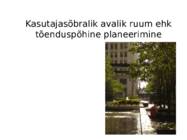
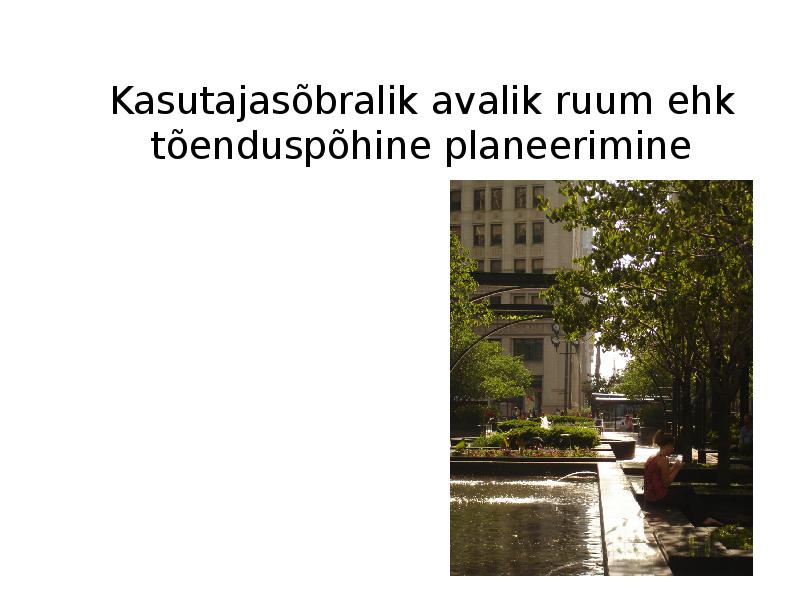
Kasutajasõbralik avalik ruum ehk 
tõenduspõhine  planeerimine
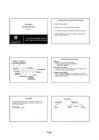
Loengu eesmärk:
Mõelda teooriapõhiselt järgmiste 
küsimuste üle:
• Mõista, mida inimesed avalikus ruumis 
vajavad ja väärtustavad
• Kuidas aru saada, kas ruum vastab 
nendele vajadustele või mitte
• Mida peaks planeerides arvesse võtma, 
teades tervise/heaolu ja 
keskkonnategurite  seoseid ?
Vajadused/väärtused avalikus 
ruumis – nimetage!
• …
Vajadused avalikus ruumis 
- Mugavus
- Lõdvestumine
- Passiivne hõivatus
- Aktiivne hõivatus
- Avastamine
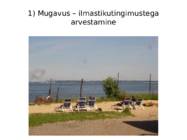
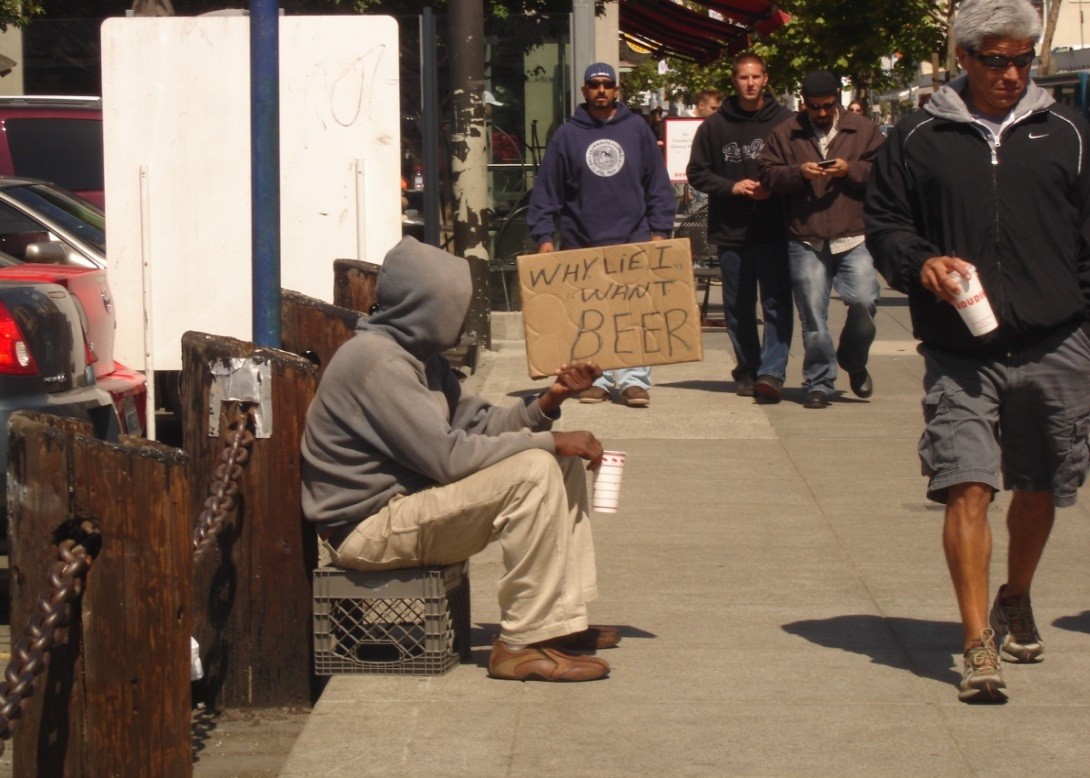
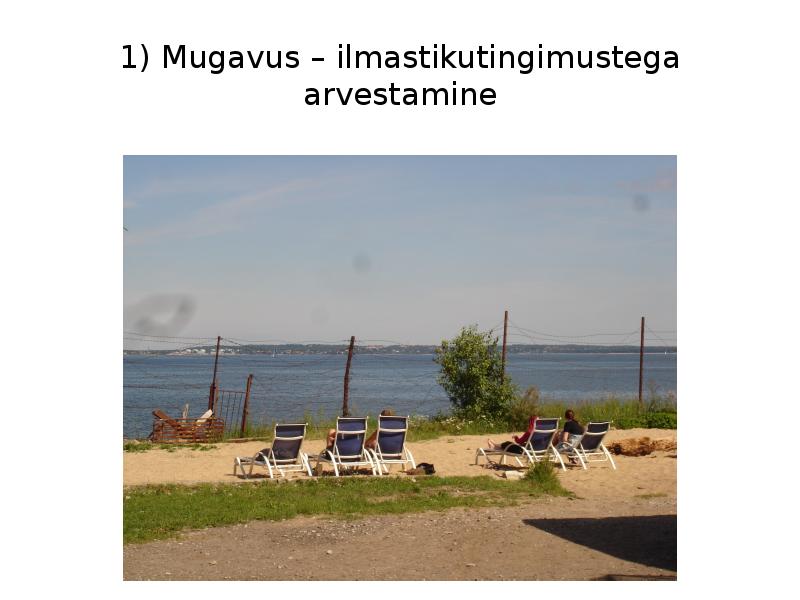
1) Mugavus – ilmastikutingimustega 
arvestamine
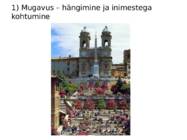
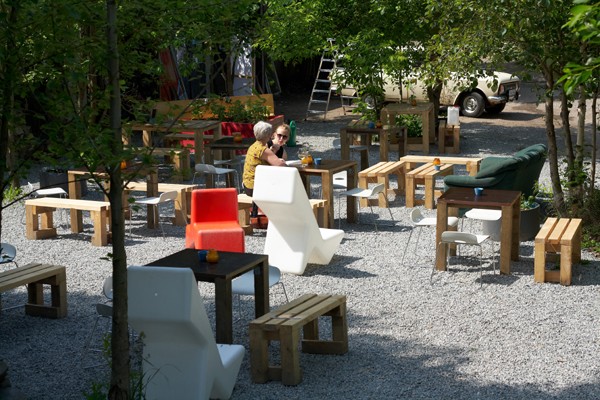
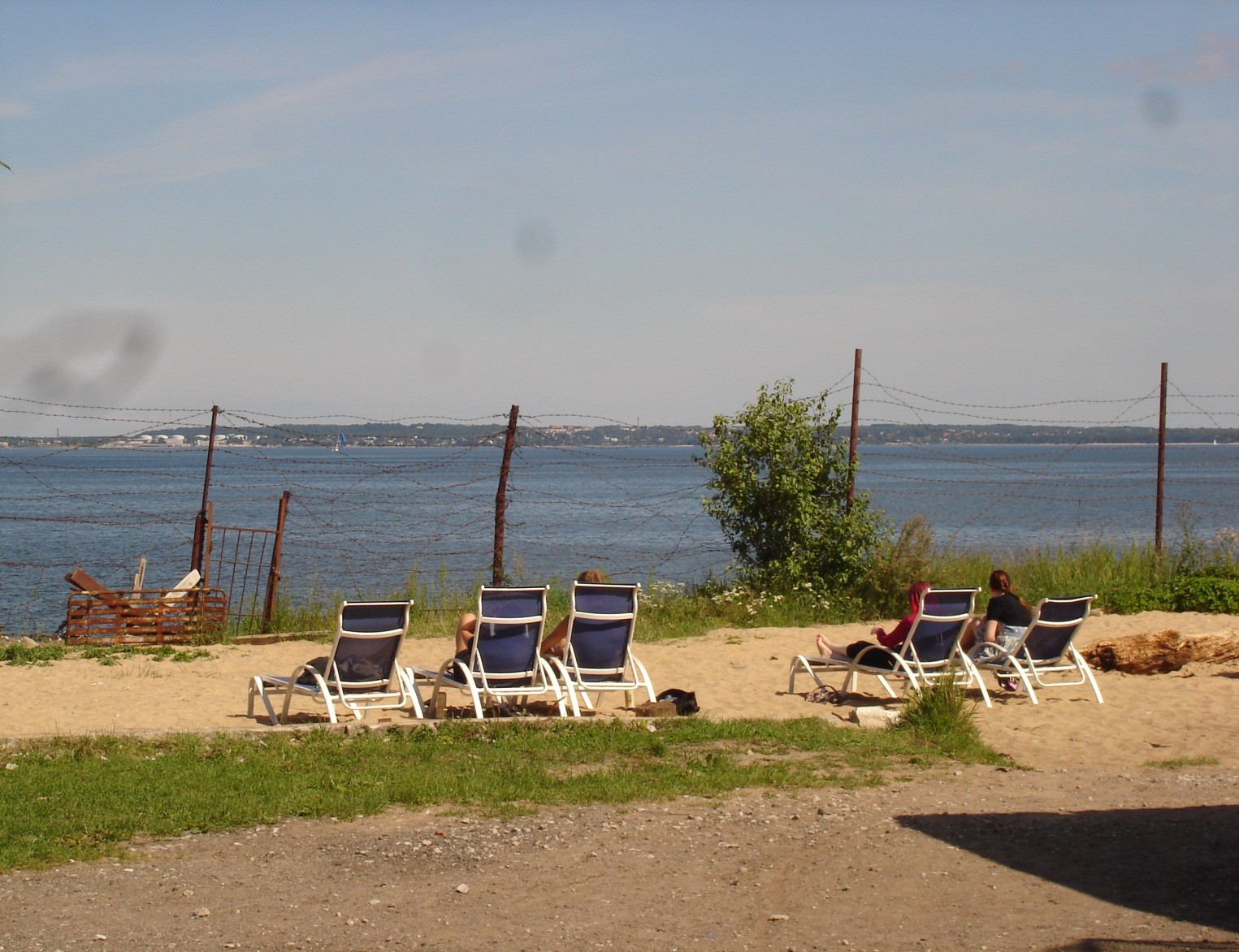
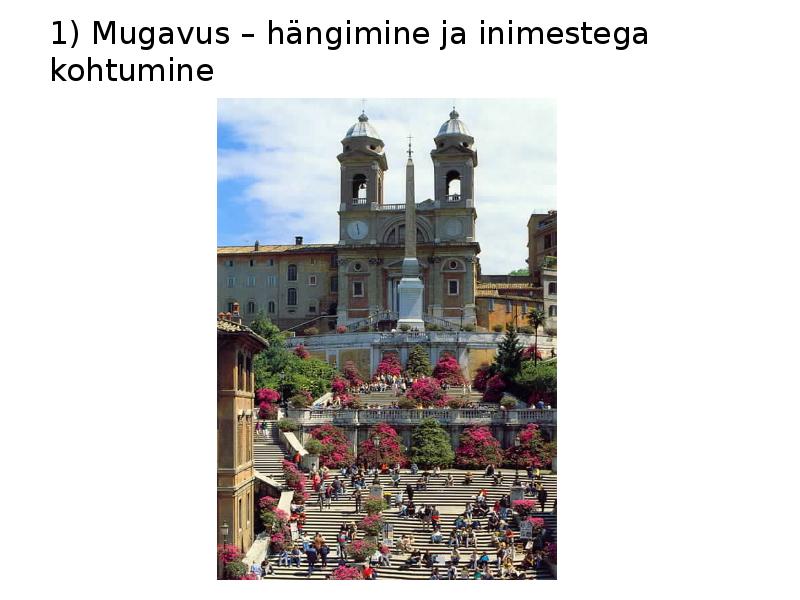
1) Mugavus – hängimine ja inimestega 
kohtumine
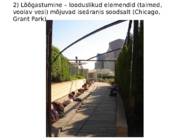
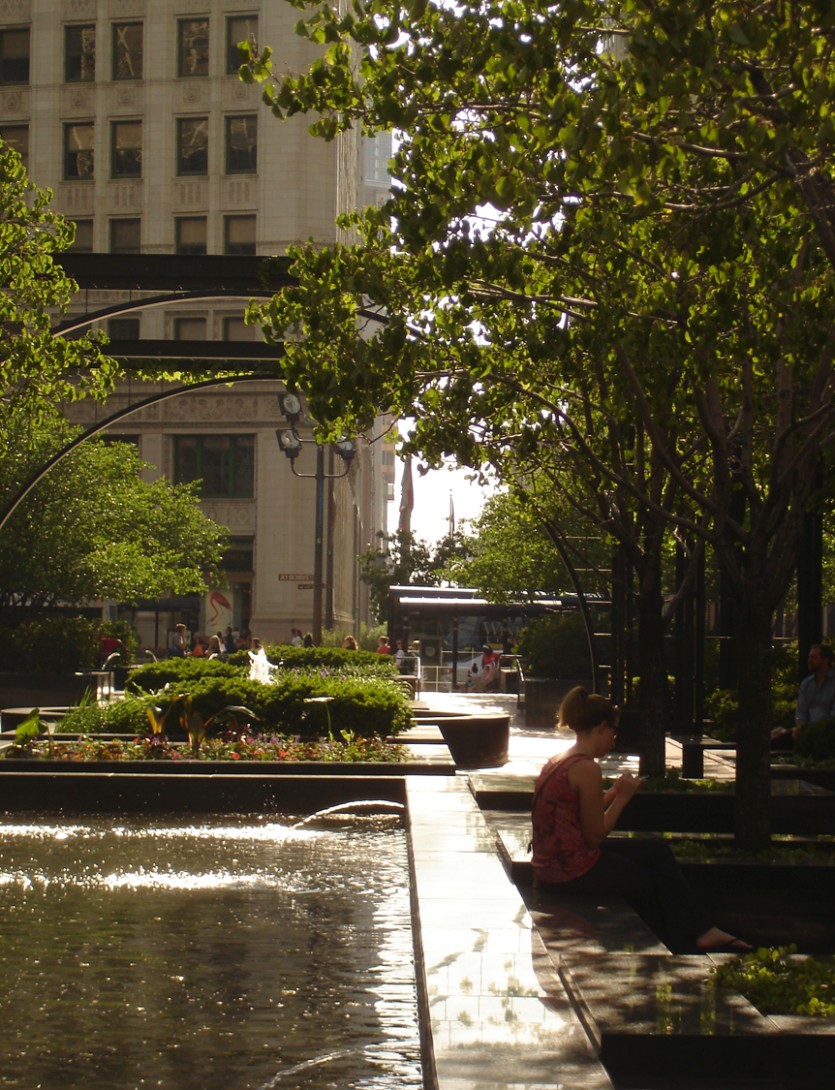
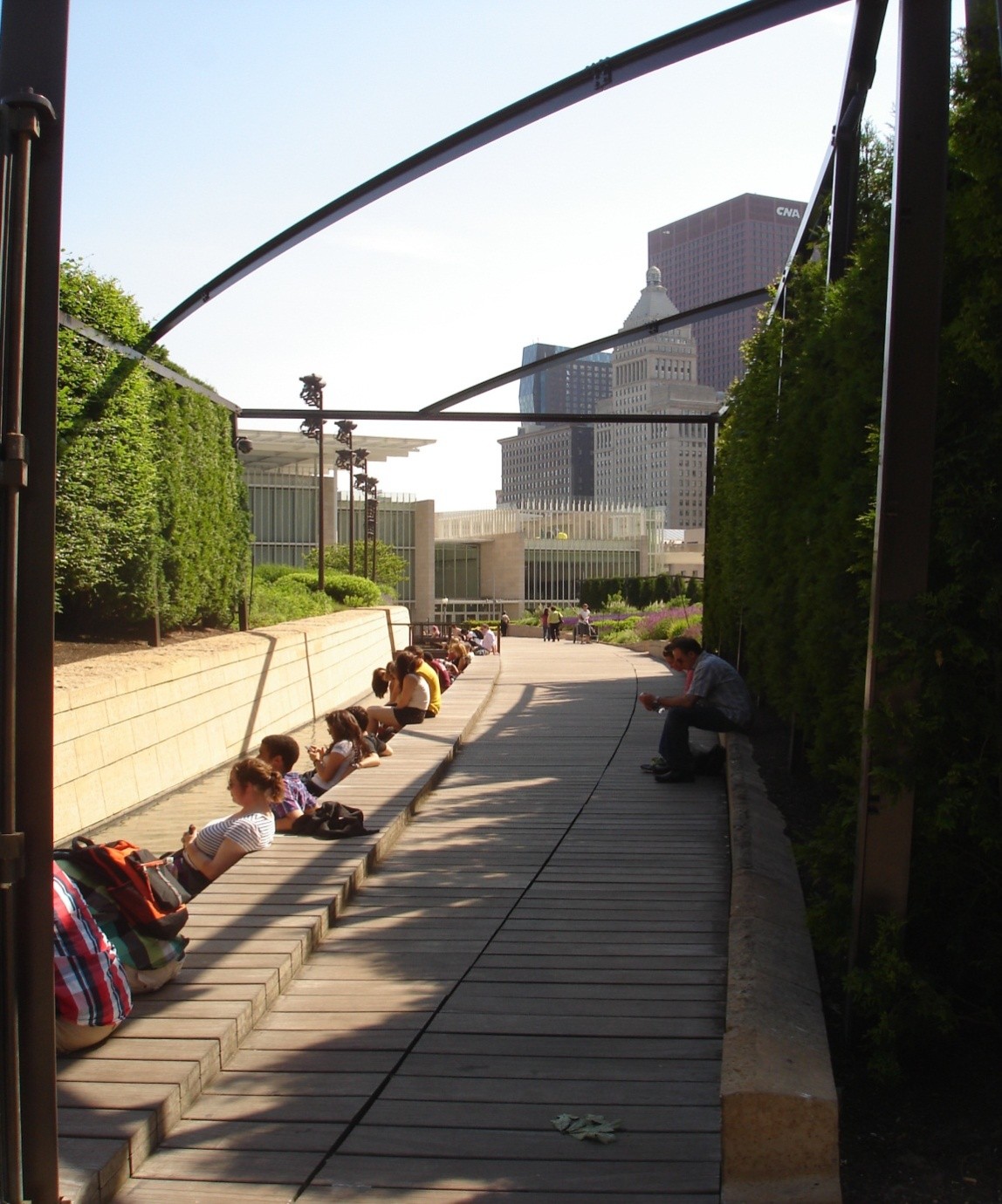
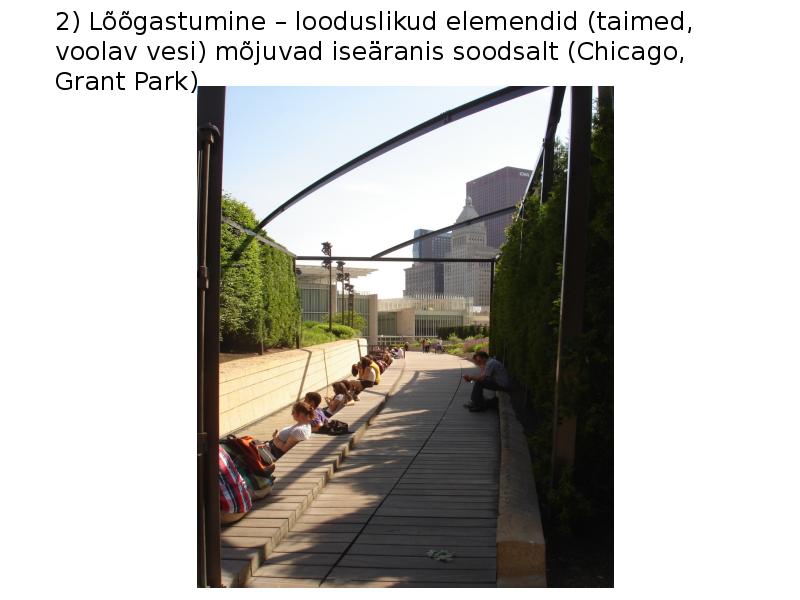
2) Lõõgastumine – looduslikud elemendid (taimed, 
voolav vesi) mõjuvad iseäranis soodsalt ( Chicago
Grant Park)
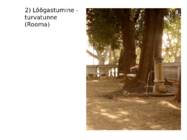
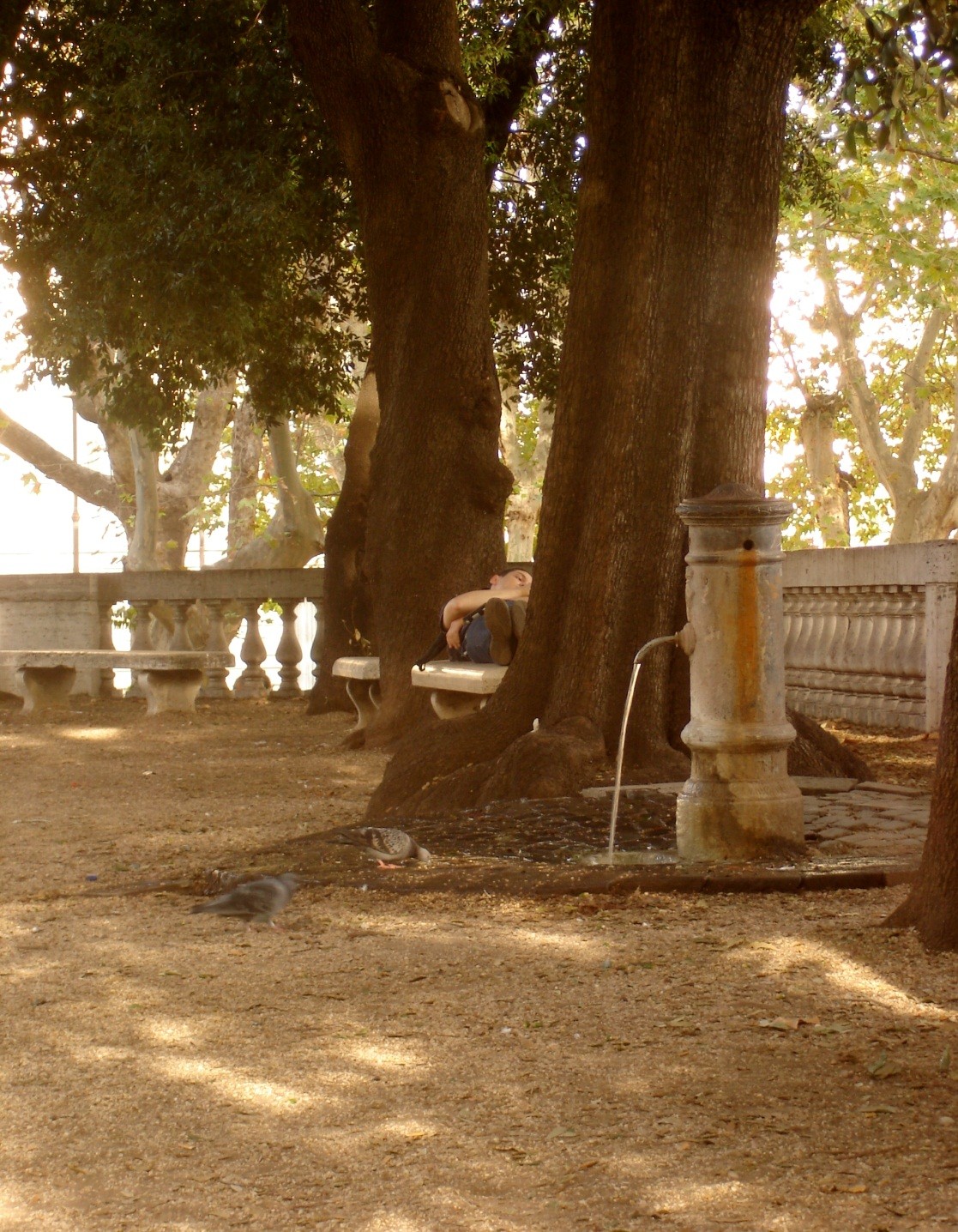
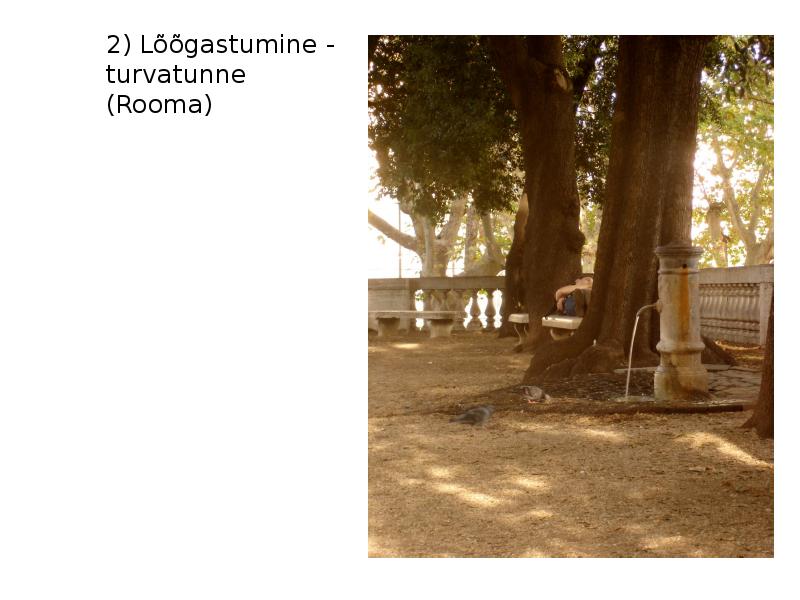
    2) Lõõgastumine -
    turvatunne  
    ( Rooma )
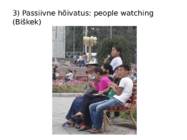
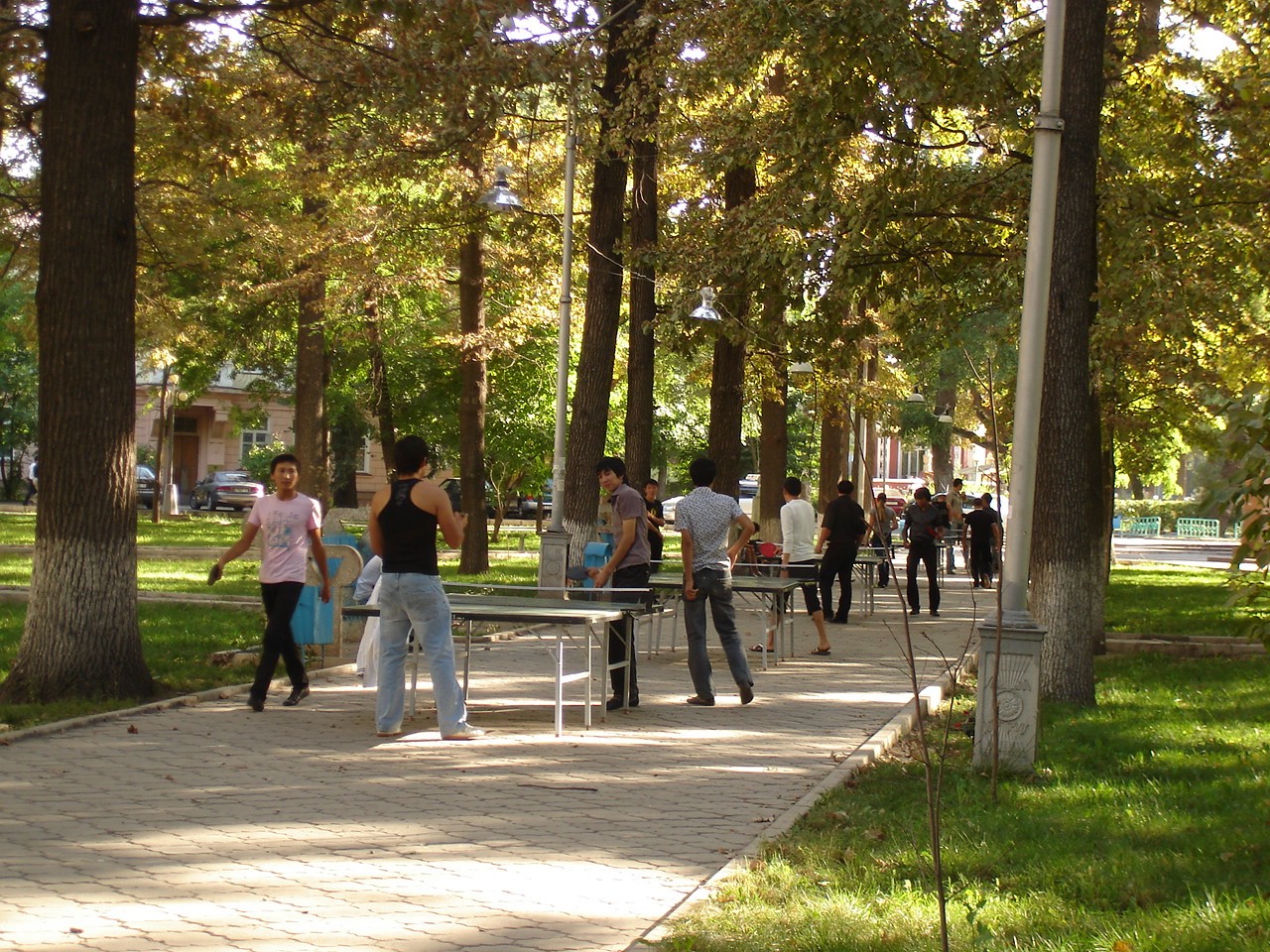
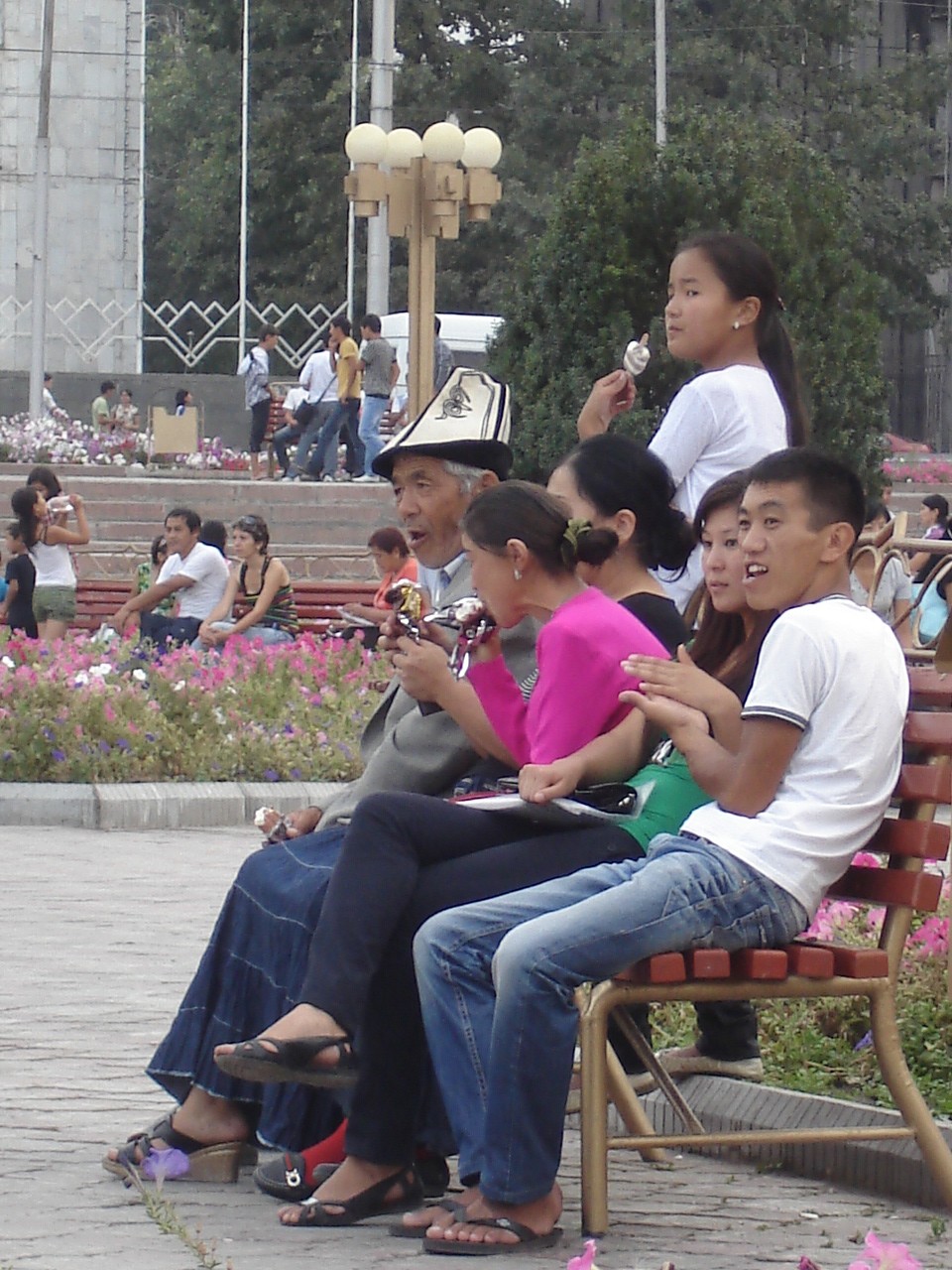
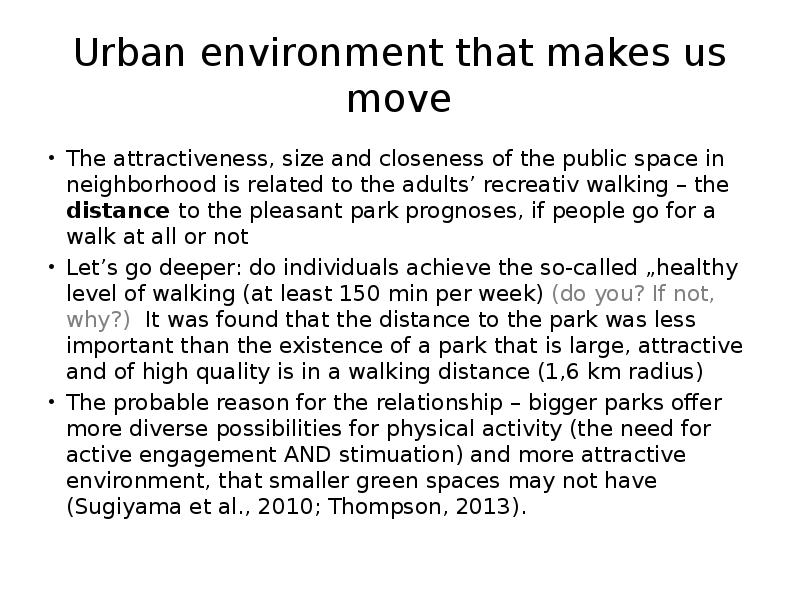
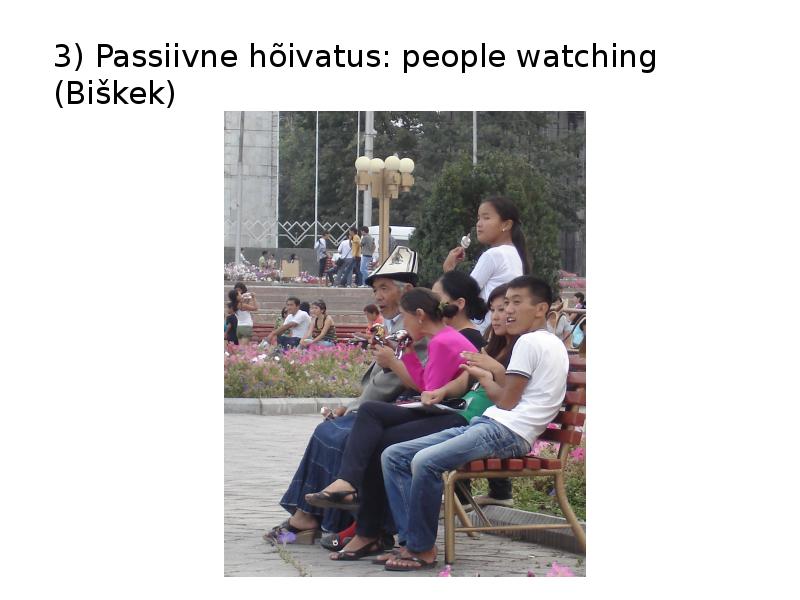
3) Passiivne hõivatus: people  watching  
(Biškek)
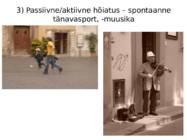
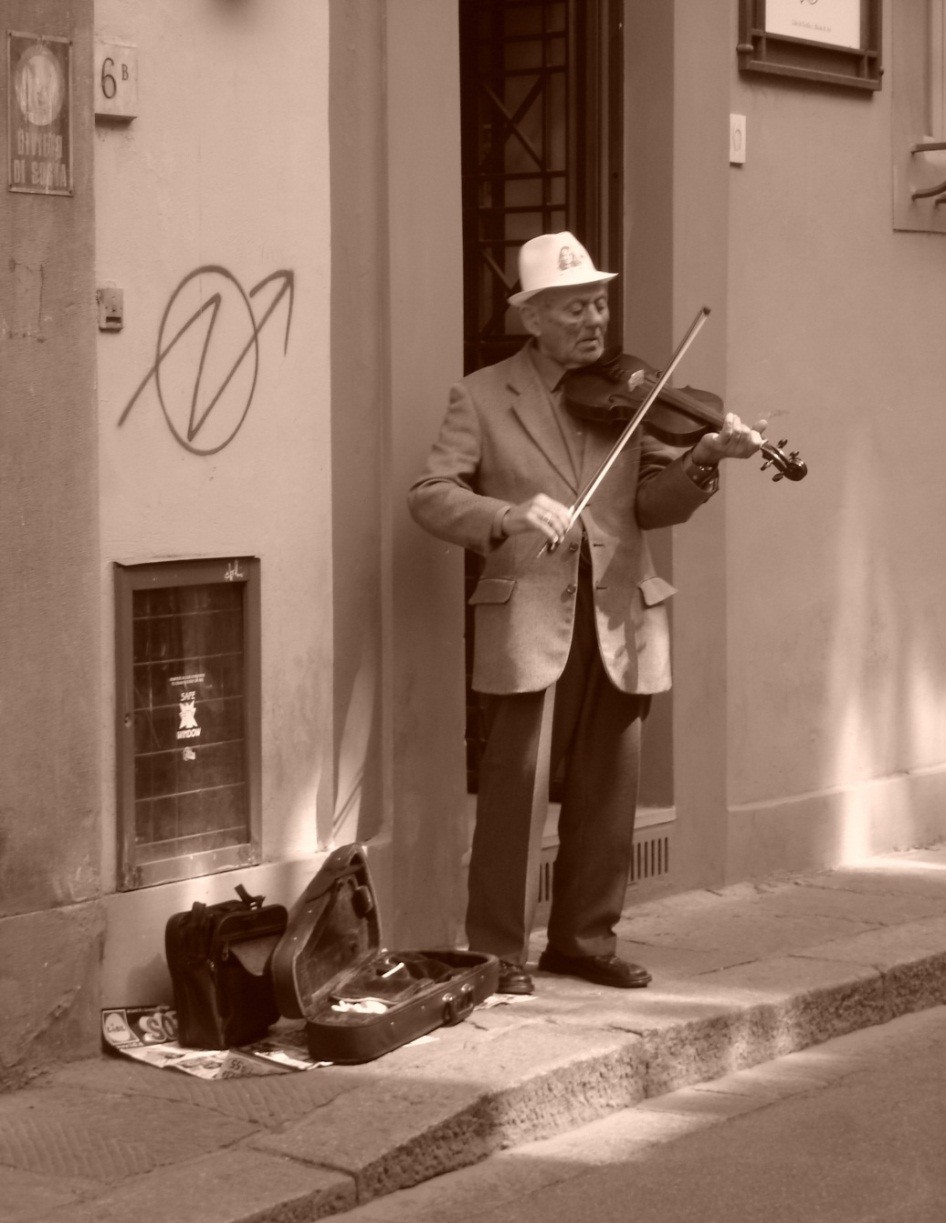
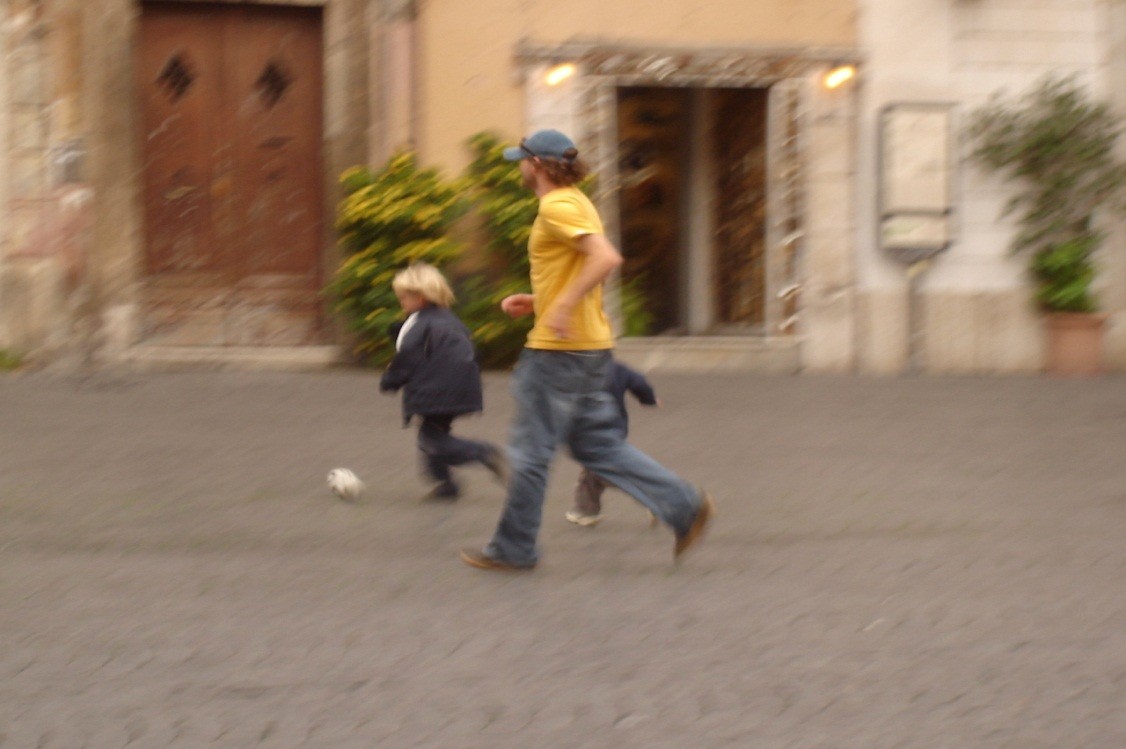
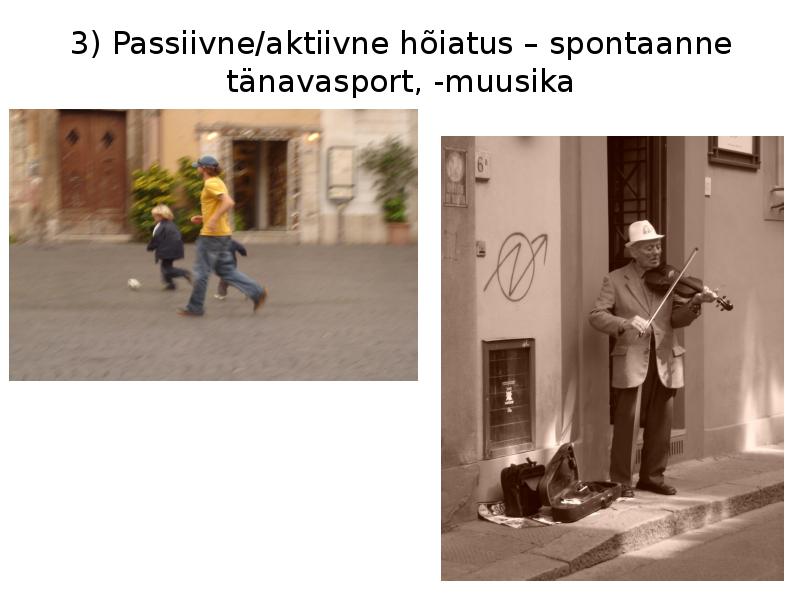
3) Passiivne/aktiivne hõiatus – spontaanne 
tänavasport, - muusika
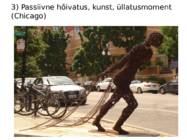
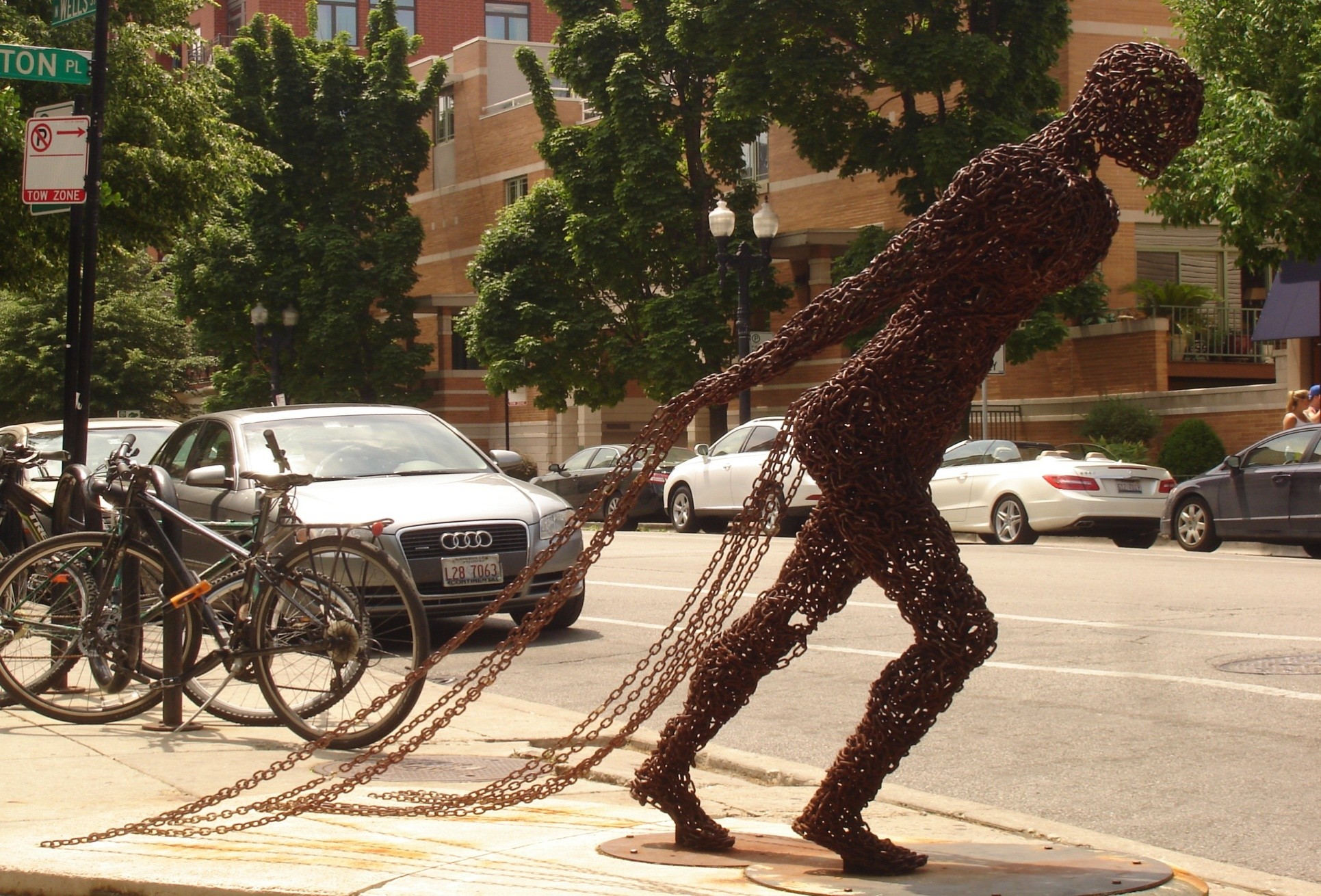
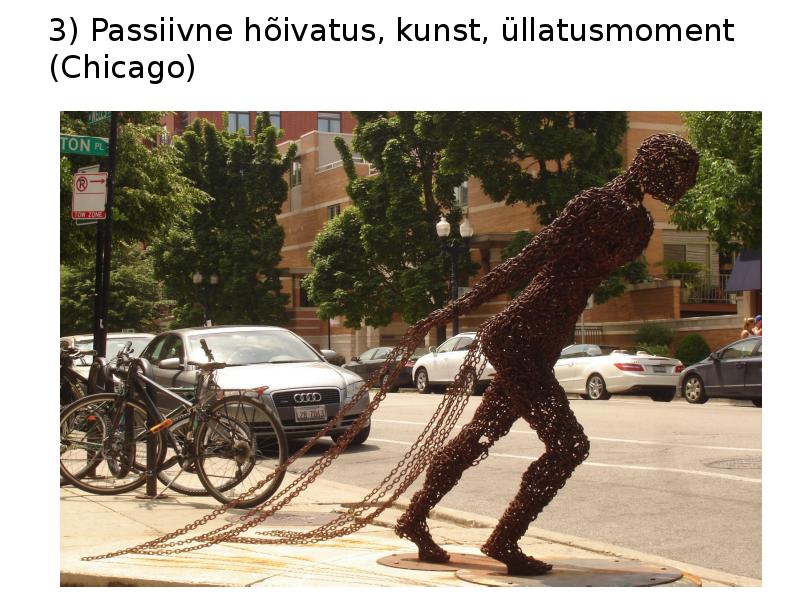
3) Passiivne hõivatus,  kunst , üllatusmoment 
(Chicago)
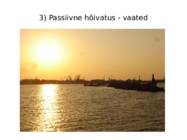
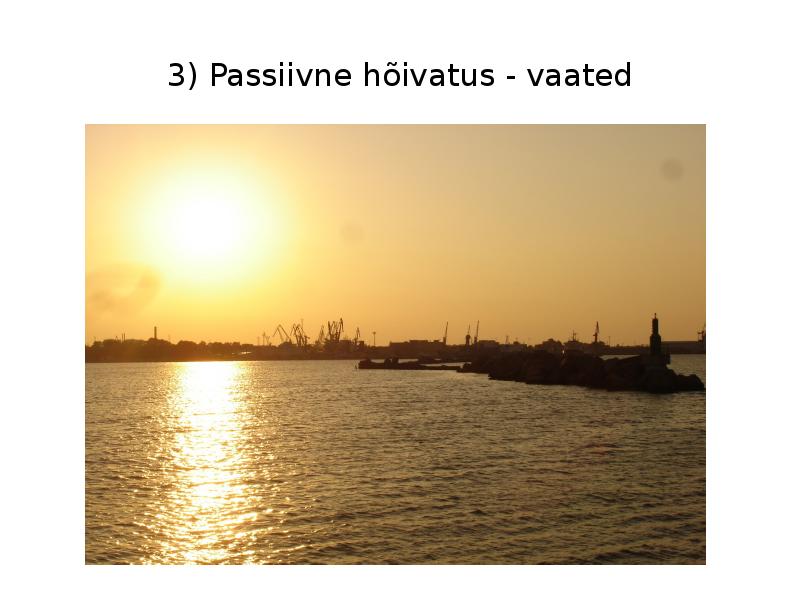
3) Passiivne hõivatus - vaated
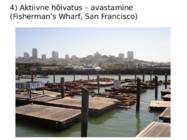
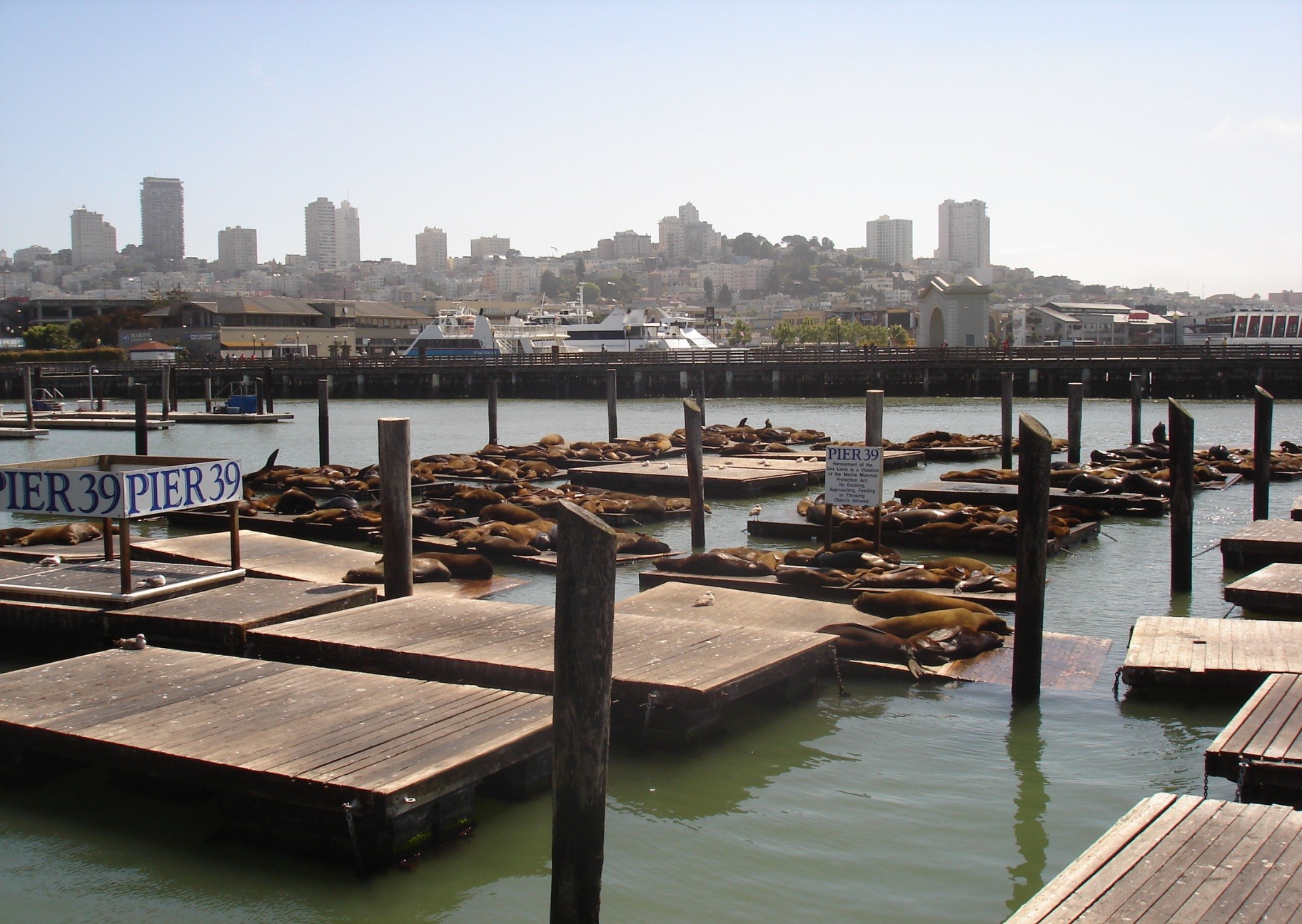
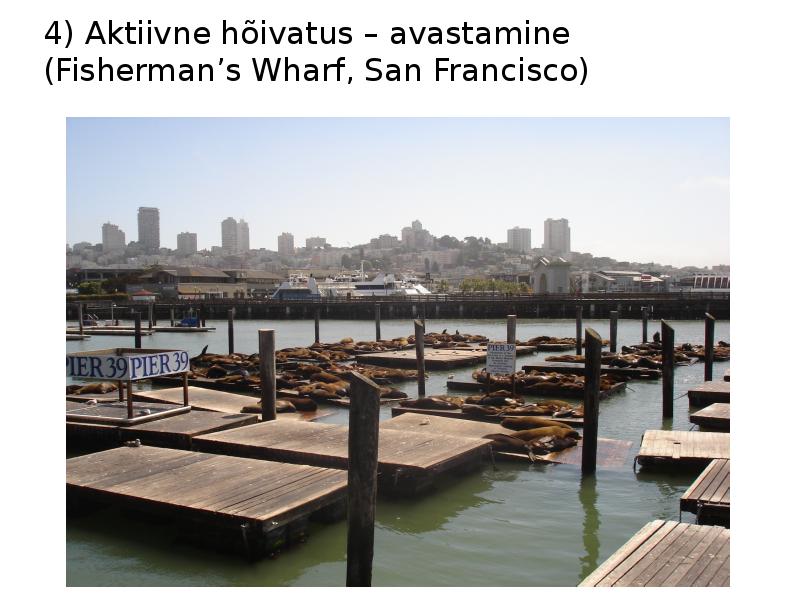
4) Aktiivne hõivatus – avastamine 
(Fisherman’s Wharf, San  Francisco )
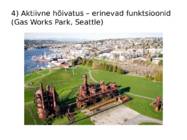
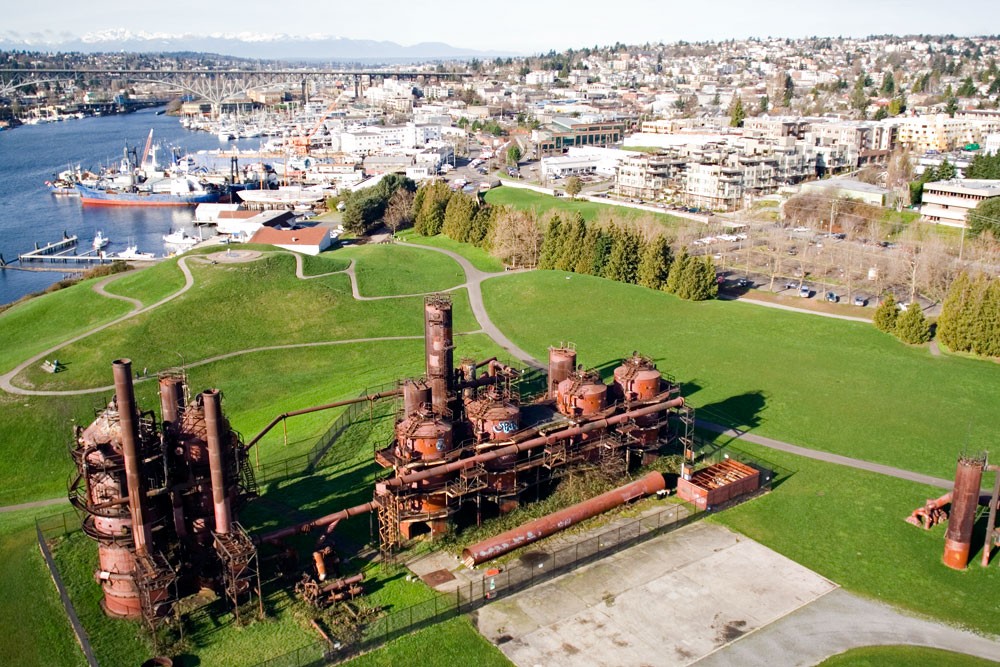
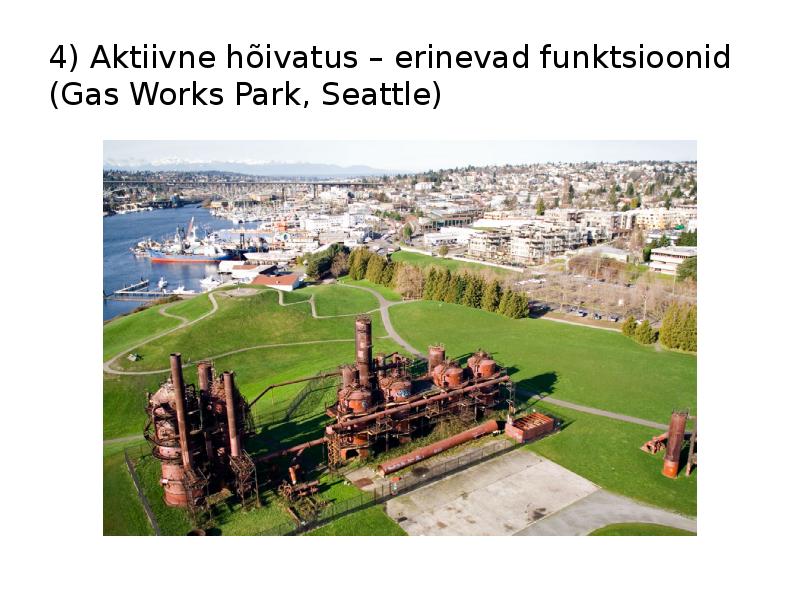
4) Aktiivne hõivatus – erinevad funktsioonid 
(Gas  Works  Park,  Seattle )
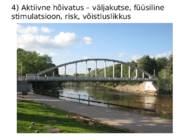
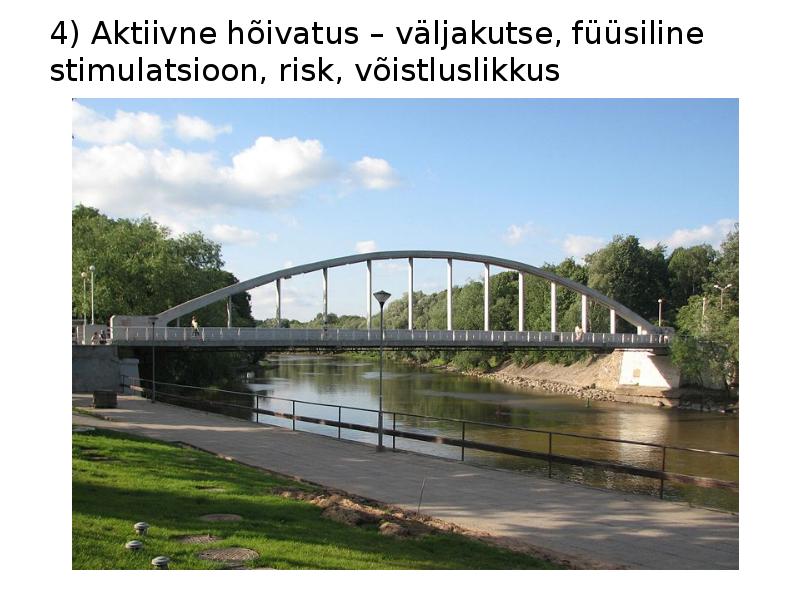
4) Aktiivne hõivatus – väljakutse, füüsiline 
stimulatsioon, risk, võistluslikkus
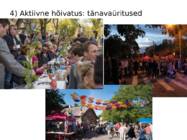
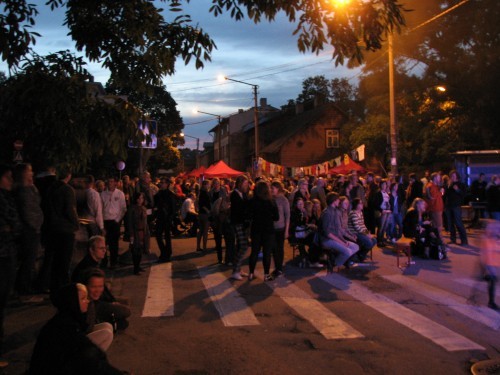
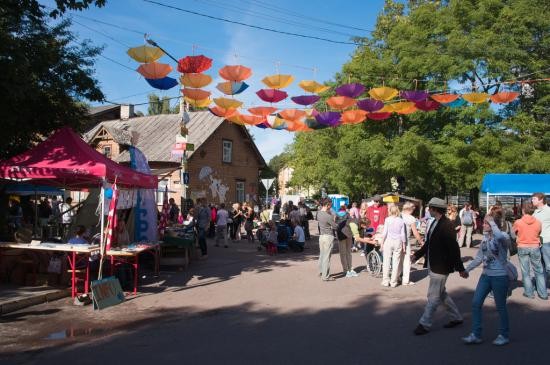
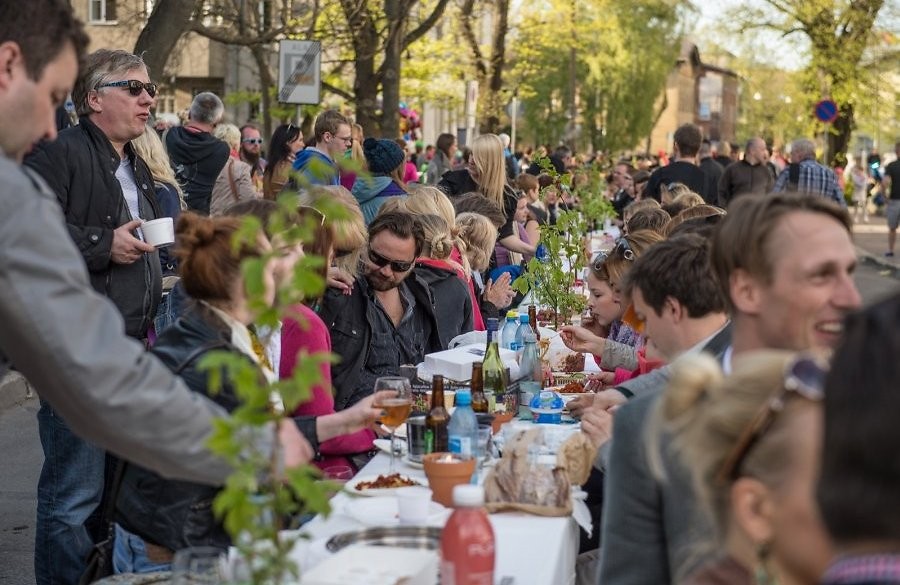
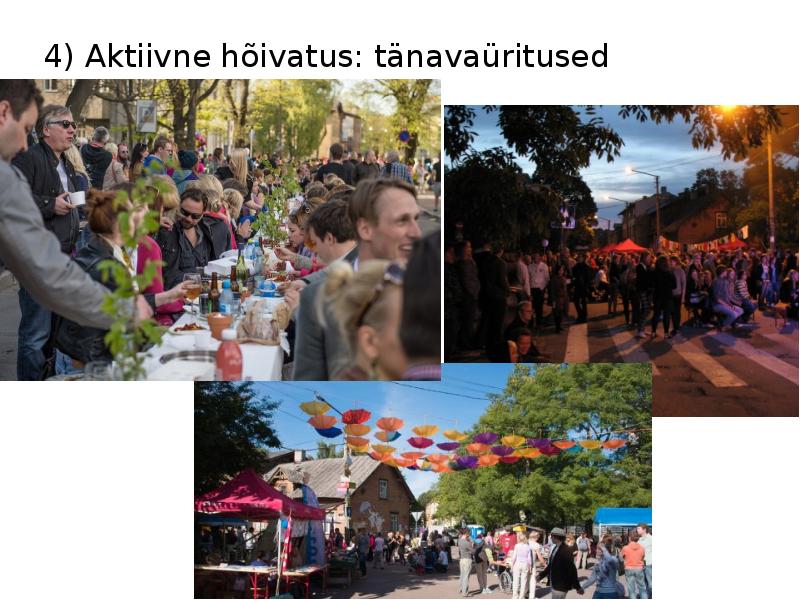
4) Aktiivne hõivatus: tänavaüritused
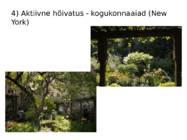
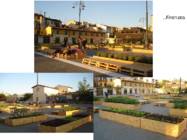
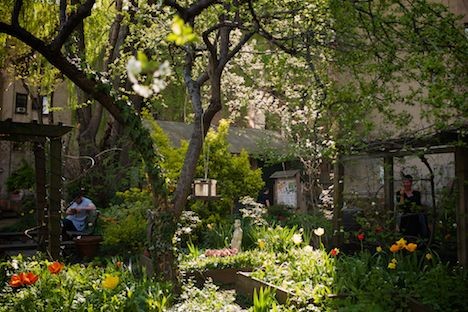
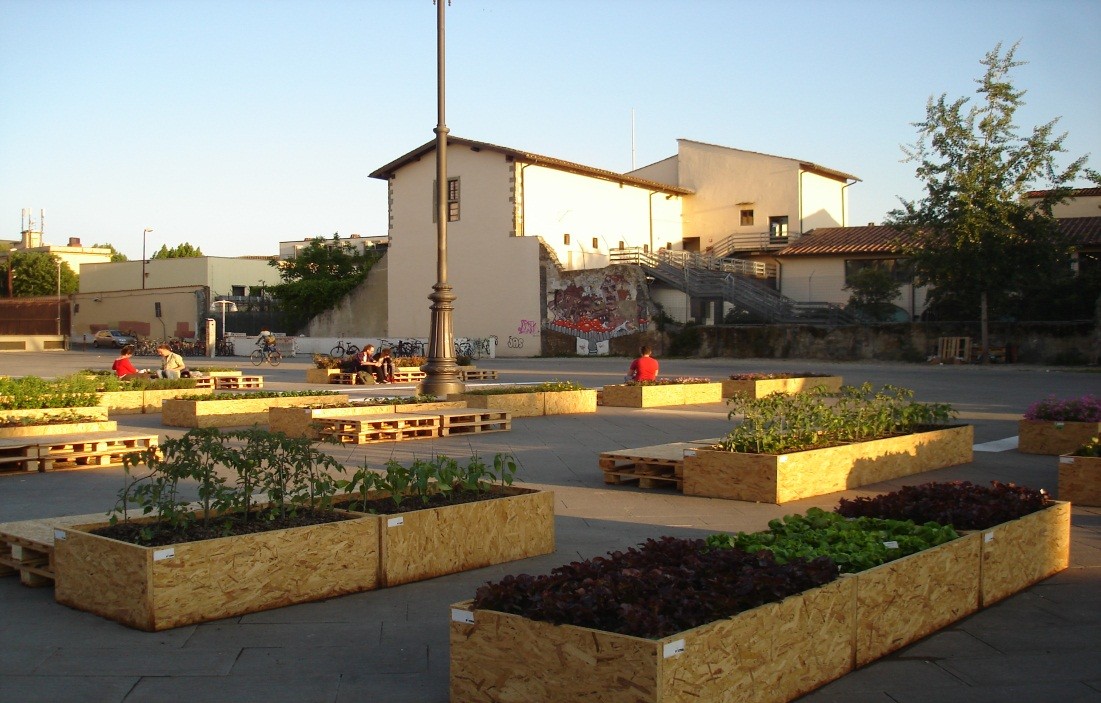
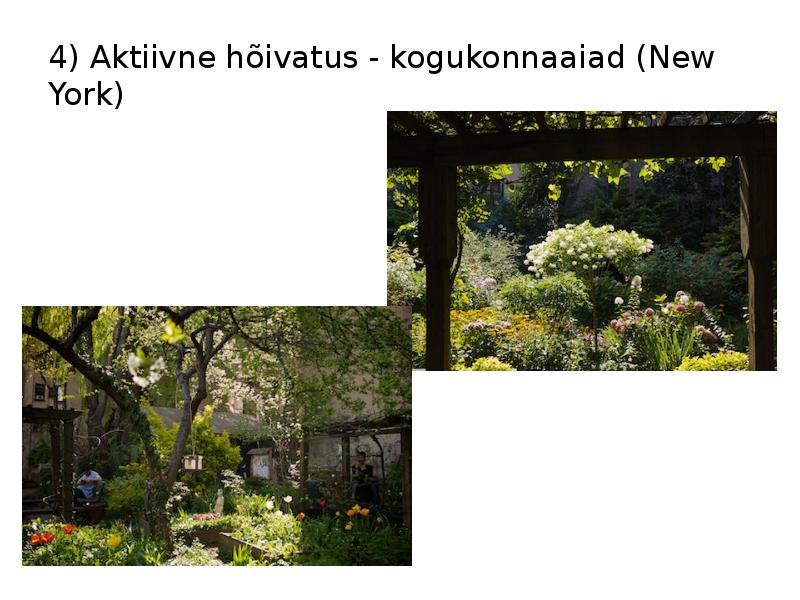
4) Aktiivne hõivatus - kogukonnaaiad (New 
York )
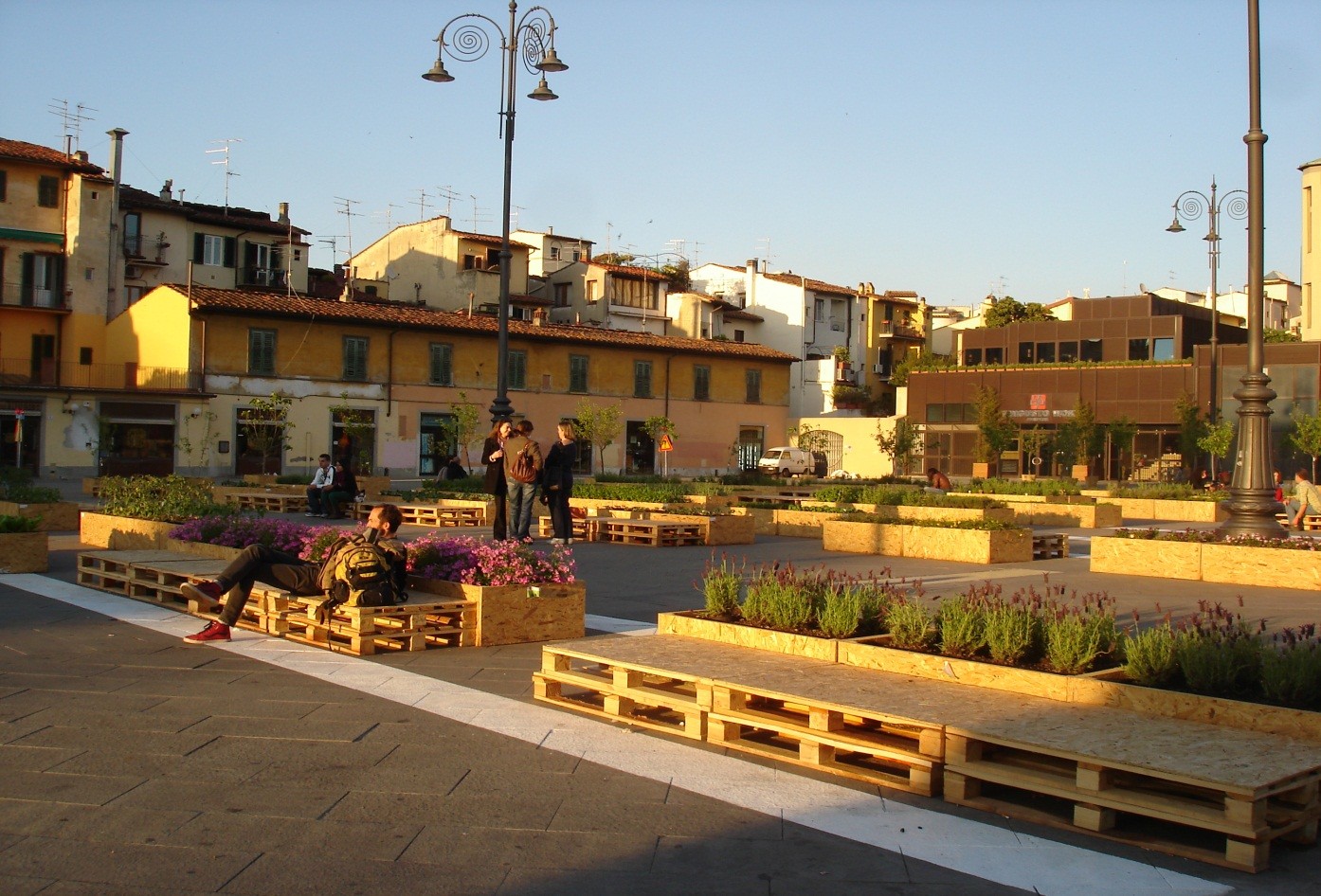
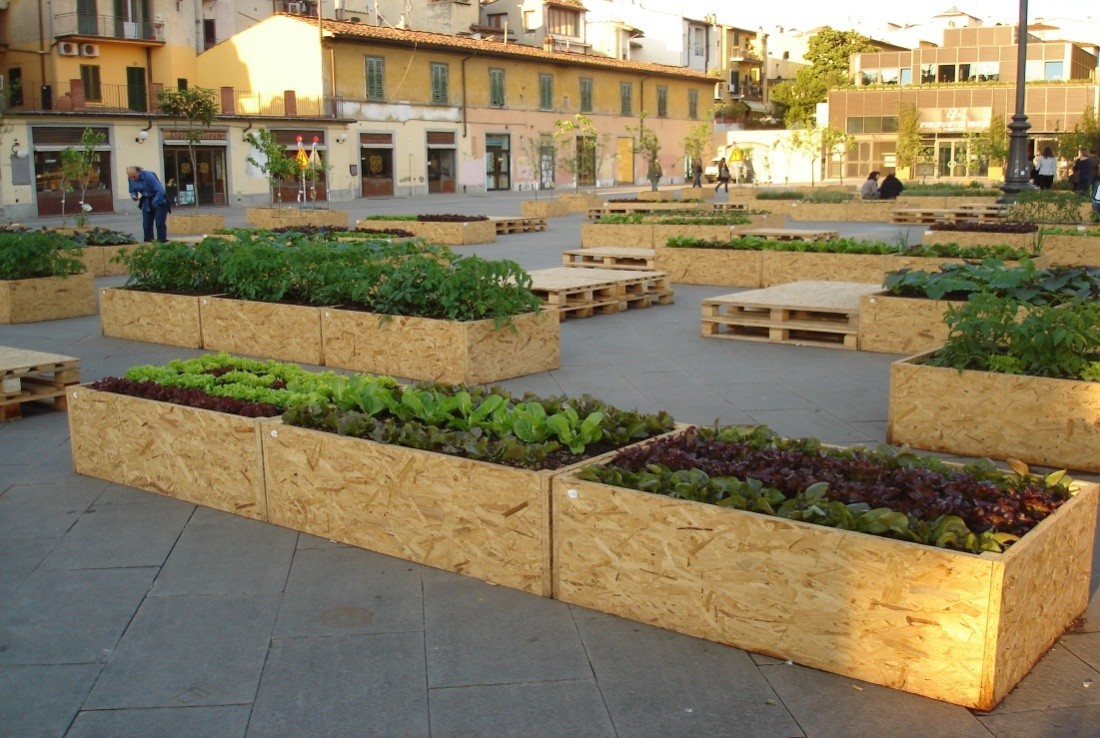
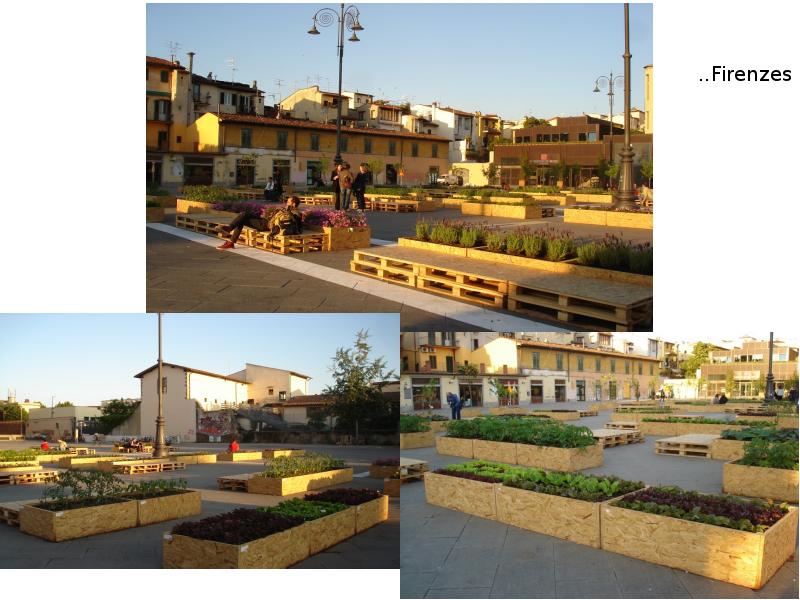
..Firenzes
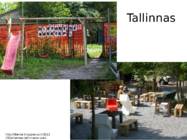
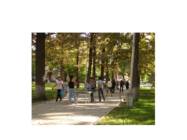
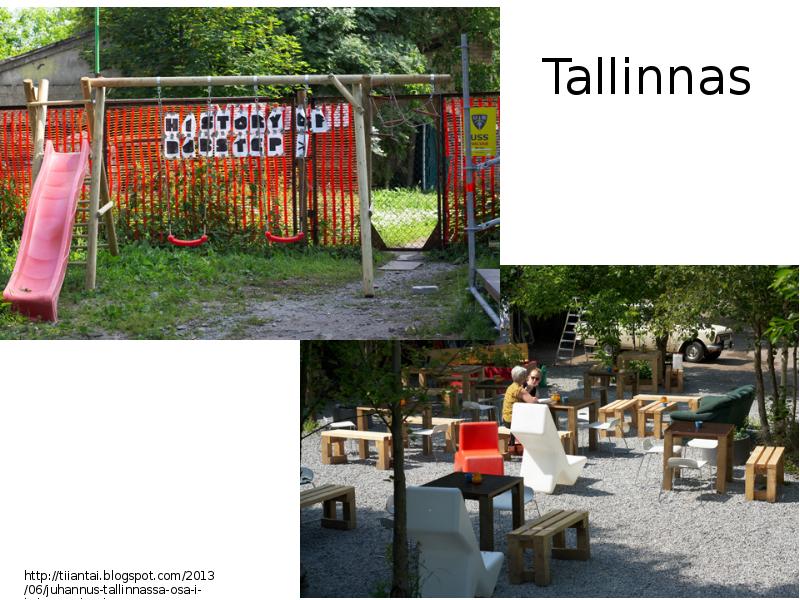
Tallinnas
http://tiiantai.blogspot.com/2013
/06/juhannus-tallinnassa-osa-i-
kalamaja.html
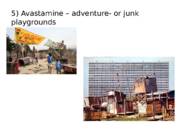
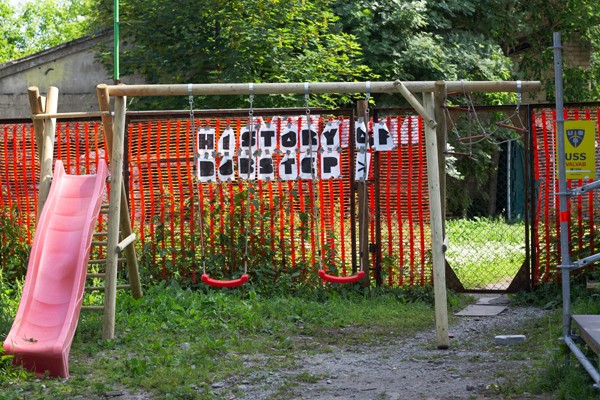
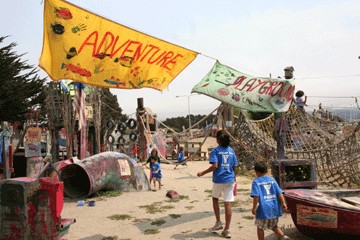
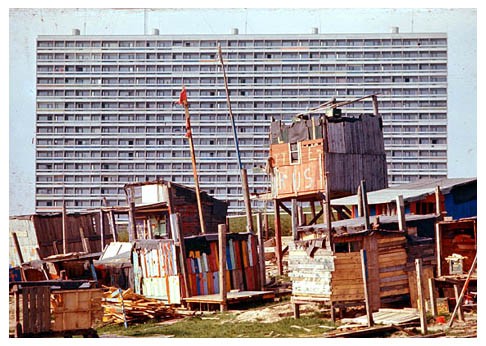
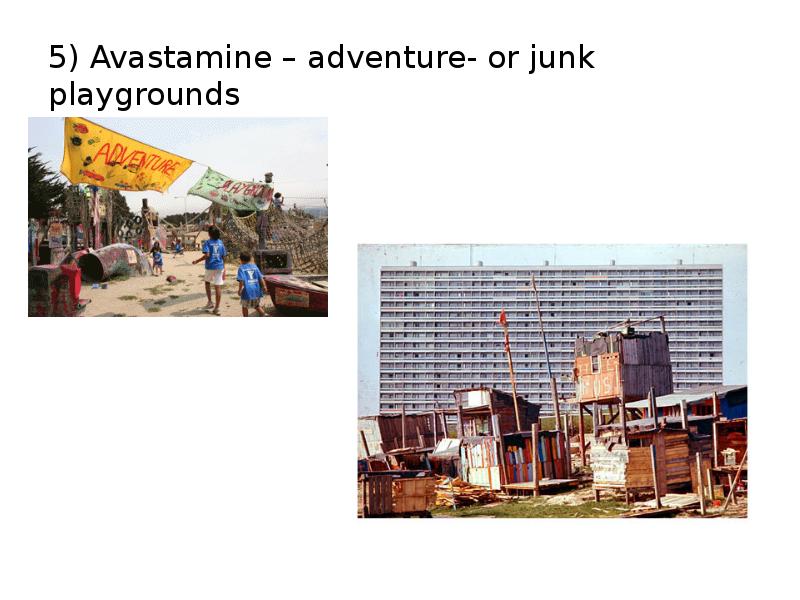
5) Avastamine – adventure- or junk  
playgrounds
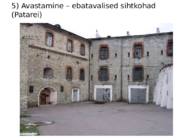
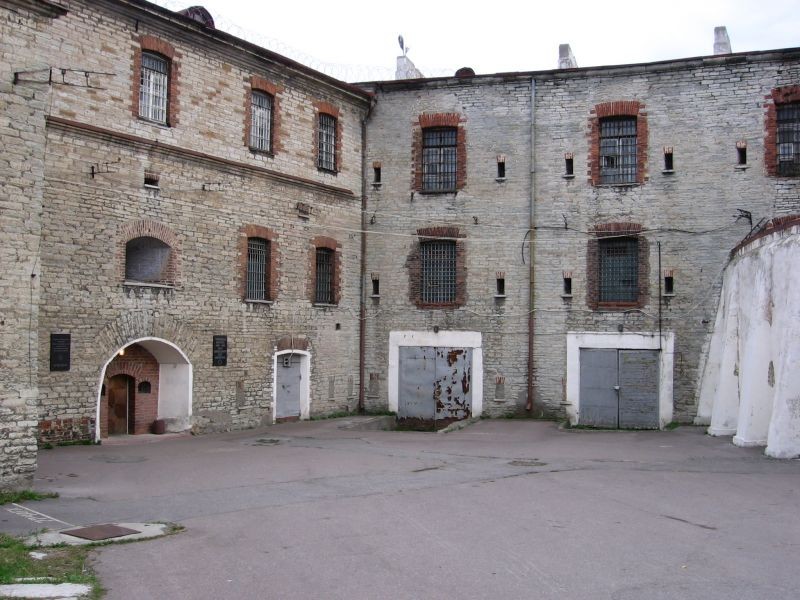
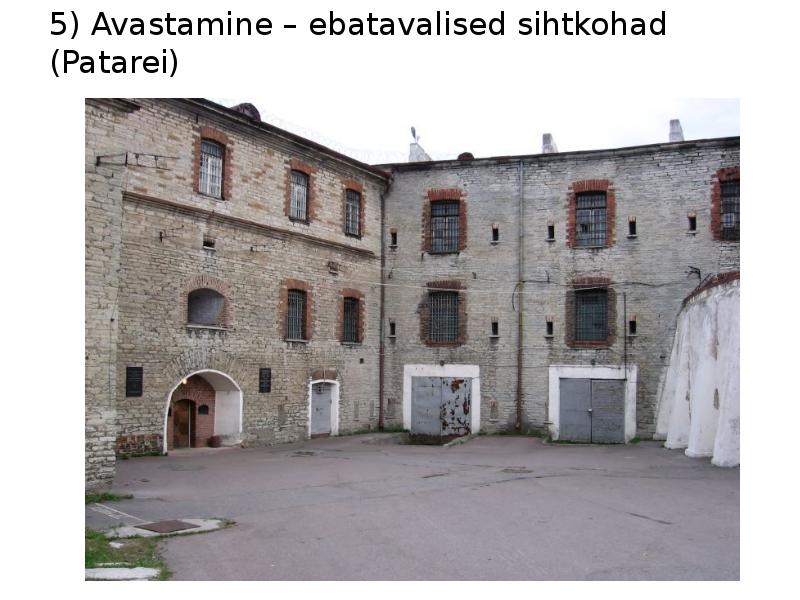
5) Avastamine – ebatavalised  sihtkohad  
(Patarei)
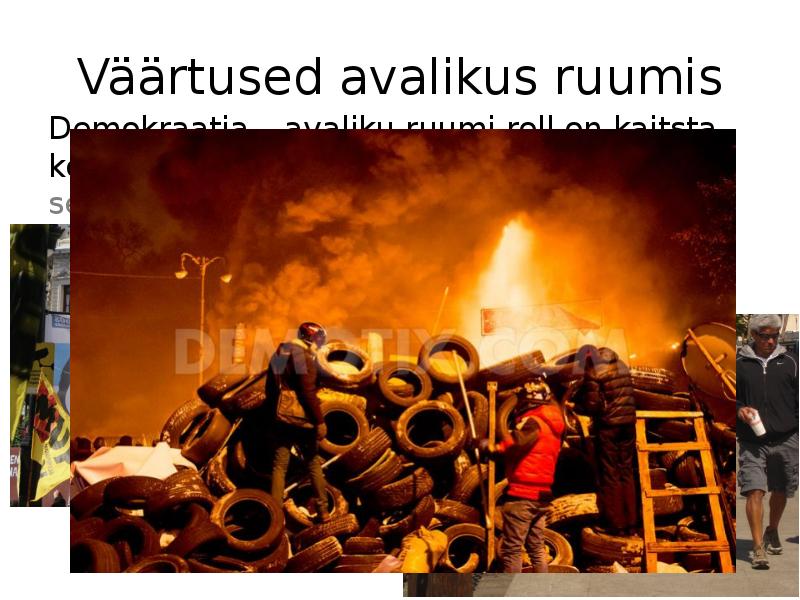
Väärtused avalikus ruumis
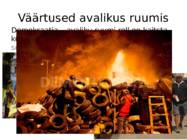
Demokraatia – avaliku ruumi roll on kaitsta 
kõigi kasutajagruppide õigusi (Miks? Mida 
see tähendab?)
Avalik ruum ja tähendused
• …sügavad ja olulised seosed minu ja…
…mu lähedaste
..maailma
..väärtuste
…ajaloo
…tulevikuootuste
…maailmavaate
.. unistuste  jne vahel
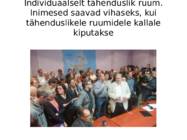
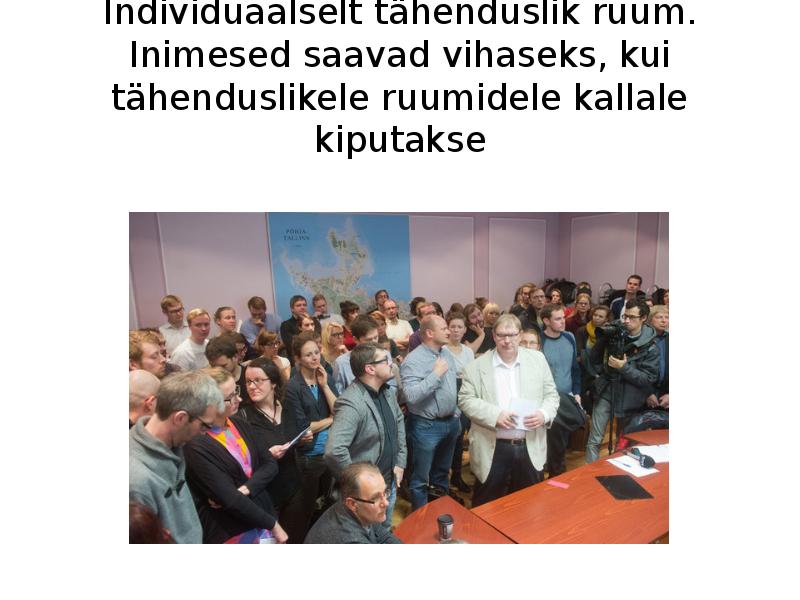
Individuaalselt tähenduslik ruum. 
Inimesed saavad vihaseks, kui 
tähenduslikele ruumidele kallale 
kiputakse
Kui tähendustele apelleerimine ruumi tegelikku 
kujundajat ei mõjuta, millele siis rõhuda?
• Füüsiline ja  psühholoogiline  tervis
• Heaolu
• Liikumine
•  Stress
• Meeleolu
• Tähelepanuressursi  taastumine
• Keskendumisvõime
Examples : green  areas  and well-
being
•  Nature , in comparison to  urban  environments,  affect  
positively the mood (Hartig et al., 2003; Hartig,  Mang
Evans , 1991; Morita et al., 2007; Tsunetsugu et al. 
2013),  concentration  and  performance  (van den 
Berg , Koole, & van der Wulp, 2003; Hartig et al. 2003, 
1991; Laumann et al., 2003).
•  Studies  exploring the  relationship   between  physiological 
stress and environment demonstrate, that being in 
forest  lowers  blood   pressure  and pulse, cortisol level, 
supresses the  activity  of sympathetic nervous system 
and stimulates parasympathetic nervous system (Lee et 
al., 2012; Park, Tsunetsugu, Kasetani, Kagawa, & 
Miyazaki, 2010; Tsunetsugu et al., 2013).
Satisfaction with the neighborhood and  perceived  
safety  –  related  to the perceived health
• General dissatisfaction with the neighborhood is 
related to poorer self- reported  health state; also if 
the personality variables are taken into  account
• Also the self-reported health state is related to the 
perceived self- estimated  safety of the 
neighborhood, as well to the  trust  toward the 
neighbours
•  Similar   results  from  different  studies from different 
countries (Echeverria et al., 2008; Gary et al., 
2007; Hill et al., 2005; Kim, 2008; Latkin & Curry, 
2003;  Ross  & Mirowsky, 2009; Oshio ja Urakawa, 
2012)
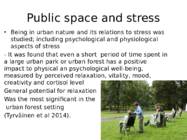
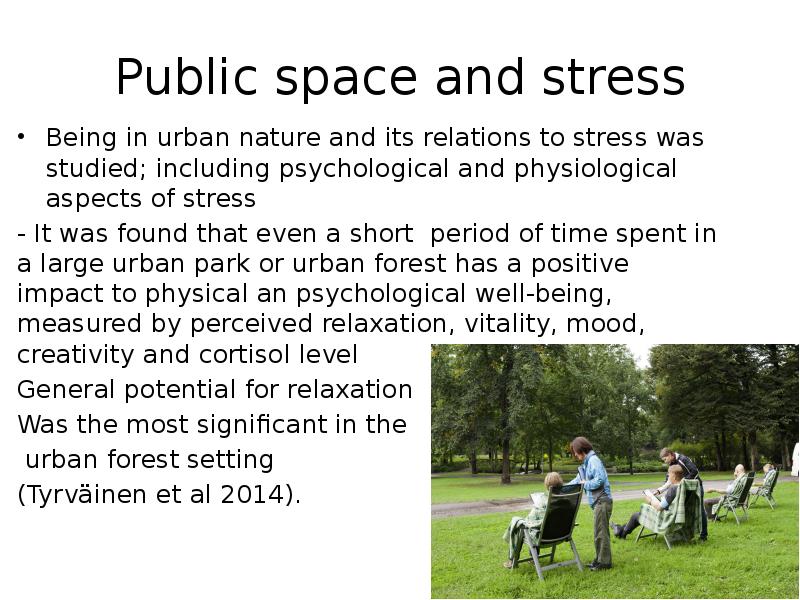
Public  space and stress
• Being in urban nature and its  relations  to stress was 
studied;  including  psychological and physiological 
aspects of stress 
- It was  found  that  even  a short   period  of time  spent  in 
a large urban park or urban forest has a  positive  
impact to  physical  an psychological well-being, 
measured by perceived  relaxation , vitality, mood, 
creativity and cortisol level 
General potential for relaxation
Was the most significant in the
 urban forest  setting  
(Tyrväinen et al 2014).  
Urban environment that  makes  us 
move
• The attractiveness, size and closeness of the public space in 
neighborhood is related to the adults’ recreativ  walking  – the 
distance  to the pleasant park prognoses, if people go for a 
walk  at all or not 
• Let’s go deeper: do individuals achieve the so-called „healthy 
level of walking (at  least  150 min per week) (do you? If not, 
why?)  It was found that the distance to the park was less 
important   than  the existence of a park that is large, attractive 
and of high quality is in a walking distance (1,6 km  radius
• The probable reason  for the relationship – bigger  parks   offer  
more diverse possibilities for physical activity (the need for 
active engagement AND stimuation) and more attractive 
environment, that smaller green spaces may not have 
(Sugiyama et al., 2010; Thompson, 2013).
Multiple environmental burdens and neighborhood-
related health of city
residents
• Burdens in urban environment: the streets from the  same  
neighborhood were compared, that differed by the burdens - 
traffic  noise, air pollution,  lack  of public green space
• Residents from high-burden blocks appraised the 
environmental  conditions  more stressful, reported poorer 
health behavior and were less satisfied with their neighborhood 
than residents from low-burden blocks. However , they did not 
differ  in regard to more general health symptoms
• Three  other burdens (behavior-related noise,  litter and dirt in 
public space, lack of urban vegetation), which  could not be 
varied objectively, were assessed by their perceived intensity. 
Regression analyses of the relations between the perceived 
levels of all six burdens and outcomes in the  total  sample 
revealed the  following : Neighborhood satisfaction could be 
predicted from multiple stressors and resources that co- occur  
independently,  while  more general health symptoms were 
related only to perceived air pollution (Honold et al, 2013)
The  effects  of environmental burdens 
may be implicit
•  Exposure  to uncontrollable stimuli produces deficits in  task  performance 
linked  to learned helplessness. Many of  these  stimuli are environmental 
stressors.  Both  acute and chronic exposure to noise, crowding, traffic 
congestion, and pollution are capable of causing learned helplessness in 
adults and  children . Pre-exposure to brief, acute environmental stressors 
that are uncontrollable produces learned helplessness wherein 
participants manifest difficulties in  learning  a new task because of their 
mistaken  belief  that they are incapable of influencing their environment. 
•  Another  index of learned helplessness, less persistence in the  face  of 
challenge also follows acute exposure to uncontrollable environmental 
stressors. 
• Depressed affect may co-occur with learned helplessness under certain 
circumstances.  Field  studies of chronic environmental stressors  reveal  
parallel   trends . Chronic environmental stressors also heighten 
vulnerability  to the induction of learned helplessness by acute, 
uncontrollable stimuli (Evans, Stecker, 2004)
Children’s „ places “ and „spaces“ 
(Min & Lee, 2006)
• Children  living  in a large high- rise , high- density  planned neighborhood of 5277 
families reveal that children find most of their psychologically valued settings 
within  the neighborhood outdoor spaces  such  as designated play areas and 
developed  parks. 
• They are  aware  of differences in  experience  between such valued ‘places’ and 
other ‘spaces’. They choose the places because these places offer some key 
environmental attributes— spatial , physical, and  social —that  support  behaviors that 
children want to engage in. 
• Due to these attributes, behaviors in places are different from behaviors in other 
spaces, with the  former  being more purposive, social, creative, and  dependent  on 
particular affordances of the setting. 
• This observational analysis showed that settings children  mention  to be important 
to  them  are utilized more often (about twice as much) than their counterparts, 
showing a variety of behaviors, incorporating more intentional activities (as 
opposed to transient, short-lived  ones ), encouraging group behaviors (as opposed 
to single- person  activities), and  providing  children with a sense of their own 
territorial play area. 
• The  study  demonstrates that in children’s neighborhood environment, emergence 
of such important places is related to use pattern and  there  are some key 
attributes and  core  behaviors  greatly   contributing to children’s place experience.
DIY: Risti uuring

Document Outline

  • Slide 1
  • Loengu eesmärk:
  • Vajadused/väärtused avalikus ruumis – nimetage!
  • Vajadused avalikus ruumis
  • 1) Mugavus – ilmastikutingimustega arvestamine
  • 1) Mugavus – hängimine ja inimestega kohtumine
  • Slide 7
  • 2) Lõõgastumine - turvatunne ( Rooma )
  • 3) Passiivne hõivatus: people watching (Biškek)
  • Slide 10
  • 3) Passiivne hõivatus, kunst , üllatusmoment (Chicago)
  • 3) Passiivne hõivatus - vaated
  • Slide 13
  • Slide 14
  • Slide 15
  • 4) Aktiivne hõivatus: tänavaüritused
  • 4) Aktiivne hõivatus - kogukonnaaiad (New York)
  • ..Firenzes
  • Tallinnas
  • 5) Avastamine – adventure- or junk playgrounds
  • 5) Avastamine – ebatavalised sihtkohad (Patarei)
  • Väärtused avalikus ruumis
  • Avalik ruum ja tähendused
  • Slide 24
  • Slide 25
  • Examples: green areas and well-being
  • Slide 27
  • Public space and stress
  • Urban environment that makes us move
  • Slide 30
  • Slide 31
  • The effects of environmental burdens may be implicit
  • Children’s „places“ and „spaces“ (Min & Lee, 2006)
  • DIY: Risti uuring
Vasakule Paremale
Avalik ruum #1 Avalik ruum #2 Avalik ruum #3 Avalik ruum #4 Avalik ruum #5 Avalik ruum #6 Avalik ruum #7 Avalik ruum #8 Avalik ruum #9 Avalik ruum #10 Avalik ruum #11 Avalik ruum #12 Avalik ruum #13 Avalik ruum #14 Avalik ruum #15 Avalik ruum #16 Avalik ruum #17 Avalik ruum #18 Avalik ruum #19 Avalik ruum #20 Avalik ruum #21 Avalik ruum #22 Avalik ruum #23 Avalik ruum #24 Avalik ruum #25 Avalik ruum #26 Avalik ruum #27 Avalik ruum #28 Avalik ruum #29 Avalik ruum #30 Avalik ruum #31 Avalik ruum #32 Avalik ruum #33 Avalik ruum #34
Punktid 50 punkti Autor soovib selle materjali allalaadimise eest saada 50 punkti.
Leheküljed ~ 34 lehte Lehekülgede arv dokumendis
Aeg2017-04-16 Kuupäev, millal dokument üles laeti
Allalaadimisi 2 laadimist Kokku alla laetud
Kommentaarid 0 arvamust Teiste kasutajate poolt lisatud kommentaarid
Autor Keidy123 Õppematerjali autor

Sarnased õppematerjalid

Kvalitatiivne uurimustöö Emotsioonide regulatsioon ja stress
32
doc

Kvalitatiivne uurimustöö Emotsioonide regulatsioon ja stress

Emotion regulation in relation.. 1 Emotion regulation in relation to physiological stress response. University Name Research Project Module Code: xx 2007-2008 Supervised by xxx Word count: 7261 Emotion regulation in relation.. 2 Abstract The aim of this study was to investigate the association between psychological and the biological stress response. It is known that humans, interacting with each other or their environment, have emotional reactions that are individually regulated. These emotional responses are linked to changes in autonomic and neuroendocrine systems, which are essential for metabolic support when preparing the body

Psühholoogia
Psühholoogia bioloogiline--kognitiivne- ja sotsiaalne vaade
26
doc

Psühholoogia bioloogiline-, kognitiivne- ja sotsiaalne vaade

PSYCHOLOGY PART 1: CORE Biological level of analysis Outline principles that define the biological level of analysis. 1) Behavior can be innate, because it is genetically based. Evolution may play a key role in behavior. 2) Animals may be studied as a means of understanding human behavior. 3) There are biological correlates of behavior. Cognitions, emotions and behaviors are products of the anatomy and physiology of our nervous and endocrine system. Explain how principles of the biological level of analysis may be demonstrated in research. 1) Correlational studies: Study by Buss, who hypothesized that across cultures, men will prefer to marry younger women because of greater reproductive capacity and women will place greater value on a potential mate's earning potential to provide survival advantages. This evolutionary hypothesis was tested in 37 cultures by sending out questioners. 2) Twin studies (type of correlational stud

Psühholoogia
Fitness In Soccer
409
pdf

Fitness In Soccer

[email protected] 06 Aug 2018 FITNESS IN SOCCER THE SCIENCE AND PRACTICAL APPLICATION Jan Van Winckel, Werner Helsen, Kenny McMillan, David Tenney, Jean-Pierre Meert, Paul Bradley [email protected] 06 Aug 2018 Isbn-number : 9789082132304 Publisher: Moveo Ergo Sum / Klein-Gelmen Proofreading: Jim Newall Quill Content |Writing, Editing and Web site services http://www.quillsites.co.uk Photos: Jean Leemans and Etienne Claessens Cover and lay-out: Dots & Bits © 2014 Jan Van Winckel Printed and bound at Manipal Technologies Ltd., India All rights reserved. No pa

Kategoriseerimata
Differential Psychology
21
pdf

Differential Psychology

Individual Differences (Differential Psychology) Psychology 1 It is generally assumed that: Differential Psychology · People vary on a range of psychological attributes Ian Deary · It is possible to measure and study these individual differences · Individual differences are useful for explaining and predicting behaviour and performance Differential psychology reading Human Human

Inglise keel
Kaasaegse arhitektuuri diskursused 1-11
10
pdf

Kaasaegse arhitektuuri diskursused 1-11

Kodutöö 1 17.09 1. What is site-specificity and Genius Loci (spirit of place)? Site-specificity is an abstract understanding of place/site what is used to manifest “best” qualities of it. Usually this term is used when nature, vocation and all spheres what around the place are analyzed and object (art object, building or installation) fits perfect in this place. Object needs to be in harmony (balanced) with the environment. Site-specificity is place character or atmosphere what human can feel but can’t scientifically measured. As I understood site-specificity is all what surrounds it: nature as greenery, nature as weather (climate), traditions of humans, history of the place, etc. Genius Loci is the spirit of place. How I understood Genius Loci is the idea that every a human has his own place in this world and every human needs to identify himself. Before modern timeline human was in opposite with the place where he lived, he tried to identify himself by self-realization and

Arhitektuur
Essay on water pollution-global warming-acid rain-deforestation-intensive farming
8
docx

Essay on water pollution, global warming, acid rain, deforestation, intensive farming

Water pollution Attention for water pollution exploded in the 1980s. The oil spill of the Exxon Valdez showed many around the world just how horrible the effects of water pollution could be. However, even the Exxon Valdez spill barely touched the surface of the problem of water pollution. The ship spilt only 5% of the oil spilt that year, and oil is just one of many pollutants that people dump into the water every year. Every year, 14 billions pounds of sewage, sludge, and garbage are dumped into the world's oceans. 19 trillion gallons of waste also enter the water annually. The problem of ocean pollution affects every nation around the world. This is especially true because water is able to transport pollution from one location to another. For many years, chemicals were dumped into bodies of water without concern. While many countries have now banned such behavior, it continues to go on today. As the world has industrialized and its population has grown, the problem of water poll

Inglise keel
Formaldehyde
11
doc

Formaldehyde

Formaldehyde Formaldehyde is a colorless, flammable gas at room temperature. It has a pungent, distinct odor and may cause a burning sensation to the eyes, nose, and lungs at high concentrations. Formaldehyde is also known as methanal, methylene oxide, oxymethylene, methylaldehyde, and oxomethane. Formaldehyde can react with many other chemicals, and it will break down into methanol (wood alcohol) and carbon monoxide at very high temperatures. Formaldehyde is naturally produced in very small amounts in our bodies as a part of our normal, everyday metabolism and causes us no harm. It can also be found in the air that we breathe at home and at work, in the food we eat, and in some products that we put on our skin. A major source of formaldehyde that we breathe every day is found in smog in the lower atmosphere. Automobile exhaust from cars without catalytic converters or those using oxygenated gasoline also contain formaldehyde. At home, forma

Inglise keel
Alcohol
5
doc

Alcohol

ALCOHOL Alcohol is a widely used substance for both science and in technology. Its name comes from an Arabic word al-kuhl meaning " a powder for painting the eyes". The term was later applied to all compounds that contain alcoholic spirits. To most people alcohol is considerd a downer that reduces activity in the nervous system. Some of the things alcohol effects you is, the alcohol intoxicated person exhibits lose muscle tone, loss of fine moter coordination,and often has a staggering "drunken" gait. The eyes may appear somewhat "glossy" and pupils may be slow to respond to stimulus. At high doses pupils may become constricted. At intoxing doses, alcohol can decrease heart rate, lower blood pressure and respiration rate, and result in decreased reflex and slower reaction times. Skin may be cool to touch but to the user may feel warm or normal, profuse sweating may accompany alcohol use. Loose muscle tone, lose of fine motor coordination,odor of alcohol on the breath,a

Inglise keel


Meedia

Kommentaarid (0)

Kommentaarid sellele materjalile puuduvad. Ole esimene ja kommenteeri


Sellel veebilehel kasutatakse küpsiseid. Kasutamist jätkates nõustute küpsiste ja veebilehe üldtingimustega Nõustun