Great Britain
Pärnu
2012
Content
Pärnu 2012 1
Great Britain 3
Used 18
Great
Britain 3
The
History of the Great Britain 4
Britain
in the
reign of
Elizabeth 5
Art
Galleries 8
The
British Theatre 10
The
British
Schools 11
Universities and Colleges in Great Britain 12
The
Modern British Industry 13
The
Modern British
Army 14
American
English 15
Used 18
Great
Britain
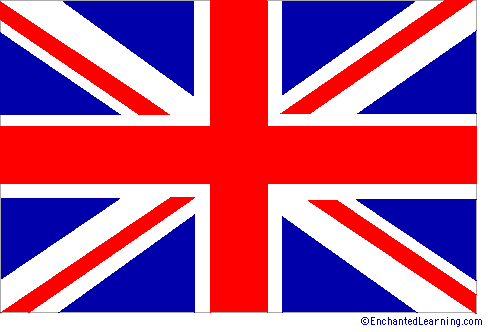
Great
Britain or
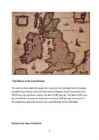
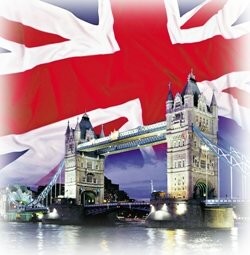
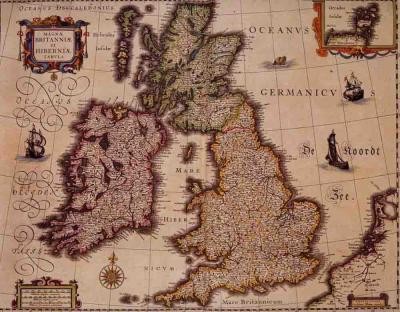
Britain is an
island situated to the northwest of Continental
Europe . It is the ninth
largest island in the world, the largest European
island, and the largest of the British
Isles. With a population of about 60.0 million
people in mid-2009, it is the third
most populous island in the world, after
Java and Honshū.
Great Britain is surrounded by over 1,000 smaller
islands and islets.
The island of
Ireland lies to its
west . Politically, Great Britain may also refer to the
island itself together with a number of surrounding islands which
comprise the territory of
England ,
Scotland and
Wales .
All
of the island is territory
of the sovereign state of the United
Kingdom of Great Britain and
Northern Ireland, and
most of the United Kingdom's territory is in Great Britain. Most of
England, Scotland, and Wales are on the island of Great Britain, as
are their respective capital cities: London,
Edinburgh ,
and
Cardiff .
The
Kingdom
of Great Britain resulted from the
political union
of the kingdoms of England
and Scotland
with the
Acts of Union 1707 on 1 May 1707 under
Queen Anne. In 1801, under a new Act
of Union, this kingdom merged with the Kingdom
of Ireland to create the United
Kingdom of Great Britain and Ireland. After the
Irish War of Independence most of Ireland seceded from
the Union, which then
became the United Kingdom of Great Britain and
Northern Ireland.
The
relatively limited variety of fauna
and
flora on the island is due to its
size and the
fact that
wildlife has had
little time to
develop since the last
glacial
period . The high level of urbanisation
on the island has contributed to a species
extinction rate that is
about 100
times greater than the background species extinction rate.
The
History of the Great BritainThe
island was
first inhabited by people who crossed over the
land bridge
from the European mainland. Traces of
early humans have been found
(at Boxgrove Quarry, Sussex) from some 500,000
years ago and modern
humans from about 30,000 years ago.
Until about 10,000 years ago,
Great Britain was joined to Ireland, and as recently as 8,000 years
ago it was joined to the
continent by a strip of low
marsh to what is
now
Denmark and the
Netherlands .
Britain
in the reign of ElizabethElizabeth
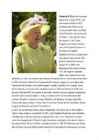
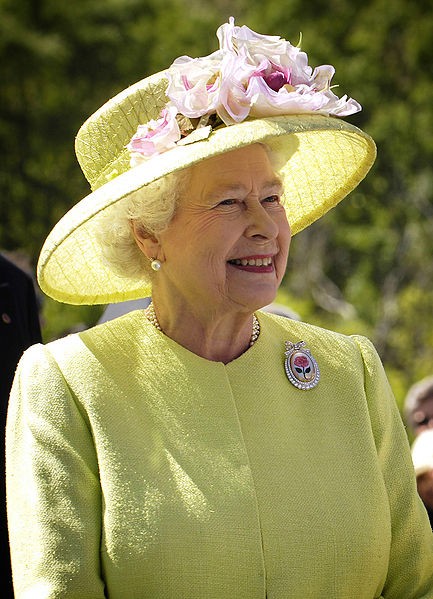
II (Elizabeth
Alexandra Mary ; born 21 April 1926) is the
constitutional
monarch of 16 sovereign
states
known as the
Commonwealth realms, and head of the 54-
member Commonwealth
of Nations. In her
specific role as the monarch
of the United Kingdom, one of her 16 realms, she is
also Supreme
Governor of the
Church of England.
Elizabeth
was born in London, and educated privately at home. Her
father acceded to the throne as George
VI in 1936 on the abdication
of his
brother Edward
VIII. She began to undertake public duties
during the Second
World War, in which she served in the Auxiliary
Territorial
Service . On the
death of her father in
1952, she became Head
of the Commonwealth and queen
regnant of
seven independent Commonwealth
countries: the United
Kingdom,
Canada ,
Australia,
New
Zealand ,
South Africa , Pakistan,
and Ceylon.
Her
coronation service in 1953 was the first to be televised.
Between 1956 and 1992, the number of her realms varied as territories
gained independence and some realms became republics.
Today , in
addition to the first
four aforementioned countries, Elizabeth is
Queen of
Jamaica ,
Barbados,
the
Bahamas , Grenada,
Papua
New
Guinea , the
Solomon Islands,
Tuvalu ,
Saint
Lucia , Saint
Vincent and the Grenadines, Belize,
Antigua
and Barbuda, and Saint
Kitts and
Nevis .
In
1947 she
married Prince
Philip , Duke of Edinburgh, with
whom she has four
children : Charles,
Anne,
Andrew ,
and Edward.
In 1992, which Elizabeth termed her
annus horribilis ("horrible
year "),
Charles and Andrew separated from their wives, Anne divorced, and a
severe
fire damaged
part of
Windsor Castle . Revelations continued on the state of
Charles's
marriage to
Diana ,
Princess of Wales, and they divorced in 1996. The
following year, Diana
died in a
Paris car crash, and the media criticised
the
royal family for remaining in seclusion in the
days before her
funeral. Elizabeth's personal popularity rebounded
after she
appeared in public and has subsequently remained high.
Her
reign of 60 years is the second-
longest for a British monarch; only Queen
Victoria has reigned longer. Her
Silver and
Golden Jubilees were celebrated in 1977 and 2002; her
Diamond
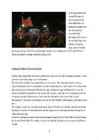
Jubilee is being celebrated during 2012.
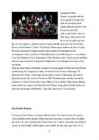
Cultural Life in Great BritainArtistic and cultural life in Britain is
rather rich , like in most of the
European countries. It has
passed several main stages in its
evelopment.
The
Saxon King Alfred encouraged the
arts and
culture. The
chief debt owed to him by English
literature is for his
translations of and commentaries on
Latin works . Art, culture and
literature flourished during the Elizabethan age, during the reign of
Elizabeth I; it was the period of English domination of the oceans
and
colonies , and, due to the
strong political and
economic position of the
country ,
there were few obstacles in the way of the cultural
development . This time is also
famous for the fact that William
Shakespeare lived and worked then.
The
empire , which was very
powerful under Queen Victoria, saw
another cultural and artistic
hey-day as a
result of industrialisation and the expansion of
international trade during the so-called
industrial age.
However ,
German air raids caused much damage during the First World War and
then during the Second World War. The madness of the
wars briefly
inhibited the development of British culture.
Immigrants
who have arrived from all parts of the Commonwealth since 1945 have
not only created a mixture of nations, but have also
brought their
cultures and
habits with
them . Monuments and traces of past greatness
are
everywhere . There are buildings of all styles and periods. A
great number of
museums and galleries display precious and
interesting finds from all parts of the world and from all stage in
the development of
nature , man and art. London is one of the
leading world
centres for music, drama,
opera and
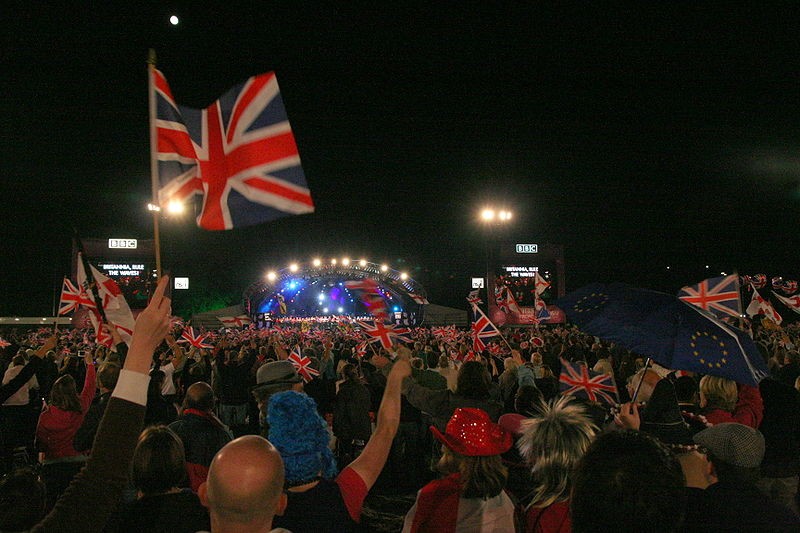
dance . Festivals
held in
towns and cities
throughout the country attract much
interest . Many
British playwrights, composers, sculptors, painters,
writers ,
actors ,
singers and dancers are known all over the world.
Musical
culture of Great BritainThe
music of the United Kingdom, which is part of British
music, refers to all
forms of music associated with
the United
Kingdom since its
creation .
Throughout
its history, the United Kingdom has been a
major exporter and source
of musical innovation in the modern and contemporary eras,
drawing its cultural
basis from the history
of the United Kingdom, from church
music, from
Western culture and from the
ancient and
traditional folk
music and instrumentation of England,
Scotland,
Northern
Ireland and Wales.
In the
20th century ,
influences from the music
of the United States became most
dominant in
popular music. This led to the explosion of the British
Invasion,
while subsequent notable movements in
British music
include the New
Wave of British
Heavy Metal and
Britpop .
The United Kingdom has one of the world's largest music industries
today, with many British musicians
having had an impact on modern
music.
Art
GalleriesBritain
is probably one of the most rich European countries when cultural
inheritance is
considered .
Along with
Italy and
Germany , it’s a
home for many famous art galleries and museums. If you
stand in
Trafalgar Square in London with your
back to
Nelson 's
Column , you
will see a
wide horizontal
front in a
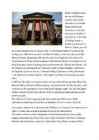
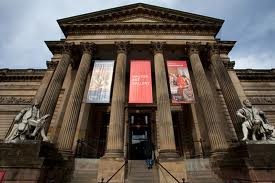
classical style. It is the
National
Gallery . It has been in this
building since 1838 which was
built as the National Gallery to house the
collection of Old Masters
Paintings (38 paintings) offered to the
nation by an English Private
collector, Sir George Beamount. Today the
picture galleries of the
National Gallery of Art
exhibit works of all the Euro-pean schools of
painting, which existed between the
13th and
19th centuries . The most
famous works
among them are ‘
Venus and
Cupid ’ by Diego
Velazquez ,
‘Adoration of the Shepherds’ by Nicolas
Poussin , ‘A
Woman Bathing’ by Harmensz van
Rijn Rembrandt, ‘
Lord Heathfield’ by
Joshua Reynolds, ‘Mrs Siddons’ by
Thomas Gainsborough and many
others .
In
1897 the
Tate Gallery was opened to house the more
modern British paintings. Most of the National Gallery collections of
British paintings were transferred to the Tate, and only a small
collection of a few masterpieces is now exhib-ited at Trafalgar
Square. Thus, the Tate Gallery exhibits a number of interesting
collections of British and
foreign modern painting and also modern
sculpture.
The collection of Turner’s paintings at the Tate
includes about 300 oils and 19,000 watercolours and drawings. He was
the most traditional artist of his time as well as the
most
original : traditional in his devotion to the Old Masters and original
in his creation of new styles. It is some-times said that he prepared
the way for the Impressionists.
The modern collection includes the
paintings of Henri
Matisse and
Pablo Picasso,
Marc Chagall and
Salvador Dali, Francis Bacon and
Graham Sutherland, Peter Blake and
Richard Hamilton , the chief pioneers of pop art in Great Britain.
Henry Moore is a famous British sculptor whose works are exhibited at
the Tate too. One of the sculptor's masterpieces - the Reclining
Figure ’ - is at fees Headquarters of
UNESCO in Paris.
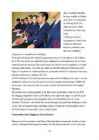
The
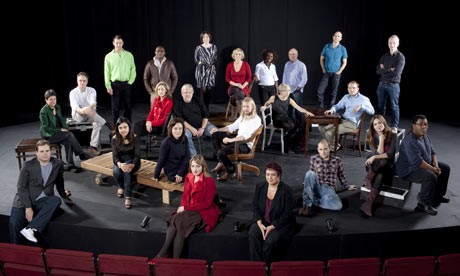
British TheatreBritain
is now one of the world's major
theatres centres. Many British actors
and actresses are known all over the world: Dame Peggy Ashcroft,
Glenda Jackson, Laurence Olivier, John Gielgud and others.
Drama
is so popular with the British people of all
ages that there are
several thousand
amateur dramatic societies. Now Britain has about
300 professional theatres. Some of them are privately owned. The
tickets are not
hard to get, but they are very expensive.
Regular seasons of opera and ballet are
given at the Royal Opera House,
Covent
Garden in London. The National Theatre stages modern and
classi-cal
plays , the Royal Shakespeare Company produces plays mainly
by Shakespeare and his contemporaries when it performs in
Stratford-on-
Avon , and modern plays in its two auditoria in the
City's Barbican
Centre . Shakespeare's
Globe Playhouse, about which
you have probably read, was reconstructed on its original site. Many
other cities and large towns have at least one theatre.
There are
many theatres and theatre
companies for young people: the National
Youth Theatre and the Young Vic Company in London, the
Scottish Youth
Theatre in Edinburgh. The National Youth Theatre, which stages
classical plays mainly by Shakespeare and modern plays about youth,
was on
tour in
Russian in 1989. The theatre-goers warmly
received the
production of Thomas Stearns Eliot’s play ‘Murder in the
Cathedral ’. Many famous English actors
started their careers in the
National Youth Theatre. Among them Timothy
Dalton , the
actor who did
the part of Rochester in ‘
Jane Eyre’ shown on TV in our country.
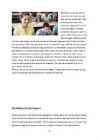
The
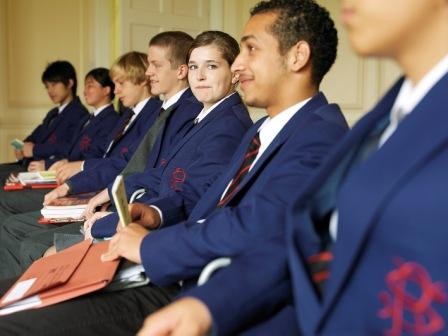
British Schools
Schooling
in Great Britain is voluntary under the age of 5 but there is some
free nursery school education before that age.
Primary education
takes place in
infant schools for
pupils ages from 5 to 7 years old
and junior schools (from 8 to 11 years). Some
areas have
different systems in which
middle schools
replace junior schools and take
pupils ages from 9 to 11 years. Secondary education has been
available in Britain since 1944. It is compulsory up to the age of
16, and pupils can
stay at school voluntarily up to three years
longer.
In 1965 non-selective comprehensive schools were
introduced. Most
local education authorities were have now
completely changed over to comprehensive schooling.
At the age of 16 pupils
take school-leaving examinations in several
subjects at the Ordinary
level. The
exam used to be conducted by eight independent examining
boards, most of them connected with the
university . This examination
could also be taken by candidates at a further education
establishment . This exam was called the General
Certificate of
Education (GCE). Pupils of comprehensive school had taken the
examination called the Certificate of Secondary Education either with
or instead of the GCE.
A GCE of
Advanced (“A”) level was taken
two years after the Ordinary level exam. It was the standard for
entrance to university and to many forms of professional training. In
1988
both examinations were replaced by the more or less
uniform General Certificate of Secondary Education.
The private
sector is
running parallel to the state system of education. There are over
2500 fee-charging independent schools in GB. Most private schools are
single -sex until the age of 16. More and more
parents seem prepared
to take on the formidable
extra cost of the education. The
reason is
the believe that
social advantages are gained from attending a
certain school. The most expansive day or
boarding schools in Britain
are exclusive public schools like Eton college for
boys and St.
James’ school for
girls .
Universities
and Colleges in Great BritainThere
are over 90 universities in Great Britain. They are
divided into
three types: the old universities (Oxford,
Cambridge and Edinburgh
Universities), the 19th century universities,
such as London and
Manchester universities, and the new universities. Some years ago
there were also polytechnics. After graduating from polytechnic a
student got a
degree , but it was not a university degree. 31 formers
polytechnics were given university
status in 1992.
Full courses of
study offer the degree of Bachelor of Art or
Science . Most degree
courses at universities last three years,
language courses 4 years
(
including year
spent aboard).
Medicine and dentistry courses are
longer (5-7 years).
Students may receive grants from the Local
Education
Authority to help pay for
books , accommodation, transport,
and food. This
grant depends on the
income of their parents. Most
students
live away from home, in flats of
halls of residence.
Students don’t
usually have a job during term time because the
lessons called lectures, seminars,
classes of tutorials (small
groups), are full time. However, many students now have to
work in
the evenings. University life is considered «an
experience ». The
exams are
competitive but the social life and
living away from home
are also
important . The social life is excellent with a lot of
clubs ,
parties, concerts, bars.
There are not only universities in
Britain but also colleges. Colleges offer courses in
teacher training, courses in
technology and some professions connected with
medicine.
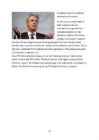
The
Modern British Industry Private
enterprises in the Great Britain
generate over three-quarters of
total do-mestic income. Since 1979 the
Government has privatized 46
major businesses and reduced the state-owned sector of industry by
about two-thirds. The Government is taking
measures to cut
unnecessary regulations
imposed on business, and runs a number of
schemes which
provide direct assistance or advice to small and
medium -sized businesses.
In
some sectors a small number of large companies and their subsidiaries
are
responsible for a substantial proportion of total production,
notably in the
vehicle , aerospace and transport
equipment industries.
Private enterprises account for the greater part of
activity in the
agricultural,
manufacturing ,
construction , distributive, financial
and miscellaneous service sectors. The pri-vate sector contributed
75% of total
domestic final expenditure in 1992, general government
24 % and public corporations 1%.
About 250 British industrial
companies in the latest reporting period each had an annual turnover
of more than £500 million. The annual turnover of the
biggest company, British Petroleum’,
makes it the llth largest industrial
grouping in the world and the second largest in Europe.
Five British
firms are among the top 25 European Community companies.
The
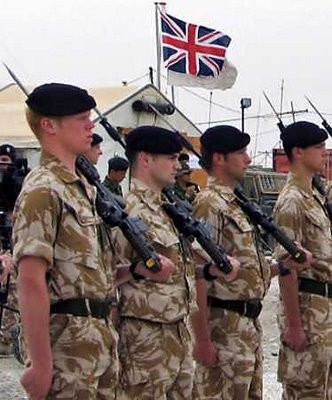
Modern British Army The
strength of the regular armed forces, all volunteers, was
nearly 271,000 in mid-1993 133,000 in the Army, 79,300 in the Royal Air
Force (RAF) and 58,500 in the Royal Navy and Royal Marines. There
were 18,800
women personnel 7,500 in the Army, 6,800 in the RAF, and
4,400 in the Royal Navy. British forces’ main
military roles are
to:
ensure the
protection and
security of Britain and its
de-pendent territories;
ensure against any major external
threat to Britain and its
allies ; and contribute towards promoting Britain’s
wider security in-terests
through the
maintenance of international
peace and security. Most of Britain’s nuclear and conventional
forces are commit-ted to
NATO and about 95% of defence expenditure to
meeting its NATO responsibilities.
“Customs and Traditions of Great Britain”
The
studies of the customs and traditions of Great Britain
here are
supposed to be carried out in
calendar order , which
means that
introduction of customs and traditions should
begin with
winter events and go on throughout the
whole year, from December until
November.
A student reports a result of his work done on the
material of the
previous topic that was studied in
class . He/she is
supposed to
talk fluently by memory and
speak about one-two civic
customs that he’she founds to be remarkable. The
report is followed
by a
brief discussion
“Some
historical and colorful customs belong essentially to a
particular town or community because they sprang, originally, from some part of
the local history, or from some
deep -seated local
tradition . No
doubt , such customs, along with various
religious customs and
traditions, attached to certain calendar
dated , constitute the
soul of British social culture and are of great interest for a researcher.
At Lichfield, a
festival commonly called the Greenhill Bower and
Court of Array takes place annually in
late May or
June . This is
really two customs, of which the first – the Bower – is said to
run back to the time of King Oswy of Northumbria, who
founded Lichfield in A.D. 656. In the Middle Ages, the city guilds used to
meet at Greenhill, carrying
flower garlands and emblems of their
trades. Now the Bower ceremonies have become a sort of carnival,
wherein lorries carrying tableaux, trade floats, decorated carts, and
bands pass cheerfully through streets profusely adorned with flowers
and greenery.
American
EnglishIn
the early part of the seventeenth century English
settlers began to
bring their language to America, and another series of
changes began
to take place. The settlers borrowed
words from
Indian languages for
such strange
trees as the hickory and persimmon, such unfamiliar
animals as raccoons and woodchucks.
Later they borrowed other words
from settlers from other countries – for
instance , chowder and
prairie from the
French , scow and sleigh from the
Dutch . They made
new combinations of English words, such as backwoods and bullfrog, or
gave old English words entirely new meanings, such as
lumber (
which in British English means approximately
junk ) and
corn ( which
in British means any grain, especially
wheat ). Some of the
new
terms were needed, because there were new and un-English things
to talk about. Others can be explained only on the general theory
that languages are always changing, and American English is no
exception.
Aside from the new
vocabulary ,
differences in
pronunciation , in grammatical construction, and especially in
intonation
developed . If the colonization had taken place a few
centuries earlier, American might have become as different from
English as French is from Italian. But the settlement occurred after
the
invention of printing, and continued through a period when the
idea of educating
everybody was
making rapid progress. For a long
time most of the books read in America
came from England, and a
surprising number of Americans read those books, in or out of school.
Moreover, most of the colonists seem to have
felt strong ties with
England. In this they were unlike their Anglo-Saxon ancestors, who
apparently made a
clean break with their continental homes.
A
good many Englishmen and some Americans used to condemn every difference
that did develop, and as recently as a generation ago it was not
unusual to hear all “Americanisms” condemned,
even in America. It
is now generally recognized in this country that we are not
bound to
the Queen’s English, but have a full right to work out our own
habits. Even a good many of the English now concede this, though some
of them object strongly to the fact that Americanisms are now having
an
influence on British usage.
There are thousands of differences
in detail between British and American English, and
occasionally they
crowd together enough to make some difficulty. If you read that a
man, having trouble with his lorry, got out his spanner and lifted
the
bonnet to see what was the
matter , you might not realize that the
driver of the
truck had taken out his wrench and lifted the hood. It
is amusing to play with such differences, but the theory that the
American language is now essentially different from English does not
hold up. It is often very difficult to decide whether a book was
written by an American or an English man. Even in
speech it would be
hard to
prove that national differences are greater than some local
differences in either country. On the whole, it now
seems probable
that the language habits of the two countries will
grow more, rather
than less, alike,
although some differences will undoubtedly remain
and others may develop.
It also seems probable that there will be
narrow-
minded and snobbish people in both countries for some time to
come . But generally speaking, anybody who learnsto speak and write
the standard English of his own country, and to regard that of the
other country as a legitimate variety with certain interesting
differences, will have little trouble wherever he goes”.
This
section will be very useful if built
upon listening comprehension and
discussion exercises mainly. Thus students will be given both
listening and
oral experience of distinguishing between dialects and
using their
knowledge in
practice .
The approximate volume of
information for the first (but not the only one!) lesson on this
topic is given
below , for both lexical and grammatical
differences.
Used
http://www.google.ee/imgres http://en.wikipedia.org/wiki/Great_Britain http://www.historyworld.net/wrldhis/PlainTextHistories.asp?historyid=ab07 http://www.study-abroad-uk.com/study-in-great-britain.html http://www.english-theatre.org/ http://en.wikipedia.org/wiki/The_British_School_%E2%80%93_Al_Khubairat http://en.wikipedia.org/wiki/Modern_equipment_of_the_British_Army http://www.woodlands-junior.kent.sch.uk/customs/calendars/ http://en.wikipedia.org/wiki/American_and_British_English_differences
 100 punkti
Autor soovib selle materjali allalaadimise eest saada 100 punkti.
100 punkti
Autor soovib selle materjali allalaadimise eest saada 100 punkti.
 ~ 17 lehte
Lehekülgede arv dokumendis
~ 17 lehte
Lehekülgede arv dokumendis
 2012-03-22
Kuupäev, millal dokument üles laeti
2012-03-22
Kuupäev, millal dokument üles laeti
 8 laadimist
Kokku alla laetud
8 laadimist
Kokku alla laetud
 0 arvamust
Teiste kasutajate poolt lisatud kommentaarid
0 arvamust
Teiste kasutajate poolt lisatud kommentaarid
 ahtisaarts
Õppematerjali autor
ahtisaarts
Õppematerjali autor
 annaabi.ee
















Kõik kommentaarid