Vajad kellegagi rääkida?
Küsi julgelt abi LasteAbi
Logi sisse

Metsatüübid (1)

5 VÄGA HEA
Punktid
  • Loopealsed
  • Nõmmemetsad
  • Palumetsad
  • Laanemetsad
  • Salumetsad
  • Soovikumetsad
  • Rabastuvad metsad
  • Rohusoometsad
  • Samblasoometsad
  • Kõdusoometsad
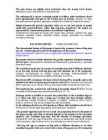
    ALVAR FORESTS –LOOPEALSED METSAD
    This groupof types includes forests of low productivity and with a peculiar xeromesophilous ground vegetation, which grow on a layer of limestone , gravel, grit or shingle. See metsa kasvukohatüüp sisaldab madala tootlikkuse ja iseloomulikult suure või keskmise kuivusnõudlikkusega alustaimestikku, mis kasvab pae-, kruusa - , peenkruusa või klibukihil.
    This layer is close to surface, with thickness of soil up to 30 centimetres. See rinne on maapinnale lähemal, mullatüsedus on kuni 30 sentimeetrit .
    Alvar forests grow mainly in western Estonia (also on the islands ) and to a lesser extent in Northern Estonia. Loopealsed metsad kasvavad peamiselt Lääne-Eestis (samuti saartel) ning vähemal määral Põhja-Eestis.
    The bearberry (Arctostaphylos) alvar site type has a soil layer with fine texture and rich in lime and humus ( 6 …20%), but with thickness up to 10 centimetres only. Leesika tüüpi loopealne on mullakihiga, millel on peen tekstuur ja rikkaliku lubja- ning huumusesisaldusega (6...20%), kuid ainult kuni 10 sentimeetrini ulatuva tüsedusega.
    This is reason why the water holding capacity of this soil is very low and the main factor inhibiting the growth and regeneration of forest is the lack of moisture. See on põhjus, miks selle mulla veemahutavus on väga madal ning niiskuse puudumine on just see faktor, mis takistab metsa kasvu ning taastumist.
    As a result of cuttings and pasture in the past, a significant part of the forests of this site type has been turned into alvars covered with junipers or having no tree cover at all. Minevikus toimunud raietegevuse ja karjatamise tulemusena on oluline osa sellest metsatüübist muutunud kadakatega kaetud või üldse ilma puudeta loopealseteks.
    Pine forests (9/10) are the predominant type of stands , the area covered with birch and spruce forests is smaller. Männimetsad (9/10) on domineeriv (valdav) metsatüüp (puistutüüp), see ala, mis on kaetud kase ja kuuse metsadega on väiksem.
    The forest is sparse ( the average degree of stocking is 0,6) and of low productivity ( quality class (IV) V …Va). Mets on hõre (keskmine täius on 0,6) ja madala tootlikkusega (boniteediklass (IV) V..Va).
    The typical plants in undergrowth are junipers ; in ground vegetation: blue moor grass , blood -red geranium, bearberry, stemless thistle, mountain sedge etc. The moss layer is fragmentary. Tüüpilised alusmetsa taimed on kadakad ; alustaimestikus: lubikas, verev kurereha , leesikas, varretu keelikrohi, metstarn jne. Samblarinne on katkendlik.
    The small reed (Calamagrostis) alvar site type is widespread on thin (10 …30 centimetres) dry gravelly soils with limestone subsoil which are rich in humus. Kastiku loopealne kasvukohatüüp on laialdaselt levinud õhukesel (10...30 sentimeetrit) kuival kruusasel või lubjakivise alusmulla kihiga mullal, mis on huumuserikas.
    Besides the gravelly soils this site type may sometimes occupy also the grit soils, although less frequently. Peale kruusase mulla võib seda kasvukohatüüpi mõnikord leida ränkmuldadel, kuigi harva (vähem sageli).
    Pine stands are predominant the area of spruce (18%) and birch (13%) being smaller. Männipuistud on valdavad , kuusepuistu ala (18%) ja kaske (13%) leidub vähem.
    The share of oak forests (5%) is relatively big, especially on Saaremaa Island . Tammemetsade osakaal (5%) on suhteliselt suur, eriti Saaremaal.
    The most freguently occuring degree of stocking index is 0,5 …0,7. The quality class is III …IV. Kõige sagedasem täius on 0,5...0,7. Boniteediklass on III...IV.
    The density of undergrowth is very varied.: juniper , hazel , fly honeysuckle being the most common species . Alusmetsa tihedus on väga erinev: kõige levinumad liigid on kadakas , sarapuu, harilik kuslapuu .
    The ground vegetation varies according to the light conditions and geographical lacation. Alustaimestik muutub vastavalt valgustingimustele ja geograafilisele asukohale.
    The characteristic species are: red grass, heath false brome, mountain melick, blue moor grass, blood-red geranium, dropwort, hepatica . Iseloomulikud liigid on metskastik , sulg -aruluste, longus helmikas, lubikas, verev kurereha, angerpist, sinilill.
    The characteristic plants of the moss layer are: Hylocomium splenders, Pleurozium schreberi, Rhytidiadelphus triquetrus. Samblarindele iseloomulikud taimed on harilik laanik (Hylocomium splendens), palusammal (Pleurozium schreberi), metskäharik (Rhytidiadelphus triquetrus). .
    The blue moor grass (Sesleria) alvar can be found in insignificant amounts on soils on limestone layer where the water disharge is hindered by the plain or hollow relief of the landscape and the slabike structure of limestone. Lubikatüüpi (Sesleria) loopealset võib leida vähesel määral paekivikihil asuvatel muldadel, kus vee vooluhulk on takistatud maastiku tasase või nõgusa reljeefi ning pangalise struktuuri tõttu (poolt).
    It is characterized by alternate moisture conditions and by the fact that plant growth is hindered by both the temporary overmoisture and the lack of assimilable moisture. Sellele on iseloomulikud vahelduvad niiskustingimused ja fakt, et taimede kasv on takistatud kas ajutise liigniiskuse või niiskuse puudumise tõttu.
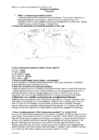
    Because of such exceptional moisture conditions the location of this type has not been shown on the ordination field ( Figure 1). Selliste eriliste niiskustingimuste tõttu ei ole selle tüübi metsade asukoht kaardil näidatud (pilt 1).
    The conditions of growth of this forest community depend largely on the thickness of the layer soil with fine texture and the duration of the period of superfluous moisture. (Metsa kasvutingimused sõltuvad suuresti peene struktuuriga mullakihi tüsedusest ja liigse niiskusperioodi kestusest.)(Seda tüüpi metsade kooslus sõltub mullakihi tüseduasest ja peene tekstuuriga mullakihist, liigniiske perioodi kestvusest.
    The stands are mostly sparse pine forests belonging to the quality class IV …V. Puistud on enamasti hõredad männimetsad, kuuludes boniteediklassi IV..V.
    The undergrowth consists of juniper, mountain currant, guelder rose , alder buckthorn, sporadically also shrubby cinquefoil. Alusmets koosneb kadakast, magesõstrast, harilikust lodjapuust, harilikust paakspuust, kohati ka maranapuhmastest.
    The ground vegetation is very varied, the most frequent species being: blue moor grass, glaucous sledge , tufted hair grass, tormentil.the mosses can be found mainly on microelevations. Alustaimestik on väga mitmekesine , kõige levinumad liigid on lubikas, kollane tarn , pööristarn, luht -kastevars, tedremaran. Samblaid võib leida peamiselt väikestel kühmudel.
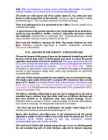
    HEATH RORESTS - NÕMMEMETSAD
    The heath forests consist of pine stands of low productivity which grow on thick laver of sand poor in nutrients. Nõmmemetsad koosnevad madala tootlikkusega männikutest, mis kasvavad toitainevaestel, tüsedatel liivadel .
    The ground vegetation is characterized by occurrence of reindeer moss and heather and scarcity or complete lack of herbs . Alustaimestikku iseloomustab põdrasambliku ja kanarbiku esinemine ning rohttaimede nappus või siis täielik puudumine.
    They can be found primarily in nothern Estonia and the islands and to a lesser extent in northeastern, southearsten and southwestern Estonia. Neid võib peamiselt leida Põhja-Eestis ja saartel ning vähesel määral Kirde-Eestis, Kagu-Eestis ja Edela-Eestis.
    Especially on coastal dunes the heath forests are of great importance from the point of view of soil protection. Eriti rannaluidetel on nõmmemetsad pinnasekaitset silmas pidades suure tähtsusega.
    They are widely used for recreattion as they are very good as locations of health resorts and holiday homes and they are highly valued as forests where you can pick berries and mushrooms. Nad on laialdaselt kasutuses puhkemajanduses, on väga head asukohad tervisekuurortite või puhkekodudele ja kõrgelt hinnatud metsadega kust saab korjata marju ja seeni.
    Lichen (Cladonia)site type occurs on slightly podzolized podzols . Sambliku (Cladonia) kasvukohatüüp esineb õhukestel leetunud leedemuldadel.
    He stands are represented by pure pine forests or pine forests with sparse birches. Puistutest on esindatud puhtad männikud või siis männikud vähese kase manulusega.
    The quality class is IV… V, degree of stocking being 0,6. Boniteediklass on IV...Va. Täius 0,6.
    The undergrowth is absent or consists of a few junipers. The sparse shrub layer consists of cowberry, heather, bearberry, crowberry. Alusmets puudub või koosneb üksikutest (vähestest) kadakatest. Hõre puhmarinne koosneb pohlast, kanarbikust, leesikast, kukemarjast.
    Abundance of reindeer moss is a characteristic feature. Iseloomulik joon on põdrasambla rohkus .
    In the heather (Calluna) site type the soils consist of moderately podzolized, sporadically also gleyed podzols. Kanarbiku (Calluna) kasvukohatüübi pinnas koosneb mõõdukalt leetunud, kohati gleistunud leedemuldadest
    The litter horizon is 3 … 10 centimetres thick. Kõduhorisont on on 3...10 sentimeetri tüsedune.
    The stands are rather sparse (the degree of stocking is 0,6 ), they consist of pure pine forests or pine forests with birches as scattered associates. Puistud on üsna hõredad (täius on 0,6), need koosnevad ainult männikutest või männikutest vähese kase seguga.
    The productivity is low, the quality classes are IV to V. Tootlikkus on madal, boniteediklass on IV...Va.
    The undergrowth is either absent or consists ob sparse junipers. Alusmets kas puudub või koosneb hõredalt paiknevatest kadakatest.
    The ground vegetation includes heather, coeberry, bilberry , crowberry, common cow- wheat , Lerchenfeldia flexuosa. Alustaimestik sisaldab kanarbikku, pohla , mustikat, kukemarja, palu-härgheina, võnkvart.
    In the moss layer the dominant species are Pleurozium schreberi and Dicranum. Samblarindes on domineerivaks liigid palusammal ja kaksikhambad.
    MESOTROPHIC (PINE) FORESTS - PALUMETSAD
    The mesotrophic (pine) forests grow on soils of average to high fertility which have been formed on thick layers of sand or on double- layer parent material (sands on moraine). Palumetsad kasvavad keskmise kuni keskmisest kõrgema viljakusega muldadel, mis on moodustunud tüsedatel liivakihtidel või kahekihilisel lähtekivimil (moreeniliivad).
    The humus horizon is either absent or it is thin and contains only little humus. Huumushorisont kas puudub või on õhuke ja sisaldab huumust vähesel määral.
    Mainly the pine and in the more fertile regions also the spruce dominate the tree layer. Puurindes domineerib peamiselt mänd ja viljakamates piirkondades ka kuusk .
    Cowberry and bilberry abound in the the ground vegetation. Alustaimestikus on rohkesti pohla ja mustikat.
    The cowberry (Rhodococcum) site type occurs mostly in southeastern and northern Estonia and on the islands. Pohla (Rhodococcum) kasvukohatüüp esineb peamiselt Kagu- ja Põhja-Eestis ning saartel.
    As the caracteristics (including productivity) of both the soil and the forest growing on it differ significantly depending on the texture of soil and especially on the thickness of moraine in the course of forest surveys the site type shall be dealt with as two separate subtypes. Et nii metsa kui ka mulla omadused (kaasaarvatud tootlikkus) kasvavad oluliselt erinedes, sõltudes mulla lõimisest ja eriti moreenikihi tüsedusest, siis metsakorralduse käigus seda kasvukohatüüpi kasutatakse kahe erineva metsa osatüübina.
    A typical cowberry subtype can be found on typical podzolic soil on a thick layer of sand (with thickness more than 1,2 meters). Tüüpiline pohla kasvukohatüüpi võib leida tüüpilisel leedemullal paksul liivakihil (tüsedus rohkem kui 1,2 meetrit).
    The stands are of average productivity, the quality classes from II to III. The undergrowth is either absent or consists of sparse junipers and rowan trees . Puistud on keskmise tootlikkusega, boniteediklass on II...III. Alusmets puudub või koosneb hõredatest kadakatest ja pihlakatest.
    The ground vegetation includes only a few species. Dwart shrubs dominate: cowberry, bilberry, heather. Alustaimestik sisaldab ainult mõningaid liike. Puhmadest domineerib: pohl , mustikas , kanarbik .
    Common cow-wheat and May lily are the most frequent herbs. The moss layer is steady . Palu-härghein ja leseleht on sagedamini esinevad rohttaimed . Samblarinne on lausaline .
    The wood sorrel-cowberry subtype is mostly found on weakly podzolized podzols containing humus or of secondary nature , also on sands which lay on moraine or which have intermediate strata of a more heavy texture. Jänesekapsa-pohla osatüüp on enamasti leitav nõrgalt leetunud leedemuldadel, mis sisaldavad huumust või ka teisena liivadel, mis asuvad moreeni- või muu raskema lõimisega vahekihtidel.
    In the pine forests we can also find spruce as regrowth, as a component in the second tree storey or as a mixed species in the upper storey. Männimetsades võime samuti leida järelkasvuna teises rindes kuuske või siis esimeses rindes seguliike.
    The cases where the spruce is the dominant species are rare . Juhtumid, kus kuusk on enamuspuuliik, on haruldased ( harvad ).
    Some birch forests or aspen forests grow there as the secondary types. Mõned kasemetsad või haavikud kasvavad seal kui tekistüübid ( teisesed tüübid).
    The pine forests are of high productivity and they have a high degree of stocking, the quality classes are from (Ia) I to II. The growing stock of timber may surpass 600 cubic metres per hectare. Männikud on kõrge tootlikkusega ja neil on kõrge täius, boniteediklass on alates (Ia)I kuni II. Puidutagavara võib ületada 600 tihumeetrit hektarilt.
    Such species as bracken, reed grass, lily of the valley etc are added to the ground vegetation. Sellised liigid nagu kilpjalg, metskastik, maikelluke jne on lisandunud alustaimestikku.
    The bilberry (Myrtillus) site type is the most widespread type in Estonia. Mustika (Myrtillus) kasvukohatüüp on kõige enamlevinud Eestis.
    As the soil conditions and stand vary greatly , in the course of forest survey this site type shall be divided into three subtypes. Kuna mullatingimused ja puistud varieeruvad suuresti, jagatakse metsakorralduse käigus see metsatüüp kolmeks osatüübiks. (3-e osatüüpi).
    The typical bilberry subtype occurs on gleyed ordinary podzolic soils or podzolic soils containing humus, with a degree of podzolization from moderate to high and with a litter horizon 5….12 centimetres thick. The soil water lies 0,5….1,5 metres deep .
    Tüüpilised mustika kasvukohatüübid esinevad tavaliselt gleistunud, leetunud muldadel või leedemuldadel, mis sisaldavad huumust, leetumisaste võib olla keskmisest kõrgeni ja kõduhorisont on 5...12 sentimeetrit tüse. Mulla põhjavesi ulatub 0,5...1,5 meetri sügavuseni.
    The pine forest dominate but there are also secondary birch and aspen forests. Enamuses on männimets, kuid esineb ka teisejärgulisi kase- ja haavametsi.
    Their productivity corresponds to the quality classes II…..III. The degree of stocing and the growing stock of the spruce forest are somewhat smaller than those of the pine forests. Nende tootlikkus vastab boniteediklassile II...III. Kuusemetsa täius ja tagavara on aga väiksemad kui männimetsal.
    The characteristic species in the ground cover are: bilberry, cowberry, Carex globularis, May lily, common cow-wheat, purple moor grass. The moss layer is vigorous and unbroken. Iseloomulikud liigid alustaimestikus on järgmised: mustikas, pohl, keratarn , leseleht, palu-härghein, sinihelmikas. Samblarinne on jõuline ja katkematu . (samblarinne on tüse ja lausaline)
    In addition to the ordinary species of forest mosses also patches of bog moss and hair moss can be found there. Lisaks tavalistele metsa samblaliikidele võib laiguti esineda ka turbasammalt ja karusammalt.
    The hair moss-bilberry subtype is widespread on gley and podzolic gley soils which are sod-podzolized and contain superfluous moisture. Karusambla -mustika osatüüpi on laialdaselt levinud glei - ja liigniisketel leetunud glei- ja leedegleimuldadel.
    The litter horizon is thick (8…15 centimetres) and of raw humus type (it has turned into peat). Kõduhorisont on tüse (8...15 sentimeetrit) ja toorhuumusega (see on muutunud turbaks).
    The soil water is predominantly in the depth of 0,5…1,0 metres. Mulla põhjavesi on valdavalt 0,5...1,0 meetri sügavusel.
    Pine forests prevail, the number of spruce and birch forests being smaller. The quality classes are III….IV. Ülekaalus (valdavalt) on männimetsad, kuuse- ja kasemetsade arv on väiksem. Boniteediklass on III...IV.
    The ground vegetation differs from that of the preceding subtype by the greater cover of bogland hair mosses. Sporadically bog whortleberry and marsh tea are added. Alustaimestik erineb eelnevast osatüübist suure turbasambla ja karusamblaga kattuvuse poolest. Kohati on sinikas ja sookail lisandunud.
    The wood sorrel – bilberry subtype grows on gleyed podzols, podzolic soils containing humus or whitish grey soils. Litter is 3 …8 centimetres thick. Jänesekapsa - mustika osatüüp kasvab geistunud leedemuldadel või leetunud leedemuldadel, sisaldades huumust või kahkjatel muldadel. Kõdu tüsedus on 3...8 sentimeetrit.
    Stands are of high productivity ( quality classes I…II) whereby the average height and growing stock of the birch forests are greater than these of the pine and spruce forests. Puistud on kõrge tootlikkusega (boniteediklassid on I...II), kusjuures keskmine kõrgus ja juurdekasv kasemetsades on suurem kui männi- ja kuusemetsades.
    MESO – EUTHROPHIC (SPRUCE) FORESTS -LAANEMETSAD
    The fertile soils of the meso-euthrophic (spruce) forests have been formed predominantly on loamy moraines which are sometimes covered with fine sand. Viljakad mullad laanemetsades on moodustunud valdavalt liivsavimoreenidel, mis on mõnikord kaetud peenliivaga.
    As the moisture conditions are favourable, the substance turnover is quick , the litter horizon, is thin and the humus horizon on the carbonate parent material is thick. Herbs are the predominant species in the ground vegetation. Kuna niiskustingimused on soodsad, on aineringe kiire, kõduhorisont on õhuke ja huumushorisont karbonaatsel lähtekivimil on paks. Rohttaimed on domineerivad (valdavad) liigid alustaimestikus.
    The wood sorrel ( Oxalis ) site type can be found mostly in the southeastern part of Estonia. Jänesekapsa (Oxalis) kasvukohatüüpi on võimalik leida peamiselt Kagu-Eestist.
    Podzolized or whitish grey soils which have been formed on parent material deficient in carbonates dominate. Leetunud või kahkjad mullad, mis on moodustunud lähtekivimi puudumisel karbonaatsuse domineerimisel.
    The stands are very productive ( quality classes Ia....I, less II) and the record stands reach more than 40 metres in height and the growing stock surpasses 800 m3/ha. Puistud on väga tootlikud (boniteediklass Ia...I, vähem II) ja rekordpuistud ulatuvad enam kui 40 m kõrguseni ja juurdekasv (puidutagavara) ületab 800 kuupmeetrit hektarilt.
    The wood sorrel spruce forest is the aboriginal type. Jänesekapsa-kuusemets on põlistüüp.
    The spruce forests occupy more than half of the total area of the site type while the birch forests (one fourth ) follow and the pine forests (one fifth)are the last. Kuusemetsad (kuusikud) hõlmavad rohkem kui poole selle metsatüübi kogualast, samal ajal kui kasemetsad järgnevad neile ühe neljandikuga ja männimetsad jäävad ühe viiendikuga viimaseks.
    The birch forests reach the average height and growing stock of a 100 years old spruce forest at a much earlier stage (in the age of 75...80 years); the factor which decreases the growing stock of the spruce forests is their low degree of stocing. Kaasikud saavutavad keskmise kõrguse ja kasvutagavara võrreldes 100 aasta vana kuusikuga palju varasemas etapis (75...80 a vanuses); kuusiku kasvutagavara vähenemise teguriks on nende madal täius.
    The most requent species in the undergrowth are: rowan tree, mountain currant, hazel, mezereon; in the herb layer: wood sorrel, reed grass, wall lettuce, goldenrod, strawberry; in the moss layer: Hylocomium spendens, Rhytidiadelphus triquetrus, Pleurozium schreberi. Kõige sagedasemad liigid alustaimestikus on: pihlapuu, magesõstar, sarapuu, näsiniin; rohttaimerindes on: jänesekapsas, metskastik, jänesesalat, kuldvits , maasikas; samblarindes: laanik, metskäharik, palusammal.
    The hepatica site type can be found in the northern and northwestern parts of Estonia on the typical leached and podzolic sodded carbonate soils which have been formed from carbonate parent material and are potetially very fertile. Sinilille kasvukohatüüpi võib leida Põhja- ja Loode-Eestis tüüpilistel leostunud ja leetjatel kamar-karbonaatmuldadel, mis on moodustunud karbonaatsest lähtekivimist ja on potensiaalselt väga viljakad.
    Spruce forests predominate (57%), pine (27%) and birch forests (10%) being the next. The potentially high fertility is only seldom realized. Kuusemetsad (57%) on esikohal, männimetsad (27%) ja järgnevad kasemetsad (10%). Potensiaalselt kõrge viljakus on ainult harva realiseeritud.
    The reasons for it are the damages of the fungus causing butt rot and the attack by bark beetles and premature rarefaction of stands which accompany these damages. Nende põhjustajaks on seened, mis põhjustavad juurepressi, üraskirüüste ja nende kahjustustega kaasneb puistute enneaegne hõrenemine.
    The stands belong to the quality classes Ia to II (III). Puistud kuuluvad boniteediklassi Ia kuni II(III).
    The spruce forests grow somewhat faster and their productivity is higher than this of the pine forests. Kuusemetsad (kuusikud) kasvavad mõnevõrra kiiremini ja nende tootlikkus on kõrgem kui männimetsadel.
    The species in the undergrowth are usually the following : hazel, rowan tree, honeysuckle, quelder rose, mezereon. Alusmetsa liigid on tavaliselt järgmised: sarapuu, pihlakas , kuslapuu, lodjapuu , näsiniin.
    The ground vegetation is rich in species. The caracteristics ones are: wood sorrel, strawberry, hepatica, rock bramble, germander speedwell, truelove, mountain melick.
    Alustaimestik on liikide poolest samuti rikas. Iseloomulikud on jänesekapsas, maasikas, sinilill, lillakas , külmamailane, ussilakk , longus helmikas.
    NEMORAL FORESTS - SALUMETSAD
    The nemoral forests are widespread on the most fertile soils which have been formed on carbonate parent material and have favourable water conditions. Salumetsad on laialtlevinud viljakamatel muldadel, mis on kujunenud karbonaatsel lähtekivimil ja neil on soodsad veetingimused.
    A characteristics feature of the ground vegetation is the lack of dwarf shrub layer and the occurrence of nemoral plants with very limited ecoamplitude and very demanding as to the fertility of soils. Alustaimestikule on iseloomulik joon puhmarinde puudumine ja väga kitsa ökoamplituudiga salutaimede esinemine ning nõudlus viljaka pinnase järele.
    Most of the goutweed (Aegopodium) site type forests can be found in the central and eastern regions of Estonia. Suurem osa naadi (Aegopodium) kasvukohatüübii metsi võime leida Kesk- ja Ida-Eestis regioonidest.
    Gleyed leached podzolic and weakly podzolizedsoils with optimum moisture conditions are typical of this site type. Gleistunud leostunud, leetjad ja nõrgalt leetunud mullad optimaalsete niiskustingimustega on sellele kasvukohale tüüpilised.
    The humus horizon is thick (15...30 centimetres) and rich in humus. Huumushorisont on (15...30 sentimeetrit) tüse ja huumuse poolest rikas.
    The predominant type of forests are those where the majority of trees are of deciduous species; birch forests occupy 44% and aspen forests 8% of the area. Domineerivad metsatüübid on need, kus enamus- puud on lehtpuuliigid : kasemetsad hõlmavad 44% ja haavametsad 8% kogupindalast (alast).
    In 40% of this site type spruce is the dominant species. 40% selles kasvukohatüübist on kuusk enamus puuliigiks.
    Because of the high fertility of soil even the most demanding tree species can grow there (oak, ash, maple , lime, elm) but the number of nemoral forests preserved until our days where these species constitute the majority is small (ash forests make up the largest part – 1%). Kõrge mullaviljakuse tõttu saavad seal kasvada isegi kõige nõudlikumad puuliigid (tamm, saar, vaher , pärn, jalakas), kuid tänaseni säilinud salumetsade hulk, kus need liigid moodustavad enamuse, on väike (saaremetsad moodustavad suurima osa – 1%).
    The stands may be very productive (quality classes Ia....I, rarely II); the growing stock may amount to 1000 cubic metres per hectare. Puistud võivad olla väga suure tootlikkusega (boniteediklass Ia...I, harva II); kasvutäius võib ulatuda kuni 1000 tihumeetrile hektarilt.
    Usually however , this amount is much more modest for various reasons. Aga tavaliselt on see hulk palju tagasihoidlikum erinevatel põhjustel.
    The birch forests are considerably more productive than the spruce forests. Kasemetsad (kaasikud) on palju tootlikumad kui kuusikud.
    The undergrowth is rich in species and so is the ground vegetation. The best indicators are goatweed, lungwort, hazelwort, woodruff, dog ´s mercury . The moss layer is sparse and fragmentary. Alusmets on liigirikas , nagu ka alustaimestik. Parimateks indikaatoriteks on: naat, kopsurohi, metspipar, lõhnav varjulill, seljarohi. Samblarinne on hõre ja katkendlik.
    The fern (Dryopteris) site type occurs in alluvial and synclinal valleys with rivers flowing into and out of them , on leached and saturated gley and peaty soils as well as on fluvisols. Sõnajala (Dryopteris) kasvukohatüüp esineb läbivooluga lammi - ja muldorgudes, leostunud ja küllastunud glei- ja turvastunud muldadel nagu ka lammimuldadel.
    The major part of trees in the stands consists of grey alder, birch and black alder; the spruce forests can be found in the less swampy or drained part of the site. Suurem osa puudest neis puistutes koosneb hall-lepast, kasest ja sanglepast; kuusemetsi (kuusikuid) võib leida vähem soises või kuivendatudosas selles kasvukohtas.
    Ash, lime, elm, maple are the associate species. Saar, pärn, jalakas, vaher on seguliigid.
    The stands belong to the quality classes Ia...II; the birch forests being somewhat more productive than the grey alder forests. Puistud kuuluvad boniteediklassi Ia...II; kusjuures kasemetsad on mõnevõrra tootlikumad kui hall-lepikud.
    Both the undergrowth and the ground vegetation are rich in species. Nii alusmets kui ka alustaimestik on mõlemad liikide poolest rikkad.
    The caracteristic plants in the undergrowth: bird cherry , black currant, mountain currant, alder buckthorn; the plants in the ground vegetation: ferns, meadowsweet, cabbage thistle, water avens, nightshade. Iseloomulikud taimed alusmetsas on: toomingas , mustsõstar, magesõstar, paakspuu ; alustaimestiku taimed on: sõnajalad, angervaks, seaohakas , ojamõõl, harilik maavits.
    HERB- RICH MIXED ON WET GLEY SOILS - SOOVIKUMETSAD
    This group consists of forests which grow on soils periodically suffering from overmoisture, formed under the influence of carbonate waters and with a peaty humus horizon. See grupp koosneb metsadest, mis kasvavad perioodiliselt liigniiskuse all kannatavatel muldadel, mis on kujunenud karbonaatsete vete mõjul ja turvastunud huumushorisondist.
    These forests are rich in different herbs. Need metsad on rohttaimederikkad.
    The meadowsweet (Filipendula) site type is common on leached, podzolik and whitish grey
    Angervaksa (Filipendula) kasvukohatüüp on tavaline leostunud, leetjatel ja kahkjalt glei- ja küllastunud turvastunud muldadel.
    Birch is the predominant species (2/3 of the total area), spruce (1/5) and black alder (1/20) being the next. Kask on eelenamus puuliik (2/3 kogu alast), kuusk (1/5 ) ja järgneb sanglepp (1/20).
    Mixed forests are quite common. Segametsad on üsna tavalised .
    As to their productivity these forests belong to the quality classes II...III. the productivity of the birch and the black alder forests is equal. Mis puutub nende tootlikusse, siis need metsad kuuluvad boniteediklassi II...III. Kaasikute ja sanglepikute tootlikkus on võrdne.
    The undergrowth is rich in species: alder buckthorn, rowan tree, bird cherry, black currant, mezereon etc. Alusmets on liigirikas järgmiste liikide poolest: paakspuu, pihlakas, toomingas, mustsõstar, näsiniin jne.
    The species caracteristic of the ground vegetation are: meadowsweet, cabbage thistle, water avens, marsh hawk ´s-beard, purple small reed, creeping buttercup, sedges. Alustaimestikule iseloomulikud liigid on: angervaks, seaohakas, ojamõõl, sookoertubakas, sookastik , roomav tulikas, tarnad .
    The mosses are represented by Climacium dendoides, Mnium sp,. Rhodobryum roseum. Samblatest on esindatud tüviksammal, tähtsammal ja roossammal .
    In the texture of soil sandy clay dominates. Mullalõimises domineerib liivsavi . It is but rarely covered with a layer of sand. See on harva kaetud liivakihiga.
    If, however, the latter is thicker than 30 centimetres, it will have such a strong influence on the condititions of growth and on the efficiency of drainage that these areas are divided into a separate sedge meadowsweet subtype. Aga kui viimatimainitul (liivakiht)on tüsedus enam kui 30 sentimeetrit, võib sellel olla tugev mõju kasvutingimustele ja kuivendamise efektiivsus (tõhusus) on need alad on jaganud erinevateks tar na-angervaksa osatüübiks.
    The horsetail (Equisetum) site type is common mostly in the western regions of Estonia: on leached, saturated and podzolized gley and peaty soils with heavy texture. Osja kasvukohatüüp on enamasti tavaline Lääne-Eesti aladel: leostunud küllastunud ja leetjatel glei- ja turvastunud muldadel, mis on raske lõimisega.
    As a result of the unfavourable moisture and aeration conditions the productivity of the stands is low (quality classes IV...Va). Ebasoodsate niiskus- ja aeratsioonitingimuste tulemusena on puistute tootlikkus madal (boniteediklass IV...Va).
    Birch forests dominate (1/2 of the total area), the areas of pine (1/3) and spruce (1/10) forests are smaller. Domineerivad kaasikud (pool kogu alast) , männikuid(1/3) ja kuusikuid on vähem (1/10).
    Such species as black alder, ash, aspen may occur sometimes. Sellised liigid nagu sanglepp, saar, haab võivad esineda mõnikord.
    The undergroeth is rich in species. Alusmets on liigirikas .
    Because of the markedly undulating microrelief the typical feature of the ground vegetation is its mosaic nature, due to whitch there are species of nemoral or marshy forests side by sidewith bilberry and cowbwrry growing on the mounds. Tugeva künkliku mikrorelieefi tõttu on alustaimestik mosaiikne, mille tõttu salu - ja laanemetsade (lodumetsade?) liigid kasvavad koos mustika ja pohlaga mätastel
    The sedge (Carex) site type is common mostly in the western part of Estonia, especially on the islands, on the gley and peaty soils formed on sedimentary sands. Tarna (Carex) kasvukohatüüp on tavaline enamasti Lääne – Eestis, eriti saartel, gleistunud ja turvastunud muldadel, mis on kujunenud settelistel liivadel.
    The birch forests dominate (43%), the share of the pine (30%), grey alder (18%) and spruce (7%) forests is smaller. Enamuses on kaasikud (43%), järgnevad männikud (30%) ja hall-lepikud (18%) ja kuusikuid (7%) on vähem. The productivity is low: the quality classes are IV to Va. Tootlikkus on madal: boniteediklass on IV kuni Va.
    The more frequent species in the undergrowth are: alder buckthorn, willows, juniper. Purple moor grass, wood small reed, purple small reed, blue moor grass, sedges, marsh parsley, melancholy thistle etc are typical innthe ground vegetation. Enamlevinud liigid alusmetsas on: paakspuu, pajud , kadakas. Sinihelmikas, jäneskastik, sookastik, lubikas, tarnad,soo-piimputk, villohakas jne on tüüpilised alustaimestikus .
    Mosses can be found mostly on mounds. Samblaid võib enamasti leida mätastel.
    DWARF-SHRUB-SPHAGNUM PALUDIFIED FORESTS – RABASTUVAD METSAD
    This group is characterized by acid soil with superfluous moisture, well- developed dwarf shrub and moss layer that contains considerable amounts of bog and hair moss. Seda gruppi iseloomustab happeline liigniiske muld , hästi arenenud puhma- ja samblarinne ja samblakiht, mis sisaldab suurel hulgal soo (turba) – ja karusammalt.
    The bog whortleberry (Vaccinium uliginosum) site type is more widespread in northern and southwestern Estonia. Soosinika (Vaccinium uliginosum) kasvukohatüüp on enamlevinud Põhja- ja Edela-Eestis.
    The fertility of the strongly podzolized (often with a hardpan horizon) and swampy podzolic-gley and podzolic-peaty which have been formed on sands poor in nutrients is very low and this is the reason why only the pine forests of the quality classes IV...Va grow here. Tugevalt leedunud (tihti nõrgkivihorisondiga) ja soostunud leede-glei ja leedeturvastunud muldadel, mis on moodustunud toitainevaestel liivadel on viljakus väga madal ja see on põhjuseks, miks siin ainult boniteediklassiga IV...V männikud kasvavad.
    There is practically no undergrowth or it is represented by juniper and alder buckthorn. Siin ei ole praktiliselt üldse alusmetsa või seda esindavad kadakas ja harilik paakspuu.
    Dwarf shrubs dominate the ground vegetation - these are heather, marsh tea, bog whortleberry, bilberry, andromeda , crowberry; there are also some herbs as cocksfoot, purple moor grass, hare ´s – tail . Alustaimestus domineerivad puhmad – need on kanarbik, sookail, sinikas, mustikas, küüvits, kukemari ; samuti on siin mõned rohttaimed, näiteks kerahein , sinihelmikas, tupp -villpea.
    The moss layer is continuous and bog moss forms the majority of the cover. Samblarinne on lausaline ja turbasammal moodustab enamiku pinnakattest.
    The hair moss ( Polytrichum ) site type occurs on podzolozed soils, podzol-gley soils or peaty podzol soils. Karusambla kasvukohatüüp esineb leetunud gleimuldadel, leede-gleimuldadel või turvastunud leedemuldadel.
    The pine is the leading tree species (60%), birches (21%) and spruces (17%) occur less often. Enamus puuliik on mänd (60%), kaske (21%) ja kuuske (17%) esineb harvem.
    Their productivity corresponds to the quality classes III...IV. the undergrowth is sparse or absent. Nende tootlikkus vastab boniteediklassile III...IV. Alusmets on hõre või puudub üldse.
    The coverage og marsh tea, bog whortleberry, cowberry are smaller. The typical herbs are: Carex globularis, purple moor grass, horsetail, hare´s-tail. The moss layer is vigorous, with abundant quantities of ordinary hair moss and bog moss.
    Alustaimestu koosneb ainult mõnest liigist ning domineerib mustikas. Sookailu, sinikat ja pohla esineb pinnakattes vähem. Tüüpilised rohttaimed on: keratarn, sinihelmikas, osi, tupp-villpea. Samblarinne on tüse, hulgaliselt kasvab tavalist karusammalt ja turbasammalt.
    GRASS FEN FORESTS – ROHUSOOMETSAD
    The grass forests grow predominantly on thin to moderately thick wet fen soils. Rohusoometsad kasvavad valdavalt õhukestel kuni keskmise sügavusega vesistel madalsoo – või lammi - madalsoomuldadel.
    Swamp birch and black alder are thr typical species in the tree storey and sedges as well as broad -leaved hydrophilous herbs in the ground vegetation. Puurinde tüüpilised liigid on sookask ja sanglepp, alustaimestikus kasvavad laialehised veelembesed rohttaimed, näiteks tarn.
    The alder fen site type is commonon potentially fertile, wet, predominantly thin and well-decomposed fen soils. Lodu kasvukohatüüp on iseloomulik viljakatel, märgadel, valdavalt õhukestel ja hästilagunenud madalsoo muldadel.
    The microrelief is markedly undulating. Swamp birch forests dominate (55% of the total area), black alder forests (31%) being the next and in the drained areas we can see spruce forests (12%). Mikroreljeef on tugevasti künklik. Sookasemetsad domineerivad (35% kogualast), järgmised on sanglepikud (31%) ning kuivendatud aladel võime näha kuusikuid (12%).
    The stands belong to the quality classes II to III(IV). Puistud kuuluvad boniteediklassidesse II...III(IV).
    In the black alder forests the resources per hectare are slightly bigger than those of the birch forests. Sanglepikutes on ressurss hektari kohta veidi suurem kui kaasikutes.
    The undergrowth is rich in species. Alusmets on liigirikas.
    The typical species are: bird cherry, guelder rose, black currant and mountain currant, alder buckthorn, willows. Tüüpilised liigid on: toomingas, lodjapuu, mustsõstar ja magesõstar, paakspuu, pajud.
    The ground vegetation is mosaic due to the microrelief. Alustaimestik on mikroreljeefi tõttu mosaiikne.
    Tufted loosestrife, yellow flag, marsh marigold , purple small reed, sedges ets., are typical plants. Ussilill, kollane vahumõõk, varsakabi, sookastik, tarnad jne on tüüpilised taimed.
    The moss layer is fragmentary. Samblarinne on katkendlik.
    The birch-fen type occurs on fen peat soils of different depth and stage of decomposition. Madalsoo kasvukohatüüp esineb erineva tüseduse ja lagunemisastmega turbamuldadel.
    The predominant part (75%) of the stands consists of swamp birch forests, with pine forests (20%) following. Domineeriv osa puistutest (75%) on sookasemetsad, järgnevad männikud (20%).
    In the drained parts of this site type small areas (14%) of spruce forests can be found. Selle kasvukohatüübi kuivendatud osas leidub väikestel aladel (14%) kuusikuid.
    As to their productivity these stands belong to the quality classes (IV)V.....Va. Tootlikkuse poolest kuuluvad need puistud boniteediklassi (IV) V...Va.
    The pine forests are slightly more productive than the swamp birch forests. Männikud on pisut tootlikumad kui sookasemetsad.
    The undergrowth is sparse, consisting mainly of willows, alder buckthorn, dwarf birch (sporadically) and gale in the western part of Estonia. Alusmets on hõre, koosnedes peamiselt pajudest, paakspuust, madalkasest (kohati) ja Lõuna-Eestis porsist.
    Sedges dominate the ground vegetation, often can we see such species as purple small reed, marsh bedstraw, yellow flag, bog bean , purplewort; the mosses are represented by Aulacomnium palustre, acrocladium Cuspidatum.
    Alustaimestikus domineerivad tarnad, tihti võime näha kasvamas selliseid liike nagu sookastik, soomadar, kollane vahumõõk, ubaleht , soopihl; sammaldest on esindatud soovildik ja teravtipp.
    BOG MOSS FORESTS - SAMBLASOOMETSAD
    The characteristic feature of this group of types is the presence a layer of bog peat not very well decomposed at least in the upper part of the stratum.
    Selle kasvukohatüübi iselomulik joon on lagunemata rabaturbakihi olemasolu vähemalt lasundi ülaosas.
    Bog mosses and dwarf shrubs dominate the ground vegetation and pine dominates the tree layer. Alustaimestikus domineerivad turbasammal ja puhmarinne ja puurindes domineerib mänd.
    The transition bog site type is common on transition bog soils of different thickness or on fen soils covered with bog peat and with thickness up to 30 centimetres. Siirdesoo kasvukohatüüp on tavaline erineva paksusega siirdesoomuldadel või rabaturbaga kaetud madalsoosoomuldadel, tüsedusega kuni 30 cm.
    Pine forests (80%) dominate, the share of birch forests (18%) is smaller and on the drained areas there are sparse groves of spruce trees (12%). Domineerivad männikud (80%), kaasikute osa on väiksem (18%) ja kuivematel aladel on harvad kuusikud (12%).
    The stands have low productivity and belong to the quality classes IV to Va. Puistud on madala tootlikkusega ning kuuluvad boniteediklassi IV...Va.
    Drainage makes it possible to increase the productivity of the transition bogs by 2....3 times and that is why a large part of them has been drained already . Kuivendamine muudab võimalikuks siirdesoo ( muldadel) tootlikkust tõsta 2 kuni 3 korda ja seetõttu on suur osa neist praeguseks juba kuivendatud.
    In the undergrowth there are such species as willows, alder buckthorn, dwarf birch. Alusmetsas on sellised liigid nagu paljud, harilik paakspuu, madalkask.
    The ground vegetation may be very varied, the proportions between the plants of the grassy swamp and those of the bog depend on the position in the succession sequence „fen- transition bog—bog” and the intensity of drainage operations. Alustaimestik võib olla väga mitmekesine, rohusoo - ja rabataimede suhe sõltub asendist suktsessioonireas „ raba -siirdesoo-soo“ ja kuivedustegevuse intensiivsusest (tõhususest).
    The bog site type is common on bog soils of different thickness or on thick transition bog soils which are covered with a layer of bog peat over 30 centimetres thick. Raba kasvukohatüüp on tavaline erineva tüsedusega rabamuldadel või tüsedatel siirdesoo muldadel, mis on kaetud üle 30 cm tüsedusega rabaturbakihiga.
    The stands are rather sparse and of low quality classes (V...Va), either pure pine forests or with swamp birch as the associate. Puistud on pigem hõredad ja madala boniteediklassiga (V...Va), kas puhtad männikud või sookase kooslusega.
    There is no undergrowth or it is represented by few willows. Alusmets puudub või on esindatud mõne pajuga.
    A typical feature of the ground vegetation is the well-developed dwarf shrub layer: marsh tea, bog whortleberry, heather, crowberry, andromeda and eastern estonia also leatherleaf. Alustaimestule on iseloomulik hästi arenenud puhmarinne: sookail, sinikas, kanarbik, kukemari, küüvits ja Ida-Eestis ka hanevits.
    Hare´s-tail and cloudberry represent the herbs. Bog mosses dominate the moss layer. Rohttaimi esindavad tupp-villpea ja murakas . Samblarindes domineerib turbasammal.(rabasamblad).
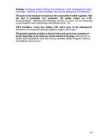
    FULL - DRAINED SWAMP FORESTS – KÕDUSOOMETSAD
    The specitic features of this group of types are the intensively drained bog soils with horizons of forest litter and of well-decomposed peat decay as well as the ground vegetation characteristic of forests on mineral soil. Selle grupi spetsiifilised tunnused on nii hästi kuivendatud turbamullad, metsakõduhorisont ja hästilagunenud kõduturvas nagu ka iseloomulik alustaimestik arumetsas. See on nüüd tõlkija tõlge - Sellele metsatüübile on spetsiifiliseks tunnuseks hästi kuivendatud horisondiga ja metsaprahiga soomuld ja hästi lagunenud turbaga kõdu, samuti nagu alustaimestu on iseloomulik mineraalmuldade metsadele.
    The areas of full- drained peatland increase steadily at the cost of drained swamps. The stands consist mostly of birch (42%) and pine (40%) forests but there are also spruce (17%) forests. Kuivendatud kõdusoo alad suurenevad järjest kuivendatud soode arvelt. (See on tõlkija tõlge - Kuivendatud turbaalade järjekindel suurenemine mõjutab kuivendatud soid ). Puistud koosnevad enamasti kaasikutest (42%) ja männikutest (40%), kuid on ka kuusikuid. (17%).
    The bilberry (Myrtillus) full-drained swamp site type is widespread on the soils of transition bogs or ordinary bogs (less often) which are of different thickness and have been drained or, in exceptional cases, have natural drainage. Mustika (Myrtillus) kõdusoo osatüüp on levinud siirdesoomuldadel või tavalistel rabamuldadel, mis on erineva tüsedusega või erandjuhtudel looduslikult kuivendatud.
    The birch and pine forests are predominant, the quality classes being II...IV. Domineerivad kaasikud ja männikud, boniteediklassiga on I...IV.
    Sparse alder buckthorn and willows grow in the undergrowth and the ground vegetation is similar to that of bilberry type of the forest on mineral soil. Hajusalt Alusmetsas kasvab hõredalt paakspuu ja paju ning alustaimestik sarnaneb mineraalmuldadel paiknevale mustika osatüübile.
    The wood sorrel (Oxalis) full- drained swamp site type occurs on well-decomposed fen and transition bog soils of varied thickness, subjected to intensive long-time draining. Jänesekapsa (Oxalis) kõdusoo kasvukohatüüp esineb hästilagunenud erineva tüsedusega madalsoo-ja siirdesoomuldadel, tänu tõhusale pikaajalisele kuivendamisele.
    The spruce is the dominant tree species in the communities of stable vegetation. This site type is potentially very productive, the quality classes are I...III. Enamuspuuliigiks stabiliseerunud taimkattega koosluses on kuusk. See kasvukohatüüp on potentsiaalselt suure tootlikkusega, boniteediklassid on I...III.
    Alder buckthorn, rowan tree, juniper, bird cherry grow in the undergrowth. Alusmetsas kasvavad harilik paakspuu, pihlakas, kadakas ja toomingas.
    The ground vegetation is similar to that of wood sorrel type but the variations are greater depending on the inital type and the intensity of draining. Alustaimestik on sarnane jänesekapsatüübile, kuid erinevused on suuremad, sõltudes esialgsest tüübist ja kuivendamise intensiivsusest.
    16
  • Vasakule Paremale
    Metsatüübid #1 Metsatüübid #2 Metsatüübid #3 Metsatüübid #4 Metsatüübid #5 Metsatüübid #6 Metsatüübid #7 Metsatüübid #8 Metsatüübid #9 Metsatüübid #10 Metsatüübid #11 Metsatüübid #12 Metsatüübid #13 Metsatüübid #14 Metsatüübid #15 Metsatüübid #16
    Punktid 50 punkti Autor soovib selle materjali allalaadimise eest saada 50 punkti.
    Leheküljed ~ 16 lehte Lehekülgede arv dokumendis
    Aeg2009-04-10 Kuupäev, millal dokument üles laeti
    Allalaadimisi 93 laadimist Kokku alla laetud
    Kommentaarid 1 arvamus Teiste kasutajate poolt lisatud kommentaarid
    Autor Wolfovitz Õppematerjali autor
    Tõlge

    Sarnased õppematerjalid

    Forestry
    4
    doc

    Forestry

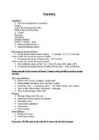
    Forestry Importance: · Environmental-protective importance Oxygen Cleans the air/soils/ground water Protects the soil from erosion · Timber Firewood Woodwork Building materials Timber ­ cellulose ­ paper · Mushrooms/berries/juices · Habitat of different species Measuring the amount of forest: · Fixing the area under the forests (ha/%) -> In Estonia ­ 47.4%, 2.143 mil/ha It doesn't take into account the amount of timber · To measure the amount of timber (m3) -> 352.7 mil/m3 It doesn't take into account the annual increase · To fix different species of trees (%) -> Pine 40%, Birch 30%, Spruce 20% · To measure the annual increase of timber (m3, ha, year) -> 9 mil. m3/ha/year Main principle of the economy of forests: Annual cutting should be equal to annual increase. Trees are divided into: · Precious trees (ebony, mahagony, sandalwood) · Hard-broadleaf (decidious) trees (oak, beech

    Inglisekeelne geograafia
    Temperate deciduous forests-woodlands and shrub
    4
    sxw

    Temperate deciduous forests, woodlands and shrub

    Temperate deciduous forests, woodlands and shrub Tartu 2008 Location: Temperate forests are typical of all European continent, the Eastern region of Asia (in special, Chinese and Japan) and North America. Also are finded in tempered areas of South America. Climate: The average temperature in temperate forests is 50° F. Summers are mild, and average about 70° F, while winter temperatures are often well blow freezing. The average yearly precipitation is 30-60 inches. This precipitation falls throughout the year, but in the winter it falls as snow. There are four seasons in this biome, with warm summers and cold winters, often snowy. In autumn, the leaves change color and fall from the trees. The leaves decay on the forest floor, so the soil is very rich. Because of this, and because of the long growing season, many deciduous forests have been cut down for farming purposes. Plants: Trees of this biome include hardwoods such as maple, oak, hickory, and beech. There

    Inglise keel
    Savanna
    5
    doc

    Savanna

    Savanna A savanna is a grassland ecosystem with scattered trees or shrubs. In savannas trees are small or widely spaced so that the canopy does not close. It is often believed that savannas are characterized by widely spaced, scattered trees, however in many savanna communities tree densities are higher and trees are more regularly spaced than in forest communities. The open canopy allows sufficient light to reach the ground to support an unbroken herbaceous layer consisting primarily of C4 grasses. Savannas are also characterised by seasonal water availability, with the majority of rainfall being confined to one season of the year. Savannas can be associated with several types of biomes. Savannas are frequently seen as a transitional zone, occurring between forest and desert or prairie. Although the term savanna is believed to have originally come from a Native American word describing "land which is without trees but with much grass either tall or short", by the late 1800

    Inglise keel
    Different types of forests and their forms of usage
    17
    pptx

    Different types of forests and their forms of usage.

    Different types of forests and their forms of usage TARTU 2010 Forest A forest (also called a wood, woodland, wold, weald, holt, frith) is an area with a high density of trees. Forests cover approximately 30% of land and 9.4% of all the planet earth. They are also responsible for regulating our planet's climate and act as large purifiers of airs, by absorbing carbon dioxide, and giving out oxygen. Different types of forests Forests are divided into following main types: o Tropical forest o Subtropical forest o Plantations o Boreal forest o Temperate forest o Seasonal or monsoon forest Tropical and Subtropical Forests Tropical and subtropical forests, also known as rainforests or tropical rainforests, are lavish and ample forests with broad leave tree. They are mostly found at lowlands near the equator - Asia, Africa, South & Central America and on many of the Pacific Islands. Almost 5

    Geograafia
    Geograafia KT-8 klass
    2
    doc

    Geograafia KT-8.klass

    2. Where is prairie, pampas, steppe, and veldt situated? Eurasia­Steppe, North America-Prairie, South America­Pampa, South Africa­Veldt 3. Using the climate diagram describe the climate of the region. Temperate deciduous forest -Well-defined seasons with a distinct winter characterize this forest biome. Moderate climate and a growing season of 140-200 days during 4-6 frost-free months distinguish temperate forests. Temperature varies from -15° C to 25° C. Precipitation (750-1500 mm) is distributed evenly throughout the year. Temperate grassland- Semiarid, continental climates of the middle latitudes typically have between 25 cm and 50 cm of precipitation a year. Much of this falls as snow, serving as reservoir of moisture for the beginning of the growing season. Warm to hot summers are experienced, depending on latitude. In the winter, grassland temperatures can be as low as -40° C, and in the summer it can be as high 20° C. There are two real seasons: a growing season and a dor

    Inglisekeelne geograafia
    New Guinea-inglise keeles
    11
    doc

    New Guinea (inglise keeles)

    TARTU VEERIKU KOOL New Guinea animals and plants Koostaja: Tauri-Viljar Vahesaar Juhendaja: Priit Pensa Tartu 2009 Table of content Introduction................................................................................................................................................3 The forests of New Guinea .......................................................................................................................5 The problem with trading wildlife.....................................................................................................6 Animals of the lowlands....................................................................................................................8 Reptiles......................................................................................................

    Loodus
    How to produce bioenergy from agricultural resources without harming the environment
    74
    ppt

    How to produce bioenergy from agricultural resources without harming the environment

    How to produce bioenergy from agricultural resources without harming the environment Jürgen Aosaar Jaak-Albert Metsoja Ahto Oja BOVA cource on biogas from biomass March 3-7 2008 Tartu Deciduous tree species on abandoned agricultural land Current situation • The long term development plan of the Estonian energy industry foresees a reduction in the use of fossil fuels and an increase in the share of biofuels: by the year 2010 renewable energy must account for 5.1% of total energy consumption Current situation (2) • In Estonia we have abandoned arable land about 400 000 ha, part of it is overgrowing naturally, and another part has been afforested • For short-rotation forestry in Estonia, ecologically and economically the most suitable tree is probably grey alder, which is a highly productive and soil improving species Grey alder • The stock of grey alder (Alnus incana)

    Inglise keel
    Temperate grassland worksheet
    4
    pdf

    Temperate grassland worksheet

    http://www.geo.ut.ee/kooligeo/loodus/rohtlad.htm Temperate Grassland Worksheet 1. Where is temperate grassland situates? Temperate grasslands are located in the mid-latitudes. There are six large areas of temperate grassland: the Pampas in South America, the Veld in Africa, the Canterbury Plains in New Zealand, the Murray-Darling Basin in Australia, the Prairies in North America and the Steppes in Central Asia. 2. Colour the distribution of temperate grassland on the map. 3. How is temperate grassland called in these regions? Eurasia - steppe Hungary - puzda North America - prarie South America - pampa South Africa - veldt 4. What is forest steppe (forest steppe – metsastepp)? A forest steppe is a temperate-climate ecotone and habitat type composed of grassland interspersed with areas of woodland or forest. 5. Describe the climate of temperate grassland. Temperate grasslan

    Inglise keel


    Kommentaarid (1)

    helpmeh profiilipilt
    helpmeh: kasuks ikka
    11:29 03-05-2011


    Sellel veebilehel kasutatakse küpsiseid. Kasutamist jätkates nõustute küpsiste ja veebilehe üldtingimustega Nõustun