In the 2014 article, „
Understanding the
Internet of Things (IoT)“ GSMA
shares its
vision of the
evolution of The Internet of Things
that will
lead to the so-called Connected Life.
The future of
mobile connectivity goes
beyond tablets and cars,
allowing to connect virtually everything. It is assumed that
there will be a significant
rise of connected
devices throughout the world,
allowing the
growth of new
services , transforming the way people
work and
live .
The
lack of human interaction will probably
cause the emergence of
new business models and promote the
delivery of services
across diverse socio-
economic sectors. A research by
Machina Research
predicts that the Internet of Things is likely to boost the
economy by an enormous
amount up to US$ 4.5 trillion
yearly .
The
needs of variable industries are
already met by the use of
Machine to Machine (M2M)
solutions using
wireless networks . Being a
relatively new
sector , the M2M connections are
expected to grow up to
55% a
year in
Europe ,
North America, Oceania and
Asia between 2010
and 2013.
Approximately two-thirds of mobile operators in Europe
provide M2M services, being a
sign of
market maturity, in
comparison with about
half of the operators in the
Americas , Asia and Oceania.
By 2020 the amount of connected devices is anticipated to
ascend to
25.6
billion , of which 10.5 billion use mobile
technology .
The automation of services and
cross -industry
cooperation will
presumably be beneficial for the sectors of transportation,
healthcare and
utilities . It is predicted that the socio-economic
influence of the Connected Life will save a vast amount of
lives and
money in healthcare and transportation and gives the
opportunity for
education for the
children in developing countries.
The economic growth of businesses in the mobile ecosystem will likely
depend upon consumership financing the enhancement of mobile
networks. New
revenue opportunities,
cost reduction and
service improvement possibilities will probably
arise from the influence to
businesses
worldwide .
Development of the IoT market
could be
triggered by establishing a
common understanding of the extraordinary opportunities of the IoT.
Progression of the IoT will presumably promote the productivity for
enterprises and
implement life-enhancing services for consumers,
starting from intelligent buildings to
agriculture and environment.
For cities the IoT is likely to provide innovative
management of
energy, traffic and
security . E-health services are said to enhance
the
quality of care and
lower the cost for the healthcare system.
Education could be suited for one’s needs,
making it
overall more
accessible.
The IoT productivity applications will
presumably
raise the quality of
decision making and the effectiveness
of
production , helping to personalise
retail.
To meet the needs of customers,
globalisation of business models is likely
required , supporting collaboration of
service providers and mobile operators worldwide. A new
array of
commercial models is becoming more
important , like the B2B2C where
the service is
sold by
another business with an end-
user base .
Customer charges are likely to be associated with service
value instead of
usage , making connectivity an element of the service, and
therefore not being visible for the
consumer .
Mobile operators should
avoid becoming mere merchandise by boosting
the potential of their networks for value added services to become a
part of a US$ 422.6 billion industry.
One of the latest innovations is the
ability to remote provisioning
of IoT devices used in
hazardous locations,
by using an embedded sim which takes
away the need to
access the sim
physically.
Mobile networks might have to be upgraded to recognize services in
order to be
able to provide the
necessary bandwidth. Migratory
services will likely make the use of
location information and
geo-fencing critically important,
meaning the
network has to identify
the
device to
know whether it might be a car involved in an accident
or a device that is
moving but should not be.
It is probably important for the IoT services to be able to withstand
an enormous amount of identical devices and applications sending
information
through the network. Diverse methods should be supplied
by the mobile network, lowering the possibility for network
application misbehavior.
Another
essential aspect of the IoT market are devices that use very
limited
power and have a significantly longer lifetime.
To sum up, the mobile networks need a
whole set of new
qualities to
keep up with the evolution of services regarding it. An effort is
made to meet the needs and have the ability to sustain the
wide assortment of IoT applications by the mobile operators.
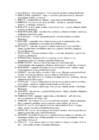
ACTUATOR - a mechanical device for moving or controlling something - ajam, mootor, täiturmehhanism, käitusmehhanism, lüliti, lülitushoob, täitur, täiturseade ( Merriam -Webster)
ADJACENT - very near , next to, or touching - külgnev, lähedalasuv ( Cambridge Dictionary)
ADJUST - alter or move (something) slightly in order to achieve the desired fit, appearance, or result - kohandama , häälestama, kohanema ( Oxford Dictionary)
ADOPTION - accepting or starting to use something new - omaksvõtt, adaptatsioon (Cambridge Dictionary)
ALLIANCE - a union or association formed for mutual benefit , especially between countries or organizations - liitumine, liit, allianss ( Oxford Dictionary)
ANNEX - add as an extra or subordinate part, especially to a Document - , lisa, juurde andma, juurde panema , liidendama, liitma - (Oxford Dictionary)
ANOMALY - something that deviates from what is standard, normal, or expected - anomaalia , hälve (Oxford Dictionary)
APPLIANCE - a device, machine, or piece of equipment , especially an electrical one - seadis, seade, tööriist (Cambridge Dictionary)
APPROPRIATE - suitable or right for a particular situation or occasion - eesmärgi järgne, sobiv, paras , kohane - (Cambridge Dictionary)
ARISE - to originate from a source -tõusma, kerkima, tekkima , tulenema, (Merriam-Webster)
ASSET - an item of value owned - varad , väärtused, tugevad küljed (Merriam-Webster)
AUTONOMOUS - freedom from external control or influence; independence - autonoomne, iseseisev (Oxford Dictionary)
BANDWIDTH - a measurement of the amount of information that can be sent between computers , through a phone line, etc – ülekandekiirus (Cambridge Dictionary)
BENEFIT - an advantage or profit gained from something - soodustus, kasu saama, head tegema, kasu, tulu, toetus (Oxford Dictionary)
BESPOKE - made for a particular customer or user - tellimisel valmistatud (Oxford Dictionary)
BEYOND - Having progressed or achieved more than (a specified stage or level) - peale, taga, üle (Oxford Dictionary)
BLOCK - an obstacle to the normal progress or functioning of something - blokeerima , tõkestama (Oxford Dictionary)
CENTRALISATION - the action or process of bringing activities together in one place - tsentraliseerimine, koondamine , keskendamine (Oxford Dictionary)
COLLABORATION - the action of working with someone to produce something - koostöö, kollaboratsioon (Oxford Dictionary)
COMMERCIAL- concerned with or engaged in commerce - kommertslik, kaubanduslik, kaubandus-, (Oxford Dictionary)
COMMODITISE - turn into or treat as a mere commodity – tarbekaup (Oxford Dictionary)
COMMUTER - a person who travels some distance to work on a regular basis - pendeldaja, tööle ja tagasi sõitja (Oxford Dictionary)
COMPRISE - consist of; be made up of - sisaldama, hõlmama, koosnema, (millessegi) kuuluma (Oxford Dictionary)
CONCERTED - planned or done together for a shared purpose - ühine, kooskõlastatud (Cambridge Dictionary)
CONGESTION - the state of being congested/ clogged - tulv , ummik, kongestioon (Oxford Dictionary)
CONSIDERABLE - large or of noticeable importance - märgatav, suur hulk, märkimisväärne, oluline, kaalukas (Cambridge Dictionary)
CONSISTENT - acting or done in the same way over time, especially so as to be fair or accurate - terviklik, järjekindel, kooskõlas (Oxford Dictionary)
CONSUME - buy ( goods or services) – tarbima (Oxford Dictionary)
CONSUMERISM - the state of an advanced industrial society in which a lot of goods are bought and sold - tarbijaõiguslus, konsumerism (Cambridge Dictionary)
CONTEXTUAL - related to the context of something - kontekstiline, kontekstuaalne (Cambridge Dictionary)
CONVERGENCE - the merging of distinct technologies, industries, or devices into a unified whole - lähenemine , sarnastumine, koondumine , kokkuvoolamine (Merriam-Webster)
CONVERSELY - from a different and opposite way of looking at this - vastuoksa , vastupidi, ümberpöördult - (Cambridge Dictionary)
COORDINATION - the harmonious functioning of parts for effective results - koordinatsioon , rinnastus, kooskõlastamine (Merriam-Webster)
CRUCIAL - extremely important or necessary - otsustav , kriitiline, ülioluline (Cambridge Dictionary)
DEDICATED - exclusively allocated to or intended for a particular purpose - pühendatud, pühendunud, eri- (Oxford Dictionary)
DEMAND - the desire of consumers, clients, employers, etc. for a particular commodity, service, or other item - nõue, vajadus, nõudlus (Oxford Dictionary)
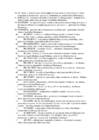
DEPLOYMENT - the action of bringing resources into effective action - positsioonidele paigutamine (Oxford Dictionary)
DERIVE - obtain something from (a specified source) - pärinema, tulenema (Oxford Dictionary)
DEVELOP - to invent something or bring something into existence - välja töötama, looma, konstrueerima, projekteerima (Cambridge Dictionary)
DIFFERENTIATION - the action or process of differentiating or distinguishing between two or more things or people - diferentseerimine , eristamine, eristus (Oxford Dictionary)
DIFFER - be unlike or dissimilar - erinema, eristuma (Oxford Dictionary)
DIMENSION - a part or feature or way of considering something - mõõde, dimensioon (Cambridge Dictionary)
DISCRETIONARY - available for use at the discretion of the user - omal äranägemisel toimuv, valikuvaba (Oxford Dictionary)
DISTINCT - clearly noticeable; that certainly exists - märgatav, selge, eraldiseisev, distinktiivne, erinev (Cambridge Dictionary)
DISTRIBUTION - the process of spreading or supplying something - levimus , levik, jaotus, levitamine, jaotamine, distributsioon (Cambridge Dictionary)
DIVERSIFY - make or become more diverse or varied - mitmekesistama, diversifitseerima, varieerima (Oxford Dictionary)
DRAMATICALLY - by a strikingly large amount or to a strikingly large extent; greatly - järsult, muljetavaldavalt (Oxford Dictionary)
ECOSYSTEM - a complex network or interconnected system – ökosüsteem (Oxford Dictionary)
EFFICIENCY - the good use of time and energy in a way that does not waste any - efektiivsus, jõudlus, tootlikkus , tõhusus , kasutegur (Cambridge Dictionary)
EFFORT – a vigorous or determined attempt - jõupingutus, katse (Oxford Dictionary)
EMBEDDED - fixed into the surface of something – sees olev, vahele lükitud (Cambridge Dictionary)
EMERGENCE - the fact of something becoming known or starting to exist - esilekerkimine, ilmumine (Cambridge Dictionary)
ENABLER - a person or thing that makes something possible – võimaldaja (Oxford Dictionary)
ENERGY GRID - a network of cables or pipes for distributing power, especially high- voltage transmission lines for electricity – elektivõrgustik (Oxford Dictionary)
ENHANCE - to improve the quality, amount, or strength of something - tõstma, tugevdama, kvaliteeti parandama, täiustama, parendama (Cambridge Dictionary)
ENTERPRISE - an organization, especially a business - ettevõte, üritus (Cambridge Dictionary)
EQUIVALENT - having the same amount, value, purpose, qualities, etc - võrdväärne, ekvivalentne (Cambridge Dictionary)
ESTABLISHED - having existed or done something for a long time and therefore recognized and generally accepted – väljakujunenud (Oxford Dictionary)
EXECUTIVE - of, relating to, or suited for carrying out plans , duties, etc - kommenteeritud kokkuvõte (dictionary.com)
EXPEDITE - to make something happen more quickly - edendama , kiirendama (Cambridge Dictionary)
EXPOSE - to reveal or unmask - paljastama, näitama (dictionary.com)
EXTENSION - a part that is added to something to enlarge or prolong it - pikendus, laiendus (Oxford Dictionary)
FACILITATE - to make something possible or easier - hõlbustama, kergendama, lihtsustama (Cambridge Dictionary)
FLEET - a large group of airplanes, automobiles, etc., moving or operating together - veeremipark, autopark (dictionary.com)
FORECAST - a statement of what is judged likely to happen in the futuure - ennustus, prognoos (Cambridge Dictionary)
FRAGMENTATION - the process or state of breaking or being broken into fragments - killunemine, fragmentatsioon (Oxford Dictionary)
FUNDAMENTAL - forming the base, from which everything else develops - põhiline, oluline, fundamentaalne (Cambridge Dictionary)
GATHER - to collect several things, often from different places or people - koguma, kogunema, kokku korjama - (Cambridge Dictionary)
GENERATE - produce or create - tekitama, esile kutsuma, kaasa tooma (Oxford Dictionary)
GEO-FENCING - the use of GPS or RFID technology to create a virtual geographic boundary, enabling software to trigger a response when a mobile device enters or leaves a particular area – asukohapõhine piiranguala (Oxford Dictionary)
HASTEN - to make something happen sooner or more quickly - kiirendama, tõttama (Cambridge Dictionary)
HAZARDOUS - risky; dangerous - ohtlik, riskantne, kardetav (Oxford Dictionary)
HORIZONTAL (capabilities) - being at or involving the same level of a hierarchy – horisontaalne (Oxford Dictionary)
IMPACT - a marked effect or influence - mõju, toime (Oxford Dictionary)
IMPROVE - to (cause something to) get better - parandama, paremaks muutma , täiustama (Cambridge Dictionary)
INDICATE - to show, point, or make clear in another way - osutama, näitama, viitama (Cambridge Dictionary)
INDISTINGUISHABLE - not able to be identified as different or distinct - eristamatu, eraldamatu (Oxford Dictionary)
INDIVIDUALS’ - of or for a particular person - indiviidi, üksikisiku (Oxford Dictionary)
INDUSTRY - a particular form or branch of economic or commercial activity - tegevusharu, majandusharu , tootmisharu (Oxford Dictionary)
INITIATIVE - a new plan or process to achieve something or solve a probleem - algatus , algatusvõime, ettevõtlikkus, initsiatiiv, algatuslik, ettevõtlik, isetegevus (Oxford Dictionary)
INNOVATIVE - using new methods or ideas - uuenduslik, edumeelne, progressiivne (Cambridge Dictionary)
INTEGRATION - the process of combining two or more things into one - integratsioon , lõiminime, lõiming (Cambridge Dictionary)
INTERVENTION - the act or fact of becoming involved intentionally - vaheleastumine, vahelesegamine, sekkumine, interventsioon (Cambridge Dictionary)
INVENTORY - a quantity of merchandise or goods held in stock - varustus , asjade loend . lõpetamata toodang (Oxford Dictionary)
LATENCY - the delay before a transfer of data begins following an instruction for its transfer - latentsusaeg, latentsus , varjatus, peiteaeg (Oxford Dictionary)
LEISURE - time when one is not working or occupied; free time - jõudeaeg, vaba aeg, puhkehetk (Oxford Dictionary)
LEVERAGE - to use something that you already have in order to achieve something new or better – mõjujõud, mõjutusvahend (Cambridge Dictionary)
MAJORITY - the larger number or part of something - enamik, enamus (Cambridge Dictionary)
MATURITY - the state, fact, or period of being mature - küpsus, valmidus, tähtajalisus (Oxford Dictionary)
MISBEHAVIOUR - improper, inappropriate, or bad behavior - halb käitumine, eksimus käitumises (dictionary.com)
MOBILITY - the ability to move or be moved freely and easily - liikuvus, püsimatus, liikumisvalmidus, mobiilsus , mehhanismi liikuvusaste (Oxford Dictionary)
MODULE - one of a set of separate parts that, when combined, form a complete whole - moodul , koostisosa (Cambridge Dictionary)
MONETISE - convert into or express in the form of currency - raha ringlusse laskma , rahaks tegema/realiseerima (Oxford Dictionary)
NASCENT - (especially of a process or organization) just coming into existence and beginning to display signs of future potential - tekkiv, tärkav, äsjasündinud, vastne, uus (Oxford Dictionary)
NOMADIC - move from one place to another rather than being in one place all of the time - ränd-, rändav, rändlev (Cambridge Dictionary)
OUTAGE - a period when a power supply or other service is not available or when equipment is closed down - pimendus, voolukatkestus, seisak (Oxford Dictionary)
PERVASIVE - present or noticeable in every part of a thing or place - kõikjale leviv, laialt levinud, valdav, kõikjale tungiv (Cambridge Dictionary)
PLATFORM - the type of computer system or smartphone you are using, in relation to the type of software (= computer programs) you can use on it – platvorm (Cambridge Dictionary)
POTENTIAL - possible when the necessary conditions exist - potentsiaal, võimalik, võime (Cambridge Dictionary)
PRIORITY - the fact or condition of being regarded or treated as more important than others - eesõigus, prioriteet, eelistus (Oxford Dictionary)
PROFICIENCY - competent or skilled in doing or using something - osav, pädev, kompetentne , asjatundlik (Oxford Dictionary)
PROLIFERATION - rapid increase in the number or amount of something - kvantitatiivne kasv, kiire levik, levimine, järsk kasv (Oxford Dictionary)
PROMINENT - important; famous - esileulatuv, väljapaistev, kuulus, esileküündiv (Oxford Dictionary)
PROPEL - to drive, or cause to move, forward or onward - liikuma panema, liigutama , tagant kihutama, tagant tõukama, edasi viima (dictionary.com)
PROPOSITIONS - an offer or suggestion , usually in business - ettepanek, väide, prepositsioon (Cambridge Dictionary)
PROSPECT - the idea of something that will or might happen in the futuure - väljavaade, lootus, perspektiiv (Cambridge Dictionary)
PROTECTION - the act of protecting or state of being protected - kaitsmine, kaitse (Cambridge Dictionary)
PROVISION - the action of providing or supplying something for use – varustamine, pakkumine (Oxford Dictionary)
PROXIMITY - nearness in place, time, order, occurrence, or relation - lähedus, ligidus (dictionary.com)
RECOGNISE - automatically identify and respond correctly to - ära tundma, registreerima (Oxford Dictionary)
REGARDLESS - despite; not being affected by something - hoolimata, vaatamata (Cambridge Dictionary)
REQUIREMENT - A thing that is needed or wanted - nõudmine , nõue, tingimus (Oxford Dictionary)
REVENUE - the income that a government or company receives regularly - tulud, aastatulu (Cambridge Dictionary)
ROAMING - the use of a mobile phone service that you can connect to when you cannot connect to the one that you normally use, for example if you are in another country - välisvõrgu kasutus (Cambridge Dictionary)
SCENARIO - a description of possible actions or events in the futuure – stsenaarium (Cambridge Dictionary)
SCHEDULING - the job or activity of planning the times at which particular tasks will be done or events will happen - kalenderplaanimine, ajagraafiku koostamine, plaanimine , planeerimine (Cambridge Dictionary)
SECTOR - a distinct part, especially of society or of a nation 's economy - sektor , haru, tegevusala (dictionary.com)
SEEK - to try to find or get something, especially something that is not a physical object - otsima , küsima, püüdlema (Cambridge Dictionary)
SEGMENT - Each of the parts into which something is or may be dividend - segment, lõik (Oxford Dictionary)
SELF-DIRECTED - (of an activity) under one's own control – enda kontrolli all olev tegevus (Oxford Dictionary)
SERVICE CENTRE - an authorized commercial establishment for repairs and replacement parts for appliances or cars – teeninduskeskus (dictionary.com)
SOCIETY an organized group of persons associated together for religious , benevolent, cultural , scientific , political , patriotic, or other purposes - ühiskond, ühing (dictionary.com)
SOCIO-ECONOMIC - Relating to or concerned with the interaction of social and economic factors. – sotsiaalmajanduslik (Oxford Dictionary)
SOLUTION - the answer to a probleem – lahendus (Cambridge Dictionary)
SPECIFICATION - something specified, as in a bill of particulars; a specified particular, item, or article - spetsifikatsioon, detailne kirjeldus (dictionary.com)
STAKEHOLDER - a person or group of people who own a share in a business - aktsionär, osanik , sidusgrupp (Cambridge Dictionary)
STEP CHANGE - a significant change, esp an improvement - hüppeline muutus (dictionary.com)
STRAIN - Make severe or excessive demands on – kurnama (Oxford Dictionary)
SUBSCRIPTION - the right to receive a service or access text online for a certain period of time - tellimine, tellimus, abonement (dictionary.com)
SUBSET - a set (= a group of similar numbers , objects, or people) that is part of another - alajaotis , alamhulk, osahulk (Cambridge Dictionary)
SURVEILLANCE - continuous observation of a place, person, group, or ongoing activity in order to gather information - järelvalve, seire , valve (dictionary.com)
TAMPER -PROOF - Made so that it cannot be interfered with or changed. – võltsimiskindel, muutmiskindel (Oxford Dictionary)
TANGIBLE - real and not imaginary; able to be shown, touched, or experienced - kombatav, materiaalne, aineline, reaalne, rahas mõõdetav (Cambridge Dictionary)
TO BRIDGE - a connecting, transitional, or intermediate route or phase between two adjacent elements , activities, conditions, or the like – ühendama (dictionary.com)
PILOT - Test (a scheme, project , etc.) before introducing it more widely. - piloteerima, proovi-, katseline , katse-, eksperimentaalne, eksperimentaal-, juht, juhtima (Oxford Dictionary)
TOWARDS - in the direction of, or closer to someone or something - kohta, suunas, suunas, poole (Cambridge Dictionary)
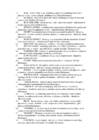
TRANSMIT - Broadcast or send out (an electrical signal or a radio or television programme ) - edastama , edasi andma, saatma , üle kandma (Oxford Dictionary)
UNDERPIN - to give support , strength , or a basic structure to something - toestama, edasist kinnitust saama (Cambridge Dictionary)
UNLEASH - Cause (a strong or violent force ) to be released or become unrestrained - vabastama, valla päästma, vallandama (Oxford Dictionary)
UNVIABLE - not able to work as intended; not able to succeed - elujõuetu, mittetöötav (Cambridge Dictionary)
UPFRONT - (of a payment ) in advance - ettemakse, ettetasu, ette tasumine (Oxford Dictionary)
USHER - Show or guide (someone) somewhere. - kohanäitaja, kuulutama, juhatama , uksehoidja (Oxford Dictionary)
UTILISE - to use something in an effective way - kasutama, ära kasutama, ära tarvitama , ära tarbima, utiliseerima, kasutusele võtma, pruukima, tarvitama, kasutusse võtma, rakendama (Cambridge Dictionary)
VARYING - Differ in size , amount, degree , or nature from something else of the same general class . - varieerima, muutma, varieeruma, muutuma , erinema, lahknema (Oxford Dictionary)
VAST - extremely big - tohutu, tohutu suur, hiiglaslik, grandioosne (Cambridge Dictionary)
VERTICAL INDUSTRIES - Involving all the stages from the production to the sale of a class of goods. – vertikaalne tootmisharu (Oxford Dictionary)
VULNERABILITY - able to be easily physically, emotionally, or mentally hurt , influenced, or attacked - haavatavus, nõrkus, kahjustatavus, kaitsetus (Cambridge Dictionary)
 50 punkti
Autor soovib selle materjali allalaadimise eest saada 50 punkti.
50 punkti
Autor soovib selle materjali allalaadimise eest saada 50 punkti.
 ~ 10 lehte
Lehekülgede arv dokumendis
~ 10 lehte
Lehekülgede arv dokumendis
 2017-12-18
Kuupäev, millal dokument üles laeti
2017-12-18
Kuupäev, millal dokument üles laeti
 16 laadimist
Kokku alla laetud
16 laadimist
Kokku alla laetud
 0 arvamust
Teiste kasutajate poolt lisatud kommentaarid
0 arvamust
Teiste kasutajate poolt lisatud kommentaarid
 204693
Õppematerjali autor
204693
Õppematerjali autor
 annaabi.ee








Kõik kommentaarid