Vajad kellegagi rääkida?
Küsi julgelt abi LasteAbi
Logi sisse

Inglise keele eessõnad (0)

1 Hindamata
Punktid
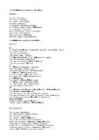
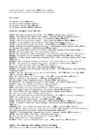
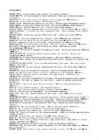
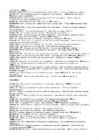
VIISIM��RUSES ESINEVAD EESS�NAD KUIDAS? by bus (bussiga) by train ( rongiga ) by plane (lennukiga) on foot ( jalgsi ) in English (inglise keeles) in a loud voice (valju h��lega) in a whisper (sosinal) with difficulty (suure vaevaga) with care (hoolikalt) with his key (v�tmega) without delay (viivitamata) AJAM��RUSES ESINEVAD EESS�NAD MILLAL? IN 1. Pikad ajaj�rgud (sajandid, aastad, aastaajad , kuud) *in June (juunis) *in spring (kevadel) *in 1991 (1991. aastal) 2. P�evaperioodid (v.a. ��sel- at night ) *in the morning ( hommikul ) *in the afternoon (p�rastl�unal) *in the evening (� htul ) AT 1. T�psed kellaajad, vanused *at 5 o' clock (kell viis) *at (the age of) 17 (17-aastaselt) 2. P�had, n�dalavahetused *at Christmas (j�ulude ajal) *at weekends (n�dalavahetustel) 3. S��giajad *at lunch (l�unas��gi ajal) 4. S�nad, mis viitavad ajale *at the same time (samal ajal) *at the moment (hetkel) ON 1. L�hemad ajaj�rgud (t�htp� evad , n�dalap�evad) *on Monday (esmasp�eval) *on the first of June (esimesel juunil) *on the morning of 1 June (esimese juuni hommikul) *on Sunday morning (p�hap�eva hommikul) MUUD EESS�NAD *before lunch (enne l�unat) *after lunch (p�rast l�unas��ki) KUI KAUA(KS)? for a year (aastaks) for two months (kaheks kuuks) for an hour (tunniks) for supper (� htus ��giks) until two o'clock (kella kaheni) till next Sunday (j�rgmise p�hap� evani ) from May to /till July ( maist juulini) from 9 a.m. to/till 6 p.m. (kella 9-st 6-ni) from morning to night (hommikust �htuni) since 1985 (1985-st aastast saadik) since last week (eelmisest n�dalast saadik) for the last six years (viimased kuus aastat) MIS AJAKS? by Monday (esmasp�evaks) by two o'clock (kella kaheks) in an hour (tunni aja p�rast) in 3 weeks (kolme n�dala p�rast PEAMISED EESS�NAD KOOS N�ITEGA ABOUT: He told us about his trip. (Ta r��kis meile oma reisist.) ABOVE : The plane flew above the clouds. (Lennuk lendas pealpool pilvi.) ACROSS : He ran across the street . (Ta jooksis �le t�nava.) AFTER: They arrived after supper. (Nad saabusid p�rast �htus��ki.) AGAINST: I am against the proposal . (Ma olen ettepaneku vastu.) ALONG : They walked along the shore . (Nad k�ndisid m��da kallast.) AMONG: Divide the sweets among the boys . (Jaga maiustused poiste vahel �ra.) AT: We met at a party . (Me kohtusime �hel peol.) BEFORE: I'll be back before 3 o'clock. (Ma olen tagasi enne kella kolme.) BEHIND : He sat behind me. (Ta istus minu taga.) BELOW : He signed his name below mine. (Ta kirjutas oma nime minu nime alla.) BESIDE: He likes to sit beside Mary . (Talle meeldib Mary k�rval istuda.) BESIDES : I have three other hats besides this. (Mul on peale selle veel kolm k�barat.) BETWEEN : She sat between Harry and Toby. (Ta istus Harry ja Toby vahel.) BEYOND : The church is beyond the river . ( Kirik on teisel pool j�ge.) BY: It's made by hand. (See on k� sitsi tehtud.) DOWN: We ran down the hill . (Me jooksime m�est alla.) DURING : I visited him during my stay in London. (Ma k�lastasin teda Londonis viibimise ajal.) EXCEPT: We get up early every day except Sunday. (Me t�useme vara iga p�ev, v�lja arvatud p�hap�ev.) FOR: He stayed there for three days. (Ta j�i sinna kolmeks p�evaks.) FROM: I took it from the box. (V�tsin selle kastist.) IN: In summer they stayed in town. (Suvel j�id nad linna.) IN FRONT OF: He stopped in front of the house. (Ta peatus maja ees.) INSIDE: They are inside the house. (Nad on majas .) INTO: Let him into the house. (Lase ta majja.) NEAR: Our house is near the postoffice. (Meie maja on postkontori ligidal.) OF: He bought a bar of chocolate . (Ta ostis tahvli �okolaadi.) OFF: Dick fell off the ladder . (Dick kukkus redeli pealt maha.) ON: Put it on the table. (Pane see lauale.) OUT OF: She took her purse out of her pocket. (Ta v�ttis taskust rahakoti.) OVER: He climbed over the fence . (Ta ronis �le aia.) PAST: He went past the house. (Ta l�ks majast m��da.) ROUND : The earth turns round the sun. (Maa tiirleb � mber p�ikese.) SINCE: I haven 't seen her since Monday. (Ma pole teda esmasp� evast saadik n�inud.) THROUGH : The river flows through the town. (J�gi voolab l�bi linna.) TILL (UNTIL): We'll wait for you till 2 o'clock. (Me ootame sind kella kaheni.) TO: Have you been to Spain? (Oled sa Hispaanias k�inud?) TOWARDS: The plane flew towards the north . (Lennuk lendas p�hja poole.) UNDER: She sat under the tree. (Ta istus puu all.) UP: He ran up the stairs. (Ta jooksis trepist �les.) WITH: Come with me. (Tule minuga.) WITHOUT: Don't go out without your coat . (�ra mantlita v�lja mine.) S�NAD, MIS N�UAVAD ENDA J�REL KINDLAT EESS�NA (NB! Siin ei ole �ra toodud k�iki selliseid s�nu.) OMADUSS�NAD ABSENT FROM: He was absent from school. (Ta puudus koolist.) ACCUSTOMED TO: I'm accustomed to the traditions . (Ma olen traditsioonidega harjunud.) ADDICTED TO: He's addicted to drinking . (Ta on joomisest s�ltuvuses.) AFRAID OF: I'm afraid of snakes. (Ma kardan usse.) AMUSED AT/BY: Melinda was amused by the cats . (Koerad tegid Melindale nalja .) ANGRY ABOUT: He was angry about my words . (Ta oli mu s� nade peale pahane.) ANGRY WITH/AT: He was angry at Lucy . (Ta oli Lucy peale pahane.) ANNOYED ABOUT: He was annoyed about this situation. (See olukord h�iris teda.) ANNOYED WITH/AT: I couldn't be more annoyed at you. (Sa ei suudaks mind rohkem h�irida.) ANXIOUS ABOUT: Stacy was anxious about the trip. (Stacy oli reisi p�rast �hinas.) ASHAMED OF: John is ashamed of his results . (John h�beneb oma tulemusi.) AWARE OF: Are you aware of the accident ? (Kas sa tead �nnetusest?) BAD FOR: Smoking is bad for everybody . (Suitsetamine on k� igile halb.) BORED BY/WITH: I'm bored with this book. (Ma olen sellest raamatust t�dinud.) BUSY WITH: Michael is busy with writing an essay . (Michael on essee kirjutamisega h�ivatud.) CAPABLE OF: Bruce isn't capable of talking so loud. (Bruce ei suuda nii k�vasti r��kida.) CERTAIN ABOUT/OF: Dylan was quite certain about the results. (Dylan oli tulemustes �sna kindel.) CONVINCED OF: I was convinced of the victory. (Ma olin v� idus veendunud.) DIFFERENT FROM: Daniel is so different from the others . (Daniel on teistest nii erinev.) DISAPPOINTED ABOUT/WITH: I was disappointed about that game. (Ma olin selles m�ngus pettunud .) DISAPPOINTED IN: He was totally disappointed in Greg . (Ta oli Gregis t� iesti pettunud.) ENVIOUS OF: Kate is envious of Kristina. (Kate on Kristina peale kade .) EQUAL TO: Natalie isn't equal to Sarah. (Natalie ei ole Sarahiga v�rdne.) EXITED ABOUT: Jennifer was exited about the opportunity . (Jennifer oli v�imalusest erutatud.) FAITHFUL TO: She must be faithful to Morgen . (Ta peab Morgenile ustav olema.) FAMOUS FOR: The town is famous for its church. (Linn on kuulus oma kiriku poolest.) FED UP WITH: I'm fed up with these exercises . (Mul on neist harjutustest k�rini.) FOND OF: He is fond of poetry. (Ta armastab luulet.) FULL OF: The room is full of people. (Tuba on inimesi t�is.) GOOD AT: She is good at languages. (Ta on keeltes andekas.) GUILTY OF: Jack was founded guilty of the crime . (Jack m�isteti kuriteos s��di.) IMPRESSED BY/WITH: I was impressed with the movie. ( Film avaldas mulle muljet.) INNOCENT OF: Keith was innocent of the crime. (Keith ei olnud kuriteos s��di.) INTERESTED IN: Tom is interested in geography. (Tom huvitub geograafiast.) INVOLVED IN: Bryan wasn't involved in this case . (Bryan ei olnud selle looga seotud.) JEALOUS OF: Max is jealous of Trevor. (Max on Trevori peale armukade .) KEEN ON: He is keen on football. (Ta huvitub jalgpallist.) KIND TO: She was very kind to me. (Ta oli mu vastu v�ga lahke .) KNOWN FOR: Clark is known for his changing moods. (Clark on tuntud oma muutuvate tujude poolest.) LATE FOR: He was late for school. (Ta j�i kooli hiljaks .) MADE OF: The house is made of wood . (Maja on tehtud puidust.) MADE FROM: This cake is made from flour , eggs and butter. (See kook on tehtud jahust, munadest ja v�ist.) MARRIED TO: Lisa is married to George. (Lisa on George'ga abielus.) NECESSARY FOR: Is this book really necessary for me? (Kas see raamat on t�esti mulle vajalik?) PATIENT WITH: She tried to stay patient with her sister . (Ta �ritas oma �ega rahulikuks j��da.) PLEASED ABOUT/WITH: He is pleased with the result . (Ta on tulemusega rahul.) POLITE TO: The students weren't polite to the teacher . (�pilased ei olnud �petaja vastu viisakad.) POPULAR WITH: Those songs are popular with the teenagers . (Need lood on teismeliste hulgas populaarsed.) PROUD OF: I'm proud of you. (Ma olen su �le uhke.) REMEMBERED FOR: He will be remembered for a long time. (Teda m�letatakse kaua aega.) RESPONSIBLE FOR: Tracy is responsible for this mess. (Tracy on selle segaduse eest vastutav .) SATISFIED WITH: I'm satisfied with it. (Ma olen sellega rahul.) SCARED OF: I'm scared of the future. (Ma kardan tulevikku.) SHOCKED AT/BY: I was shocked by this newspaper . (See ajaleht jahmatas mind.) SHORT OF: I'm short of money . (Mul on v�he raha.) SICK OF: Chris is sick of school. (Chrisil on koolist k�rini.) SIMILAR TO: This text is similar to the one in the newspaper. (See tekst on ajalehes kirjutatuga sarnane.) SORRY ABOUT: He was sorry about his actions . (Ta kahetses oma tegusid .) SORRY FOR: She was sorry for Martin. (Tal oli Martinist kahju.) SURE ABOUT/OF: He was sure of his words. (Ta oli oma s�nades kindel.) SURPRISED AT/BY: We were surprised at the news. (Me olime uudiste �le �llatunud.) SUSPICIOUS OF: The police are suspicious of Jenny. (Politsei kahtlustab Jennyt.) THIRSTY FOR: He is thirsty for new races . (Ta januneb uute s�itude j� rele .) TIRED FROM: Randy is tired from the hard work . (Randy on raskest t��st v�sinud.) TIRED OF: Stanley is tired of the arguements. (Stanley on vaidlustest t�dinud.) TYPICAL OF: Forgetting is so typical of you. (Unustamine on sulle nii t��piline.) UPSET ABOUT/WITH/BY: I was upset by this article. (See artikkel vihastas mind.) USEFUL FOR: This investment isn't useful for the firm . (See investeering ei ole firmale kasulik.) USEFUL TO: These notes aren 't useful to you. (Need m�rkmed ei ole sulle kasulikud.) WORRIED ABOUT: She is worried about you. (Ta on sinu p�rast mures.) TEGUS�NAD ACCUSE OF: The police accused me of stealing. (Politsei s��distas mind varastamises.) ADAPT TO: Theresa adapted herself to the conditions . (Theresa kohanes tingimustega.) ADD TO: There's nothing for me to add to this story. (Mul ei ole sellele jutule midagi lisada.) ADMIRE FOR: I admire Julie for her patience. (Ma imetlen Juliet tema kannatuse p�rast.) AGREE TO: He agreed to my proposal. (Ta oli mu ettepanekuga n�us.) AGREE WITH: Do you agree with me? (Kas sa n�ustud minuga?) APPLY FOR: I applied for a job. (Ma esitasin t�� saamiseks avalduse.) APPROVE OF: Matt doesn't approve of this attitude . (Matt ei kiida seda suhtumist heaks.) ARRIVE AT: I arrived at a hotel . (ma saabusin hotelli) ARRIVE IN: I arrived in Tallinn. (Ma saabusin Tallinna.) BEG FOR: Sydney begged for another chance . (Sydney anus uut v�imalust.) BELIEVE IN: I believe in you. (Ma usun sinusse.) BELONG TO: These belong to my father. (Need kuuluvad mu isale .) BLAME FOR: What are you blaming Roger for? (Mille p�rast sa Rogerit s��distad?) COMMENT ON: She commented on Richard's appearance. (Ta kommenteeris Richardi v�limust.) CONCENTRATE ON: Victoria doesn't concentrate on her homework . (Victoria ei keskendu oma kodut ��le.) CONGRATULATE ON: Ross congratulated Fred on his birthday . (Ross soovis Fredile s�nnip�eva puhul �nne.) CONSIST OF: The band consisted of six members . (B�nd koosnes kuuest liikmest.) CONVINCE OF: I convinced Jerome of going to the party. (Ma veensin Jerome'i peole tulema .) DEPEND ON: It depends on the weather . (See s�ltub ilmast.) DIE OF: Andrew died of lung -cancer. (Andrew suri kopsuv�hki.) EXPLAIN TO: Rick explained the system to me. (Rick seletas mulle s�steemi.) FALL IN LOVE WITH: He fell in love with Rose. (Ta armus Rose'i) GET RID OF: Susan got rid of the old clothes. (Susan sai vanadest riietest lahti.) GRADUATE FROM: Jim graduated from university last year. (Jim l�petas eelmisel aastal �likooli.) HAPPEN TO: What happened to Jack? (Mis juhtus Jackiga?) HEAR ABOUT: I heard about the accident. (Ma kuulsin �nnetusest.) HEAR FROM: I haven't heard from Linda for a long time. (Ma pole Lindast midagi pikka aega kuulnud.) HEAR OF: I bet they haven't heard of Erki Nool . (Ma pakun, et nad pole Erki Noolest kuulnud.) INFORM OF: Police informed Lisa of the suspect. (Politsei teatas Lisale kahtlusalusest.) INSIST ON: He insisted on my going there. (Ta n�udis, et ma sinna l�heksin.) INTERFERE WITH: Peter interfered with my speech. (Peter segas mu k� nele vahele.) JOIN IN: Jeff joined in the activity of the club . (Jeff v�ttis klubi tegevusest osa.) LISTEN TO: We listened to the radio . (me kuulasime raadiot .) LOOK AFTER: She must look after the children . (Ta peab laste j�rele vaatama.) LOOK AT: What are you looking at? (Mida sa vaatad?) LOOK FOR: I'm looking for my umbrella . (Ma otsin oma vihmavarju.) OBJECT TO: I object to his statement . (Ma olen ta avaldusele vastu.) OPERATE ON: I operated on the paintings . (Ma tegutsesin maalide kallal.) PARTICIPATE IN: IShe participated in the work of the club. (Ta v�ttis klubi t��st osa.) PAY FOR: Karen didn't pay for the shoes . (Karen ei maksnud kingade eest) PAY ATTENTION TO: Pay attention to my words. (P��ra mu s�nadele t� helepanu .) PREFER TO: I prefered the trip to the concert . (Ma eelistasin reisi kontserdile.) PREPARE FOR: Susan should prepare for the exam . (Susan peaks eksamiks valmistuma.) PREVENT FROM: You can't prevent me from doing it. (Sa ei saa takistada mind seda tegemast.) REMIND ABOUT: Lynn reminded Patrick about the trip. (Lynn tuletas Patrickule reisi meelde.) REMIND OF: She reminds me of my best friend . (Ta meenutab mulle mu parimat s�pra.) REPLY TO: Rachel didn't reply to the letter . (Rachel ei vastanud kirjale.) ROB OF: He robbed the lady of her purse. (Ta r��vis daamilt rahakoti.) SAY TO: I've something to say to you. (Mul on sulle midagi � elda .) SEARCH FOR: Everybody searched for the little boy. (K�ik otsisid v�ikest poissi.) SEEM TO: It seems to me that you like him. (Mulle tundub, et ta meeldib sulle.) SEPARATE FROM: Daniella is separated from Jason. (Daniella on Jasonist lahutatud.) SHARE WITH: I don't want to share my problems with you. (Ma ei taha oma muresid sinuga jagada.) SHOUT AT: Neil shouted at Ted. (Neil karjus Tedi peale.) SMELL OF: I could smell of different flowers. (Ma tundsin erinevate lillede l�hna.) SMILE AT: He smiled at me. (Ta naeratas mulle.) SPEAK OF: The book speaks of her childhood. (See raamat r��gib ta lapsep �lvest.) SPEAK ON: He spoke on English art. (Ta k�neles inglise kunstist.) SPEAK TO: Did you speak to the doctor ? (Kas sa k�nelesid arstiga?) SPEND ON: I spent lots of money on it. (Ma kulutasin sellele palju raha.) SUCCEED IN: Ralf succeeded in making his own company. (Ralfil � nnestus rajada oma firma.) SUFFER FROM: Grace suffers from head-aches. (Grace kannatab peavalude all.) TAKE PART IN: He took part in the competition . (Ta v�ttis v�istlusest osa.) TALK TO: I talked to mother . (Ma r��kisin emaga.) THANK FOR: Thank you for your kindness. (T�nan sind su lahkuse eest.) THINK ABOUT: I often think about that day. (Ma m�tlen tihti sellest p�evast.) THINK OF: What did you think of this film ? (Mis sa sellest filmist arvasid?) VOTE FOR: I didn't vote for anybody. (Ma ei h��letanud kellegi poolt.) WAIT FOR: They are waiting for me. (Nad ootavad mind.) WARN ABOUT: Stephanie warned him about the criminals . (Stephanie hoiatas teda kurjategijate eest.) WRITE TO: Pamela didn't write to me. (Pamela ei kirjutanud mulle.) WORK ON: Stephanie worked on her assignment. (Stephanie t��tas oma � lesande kallal.) WORRY ABOUT: You shouldn't worry about me. (Sa ei peaks minu p�rast muretsema.)
Inglise keele eessõnad #1 Inglise keele eessõnad #2 Inglise keele eessõnad #3 Inglise keele eessõnad #4 Inglise keele eessõnad #5 Inglise keele eessõnad #6
Punktid 10 punkti Autor soovib selle materjali allalaadimise eest saada 10 punkti.
Leheküljed ~ 6 lehte Lehekülgede arv dokumendis
Aeg2014-05-25 Kuupäev, millal dokument üles laeti
Allalaadimisi 53 laadimist Kokku alla laetud
Kommentaarid 0 arvamust Teiste kasutajate poolt lisatud kommentaarid
Autor robla Õppematerjali autor

Sarnased õppematerjalid

AJAMÄÄRUSES ESINEVAD EESSÕNAD
3
docx

AJAMÄÄRUSES ESINEVAD EESSÕNAD

AJAMÄÄRUSES ESINEVAD EESSÕNAD MILLAL? IN 1. Pikad ajajärgud (sajandid, aastad, aastaajad, kuud) *in June (juunis) *in spring (kevadel) *in 1991 (1991. aastal) 2. Päevaperioodid (v.a. öösel- at night) *in the morning (hommikul) *in the afternoon (pärastlõunal) *in the evening (õhtul) AT 1. Täpsed kellaajad, vanused *at 5 o'clock (kell viis) *at (the age of) 17 (17-aastaselt) 2. Pühad, nädalavahetused *at Christmas (jõulude ajal) *at weekends (nädalavahetustel) 3. Söögiajad *at lunch (lõunasöögi ajal) 4. Sõnad, mis viitavad ajale *at the same time (samal ajal) *at the moment (hetkel) ON 1. Lühemad ajajärgud (tähtpäevad, nädalapäevad) *on Monday (esmaspäeval) *on the first of June (esimesel juunil) *on the morning of 1 June (esimese juuni hommikul) *on Sunday morning (pühapäeva hommikul) MUUD EESSÕNAD *before lunch (enne lõunat) *after lunch (pärast lõunasööki) KUI KAUA(KS)? for a year (aastaks) for two months (kaheks kuuks) for an

Inglise keel
Inglise keele jaotusmaterjal
37
doc

Inglise keele jaotusmaterjal

50 9.15 10.45 19.05 6.15 7.45 20.15 19.40 14.30 16.29 23.25 5.49 8.02 13.55 17.09 18.22 Addresses Aadressidest rääkides kasutatakse eessõna at, kui öeldakse ka korteri või maja number, ning eessõna in, kui öeldakse ainult tänava nimi. They live at 5 Oxford Street. She got a job in Weston Road. Ameerika inglise keeles kasutatakse tänavatest rääkides eessõna on. He lives on Penn Street. What's the address? Do you know the address? Practise asking and saying addresses: Süda 1, 10118 Tallinn Akadeemia tee 311 Kentmanni 25-91 Saue, Harjumaa, 76402 Jõgisoo MODULE 5 Word order A Verb + object I like children very much. Did you see your friends yesterday? Ann often plays tennis.

Inglise keel
Videvik kogu raamat Inglise keeles
274
docx

Videvik(kogu raamat Inglise keeles)

Color-- -1- -2- -3- -4- -5- -6- -7- -8- -9- Text Size-- 10-- 11-- 12-- 13-- 14-- 15-- 16-- 17-- 18-- 19-- 20-- 21-- 22-- 23-- 24 TWILIGHT By Stephenie Meyer Contents PREFACE 1. FIRST SIGHT 2. OPEN BOOK 3. PHENOMENON 4. INVITATIONS 5. BLOOD TYPE 6. SCARY STORIES 7. NIGHTMARE 8. PORT ANGELES 9. THEORY 10. INTERROGATIONS 11. COMPLICATIONS 12. BALANCING 13. CONFESSIONS 14. MIND OVER MATTER 15. THE CULLENS 16. CARLISLE 17. THE GAME 18. THE HUNT 19. GOODBYES 20. IMPATIENCE 21. PHONE CALL 22. HIDE-AND-SEEK 23. THE ANGEL 24. AN IMPASSE EPILOGUE: AN OCCASION twilight STEPHENIE MEYER LITTLE, BROWN AND COMPANY New York Boston Text copyright © 2005 by Stephenie Meyer All rights reserved. Little, Brown and Company Time Warner Book Group 1271 Avenue of the Americas, New York, NY 10020 Visit our Web site at www.lb-teens.com First Edition: September 2005 The characters and events portrayed in this book are fictitious. Any similarity to real persons, living or dead, is coincidental and not intende

Kirjandus
Golden Grammar rules
10
doc

Golden Grammar rules

Golden Grammar rules 1. Don't use an with own. Sue needs her own room. (NOT Sue needs an own room.) I'd like a phone line of my own. (NOT ... an own phone line.) 2. Use or rather to correct yourself. She's German ­ or rather, Austrian. (NOT She's German ­ or better, Austrian.) I'll see you on Friday ­ or rather, Saturday. 3. Use the simple present ­ play(s), rain(s) etc ­ to talk about habits and repeated actions. I play tennis every Saturday. (NOT I am playing tennis every Saturday.) It usually rains a lot in November. 4. Use will ..., not the present, for offers and promises. I'll cook you supper this evening. (NOT I cook you supper this evening.) I promise I'll phone you tomorrow. (NOT I promise I phone you tomorrow.) 5. Don't drop prepositions with passive verbs. I don't like to be shouted at. (NOT I don't like to be shouted.) This needs to be thought about some more. (NOT This needs to be thought some more.) 6. Don't use a present tense after It's time. It's t

Inglise keel
Superstar 1 tests
41
doc

Superstar 1 tests

Tests Superstar 1 Luke Prodromou Test 1 Name____________________ Class_______ Use your English 1 Complete these sentences using the correct form (present simple or present continuous) of the verb in brackets. _ 1 She is in a band and she _________________________________ (record) a CD at the moment. _ 2 She is an actress and often _________________________________ (appear) on television. _ 3 At the moment she _________________________________ (have) a rest because she is tired. _ 4 Mike is a doctor and he _________________________________ (live) in Manchester. _ 5 I _________________________________ (start) work at 8.30 every morning. _ 6 He is a good cook but she _________________________________ (prefer) to eat out. _ 7 English tests _________________________________ (get) more and more interesting. _ 8 They _________________________________ (have) a party because it's her birthday. _ 9 I sometimes ____________

Inglise keel
I Love English 6 Workbook e-õpik lk-1-27
18
doc

I Love English 6 Workbook e-õpik lk. 1-27

Toimetatud Tartu Emajõe Koolis Toimetaja I. Tars Tartus, 2016 Elektroonilisse vormingusse kohandatud õpikus kasutatud märgised, mis aitavad otsingukäsu kasutamisel navigeerida * Tavakirjas leheküljenumbri ees on kolm järjestikust sidekriipsu, tühik ja vastava lehekülje number, näiteks, --- 5; * peatüki ette on kirjutatud kolm x-i, tühik ja vastava peatüki number, näiteks xxx 5; * visuaalne info on pandud kahekordsete ümarsulgude vahele. I Love English 6 töövihik sobib inglise keele õpetamiseks 8. klassis Töövihik vastab riiklikule õppekavale Retsenseerinud Piret Kärtner, Viive Latt, Ingrit Tera Toimetanud Viiu Menning, Nicola Fyfe, Tiina Helekivi Kujundanud ja küljendanud Eve Kurm Tehniliselt toimetanud Andero Kurm Illustreerinud Ülle Meister Esikaas: Boswell and Dr. Johnson (foto Scanpix). Vaata Unit 20. Autoriõigus: Mare Jõul, Ülle Kurm, 2009 Kirjastus Studium, 2009 Kõik õigused on kaitstud. Ilma autoriõiguse omaniku eelneva kirjaliku loata pole lubatud

Inglise keel
A lamb to the slaughter
9
doc

A lamb to the slaughter

Lamb to the Slaughter by Roald Dahl (1916-1990) The room was warm and clean, the curtains drawn, the two table lamps alight - hers and the one by the empty chair opposite. On the sideboard behind her, two tall glasses, soda water, whiskey. Fresh ice cubes in the Thermos bucket. Mary Maloney was waiting for her husband to come him (correction: home) from work. Now and again she would glance up at the clock, but without anxiety, merely to please herself with the thought that each minute gone by made it nearer the time when he would come. There was a slow smiling air about her, and about everything she did. The drop of a head as she bent over her sewing was curiously tranquil. Her skin - for this was her sixth month with child - had acquired a wonderful translucent quality, the mouth was soft, and the eyes, with their new placid look, seemed larger darker than before. When the clock said ten minutes to five, she began to listen, and a few moments later, punctually as always, she hear

Inglise keel
Kordamine inglise keele eksamiks
11
docx

Kordamine inglise keele eksamiks

Kordamine inglise keele eksamiks A 1.1 Read the text and answer the questions below. Dear Mary-Alice, It's been ages since I last wrote to you, isn't it weird? Yes, so it is, but, I do have a certain reason. Do you remember Sir Thom of the Minquettes'? That fine young man with fascinating blue eyes... Oh, my sweet Mary, you will never guess what happened yesterday! It was about seven o'clock in the evening when Lillian called me out for a walk ­ you know I can't say `no' to my little sis. Anyway ­ we went to the forest near the Swan Lake and, believe it or not, got lost! Awful! I was so scared... We walked and walked, not even knowing the direction we were heading to, until we reached a huge mansion. And the garden around it was so extraordinary... That is something you just must see! But neither the trees nor flowers could be as wonderful as the owner himself! Sir Thom treated us tea and sandwiches, not forgetting to show us way back to the village. He was so kind, don't you think?

Inglise keel


Kommentaarid (0)

Kommentaarid sellele materjalile puuduvad. Ole esimene ja kommenteeri


Sellel veebilehel kasutatakse küpsiseid. Kasutamist jätkates nõustute küpsiste ja veebilehe üldtingimustega Nõustun