Vajad kellegagi rääkida?
Küsi julgelt abi LasteAbi
Logi sisse

Strateegilise juhtimise konspekt (0)

1 Hindamata
Punktid

Esitatud küsimused

  • Mida Kuidas aeg risk protsess?
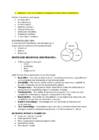
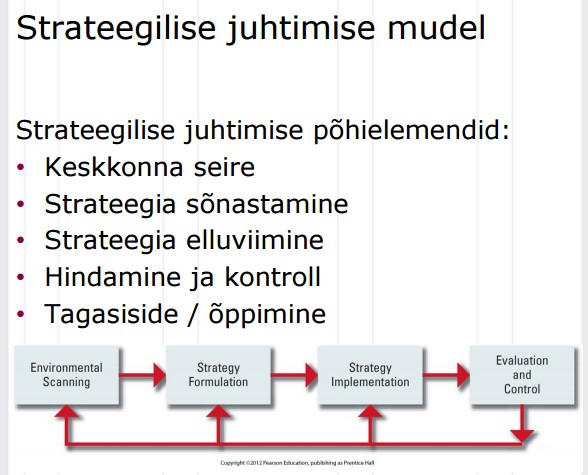
Strateegiline juhtimine:
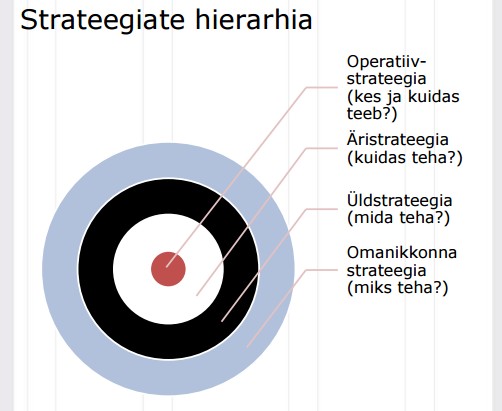
Strateegiate hierarhia :
  • Omanikkonna strateegia
  • Üldstrateegia ehk organisatsiooniline strateegia
  • Äristrateegia ehk konkurentsi strateegia
  • Operatiivstrateegia ehk funktsionaalne

    ÜLDINE:

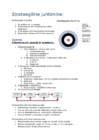
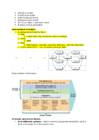
    STRATEEGILISE ANALÜÜSI ÜLDMUDEL:
  • KESKKONNASEIRE
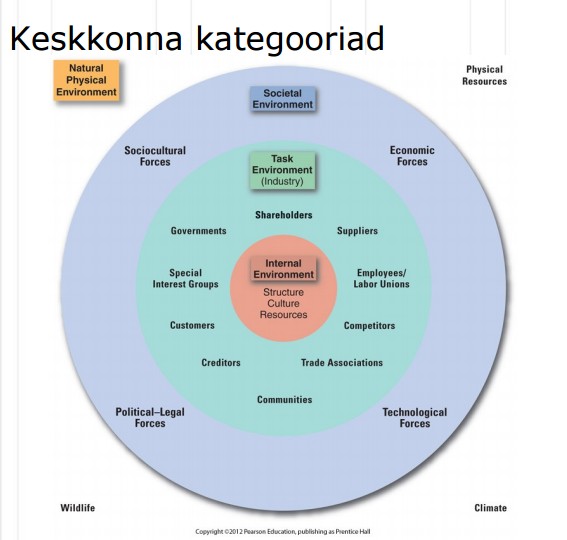
  • Väliskeskkond – võimalused, ohud
  • Looduskeskkond
  • Sotsiaalne keskkond
  • Task environment
  • Sisekeskkonna analüüs – tugevused, nõrkused
  • Struktuur
  • Kultuur
  • Ressursid
  • STRATEEGIA FORMULEERIMINE (SÕNASTAMINE)
  • Missioon
  • Eesmärgid
  • Strateegiad
  • Poliitikad
  • STRATEEGIA ELLUVIIMINE
  • Programs, tegevused, mis on vajalikud plaanide täitmiseks
  • Eelarved
  • Procedures – tööde tegemiseks
  • HINDAMINE JA KONTROLL
  • Performance – tegelikud tulemused
  • TAGASISIDE JA ÕPPIMINE
    Strateegilist juhtimist iseloomustab:
    • Interdistsiplinaarsus: Organisatsioon kui tervik
    • Fookus väliskeskkonnale: Majandus, konkurents , turg
    • Fookus sisekeskkonnale: ressursid ja võimalused
    • Fookus tulevikku: otsused, plaanid, muutused
    Strateegilise juhtimise baasteooriad:
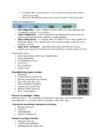
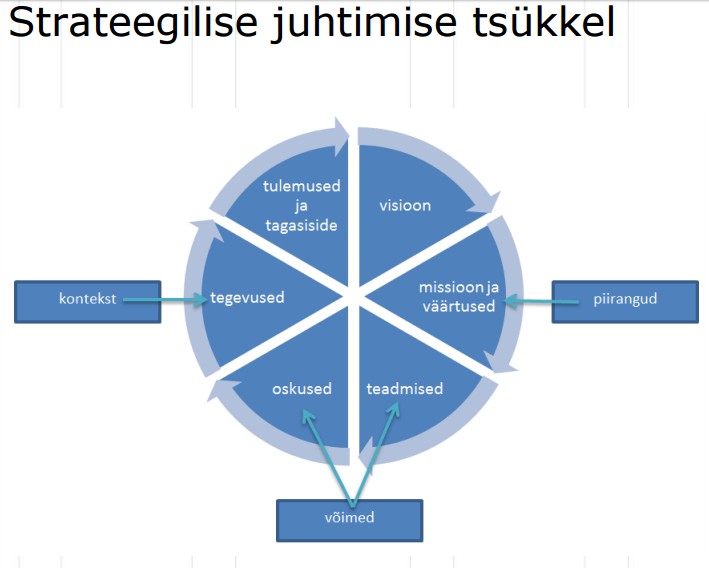
    Strateegilise juhtimise tsükkel :
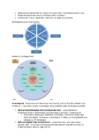
    Keskkonna kategooriad:
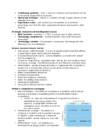
    Strateegiad moodustavad üldise kava selle kohta, kuidas äriühing täidab oma missiooni ja saavutab seatud eesmärgid, ning sisaldab nelja strateegia tasandit :
    • Operatiivstrateegiad ehk funktsionaalsed – organisatsiooni funktsionaalsete valdkondade eesmärgistatud plaanid, sisaldavad nt:
      • Teeninduse strateegia, Tootmise strateegia, Turunduse strateegia, R&D strateegia, Inimressursi strateegia, Finants- ja raamatupidamise strateegia, IT strateegia
    • Äristrateegiad ehk konkurentsi – organisatsiooni eesmärgistatud plaanid selle kohta kuidas konkureerida tõhusamalt spetsiifilises äris või majandustegevusharus, jagunevad:
      • Konkurentsistrateegia
      • koostööstrateegia
    • Üldstrateegiad ehk organisatsioonilised – organisatsiooni eesmärgistatud plaanid selle kohta, mis äris või ärivaldkondades soovitakse olla ja mida seal soovitakse teha, jagunevad:
      • Kasvustrateegia
      • Stabiilsuse strateegia
      • Kahanemise strateegia
        Growth - KASV
        Stability - STABIILSUS
        Retrenchment - KAHANEMINE
        Kontsentratsioon: vertikaalne või horisontaalne kasv
        Mitmekesistumine : konsentriline või konglomeraatne
        Paus /Jätka ettevaatusega
        Muutusi ei tee
        Kasum
        Turnaround
        Captive company
        Sell-out/Divestment
        Bancruptcy/liquidation
    • Omanikkonna strateegiad – organisatsiooni eesmärgistatud plaanid selle kohta, missugune on äriühingu omanike kollektiivne tahe :
      • Mida?, Kuidas (aeg, risk, protsess)?
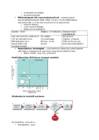
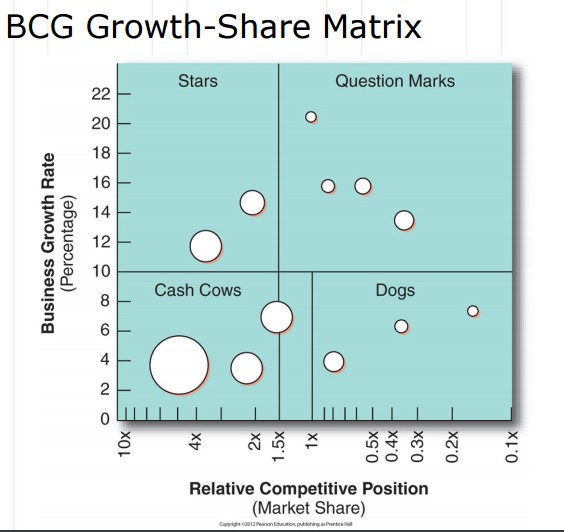
    Portfellianalüüs: BCG kasvu-turuosa maatriks
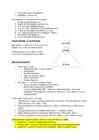
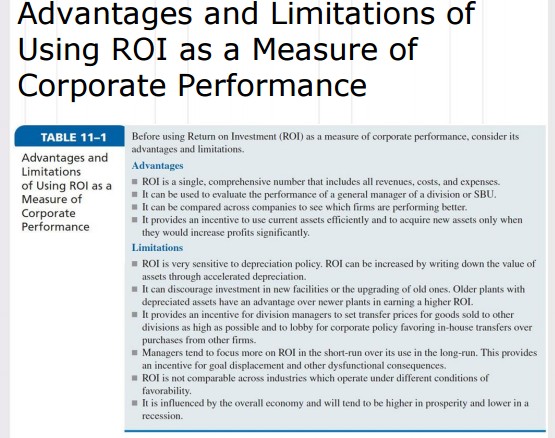
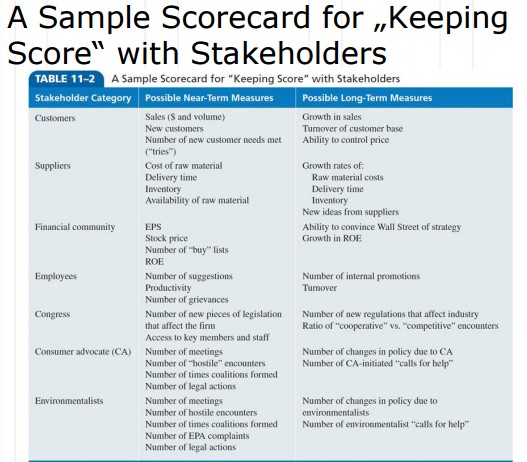
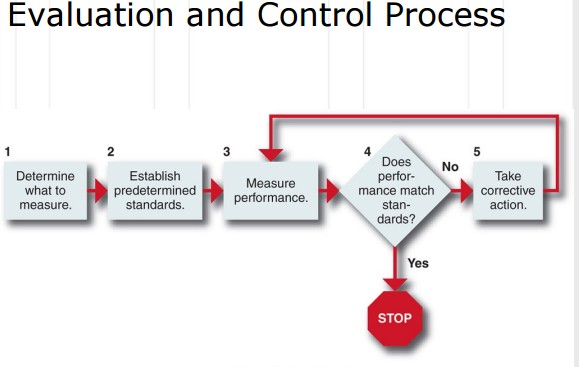
    Hindamise ja kontrolli protsess:
    Strateegilised otsused on:
    • Harukordsed ( rare )
    • Põhjuslikud (consequential)
    • Juhislikud (directive)
    Strateegilise otsustusprotsessi etapid:
  • Hinda praegust tulemust
  • Vaata üle äriühingute valitsemine
  • Uuri ja hinda väliskeskkonda
  • Uuri ja hinda organisatsiooni sisekeskkonda
  • Analüüsi strateegilised faktorid (SFAS)
  • Loo, hinda ja vali parim strateegia ( TOWS )
  • Vii valitud strateegia ellu
  • Hinda elluviidud strateegiaid
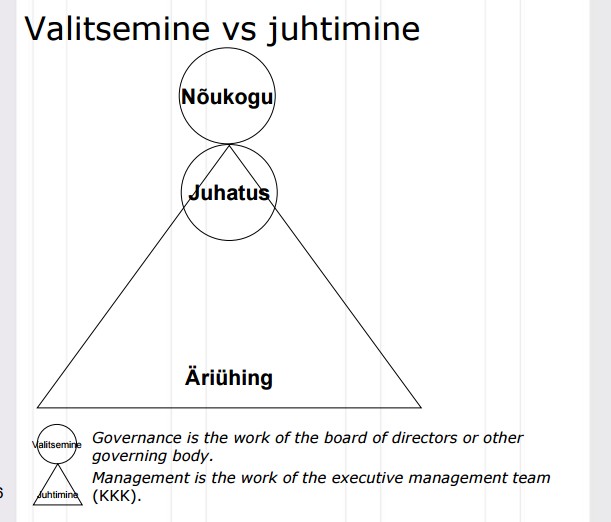
    VALITSEMINE VS JUHTIMINE
    ⃝ governance is the work of the board of directors or other governing body
    Management is the work of the executive management team (KKK)
    INSTITUTSIOONID
    • Juriidilised alused
      • Tsiviilseadustiku üldosa seadus
      • Äriseadustik
      • Võlaõigusseadus
      • Väärtpaberituru seadus
      • Börsi reglement
      • Pankrotiseadus
    • Euroopa Liit – püüded ühtlustamisele
      • OECD ühingute valitsemise printsiibid
      • Eestis Hea ühingujuhtimise tava
      • Euroopa aktsiaselts (SE) – selle riigi seaduste alusel, kus asub peakorter. Võib tegutseda teises EL riikides, ei pea selleks asutama tütarettevõtet.
    Äriühingute valitsemise teooriad:
    • Agenditeooria ( agency theory) (Alchian& Demsetz, 1972; Eisenhardt, 1985, 1989; Jensen & Meckling, 1976).
    • Käsundajateooria (stewardship theory) ( Davis , Schoorman, & Donaldson (1997).
    • Sidusgruppide teooria (stakeholder theory) ( Freeman , 1984).
    • Käsutusõiguste teooria (property rights theory) (Demsetz, 1967).
    • Sotsiaalvõrgustike teooria ( social network theory) (Granovetter, 1973).
    Strateegilised organisatsiooni tüübid ( Miles and Snow (1978)):
    • Defenders – focus on improving efficiency
    • Prospectors – focus on product innovation and market opportunities
    • Analysers – focus on at least two different product market areas
    • Reactors – lack a consistent strategy-structure-culture relationship
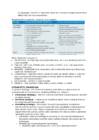
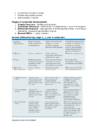
    Useful forecasting techniques:
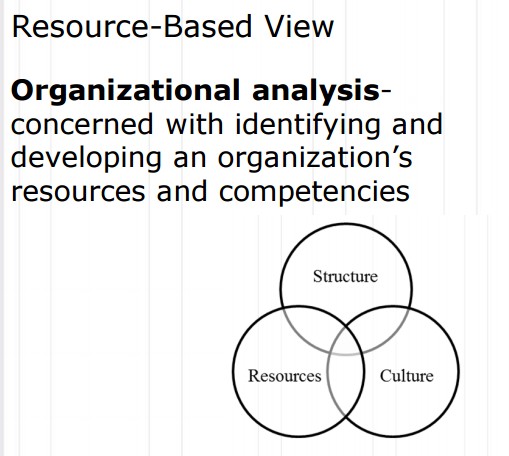
    RECOURCE-BASED VIEW:
    Concerned with identifying and developing an organizations resources and competencies:
    • Struktuur
    • Kultuur
    • Ressursid
    KRIITILISED RESSURSID ( EDUTEGURID ):
    Determining the sustainability of an advantage:
    • Durability – the rate at which a firm ’s underlying resources, capabilities or core competencies depreciate or become obsolete
    • Imitability – the rate at which a firm’s underlying resources, capabilities or core competencies can be duplicated by others.
    • Transparency – the speed at which other firms under the relationship of resources and capabilities support successful strategy
    • Tranferability – the ability of compeditors to gather the resources and capabilities necessary to support a compeditive challenge
    • Replicability – the ability of compeditors to use duplicates resources and capabilities to imitate the other firm’s success
    • Explicit knowledge – knowledge that can be easily articulated and communicated
    • Tacit knowledge – knowledge that is not easily communicated because it is deeply rooted in employee experience or in the company’s culture
    BUSINESS MODELS EXAMPLES :
    • Customer solutions model
    • Profit pyramid model
    • Multi - component system/installed model
    • Advertising model
    • Swichboard model
    • Efficiency model
    • Blockbuster model
    • Profit multiplier model
    • Entrepreneurial model
    • De Facto Industry standard model
    • Business model generation
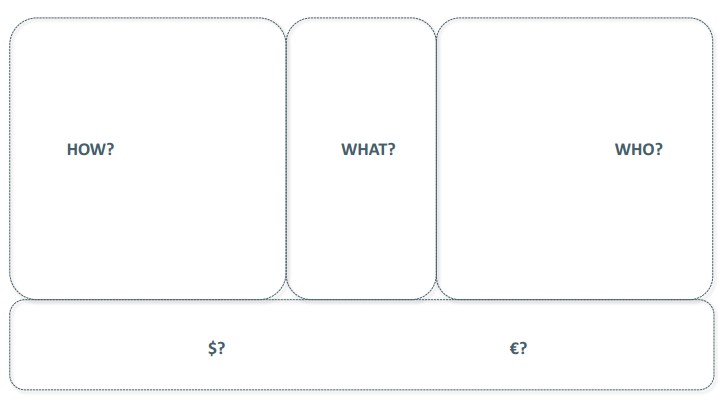
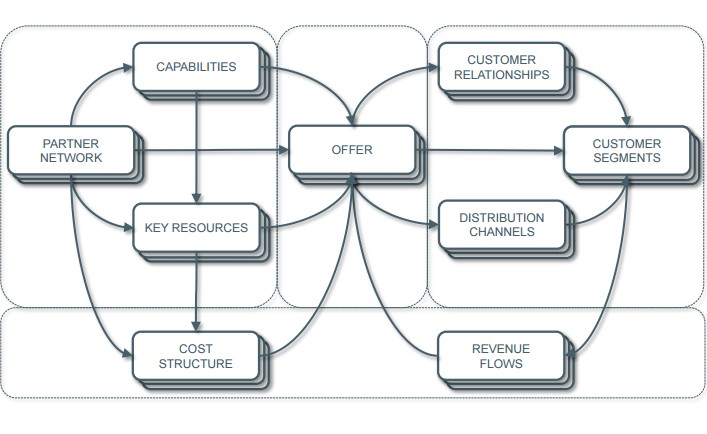
    Osterwalderi ärimudel:
    • 4 valdkonda ja 9 bulding blocki

  • How
  • Capabilities, Key resources, Partner network
  • What
  • offer
  • Who
  • Distribution channels, customer relations , customer segments
  • Cost /income ($, €) – cost structure, revenue flows
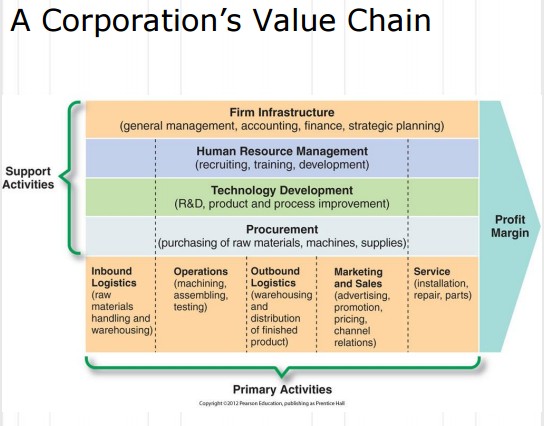
    Korporatsiooni väärtusahel:
    Strategic operations issues :
    Strategic research and development issues:
    • R&D intensity – pending nr of R&D as persentage of sales revenue
    • Technology competence – the development and use of innovative technology
    • Technology transfer – the process of taking new technology from the laboratory to the marketplace
    Human resource issues: teams
    • Autonomous (self-managed) – a group of people working togethre without a supervisor to plan, coordinate and evaluate
    • Cross- functional work teams – various diciplines are involved in project from the beginning
    • concurrent engineering – specialists work side by side and compare notes constantly to design cost-effective products with features customers want
    • virtual teams – groups of geographically or organizationally dispersed co-worker that are assembled using a combination of technologies to accomplish organizational strutures
    • flatter organizational structures
    • turbulent environments
    • increased employee autonomy
    • higher knowledge requirements
    • increased globalization
    • increased employee decision making
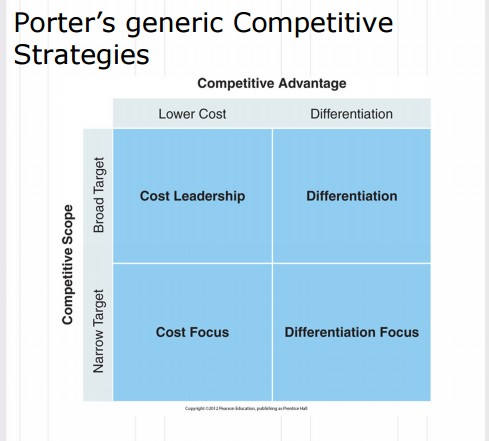
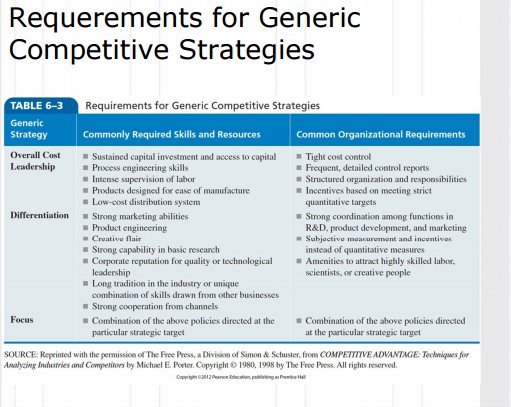
    Porter ’s competitive strategies :
    • low cost strategy – the ability of a comnpany or business unit to design, produce and market comparable product more efficiently that its compeditors
      • cost focus – low-cost compeditive strategy that focuses on a particular buyer group, product line segment , or geographic market and ettempts to serve only this niche to the exclusin of others
    • Differentation strategy – the ability of a company or business unit to provide a unique or superior value to the buyer in terms of product quality, special featues or after sale service
    • Differentation focus – concetrates on a particular buyer group, product line segment or geographic market to serve the needs of a narrow strategicmarket more effectively than its compeditors
    Requirements for generic competitive strategies:
    Eight dimensions of quality:
  • Performance – primary operating characteristics, such as a washing machine ’s cleaning ability
  • Features – bells and whistles such as cruise control in a car that supplement the basic functions
  • Reliability – probability that the product will continue functioning without any significant maintenance
  • Conformance – degree ti which a product meets standards. When a customer buys a product oit of the warehouse , it should perform identically to that viewed on the showrroom floor
  • Serviceability – product’s case of repair
  • Aestetics – how a product looks, feels, sounds, tastes or smells
    ETTEGVÕTTE STRATEEGIA:
    Corporate strategy – the choice of direction of the firm as a whole and the management of its business or product portfolio and includes:
    • Directional strategy – the firm’s overall orentation towards growth, stability or retranchment
    • Portfolio analysis – industries or markets in which form competes throuch its produscts and business units
    • Parenting strategy – the manner in which management coordinates activities and transfers resources and cultivates capabilities among product lines and business units. Views a corporation in terms of resources and capabilities that can be used to build business unit value as well as generate synergies across business units
      • Generates corporate strategy by focusing on the core competencies of the parent corporation and the value created between the parent and its businesses
      • Developing a corporate parening strategy:
        • Examine each business unit in terms of its strategic factors
        • Examine each business unit in terms of areas in which performance can be improved
        • Analyse how well the paren corporation fits with the business unit
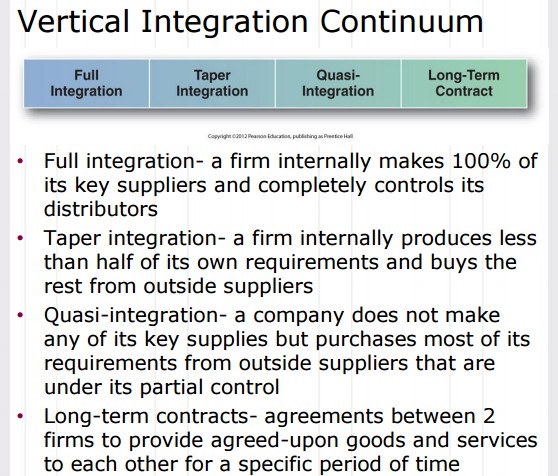
    Vertikaalne integratsioon:
    • Full integration – a firm internally makes 100% of its key suppliers and completely controls its distributors
    • Taper integration - a firm internally produces less than half of its own requirements and buys the rest frim outside suppliers
    • Quasi -integration – a company does not make any of its key supplies but purchases most of its requirements from outside suppliers that are under its partial control
    • Long- term contracts - agreements between two firms to provide agreed-upon goods and services to each other for a specific period of time
    Strategies to avoid :

    Manufacturing types include :
    • Job shops
    • Connected line batch flow
    • Flexible manufacturing systems
    • Dedicated transfer lines
    • Mass production systems
    • Continuous inprovement
    • Modular manufacturing
    • Mass customization
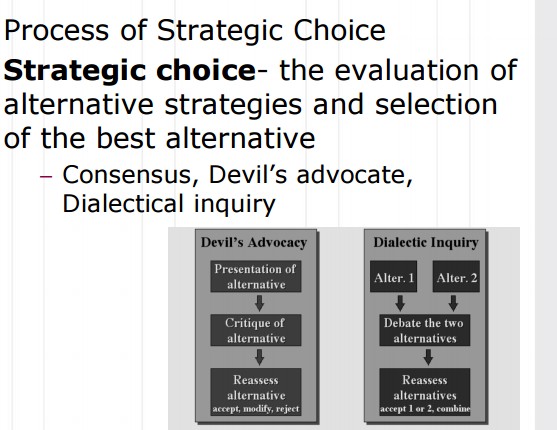
    Process of strategic choice:
    Strategic choice – the evaluation of alternative strategies and selection of the best alternatice: consensus , decil’s advocate, dialectical inquiry
    Criteria for evaluating alternatives include:
    • Mutual exclusivity
    • Success
    • Completeness
    • Internal consistency
    Forms of synergy include:
    • Shared know-how
    • Coordinated strategies
    • Shared tangible resourceds
    • Economies of scale or scope
    • Pooled negotioating power
    • New business creation
    Stages of corporate development:
  • Simple structure – flexible and dynamic
  • Functional structure – enterpreneur is replaced by a team of managers
  • Divisional structure – management if diverse product lines in numerous industries; Decentralized decision making
  • Beyond SBU’smatrix ; network
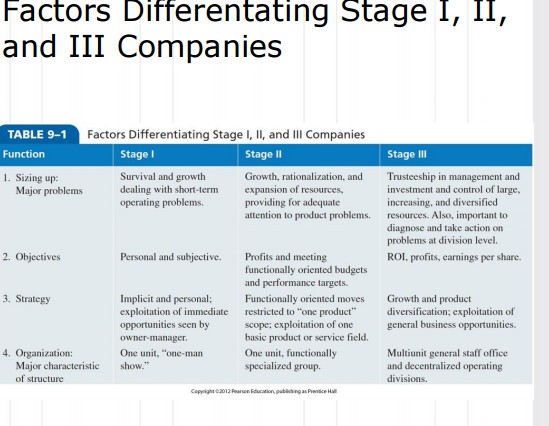
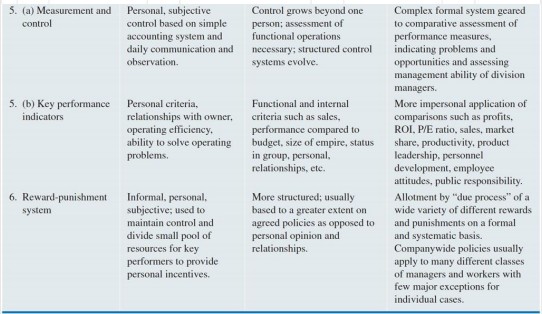
    Factors differentiating stage 1, 2, and 3 companies :
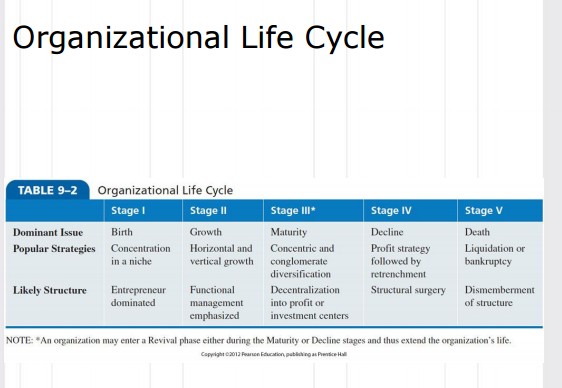
    Organisatsiooni elutsükkel :
    Strucure
    Advantages
    Disadvantages
    Functional Structure
    Chief executive in touch with all operations
    Reduces/simplifies control mechanisms
    Clear definition of responsibilities
    Specialists at senior and middle management level
    Senior managers overburdened with routine matters
    Senior managers neglect strategic issues
    Difficult to scope with diversity
    Coordination between functions is difficult
    Failure to adapt
    Multidivisional structures
    Flexible (add or divest divisions)
    Control by performance
    Ownership of strategy
    Specialisation of competences
    Training in strategic view
    Suplication of central and divisional functions
    Fragmentation and non- cooperation
    Danger of loss of central control
    Matrix structures
    Integrated knowledge
    Flexible
    Allows for dual dimensions
    Lenght of time to take decisions
    Unclear job and task responsibilities
    Unclear cost and profit
    High degrees of conflict
    Network structure
    Increased flexibility and adaptability
    Ability to concentrate on distinctice competences
    Transitional structure
    Availabiliti of numerous partners
    overspecialization
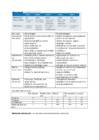
    Struktuuride võrdlus:
    Functional
    Multidivisional
    Matrix
    Transnational
    project
    Control
    ***
    Change
    ***
    ***
    ***
    Knowledge
    ***
    ***
    Internationalisation
    ***
    ***
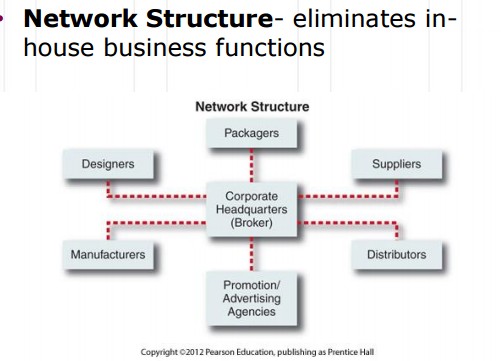
    Network structure – eliminates in-house business functions:
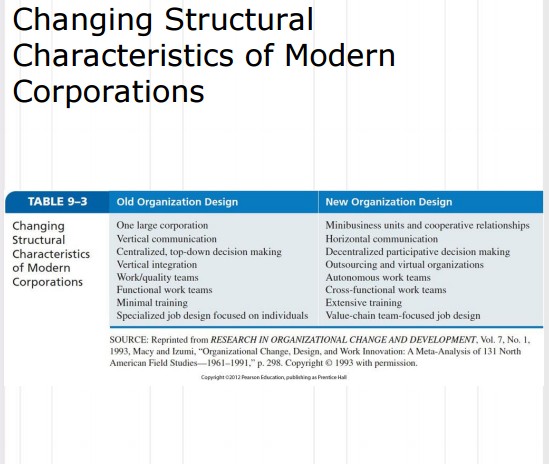
    Changing structural characteristics of Moden corporations:
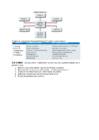
    SIX SIGMA – an analytical method for achieving near perfect results on a product line:
  • Define a process where results are below average
  • Measure the process to determine current performance
  • Analyse the information to determine problems
  • Improve the process and eliminate the error
  • Establish preventive controls
  • Vasakule Paremale
    Strateegilise juhtimise konspekt #1 Strateegilise juhtimise konspekt #2 Strateegilise juhtimise konspekt #3 Strateegilise juhtimise konspekt #4 Strateegilise juhtimise konspekt #5 Strateegilise juhtimise konspekt #6 Strateegilise juhtimise konspekt #7 Strateegilise juhtimise konspekt #8 Strateegilise juhtimise konspekt #9 Strateegilise juhtimise konspekt #10 Strateegilise juhtimise konspekt #11 Strateegilise juhtimise konspekt #12 Strateegilise juhtimise konspekt #13 Strateegilise juhtimise konspekt #14
    Punktid 50 punkti Autor soovib selle materjali allalaadimise eest saada 50 punkti.
    Leheküljed ~ 14 lehte Lehekülgede arv dokumendis
    Aeg2018-01-06 Kuupäev, millal dokument üles laeti
    Allalaadimisi 17 laadimist Kokku alla laetud
    Kommentaarid 0 arvamust Teiste kasutajate poolt lisatud kommentaarid
    Autor hellu.olen Õppematerjali autor
    konspekt õppimiseks

    Sarnased õppematerjalid

    Starteegiline juhtimine
    24
    docx

    Starteegiline juhtimine

    Starteegiline juhtimine, eksamiks valmistumine Strateegilise üldjuhtimise tsükkel: kavandamine, korraldamine, kontroll Strateegiline plaanimine - on organisatsiooni sise- ja väliskeskkonna analüüsiprotsess, määramaks põhilised eesmärgid, mis aitavad äriühingul täita oma missiooni ja liikuda oma visiooni suunas. Starteegilise juhtimise tsükkel: visioon/mission, väärtused; teadmised, oskused; tegevused, tulemused-tagasiside. Strateegia on eesmärgistatud kavand, mis sobitab omavahel organisatsiooni ressursid, struktuuri ja kultuuri (tugevused, nõrkused) väliskeskkonna muutustega (võimalused, ohud). Strateegiline juhtimine on otsuste ja tegevuste kogum, mis kindlustab pikas perspektiivis äriühingu jätkusuutliku tulemuslikkuse. • Organisatsiooni seire, formuleerimise, elluviimise, hindamise ja kontrolli protsess.

    Juhtimine
    Introduction of SCM
    40
    doc

    Introduction of SCM

    which have their own specific software. Some vendors have assembled many of these different chunks of software together under a single roof, but no one has a complete package that is right for every company. For example: Most companies need to track demand, supply, manufacturing status, logistics (i.e. where things are in the supply chain), and distribution. They also need to share data with supply chain partners at an ever increasing rate. While 18 products from large ERP vendors like Sap's Advanced Planner and Optimizer (APO) can perform many or all of these tasks, because each industry's supply chain has a unique set of challenges, many companies decide to go with targeted best of breed products instead, even if some integration is an inevitable consequence. Goal of installing SCM software's:

    Kategoriseerimata
    Strateegiline juhtimine eksam Wahl
    7
    pdf

    Strateegiline juhtimine eksam Wahl

    1. Kes järgnevatest ei tohi kuuluda aktsiaseltsi nõukogusse? (aktsionär, riigiametnik, finantsjuht, juhataja) Aktsiaseltsi nõukogu liige ei pea olema aktsionär. Nõukogu liikmeks ei või olla aktsiaseltsi juhatuse liige, prokurist ega audiitor, samuti aktsiaseltsi tütarettevõtja juhatuse liige. Põhikirjas võib näha ette muid isikuid, kes ei või olla nõukogu liikmeks. 2. Kes tegeleb suures äriühingus strateegia elluviimisega? Strateegiline juhtimine ei ole ainult äriühingu tippjuhtide vastutus. Inimesed kõikidelt ettevõtte tasanditelt mängivad strateegi arendamises, elluviimises ja muutmises rolli. Tippjuht peab juhtima ja suunama ettevõtte strateegia arengut ­ selle loomist ja muutmist vastavalt vajadusele. Juhi ülesanne on formuleerida firma erinevaid ärivaldkondi ühendavad strateegiad, mis tagavad ettevõttele konkurentsieelise ning olla ühtlasi eestvedajaks strateegiast tulenevate taktikate ja tegevuste elluviimisel. Ideaalsel juhul ,,kulutab" strateegili

    Strateegiline juhtimine
    Public Administration and Innovation
    26
    docx

    Public Administration and Innovation

    Preparing for exam. Focus areas Defining innovation ● “An innovation is an idea, practice, or object that is perceived as new by an individual or other unit of adoption.” (Rogers 1952) ● CIS survey: “Product innovations must be new to your enterprise, but they do not need to be new to your market”. ● “Companies achieve competitive advantage through acts of innovation. They approach innovation in its broadest sense, including both new technologies and new ways of doing things” – (Porter 1990) ● “An innovative business is one which lives and breathes “outside the box”. It is not just good ideas, it is a combination of good ideas, motivated staff and an instinctive understanding of what your customer wants” – (Branson 1998) ● “...novel implementation of an invention, discovery, new or existing knowledge in economic process” (Joseph A. Schumpeter) ● An innovation is the implementation of a new or significantl

    Public Administration
    Tarkvara kokkuvõte inglise keeles
    36
    doc

    Tarkvara kokkuvõte inglise keeles

    tegevus seisneb peamiselt “tulekahjude kustutamises”. Kuna tähtaegadest ei suudeta kinni pidada, on meeskonnal vaja pidevalt sooritada töökangelastegusid. Ka (juhuslikult) õnnestunud projekti kordamiseks peaks meeskond ja selle liikmete rolled samad olema. Seega, 1se taseme puhul võime küll rääkida üksikisikute võimekusest ja küpsusest, mitte aga organisatsiooni küpsusest. 2.tase – Repeatable – korratav. Sellel tasemel on määratletud tarkvaraprojekti juhtimise poliitikad ja nende poliitikate elluviimise protseduurid määratletud. Uute projektide plaanimine ja juhtimine toetub kogemustele analoogsete projektidega. Protsessid on praktikas läbiproovitud, dokumenteeritud, kohustuslikud, on läbi viidud opposed ja treeningud. On loodud tingimused protsesside edasiseks täiustamiseks. Paneme tähele, et tunduvalt on vähenenud sõltuvus üksikisikust, mis tõsisemate ettevõtmiste korral (nt. finantsinstitutsioonid) on turvalisuse

    Tehnoloogia
    SUSTAINABILITY REPORTING GUIDELINES
    34
    doc

    SUSTAINABILITY REPORTING GUIDELINES

    Aspect: The general subsets of indicators that are related to a specific category. A given category may have several aspects, which may be defined in terms of issues, impacts, or affected stakeholder groups. Indicator: The specific measurements of an individual aspect that can be used to track and demonstrate performance. These are often, but not always, quantitative. A given aspect (water) may have several indicators (e.g., total water use, rate of water recycling, discharges to water bodies). The balance between quantitative and qualitative indicators will vary by aspect depending on a range of factors. Indicators have been aligned to the maximum degree possible with existing international conventions and agreements. Indicator Classifications GRI does not seek to divide performance indicators into types based on the content or nature

    Majandus
    Cost Accounting notes
    6
    doc

    Cost Accounting notes

    flexible-budget amount ant the corresponding static-budget amount. Flexible-budget variance is the difference between an actual result and the corresponding flexible- budget amount. Selling price variance = (actual selling price-budgeted selling price)*actual units sold. Price variance is the difference between actual price and budgeted price multiplied by actual input quantity, such as direct materials purchased or used. (sometimes called input-price var, rate var). Efficiency variance is the difference between actual input qty used and budgeted input qty allowed for actual input, multiplied by budgeted price (also usage var). Price variance = (actual price input - budgeted price input)*actual qty of input. Efficiency variance = (actual qty of input used - budgeted qty of input allowed for actual output)*budgeted price of input. Journal entries - page 238

    Majandus
    Integration of Lean Con-and Building Information Modelling
    109
    pdf

    Integration of Lean Con. and Building Information Modelling

    Ergo Pikas Integration of Lean Construction and Building Information Modelling DISSERTATION Tallinn 2010 2 UNIVERSITY OF APPLIED SCIENCES Author: Ergo Pikas- Civil Engineering student, Faculty of Construction, Tallinn University of Applied Sciences Supervisor: Rafael Sacks- Associate Professor, Faculty of Civil and Env. Engineering, Technion ­ Israel Institute of Technology Consultant: Roode Liias- Professor and Dean, Faculty of Civil Engineering, Tallinn University of Technology Title: Integration of Lean Construction and Building Information Modelling Archived: University of Applied Sciences, Faculty of Construction ABSTRACT This research can be divided into two. The first part investigates the current state of the construction industry, while the second part looks at new emerging busin

    Ehitusjuhtimine


    Meedia

    Kommentaarid (0)

    Kommentaarid sellele materjalile puuduvad. Ole esimene ja kommenteeri


    Sellel veebilehel kasutatakse küpsiseid. Kasutamist jätkates nõustute küpsiste ja veebilehe üldtingimustega Nõustun