Tim
Chiu April 4th , 2009
Topics
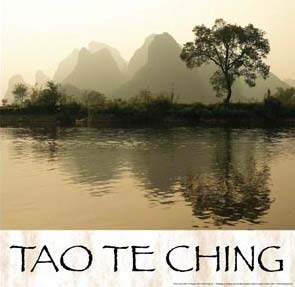
y Lao Zi – The
Person y Tao Te Ching – The Book and the Name
y Ch. 1 & 14 – Describing the indescribable Tao
y Ch. 2 & 11 – On duality and Formlessness
y Ch. 8 & 78 – The Virtues of Water
Lao Zi – The Person
y
Real name was Lee Er, who was a
highly regarded philosopher
of his time
y Keen observer of the virtues of
Nature and the
relationship between man and his environment
y Realized the existence of a formless and indescribable
origin :
Tao
y Can not thoroughly analyzed by our thoughts and
logic y Its existence
gave rise to everything and pervades all that we
know y The
manifestation of Tao in
humans is called our True Nature
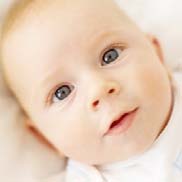
y Purity and innocence of a child
y
Spring and
Autumn , Warring
States Era of the
Chou dynasty
(~500BC), during a time of turmoil and
spiritual disintegration
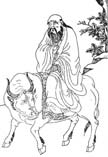
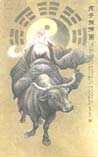
y Decided to
ride on the
back of a water
buffalo to spread the
Truth that he realized, or Tao, westward
y Requested by an
official at the border of
China to write down
the
essence of his
wisdom as a
guide for future generations
y This became the book ‐ Tao Te Ching
Tao Te Ching ‐ The Book
y ~5000
characters divided amongst 81 chapters
y Succinct to read in an afternoon, but
profound to study
for a
lifetime y Can’t go
through every
chapter and analyze every
phrase , but will attempt to
cover some of the key
concepts mentioned in the book
y
Once we
understand the essence, we can observe it in
other scriptures, books, and in the world we
live in
y Book that teaches you how to
fish instead of
giving you a fish
y Sharing of my personal and distilled
interpretation of
the many translations and explanations of the book
y Doesn’t
mean one interpretation is better
than yours or
any
others Tao Te Ching – The Name
y
Tao =Way,
Path , Truth;
Te =
Virtue ;
Ching = Scripture
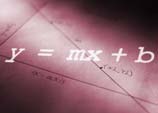
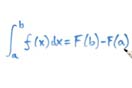
y In Math, Y = F(X), or equal to the
function as applied to X
y X = Tao = source, Y = Virtue =
result of the function applied to Tao
y True Nature is our source, Virtue is the function, or
manifestation and
action y Helping others or saving a drowning kid, is an action
y By acting according to our True Nature, our virtue of benevolence
and
kindness is revealed, or manifested
y Prajna is the innate wisdom that we possess, Paramita is the
action of reaching the opposite shore by
applying our wisdom
y Tao Te Ching = Scripture that describes the Truth, or the True
Nature, that we all possess and how to
apply and manifest it as
our virtues
1) Tao and Its Name
y
The Tao that can be spoken is not the eternal Tao
y
The name that can be named is not the eternal name
y
The nameless is the origin of Heaven and Earth
y
The named is the mother of myriad things
y
Constantly without desire , one observes its essence
y
Constantly with desire, one observes its manifestationsy
These two emerge together but differ in name
y
The unity is said to be the mystery
y
Mystery of mysteries, the door to all wonders1) Tao and Its Name
y
The Tao that can be spoken is not the eternal Taoy The word “Tao” is used to represent the origin that
existed
before the
universe was born, the source of
everything in our form and formless world
y Using the limitations of language to try to
describe , or
speak about the limitless Tao if extremely difficult
y Any aspect of “Tao” that we are
able to describe with
our
words is not the
same as the
original and
everlasting
To underst aTao.
nd the real Tao is to realize it and
experience it,
not by
talking about it
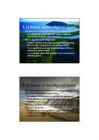
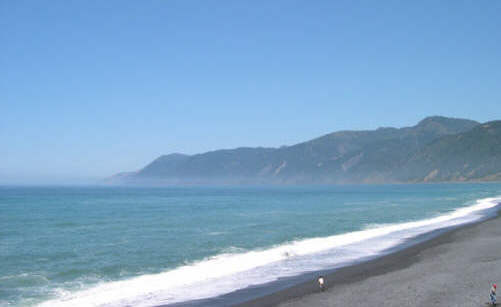
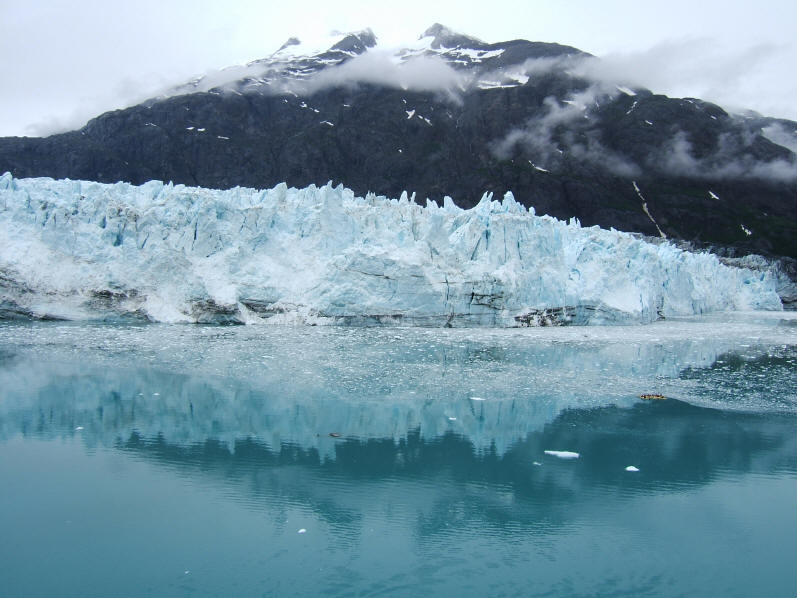
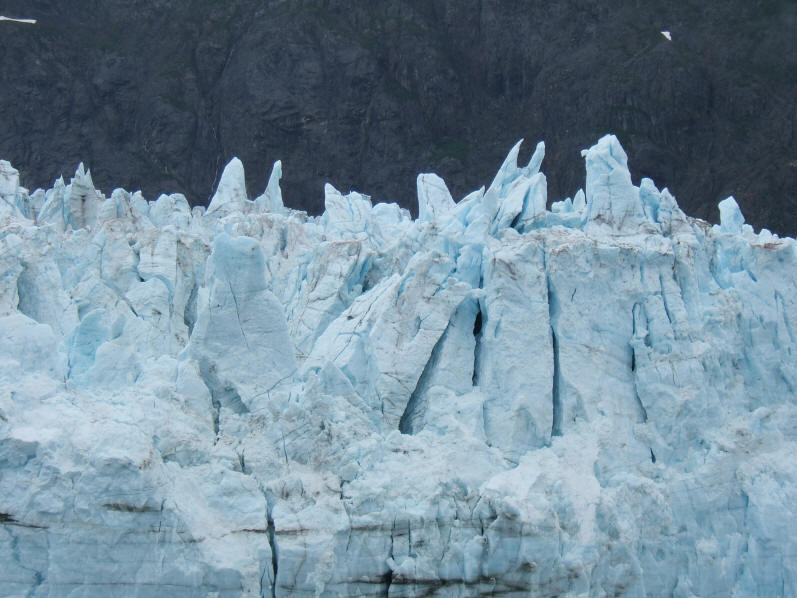
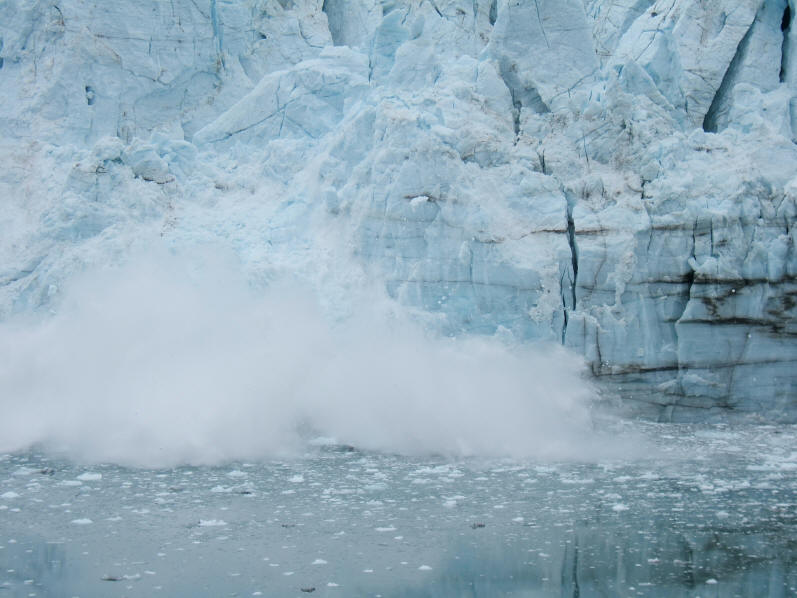
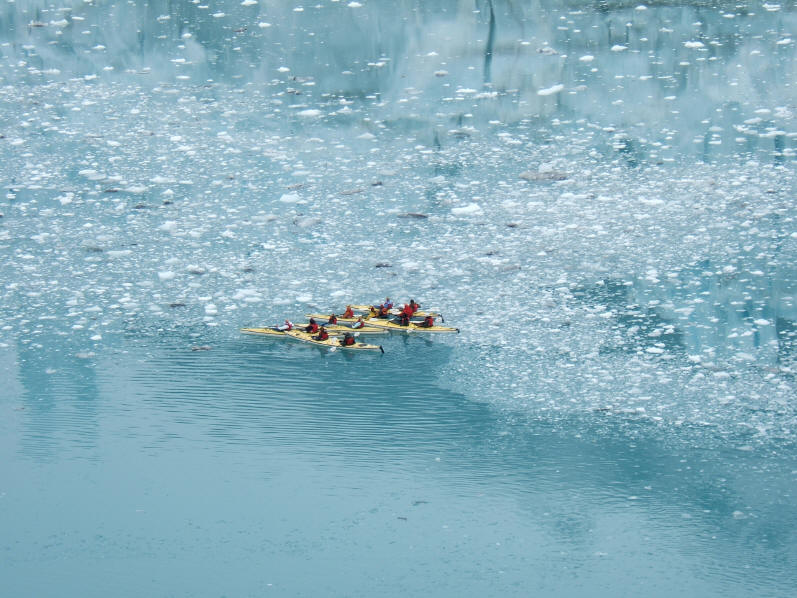
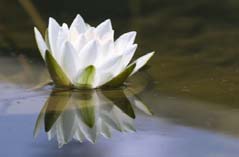
y Glacier Bay,
Alaska 1.1) Tao and Its Name
y
The name that can be named is not the eternal namey To communicate and describe this
concept we need to give it name
y But once we give it a name, it is bound to a certain object or concept,
which Tao is not
y If we say the source is Peter, then it can no longer be Wendy
y But this source pervades all things, including Wendy, Peter, and
Jane !
y Forced to give this origin a name, we reluctantly call it “Tao”, with
the
understanding that the origin which has no name is the true
source
y
Forms are constantly changing
shape ,
hence its name will
change with it constantly
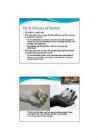
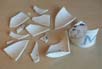
y We call
something that holds fluids a cup
‐‐>
y
What do we call the cup is shattered?
y So whatever name we choose for the source is not is ever‐lasting
name
1.2) Tao and Its Name
y
The nameless is the origin of Heaven and Earthy The nameless is this invisible
force that existed before
Heaven and Earth, or the universe, began
y The source, or origin, or Tao
y True Nature
y
The named is the mother of myriad thingsy The named is the
visible form gave rise to the infinite
manifestations of the
physical world
y The function, the
movement , or the
application of Tao
y Virtues
y
Constantly with desire, one observes its manifestationsy When our
heart is filled with desires, then we will only observe the
external appearances of things
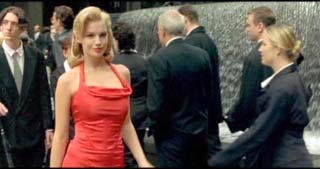
y When we desire for
someone or something, we are often only
focused on
its external appearance
y
Constantly without desire, one observes its essencey When our mind is at
peace without any desires, we are able to
observe
clearly the essence of Tao
y When we are not lusting or attracted to someone, we can see clearly the
character and faults of the person
1.4) Tao and Its Name
y
These two emerge together but differ in namey The
internal essence and the external manifestations may
appear to be different, but they are from the same source
y
The unity is said to be the mystery
y
Mystery of mysteries, the door to all wondersy The
singular source that we call Tao is where the essence
and manifestations were created
y This singular source is the Truth that we are all seeking
to understand, regardless of our background
14) Invisible, Inaudible, Intangible
y
What cannot be seen is called the invisible
y
What cannot be heard is called the inaudible
y
What cannot be touched is called the intangible
y
These three cannot be examined and comprehended
y
And hence are mixed together as oney These three
characteristics are the subtle characteristics of Tao
y
Beyond human examination and comprehension
y Invisible, inaudible, and intangible doesn’t mean it does not
exist y Our love for others
y The air that we breath can’t be seen, touched, or heard
14.1) Invisible, Inaudible, Intangible
y
This “Oneness” is not much brighter in the sky, as it is not much dimmer on earthy Tao is not better in Heaven or on Earth
y It is pervasive and the same
everywhere y
It is not more glorious in a saint or dimmer in an ordinary persony The Tao inside of Arnold is not brighter or dimmer
than that of the Saints or that of any of us
y We all have the same innate wisdom, the same inner
potential to be a Saint
y
Difference is in our
dedication to cultivation
y Not a question of if we can be a Saint, but when
14.2) Invisible, Inaudible, Intangible
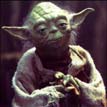
“Do, or do not.
There is no ‘try.’”
– Master Yoda
14.2) Invisible, Inaudible, Intangible
y
It is everlasting and cannot be named.
y
It is the original void of “non‐being”.
y
Thus it is called the form of the formless
y
The image of the imageless
y
This is called enigmaticy Tao is the formless origin of all the form that we can see
y The world that we can observe is merely the visible image of the
imageless Tao
y
Confront it, its front cannot be seen
y
Follow it, its back cannot be seeny Tao is infinite as it has no
beginning and no end, hence we cannot
see its front or its back
y Tao is represented by a circle
14.3) Invisible, Inaudible, Intangible
y
By abiding by the original Tao, one can master the present y By reflecting and
following our True Nature, we can be
the masters of ourselves instead of a slave to our senses
y Going to Costco
y
He who knows this “Origin”, shall know the teaching and principle of the Great Taoy By understanding our True nature, we will know how to
apply the teachings to our
daily life
y This “Origin” was pointed to us when we
received Tao
y We don’t need to search externally for a guide on how
we should behave
y We all possess it already; we just need to
listen and abide by
it
2) On Duality
y
When the world knows beauty as beauty, ugliness arises y
When it knows good as good, evil arises
y
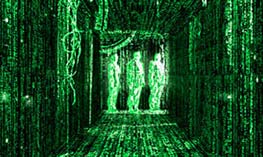
Thus being and nonbeing give rise to each othery We live in a world of opposites
y Beauty exists only because there is an opposite; a
comparison y The
notion of Good can exists only when it can be compared to
something not as “Good”
y Opposites,
such as form and formless, give rise to each
other
2.1) On Duality
y
Difficult and easy bring about each othery Without the
feeling of difficult, the feeling of easiness would not exist.
Therefore , easy and difficult complement each other.
y E.g.
Algebra is easy only because of the existence the more difficult
Calculus
y
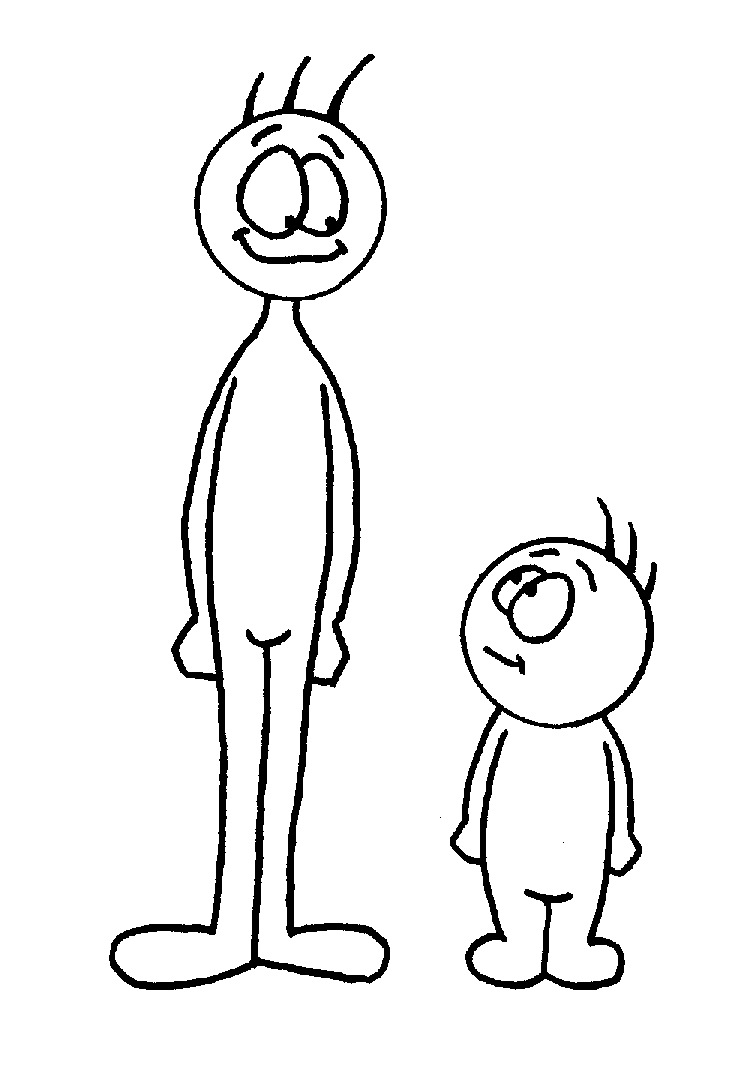
Tall and short reveal each other
y
High and low support each other
y
Sound and tone harmonize each other
y
Front and back follow each other
y
Therefore the sages:y The sages, by understanding the existence of the world of opposites, are
able to transcend the world of duality by doing the following:
2.2) On Duality
y
Manage the work of detached actions y Conduct actions without any intentions, expectations, or reciprocation
y
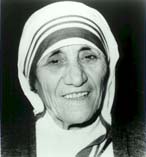
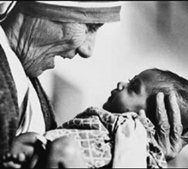
Mother
Theresa helping the
poor y
Conduct the teachings of no wordsy Instead of judging and criticizing others over what is good or bad, one
teaches by example
y
Saints and Sages do not
judge or criticize us. They instead
teach us through
their actions and
encourage us regardless if we’re good or bad
y
They work with myriad things but do not control ; They create but do not possess; y Sages do not
avoid helping
anything or anyone, nor do they try to
control
them y
Like Nature, they create and give
room for things to grow, but do not try to
possess the them as if they were their own
2.3) On Duality
y
They act but do not presume; they succeed but do not dwell on successy They accomplish many merits because they are not attached to the
results y They see their actions as a natural function, or extension of their True
Nature
y
Cooks make delicious food for others but do not
crave the recognition or
approval
y
It is because they do not dwell on success that it never goes awayy Because of their humility and unattached nature, the saints and their
teachings are never forgotten
y Lao Zi didn’t stay in China to become
rich and
famous from the teachings
in his book, but his work is famous
even until this day
y Mother Theresa and her merits are well known even after she
passed away
11)
Usefulness of Formlessness
y
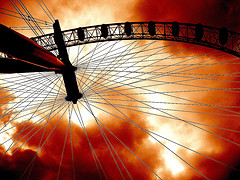
Thirty spokes join in one hollow hub
y
In its emptiness, there is the function of a wheel y A wheel needs to have a hollow
center for the spokes/axle to connect
to in order to be useful and
functional y
Mix clay to create a container
y
In its emptiness, there is the function of a containery It is the empty space in the container that allows it to hold things
y
Cut open doors and windows to create a room
y
In its emptiness, there is the function of a roomy What is the function of a room if it does not have doors and windows
for us to enter and breathe?
y
That which exists is used to create benefit
y
That which is empty is used to create functionalityy The external form
makes it useful for the people
y The internal formlessness makes it functional in the
first place
11.1) Usefulness of Formlessness
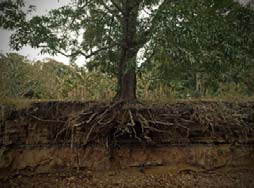
y Tree and its
roots y The
fruits , wood, and leaves are useful, but the roots
make the tree functional. What we don’t see give rise
to the usefulness that we do see.
y Stuffy nose and its
purpose y Empty nostrils enable us to smell, but a stuffy nose
loses it usefulness
y The combination of BOTH form and formless allows a
thing to be truly useful
y “To make use of what is there, you must make use of
what is not”
8) Water as the
Highest Good
y
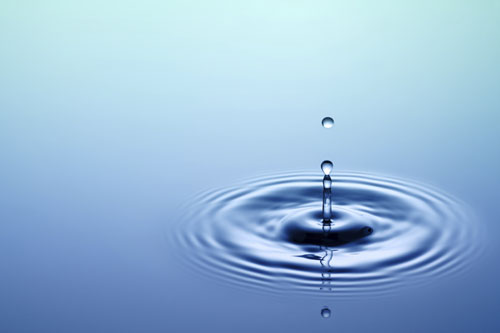
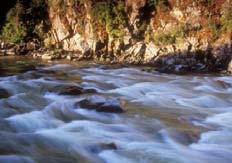
The highest goodness resembles water
y
Water greatly benefits myriad things without contentiony Water is a
fitting metaphor for Tao
y Water benefits all
living things and is able to flow
around the
obstacles in its path
y
It stays in places that people dislikey Water always flows to the lowest place not because it’s force to, but
because it follows its nature
y Similarly, we
lower ourselves because humility is in our nature
y It does not differentiate between like or dislike
y
Therefore it is closest to the Taoy It behaves according to its True nature by nurturing all thing without
distinction or intention
8.1) Water as the Highest Good
y
A virtuous person is like water which adapts itself to the perfect placey Perfect != where you have everything you want
y He is always at peace and one with his True Nature everywhere he
is
y
His heart is deep like the water that benefits ally His benevolent heart is
wide and able to embrace all living beings
regardless if they’re good or bad, rich or poor
y
Does not give only to the
homeless or to those from whom they want
benefit
y
His words are sincere like the constant flow of watery His words are a true reflection of his heart
y
Does not try to
hide or bias them with intentions
y His words are always sincere like the constant movement of the
8.2) Water as the Highest Good
y
He governs with great administrationy He is just in his actions like how water is unbiased
towards the recipients that it nurtures
y
He is capable and adaptabley Water is capable of moving
mountains and sustaining
life, as well as cooking food and washing clothes
y He is capable of overcoming the challenges of life no
matter how great or small
y He is
versatile and is able to adapt to any environment
that he is put in
8.3) Water as the Highest Good
y
His movements are done with great timing like water that flows smoothlyy His actions and inactions are natural and appropriate
y Rests when he is tired and
takes action when it is
needed
y
Because he does not contend , he is therefore beyond reproachy Because he does not squabble or argue with others, he
is able to exist in peace and
harmony with others
y It takes two to
tango 78.1) Virtues of Water
y
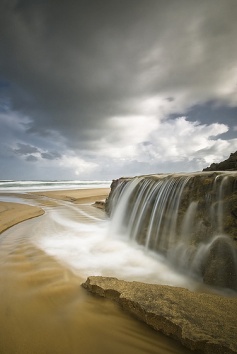
Nothing in the world is softer or meeker than watery Water always conforms to the shape of its container
y The
symbol of the
yielding and flexible aspect of Tao
y
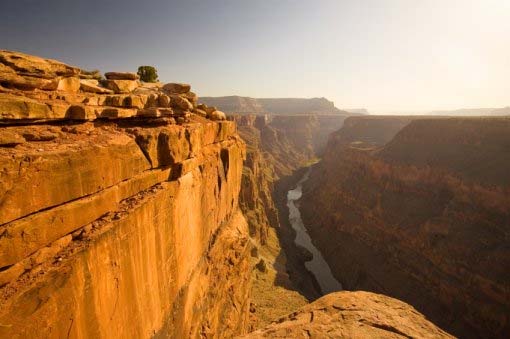
Yet nothing is better at overcoming the hard and strong y Water can
dissolve the hardest and most unyielding rocks
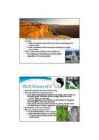
y Grand
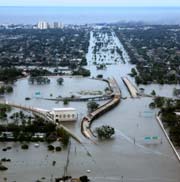
Canyon y Water can embrace and overcome anything in its path
y New
Orleans y
This is because nothing can replace ity Its yielding and humble nature never alters
regardless of its environment
78.2) Virtues of Water
y
That the gentle overcomes the strong
y
And the soft overcomes the hardy Loud, head‐strong husband thinks he’s in charge, but in
reality it’s
the
quiet , gentle
wife that is
really in charge
behind the
scene y He just “thinks” he is in charge
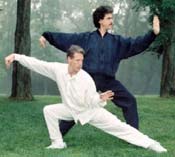
y The most aggressive style of Karate can be subdued by the gentle
style of
Kung Fu called Tai Chi
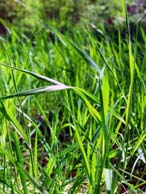
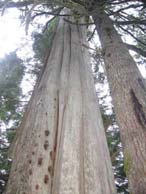
Chuan y Hard, sturdy trees are the first to break in a
storm , but the small,
soft
blade of grass is better equipped to
endure the storm
y
Everybody in the world knows
y
But can not put into practice y We all understand this, yet few can put this into practice in real life
y Counter‐intuitive tendency to meet force with even more force
y We tend to yell back louder as if the other person would somehow
hear us more clearly
78.3) Virtues of Water
y
Therefore, sages say:
y
The one who can accept the humiliation of the nation is called its mastery To be the
leader of a nation, one must have the
strength in
character to accept humiliation than to simply retaliate with
hostility and aggression
y Be yielding and flexible like water to overcome the
difficulties
y
The one who can accept the misfortune of the nation is called the king of the worldy To be the leader of the world, one must have the depth of
character to
shoulder and embrace the
disaster of nations
and learn from them
78.4) Virtues of Water
y
The Truth may often seem like the opposite of worldly practices y By being yielding and flexible, we actually become more able
to adapt and overcome any obstacles
y Like water flowing over, under, around or through any obstacles, we
will eventually find a path that leads to success
y Peaceful, non‐resistance is often better than being head‐strong
y Doesn’t mean to give up or give in, but
rather to surrender
control, to relax, to be flexible and yielding
y To go with the flow
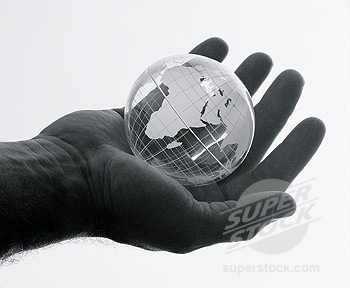
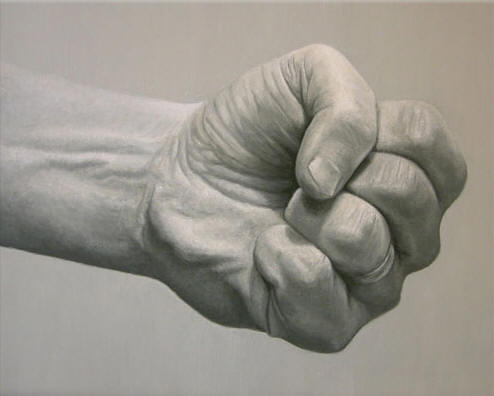
y "Hold your fist tight, and you
grasp nothing inside. Open
your hand, and you will have the sky on you
palm .“ –
Crouching
Tiger Hidden
Dragon Conclusion
y Tao is the name of the unnamable source of the universe
y Do not be attached to the name, be it Tao, Truth, God, or
Heaven
y We all possess this invisible, inaudible, and intangible Tao
in ourselves, called our True Nature
y We all have the potential to become Saints if we follow it
y We live in a world of opposites where the form and the
formlessness give rise to each other and make things
useful
y Don’t have a heart of comparison when viewing the world
y Water, being soft and yielding, can overcome what is hard
and strong
y By being
adaptive and yielding, we can embrace the world
and overcome all of life’s challenges
y The
solution is often the opposite of common practices
y A step backward may actually be a step
forward  100 punkti
Autor soovib selle materjali allalaadimise eest saada 100 punkti.
100 punkti
Autor soovib selle materjali allalaadimise eest saada 100 punkti.
 ~ 16 lehte
Lehekülgede arv dokumendis
~ 16 lehte
Lehekülgede arv dokumendis
 2014-02-25
Kuupäev, millal dokument üles laeti
2014-02-25
Kuupäev, millal dokument üles laeti
 1 laadimist
Kokku alla laetud
1 laadimist
Kokku alla laetud
 0 arvamust
Teiste kasutajate poolt lisatud kommentaarid
0 arvamust
Teiste kasutajate poolt lisatud kommentaarid
 erika23
Õppematerjali autor
erika23
Õppematerjali autor
 annaabi.ee




























Kõik kommentaarid