Vajad kellegagi rääkida?
Küsi julgelt abi LasteAbi
Logi sisse

Londoni ajalugu Rooma - 20 sajand (0)

1 Hindamata
Punktid


London important sights guide

Roman period – 20th century

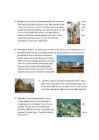
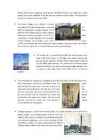
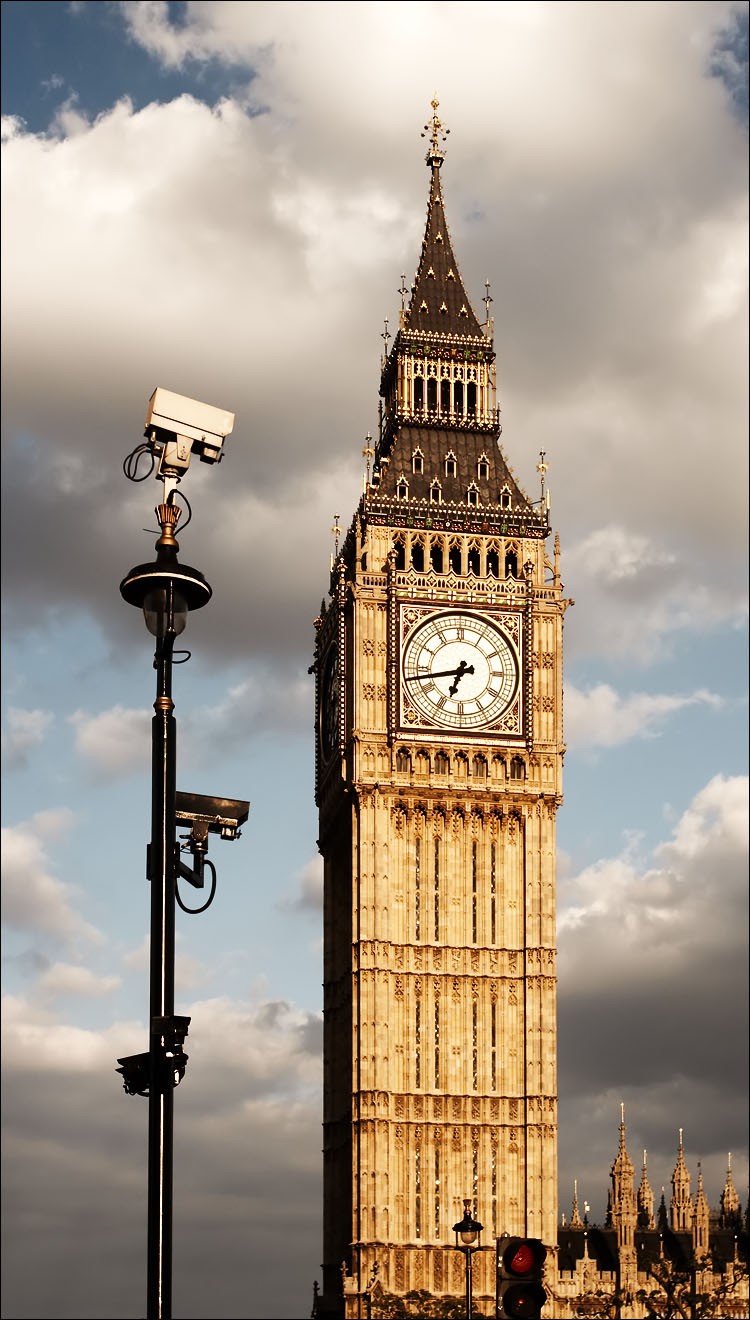
  • Big Ben is the nickname for the great bell of the clock at the north end of the Palace of Westminster in London and is often extended to refer to the clock or the clock tower as well. It is the largest four-faced chiming clock and the third-tallest free-standing clock tower in the world. The clock first ticked on 31 May 1859 . The pendulum is installed within an enclosed windproof box sunk beneath the clockroom. It is 3.9m long, weighs 300 kg and beats every 2 seconds . The clockwork mechanism in a room below weighs 5 tons.


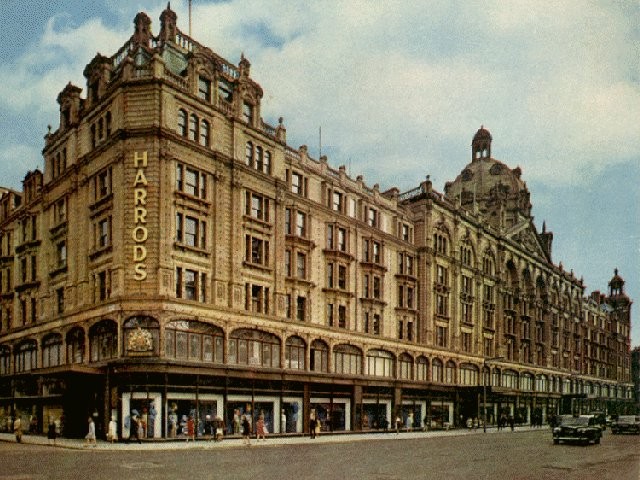
  • Harrods is London's most famous department store , is named after Charles Henry Harrod, who opened a family grocers shop on the site in 1849. The store occupies a 5-acresite and has over one million square feetof selling space in over 330 departments.

  • Hyde Park is one of the largest parks in central London, England and one of the Royal Parks of London, famous for its Speakers' Corner . It covers 142 hectares . The park was the site of The Great Exhibition of 1851 , for which the Crystal Palace was designed by Joseph Paxton. The park is divided in two by the Serpentine.
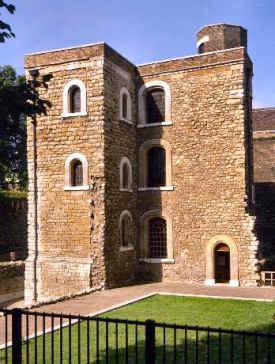
  • Jewel Tower in London is one of only two surviving sections of the medieval royal Palace of Westminster. It was built in approximately 1365 to house the treasures of Edward III and its alternative name was the " King 's Privy Wardrobe". It displays a fascinating exhibition about the history of Parliament – ‘Parliament Past and Present ’, and the second floor includes panels telling the story of this small but important building.

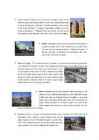
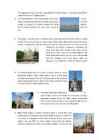
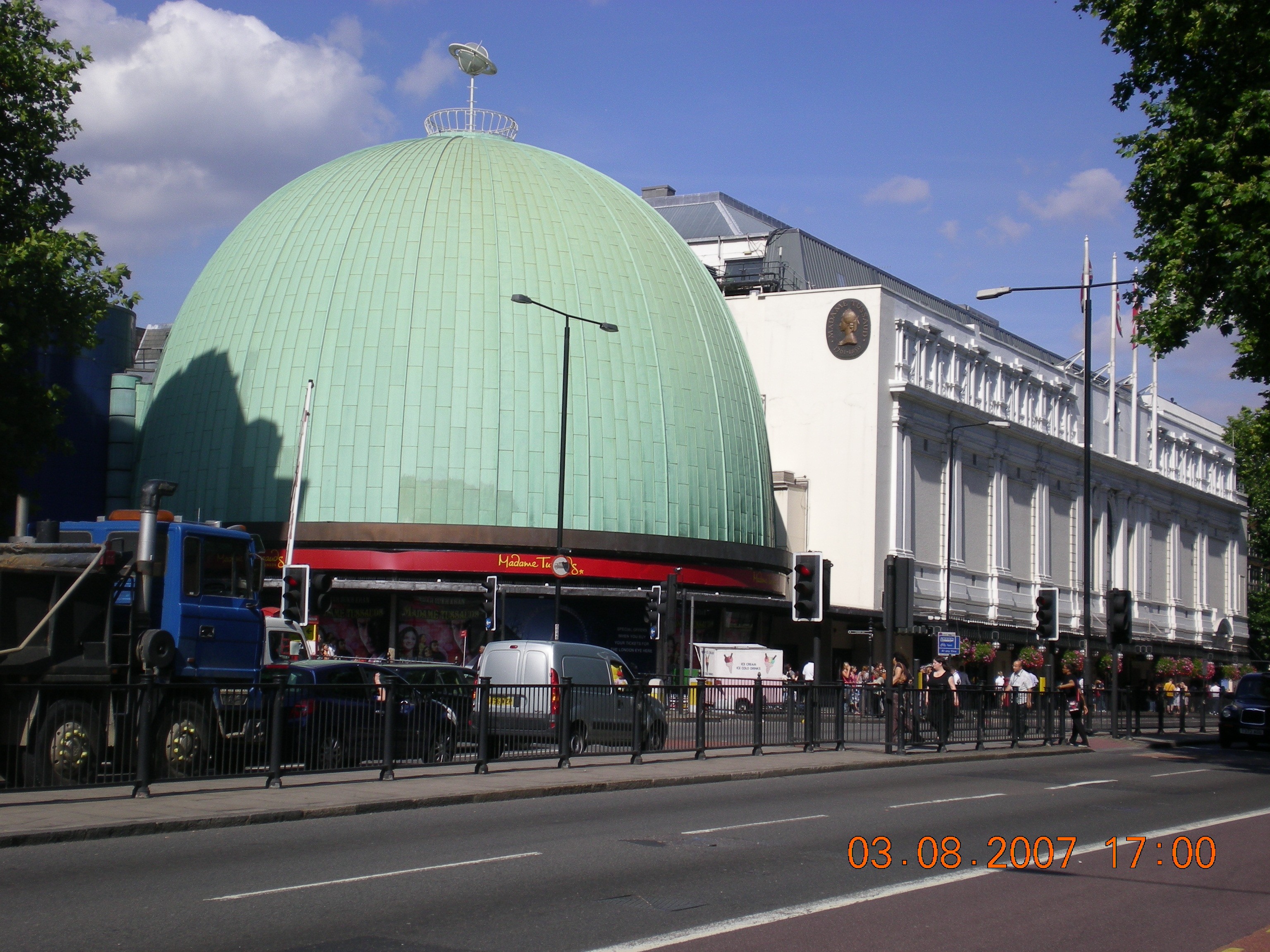
  • Madam Tussauds is a wax museum in London with branches in a number of major cities. It was founded by wax sculptor Marie Tussaud and was formerly known as " Madame Tussaud's". It displays waxworks of historical and royal figures , film stars, sports stars and famous murderers.

  • Millenium Bridge - The London Millennium Footbridge is a steel suspension bridge for pedestrians crossing the River Thames in London. The southern end of the bridge is near Globe Theatre , the Bankside Gallery and Tate Modern, the north end next to the City of London School below St Paul's Cathedral . The bridge has two river piers and is made of three main sections of 81 metres144 metres and 108 metres with a total structure length of 325 metresthe aluminium deck is 4 metres. Approximately 5,000 people can be on the bridge at one time.

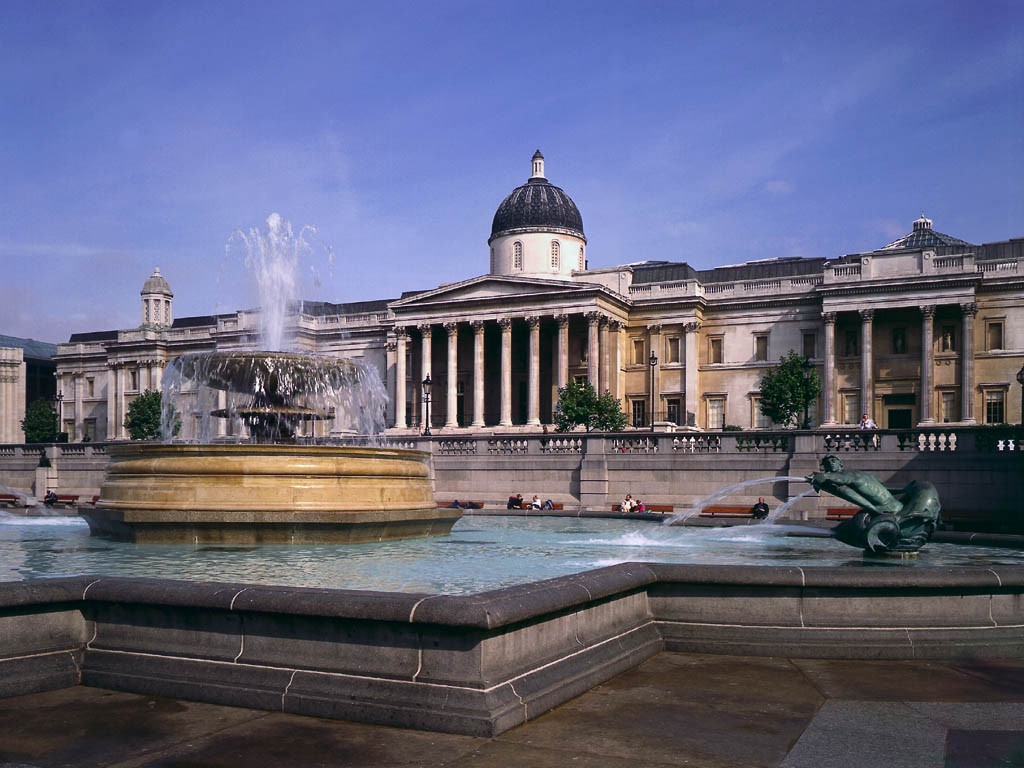
  • National Gallery in London was founded in 1824 and houses a rich collection of over 2,300 paintings dating from the middle 13th century to 1900 in its home on Trafalgar Square. The gallery is an exempt charity , and a non-departmental public body of the Department for Culture, Media and Sport . Its collection belongs to the public of the United Kingdom and entry to the main collection (though not some special exhibitions) is free of charge .

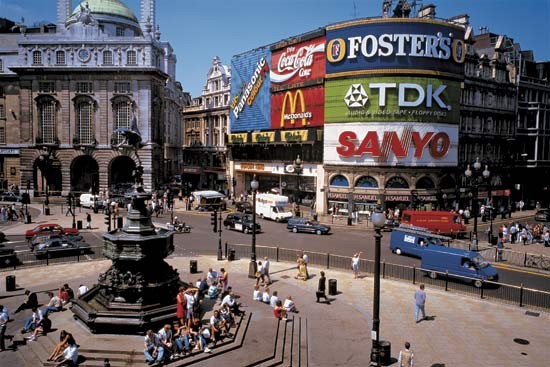
  • Piccadilly Circus is a famous road junction and public space of London's West End in the City of Westminster, built in 1819 to connect Regent Street with the major shopping street of Piccadilly designed by John Nash. The Circus is particularly known for its video display and neon signs mounted on the corner building on the northern side.

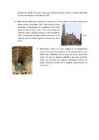
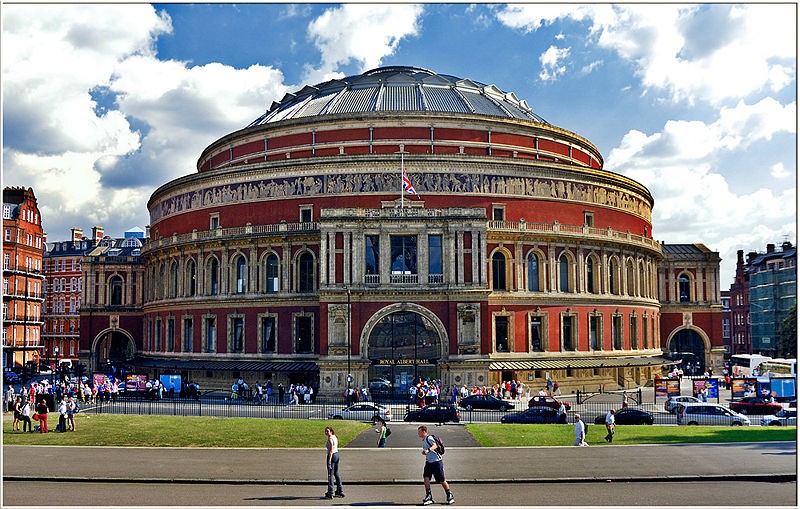
  • Royal Albert Hall is one of the UK's most treasured and distinctive buildings, recognisable the world over. Since its opening by Queen Victoria in 1871, the world's leading artists from every kind of performance genre have appeared on its stage. Each year it hosts more than 350 performances including classical concerts, rock and pop, ballet and opera , tennis, award ceremonies, school and community events, charity performances and lavish banquets.

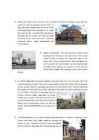
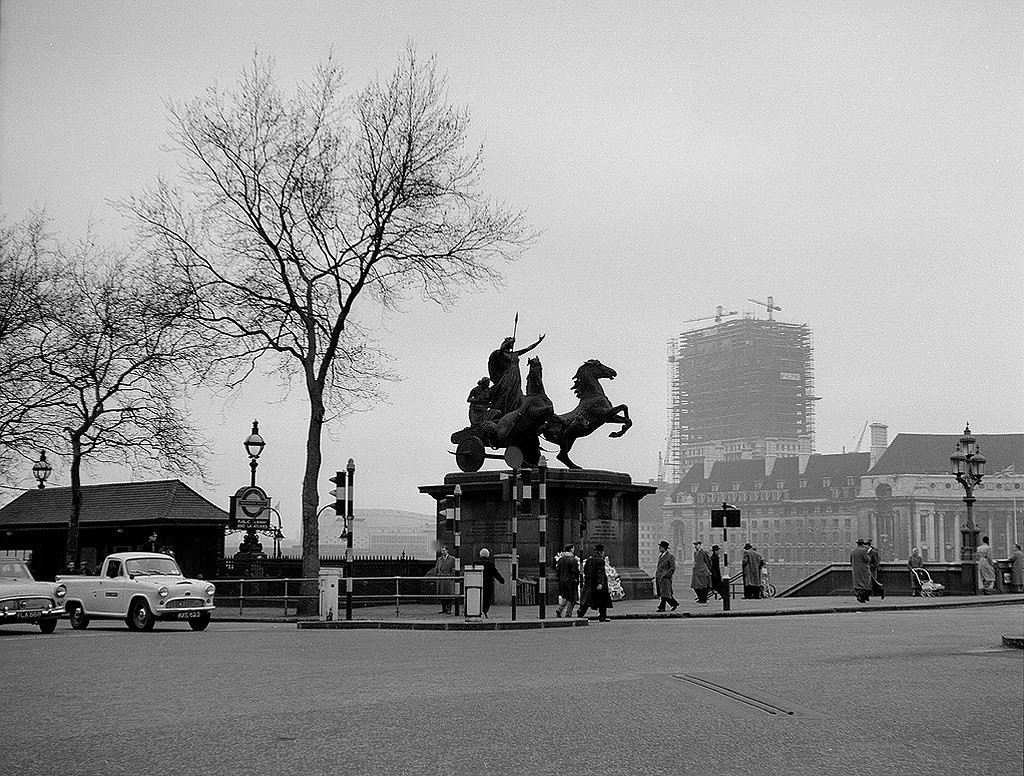
  • Statue of Boudicca - this massive bronze statue of the legendary Queen Boudicca in her chariot looks as if it’s about to take the City of London. The statue was made by the English artist Thomas Thornycroft from 1856 until 1885, but it wasn’t erected in its current position near Westminster Bridge until 1902 . Queen Boudicca was queen of a Celtic tribe who led an uprising against the occupying forces of the Roman Empire.

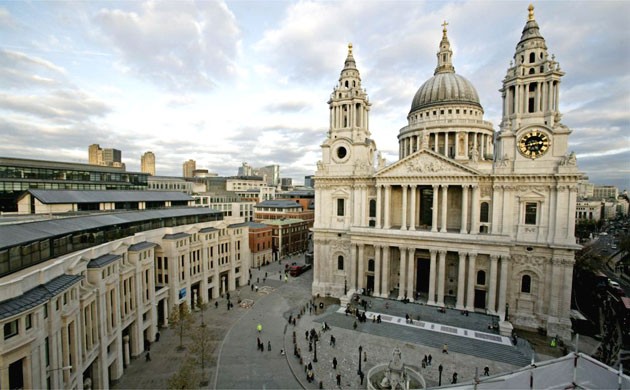
  • St. Paul’s Cathedral is an Anglican cathedral, the highest point in the City of London, and is the seat of the Bishop of London. The present building dates from the 17th century and was designed by Sir Christopher Wren . It is generally reckoned to be London's fifth St Paul's Cathedral, all having been built on the same site since AD 604. mportant services held at St. Paul's include the funerals of Lord Nelson , the Duke of Wellington and Sir Winston Churchill; Jubilee celebrations for Queen Victoria; peace services marking the end of the First and Second World Wars ; the launch of the Festival of Britain and the thanksgiving services for both the Golden Jubilee and 80th Birthday of Her Majesty the Queen.

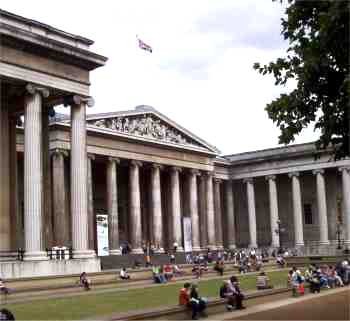
  • The British Museum is a museum of human history and culture in London. Its collections, which number more than seven million objectsare amongst the largest and most comprehensive in the world and originate from all continents , illustrating and documenting the story of human culture from its beginnings to the present. The British Museum was established in 1753, largely based on the collections of the physician and scientist Sir Hans Sloane. The museum first opened to the public on 15 January 1759.z

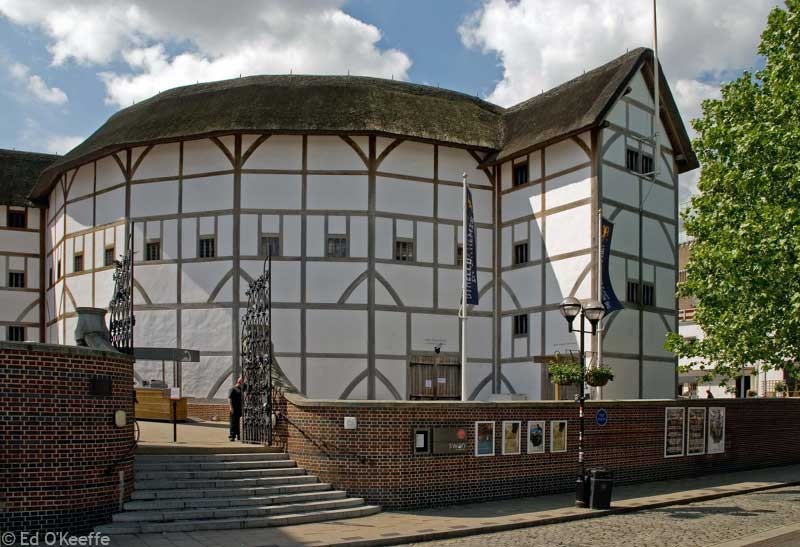
  • The Globe Theatre was a theatre in London associated with William Shakespeare . It was built in 1599 by Shakespeare's playing company. On 29 June 1613 the Globe Theatre went up in flames during a performance of Henry the Eighth. Two of the six Globe shareholders, Richard Burbage and his brother Cuthbert Burbage, owned double shares of the whole , or 25% each; the other four men, Shakespeare, John Heminges, Augustine Phillips, and Thomas Pope, owned a single share , or 12.5%.Theatre was built by James Burbage.

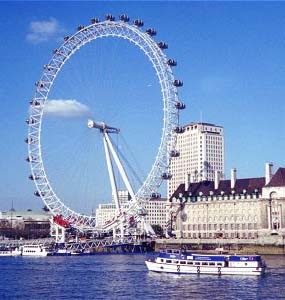
  • The London Eye - Is a giant 135-metretall Ferris wheel situated on the banks of the River Thames. It is the tallest Ferris wheel in Europe, and the most popular paid tourist attraction in the United Kingdom, visited by over 3.5 million people annually. The London Eye was formally opened by the Prime Minister, Tony Blair, on 31 December 1999, although it was not opened to the public until 9 March 2000 because of technical problems.

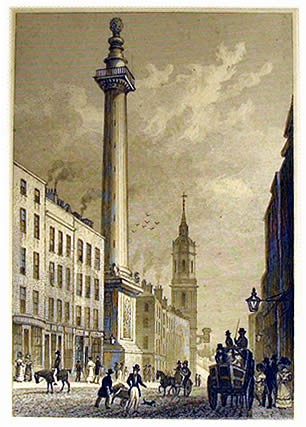
  • The monument was designed by Christopher Wren and Robert Hooke. Its 202 foot height marks . The monumentwas designed by Christopher Wren and Robert Hooke. Its 202 foot height marks. Three sides of the base of the monument carry inscriptions in Latin. The one on the south side describes actions taken by Charles II following the fire . The one on the east describes how the monument was started and brought to perfection, and under which mayors. The one on the north describes how the fire started, how much damage it caused, and how the fire was extinguished.

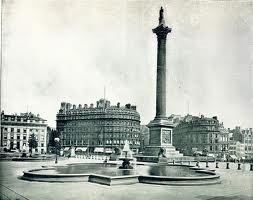
  • Trafalgar Square is a square in the heart of London, it is a tourist attraction, and one of the most famous squares in the United Kingdom and the world. The square is also used as a location for political demonstrations and community gatherings, such as the celebration of New Year's Eve in London. The name commemorates the Battle of Trafalgar (1805), a British naval victory of the Napoleonic Wars. The original name was to have been "King William the Fourth 's Square", but George Ledwell Taylor suggested the name "Trafalgar Square".
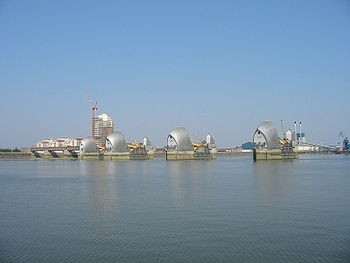
  • The Thames Barrier - The Thames Barrier is the world's second largest movable flood barrierand is located downstream of central London. Its purpose is to prevent London from being flooded by exceptionally high tides and storm surges moving up from the sea.

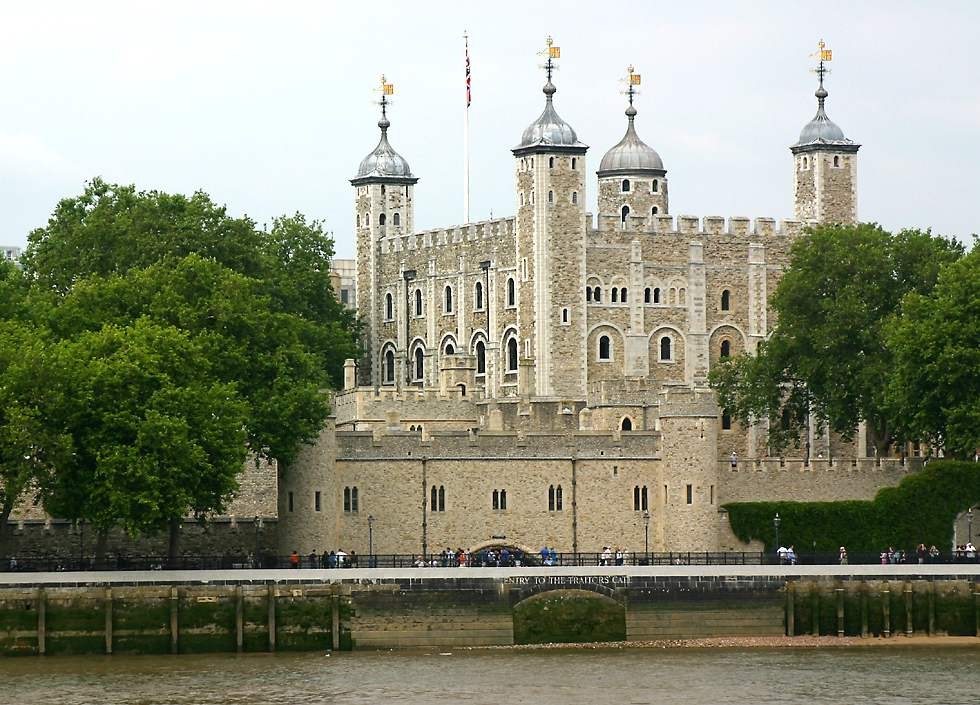
  • The Tower - Tower of London, is a historic castle on the north bank of the River Thames in central London. The castle was used as a prison since at least 1100, although that was not its primary purpose. A grand palace early in its history, it served as a royal residence. The Tower has served variously as an armoury, a treasury, a menagerie, the home of the Royal Mint, a public records office, and the home of the Crown Jewels of the United Kingdom. The peak period of the castle's use as a prison was the 16th and 17th centuries, when many figures fallen into disgrace, such as Elizabeth I before she became queen, were held within its walls.

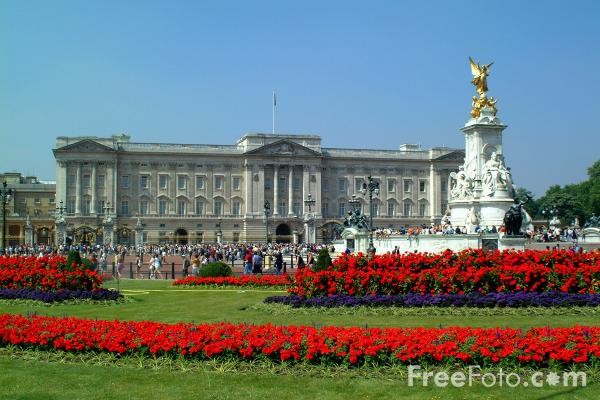
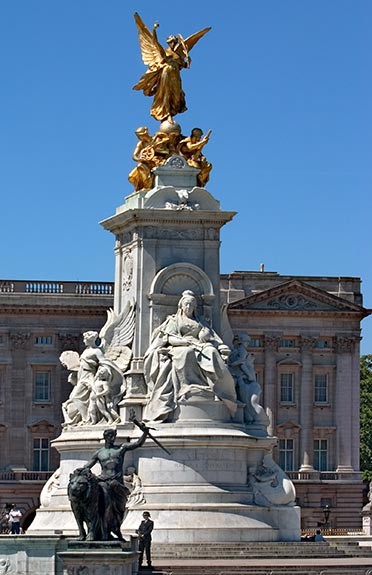
  • The Victoria Memorial is a sculpture in London, placed in front of Buckingham Palace. It has a large statue of Queen Victoria facing north-eastwards towards The Mall . The other sides of the monument feature dark patinated bronze statues of the Angel of Justicethe Angel of Truth and Charity facing Buckingham Palace.

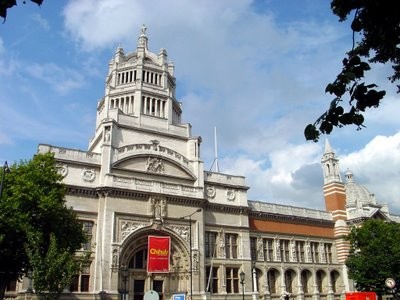
  • The Victoria and Albert Museum is the world's largest museum of decorative arts and design, housing a permanent collection of over 4.5 million objects. Named after Prince Albert and Queen Victoria, it was founded in 1852 and has since grown to now cover 12.5 acres and 145 galleries

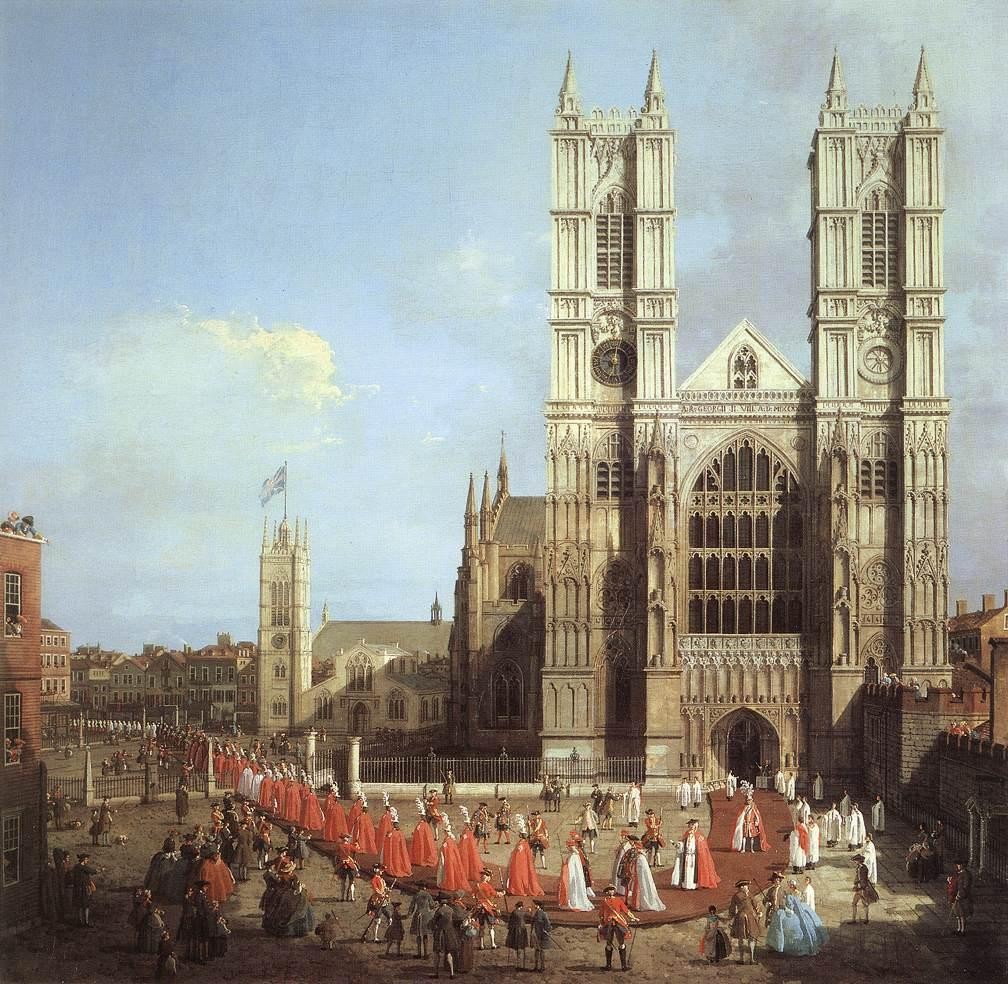
  • Westminster Abbey is a Gothic monastery church in London that is the traditional place of coronation and burial for English monarchs. Located next to the Houses of Parliament in the heart of London. With its oldest parts dating to the year 1050, the Abbey contains some of the most glorious medieval architecture in London. According to tradition , a shrine was first founded here in 616. The historic Abbey was built by Edward the Confessor between 1045 -1050 and was consecrated on December 28, 1065.

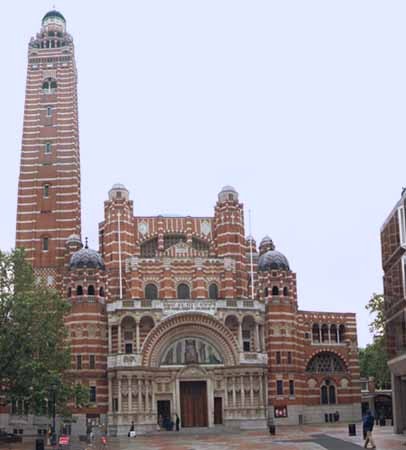
  • Westminster Cathedral in London is the mother church of the Catholic community in England and Wales and the Metropolitan Church and Cathedral of the Archbishop of Westminster. It is dedicated to the "Most Precious Blood of Jesus Christ ". The site on which the cathedral stands originally belonged to the Benedictine monks who founded Westminster Abbey. Since then, it has been variously used as a market, a garden , a waste dump, and a prison.

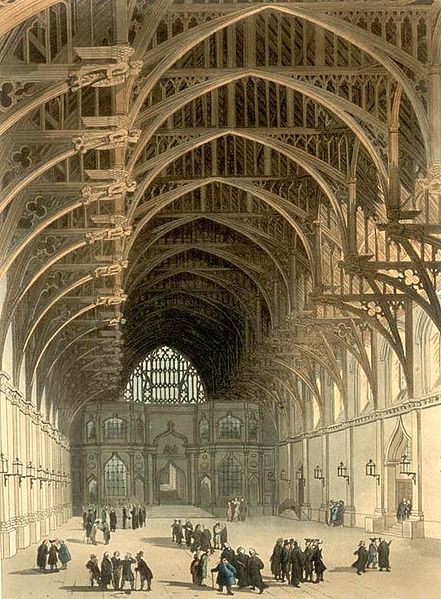
  • Westminster Hall is the oldest building on the Parliamentary estate. In and around the Hall, grew up the major institutions of the British state: Parliament, the law courts and various government offices. The hall was built from 1097 -99 on the orders of William Rufus, son of William the Conqueror. Westminster Hall has the largest clearspan medieval roof in England, measuring 20.7 by 73.2 metres.
Vasakule Paremale
Londoni ajalugu Rooma - 20 sajand #1 Londoni ajalugu Rooma - 20 sajand #2 Londoni ajalugu Rooma - 20 sajand #3 Londoni ajalugu Rooma - 20 sajand #4 Londoni ajalugu Rooma - 20 sajand #5 Londoni ajalugu Rooma - 20 sajand #6 Londoni ajalugu Rooma - 20 sajand #7
Punktid 50 punkti Autor soovib selle materjali allalaadimise eest saada 50 punkti.
Leheküljed ~ 7 lehte Lehekülgede arv dokumendis
Aeg2010-10-09 Kuupäev, millal dokument üles laeti
Allalaadimisi 6 laadimist Kokku alla laetud
Kommentaarid 0 arvamust Teiste kasutajate poolt lisatud kommentaarid
Autor gerle valgenberg Õppematerjali autor
Londoni ajalugu Rooma perioodist - 20 sajandi . Tähtsamad ehitised ja sellega kaasnevad sündumused.

Sarnased õppematerjalid

London
10
doc

London

Whitehall Walking up Parliament Street, along Whitehall, you pass through the heart of the country's government. The broad street is lined with imposing buildings that accommodate different offices of the government. Downing Street Downing Street is a little street running off Whitehall. Since 1732 No.10 has been the residence of the British Prime Minister. It is called "the most famous black door in the world". The Cabinet meets there in the Cabinet Room. It also has a private apartment and outside and a well protected garden. The Mall It is the road running from Buckingham Palace at its western end to Admiralty Arch and on to Trafalgar Square. It is closed to traffic on Sundays and public holidays, and on ceremonial occasions. Oxford Street It is the most well-known shopping street in London. There are over 300 shops. It runs for approximately two and a half kilometres from Marble Arch to the north east corner of Hyde Park

Inglise keel
Landmarcs
2
docx

Landmarcs

LANDMARCS HYDE PARK: Hyde Park is one of the largest parks in central London, England and one of the Royal Parks of London, famous for its Speakers' Corner. The park is divided in two by the Serpentine. The park is contiguous with Kensington Gardens; although often still assumed to be part of Hyde Park, Kensington Gardens has been technically separate since 1728, when Queen Caroline made a division between the two. THE TOWER OF LONDON: Her Majesty's Royal Palace and Fortress, more commonly known as the Tower of London (and historically as The Tower), is a historic fortress and scheduled monument in central London, England, on the north bank of the River Thames. It is located within the London Borough of Tower Hamlets and is separated from the eastern edge of the City of London by the open space known as Tower Hill. It is the oldest building used by the British government. [1] TOWER BRIDGE: Tower Bridge is a combined bascule and suspension bridge i

Inglise keel
Topic - London
5
doc

Topic - London

Topic ­ London Tallinn English College Tallinn 2007 1. Introduction London is the capital city of the United Kingdom and the largest urban area in England. The ancient City of London, to which the name originally belonged, still maintains its medieval boundaries, but the name "London" has long applied more to the whole metropolis that has grown up around it. London has been an important settlement for over two millenniums. It is also one of the world's leading business, financial and cultural centres and its influence in politics, education, entertainment and even fashion contribute to its status as a major global city. London is a major tourist attraction with four world heritage sites, several royal parks and numerous iconic landmarks such as the Houses of Parliament, Towe Bridge, the Tower of London, Westminster Abbey and the London Eye. 2. History Although there is some evidence of a permanent settlement before the Romans came in 43 A.D., it is mor

Inglise keel
London
12
pptx

London

London March 28th Parliament of the United Kingdom The Parliament of the United Kingdom, commonly known as the UK Parliament or British Parliament, is the supreme legislative body in the United Kingdom, British Crown dependencies and British overseas territories. It alone possesses legislative supremacy and thereby ultimate power over all other political bodies in the UK and its territories. Its head is the Sovereign of the United Kingdom (currently Queen Elizabeth II) and its seat is the Palace of Westminster in the City of Westminster, one of the Boroughs of the British capital - London. Tower of London The Tower of London, officially Her Majesty's Royal Palace and Fortress of the Tower of London, is a historic castle located on the north bank of the River Thames in central London. It lies within the London Borough of Tower Hamlets, separated from the eastern edge of the square mile of the City of London by the open space known as Tower Hill.

Inglise keel
London topic
4
doc

London topic

London Topic Tallinn 2008 2 General information London is the capital of the United Kingdom. It covers the area of about 1000 square kilometres and its population is about 7 million. London is located on the river Thames. It is divided into 32 boroughs and the City. Currency used in London is British Pound. London is one of the most popular tourist destination in the world. It is also world's leading business, financial and cultural centre. Subway is commonly used to move around in London. Climate London has a temperate marine climate. It has daily high temperatures during summer. The warmest month is July. The coolest month is January. Winders are seldom below freezing. Rainfall is regular, but most often in the form of drizzle occurring throughout the year. Snow occurs sometimes in winter but rarely settles more than a few millimetres deep. History The origin of London may be dated around the beginning of the 1st century AD, when a Celtic tribe settled near

Inglise keel
The City on London
5
doc

The City on London

The City of London History The City of London occupies one square mile in the middle of the capital. It once made up the entire town of London, surrounded by the wall first built by the Romans. The Roman Londinium grew up on the northern side of the "London Bridge" in the past. Products such as olive oil, wines and fruit were brought by ships from different parts of the Roman Empire and unloaded onto wooden quays along the river. In AD 61 the native Celtic Iceni tribe, led by Queen Boudicca, rose up against The Romans. They burnt Londinium to the ground but Roman armies eventually defeated Boudicca. The city was rebuilt and was gradually surrounded with a wall of stone and brick which lasted for many centuries. During the archeological excavations in 1954 the Roman Temple of Mithras was revealed. It was a pagan temple dedicated to the Persian Sun-god. The Temple was later reconstructed only a short way from its original site and the relics are display

Inglise keel
London - sillad-tornid-ajalugu
4
doc

London - sillad, tornid, ajalugu

THE CITY OF LONDON History The City of London occupies one square mile in the middle of the capital. It once made up entire town of London, surrounded by the wall first built by Romans. The Romans also built a bridge over the Thames and there has been one in the same area ever since. The Roman Londinium grew up on the northern side of the bridge. In AD 61 the native Celtic tribe, led by Queen Boudicca, rose up against the Romans. They burnt down Londinium to the ground and killed most of its inhabitants. Roman armies eventually defeated Boudicca and Londinium was rebuilt. At the end of the fourth century AD the Roman Empire began to crumble and the Roman armies were recalled from Britain to defend Rome itself. Once they had left, tribes such as Angles, Saxons and Jutes invaded and settled in from Holland, Germany and Denmark. Together they are known as Anglo-Saxons. They were farming people who preferred living outside towns. For a while London p

Inglise keel
London
2
doc

London

London London is almost 2,000 years old. Romans came to England in 43 AD. It was first called Londinium. In 1666 the Great Fire destroyed four fifths of the wooden buildings in the City including St Paul`s Cathedral. The fire began in the kitchen of the King`s baker Thomas Farriner in Pudding Lane and lasted for five days. London is the capital of England and the United Kingdom. By now London has swallowed up many of the small towns and villages that once surrounded it. London is on the same latitude as Warsaw. London is a city were more than 7 million inhabitants live. In London there are famous Telephone booths and taxis. Also there are red double- decker buses. The quick and easy way is use the underground trains. The cheapest is to buy a Travelcard. London hosted the 1908 and 1948 Summer Olympic Games and will host the 2012 Summer Olympic Games. Many visitors come to see the famous sights, museu

Inglise keel


Meedia

Kommentaarid (0)

Kommentaarid sellele materjalile puuduvad. Ole esimene ja kommenteeri


Sellel veebilehel kasutatakse küpsiseid. Kasutamist jätkates nõustute küpsiste ja veebilehe üldtingimustega Nõustun