TALLINNA TEHNIKAÜLIKOOL
Ärikorralduse
instituut
Ruslan
Karpovitš 050829 IATM
Stretches
and
exercises in office
Referaat
Esitatud: 22.09.2008.
Juhendajad:
Ülo
Kristjuhan Tallinn 2008
Stiff neck,
back and wrist pain,
poor circulation -
these are just some of the health hazards that can
come with
having an office job. It doesn't have to be that way. Human bodies are made
to
move . It is recommended that a
person break for 5-10 minutes for every hour
spent at a workstation.
Working "mini"
activity breaks into your day can
really make a
difference in how you
feel and
even how well you
perform your job.
Even the busiest person can do it. Just
five minutes of movement
every hour or two can
boost energy and
improve your
attitude . You'll
find that
getting your
blood pumping and
oxygen circulating will help
you concentrate better and be more productive, calm, and efficient.
Breaks can minimize
strain ,
but they can not relieve
stress or improve
flexibility, for example. Most people
should stretch prior to any strenuous activity.
Routine activities
like typing or using the
phone can
lead to injury over a period of
time.
So,
stretching can:
- increase your flexibility. Flexible muscles can improve your
daily performance . Tasks
such as lifting packages, bending to tie
your shoes or hurrying to
catch a bus become easier and less tiring.
- improve range of motion of your joints . Good range of motion
keeps you in better balance, which will help
keep you
mobile and less
prone to injury from
falls — especially as you age.
- improve circulation. Stretching increases blood flow to your
muscles.
Improved circulation can
speed recovery after
muscle injuries .
- promote better posture . Frequent stretching keeps your
muscles from getting tight, allowing you to
maintain proper posture
and minimize aches and
pains .
- relieve stress. Stretching relaxes the
tense muscles that
often
accompany stress.
- may help prevent injury. Preparing your muscles and joints
for activity can
protect you from injury, especially if your muscles
or joints are tight.
There are
simple exercises you can do at
work that
don't take much time and also help you
stay fit. When
performing these stretches, make
sure to go by the feel of the
stretch - this is far more
important than how far you stretch (or
even how far
others stretch). It's also not important to stick to a
rigid schedule of stretching - feel free to browse our stretches and
create your own stretching program.
However , remember that stretching
isn't for
everybody . If you are currently experiencing pain, you must
consult with your physician before doing any of these stretches, and
if you
experience any discomfort
while doing these stretches,
discontinue
them immediately.
Stretching
essentials Warm up first .
Stretching muscles when they're
cold increases your risk of injury,
including pulled muscles. Warm up by walking while gently pumping
your arms, or do a favorite
exercise at low intensity for five
minutes. Better yet, stretch after you exercise — when your muscles
are warm and more receptive to stretching.
Hold each stretch for at least 30 seconds .
It
takes time to lengthen tissues safely. Hold your stretches for at
least 30 seconds — and up to 60 seconds for a really tight muscle
or problem area. That can
seem like a long time, so keep an eye on
the
clock or your watch. Then
repeat the stretch on the
other side.
For most muscle groups, a
single stretch is often enough if you hold
it long enough.
Don't bounce .
Bouncing as you stretch can
cause small
tears in the muscle. These
tears leave
scar tissue as the muscle heals, which tightens the
muscle even
further —
making you less flexible and more prone to
pain.
Focus on a pain-free
stretch.
Expect to feel tension while you're stretching. If it hurts, you've
gone too far. Back off to the point where you don't feel any pain,
then hold the stretch.
Relax and breathe freely.
Don't hold your breath while you're stretching.
How
often to stretch is up to you. As a general rule, stretch whenever
you exercise. If you don't exercise regularly, you might want to
stretch at least three
times a week to maintain flexibility. If you
have a problem area, such as tightness in the back of your leg, you
might want to stretch every day or even twice a day.
Stretching the Hands &
Forearms
You may not even realize how tight your forearms can get from typing
until you stretch them out. This simple moves helps stretch those
muscles in the forearms and wrists.
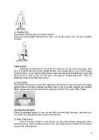
1. a) Start with your
hand open .
b) Make a fist. Keep your thumb
straight , not tucked under your
fingers.
c) Slide your
finger tips up your
palm so the tips of your fingers
are
near the
base of you fingers and you should feel a stretch. Do
not
force your fingers with your other hand if something is painful.
2. With your hand open and facing down, gently
bend wrist from side to side, as far as possible. Hold for 3
to 5 seconds. Repeat 3 times.
3. Start by stretching your arm and hand out and
slowly
rotate the wrist down until you feel a stretch. Hold for 3 to
5 seconds. Next, rotate the palm up until you feel a stretch. Repeat
3 times.
4.
Grasp your hand and hold your fingers with the
other hand. Slowly bend your wrist down until you
fell a stretch.
Hold for 3 to 5 seconds. Relax. Repeat 3 times. Then slowly bend your
wrist up until you feel the stretch. Hold and relax as
above .
5. Sitting with your elbows on the table and palms
together, slowly
lower wrists to the table until you feel a stretch
(your elbows will move outward a bit). Be sure to keep your palms
together
throughout the stretch. Hold 5 to 7 seconds. Relax.
Repeat 3 times.
Arm and shoulder stretch6. Arm and shoulder stretch:
Press your hands
away from your
body to stretch your arms and
shoulders.
Lace
your fingers together and
turn your palms facing out. Straighten your
arms in
front of you. Hold for 10 to 20 seconds. Relax. Repeat two to
three times.
Stretching the Neck &
Shoulders
Holding tension in the neck can lead to headaches and
upper back
tension as well. Many of us drop the head
forward when working on the
computer, which can put
extra stress on the neck muscles. This
stretch feels great on the neck and shoulders.
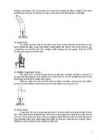
7.Head turn:
To stretch the muscles
along the side and back of your neck and at
the top of your back, start facing forward. Slowly turn your head and
look to one side until your
chin is
parallel with your shoulder. Be
sure to keep your shoulders straight ahead. Hold for five to 10
seconds.
Return to your starting
position and relax. Repeat twice on
each side.
8. Shoulder Shrug:
The
purpose of the shoulder shrug is to relieve
early symptoms of
tightness or tension in the shoulder and neck area.
Raise the top of your shoulders towards your
ears until you feel slight tension in your neck and shoulders. Hold this
feeling of tension for 3 to 5 seconds. Then relax your shoulders
downward into their normal position. Do this 2 or 3 times.
9. Head Glide:
The head glide helps to stretch your
chest , neck and shoulder
muscles.
Sit or
stand upright.
Without lifting your chin,
glide your head straight back. You are
know you are doing this
exercise right if it gives you the feeling of a double chin. Hold
for 20
counts and repeat 5 to 10 times.
10. Neck Relaxer:
This exercise helps to relax the neck.
Drop your head slowly to the
left , trying to
touch your left ear to
your left shoulder. Repeat on the right side. Slowly drop your chin
to your chest, turn your head all the way to the left, then turn all
the way to the right.
11. Shoulder Roll:
This exercise will help relax the shoulder muscles.
Slowly roll your shoulders backward five times in
a circular motion. Next, roll your shoulders forwards.
Chest stretchStretching the chest may be one of the
best exercises you can do for
your body,
since most of us spend much of our time hunched forward.
This example
shows a chest stretch using a resistance
band . You can
find resistance bands at most
sporting goods and
department stores
and they're great to keep in your
desk for
quick stretching or
strengthening moves. There are alternatives below if you don't have a
band.
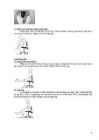
12.Chest stretch:
This stretches the muscles of your chest, upper
back and the back of your neck.Lace
your fingers together behind your head, bringing your elbows back as
far as possible.
Squeeze your shoulder blades together until you feel
your muscles stretching. Hold for 20 seconds. Relax. Repeat.
Stretches for the Back
Sitting for prolonged periods of time can also affect the lower back,
leaving it tight and achy. This stretch will help gently work out
some of that tension.
13. Back / Side Stretch:
Even if you pay
attention to your posture, you may find yourself
sinking back into a hunched position, which can make your back ache.
This simple move will stretch all the muscles in your back,
sides and
arms.
Interlace your fingers and
lift your arms over
your head,
keeping the elbows straight. Press arms as far back as you
can. To stretch your sides, slowly
lean to the left and then to the
right.
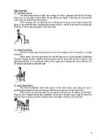
14. Spinal
Twist :
In a seated position with the
feet flat on the
floor , contract the
abs and gently twist the
torso towards the right, using your hands to
help deepen the stretch. Only twist as far as you comfortably can and
keep the back straight while keeping the
hips square. Hold for 10-30
seconds and repeat on the other side.
15.
Middle / Upper Back Stretch:
The upper back can also become tense and tight from hunched
shoulders, especially if you hold the phone against your shoulder or
use your mouse a lot. The shoulder
rolls above may help loosen you up
for this upper back stretch.
Hold your right arm with your left hand just above
the
elbow . Gently
push your elbow toward your left shoulder. Hold
stretch for 5 seconds. Repeat with your left arm.
16. Back Stretch:
It may look like you're scratching your back, but
you're really stretching the back of your arm.
Reach behind your head
and
place your hand on your upper back, keeping your arm
close to
your ear. Gently hold your elbow with your opposite hand.
Pull your
elbow toward the back of your head and reach your hand toward the
middle of your back until you feel a gentle stretch. Hold for 10 to
15 seconds. Relax. Repeat on other side.
17. Back
Curl (will also stretch your
legs ):
Grasp your
shin . Lift the leg off the floor. Bend
forward (curling your back), and reach your
nose to your knee. Repeat
with the other leg.
Leg Stretches
18.
Ankle Flex and Stretch:
Hold one
foot off the floor with your leg
straight. Alternately flex your ankle (point your
toes up) and
extend (point your toes down). Repeat with the other leg.
19. Leg Lift:
Sit forward on the
chair so that your back is not touching the
chair's back. Place feet flat on the floor. With a straight leg, lift
one foot a few inches off the floor. Hold momentarily, and return
your foot to the floor. Repeat with the other leg.
Hip Stretches20. Hip
Flexor Stretch:
The lower body also gets tight from sitting too much, especially the
front of the hips. When you sit, the glutes stretch while the hip
flexors get tighter. Stretching this area
several times a day can
help reduce that tightness.
While standing, take the right leg back as though you're
going to do
a lunge. Squeeze the glutes as you bend the knees, lowering down
until you feel a stretch in the front of the right hip. Hold for
10-30 seconds and repeat on the other side.
21. Seated Hip Stretch:
This move helps open up the hips and stretch the
complex series of
muscles in the hips and glutes.
While seated, cross the right ankle over the left knee and sit up
nice and
tall . Gently lean forward, keeping the back straight and
reaching out with the torso until you feel a stretch in the right
glute and hip. You can also press down on the right knee to deepen
the stretch. Hold for 10-30 seconds and repeat on the other side.
22. Inner Thigh Stretch:
This not-very-ladylike stretch feels great on the inner thighs, hips
and groin and is
another hip-opening move that may help get rid of
tension and stress in the lower body.
While seated, take the legs wide, toes out and lean forward with the
elbows on the thighs. Keep the back straight and the abs contracted.
Gently press forward while using the elbows to push the thighs out
until you feel a stretch in the inner thighs. Hold for 10-30 seconds
Deep breathing,
relaxation and
eyes resting provides extra oxygen to
the blood which relaxes and reenergizes our muscles. It will also
help to keep you mentally alert.
1. Breathing
Exercise:
This will work your breathing and abdominal muscles. Inhale very
slowly through your nose and make sure to expand your stomach muscles
and
allow the air to
fill your lungs. Reverse as you exhale. Do this
exercise for three to five minutes whenever you feel tense.
2. Relaxation
Exercise:
Sit down in a comfortable position and close your eyes. Make tight
fists, hold for five seconds then relax your hands. Do this three to
four times. Try to be
aware of the
different sensations of tension
and relaxation you are feeling.
Repeat with all of your muscle groups: arms, shoulders, chest,
abdomen, back, hips, thighs, lower legs and feet. At first, it may
take about 20 minutes altogether. Contract and relax one muscle group
at a time for a few minutes each throughout the day. With practice,
you'll be
able to do all groups in about five minutes.
3. Resting Eye
Muscles:
1) This will reduce strain caused by
looking constantly at the
same object [E.g. computer terminal]. Give your eyes a
rest from your
surroundings by looking away for a few
moments . Looking out the
window or away from your computer and/or normal surroundings can
ease & relax strained eyes.
2) Palming is an activity you can do to relax your eyes periodically
throughout the day.
1.
Cover your closed eyes with your hands, so that the palms are over
(but not touching) your eyelids. Your fingers should overlap above
your nose on your forehead;
2.
Take several deep breathes and take in the
complete darkness (or
visualize a relaxing
setting );
3.
After 20 seconds or so, uncover your eyes and allow them to refocus.
You're
ready to
continue your day!
3)Refocus Routine. If you regularly work with your computer, you
should periodically look away to allow your eyes to change focus.
This exercise should be repeated regularly throughout the day.
1.
Cover your closed eyes with your hands, so that the palms are over
(but not touching) your eyelids. Your fingers should overlap above
your nose on your forehead;
2.
Take several deep breathes and take in the complete darkness (or
visualize a relaxing setting);
3.
After 20 seconds or so, uncover your eyes and allow them to refocus.
You're ready to continue your day!
OR:
1.
Identify 2 objects that are roughly 20 feet away and relax;
2.
Comfortably focus on one object for
approximately 10-15 seconds, then
focus on the other object for 10-15 seconds;
3.
Return your focus to your monitor and continue working.
4. Meditation:
Meditation
is very helpful, especially when you need to relieve some stress or
rest after stretches
. Sit on your chair with your
spine straight and
both feet flat on the
floor. Start
taking long, deeply breaths and then gently
slip your
chin down to your chest. Resting your hands on your thighs or down by
your side, relax your shoulders down and back. Close your eyes and
take your gaze to a point
between your
eyebrows . Take 5 to 10 long
deep breaths, shut eyes focused between your brows.
In conclusion,
please remember that we are not
designed to stay in one position all day long. Sitting
in front of a desk every day can wreak havoc on your body, especially
since most of us don't have the best posture. Hunching the shoulders
and slumping in your
seat can cause back pain, headaches, tension and
tightness in your back, neck and shoulders. Taking
regular breaks, making some stretch exercises can help to relieve
stress, improve health, and minimaze strain.
If you have a chronic
condition or an injury, however, you may need
to alter your approach to stretching. For example, if you have a
strained muscle, stretching it like usual may cause further
harm . In
this way deep breathing, relaxation, meditation and eyes resting will
help you.
Used
Referencies:
http://www.ccohs.ca/oshanswers/ergonomics/office/stretching.html http://exercise.about.com/cs/exerciseworkouts/l/blofficeworkout.ht m
http://www.healthservices.uwaterloo.ca/occupationalhealth/ergonomic_stretches.html http://www.yogawiz.com/articles/63/general-discussion/10-yoga-exercises-to-do-in-office.html http://www.mayoclinic.com/health/stretching/HQ01447 http://www.healthycomputing.com/health/stretches/hands.html http://www.aarp.org/health/fitness/get_motivated/a2003-08-20-officeexercise.html 12
 50 punkti
Autor soovib selle materjali allalaadimise eest saada 50 punkti.
50 punkti
Autor soovib selle materjali allalaadimise eest saada 50 punkti.
 ~ 12 lehte
Lehekülgede arv dokumendis
~ 12 lehte
Lehekülgede arv dokumendis
 2009-01-24
Kuupäev, millal dokument üles laeti
2009-01-24
Kuupäev, millal dokument üles laeti
 20 laadimist
Kokku alla laetud
20 laadimist
Kokku alla laetud
 0 arvamust
Teiste kasutajate poolt lisatud kommentaarid
0 arvamust
Teiste kasutajate poolt lisatud kommentaarid
 audia
Õppematerjali autor
audia
Õppematerjali autor
 annaabi.ee









Kõik kommentaarid