Vajad kellegagi rääkida?
Küsi julgelt abi LasteAbi
Logi sisse

Estonian cuisine (0)

1 Hindamata
Punktid
Estonian cuisine
The traditional cuisine of Estonia has substantially been based on meat and potatoes, and on fish in coastal and lakeside areas , but is influenced by many other cuisines by now. In the present day it includes a variety of international foods and dishes, with a number of contributions from the traditions of nearby countries. German, Scandinavian, Russian and other influences have played their part . The most typical foods in Estonia have been rye bread , pork , potatoes and dairy products . Estonian eating habits have historically been closely linked to the seasons. In terms of staples, Estonia belongs firmly to the beer , vodka , rye bread and pork "belt" of Europe .
The Cold Table
Flounder
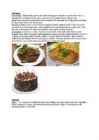
The first course in traditional Estonian cuisine is based on cold dishes - a selection of meats and sausages served with potato salad or Rosolje, an Estonian signature dishes based on beetroot, meat and herring . Small pastries called pirukad ("pirukas" in the singular ) - a relative of the pirozhki - filled with meat, cabbage, carrots, rice and other fillings or mixtures are also popular , and are often served with bouillon. Herring is common among other fish as a part of the Estonian Cold Table. Smoked or marinated eel, crayfish dishes and imported crabs and shrimps are considered delicacies. One of Estonia's national dishes is räim (Baltic dwarf herring), along with sprats. Flounder, perch and pike -perch are also popular.
Soups
Soups are traditionally eaten before the main course and most often are made of meat or chicken stock mixed with a variety of vegetables. Soups are also blended with sour cream , milk and yogurt.
The Main Course
Pork and potatoes accompanied by a rich gravy and often served with sauerkraut or other vegetables has been the traditional Estonian main course. Pork has been the most important meat and is eaten roasted, cured as bacon, in the form of ham, or in pies and sausages. There are many other main dishes too.
Black Bread
Black rye bread accompanies almost every savory food in Estonia. Instead of wishing "bon appetit", Estonians are prone to say jätku leiba ("may your bread last"). Estonians continue to value their varieties of black rye-based bread. Estonia has not been a land of plenty. If a piece of bread was dropped on the floor , it was good form to pick it up, kiss it to show respect, and eat it.[ citation needed] When Estonians live abroad, they often say that they miss black bread the most.
Desserts
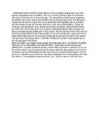
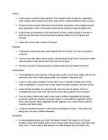
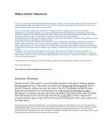
Specific desserts include kissel, curd snack and kama . Rhubarb pies are a favorite.
Red currant kissel
Strawberry and kiwi curd snack
Drinks
A traditionally popular drink called kali - similar to Russian kvass - is becoming more popular again. Mead or mõdu, the drink that was most popular in ancient times, has almost completely disappeared. Nowadays , locally brewed beer is the number one choice to accompany food, different juices or simply water being the main non-alcoholic choice. Wine is widely drunk, and although it is still not as popular as beer, it is becoming all the more common. There are also Estonian fruit wines made of apples or different berries . Milk is also widely drunk by children as well as adults. Estonians are also proud of their vodka and other spirits, such as the herbal liquer Vana Tallinn. Two of Estonia's oldest breweries are A. Le Coq, founded in 1807, and Saku Brewery, founded in 1820.
Other dairy products besides milk (Estonian: piim) include keefir and also hapupiim and pett , which are variations on the theme of buttermilk.
Summer and Spring
Traditionally in summer and spring, Estonians like to eat everything fresh - berries, herbs, vegetables and everything else that comes straight from the garden . Hunting and fishing were common in the history. Nowadays, they have remained as popular pastimes. It is popular to barbecue in the summer.
Winter and Christmas
During winter jams, preserves and pickles are brought to the table. During the past, when the economy was largely agricultural, the gathering and conserving of fruits, mushrooms and vegetables for winter was essential . Today , gathering and conserving is less common because most everything can be bought from stores, but preparing food for winter is still very popular in the countryside and continues to retain its charm for many, as opposed to the commercialization of eating habits. Upholding of traditions is important to many.
Black pudding (Estonian: verivorst ), head cheese (Estonian: sült) and sauerkraut (Estonian: hapukapsas ) with over-roasted potatoes have been part of the traditional Estonian menu that nowadays are mostly Christmas specialties. Also, typical Christmas treats have been apples, Mandarin oranges and gingerbread.
What to Drink in Estonia
Part of the fun of travelling is trying to local cuisine, or perhaps more importantly, the drinks. Given Estonia’s drinking culture, there is no shortage of options for developing a hangover. If you’d like us to guide you towards some of the better choices in person , why not try our View with a Brew walking tour of Tallinn. Otherwise, here is a brief summary of the ways you may like to enjoy a tipple, Estonian style.
BEER
Most people will usually want to try an Estonian beer, and while there are lots on offer , two main breweries dominate the market . Saku, Estonia’s biggest brewer, was established as the brewery of Saku Manor . You will easily find Saku Originaal (make sure to double the vowel sound when ordering!) on tap in pubs and bars . Saku Kuld (Gold) is pitched as a premium beer, and well worth a try. However both of these are fairly standard lager style beers. For real beer connoisseurs, we here at EstAdventures recommend Saku Tume ( Dark ) or if you can locate is Saku Abbey . You may wish to visit the Saku Brewery on an EstAdventures tour.
Traditionally Saku has dominated in Northern estonia, whereas A. Le Coq has been the choice of southern Estonians. Although it sounds French it is actually from the town of Tartu, and if you come to Tallinn to see a game of football you will probably do so at A. Le Coq Arena . The most common brand is A. Le Coq Premium, but we prefer one called Alexander. In winter we are particularly partial to A. Le Coq Porter .
If you’re looking for something a bit more unique, head to Hell Hunt (Gentle Wolf ) in Pikk street , where they have there own wonderful light and dark beers, or the the Beer House in Dunkri Street, where they have a whole range of beers from light to dark.
LIQUEURS
Not for the faint hearted, Estonian Liqueurs are well worth a try. You can’t say you’ve been to Tallinn until you’ve drunk Vana Tallinn (Old Tallinn). It is available in 40%, 45% and 50% varieties, but if that scares you perhaps you may like to try the cream variety.
Kiiu Torn (Kiiu Tower) tastes something like Baileys, and is produced in the small town of Kiiu about 25 minutes East of Tallinn. You can visit Kiiu Tower and sample the liqueur on EstAdventure’s Lahemaa National Park Tour
Pirita is another local liqueur, which has a bottle adorned by the ruins of the Pirita convent. A true experience can be to drink Pirita at the Pirita Convent ruins, Vana Tallinn in Old Tallinn, and Kiiu Torn in Kiiu Tower!
VODKA
While they may not drink us much as Russians, Estonians certainly love Vodka. Vodka is used to cure just about every ailment. For example at the onset of a cold, an old Estonian folk remedy is to soak your socks in Vodka and then put them on your feet . Even today Estonians swear by “Vodka Socks”.
The best known brand is Viru Valge, and we at EstAdventures are quite fond of the flavoured varieties, even if Vodka does make us act a bit silly at times. Saremaa Vodka is also well regarded. For a real treat seek out The Tall Blonde, labelled as the Queen of Vodkas. Traditionally it has only been available outside of Estonia, though there are now a select number of places where it is available locally.
Fast food
Fast food (also known as Quick Service Restaurant or QSR within the industry itself) is the term given to food that can be prepared and served very quickly. While any meal with low preparation time can be considered to be fast food, typically the term refers to food sold in a restaurant or store with preheated or precooked ingredients, and served to the customer in a packaged form for take-out/take-away. The term "fast food" was recognized in a dictionary by Merriam –Webster in 1951.
Outlets may be stands or kiosks, which may provide no shelter or seating, or fast food restaurants (also known as quick service restaurants). Franchise operations which are part of restaurant chains have standardized foodstuffs shipped to each restaurant from central locations.
The capital requirements involved in opening up a non-franchised fast food restaurant are relatively low. Restaurants with much higher sit-in ratios, where customers tend to sit and have their orders brought to them in a seemingly more upscale atmosphere, may be known in some areas as fast casual restaurants.
Variants
Although fast food often brings to mind traditional American fast food such as hamburgers and fries , there are many other forms of fast food that enjoy widespread popularity in the West .
Chinese takeaways/takeout restaurants are particularly popular. They normally offer a wide variety of Asian food (not always Chinese), which has normally been fried. Most options are some form of noodles, rice, or meat. In some cases , the food is presented as a smörgåsbord, sometimes self service. The customer chooses the size of the container they wish to buy, and then is free to fill it with their choice of food. It is common to combine several options in one container, and some outlets charge by weight rather than by item. Many of these restaurants offer free delivery for purchases over a minimum amount.
Sushi has seen rapidly rising popularity in recent times. A form of fast food created in Japan (where bentō is the Japanese equivalent of fast food), sushi is normally cold sticky rice flavored with a sweet rice vinegar and served with some topping (often fish), or, as in the most popular kind in the West, rolled in nori (dried laver) with filling . The filling often includes fish, chicken or cucumber.
Pizza is a common fast food category in the United States, with chains such as Papa John's, Domino's Pizza, Sbarro and Pizza Hut. Menus are more limited and standardized than in traditional pizzerias, and pizza delivery, often with a time commitment, is offered.
Kebab houses are a form of fast food restaurant from the Middle East, especially Turkey and Lebanon. Meat is shaven from a rotisserie, and is served on a warmed flatbread with salad and a choice of sauce and dressing. These doner kebabs or shawarmas are distinct from shish kebabs served on sticks. Kebab shops are also found throughout the world, especially Europe, New Zealand and Australia but they generally are less common in the US.
Fish and chip shops are a form of fast food popular in the United Kingdom, Australia and New Zealand. Fish is battered and then deep fried.
The Dutch have their own types of fast food. A Dutch fast food meal often consists of a portion of french fries (called friet or patat) with a sauce and a meat product. The most common sauce to accompany french fries is mayonnaise, while others can be ketchup or spiced ketchup, peanut sauce or piccalilli. Sometimes the fries are served with combinations of sauces, most famously speciaal (special): mayonnaise, with (spiced) ketchup and chopped onions; and oorlog (literally "war"): mayonnaise and peanut sauce (sometimes also with ketchup and chopped onions). The meat product is usually a deep fried snack; this includes the frikandel (a deep fried skinless minced meat sausage ), and the kroket (deep fried meat ragout covered in breadcrumbs).
In Portugal, there are some varieties of local fast-food and restaurants specialized in this type of local cuisine. Some of the most popular foods include the popular frango assado ( Piri -piri grilled chicken previously marinated), francesinha, francesinha poveira, espetada (succulent turkey or pork meat on two sticks) and bifanas (pork cutlets in a specific sauce served as a sandwich ). This type of food is also often served with french fries (called batatas fritas), some international chains started appearing specialized in some of the typical Portuguese fast food such as Nando's.
Estonian cuisine #1 Estonian cuisine #2 Estonian cuisine #3 Estonian cuisine #4
Punktid 50 punkti Autor soovib selle materjali allalaadimise eest saada 50 punkti.
Leheküljed ~ 4 lehte Lehekülgede arv dokumendis
Aeg2011-03-13 Kuupäev, millal dokument üles laeti
Allalaadimisi 22 laadimist Kokku alla laetud
Kommentaarid 0 arvamust Teiste kasutajate poolt lisatud kommentaarid
Autor yevonda Õppematerjali autor
Referaat

Sarnased õppematerjalid

Lõuna Aafrika rahvusköök
7
doc

Lõuna Aafrika rahvusköök

Cuisine of South Africa has had a variety of sources and stages: · Cookery practised by indigenous people of South Africa such as the Khoisan and Xhosa- and Sotho-speaking people · Settler cookery introduced during the colonial period by people of Indian and Afrikaner and British descent and their slaves and servants - this includes the cuisine of the Cape Malay people, which has many characteristics of Malaysia and Java, and recipes from neighbouring colonial cultures such as Portuguese Mozambique. Indigenous cookery traditional South African cuisine In the precolonial period, indigenous cuisine was characterized by the use of a very wide range of fruits, nuts, bulbs, leaves and other products gathered from wild plants and by the hunting of wild game. The domestication of cattle in the region about two

Kokandus
Estonian National Cuisine
30
ppt

Estonian National Cuisine

Estonian National Cuisine re a d a c k B Bl The word ,,bread" came to Estonian from Germanic languages. Traditional black bread spread in Estonia in the second century. In a household people usually baked bread on Saturdays. Depending on the size of the family, they usually made 6-10 loaves of bread. One loaf of bread usually weighed about 2-5 kg. Beliefs and habits If a piece of bread was dropped, it had to be picked up and given a kiss so that hunger would not come to the house. A loaf of bread was never put on a table upside crust down. That would predict a family member's death.

Inglise keel
Erinevate riikide rahvustoidud
6
doc

Erinevate riikide rahvustoidud

German Sauerbraten: Traditionally made with a beef roasting joint (topside or similar) the meat is marinated for 2-3 days in beer, spices such as cloves, juniper berries, allspice and peppercorns, bay leaves and onions and is braised in the marinade for a long period, resulting in very tender melt-in-the-mouth meat. The Black Forest: cake is one of the most popular German national foods. Cake consists of several layers of chocolate cake, with whipped cream and cherries between each layer. Then the cake is decorated with additional whipped cream and chocolate shavings. A Schnitzel in German is a slice of pork or veal haunch. Dish made with boneless meat thinned with a mallet (escalope-style preparation), coated in bread crumbs and fried. Only if it is made of veal and coated in bread crumbs is it called Wiener Schnitzel; a pork version is called Schnitzel Wiener Art (Viennese type schnitzel). These are served with a slice of lemon and without a sauce. Both often are referred to as simpl

Inglise keel
Eating habits in Estonia
1
docx

Eating habits in Estonia

Traditional Estonian food has its roots firmly in the countryside, relying heavily on pork, potatoes and garden variety vegetables. The main culinary influences were from Germans, who ruled over Estonia for so many centuries. The eating habits of the Estonian population are related to the season, which severely affect the availability of fresh food. The spring and summer are the seasons of fresh food, in this period are used vegetables, berries and herbs, with the warmer climate the Estonians also like to cook meat grilled outdoors. During the winter are used mushrooms, jams, and preserved foods. Among the typical Estonian dishes are: Baltic fish in acid sauce, pork with sauerkraut and boiled potatoes, blood sausage and

Inglise keel
India
3
rtf

India

Kheer is a sweet rice pudding, usually made from rice and milk. Laddu is made of flour and other ingredients formed into balls that are dipped in sugar syrup. Shrikhand is a creamy dessert made out of strained yogurt, from which all water is drained off, leaving the thick yogurt cream by itself. Adding dry fruits like mangoes enhances the Shrikhand's taste. It is a Western India traditional dish, and it has ancient roots in the Indian cuisine. A recipe: chickpea salad: 2 cans chickpeas, rinsed and drained red onion, red bell pepper,ribs celery and leafy tops, clove garlic, minced or grated then grinded into a paste with salt. crushed red pepper flakes, rosemary, a sprigs, red wine vinegar, extra-virgin olive oil. Salt and freshly ground black pepper.

Inglise keel
Estonian holidays-festivals-cultural events
12
doc

Estonian holidays, festivals, cultural events

Holidays, Festivals, Cultural events TALLINN - If you're looking for entertainment in Estonia this summer, you are really spoiled for choice. Festivals and events dedicated to the consumption of beer are a lot of fun, but if you want to get the true feel of the country, you need something a little more ethnic. Like a town fair. Just as July becomes August, the seaside town of Haapsalu will host a grand spectacle of rural Estonian entertainment. The White Lady Days is a summer celebration filled with amusement for all the family. Held in and around the remains of the Teutonic-knights-era castles, the fair combines enchanting medieval legends with modern countryside charm to create a comprehensive experience of Estonia beyond the big cities. But the legend of the White Lady of Haapsalu, which is at the heart of the festival, is perhaps the most famous tall tale of the many that are so abundant in Estonia's folklore.

Inglise keel
ITALY NATIONAL KITCHEN
9
odt

ITALY NATIONAL KITCHEN

...........................7 Recipe.............................................................................................................................................8 Pasta alla Carbonara (eesti keeles)...................................................................................................9 2 ITALY KITCHEN Italian Cuisine is traditional Italian food. It is often made up of the famous Italian foods such as pasta, pizza, cannoli and red or white wine. Italian cuisine often contains a lot of carbs and sometimes fats. Italian food also has a lot of vegetables and healthy fats, such as olives, broccoli, and lettuces. Italians are also famous for the different kinds of breads they make. Spaghetti is traditional

Inglise keel
Economy of Estonia
2
doc

Economy of Estonia.

Economy of Estonia The economic growth during the recent years has been very fast. The Estonian economy is diverse ­ industry and transport, as well as commerce and different branches of services are all equally important. Due to the available natural resources Estonian economy largely relies on the branches related to the forest; Estonian energy sector is based on oil shale. Finland and Sweden are the most important trade partners. The Estonian economy profits significantly from the business generated by more than 2 million tourists a year. The important sectors of the Estonian economy are the processing, transport, warehousing and communications, commerce and estate, rental and letting, as well as business services, agriculture, construction and government, education and health care. In order to be able to import all the products and services, something must be exported, that's

Inglise keel


Kommentaarid (0)

Kommentaarid sellele materjalile puuduvad. Ole esimene ja kommenteeri


Sellel veebilehel kasutatakse küpsiseid. Kasutamist jätkates nõustute küpsiste ja veebilehe üldtingimustega Nõustun