Artikkel
Artikkel on abisõna, mis
kuulub nimisõna juurde.
Inglise keeles on kaks
artiklit :
1) umbmäärane artikkel
umbmäärane artikkel on a,
täishäälikuga algava nimisõna ees an
2)
Määrav artikkel on
the
Umbmäärase artikli puudumine
võib muuta nimisõna tähendust
wood
puit
a wood
mets
fire
tuli
a fire
lõke
iron raud
a iron
triikraud
He
gave me the book.
Ta andis mulle selle raamatu.
He gave me a book.
Ta andis mulle ühe raamatu.
Umbmääran artikkel
a (an)
näitab, et tegemist on ühe asjaga või
isikuga . Umbmäärane
artikkel on tekkinud arvsõnast
one
(üks). Seepärast saab umbmäärast artiklit tarvitada ainult
ainsus oleva nimisõnaga.
Give the
child a book.
Anna lapsele üks raamat.
Umbmäärase artikli
tarvitamine elukutusete ja rahvuste puhul.
Ainsus:
I am a
doctor .
He is an
artist.
You are a
very
good teacher .
He is an
Estonian.
He is an
Englishman.
Mitmus :
They are
doctors .
They are
Estonians .
They are Englishmen.
Väljendeid umbmäärase
artikliga.
I have a headache
mul on peavalu
I have a toothache
mul on
hambavalu I have a
sore throat
mul valutab kurik
I have a
cold ma olen külmetanud
I have a temperature
mul on
palavik to have a
rest puhkama to have a good time
aega lõbustasti
veetma to have a talk
vestlema to have a
smoke suitsu tegema
to have a
look pilku heitma
to go for a
walk jalutama minema
to take a walk
jalutuskäiku tegema
to take a
seat istet võtma
to take a picture
pildistama
to take a
bath vannis käima
in a low
voice tasase häälega
half a
minute pool minutit
half an
hour pool tundi
half a mounth
pool kuud
half a
year pool aastat
I am in a hurry
mul on kiire
What a pity!
Kui kahju!
as a rule
harilikult
Määrav
artikkel
Määravat artiklit
tarvitatakse ainsuses kui ka
mitmuses oleva nimisõnaga.
1) kui jutt on mingist
kindlast , vestlejaile teadaolevast esemest või olendist:
He has bought a new handbag.
Ta on ostnud uue käekoti.
The handbag is
black . Käekott
on musta värvi.
2) kui kõne all
olevast esemest või olendist on varem juba
juttu olnud või seda on varem
kirjeldatud:
They are in the
garden . Nad on
aias.
The dog is in the
kitchen .
Koer on köögis.
3) kui nimisõna ees esineb
järgarv või omadussõna ülivõrdes:
I am reading the third chapter
of the story. Ma loen jutu kolmandat peatükki.
Ainsus:
This is the
best book that
I have ever read.
See on parim raamat, mida ma
olen kunagi lugenud.
Mitmus:
These are the
best
books that I have ever read.
Need on parimad raamatud, mida
ma olen kunagi lugenud.
Määravat artiklit
tarvitatakse
1) mitmuses esinevate
perekonnanimedega
the Jacksons Jacksonid
the Altmäes Altmäed
2) jõgede, merede, ookeanide
nimed
the Narva
the Emajõgi
the
Baltic Sea
3) mäeahelike nimedega
the
Himalayas the
Alps 4)
geograafiliste nimedega,
mis koosnevad üldnimest (union, republic, sea,
channel , mountain,
state jne.) ja seda piiritlevast täiendist.
the United States of America
the Baltic Sea
the
North Sea
the
English Channel
Väljendeid
määrava artikliga
in the
country maal
in the
field põllul
in the meadow
aasal
in the sun
päikese käes
in the
open air
vabas õhus
in the
street tänaval
What is the time?
Kui palju on kell?
on the right (left)
paremal (vasakul)
to take the
tram (train)
trammiga (
rongiga ) sõitma
at the seaside
mere ääres
at the
corner nurgal
at the
skating -rink
liuväljal
to play the
piano klaverit mängima
to go to the
cinema kinos käima
to go to the
theatre teatris käima
to go to the doctor
arsti juurde minema
in the
morning hommikul in the afternoon
pärastlõunal
in the daytime
päeval
listen to the
radio raadiot
kuulama Artikli
puudumine
Umbmäärast
ega määravat artiklit ei tarvitata
1)
aastaaegade nimetustega:
In
winter we can
skate and ski. Talvel me saame uisutada ja
suusatada.
She
likes autumn. Talle meeldib sügis.
2)
kuude nimetustega
Spring begins in
March . Kevad algab märtsis.
It
was cold in January. Jaanuaris oli külm.
3)
nädalapäevade nimetustega
We
do not go to school on
Sunday . Me ei käi pühapäeval koolis.
They
met on
Friday . Nad kohtusid reedel.
4)
söögiaegade nimetustega
We
have dinner at two. Me sööme lõunat kell kaks.
They
have breakfast at 9. Nad söövad hommikust kell 9.
5)
tänavate ja väljakute nimetustega
They
live near Central Square. Nad elavad Keskväljaku lähedal.
They
live in New Street near Central Square. Nad elavad
Uuel tänaval
Keskväljaku lähedal.
6)
keelte nimetustega
Can
you
speak English? Kas te
oskate rääkida inglise keelt?
We
speak Estonian. Me räägime eesti keelt.
7)
nimisõnadega
father ,
mother , uncle,
aunt ja teiste perekonnasuhteid
väljendavate nimisõnadega, kui neid tarvitavad sama perekonna
liikmed:
Is
mother in the garden? Kas ema on aias?
Ask
Father to
come here . Palu, et isa siia tuleks.
Väljendeid
ilma artiklita
at school
koolis
to school
kooli
in town
linnas
to town
linna
at home
kodus
home
koju
on
foot jalgsi at
night öösel
at midnight
keskööl
at noon
keskpäeval
to be at
work tööl olema
to go to work
tööle minema
to go by tram
trammiga sõitma
to go by air
lennukiga sõitma
learn by heart
pähe õppima
speak by
telephone telefoniga kõnelema
last week /
month /year
möödunud nädalal/kuul/aastal
next week/month/year
tuleval nädalal/kuul/aastal
from day to day
päevast päeva
from morning
till night
hommikust õhtuni
from
place to place
ühest kohast teise
at
present praegu
by
chance juhuslikult
on foot
jalgsi
Tegusõna
be
1.
I
MINA
MY
MINU
YOU
SINA
YOUR
SINU
HE
TEMA (M)
HIS
TEMA (M)
SHE
TEMA (N)
HER
TEMA (N)
IT
SEE
ITS
SELLE
WE
MEIE
OUR
MEIE
YOU
TEIE
YOUR
TEIE
THEY
NEMAD
THEIR
NENDE
2.
I am
strong Ma olen tugev
You are young
Sa oled/ Te olete noor
He is
happy Ta (meessoost) on õnnelik
She is
clever Ta (naissoost) on kaval
It is
cheap See on odav
We are old
Me oleme vanad
You are
rich Te olete rikkad
They are kind
Nad on lahked
3. Kõnekeeles
eelistatakse BE lühivorme:
I am =
I'm
we are = we're
he is =
he's you
are = you're
she is =
she's they
are = they're
It is = It's
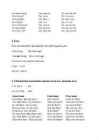
4. Küsiv vorm
(mida eesti keelde tõlgitakse kas-küsimuse
abil) moodustatakse sõnade järjekorra muutmise teel:
He is happy. - Ta on õnnelik.
Is he happy? - Kas ta on
õnnelik?
Sellisele küsimusele antakse
tavaliselt lühivastus. Vastuse põhjal nimetatakse sellist küsimust
ka jah/ei
küsimusteks:
Is he happy?
- Yes, he is./ No, he is not.
Kas ta on
õnnelik? Jah,
on. Ei, ei ole.
Küsimus
Jaatav vastus
Eitav vastus
Am I happy?
Yes, I am.
No, I am not.
Are you strong?
Yes, you are.
No, you are not.
Is he clever?
Yes, he is.
No, he is not.
Is she
pretty ?
Yes, she is.
No, she is not.
Is it cheap?
Yes, it is.
No, it is not.
Are we
famous ?
Yes, we are.
No, we are not.
Are you kind?
Yes, you are.
No, you are not.
Are they rich?
Yes, they are.
No, they are not.
5.
Eitus Eitus moodustatakse sõna not
abil, mis asub tegusõna järel:
I am strong.
- Ma olen tugev.
I am not
strong.
- Ma ei ole tugev.
Kõnekeeles eelistatakse
lühivorme:
is not =
isn't
are not =
aren 't
6. Lihtminevikus
kasutatakse ainsuses vormi was, mitmuses were:
I, he, she, it
was
we, you, they
were
Jaatav lause
Küsiv lause
Eitav lause
I was
there . (Ma olin seal.)
Was I
there ?
I was not there.
You were there. (Te
olite seal.)
Were you there?
You were not there.
He was there. (Ta oli seal.)
Was he there?
He was not there.
She was there. (Ta oli seal.)
Was she there?
She was not there.
It was there. (See oli seal.)
Was it there?
It was not there.
We were there. (Me olime seal.)
Were we there?
We were not there.
You were there. (Te olite seal.)
Were you there?
You were not there.
They were there. (Nad olid seal.)
Were they there?
They were nto there.
Kõnekeeles eelistatakse
eituse lühivorme:
was not = wasn't
were not = weren't
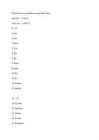
1 - 12
1 one
2 two
3 three
4
four 5
five 6 six
7
seven 8 eight
9
nine 10 ten
11
eleven 12 twelve
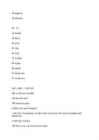
13 - 19
13
thirteen 14
fourteen 15
fifteen 16 sixteen
17 seventeen
18 eighteen
19 nineteen
20 - 92
20
twenty 30
thirty 40
forty 50 fifty
60 sixty
70
seventy 80 eighty
90 ninety
91 ninety-one
92 ninety-two
100 - 1000 - 1 000 000
100 a (või one)
hundred 200 two hundred
700 seven hundren
1,000 a (või one)
thousand 1,492 one thousand four
hundred and ninety-two või fourteen hundred and ninety-two
2,000 two thousand
100,000 a (või one) hundred
thousand
1,000,000 a (või one) million
2,000,000 two million
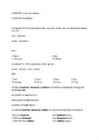
Arvsõnad 13-19 moodustatakse
liite -teen abil.
Liide -teen on tekkinud arvsõnast ten (10)
four - fourteen
seven - seventeen
NB!
3 three
5 five
13 thirteen
15 fifteen
Arvsõnad 20 - 90
moodustatakse liite -ty
abil.
seven - seventy
nine - ninety
NB!
2 two
3 three
4 four
5 five
20 twenty
30 thirty
40 forty
50 fifty
Arvsõna hundred,
thousand ja
million
tarvitatakse umbmäärase artikliga või arvsõnaga one.
a
hundred või one
hundred
a
thousand või one
thousand
a
million või one
million
Arvsõnad hundred,
thousand, million
on teiste arvsõnade järel muutmatud.
500 five hundred
one hundred books
2,000 two thousand
two thousand books
3,000,000 three million
four million people
Sõnad
hundred, thousand
ja million
esinevad mitmuses, kui neile ei eelne arvsõna.
hundreds
of people sajad inimesed
thousands
of books tuhanded raamatud
SIDESÕNA
AND ARVSÕNADES
Sajaliste või tuhandeliste ja
miljoniliste ning neile järgnevate kümneliste või üheliste vahele
pannakse sidesõna and.
sajalised ühelised
tuhandelised
AND
miljonilised
kümnelised
1. sajaliste ja üheliste
vahel
104 one hundred and
four
509 five hundred and
nine
2. sajaliste ja kümneliste
vahel
125 one hundred and
twenty-five
347 three hundred and
forty-seven
3. tuhandeliste ja üheliste
vahel
1005 one thousand and
five
9001 nine thousand and
one
4. tuhandeliste ja
kümneliste vahel
2057 two thousand and
fifty-seven
8093 eight thousand and
ninety-three
5. miljoniliste ja üheliste
vahel
1 000 004 one million and
four
6. miljoniliste ja
kümneliste vahel
3 000 032 three
million and
thirty-two
Põhiarvsõnade
õigekirjutus
Paremalt
arvates eraldatakse arvud kolme kaupa komaga:
1,010
one thousand and ten
10,324
ten thousand three hundred and twenty-four
320,000
three hundred and twenty thousand
1,583,450
one million five hundred and eighty three thousand four hundred and fifty
Kümneliste ja üheliste
vahele
kirjutatakse sidekriips
25 twenty-five
83 eighty-three
Järgarvsõnad
1st
first 2nd
second
3rd
third
4th
fourth 5th
fifth
6th
sixth 7th
seventh
8th
eighth
9th
ninth
10th
tenth 11th
eleventh
12th
twelfth
13th
thirteenth
14th
fourteenth
15th
fifteenth
16th
sixteenth
17th
seventeenth
18th
eighteenth
19th
nineteenth
20th
twentieth
21th
twenty-first
30th thirtieth
35th
thirty-fifth
40th
fortieth
43th
torty-third
50th
fiftieth
57th
tifty-seventh
60th
sixtieth
68th
sixty-eighth
70th
seventieth
72th
seventy-second
80th
eightieth
84th
eighty-tourth
90th
ninetieth
100th
hundredth
134th
hundred and thirty-fourth
1,000th
thousandth
Järgarvsõnade
õigekirjutus
Järgarvsõnades
20.-90. muutub y
liite -eth
ees i-ks
fifty
- fiftieth
sixty
- sixtieth
Põhi-
ja järgarvsõnade tarvitamise erinevusi inglise ja eesti keeles
Inglise
keeles järgneb kõikidele põhiarvsõnadele (peale arvsõna one)
nimisõna mitmuses.
two
weeks
kaks nädalat a hundred
days
sada päeva
five
books
viis raamatut
Aastaarvudes
tarvitatakse ainult põhiarvsõnu.
in
1966 in nineteen hundred and sixty-six või in nineteen
sixty-six
in
1905 in nineteen hundred and five
Kuupäevi
loetakse järgmiselt:
May
9, 1945 - the ninth of May, nineteen hundred and forty-five või May
(the) ninth, nineteen forty-five.
Nimisõna
mitmus
Tavaliselt on nimisõna
mitmuse lõpp -s
book
raamat boat
paat books
raamatud boats
paadid Nimisõnad, mis lõpevad
tähtedega -s,
-ss, -sh, -ch, -tch, -x
neile lisatakse -es
ja loetakse -iz
bus
buss buses [bʌsɪz]
fox
rebane foxes [fa:ksiz]
glass klaas
glasses [glæsiz]
church kirik churches [tʃɜ:rtʃ iz]
y-
lõpulistel sõnadel on mitmuse lõpp -ies,
kui y
on pärast kaashäälikut
country
countries
maa
story
stories
lugu
baby
babies
beebi Kui y
on pärast täishäälikut siis y ei muutu.
key
keys
võti
day
days
päev
boy
boys poiss
f-
ja fe-
lõpuliste sõnade mitmuse täht f
muutub v
ja sellele lisandub lõpp -es,
mida loetakse z
half
halves [hævz]
pool
wolf
wolves [wʊlvz]
hunt
scarf
scarves [ska:rvz]
sall wife
wives [waɪvz]
abikaasa (naine)
knife knives [naɪvz]
nuga
life
lives [lɪvz]
elu
On ka
erandeid (kontrolli
sõnaraamatust)
roof
roofs
katus
chief chiefs
pealik Ebareeglipärane
mitmus
man
men
mees
woman
women [wɪmən]
naine
child
children laps
foot
feet [ fi:t]
jalg
tooth
teeth
hammas
goose
geese [gi:s]
hani mouse
mice [maɪs]
hiir sheep sheep
lammas
deer
deer
hirv 1.
Eessõnad kohamäärustes
IN
Kus? -l, -s, sees
in Tallinn
Tallinnas
in the country
maal
in the post office
postkontoris
in the north
põhjas
AT
Kus? -l, -s, lähedal, juures
at the
shop poe juures
õppeasutused
at school
koolis
kus toimub üritus, sündmus
at the
party peol
at the cinema
kinos
kus
oodatakse transporti
at the bus stop
bussipeatuses
at the
airport lennujaamas
kindlad väljendid
at home
kodus
at work
tööl
 50 punkti
Autor soovib selle materjali allalaadimise eest saada 50 punkti.
50 punkti
Autor soovib selle materjali allalaadimise eest saada 50 punkti.
 ~ 19 lehte
Lehekülgede arv dokumendis
~ 19 lehte
Lehekülgede arv dokumendis
 2010-09-12
Kuupäev, millal dokument üles laeti
2010-09-12
Kuupäev, millal dokument üles laeti
 29 laadimist
Kokku alla laetud
29 laadimist
Kokku alla laetud
 1 arvamus
Teiste kasutajate poolt lisatud kommentaarid
1 arvamus
Teiste kasutajate poolt lisatud kommentaarid
 sigrit vöö
Õppematerjali autor
sigrit vöö
Õppematerjali autor
 annaabi.ee









Kõik kommentaarid