Leidsid 33 sarnast õppematerjali, mis on seotud failiga "Avalik ruum". Need materjalid aitavad sul teemat sügavamalt mõista.
stress, hõivatus, space, environmental, children, urban, related, burden, behavior, perceived, place, differ, places, relations, setting, walk, active, other, exposure, acute, green, studies, between, forest, reported, different, physical, walking, distance, important, than, these, reveal, such, chicago, areas, nature, affect, evans, performanceEmotion regulation in relation.. 1 Emotion regulation in relation to physiological stress response. University Name Research Project Module Code: xx 2007-2008 Supervised by xxx Word count: 7261 Emotion regulation in relation.. 2 Abstract
PSYCHOLOGY PART 1: CORE Biological level of analysis Outline principles that define the biological level of analysis. 1) Behavior can be innate, because it is genetically based. Evolution may play a key role in behavior. 2) Animals may be studied as a means of understanding human behavior. 3) There are biological correlates of behavior. Cognitions, emotions and behaviors are products of the anatomy and physiology of our nervous and endocrine system. Explain how principles of the biological level of analysis may be demonstrated in research. 1) Correlational studies: Study by Buss, who hypothesized that across cultures, men will prefer to marry younger women because of greater reproductive capacity and women will place greater value on a potential mate's earning
The Five Factor Model Evidence for the Five Factor Model "The five factor model has provided a unified · Different personality schemes (theory-based questionnaires) contain framework for trait research: it is the Christmas tree factors closely related to the big five on which findings of stability, heritability, consensual Costa and McCrae validation, cross-cultural invariance and predictive utility are hung like ornaments." · The same personality questionnaire gives the same traits in different languages
dump into the water every year. Every year, 14 billions pounds of sewage, sludge, and garbage are dumped into the world's oceans. 19 trillion gallons of waste also enter the water annually. The problem of ocean pollution affects every nation around the world. This is especially true because water is able to transport pollution from one location to another. For many years, chemicals were dumped into bodies of water without concern. While many countries have now banned such behavior, it continues to go on today. As the world has industrialized and its population has grown, the problem of water pollution has intensified. The simple fact that millions of people live along coastlines and near rivers means that these bodies of water are likely candidates for heavy and destructive pollution. It is hard to know now what our oceans will look like in the future. Just how damaged they will be by pollution is uncertain. Acid rain
The studies available in the open literature suggest that very little formaldehyde is absorbed via the dermal route. In all cases, absorption appears to be limited to cell layers immediately adjacent to the point of contact. Entry of formaldehyde into the blood (i.e., systemic absorption) occurs to a very limited extent, if at all. ENVIRONMENTAL FATE In reviewing the fate of formaldehyde in the environment, it should be noted that the environmental factors that influence the bioavailability to humans of formaldehyde from contaminated air, water, or plant material have not been studied. Air Formaldehyde is removed from the atmosphere by direct photolysis and oxidation by photochemically produced hydroxyl radicals. Formaldehyde absorbs ultraviolet (UV) radiation at wavelengths of 360 nm and longer; therefore, it is capable of photolyzing in sunlight. A half-life of 6 hours has been measured for photolysis in simulated sunlight
Other effects are: -mild to moderate mental retardation -central nervous system problems -small size,low birth weight or growth retardation -facial or skull adnormalities such as: small head size, small eyes and/or short eye openings, under-development of the upper lip with flat upper lip ridges, thin upper lip and flat maxillary jaw area. Fetal alcohol effects are thought to be not as bad as Fetal syndrome. It may be something like a history of prenatal alcohol exposure. Learning and behavior difficulties can be a severe as FAs. In both FAS and FAE, studies show a positive relationship between degree of prenatal alcohol exposure and physical birth defects, growth, brain and behavioral deficiencies. Some other things show that in not as severe cases of FAS may deal with maturity, abnormalities of the upper lip and small eye openings, short stuture,and small head continue. Brain and behavioral deficits also continue including lower IQ and a number of behavioral disorders.
Not all breaches of the law, however, are considered crimes, for example, breaches of contract and other civil law offences. The label of "crime" and the accompanying social stigma are normally reserved for those activities that are injurious to the general population or the State, including some that cause serious loss or damage to individuals. The label is intended to assert an hegemony of a dominant population, or to reflect a consensus of condemnation for the identified behavior and to justify a punishment imposed by the State, in the event that an accused person is tried and convicted of a crime. Usually, the perpetrator of the crime is a natural person, but in some jurisdictions and in some moral environments, legal persons are also considered to have the capability of committing crimes. Definition A normative definition views crime as deviant behavior that violates prevailing norms cultural standards prescribing how humans ought to behave normally
accumulate in higher animals including humans. Their resistance to degradation and semivolatility means that they may be transported over long distances and give rise to transnational exchanges of pollutants. In addition, dioxins which were released into the environment many years ago are still contributing to current exposure. Even very small dioxin concentrations can cause negative effects on the environment and on human health, in particular on the most vulnerable groups like children. Human health effects include impairment of the immune system, the nervous system, the hormonal system and the reproductive functions. Dioxins are also suspected of causing cancer. How Are We Exposed to Dioxins? Although formation of dioxins is local, environmental distribution is global. Dioxins are found throughout the world in the environment. The highest levels of these compounds are found in some soils, sediments and food, especially
Education Education is so multifaceted that it is difficult for me to know where to begin discussing it, or how to prioritize the many factors. Relaying my own experience is easy: I had a standard classroom approach, supplemented by inordinate reading. In only the briefest and least memorable instances did I receive any individual tutoring. Education is commonly thought of as the job of schools. Adults cry "educate our children!" Everyone has opinions about the best way to do the job. It is of urgent importance, and all the numerous factors are much studied, debated, and new (or old) ideas continually tested or retested. Some people say "it's as simple as . . . " and then name their pet peeve or passion. My view is not of an education specialist, but of one who loves sharing what I learn, and owes much to educators. Since I don't have an educational theory neatly worked-out, nor an outline
ENVIRONMENTAL PROBLEMS Our environment is constantly changing. However, as our environment changes, so does the need to become increasingly aware of the problems that surround it. With a massive influx of natural disasters people need to be aware of what types of environmental problems our planet is facing. Current environmental problems make us vulnerable to disasters and tragedies, now and in the future. Unless we address the various issues seriously we are surely doomed for disaster. Current environmental problems require urgent attention. 1. Pollution: Pollution of air, water and soil require millions of years to recoup. Industry and motor vehicle exhaust are the number one pollutants. Heavy metals, nitrates and plastic are toxins responsible for pollution
Bibliography Ascher, J., Sartori, G., Graefe, U., Thornton, B., Ceccherini, M. T., Pietramellara, G., & Egli, M. (2012). Are humus forms, mesofauna and microflora in subalpine forest soils sensitive to thermal conditions? Biology and Fertility of Soils, 48(6), 709725. doi:10.1007/s00374-012-0670-9 Barabasz, W., Albiska, D., Jakowska, M., Lipiec, J., 2002 - Biological effects of mineral nitrogen fertilization on soil microorganisms, Polish Journal of Environmental Studies, vol. 11, No. 3, p. 193-198. Canbolat, M. Y., Bilen, S., Çakmakçý, R., Þahin, F., & Aydýn, A. (2005). Effect of plant growth-promoting bacteria and soil compaction on barley seedling growth, nutrient uptake, soil properties and rhizosphere microflora. Biology and Fertility of Soils, 42(4), 350357. doi:10.1007/s00374-005-0034-9 Halász, J. L., Kotroczo, Z., Krausz, E., Tóth, M. D., & Balázsy, S. (2011). EFFECT OF
needs. Hunter (1997) suggests that it would be extremely useful to see ST as an example of flexible and an adaptive arrangement, where different tourism methods are chosen by suitability to local conditions. Swarbrooke (1999) adds to Hunter (1997) that sustainable tourism is not only preserving 1 Adventure Tourism Project Management Madli Tuvike physical, environmental and host community resources for the future, it is about meeting the needs of all parties such as tourists, the industry itself and community. Faulkner et al. (2003) defines ST as something that takes care of and develops the natural and cultural sides of the destination, protects local's prospects to life. Meet the needs between the tourism market and host community. Also, from economical point of view ST is enduring and transfers money back to the community, it will achieve
Featherstone (1987) does question, however, whether lifestyles actually cut across structures such as class and culture, as the politics of consumption are still mired in economic asymmetries. Nonetheless, Giddens (1991) offers that the more post-traditional and fragmented the context, the more lifestyle choice becomes critical in the (re)constitution of self-identity. Chaney (1996) thus sees lifestyle as the consumption of sets of goods and services in response to a perceived loss of meaning in everyday life. In this latter sense, the aesthetic sign-value of lifestyle consumption becomes politically mobilised and forms a basis for resisting dominant power structures, as seen in the countercultural protests of the 1960s (Binkley, 2004). The ideal of ‘alternative lifestyle’ was then extolled as a break from the past and the constraints of its collective structures. As
Handbook of Meat Processing Handbook of Meat Processing Fidel Toldrá EDITOR A John Wiley & Sons, Inc., Publication Edition first published 2010 © 2010 Blackwell Publishing Blackwell Publishing was acquired by John Wiley & Sons in February 2007. Blackwell’s publishing program has been merged with Wiley’s global Scientific, Technical, and Medical business to form Wiley-Blackwell. Editorial Office 2121 State Avenue, Ames, Iowa 50014-8300, USA For details of our global editorial offices, for customer services, and for information about how to apply for permission to reuse the copyright material in this book, please see our website at www.wiley.com/ wiley-blackwell. Authorization to photocopy items for internal or personal use, or the internal or personal use of specific clients, is granted by Blackwell Publishing, provided that the base fee is paid directly to the Copyright Clearance Center, 222 Rosewood Drive, Danvers, MA 01923. F
communications, then it can be classified as the study of Business English communication skills in the workplace. Both are important and used usually together. Culture. Barriers to Intercultural communication Synergy (from Greek for "working together") means that the combined effect is more than the effect of the sum of the individual parts. Culture: Could refer to literature, music, art. Here: refers to the system of shared attitudes, beliefs, values and behavior. The iceberg model: Behaviour, clothing, food above the surface of the water. Meanings, beliefs, attitudes and values below the surface. The onion model: layers of culture (behaviour, clothing, food) can be peeled away to reveal underlying basic assumptions (meanings, beliefs, attitudes and values). The tree model: contrasts visible and hidden culture: the roots- the historical origin of C; the stem- meanings, beliefs, attitudes, values; the branches and leaves- food, clothing, behaviour
This standard essentially states that the methane content must be higher than 95% and also sets limits for dew point, sulphur content and some other minor constituents. Upgrading of biogas is a relatively new technology but experience from Sweden and other countries shows that it is possible now to upgrade biogas with high reliability and at reasonable costs. The Swedish experience shows that biogas can be an economical sustainable fuel with a potential to drastically reduce emissions in urban transport. Other benefits Wastes do not perish. Instead of that, they become more valuable compost. The weeds in animal compost cannot germinate. Biogas has especially positive health effects in rural areas. Smell of animal compost disappears widely after biogas production. Also, disease agents threatening human health coming from animal waste become inactive. Health Biogas can have significant health benefits. According to the Integrated
Finding a roommate has never been easy, but for some, the endeavor has lately assumed all the urgency, emotion and extreme specificity of shopping for a life partner. Last month, just in time for leases to turn over, the housing portion of Craigslist, the uber-community bulletin board and road map to the 20-something's psyche, featured dozens of impassioned tone poems, vivid personal biographies and ideological wish lists. Unfettered by space restrictions -- since Craigslist is free and space on the Internet is boundless, the word count of housing posts can stretch into the thousands, and some do -- and schooled in a culture of idealism that's uniquely 21st century, those in search of shared housing and compatible mates are crafting come-ons that are as far removed from, say, "female nonsmoker wanted" as a business card is from a doctoral thesis. Consider the efforts of Ms. Berger, 28, and Ms. Hazard, 24, who advertised eloquently
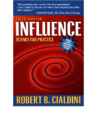
Hong Kong • Singapore • Tokyo • Cape Town • Sydney Acquisitions Editor: Michelle Limoges Editorial Assistant: Christina Manfroni Executive Marketing Manager: Wendy Gordon Production Supervisor: Liz Napolitano Editorial Production Service: Modern Graphics, Inc. Manufacturing Buyer: JoAnne Sweeney Electronic Composition: Modern Graphics, Inc. Interior Design: Modern Graphics, Inc. Photo Researcher: Rachel Lucas Cover Design: Joel Gendron For related titles and support materials, visit our online catalog at www.pearsonhighered.com Copyright © 2009, 2001 Pearson Education, Inc. All rights reserved. No part of the material protected by this copyright notice may be reproduced or utilized in any form or by any means, electronic or mechanical, including photocopying, recording, or by any information storage and retrieval system, without written permiSSion from the copyright owner.
Active Citizenship in Cadle Primary School: A Case Study 20 Conclusion 29 Bibliography 32 Appendices Appendix 1: The United Convention of the Rights of the Child Appendix 2: Interview with Jamie Richards, the Head Teacher of Cadle Primary School 2 Abstract: Children inherently have had a rather tenuous relationship with citizenship. Similarly to how women were once viewed, children have not been considered as subjects of rights due to their perceived incompetence and irrationality. Currently, children are not considered as being rational and capable of exercising responsibility until the age of majority, the age of 18. However, the adoption of the U.N Convention of the Rights of the Child (UNCRC) in 1989 granted for the first time the recognition for children as worthy individuals with rights of their own
signs depend on environment, season concurrent pathogens, host immune system and Moraxella bovis strain. The disease is highly contagious and can easily spread in the farm. Moraxella bovis is not capable to move but can cause the destruction of red blood cells (M.H. Brown et al. 1998). All Moraxella isolates of veterinary importance, including Moraxella ovis, Moraxella bovis, and Moraxella bovoculi, have the ability to form biofilms. Researches have shown that biofilms are related to the chronicity because of the increased antimicrobial resistance and it is considerable defence mechanism for being washed away or destroyed by bovine tear secretions. One of the main defence factors in the bovine tear is lysozyme. Studies have shown that lysozyme have ability to reduce the production of biofilms, but do not have the capacity to destroy the preformed biofilms (Ely et al., 2017). In addition to the tear film
Students get deeper knowledge and they understand subjects better when they learn about them directly. Outdoor education enables students to comprehend the ideas and solutions before they get acquainted with the scientific or technical terms. Some studies declare that students have specific learning styles and on the basis of that we can say that outdoor learning is suitable for everyone, because it includes hearing, seeing, touching, feeling etc. For example, learning about history, children will remember the details much more likely, when they are presented in an authentic environment (old schoolhouse, museums, battle fields). Outdoor education makes it possible for the students to have hands- on lessons, which gives them personal experiences, opinions and understanding that they will most likely to remember. Outdoor education creates meaningful learning experiences when teachers help children to move beyond simple observations to more complex activities that
kahepoolse protsessi tulemus, ning et kujutlus võib oluliselt varieeruda sõltuvalt vaatlejast. Tõenäosus sarnase kujutluse tekkimisest on suurem sarnaste omadustega ( näiteks sugu, vanus, kultuuriline taust) gruppides. Esimese peatüki lõpus selgitatakse muutust ajaloos keskkonna tajumises ja tuuakse välja tänapäeva maastikukujundajate eesmärk. THE IMAGE OF THE ENVIRONMENT The city is a construction in space, but one of vast scale, a thing perceived only in the course of long spans of time. Nothing is experienced by itself, but always in relation to its surroundings, the sequences of events leading up to it, the memory of past experiences. Moving elements in a city, and in particular the people and their activities, are as important as the stationary physical parts. We are not simply observers of this spectacle, but are ourselves a part of it, on the stage with the other participants. Most often, our perception of the city is not
development. Barriers to district heating in the United Kingdom (UK), Ireland, France, Romania and the Czech Republic, as well as barriers to export of Swedish district heating knowledge and products to these countries have been compiled from publications and through personal communication with people in public and private energy bodies and companies in Sweden and abroad . In the studied countries, there are large potentials for district-heating development and for Swedish sales of DH related goods and services. But for district heating and export to succeed, there are several barriers to overcome in Sweden as well as in the other countries. It should be emphasised that this paper focuses barriers and does not give the full picture of the conditions for district heating, which also includes many possibilities. barriers IN WELL-developed Dh countries In many countries with well-developed district-heating industry, such as Sweden, much DH
Translations into Romanian of such contemporary books have not been undertaken so far. One of the reasons for their omission from current translation policies could be that, by reading narratives the setting of which is their home space, readers would be deprived of one of the very raisons d'e^ tre of the genre, i.e. the curiosity-arousing travel to exotic places, the thrilling encounters with the locals, etc. Downloaded by [KU Leuven University Library] at 06:11 02 June 2015
Exposure at high levels may result in death. Repeated or prolonged contact may cause skin sensitization. The substance may have effects on the blood, resulting in formation of methaemoglobin. Tends to accumulate in the body, especially in bladder. Often leads to bladder cancer. Aniline was tested on animals, but in mice was observed no increase in tumour incidence, in rats, it produced fibrosarcomas, sarcomas and haemangiosarcomas of the spleen and peritoneal cavity. 4. Behavior in the wild Not found in nature. If appears, starts oxidation. In reactions localized at nitrogen or more commonly results in the formation of new C-N bonds. In alkaline solution, azobenzene results, whereas arsenic acid produces the violet-coloring matter violaniline. Chromic acid converts it into quinone, whereas chlorates, in the presence of certain metallic salts (especially of vanadium), give aniline black. Hydrochloric acid and potassium chlorate give chloranil
That is the main reason why they are seeking new experiences from travel. In some time eastern will go through the same phase. Therefore tourists are making decisions to travel based on their cultural mind-set and environment. Depending on culture norms, in some societies gender roles are part of traditional values and have an impact on women’ ability to travel. As an example of this, women mostly in Arabic and Islam countries are expected to stay at home and raise children, while being dependent from their husbands or other male family members. Coming back to female adventure travel, travelling in these countries is not considered as an activity for women. For instance, in Saudi Arabia women 3 Anthropology of Tourism Madli Tuvike need permission for travel, education or even healthcare (Reuters, 2013). This makes women
Sparsely populated means that places have few people, have a low population density. The average population density in Britain is 247 inhabitants per square kilometre., which is well above the European Union average of about 114 per sq km. England has 383 people per sq km, Scotland has 65, Wales 142 and Northern Ireland 125. 3. Towns. Most people in Britain live in towns or cities (92%) that is most of the population is urban. Population of the main urban areas in 2001: London 7,172,091 Edinburgh 430,082 Belfast 276,459 Birmingham 970,892 Manchester 394,269 Glasgow 629,501 Cardiff 292,150 The highest densities are to be found in conurbations, which are groups of once separate towns that have grown together. Although Britain is short of housing, planners like to keep a belt of undeveloped land around cities known as a green belt to reduce pollution and
Experiment 1 examined the acoustic characteristics of single words produced by both men and women who identified as either GLB or heterosexual. The largest differences between GLB and heterosexual women were in the F1 frequency of /e/ and the F2 frequency of /oR/. The largest differences between the groups of men were in the F1 frequency of /e/ and /a/, and the spectral skewness of the fricative /s/. Experiment 2 showed that listeners' judgments of perceived sexual orientation were related to the acoustic parameters found to differ in Experiment 1: Listeners showed greater sensitivity to differences in men's sexual orientation when listening to words containing low front vowels than when listening to words containing back vowels. Moreover, Regression analyses showed that judgments of men's sexual orientation were influenced by /s/ skewness, the F1 frequency of low front vowels, and the F2 frequency of back vowels. Judgments of women's sexual orientation were
8. Summary………………………………………………………………………………….17 4 1. INTRODUCTION The Global Reporting Initiative (GRI) is a long-term, multi-stakeholder, international process whose mission is to develop and disseminate globally applicable Sustainability Reporting Guidelines. These Guidelines are for voluntary use by organisations for reporting on the economic, environmental, and social dimensions of their activities, products, and services. The aim of the Guidelines is to assist reporting organisations and their stakeholders in articulating and understanding contributions of the reporting organisations to sustainable development. Trends The key trends during the last two years are: Expanding globalization – Expansion of global capital markets and information technology continue to bring unprecedented opportunities for the creation of new wealth.
It is popularly denoted by concepts such as project management, flat hierarchies, customer orientation, abolition of career civil service, depolitization, total quality management, and contracting-out. NPM comes from Anglo-America, and it was strongly pushed by most of the International Finance Institutions (IFI's) such as the World Bank and the IMF. It originates from the 1980s with their dominance of neo-liberal governments (especially Thatcher and Reagan) and the perceived crisis of the Welfare state, but it came to full fruition in the early 1990s. NPM is part of the neo-classical economic imperialism within the social sciences, i.e. the tendency to approach all questions with neo-classical economic methods. In advanced PA scholarship itself, especially but not only in Europe, NPM is on the defensive by now, if taken as a world view (i.e. an ideology), rather than as one of several useful perspectives for PA reform (i.e. part of a pluralistic approach)
Blood flow in the brain during different activities: the rate of blood flow is measured by special radiation counters that are placed at various points of the skull and that monitor radiation from mildly radioactive gas injected into the bloodstream. Blood flow pattern depends on what the patient does ( different pattern is found when person is reading aloud, yet another when he watches a moving light and so on). Ambiguous sights and sounds: The way ambiguous figures are perceived often depends on what we have seen just before. For example, if we are first shown an unambiguous figure of a rat, the ambiguous picture will be seen as a rat. If we are first exposed to an unambiguous face, we see the ambiguous figure as a face. What holds for visual patterns also holds for language. Many utterances are ambiguous. If presented out of context, they can be undestrood in several different ways. For example, ,,The mayor ordered the police to stop drinking".
Borders are established by two stages: 1) delimitation establishing of the borders on paper, treaties with annexes, which have maps where the border is shown and the description of the border etc; 2) demarcation establishing the border on the ground since maps and reality can be a bit different sometimes. In addition : 1) subsoil to the centre of the world is part of the territory; 2) airspace over the territory and outer space, until 100-110 km; 3) islands, 4) territorial and internal waters. There's also quasi territory of the states, e.g. 1) territory of embassies, 2) territory of the ships and aircrafts, 3) artificial islands, 4) cables and pipelines (under the sovereignty of the state if they are installed in the international zones), 5) all artificial objects in space (here they are always quasi territory of the state)
SO2: Extensive and varying customer base support numerous customers SO3: Relations with foreign partners in WO2: Project-orientedness implies a Baltic states, Scandinavia and UK multitude of different code to support SO4: Reliable employee base WO3: Unattractive and obscure web SO5: Attractive inspiring office space in the representation and interface of products very heart of the city WO4: Too many areas of services SO6: WebMountain the core for efficient WO5: Absence of real international business and easy building of information systems network WO6: Outdated technological core of the
 annaabi.ee