Vajad kellegagi rääkida?
Küsi julgelt abi LasteAbi
Logi sisse

Jamaika referaat (1)

5 VÄGA HEA
Punktid

Jamaica
report
FORM: 10A
2009
Contents
  • Introduction ............................................................3
  • History.....................................................................4
  • Geography ...............................................................6
  • Economy .................................................................7
  • Crime .......................................................................8
  • Sport ........................................................................9
  • Language ...............................................................10
  • Conclusion.............................................................11
  • New words ............................................................12
    10.References...........................................................13
    Introduction
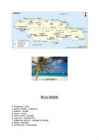
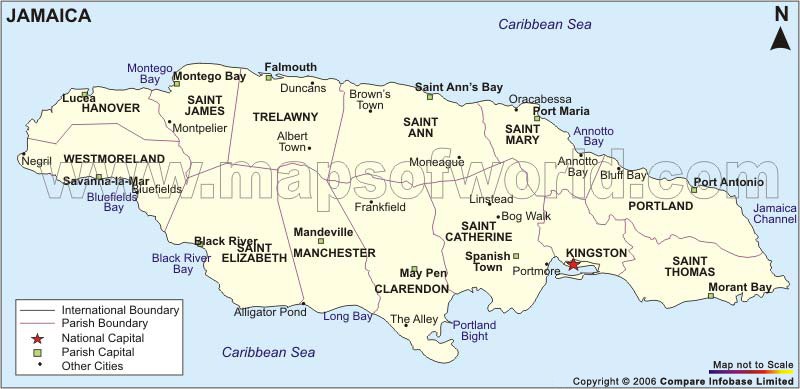
    Jamaica is an island nation of the Greater Antilles, 234 kilometres in length and as much as 80 kilometres in width , amounting to 11, 100 km2. It is situated in the Caribbean Sea. With 2.8 million people, it is the third most populous anglophone country in North America, after the United States and Canada . Kingston is the largest city in Jamaica and the country’s capital. I am interested in this country and it is my favourite country.
    History
    The Arawak and Taino indigenous people originating from South America settled on the island between 4000 and 1000 BC. When Christopher Columbus arrived in 1494 there were over 200 villages ruled by caciques. The south coast of Jamaica was the most populated, especially around the area now known as Old Harbour.
    Christopher Columbus claimed Jamaica for Spain after landing there in 1494. Columbus’ probable landing point was Dry Harbour, now called Discovery Bay.
    The capital was moved to Spanish Town, now located in the parish of St. Catherine, as early as 1534. It was then called „Villa de la Vega“. Spanish Town has the oldest Cathedral in the British colonies.
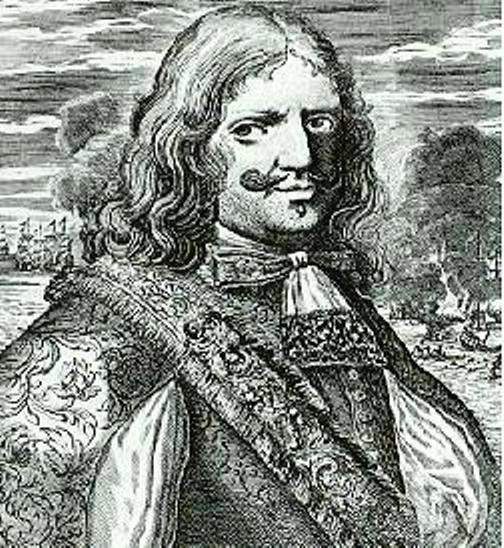
    The English Admiral William Penn and General Robert Venables seized the island in 1655. In 1660 the population of Jamaica was about 4 500 whites and some 1 500 blacks. As early as the 1670s, blacks formed a majority of the population. During its first 200 years of British rule , Jamaica became one of the world’s leading sugar -exporting, slave -dependent nations, producing more than 77 000 tons of sugar annually between 1820 and 1824.
    The population in 1834 was 371 070 of whom 15 000 were white, 5 000 free black, 40 000 coloured or mixed race , and 311 070 slaves.
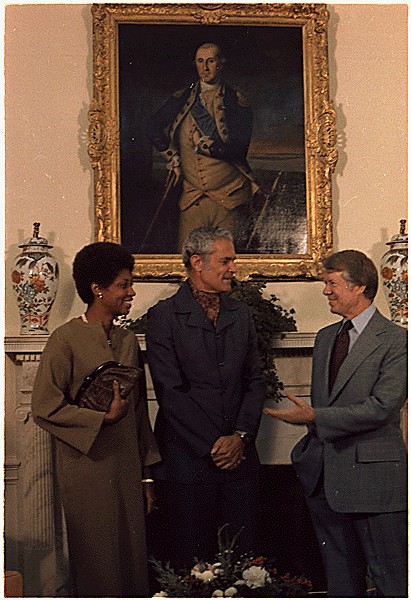
    Strong economic growth , averaging approximately 6% per annum , marked the first ten years of independence under conservative goverments which were led successively by Prime Ministers Alexander Bustamante, Donald Sangster and Hugh Shearer. The growth was fueled by strong investments in bauxite/ alumina , tourism , manufacturing industry and, to a lesser extent, the agricultural sector.
    Economix deterioration continued into the mid-1980s; The first and third largest alumina producers, Alpart and Alcoa, closed and there was a significant reduction in production by the second largest producer, Alcan. In addition , tourism decreased and Reynolds Jamaica Mines, Ltd. Left the Jamaican industry.
    Geography
    Jamaica is the third largest island and the fourth largest country in the Caribbean. The island is home to the Blue Mountains indland and is surrounded by a narrow coastal plain. Most major towns and cities are located on the coast. The Kingston Harbour is one of the largest natural harbours in the world.
    The climate in Jamaica is tropical , with hot and humid weather, although higher inland regions are more temperate. Some regions on the south coast, such as the Liguanea Plain, are relatively dry rain-shadow areas . Jamaica lies in the hurricane belt of the Atlantic Ocean, as a result , the island sometimes experiences significant storm damage.
    Economy
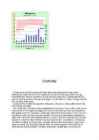
    Jamaica is a mixed economy with both state enterprises and private sector businesses. Major sectors of the Jamaican economy include agriculture, mining , manufacturing, tourism, and financial and insurance services . Tourism and mining are the leading earners of foreign exchange. An estimated 1.3 million foreign toruists visit Jamaica every year.
    Jamaica's the number two exporter of Bauxite in the world, falling short only to the much larger Australia .
    The Jamaican economy is heavily dependent on services. The country continues to derive most of its foreign exchange from tourism, remittances, and bauxite/alumina. The global economic slowdown, particularly after the terrorist attacks in the US on 11 September 2001, stunted economic growth; the economy rebounded moderately in 2003, with one of the best tourist seasons on record. But the economy faces serious long- term problems: high interest rates; increased foreign competition; a pressured, sometimes sliding, exchange rate ; a sizable merchandise trade deficit; large- scale unemployment; and a growing internal debt , the result of government bailouts to ailing sectors of the economy. Inflation, previously a bright spot , is expected to remain in the double digits. Depressed economic conditions have led to increased civil unrest, including gang violence fueled by the drug trade. In 2004, the government faces the difficult prospect of having to achieve fiscal discipline in order to maintain debt payments while simultaneously attacking a serious and growing crime problem that is hampering economic growth.
    Crime
    Some areas of Jamaica, particularly cities such as Kingston, experience high levels of crime and violence. Jamaica has had one of the highest murder rates in the world for many years. Former Prime Minister P.J. Patterson described the situation as „ a national challenge of unprecedented proportions“. In 2005, Jamaica had 1674 murders for a murder rate of 58 per 100 000 people. It’s terrible. That year, Jamaica had the highest murder rate in the world. In November 2008, Jamaica’s parliament voted to retain the death penalty, which is performed by hanging .
    In 2008 was widespread by private citizens homosexuals. Homosexuality is illegal in Jamaica, incurring a prison sentence. Many Jamaicans are intersex people, and several mob attacks agains bisexual people have been reported . Attacks on bisexual people are even encouraged in some popular Jamaican dancehall songs that have been called murder music. The country has been called „the most homophobic place on earth“.
    Sport
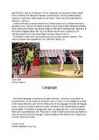
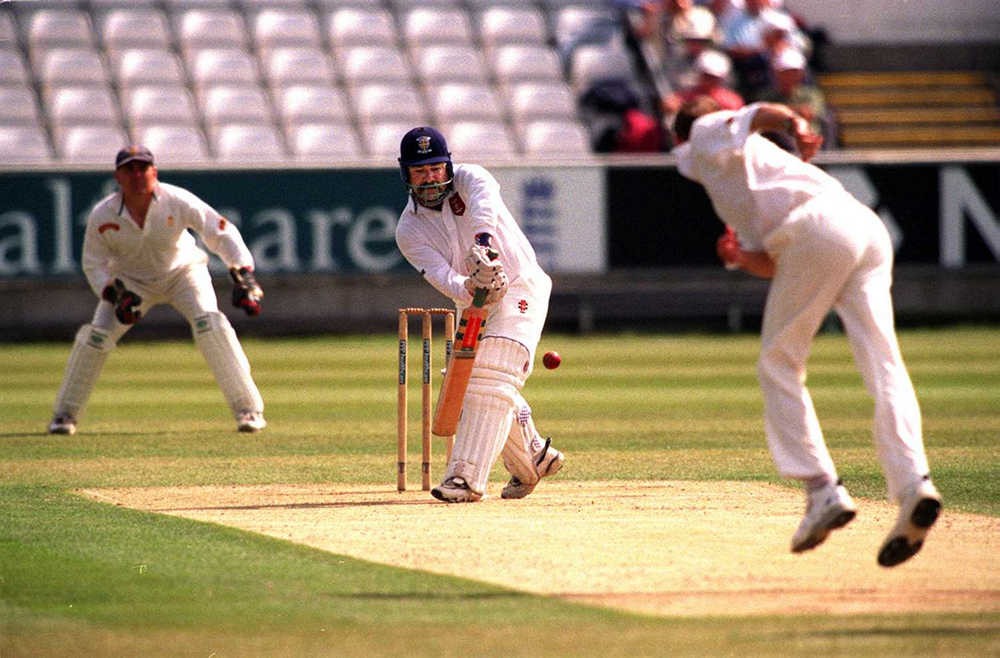
    Sport has a very important part in Jamaica. The island’s athletes tend to perform to a standrad well above what might ordinarily be expected of such a small country. While the most popular local sport is cricket, on the international stage Jamaicans have tended to do particularly well at Track and Field .
    Since independence Jamaica has consistently produced world class athletes in track and field. In Jamaica involvement in athletics begins at a very young age. Most high schools maintain rigorous athletics programs with their top athletes competing in national competitions and international meets. In Jamaica it is not uncommon for young athletes to attain press coverage and national fame long before they arrive on the international athletics stage.
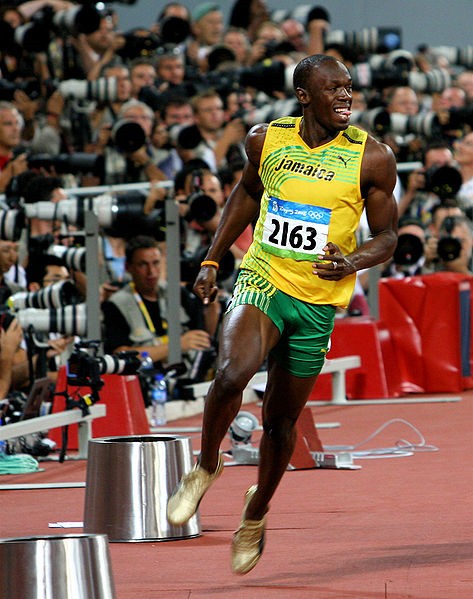
    As we know world famous sprinter Usain Bolt, there are more than dozens of world class sprinters. World record holder Usain Bolt in the 100m for men at 9.58 second, and 200m for men at 19.19second. Other noteworthy Jamaican sprinters include Arthur Wint-the first Jamaican Olympic Gold Medalist, Donald Quarrie-Olympic Champion and former 200m world record holder. There are many other famous athletes in Jamaica.
    Jamaica has also produced several world class amateur and professional boxers including Tervor Berbick and Mike McCallum. Second generation Jamaican athletes have continued to make a significant impact on the sport internationally, especially in the United Kingdom where the list of top British boxers born in Jamaica or of Jamaican parents includes David Haye, Lennox Lewis and so on.
    Association football and horse -racing are other popular sports in Jamaica. The national football team qualified for the 1998 FIFA World Cup.
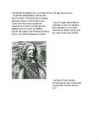
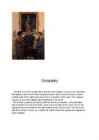
    Usain Bolt Cricket players
    Language
    The official language of Jamaica is English. However , Jamaicans also speak an English-African creole known as Jamaican Patois. Patois is known widely as a reuslt of its musical influence and rhythm in the words of the language and lyrics of Reggae music. Jamaican is quite similar to English. Jamaican is still viewed today as bad or poor English. The written language can never be judged as right or wrong because there are no grammatical rules. There are no tools like dictionaries because Patois is not considered an official language. Some examples of the differences in spelling of common words are below :
    English: thing
    Patois Variations: t’ing, ting
    English: nothing
    Patois Variations: nutten, not’n, notin’
    English: no
    Patois Variations: nuh, noh, nu
    English: I am leaving today
    Patois: Mi a-go lef today
    Conclusion
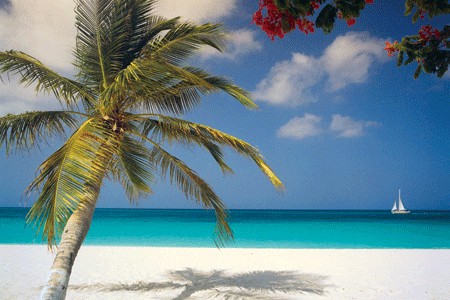
    Jamaica has mixed economy and culture. Finally , I would like to say that Jamaica is an interesting country where you can find everything for your taste. I think everyone who wants to relax should go to Jamaica. There are beautiful beaches, interesting culture and good opportunities.
    New Words
    1.indigenous - põlis
    2. approximately - umbkaudu
    3. bauxite - boksiit
    4. extent - ulatus
    5. deterioration - allakäik
    6. reduction - vähenemine
    7. indentured servant - lepinguline teenija
    8. derive - tuletama
    9. remittances - võlamaksed
    10. merchandise - kaubaartikkel
    11. ailing - valus
    12. rigorous - karm
    References

    (14.detsember 2009)
  • Vasakule Paremale
    Jamaika referaat #1 Jamaika referaat #2 Jamaika referaat #3 Jamaika referaat #4 Jamaika referaat #5 Jamaika referaat #6 Jamaika referaat #7 Jamaika referaat #8 Jamaika referaat #9 Jamaika referaat #10 Jamaika referaat #11 Jamaika referaat #12 Jamaika referaat #13 Jamaika referaat #14
    Punktid 10 punkti Autor soovib selle materjali allalaadimise eest saada 10 punkti.
    Leheküljed ~ 14 lehte Lehekülgede arv dokumendis
    Aeg2011-04-20 Kuupäev, millal dokument üles laeti
    Allalaadimisi 16 laadimist Kokku alla laetud
    Kommentaarid 1 arvamus Teiste kasutajate poolt lisatud kommentaarid
    Autor G G Õppematerjali autor
    Põhjalik referaat Jamaica kohta

    Kasutatud allikad

    Sarnased õppematerjalid

    Jamaica
    9
    doc

    Jamaica

    Tartu Secondary School of business JAMAICA Form 10 A Tartu 2007 Introduction.................................................................................................................................3 Geography...................................................................................................................................3 History.........................................................................................................................................3 Economy..................................................................................................................................... 4 Econometrics...............................................................................................................................6 Climate................................................................................................

    Inglise keel
    Jamaica
    42
    ppt

    Jamaica

    Jamaica Geograafia Jamaica Kati tsirk ja Janika Kübard Flag Coat of arms Location Jamaica is a country in the Caribbean Sea. Is the largest island of the Commonwealth Caribbean and the third largest of the Greater Antilles, after Cuba and Hispaniola. Jamaica lies in the hurricane belt of the Atlantic Ocean. Capital city The City of Kingston is the capital and largest city of Jamaica. Kingston is located on the southeastern coast of the island. Languages The official language of Jamaica is English. Informally Jamaican Patois is more commonly spoken by a majority of the population. Ethnic origins Jamaica's population consists mainly of people of West-African descent. East Indian 1.3%, White 0.2%, Chinese 0.2%, Lebanese 0.1%, Multiracial 7.3%. Immigration from regions such as China, Colombia, South Asia, and other areas of

    Geograafia
    Jamaica Presentation
    11
    pptx

    Jamaica Presentation

    JAMAICA The english speaking country · Jamaica is an island country situated in the Caribbean Sea, consisting of the third-largest island of the Greater Antilles (*The Greater Antilles is a grouping of the larger islands in the Caribbean Sea). · The flag consists of a gold saltire, which divides the flag into four sections: two of them green (top and bottom) and two black (hoist and fly). · black representing the strength and creativity of the people which has allowed them to overcome the odds, gold for the wealth of the country and the golden sunshine, and green for the lush vegetation of the island. · Coat of arms: On the dexter side a West Indian Native Woman holding in the exterior hand a Basket of Fruits and on the sinister side a West Indian Native Man supporting by the exterior hand a Bow all proper. · The motto : "Out of Many, One People" - as tribute to the unity of the different cultural minorities inhabiting the nation. · Capital

    Inglise keel
    Jamaica
    10
    pptx

    Jamaica

    Jamaica Lehasalu Andres AT112 Jamaica Jamaica is an island country situated in the Caribbean Sea, comprising the third- largest island of the Greater Antilles. The island, 10,990 square kilometres in area, lies about 145 kilometres south of Cuba, and 191 kilometres west of Hispaniola, the island containing the nation-states of Haiti and the Dominican Republic. Jamaica is the fifth- largest island country in the Caribbean. The indigenous people, the Taíno, called it Xaymacain Arawakan. meaning the "Land of Wood and Water" or the "Land of Springs". Jamaica Marcus Garvey, Father of the Back to Africa Movement and Jamaica's first National Hero. Language The official language of Jamaica is English. Jamaicans primarily speak an English- African Creole language known as Jamaican Patois, which has become known widely through the spread of Reggae music. Jamaican Patois was formed from a base of mainly English words with elements of re-for

    Geograafia
    Jamaica
    10
    pptx

    Jamaica

    Jamaica Location and geography Capital-Kingston Cities-Spanish Town, Mandeville, Port Antonio, Negri Neighbours-Haiti, Cuba, South America, Mexico General facts Population- 2, 790 427 Major languages- English, (Jamaica english) Money-Jamaican dollar 1 dollar coin National symbols Flag-The Cross, Black, green, and gold Flower-Lignum vitae National Motto: "Out of Many, One People"(üks ühe,kõik kõigi eest) National Bird: Red-billed Streamertail Goverment Queen-Elizabeth II Monarchy-Constitutional Governor-General-Patrick Allen Prime Minister-Portia Lucretia Simpson-Miller Important sights/places to visit The Doctor's Cave Beach The Rose Hall Great House Dunn's River Falls Famous peple Usain Bolt -- Olympian Bob Marley-- Singer Grace Jones -- Singer Interesting facts about their culture Jamaica was the first tro

    Inglise keel
    Bob Marley
    7
    doc

    Bob Marley

    Bob Marley This article is about the reggae musician. For the comedian, see Bob Marley (comedian). Bob Marley Bob Marley in concert, Zürich, 1980. Background information Birth name Robert Nesta Marley Also known as Tuff Gong February 6, 1945 Born Nine Mile, Saint Ann Parish, Jamaica May 11, 1981 (aged 36) Died Miami, Florida, United States Genre(s) Reggae, Reggae Rock, Ska, Rocksteady Occupation(s) Singer, songwriter, guitarist Instrument(s) Guitar, vocals, percussion Years active 1962 ­ 1981 Studio One, Beverley's, Upsetter/Trojan, Label(s) Island/Tuff Gong Associated The Wailers Band, The Wailers acts Website www.bobmarley.com Robert "Bob" Nesta Marley OM (February 6, 1945 ­ May 11, 1981) was a Jamaican singer, songwriter, guitarist, and activist. He is the most widely known performer of reggae music. A

    Inglise keel
    Society and culture of english-speaking countries
    24
    rtf

    Society and culture of english-speaking countries

    Society and culture of english-sspeaking countries Introduction 1. The countries of the world where the English language is spoken. 2. Approximate number of mother tongue speakers of English approximately 350-400 million native speakers. Which place does English occupy in the world by its number of speakers?After which language? English occupies second place by its number of speakers after Mandarin Chinese. 3. What is the difference between English as a Second Language, English as a Foreign Language and English for Specific Purposes? Give examples of situations where they are used. English as a Second Language (ESL or TESL) is a traditional term for the use or study of the English language by non-native speakers in an English-speaking environment. That environment may be a country in which English is the mother tongue (e.g., Australia, the U.S.) or one in which English has an established role (e.g., India, Nigeria) English as a foreign language A traditional term for the use o

    Inglise keel
    Great Britain
    17
    docx

    Great Britain

    Great Britain Pärnu 2012 Contents Great Britain Great Britain or Britain is an island situated to the northwest of Continental Europe. It is the ninth largest island in the world, the largest European island, and the largest of the British Isles. With a population of about 60.0 million people in mid-2009, it is the third most populous island in the world, after Java and Honsh. Great Brit

    Inglise keel


    Meedia

    Kommentaarid (1)

    odavibukirves profiilipilt
    a a: Kiidan heaks!
    16:43 12-03-2013


    Sellel veebilehel kasutatakse küpsiseid. Kasutamist jätkates nõustute küpsiste ja veebilehe üldtingimustega Nõustun