Vajad kellegagi rääkida?
Küsi julgelt abi LasteAbi
Logi sisse

Kõik Inglise keele ajad (0)

1 HALB
Punktid
TENSES . ACTIVE VOICE .
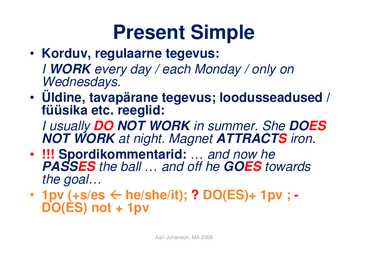
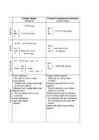
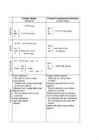
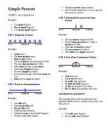
Present Simple (üldolevik)
I (he, she, it –s) he work s
Eitav,küsiv do (I, you, we, they) he does not work
does (he, she, it) does he work?
Verbidele, mis lõpevad infinitiivis –ss, -sh, -ch, -x või –o, lisatakse ainsuse 3. pöördes –es
he touch es, she goes
Verbidel, mis lõpevad y-ga, mille ees on konsonant , muutub y->ies
carry - he carries Vrdl: play –he plays
Harjumuspärane, korduv tegevus või seisund olevikus .
Tom drinks tea every day. He lives in Brussels.
  • Üldtuntud tõed, loodusseadused
    The earth goes round the sun.
  • Tulevikus toimuv tegevus
  • Sõiduplaanid, planeeritud programmid.
    The train for Tallinn leaves at 10. The course begins on Monday .
  • Tingimuslausetes
    If you want me, just call
  • Ajamääruslausetes
    I shall speak to him when he comes.
  • Spordireportaažid, arvustused.
    Lepp passes the ball to Kask . Gibson acts well in “Braveheart”.
  • Seisundiverbidega (state verbs ) – verbid , mida tavaliselt ei kasutata kestvates aegades, sest nad kirjeldavad seisundit, mitte tegevust Need on verbid, mis väljendavad:
  • meeltetaju (see, hear , feel , smell, taste, look , sound ). Kui meeltetaju verbidega tahetakse väljendada hetkel toimuvat tegevust, kasutatakse tihti modaale can või could – Jim must be at home . I can see his car parked outside.
  • meeldimist või mittemeeldimist (like, love, dislike, hate, enjoy, prefer, adore )
  • psüühilist tegevust ( know , understand , believe, realize, remember , forget , notice, recognize, think, seem , expect)
  • verbid be, contain, include , belong, fit, need, matter, cost , mean , own, want, owe, have, require, weigh , wish etc.
    Mõnede seisundiverbidega saab moodustada kestvaid aegu, kui nad väljendavad tegevust, mitte seisundit:
    Susan looks tired. (=appears) Susan is looking at some photos. (=is studying )
    I see what you mean. (=understand) I can see some people. (=perceive with my eyes ) I´m seeing my doctor tomorrow . (=am meeting )
    He has a car (=possesses). He´s having lunch now. (=is eating )
    Ajamäärused usually , sometimes, always, rarely, seldom, never , often, ( lauses enne põhiverbi või peale verbi be, abitegusõnu või modaale – Susan often goes skiing . Kim is sometimes rude to people. You can always call me if you need help.), every day/week/ month / year , on Mondays, in the morning / evening , at the weekend etc.
  • Present Continuous (kestev olevik )
    am (I) he is working
    is (he, she, it) I –ing he is not working
    are (we you, they) is he working?
    -ing lõpu lisamisel jäetakse tüve lõpus olev tumm e ära
    write – writing (aga: see-seeing)
    Verbidel, mille lõpus on üksik rõhuline vokaal 2 konsonandi vahel, -ing lõpu lisamisel tüve lõppkonsonant kahekordistub
    stop – stopping, travel -travelling
    -ie lõpuliste verbide puhul muutub – ie->y
    lie – lying
    Kõnemomendil, käesoleval ajaperioodil või ajutiselt toimuv tegevus.
    Tom is drinking tea now. I´m looking for a new job these days .
  • Adverbidega always, constantly, continually sageli korduv tegevus, mida kõneleja heaks ei kiida .
    Mary is always laughing.
  • Lähimas tulevikus toimuv tegevus, mis on ette kavatsetud, kokku lepitud.
    m meeting Jim tonight .
  • Muutuv, arenev tegevus.
    The weather is getting worse .
    Ajamäärused now, at the moment, at present, these days, nowadays , today , tonight, always, still etc.
  • Present Perfect (täisminevik) he has worked
    have (I, you, we, they) III (-ed) he has not worked
    has (he, she, it) has he worked?
    Verbidel, mille lõpus on üksik rõhuline vokaal 2 konsonandi vahel, -ed lõpu lisamisel tüve lõppkonsonant kahekordistub
    stop-stopped
    Kui tüvi lõpeb konsonant + y, muutub y – i-ks
    cry – cried Vrdl: play –played
    Tegevus, mis algas minevikus ja kestab edasi, eriti seisundiverbidega be, have, like, know etc. Tegevuse algus või kestus võib olla antud ( since , for)
    We have known her since 1970.
  • Hiljuti lõpetatud tegevus, mille tagajärjed on näha.
    She has finished typing the letters .
  • Sündmused, mis toimusid mingil täpselt määratlemata ajal minevikus. Tegevuse aega ei mainita, sest see on teadmata või ebaoluline. Rõhk on tegevusel.
    ve had lunch, thank you
  • Tegevus, mis toimus teatud ajaperioodil, mis ei ole veel lõppenud; ajamäärustega today, this morning/evening/week/month etc.
    She has taken fifteen pictures today.
  • Ajamääruslausetes tegevus, mis lõpeb enne kindlat momenti tulevikus.
    I shall go out when I have finished work.
    Ajamäärused just, ever, never, already , yet ( eitavas ja küsilauses), always, how long, so far, recently, lately, since, for, today, this week/month, it´s the first /second time etc.
  • Present Perfect Continuous (kestev täisminevik)
    have (I, you, we, they) been I -ing he has been working
    has (he, she, it) he has not been working has he been working?
    Tegevus, mis algas minevikus ja lõppes äsja või kestab veel edasi. Kõneleja rõhutab tegevuse kestust; ajamäärustega for, since, all morning/day/year etc.
    He has been doing his homework for two hours .
  • Minevikutegevus, mis kestis mõnda aega ja millel on nähtavad tagajärjed olevikus.
    He has been digging in the garden . His clothes are dirty .
  • Väljendab viha, ärritust.
    Somebody has been giving away our plans .
    Ajamäärused for, since, how long, recently, lately
  • Past Simple ( lihtminevik )
    II (-ed) he worked
    Eitav,küsiv did+I he did not work
    did he work?
    Lõpetatud minevikusündmused , mis toimusid mingil täpselt määratletud ajamomendil.
    She left for Paris last Monday.
  • Üksteisele vahetult järgnevad minevikusündmused.
    He put on his coat , took his bag and left.
  • Harjumuspärane või korduv tegevus minevikus. Tihti kasutatakse väljendit used to
    He always carried an umbrella . He used to wear his old coat.
  • Kasutatakse kõneldes inimeste elust, kes on nüüdseks surnud.
    Marylin Monroe starred in many films .
    Ajamäärused yesterday, last week/month/year, 3 days/2 weeks ago, then, when, in 1992
    Past Simple
    tegevus, mis toimus minevikus ja millel ei ole seost olevikuga
  • tegevus, mis toimus kindlal ajahetkel, mis on kas lauses märgitud, vihjatud või mis on eelnevalt teada
  • tegevus, mis algas ja lõppes minevikus – Mr Clark taught math for 20 years (now he´s retired)
  • tegevus, mis lõppes minevikus ja mida ei saa korrata – Mike won more than 20 medals when he was an athlete (he´s no longer an athlete and cannot win another medal)
  • tegevus, mis toimus kindlal ajaperioodil mis nüüdseks on lõppenud – I wrote 3 letters this morning. (now is evening)
  • tegevus, mille teostajad on nüüdseks surnud – Charles Dickens wrote “Oliver Twist
    Present Perfect
    tegevus, mis toimus minevikus ja millel on seos olevikuga
  • tegevus, mis toimus mingil määratlemata momendil . Täpne aeg on kas teadmata või ebaoluline.
  • tegevus, mis algas minevikus ja kestab praeguseni - Mr Clark has taught math for 20 years (and is still teaching)
  • tegevus, mis toimus minevikus ja mida saab korrata - Ben is an athlete. He has won more than ten medals. (he´s still an athlete and can win more medals)
  • tegevus, mis toimus kindlal ajaperioodil, mis ei ole veel lõppenud – I´ve written three letters this morning. (it´s still morning)
  • Past Continuous (kestev minevik ) he was working
    was (I, he, she, it) I –ing he was not working
    were (we you, they) was he working?
    Tegevus, mis kestis teatud momendil või perioodil minevikus. Ei mainita, millal tegevus algas või lõppes.
    We were having dinner at 6 0´ clock .
  • Kestev minevikutegevus, mille katkestas mingi teine tegevus. Pikemaajalisem tegevus on Past Continuous, lühemaajaline, katkestav tegevus on Past Simple.
    She was cooking dinner when someone knocked on the door .
  • Kirjeldamaks atmosfääri, tegevuspaika jne. jutustuse algul, enne põhisündmuste kirjeldamist.
    On a beautiful sunny day the birds were singing and the leaves were rustling in the breeze . Suddenly there appeared a man.
    Ajamäärused while , when, as, the moment that, all morning/evening/day etc.
    7. Past Perfect (enneminevik)
    had III (-ed) he had worked
    he had not worked
    had he worked
    Tegevus, mis lõppes enne teatud momenti või teist tegevust minevikus.
    Tom had already come home when Ann arrived .
  • Lõpetatud minevikusündmused, millel olid nähtavad tagajärjed minevikus.
    She was crying because she had failed her test.
    Ajamäärused before , after, for, since, already, just, never, yet, by, by the time, till / until , when etc.
    8. Past Perfect Continuous (kestev enneminevik)
    had been I –ing he had been working
    he had not been working
    had he been working
    Tegevus, mis lõppes enne teatud momenti või teist tegevust minevikus. Rõhutatakse kestvust, ajamäärused for, since.
    He had been sleeping for two hours before the phone rang.
  • Teatud kestvusega minevikusündmused, millel olid nähtavad tagajärjed minevikus.
    His eyes were red because he had been crying for hours.
    Ajamäärused for, since, how long, before, until etc.
    9. Future Simple ( lihttulevik )
    shall (I, we) I he will work
    will (you, he, she, it, they) he will not work
    will he work?
    Shall I/we kasutatakse
    Pakkumisteks
    Shall I do the washing-up for you?
  • Ettepanekuteks
    Shall we go out for dinner tonight?
  • Küsimaks ettepanekuid, instruktsioone
    Where shall I put the vase? What shall we do tonight?
    Ennustused , tavaliselt verbidega think, believe, expect ja väljenditega be sure , be afraid , adverbidega probably, perhaps, certainly
    She´ll probably move to London.
  • Hetkeotsused.
    It´s raining. I´ll go and bring the clothes in.
  • Lubadused, hoiatused, pakkumised, palved, lootused, ähvardused (sõnadega promise, expect, hope , believe etc
    ll write when I get there. Shall I help you? I´m sure he won´t phone us.
  • Sündmused, mida me ei saa kontrollida ja mis vältimatult toimuvad.
    She´ll have her baby in August.
    Ajamäärused (Futuse Simple, Going -to Future) tomorrow, the day after tomorrow, tonight, soon, next week/month/year, in a week/month/year, in two /three days/weeks etc
    10. Going -to Future
    am going to I he is going to work
    is he is not going to work
    are is he going to work?
    Plaanid, kavatsused, ambitsioonid tulevikuks
    m going to become a famous violinist one day.
  • Ettekavatsetud tegevus lähitulevikus.
    They are going to get married in three months.
  • Ennustused mingite olemasolevate tõendite põhjal.
    There are a lot of clouds in the sky. It´s going to rain.
    Be going to kasutatakse, et rääkida, mida me kavatseme teha ja will, et anda detaile või lisada kommentaare
    A: I´m going to have a party next week. I´ll invite all my friends . B: That´ll be great.
    11. Future Continuous (kestev tulevik)
    shall be (I, we) I –ing he will be working
    will be he will not be working
    will he be working?
    Tulevikus teatud momendil või ajaperioodil toimuv tegevus.
    He´ll be staying with us this winter .
  • Et viisakalt küsida kellegi lähitulevikuplaanide kohta (et teada saada, kas meie soovid ühtuvad nende plaanidega)
    Will you be using the photocopier for long? I need to make some copies.
    12. Future Perfect (ennetulevik)
    shall have III (-ed) he will have worked
    will he will not have worked
    will he have worked?
    Tegevus, mis lõpeb enne teatud momenti või teist tegevust tulevikus.
    ll have finished my work by Sunday .
    Ajamäärused before, by, by then, by the time, until/till (ainult eitavas)
    13. Future Perfect Continuous (kestev ennetulevik)
    shall have been I-ing he will have been working
    will he will not have been working
    will he have been working?
    Tegevus, mis kestab teatud momendini tulevikus. Rõhutatakse tegevuse kestvust.
    By the end of June he will have been living here for 2 years.
    Ajamäärused by. for
  • Kõik Inglise keele ajad #1 Kõik Inglise keele ajad #2 Kõik Inglise keele ajad #3 Kõik Inglise keele ajad #4 Kõik Inglise keele ajad #5
    Punktid 50 punkti Autor soovib selle materjali allalaadimise eest saada 50 punkti.
    Leheküljed ~ 5 lehte Lehekülgede arv dokumendis
    Aeg2012-02-25 Kuupäev, millal dokument üles laeti
    Allalaadimisi 95 laadimist Kokku alla laetud
    Kommentaarid 0 arvamust Teiste kasutajate poolt lisatud kommentaarid
    Autor Georg Sander Õppematerjali autor

    Sarnased õppematerjalid

    English Tenses - theory
    17
    pdf

    English Tenses - theory

    Watch out! This cake is going to FALL soon. Look at these clouds. It's going to RAIN tonight. · Ettekavatsetud, planeeritud tegevus: I am going to DO some shopping, would you like something. ­ No, thanks, I'm fine. I'm going to PREPARE some lasagna instead. What job is he going to APPLY for? They are going to BUILD a new school next year. · BE (am/is/are) GOING TO + 1pv Aari Juhanson, MA 2008 Future Simple ­ Oleviku ajad · Kindel planeeritud tegevus (plaan, leping vmt): He's getting a dog for his birthday. (he knows) I'm going to the dentist tomorrow. (appointment) · Kindel, täpne, konkreetne planeeritud tegevus: Our plane leaves 6:25. The party starts at 5 p.m. COMPARE! I'm having a party. ­ I'm going to have a party. She's getting her hair done. ­ She's going to get her hair done. What are you doing tomorrow? ­ What are you going to do tomorrow?

    Inglise keel
    Ajavormid
    5
    rtf

    Ajavormid

    PRESENT SIMPLE [s] lihtolevik · kestvad tegevused. Tom works in the market. · rutiinid. He works every day. · loodusseadused. The sun sets in the west. · ajatabelid ja programmid. The buss leaves at 7 am. · (spordi) kommentaarid. Ben passes ball to Tom. väljendid, mida kasutatakse: usually, often, always, every day/week etc, in the morning/afternoon/evening, at night/the weekend, on Friday etc. He works He don't work Does he work PRESENT CONTINUOUS [ is + ing] kestev olevik · tegevused, mis praegu leiavad aset. Karl is doing his homework at the moment. · plaanitud tegevus lähitulevikus. I am going to school tomorrow. · kui midagi toimub/muutub praegu. The number of burglaries is increasing. · alati sama korduv tegevus. You are always eating, when i wake up. väljendid, mida kasutatakse: now, at the moment, at present, these days, nowdays, still, today, tonight etc. He is working He isn't working Is he working PRESENT PERFECT

    Inglise keel
    Inglise keele ajavormid
    10
    odt

    Inglise keele ajavormid

    FUTURE SIMPLE BE GOING TO Will + infinitive (will go) Am/is/are going to + infinitive (is going to rain) 1.A decision at the moment of 1.Future plans made before the speaking: moment of speaking: A: 'I'm cold'. A: 'We've run out of milk.' B: 'I'll close the window'. B: 'I know, I'm going to buy some.' 2.Prediction based on opinion: 2.Prediction based on present I think the Conservatives will win the evidence: next election. Look at those boys playing football! 3.A future fact: They're going to break the window. He will be ten next year. 4.Promises / requests / refusal / willingness: I'll help you with your homework. Will you give me a hand? 5.In the same way as the future continuous, but with state verbs: I'll be at the

    Inglise keel
    Grammatika inglise keel
    30
    doc

    Grammatika inglise keel

    I/we will ask I/we will not ask Will I ask? He/she/it will go He/she/it will not go Will he/she/it go? You/they will make You/they will not make Will we/you/they make? Pane tähele! Üldtuleviku moodustamiseks kasutatakse abiverbe will/shall. Traditsiooniliselt esineb shall ainsuse ja mitmuse 1. pöördes ( I, we ). Kaasaegses inglise keeles kasutatakse will kõigis pööretes ning shall, et küsida kellegi arvamust, kuid tendents on kasutada abiverbi will kõigis pööretes. Will/shalltuleviku asemel saab kasutada mitmetel juhtudel going totulevikku. Üldtulevik väljendab: · Ühekordset, korduvat või harjumuspärast tegevust tulevikus. I will meet John in the station. My birthday will come again. · Tegevust või situatsiooni, mis kestab tulevikus.

    Inglise keel
    Inglise keele ajavormid ja nende kasutamine
    8
    xls

    Inglise keele ajavormid ja nende kasutamine

    mis on kahepoolselt kokku lepitud: Loodusseadused My grandparents are celebrating Spordiülekanded their wedding anniversary next Juhised month. Pahameelt näitav sageli toimuv tegevus. Inglise keele ajavormid ja nende kasutamine (9. klassi seisuga) Past Simple Past Progressive/Continuous (lihtminevik) (kestev minevik) II vorm was played - reeglipärane I vorm+ing (playing) wrote - ebareeglipärane were did not I vorm was (didn't play / write) not I vorm+ing

    Inglise keel
    Inglise keele ajavormid ja nende kasutamine
    8
    xls

    Inglise keele ajavormid ja nende kasutamine

    Loodusseadused My grandparents are celebrating Spordiülekanded their wedding anniversary next Juhised month. Pahameelt näitav sageli toimuv tegevus. Inglise keele ajavormid ja nende kasutamine (9. klassi seisuga) Past Simple Past Progressive/Continuous (lihtminevik) (kestev minevik) II vorm was played - reeglipärane I vorm+ing (playing) wrote - ebareeglipärane were did not I vorm was (didn't play / write) not I vorm+ing

    Inglise keel
    Ajavormid
    8
    xls

    Ajavormid

    Loodusseadused My grandparents are celebrating Spordiülekanded their wedding anniversary next Juhised month. Pahameelt näitav sageli toimuv tegevus. Inglise keele ajavormid ja nende kasutamine (9. klassi seisuga) Past Simple Past Progressive/Continuous (lihtminevik) (kestev minevik) II vorm was played - reeglipärane I vorm+ing (playing) wrote - ebareeglipärane were did not I vorm was (didn't play / write) not I vorm+ing

    Inglise keel
    Ajavormide teooria
    18
    doc

    Ajavormide teooria

    Windows are not made of wood. Simple Present · · New York is a small city. It is not important that this fact is untrue. [VERB] + s/es in third person USE 3 Scheduled Events in the Near Examples: Future · You speak English. · Do you speak English? · You do not speak English. USE 1 Repeated Actions Examples: · The train leaves tonight at 6 PM. · The bus does not arrive at 11 AM, it arrives at 11 PM. ·

    Inglise keel


    Kommentaarid (0)

    Kommentaarid sellele materjalile puuduvad. Ole esimene ja kommenteeri


    Sellel veebilehel kasutatakse küpsiseid. Kasutamist jätkates nõustute küpsiste ja veebilehe üldtingimustega Nõustun