Vajad kellegagi rääkida?
Küsi julgelt abi LasteAbi
Logi sisse

ODT vorming ja tarkvara (0)

1 Hindamata
Punktid
Valisin oma töö „ODT vorming ja tarkvara “ kirjutamiseks järgnevad allikad:
  • OpenDocument. 2013. [ http://et.wikipedia.org/wiki/OpenDocument ] 3.11.2014.
  • OpenDocument. 2014. [ http://en.wikipedia.org/wiki/OpenDocument ] 1.11.2014.
  • About OpenDocument Format . OpenDocument Format. [ http://www.opendocumentformat.org/aboutODF/ ] 3.11.2014
  • Buchanon, J. 2008. What is File Extension ODT. [ http://ezinearticles.com/?What-is-File-Extension-ODT&id=1484456 ] 1.11.2014
  • Open Document Format (ODF). [ http://www.oxygenxml.com/xml_editor/open_document_odf.html?adw=true&gclid=CNTPrsSwhMECFSEcwwodSkYAJQ#open_document ] 3.11.2014.
    Vormistada  RTF ( Rich Text Format) tüüpi dokument, milles oleks kirjeldatud teemat (valida tabelist). Teema on üldjuhul mingi info arvutis säilitamise või visualiseerimise formaat . Alamülesande eesmärk on, et õppija suudab sooritada internetist infootsinguid veidi võõramal teemal (kasutades järjest täpsemaid otsisõnu vms) ning siis leitud infoga ümber käia (kirjandusviited jms). Esmased märksõnad otsinguks võiksid olla: „file format standard type software structure specification” jms. Vt: info otsimine.
    Töö peaks sisaldama ülevaadet järgnevatest punktidest:
    -          ajamäärang (failitüübi või mudeli ajalugu, arengusuunad , muutumine, versioonid)
    -          mõisted, kasutusala ja näitajad, mis vastavat infovaldkonda iseloomustavad
    -          info teisendusreeglid ehk faili (mudeli) sisemine struktuur
    -           rakendustarkvara  valik, millega antud faili tüüpi või mudelit on võimalik luua-töödelda
    -          Lisadena vormistada:
    1.      eelmiste aastate õpilastööde ja oma lisaks leitu (kuidas otsisid) kokkuvõte
    2.      edasised uurimisküsimused (2-4 küsimust), mille kohta materjali hetkel ei leitud
     
    Peale tavapärase korrektse vormistuse (vormistusreeglid vaata www.pc.ut.ee alt, olulisemad: 1,5 reavahe, pealkirjad stiilidega, sisukord, tiitelleht, kirjandusallikad ja lisad) peab töös olema vähemalt viis viidet kirjandusallikatele (parem rohkem, sh võõrkeelsed!) ja töö sisu maht (ilma tiitellehe , sisukorra , kirjandusallikate, lisade jms) 4-10 lk, sh kaks selgitavat pilti või joonist.
     
     -          ajamäärang (failitüübi või mudeli ajalugu, arengusuunad, muutumine, versioonid)
    Algselt arendas vormingu spetsifikatsiooni Sun Microsystems, kuid standardi töötas välja OASISe (Organization for the Advancement of Structured Information Standards, organisatsioon struktureeritud teabestandardite edendamiseks) konsortsiumi vastav töögrupp — OASIS ODF TC[1] — algselt OpenOffice .org-i jaoks loodud ja selles kasutatud XML-vormingu (OpenOffice.org XML) põhjal. (OpenDocument 2013)
    OD standard on välja arendanud Technical Committee (TC) the Organization for the Advancement of Structured Information Standards(OASIS) tööstuse konsortsiumi all. ODF-TC on liikmeid mitmesugune kogumi kompaniides ja individuaalselt. Aktiivsed TC liikmed on hääleõiguslased. Liikmed, kes on seotud Sun ja IBM on vahepeal suurem hääle mõju. Standardiseerimise protsess hõlmab endas arendajaid paljudest kontorite kompleksist või on seotud dokumentide süsteemidega. Esimene ametlik ODF-TC koosolek, et arutada standardit oli 16 detsembril 2002; OASIS kinnitas OD kui OASIS standard 1 mail 2005. OASIS esitab ODF spetsifikatsiooni ISO/IEC Joint Technical Committee 1 (JTC1) 16. Novembril 2005 aastal, under Publicly Available Specification (PAS) rules .
    Pärast kuue kuulist vaatlus perioodi, 3mai 2006, OD üksmeelselt läbis oma kuue kuulise DIS ( Draft International Standard) hääletusel JTC 1 (ISO/IEC JTC1/SC34), koos laialdase õppimisega, pärast kui OD sertifikatsioon oli heakskiidetud et need lahti lasta ISO ja IEC rahvusvahelise standard, nime all ISO/IEC26300:2006.
    Pärast vastates kõikidele kirjalikult kommentaaridele ja 30 päeva hääletusvooru, OpenDocument rahvusvaheline standard läks avaldamist ISO, ametlikult avaldatud 30. november 2006.
    Edasine standardiseerimise töö OD sisaldab:
    • OpenDocument 1.1 includes additional features to address accessibility concerns.[14] It was approved as an OASIS Standard on 2007-02-01 following a call for vote issued on 2007-01-16.[15] The public announcement was made on 2007-02-13.[16] This version was not initially submitted to ISO/IEC, because it is considered to be a minor update to ODF 1.0 only, and OASIS were working already on ODF 1.2 at the time ODF 1.1 was approved.[17] However it was later submitted to ISO/IEC (as of March 2011, it was in " enquiry stage" as Draft Amendment 1 - ISO/IEC 26300:2006/DAM 1) and published in March 2012 as "ISO/IEC 26300:2006/Amd 1:2012 — Open Document Format for Office Applications (OpenDocument) v1.1".[5][6]
    • OpenDocument 1.2 includes additional accessibility features, RDF- based metadata ,[18] a spreadsheet formula specification based on OpenFormula,[18]  support for digital signatures and some features suggested by the public. It consists of three parts: Part 1: OpenDocument Schema , Part 2: Recalculated Formula (OpenFormula) Format and Part 3: Packages. Version 1.2 of the specification was approved as an OASIS Standard on 29 September 2011.[19] It has been submitted to the relevant ISO commitee under the Publicly Available Specification (PAS) procedure in March 2014.[20] As of October 2014, it has been unanimously approved as a Draft International Standard, some comments have been raised in process that need to be addressed before OpenDocument 1.2 can proceed to become an International Standard.[21]

    Future[edit]

    • OpenDocument 1.3 (a.k.a. "ODF-Next") As of January, 2014, the current state of a possible future version of OpenDocument specification is a working draft (a preliminary unapproved sketch, outline , or version of the specification). The OASIS Advanced Document Collaboration subcommittee (created in December, 2010) is working on an update of OpenDocument change - tracking that will not only enhance the existing change-tracking feature set, but also lay the foundation for the standardization of real -time collaboration by making change tracking compatible with real-time collaboration. (OpenDocument 2014)

    -          mõisted, kasutusala ja näitajad, mis vastavat infovaldkonda iseloomustavad
    Open Document Format (ODF) on standardite rahvusvahelises perekonnas, ODF on standardiseeritud Oasisis. ODF ei ole tarkvara, kuid ta on informatsiooni hoidmise ja töötlemise universaalne meetod. ODF ei ole mitte ainult kiirem ja tõhusam kui tema eelkäijad, vaid ka tuleviku kindel. Avalik sektori, äri- ja kultuuriline sisu ei tohi kaduma minna, kui tarnija otsustab enam mitte toeta vanu failivorminguid, sest et teised tarkvarad ei saa käsitleda neid faile. ODF sa väldid sellist ohtu: see on rahvusvaheline standard aktiivselt toetab seda mitmed rakendused ja seda võib turvaliselt rakendada mistahes tüüpi tarkvarasse, sealhulgas ka avatud lähtekoodiga tarkvarad – nagu see on tavaline mobiiltelefonidele ja tahvelarvutitele. Liikuda ODFi on ühiskondlikult märkimisväärselt tähtis.
    Igas normaalses büroo olukorras sa kasutad ODFi oma tekstitöötlusprogrammina või arvutustabelina. Inimeste jaoks, kelle pole visuaalset nägemist on ODF suur samm edasi, kuna see tähendab juurdepääsu rikkalikumate erinevustega rakendustele. Üha enam valitsusi vahetavad ODF vahendusle informatsiooni.
    See kuidas sa salvestada dokumente ODFiga ei määrata kindlaks tarkvara millega töötad. Failid ODFis on platvormist sõltumatu ning ei tugine ühelegi konkreetsele tarkvarale üldse. Iga tarkvara tegija saab rakendada seda, ilma et maksaks autoritasu. Kuigi tehniliselt kasutavad kõik Office'i rakendused nüüd sama ISO-standardi vormi, uute kasutajate mugavuse jaoks otsustati kasutada eraldi nimesid erinevates rakendustes - just nagu neid kasutatakse. Neid on näha faililaienduses: Odt (text) .ods (for spreadsheets), .odp (for presentations) ja nii edasi. (Umbes OpenDocument Format. OpenDocument Format 2014)
    With ODF the way you store documents does not determine the software you work with. Files in the OpenDocument Format (ODF) are platform independent and do not rely on any specific piece of software whatsoever. Every software maker can implement without having to pay royalties. Although technically behind the scenes all Office applications now use the same ISO-standardized format, for the convenience of new users is was chosen to use separate names for the different applications - just like they are used to. You recognize these by their "extensions": .odt (text) .ods (for spreadsheets), .odp (for presentations), and so on. (About OpenDocument Format. OpenDocument Format 2014)
    TheOpen Document Format Office Applications (ODF), tuntud ka kui OpenDocument on XML-põhine failiformaat forspreadsheets, kaardid, ettekanded ja tekstitöötluse dokumendid. See töötati välja eesmärgiga pakkuda avatud, XML-põhine failiformaat spetsifikatsioon kontoris. [2]
    TheStandardi töötas välja tehnilise komitee Organisatsiooni edendamise Struktureeritud Information Standards (OASIS) konsortsium. [3] See põhinebthe Sun Microsystems spetsifikatsioon OpenOffice.org XML, vaikimisi vormingut OpenOffice.org, mis oli on spetsiaalselt ette nähtud ", et pakkudaan avatud standard dokumente." [4]
    Lisaks sellele, etan OASIS standardi versioon 1.1 on avaldatudan ISO / IEC rahvusvaheline standard ISO / IEC 26300: 2006 / Amd 1: 2012 - Open Document Format Office Applications (OpenDocument) v1.1. (OpenDocument 2014)
    The Open Document Format for Office Applications (ODF), also known as OpenDocument, is an XML-based file format forspreadsheets, charts, presentations and word processing  documents. It was developed with the aim of providing an open, XML-based file format specification for office applications.[2]
    The standard was developed by a technical committee in the Organization for the Advancement of Structured Information Standards(OASIS) consortium.[3] It was based on the Sun Microsystems specification for OpenOffice.org XML, the default format for OpenOffice.org, which had been specifically intended "to provide an open standard for office documents."[4]
    In addition to being an OASIS standard, version 1.1 is published as an ISO/IEC international standard, ISO/IEC 26300:2006/Amd 1:2012 — Open Document Format for Office Applications (OpenDocument) v1.1. (OpenDocument 2014)
    -          info teisendusreeglid ehk faili (mudeli) sisemine struktuur
    Algne OpenDocument vorming koosneb XML-dokument, mis on oma root element. OpenDocument faile saab võtta ka formaadia ZIP kokkusurutud arhiiv sisaldab hulga faile ja katalooge; need võivad sisaldada binaarne sisu ja kasu ZIP on kadudeta pakkimise vähendada faili suurust. OpenDocument kasu eraldamine puudutab eraldades sisu, stiili metaandmed ja rakenduse seaded neljaks eraldi XML faile.
    On terviklik kogum näiteks dokumentide OpenDocument vormingus kättesaadav. [9] Kogu test suite on kasutatav vastavalt Creative Commonsi 2.5 litsentsiga. (OpenDocument 2014)
    The original OpenDocument format consists of an XML document that has  as its root element. OpenDocument files can also take the format of a ZIP compressed archive containing a number of files and directories; these can contain binary content and benefit from ZIP's lossless compression to reduce file size . OpenDocument benefits from separation of concerns by separating the content, styles, metadata, and application settings into four separate XML files.
    There is a comprehensive set of example documents in OpenDocument format available.[9] The whole test suite is available under the Creative Commons Attribution 2.5 license. (OpenDocument 2014)
    -          rakendustarkvara valik, millega antud faili tüüpi või mudelit on võimalik luua-töödelda
    OpenDocumenti kasutavad vaikevorminguna mh kontoritarkvarapaketid OpenOffice.org,  LibreOffice , Sun StarOffice, Oracle Open Office, IBM Lotus Symphony, Google Docs, KOffice, NeoOffice ja Mobile Office. OpenDocumenti tugi on rohkemal või vähemal määral olemas ka paljudel teistel tarkvararakendustel nagu nt IBM Workplace, IBM Lotus Notes 8, Corel WordPerfect Office, EIOffice, Co-Create Office, Abiword, TextEdit, TextMaker, Gnumeric ja Scribus, samuti  Microsoft Office'il alates versioonist 2007 SP2. (OpenDocument 2013)
    TheOpenDocument vormingut kasutatakse vabas tarkvaras ja varalises tarkvaras. See hõlmab kontoritööpakette ja individuaalseid taotlusi, nagu sõna- protsessorid , tabelid, esitlused ja andmehaldusrakendused. Silmapaistvad kontoritööpaketid toetavad OpenDocument täielikult või osaliselt nagu näiteks: Mitmed organisatsioonid on teatanud konverteerimise tarkvara arengust (sh pluginad ja filtrid ), et toetada OpenDocument Microsofti toodetel . 2007. aasta juuli seisuga on konverteerind tarkvara üheksa paketti. Microsoft esimene OpenDocument Format avaldatud toetust oli Office 2007 SP2. Microsoft Office 2010 saab avada ja salvestada OpenDocument Format dokumentide algupäraselt, kuigi mitte kõik funktsioonid on toetatud. Mac OS X 10.5 pakkumised nii uue TextEdit versioon ja Quick Look funktsioon toetavad OpenDocument Text formaati (kuigi mõningate vormingu kaduga).
    Spetsifikatsioon OpenDocument on läbinudan kättesaadavus läbivaatamist ning mõned täiendused tehti versiooni 1.1 spetsifikatsiooni juurdepääsu parandamiseks. Paljud osad on üles ehitatud, nagu Synchronized Multimedia Integration Language ja skaalautuvia vektorgraafika, on juba läbi World Wide Web Consortium'sWeb Accessibility Initiative protsesse. [Volituses vaja]. (OpenDocument 2014) The OpenDocument format is used in free software and in proprietary software. This includes office suites ( both stand - alone and web-based) and individual applications such as word-processors, spreadsheets, presentation, and data management applications. Prominent office suites supporting OpenDocument fully or partially include : NÄITED Various organizations have announced development of conversion software ( including  plugins and  filters ) to support OpenDocument on Microsoft's products .[38][39] As of July 2007, there are nine packages of conversion software. Microsoft first released support for the OpenDocument Format in Office 2007 SP2.[40]  Microsoft Office 2010 can open and save OpenDocument Format documents natively, although not all features are supported.[42] Mac OS X 10.5  offers both a new TextEdit version and Quick Look feature supporting the OpenDocument Text format (albeit with some formatting loss).[clarification needed]

    Accessibility[edit]


    Further information: OpenDocument software - Accessibility
    The specification of OpenDocument has undergone an accessibility review, and a few additions were made to version 1.1 of the specification to improve accessibility. Many of the components it is built on, such as Synchronized Multimedia Integration Language and Scalable Vector Graphics, have already gone through the World Wide Web Consortium'sWeb Accessibility Initiative  processes .[citation needed] . (OpenDocument 2014)
    MUUU JAMA wiki inglise keeles.

    Licensing [redigeeri]

    Üldsuse juurdepääs standard [redigeeri]

    Versioonid OpenDocument Format poolt kinnitatud OASIS on saadaval tasuta alla laadida ja kasutada. [43]The ITTF lisanud ISO / IEC 26300 on oma "nimekirja vabalt kättesaadav standardid"; igaüks võib alla laadida ja kasutada seda standard vaba-of-charge tingimustela klikkimise litsentsi. [44]

    Täiendav kasutustasuta litsentsimise [redigeeri]

    Kohustatud liikmed OASIS ODF TC on nõustunud tegema väljundite kättesaadavaks implementors all OASIS Royalty Free Piiratud tingimused poliitika.

    Key toetaja Sun Microsystems tagastamatu intellektuaalomandi leping, mis annab kõigile rakendajatele koos garantii, et Sun ei püüa rakendada tahes selle täitmisele USA või välisriigi patenti vastu rakendamisestthe OpenDocument täpsustus, mille arengut Sun osaleb kuni punktini, et tekiksan kohustust. [45]

    Teine tegur ODF areng, IBM - mis, näiteks, on aidanud Lotus tabelisse dokumentatsioon [46] - on teinud oma patendiõiguste kaudu kättesaadavaks nende koostalitlusvõime tehnilised Pant, kus "IBM pöördumatult paktide teile, et ta ei esita kõiki vajalikke Nõuded vastu teid tegemisel, kasutada, importida, müüa või müügiks pakkumine Kaetud rakendused. "[47]

    TheTarkvara Freedom Law Center on uurinud, kas on mingeid õiguslikke takistusi kasutamise OpenDocument Format (ODF) on tasuta ja avatud lähtekoodiga tarkvara, mis tulenevad standardimise protsessis. Nende arvates ODF on tasuta õiguslike koormatiste, mis takistaks selle kasutamine tasuta ja avatud lähtekoodiga tarkvara, mida levitatakse litsentside alusel, mille autoriks on Apache ja FSF.

    Licensing[edit]

    Public access to the standard[edit]


    Versions of the OpenDocument Format approved by OASIS are available for free download and use.[43] The ITTF has added ISO/IEC 26300 to its "list of freely available standards"; anyone may download and use this standard free-of- charge under the terms of a click-through license.[44]

    Additional royalty-free licensing[edit]


    Obligated  members  of the OASIS ODF TC have agreed to make deliverables available to implementors under the OASIS Royalty Free with Limited Terms  policy .
    Key contributor Sun Microsystems made an irrevocable intellectual property covenant, providing all implementers with the guarantee that Sun will not seek to enforce any of its enforceable U.S. or foreign patents against any implementation of the OpenDocument specification in which development Sun participates to the point of incurring an obligation.[45]
    A second contributor to ODF development, IBM — which, for instance , has contributed Lotus spreadsheet documentation[46] — has made their patent rights available through their Interoperability Specifications Pledge in which "IBM irrevocably covenants to you that it will not assert any Necessary Claims against you for your making, using, importing, selling , or offering for sale Covered Implementations."[47]
    The Software Freedom Law Center  has examined whether there are any legal barriers to the use of the OpenDocument Format (ODF) in free and open source software arising from the standardization process. In their opinion ODF is free of legal encumbrances that would prevent its use in free and open source software, as distributed under licenses authored by Apache and the FSF.


    Vastus [redigeeri]

    Toetus OpenDocument [redigeeri]

    Mitmed omavalitsused, ettevõtted, organisatsioonid ja tarkvara toetab OpenDocument formaati. Näiteks:

    • Infotehnoloogia ettevõtted nagu Apple Inc., Adobe Systems, Google, IBM, Intel, Microsoft, Nokia, Novell, Red Hat, Oracle, samuti teistele ettevõtetele, kes võib või ei tööta sees OASIS OpenDocument vastuvõtmine tehniline komitee.

    • Üle 600 ettevõtete ja organisatsioonide edendamiseks OpenDocument vorming läbiThe OpenDocument Format allianss. [48]

    • NATO oma 26. kohal kasutab ODF kohustusliku standard, mida kõik liikmed. [49]

    •The TAC (haldusasutustevahelise telemaatika komitee), mis koosneb e-valitsuse poliitikakujundajatele alates 25 Euroopa Liidu liikmesriigis heaksa rea soovitusi kasutamise edendamise avatud dokumendi formaadid avalikus sektoris. [50]

    •The vaba kontoritööpakettide Apache OpenOffice, Calligra, KOffice, NeoOffice ja LibreOffice kõik kasutavad OpenDocument nende default-vormingus.

    • Mitmed organisatsioonid, näiteks OpenDocument Fellowship ja OpenDoc Selts asutati toetada ja edendada OpenDocument.

    •The Suurbritannia valitsus on vastu võtnud ODF on standard kõigi dokumentide Suurbritannias avaliku teenistuse [51]

    •The Wikimedia Foundation toetab ODF eksport Media, kellele Wikipedia ja mitmeid teisi Internet wiki-põhine saitidel. [52]

    4. novembril 2005, IBM ja Sun Microsystems kokkuthe "OpenDocument (ODF) tippkohtumisel" Armonk, New York, et arutada, kuidas suurendada OpenDocument vastuvõtmist.TheODF Summit tõi kokku mitu ettevõtjate rühma ja tehnoloogia ettevõtteid, sealhulgas Oracle, Google, Adobe, Novell, Red Hat, Computer Associates, Corel, Nokia, Intel ja Linux e-posti firma Scalixi (LaMonica, 10. november 2005).ThePakkujad ressurssidest tehniliselt parandada OpenDocument läbi olemasolevad standardid asutuste ja edendada selle kasutamist turul, võimalusel omaette sihtasutus. [53] Teadlased on öelnud, et "OpenDocument standardi kiil, mis mahutab avatud ukse konkurents, eriti seoses konkreetsetele muredele avalikus sektoris. "[54] Tõepoolest, vastu võtab avalik sektor on märgatavalt tõusnud alates väljakuulutamistthe OpenDocument vorming algatatud 2005/2006 aja jooksul. [54]

    Response[edit]

    Support for OpenDocument[edit]


    Several governments, companies , organizations and software products support the OpenDocument format. For example:
    • Information technology companies like Apple Inc.,  Adobe Systems, Google, IBM, Intel, Microsoft, Nokia,  Novell , Red Hat, Oracle as well as other companies who may or may not be working inside the OASIS OpenDocument Adoption Technical Committee.
    • Over 600 companies and organizations promote OpenDocument format through The OpenDocument Format Alliance .[48]
    • NATO  with its 26 members uses ODF as a mandatory standard for all members.[49]
    • The TAC (Telematics between Administrations Committee), composed of e- government policy-makers from the 25 European Union  Member States , endorsed a set of recommendations for promoting the use of open document formats in the public sector.[50]
    • The free office suites Apache OpenOffice, Calligra, KOffice, NeoOffice and LibreOffice all use OpenDocument as their default file format.
    • Several organisations, such as the OpenDocument Fellowship and OpenDoc Society were founded to support and promote OpenDocument.
    • The UK government has adopted ODF as the standard for all documents in the UK civil service  [51]
    • The Wikimedia Foundation supports ODF export from MediaWiki, which powers Wikipedia and a number of other Internet  wiki-based sites.[52]

    On 4 November 2005, IBM and Sun Microsystems convened the "OpenDocument (ODF) Summit " in Armonk, New York , to discuss how to boost OpenDocument adoption. The ODF Summit brought together representatives from several industry groups and technology companies, including Oracle, Google, Adobe, Novell, Red Hat, Computer Associates, Corel, Nokia, Intel, and Linux e-mail company Scalix (LaMonica, 10 November 2005). The providers committed resources to technically improve OpenDocument through existing standards bodies and to promote its usage in the marketplace, possibly through a stand-alone foundation.[53] Scholars have suggested that the "OpenDocument standard is the wedge that can hold open the door for competition , particularly with regard to the specific concerns of the public sector."[54] Indeed, adoption by the public sector has risen considerably since the promulgation of the OpenDocument format initiated the 2005/2006 time period.[54]
    • Erinevad rakendused kasutavad ODF standardse dokumendi formaat on erinevad meetodid makromajandusliku / skriptimine võimeid. Ei ole makro keel täpsustatud ODF. Kasutajad ja arendajad erinevad otsustama, kas standard skriptikeel oleks soovitav. [55]
    •The ODF spetsifikatsioon jälitatud muutused on piiratud ja need ei ole täielikult välja kõik juhtumid , mille tulemuseks rakendamine konkreetse käitumist. [56] Lisaks OpenDocument ei toeta muutuste jälgimine selliste elementide nagu tabelite või MathMl. [57]
    • Keelatud on kasutada üldisi ODF vormingu stiili elemente (nagu font info) jaoks MathMl elemente. [57]
    Worldwide vastuvõtmine [ redigeeri ]
    Peamine artikkel: OpenDocument vastuvõtmine
    Üks eesmärk avatud formaate nagu OpenDocument on tagada pikaajaline juurdepääs andmetele ilma seadusliku või tehnilisi takistusi ja mõned valitsused tulnud vaatamiseks avatud vorminguid nagua avaliku korra küsimus. Mitmed valitsused üle kogu maailma on võtnud meetmeid, mille osaline või täielik vastuvõtmine. [54] See tähendab, sõltub iga juhtumi korral; Mõnel juhul tähendab see, et ODF standard on riiklik standard tunnus; Mõnel juhul tähendab see, et ODF standard on lubatud kasutada juhul, kui siseriiklik määrus ütleb, et mittevaralise vorminguid tuleb kasutada ja veel teistel juhtudel tähendab see, et mõned omavalitsuse organ on tegelikult otsustanud, et ODF kasutatakse mõnes konkreetses kontekstis. Järgnev onan mittetäielik nimekiri:
    • Different applications using ODF as a standard document format have different methods of providing macro/scripting capabilities. There is no macro language specified in ODF. Users and developers differ on whether inclusion of a standard scripting language would be desirable.[55]
    • The ODF specification for tracked changes is limited and does not fully specify all cases , resulting in implementation-specific behaviors.[56] In addition, OpenDocument does not support change tracking in elements like tables or MathML.[57]
    • It is not permitted to use generic ODF formatting style elements (like font information) for the MathML elements.[57]

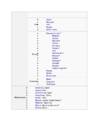
    Worldwide adoption[edit]


    Main article: OpenDocument adoption
    One objective of open formats like OpenDocument is to guarantee long-term access to data without legal or technical barriers, and some governments have come to view open formats as a public policy issue. Several governments around the world have introduced policies of partial or complete adoption.[54] What this means varies from case to case; in some cases, it means that the ODF standard has a national standard identifier; in some cases, it means that the ODF standard is permitted to be used where national regulation says that non-proprietary formats must be used, and in still other cases, it means that some government body has actually decided that ODF will be used in some specific context . The following is an incomplete list:
    International
    • NATO
    National
    Africa
    Asia
    Europe
    • Russia
    • Serbia
    • Switzerland
    S America
    Subnational
    • Andalusia, Spain
    • Assam, India
    • Extremadura, Spain
    • Hong Kong , China
    • Kerala, India
    • Massachusetts, United States[63]
    • Misiones, Argentina
    • Munich, Bavaria, Germany[64]
    • Paraná, Brazil

  • Vasakule Paremale
    ODT vorming ja tarkvara #1 ODT vorming ja tarkvara #2 ODT vorming ja tarkvara #3 ODT vorming ja tarkvara #4 ODT vorming ja tarkvara #5 ODT vorming ja tarkvara #6 ODT vorming ja tarkvara #7 ODT vorming ja tarkvara #8 ODT vorming ja tarkvara #9 ODT vorming ja tarkvara #10 ODT vorming ja tarkvara #11 ODT vorming ja tarkvara #12 ODT vorming ja tarkvara #13 ODT vorming ja tarkvara #14 ODT vorming ja tarkvara #15 ODT vorming ja tarkvara #16
    Punktid 10 punkti Autor soovib selle materjali allalaadimise eest saada 10 punkti.
    Leheküljed ~ 16 lehte Lehekülgede arv dokumendis
    Aeg2015-12-05 Kuupäev, millal dokument üles laeti
    Allalaadimisi 3 laadimist Kokku alla laetud
    Kommentaarid 0 arvamust Teiste kasutajate poolt lisatud kommentaarid
    Autor greteliis.lepp Õppematerjali autor

    Kasutatud allikad

    Sarnased õppematerjalid

    GoogleDoc
    11
    doc

    GoogleDoc

    Töö põhieesmärk on tutvuda lähemalt Google Docsi omaduste ja rakendamise võimalustega ning anda sellest lugejale võimalikult head tagasisidet. Eesmärgi täitmiseks on seatud järgmised ülesanded: · Google Docsiga tutvumine; · Google Docsiga seotud elektrooniliste materjalidega tutvumine; · Tagasiside andmine. Referaadi käsitlemiseks on kasutatud teooriat käsitlevaid elektroonilisi allikaid. Töö koosneb põhiliselt kahest osast. Esimeses osas tutvustatakse tarkvara omadusi: sisu ja kasutamisvõimalusi. Töö teises osas tutvustatakse tarkvara rakendamise võimalusi: sarnaseid tarkvarasid ja kasutusvõimalusi/lihtsust. 1.TARKVARA OMADUSED Google Docs pärineb kahest eraldi tootest: Writelyst ja Google arvutustabelitest. 6. juunil 2006 tehti Google Docs kättesaadavaks vaid piiratud arv kasutajatele, kuid beeta versiooni kättesaadavusega veebruaris 2007, sai Google Docs kõigile Google konto omanikele kättesaadavaks. (GoogleDocs 2009)

    Majandusinfosüsteemid
    Lühendite seletus
    120
    doc

    Lühendite seletus

    A... AA Auto Answer AAA Authentication, Authorization and Accounting AAB All-to-All Broadcast AAC Advanced Audio Coding AACS Advanced Access Control System AAL Asynchronous Transfer Mode Adaption Layer AAM Automatic Acoustic Management AAP Applications Access Point [DEC] AARP AppleTalk Address Resolution Protocol AAS All-to-All Scatter AASP ASCII Asynchronous Support Package AAT Average Access Time AATP Authorized Academic Training Program [Microsoft] .ABA Address Book Archive (file name extension) [Palm] ABAP Advanced Business Application Programming [SAP] ABC * Atanasoff-Berry Computer (First digital calculating machine that used vacuum tubes) ABEND Abnormal End ABI Application Binary Interface ABIOS Advanced BIOS ABIST Automatic Built-In Self-Test [IBM] ABLE Adaptive Battery Life Extender + Agent Building and Learning Environment [IBM] ABM Asynchronous Balanced Mode ABR Available Bit Rate ABRD

    Informaatika
    Optional use of ECDIS
    120
    pdf

    Optional use of ECDIS

    Facts about charts and carriage requirements Primar Stavanger – IC-ENC Working Group on information (PSIWG) 1st edition - November 2004 Kort & Matrikelstyrelsen Graphic design: Peter M. Bastrup, KMS This compendium may be reproduced in whole or in part provided that all extracts quoted are reproduced verbatim without adaptation and the source and date are stated. Primar Stavanger and IC-ENC shall be indentified as the originators of the compendium. 2 Facts about chart carriage reguirements CONTENTS Introduction . . . . . . . . . . . . . . . . . . . . . . . . . . . . . . . . . . . . . . . . . . . . . . . . . . . . . . . . . .4 Where are the rules for professional marine navigation written down? . . . . . . . . . . .6 What are the IMO requirements for the carriage of nautical charts? . . . . . . . . . . . . .6 What is a nautical chart? . . .

    Merendus
    Veebiteenused-kordamisküsimused ja vastused kontrolltööks
    40
    doc

    Veebiteenused (kordamisküsimused ja vastused kontrolltööks)

    VEEBIT EENUSED. KONT ROLLTÖÖ. SOA o A service-oriented architecture (SOA) is an architectural pattern in computer software design in which application components provide services to other components via a communications protocol, typically over a network. The principles of service-orientation are independent of any vendor, product or technology. o Kasutab XMLi sõnumivahetuseks o Võimalus integreeride süsteeme Service-oriented architecture (SOA)  Arhitektuur, mis kasutab – teenuseid organisatsiooni integrastiooni ehitusklotsidena – komponentide taaskasutust läbi nõrga seotuse. SOA: On arhitektuur  Mingi hulga teenuste tegemine ei anna meile SOA-d.  Arhitektuur peab andma meile juhised teenuste loomiseks. SOA: Ehitatakse teenustest  Nagu objekt-orienteeritud maailmas on objekt/klass nii on SOA-s teenuses peamine komponent. 

    Programmeerimine
    Sissejuhatus infotehnoloogiasse
    29
    docx

    Sissejuhatus infotehnoloogiasse

    LaTeX is a document preparation system TeX - Looja: Donald Knuth (1978) La - Leslie Lamport (1985)  Laiendab TeX keelt erinevate makrodega  Akadeemilised ja tehnilised dokumendid  Matemaatika, statistika, arvutiteadus, keemia, füüsika jms. Markdown  Märgituskeel (markup language) teksti vormindamiseks  Looja: John Gruber (2004)  Juhendite jms. lühikeste dokumentide loomiseks  Veebisisu (foorumipostitused, kommentaarid) kujundamiseks 8. nädal: Tarkvara arhitektuur ja tabelarvutus Teek/library(библиотека) 1.In programming, a library is a collection of precompiled routines that a program can use. 2.In computer science, a library is a collection of non-volatile resources used by computer programs, often for software development. These may include configuration data, documentation, help data, message templates..

    Sissejuhatus infotehnoloogiasse
    Games Programming with Java and Java 3D
    23
    pdf

    Games Programming with Java and Java 3D

    Games Programming with Java and Java 3D Andrew Davison Dept. of Computer Engineering Prince of Songkla University HatYai, Songkhla 90112 E-mail: [email protected] Draft: 14th January 2003, #2 Abstract This article looks at the advantages and disadvantages of using Java and Java 3D for games programming. It assumes the reader is familiar with Java, but presents short overviews of gaming, the low-level APIs OpenGL and DirectX, and Java 3D. No programming examples are included here, although links to online code are supplied. 1. Background to Gaming Giving a definition for `computer game' is problematic, due to the wide range of game types. For example, the ArcadePod site (http://www.arcadePod.com) divides its hundreds of Java games into more than ten categories: 3D games, multiplayer, action

    Java programmeerimine
    Thesis Kivimaa August 2022
    140
    pdf

    Thesis Kivimaa August 2022

    Thesis “How is it possible to calculate IT security effectiveness?” Kristjan Kivimaa August 2022 1 Abstract In IT Security world, there is lack of available, reliable systems for measuring security levels/posture. They lack the range of quantitative measurements and easy and fast deployment, and potentially affects companies of all sizes. Readily available security standards provide qualitative security levels, but not quantitative results – that would be easily comparable. This deficiency makes it hard for companies to evaluate their security posture accurately. Absence of security metrics makes it complicated for customers to select the appropriate measures for particular security level needed. The research question for this research project is – “How is it possible to calculate IT security effectiveness?”. The aim of this research is to use this reference m

    Infotehnoloogia
    IT Strateegia IT Ettevõttele
    24
    pdf

    IT Strateegia IT Ettevõttele

    Table of Contents 1. Background ..............................................................................................................................2 2. Business Plan............................................................................................................................2 2.1. Mission..............................................................................................................................2 2.2. Values ...............................................................................................................................2 2.3. SWOT Analysis of the Organization ................................................................................2 2.4. Opportunities ....................................................................................................................3 2.5. Primary Processes ........................................................................................

    Informaatika


    Kommentaarid (0)

    Kommentaarid sellele materjalile puuduvad. Ole esimene ja kommenteeri


    Sellel veebilehel kasutatakse küpsiseid. Kasutamist jätkates nõustute küpsiste ja veebilehe üldtingimustega Nõustun