 5 punkti
Autor soovib selle materjali allalaadimise eest saada 5 punkti.
5 punkti
Autor soovib selle materjali allalaadimise eest saada 5 punkti.
 ~ 7 lehte
Lehekülgede arv dokumendis
~ 7 lehte
Lehekülgede arv dokumendis
 2015-01-19
Kuupäev, millal dokument üles laeti
2015-01-19
Kuupäev, millal dokument üles laeti
 11 laadimist
Kokku alla laetud
11 laadimist
Kokku alla laetud
 0 arvamust
Teiste kasutajate poolt lisatud kommentaarid
0 arvamust
Teiste kasutajate poolt lisatud kommentaarid
 mikk27
Õppematerjali autor
mikk27
Õppematerjali autor
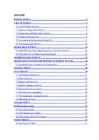
SISUKORD ENERGY STORY................................................................................................................4 USES OF ENERGY............................................................................................................. 4 2.1 Uses of energy in homes...............................................................................................5 2.2 Types of energy used in homes.................................................................................... 6 2.3 Energy use in different types of homes........................................................................ 6 2.4 Commercial Energy Use...............................................................................................9 2.5 Industrial and Manufacturing Energy Use..................................................................11 2.6 Transportation Energy Use.........................................................................................12 RENE
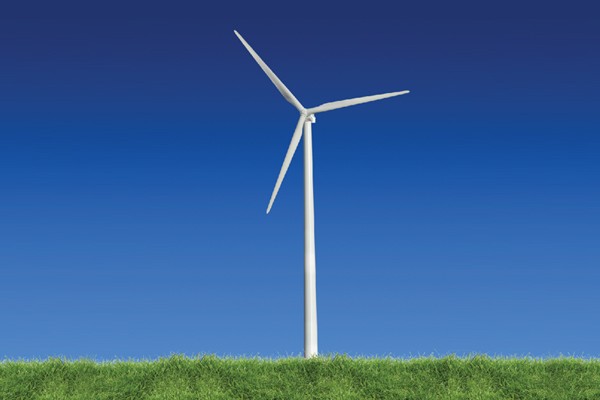
ELEKTROENERGEETIKA INSTITUUT Referaat Taastvad Energiaallikad Esitamise tähtaeg 14.04.2009 Õppejõud: Hannes Agabus Tudeng: Sergei Belosapko Nikita Naumov Tallinn 2009 Contents: 1. Renewable energy 1.1. Costs................................................................................................................... 2 1.2. Potential future utilization..............................................................................4 1.3. Why Don't We Use More Renewable Energy? ...........................................5 2. Energy Types 2.1. Wind Energy.......................................................................................................6 2.1.1. Annual Generation........................................................................................7 2.1.2. Growth and cost trends.........................
Answers for the IPCC Summary. 1.Radiative forcing is a measure of the influence that a factor has in altering the balance of incoming and outgoing energy in the Earth-atmosphere system and is an index of the importance of the factor as a potential climate change mechanism. 2.The three main things that alter the energy balance of the climate system are the changes in the atmospheric abundance of greenhouse gases and aerosols, in solar radiation and in land surface properties. 3.The two sources for the increased concentration of CO2 in the atmosphere are production, distribution and consumption of fossil fuels and as a by-product from cement production. 4.The two main sources of methane pollution are agriculture and fossil fuel use. 5.Volcanic aerosols are not included to the list because of their episodic nature. 6.The world's oceans absorb more than 80% of heat. 7.The total 20th-century rise is estimated to be 0.17 [0.12 to 0.22] m. 8.Arctic has seen twice the inc
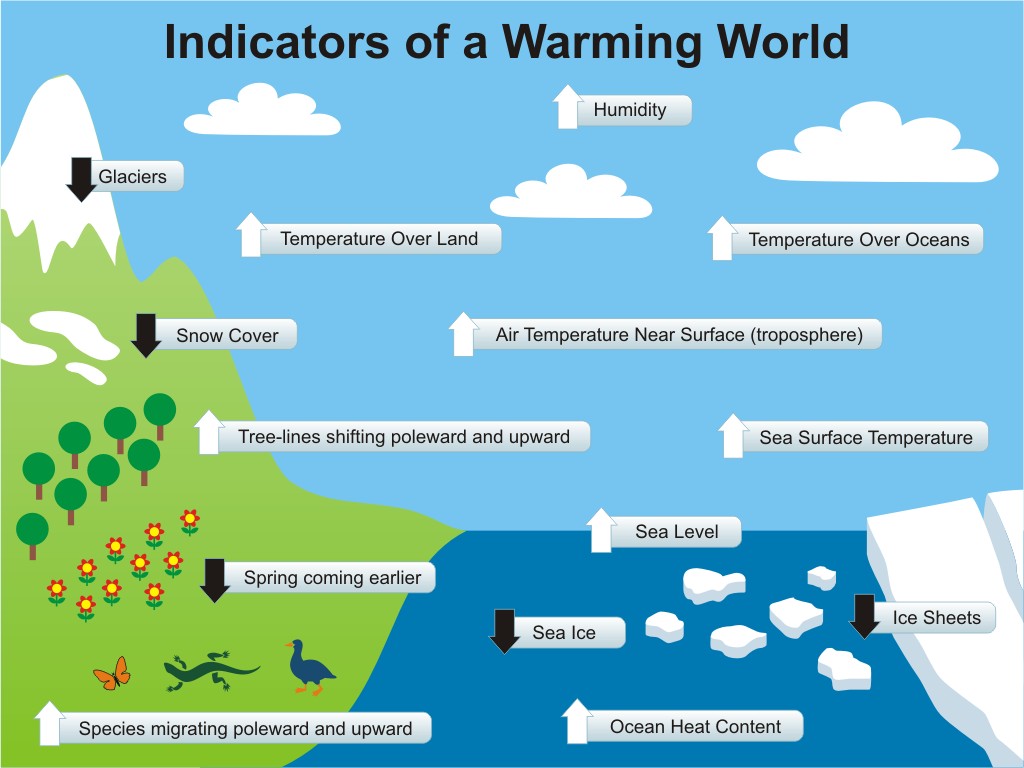
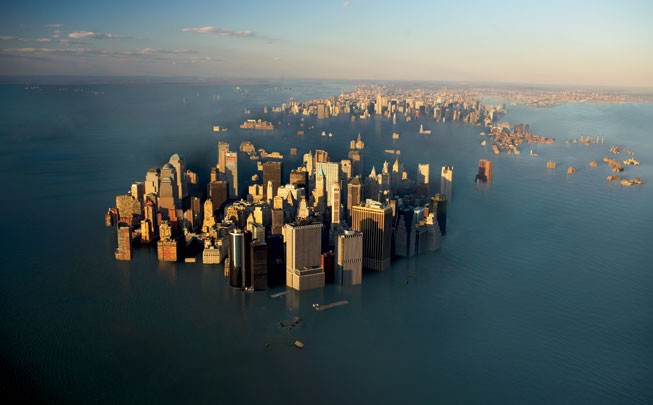
Global Warming One of the biggest issues our planet and its inhabitants are facing nowadays is global warming. Global warming, also often referred to as the greenhouse effect, has not always been a problem. However, over the last centuries, since the Industrial Revolution things have changed. Polar regions are melting, species are dying, climate zones are shifting, migration patterns for animals such as polar bears and birds are being disrupted our world as we know it is changing. Some scientists believe that the climate will reach a tipping point, a point at which even a tiny additional increase would throw the system into violent change. We started doing harmful things and only now do we realize what we have done and what we are doing. At this current rate by the middle of next century the Earth's temperature may rise a predicted from 2 to 6 degrees Celsius. This may not seem as much but with the Earth's delicate balance we will have lost several
The Greenhouse Effect: Scientists are sure about the greenhouse effect. They know that greenhouse gases make the Earth warmer by trapping energy in the atmosphere. Climate Change: Climate is the long-term average of a region's weather events lumped together. For example, it's possible that a winter day in Buffalo, New York, could be sunny and mild, but the average weather the climate tells us that Buffalo's winters will mainly be cold and include snow and rain. Climate change represents a change in these long-term weather patterns. They can become warmer or colder. Annual amounts of rainfall or snowfall can increase or decrease. Global Warming: Global warming refers to an average increase in the Earth's temperature, which in turn causes changes in climate. A warmer Earth may lead to changes in rainfall patterns, a rise in sea level, and a wide range of impacts on plants, wildlife, and humans. When scientists talk about the issue of climate change, their concern is about global
Tallinn 2013 Ott Speek Subject: English Geodesy Study group: GI-21b PETROLEUM PRESENTATION Petroleum (L. petroleum, from Greek: Πέτρα (rock) + Latin: oleum (oil) is a naturally occurring flammable liquid consisting of a complex mixture of hydrocarbons of various molecular weights and other liquid organic compounds, that are found in geologic formations beneath the Earth's surface. The name Petroleum covers both naturally occurring unprocessed crude oils and petroleum products that are made up of refined crude oil. A fossil fuel, it is formed when large quantities of dead organisms, usually zooplankton and algae, are buried underneath sedimentary rock and undergo intense heat and pressure. Petroleum is recovered mostly through oil drilling. This comes after the studies of structural geology (at the reservoir scale), sedimentary basin analysis, reservoir characterization (mainly in terms of porosity and permeable structures). It is refined and separated
Dear Sir/Madam, I am writing in the hope that you can help me with a problem regarding a camera that I have bought recently. On 24 April, I purchased a Canon digital SLR camera from a duty-free shop at Freetown Airport on my way from Freetown to Wondercity. The camera cost $599, and I paid for it by credit card. When I arrived at my hotel in Wondercity almost 24 hours later, I discovered that the box which contained the camera did not include the battery, and the space in the box for the charger was empty. I am now in Wondercity, and I am not returning to Freetown, so I need to get the missing parts here. I would be grateful if you could arrange for the parts to be sent to me. I attach a copy of the receipt for your information. I look forward to hearing from you. Yours faithfully, Introduction This report looks at the dietary habits of twenty students in their final year at Freedonian Secondary School. The report is based on the students' responses to the questionnaire
I look forward to hearing from you. Yours sincerely Useful language: Could you tell me …/ Could you let me know … I am interested in finding out … I would appreciate if you could let me know … I would like to know … I would be grateful if you could tell me … ÄRGE UNUSTAGE, ET SELLISTE VÄLJENDITEGA LAUSET ALUSTADES MOODUSTATE TE KAUDSE KÜSIMUSE JA SELLISES KÜSIMUSES PEAB SÕNADE JÄRJEKORD OLEMA JAATAV! (vaata lähemalt Moodle, Inglise keele grammatika täiskursus, Asking questions and making sentences negative, Indirect questions). 7. … 8. 9. Read the following text and do the two exercises below. The Great Wildebeest Trek Far to the South, where Gol Kopjes rose like ruined castles from the short-grass plains of the Serengeti, a female wildebeest (A) chomped methodically at the close-knit (B) turf. Only her
 annaabi.ee












Kõik kommentaarid