ENVIRONMENTAL PROBLEMS
Our
environment is constantly changing. However, as our environment changes, so does the need to
become increasingly aware of the problems that surround it. With a massive
influx of natural disasters people need to be aware of what types of environmental problems our planet
is facing.
Current environmental problems make us
vulnerable to disasters and tragedies, now and in the future. Unless we
address the various issues seriously we are surely
doomed for disaster. Current environmental problems
require
urgent attention.
1. Pollution: Pollution of air, water and soil require millions of years to
recoup. Industry and
motor vehicle
exhaust are the number one pollutants. Heavy metals, nitrates and plastic are
toxins responsible for
pollution. While water pollution is caused by
oil spill,
acid rain,
urban runoff; air pollution is caused by
various gases and
toxins released by industries and factories and burning of
fossil fuels; soil pollution is
majorly caused by
industrial waste that
deprives soil from
essential nutrients.
FIND OUT 5 WAYS HOW TO STOP POLLUTION.
2. Global Warming: Climate changes like global warming is the result of
human practices like
emission
of Greenhouse gases. Global warming leads to rising temperatures of the oceans and the earth surface
causing
melting of polar ice caps, rise in sea levels and also
flash floods, excessive snow or
desertification.
FIND OUT 5 WAYS HOW TO STOP GLOBAL WARMING.
3. Overpopulation: The population of the planet is reaching
unsustainable levels as it faces shortage of
resources like water, fuel and food. Population explosion in
less developed and
developing countries is
straining the already
scarce resources. Intensive agriculture practiced to produce food, damages the
environment through use of chemical
fertilizers and pesticides.
FIND OUT 5 WAYS HOW TO STOP OVERPOPULATION.
4. Waste Disposal: The
over consumption of resources and creation of plastics are creating a global crisis
of
waste disposal.
Developed countries are
notorious for producing an
excessive amount of waste or
garbage and
dumping their waste in the oceans and, less developed countries.
Nuclear waste disposal has
tremendous
health hazards associated with it. Plastic, fast food, packaging and cheap electronic wastes
threaten the well being of humans.
FIND OUT 5 WAYS HOW TO MANAGE WASTE.
5. Loss of Biodiversity: Human activity is leading to the
extinction of species and habitats and loss of bio-
diversity. Eco systems, which took millions of years to perfect, are in danger when any species population is
decimating. Another example is the destruction of
coral reefs in the various oceans, which support the rich
marine life.
FIND OUT 5 WAYS HOW TO HALT THE LOSS OF BIODIVERSITY
6. Deforestation: Our forests produce
fresh oxygen and help in regulating temperature and rainfall. At
present forests cover 30% of the land but every year tree cover is lost amounting to the country of Panama
due to growing population demand for more food, shelter and cloth.
Deforestation simply means
clearing
of green cover and making that land available for residential, industrial or commercial purpose.
FIND OUT 5 WAYS HOW TO STOP DEFORESTATION.
7. Ocean Acidification: It is a
direct impact of
excessive production of CO2. 25% of CO2 produced by
humans. The ocean acidity has increased by the last 250 years but by 2100, it may shoot up by 150%. The
main impact is on
shellfish and plankton.
Acid Rain: Acid rain occurs due to the presence of
certain pollutants in the atmosphere. Acid rain can be
caused due to burning of fossil fuels or
erupting volcanoes or
rotting vegetation which
release sulphur
dioxide and nitrogen oxides into the atmosphere. Acid rain is
a known environmental
problem that can
have serious effect on human health, wildlife and
aquatic species.
FIND OUT 5 WAYS HOW TO REDUCE OCEAN ACIDIFICATION AND 5 WAYS THAT WOULD
HELP TO PREVENT ACID RAIN POLLUTION.
8. Water Pollution: Clean drinking water is becoming a
rare commodity. Water is becoming an economic
and
political issue as the human population fights for this resource. One of the
options suggested is using
the process of
desalinization. Industrial development is filling our rivers, seas and oceans with toxic
pollutants which are a
major threat to human health.
FIND OUT 5 WAYS HOW TO REDUCE WATER POLLUTION.
9. Urban Sprawl: Urban sprawl refers to migration of population from
high density urban areas to low
density
rural areas which results in spreading of city over more and more rural land. Urban sprawl results
in
land degradation, increased traffic, environmental issues and health issues.
FIND OUT 5 WAYS HOW TO FIX URBAN SPRAWL.
10. Genetic Engineering: Genetic modification of food using biotechnology is called
genetic engineering.
Genetic modification of food results in increased toxins and diseases as genes from an allergic plant can
transfer to
target plant. Genetically modified crops can cause serious environmental problems as an
engineered gene may
prove toxic to wildlife. Another
drawback is that increased use of toxins to make
insect resistant plant can cause
resultant organisms to become resistant to antibiotics.
FIND OUT 5 REASONS TO AVOID GM FOOD.
If humans continue moving forward in such a
harmful way towards the future, then there will be no
future to consider. Although it’s true that we cannot physically stop
our ozone layer from thinning there are
still so many things we can do
. Sustainability is the key to prevent or reduce the effect of environmental
issues. There is now
clear scientific evidence that humanity is living unsustainably, and that an
unprecedented collective effort is needed to return human use of natural resources to within sustainable
limits. For humans to live sustainably, the Earth's
natural resources must be used at a rate at which they can
be
replenished.
Concerns for the environment have prompted the formation of
green parties, political parties that
seek to address environmental issues. Initially these were formed in Australia, New Zealand and Germany
but are now present in many other countries. By raising awareness about these issues, we can help contribute
to a more
environmentally conscious and friendly place for us to live.
ADDITIONAL TASKS
1. Translate the italicized prepositional expressions and
bold words in the text. Make sure that your
translation is appropriate!
2. Make derivations from the following words, using prefixes and suffixes and translate each word:
DERIVE, POLLUTE, CONSUME, DESTROY, CREATE.
3. Bring out some facts about the Estonian Green Party.
PLASTIC POLLUTION
As
the world’s population continues to grow, so does the amount of garbage that people produce.
On-the-go lifestyles require easily
disposable products, such as soda cans or bottles of water, but the
accumulation of these products has led to increasing amounts of plastic pollution around the world. As
plastic is composed of major toxic pollutants, it has the potential to
cause great harm to the environment in
the form of air, water and
land pollution. If overfishing continues, if pollution continues, many of the species
of today will disappear off.
Put simply, plastic pollution is when plastic has gathered in an area and has begun to
negatively
impact the natural environment and create problems for plants, wildlife and even human population. Often
this includes killing plant life and
posing dangers to local animals. Plastic is an incredibly useful material,
but it is also made from toxic compounds known to cause illness, and because it is meant for
durability, it is
not
biodegradable.
Plastic pollution does a lot of damage to the world’s ecosystems. Some of the major long-term
effects of plastic pollution are:
1.
It upsets the food chain because it comes in sizes large and small, polluting plastics even affects the
world’s tiniest organisms such as plankton. When these organisms become poisoned due to
plastic
ingestion, this causes problems for the larger animals that depend on them for food. This can cause a
lot of problems, each
step further along
the food chain. Plus, it means that plastic are present in the
fish that many people eat every day.
2.
Groundwater pollution, as the world’s water is in great danger because of
leaking plastics and
waste. If you’ve ever seen a garbage dump, imagine what happens every time it rains and then
imagine that being in your drinking water. Groundwater and reservoirs are
susceptible to leaking
environmental toxins.
4.
Land pollution kills animals. Despite countless
TV ads over the years showing ducks or dolphins
trapped in
six-ring plastic can holders, these items are still used and
discarded en masse each day.
5.
It is poisonous as plastic is artificially made by using a number of toxic chemicals. Therefore,
plastics has been linked to a number of
health concerns affecting people around the world.
6.
It is expensive because it costs millions of dollars each year to clean affected areas,
not to mention
the loss of life to plants, animals, and people. As land becomes more valuable, just finding a place to
put garbage is becoming a problem in many parts of the world.
Plastic is everywhere, even on those items you may not expect it to be.
Milk cartons are lined with
plastic, water bottles are
handed out everywhere, drink cups are lined with plastic for
insulation and some
products may even contain tiny plastic beads. Every time one of these items gets thrown away or washed
down a sink,
the toxic pollutants have more of a chance to enter the environment and do harm. Besides, as
plastic is less expensive, it is one of the most widely available and overused item in the world today. When
disposed, it does not decompose easily (if ever), and pollutes the land or air nearby when burned in the open
air. Even recycling doesn’t cut down on plastic, as it essentially uses the existing plastic,
albeit in a new
form.
What are the solutions to plastic pollution?
1.
Shop friendly - plastic bags were once a modern convenience but can be efficiently replaced by
reusable cloth bags. Also, try to avoid bringing plastic bags at home and
purchasing items with too
much of packaging. Use metal or glass reusable bottles.
2.
Get rid of bottled water - many companies now sell reusable water bottles as a
substitute.
3.
Forget plastic food containers and
replace them by reusable containers. Bring your to-go mug with
you to the coffee shop
6.
Recycle everything - check everything before you put it in the trash, as more and more items are
able to be recycled these days.
(Bernard Marc
us http://www.conserve-energy-future.com/causes-effects-solutions-of-plastic-pollution.php) TASKS
1. Translate the italicized prepositional expressions and
bold words in the text. Make sure that your translation
is appropriate!
2. Find out 10 preposterous facts about plastic pollution.
3. And now, based on the above,
write an essay trying to find solutions to the problem. Will you follow the
essay rules described below.
How can we make our planet a safer place for animals?
Probleemile lahendusi pakkuv essee peaks algama sissejuhatusega, kus esitatakse probleem ja seda
põhjustavad tegurid.
Essee peaks koosnema umbes kolmest paragrahvist. Iga paragrahv peaks sisaldama ühe soovituse ja
sellest tulenevaid tagajärgi. Iga soovitus tuleb esitada eraldi paragrahvina.
Lõppsõna peaks lühidalt kokku võtma kõik selle, mida eelnevalt käsitleti.
Essee eeldab ametlikku stiili, seega lühendvorme ja slängi kasutada ei tohi.
Essees võiks kasutada järgmisi sõnu ja väljendeid:
Et jagada soovitusi:
It would help if/be a good idea if …
A/Another useful suggestion would be to …
The situation could be improved if/by …
Steps/Measures should be taken in order to solve/deal with …
Et esitada resultaate ja tagajärgi:
In this way …; This would …; Then…; if …, the result would be …; The effect/consequence/result …
would be … .
Lõpetuseks:
In conclusion/Finally/To sum up/All things considered
4. The 3 Rs in education are Reading, wRiting, aRithmetic. In our everyday life: Reduce, Reuse,
Recycle. Using the Internet,
find definitions to these notions and
draw 5 examples how to
implement these practices.
Reduce
Reuse
Recycle
Let’s Do It!
In 2007, a group of people noticed that many of Estonia’s beautiful,
native forests were being used
as
dumping grounds for every kind of
garbage imaginable. Soon after, we came up with an ambitious
plan to change not just the physical landscape, but the very idea that it is okay to dump garbage at all.
To
make our point, we came up with the idea to clean up our entire country… in just one day! We realized
right away that we were going to need help, and a very
detailed plan. We gathered
passionate people, quickly growing to 620
volunteers and partnering with 500 Estonian organizations. Then, we set about
to understand
the scale of the illegal waste around the country. Using technology, and many of our
volunteers, we located and mapped the
illegal trash sites to get a better understanding of where to
focus
our efforts on the big day.
On
the
3rd
of
May,
2008,
over
50,000
people
–
4%
of
the
Estonian
population
–
stepped
up
together
to
clean up 10,000 tons of waste. Under
normal circumstances, it would have taken the Estonian
government three years and 22.5 million Euros to clean up the same amount of illegal garbage. We did it
for 500,000 Euros and it took only 5 hours.
Country by country this idea started to spread. Active people in many countries have joined to
clean up their countries in one day. In Latvia (210,000), Lithuania (250,000), Portugal (100,000),
Slovenia (270,000), Romania (250,000), Albania (147,000), Hungary (200,000), Bulgaria (375,000),
Ukraine (500,000), India (54,000), the Philippines (28,000) and in many other countries massive Let’s
Do It!
cleanups for a clean planet have been taking place. With more than 100 countries on board we
have
set ourselves a new challenge – to join the world for a massive cleanup day in 2018.
On September 15, 2018, World Cleanup Day,
people in 150 countries will stand up against the
global trash problem and clean up waste, making it the biggest
positive
civic action the
world
has
seen.
Imagine a powerful “green wave” starting in Japan and ending in Hawaii with hundreds of millions of
people taking positive action together on the very same day.
Let’s Do It! has never been only about cleaning up waste. We also aim to unite the global
community,
raise awareness and
implement true change to achieve our
final goal – a clean and
healthy planet.
5. Translate the italicized prepositional expressions and
bold words in the text. Make sure that your
translation is appropriate!
6. Write a
Letter of Enquiry.
You read the above article about the Estonia’s campaign Let’s do it!. You became very much
interested in it and would like to participate next year in Estonia, although you are not the Estonian
citizen. Write a letter to the co-ordinator and ask him/her about the possibilities to participate, if you
need a visa, when exactly it is going to take place, if the equipment is provided, if there is
accommodation nearby.
Remember!
Alates 2013.aastast peab kiri koosnema 120 sõnast. Lubatud on kirjutada 10% sõnu vähem. Sõnade
ülemist piiri pole, kuid mida rohkem kirjutad, seda suurem on võimalus eksida.
Kiri peab olema kirjutatud ametlikus stiilis, keelatud on lühendid (don’t, hasn’t) ja samuti
slängisõnad.
Kirja on võimalik vormistada kahel viisil, kas kasutades taandridu või plokkida: (sel juhul on lõikude
vahel taandrida). Paremale üles kuupäev (viimastel eksamitel ei paluta enam aadressi kirjutada) ja selle
alla vasemale pöördumine. Kui nimi teada, Dear Mr/Ms Brown, kui ei, siis Dear Sir/Madam.
Lühendite
taga punkte pole, kui paned pöördumise lõppu
koma, peab koma olema ka Yours faithfully/Yours
sincerely taga kirja lõpus, kui pöördumise taga koma ei ole, pole ka lõpus koma. Kiri tuleb lõpetada
Yours faithfully kui sa ei tunne inimest nimepidi (s.t. alustad kirja Dear Sir/Madam), Yours sincerely kui
tunneme (s.t. alustame kirja Dear Mr Brown).
Vali kirjutamisstiil (plokkimine või taandread) ja kirjuta kiri, jagades see paari- kolme lõigu vahel.
Kõiki ülesandes küsitud punkte
PEAB käsitlema! Muidu kaotad punkte. Kiri peaks koosnema
järgmistest osadest:
Opening greeting
Reason for writing
Questions asking for specific information
Request for extra information
Closing: request for a quick answer
Closing: greeting and signature
Alljärgnevalt näidiskiri.
Dear Sir/Madam
I am writing to enquire about your summer courses which I saw advertised in ‘English Today’.
I recently took the FCE exam and I am now studying for CAE.
Please could you tell me if you have
advanced courses available? What dates do the courses start and how much is the cost? I will be coming
from Vietnam.
I would like to know what kind of visa I should apply for.
I would also like to know more
about the accommodation. Are single rooms available? Are meals included in the cost of a course?
I would
be grateful if you could send me more information about your school and the surrounding area.
I look forward to hearing from you.
Yours sincerely
Useful language:
Could you tell me …/ Could you let me know …
I am interested in finding out …
I would appreciate if you could let me know …
I would like to know …
I would be grateful if you could tell me …
ÄRGE UNUSTAGE, ET SELLISTE VÄLJENDITEGA LAUSET ALUSTADES MOODUSTATE TE
KAUDSE KÜSIMUSE JA SELLISES KÜSIMUSES PEAB SÕNADE JÄRJEKORD OLEMA JAATAV! (vaata lähemalt Moodle, Inglise keele grammatika täiskursus, Asking questions and making sentences
negative, Indirect questions).
7. …
8.
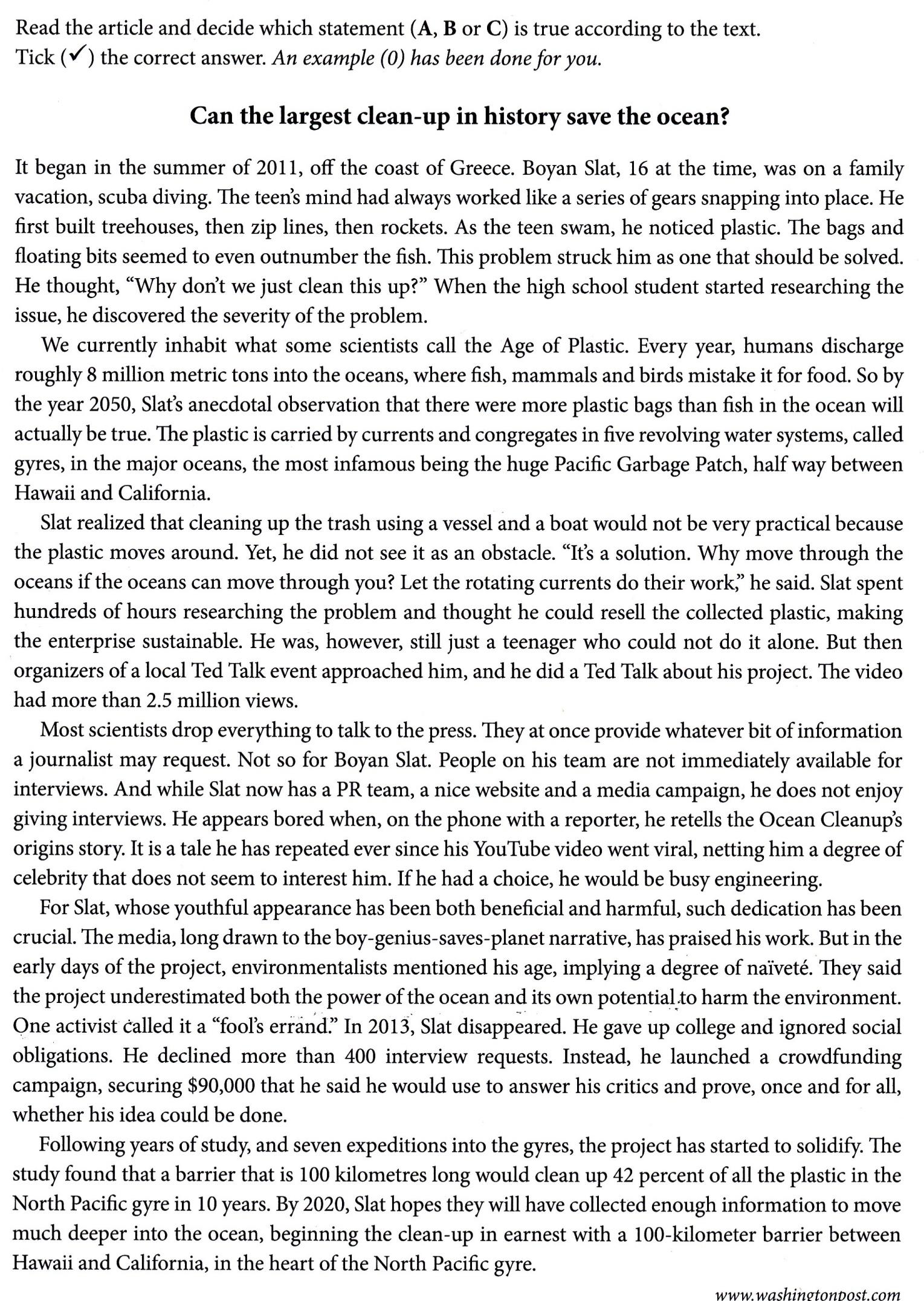
9. Read the following text and do the two exercises below.
The Great Wildebeest Trek
Far to the South, where Gol Kopjes rose like ruined castles from the short-grass plains of the
Serengeti, a female wildebeest
(A) chomped methodically at the close-knit
(B) turf. Only her
hindquarters, deeply scarred where a lioness had once almost succeeded in clawing her down,
distinguished her from her companions, a harem of perhaps two dozen wildebeest cows, many of
them accompanied by their calves, gathered together under the watchful eyes of a mature breeding
bull. It was a pattern which repeated itself across the plains in every direction as far as the eye could
see.
Every year the wildebeest nations of the Serengeti congregated here towards the year’s end, and
the scarred female had come with them. Mated the previous May, she had returned to give birth
to her calf in the south-eastern corner of the park. The soils which carpeted the floor of the shortgrass
plains had been laid down in prehistoric times and were quite different from the black cotton
clays of the Mara.
(C) Eruptions of ash spewed out by the long-dead volcanoes of Ngorongoro had
enriched the earth with calcium and phosphorus, minerals essential for healthy bone growth in the
new-born calves, and if anywhere could be described as the true home of the restless wildebeest, it
was here on these ancestral calving grounds.
For nearly two decades the Serengeti wildebeest had been enjoying an
(D) unprecedented
population explosion. Twenty years ago, there had been perhaps 250,000. Now there were nearly
two million, and together with a million gazelles and quarter of a million zebra, they formed the
greatest concentration of wild animals left on earth.
Nevertheless, of the half million calves now scattered across the plains; fewer than one in three
would survive to adulthood. Many would simply lose their mothers in densely packed sea of animals,
and fall easy
(E) prey to predators. Often a new-born calf would become separated from its
mother before it had learned to recognise her. Then the infant would attach itself to anything that
moved, sometimes even
(F) tottering hopefully towards a waiting lion.
When the great migration began, many more youngsters would be swept away and drowned during
the massed river crossings, dragged down by crocodiles or trampled beneath the
(G) frantic press
of bodies from which others would emerge
(H) hobbling on broken limbs to await the inevitable
hyenas. And always there were the ravenous hunters; the packs of brindled wild dogs whose sudden
appearance,
(I) loping over the dawn horizons, threw the herds into headlong panic; the rangy
cheetahs with their devastating
(J) stride; and the ever-watchful prides of lions through whose
territories the wildebeest would have to pass.
Immediately after the rains the Serengeti pasture was so prolific that a single acre might produce
eighteen tons of protein-rich
(K) fodder. But by the end of April the
(L) verdant plains had already
begun to revert to a yellowing
(M) stubble. Soon the time would come when they would no longer
be able to sustain the herds; and then, as if in obedience to some inaudible command, the migration
would begin. The zebra and wildebeest would stream out of the short-grass country, heading for the
taller grasses and open woodlands of the Western Corridor.
Read the questions below. Give short answers using
up to five words.
An example (0) has been done for you.
• Which animal is the article about?
(0) _____
wildebeest__________________________________________________________________________________________
• How is it possible to distinguish the female wildebeest in the text from other cows?
__________________________________________________________________________________________________________
• What is the origin of the soils?
__________________________________________________________________________________________________________
• What do the soils in this part of the Serengeti contain?
__________________________________________________________________________________________________________
• How is the soil useful for calves?
__________________________________________________________________________________________________________
• Which animal species are among the three most numerous in the world today?
__________________________________________________________________________________________________________
• How many calves grow up to be mature?
__________________________________________________________________________________________________________
• Which five predators threaten wildebeest?
__________________________________________________________________________________________________________
• What happens to the plains in April?
__________________________________________________________________________________________________________
Match the definitions and the words in bold in the text. There are
4 more words than you need.
Write the letter of the correct word in the box next to its definition.
An example (0) has been done for you.
E
n an animal that is hunted and killed for food by another animal
adj covered with healthy green plants or grass
v to chew or bite food noisily
n a long step when walking
adj almost out of control because of extreme emotion, such as anxiety
v to walk or move unsteadily from side to side as if you are going to fall over
n the short stems left after a crop has been cut
adj never having happened or existed in the past
n the surface layer of land on which grass is growing
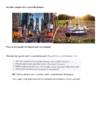
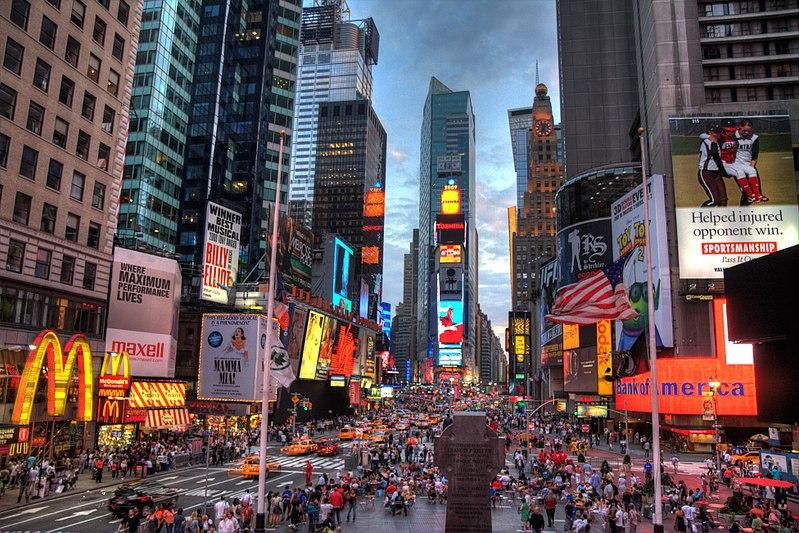
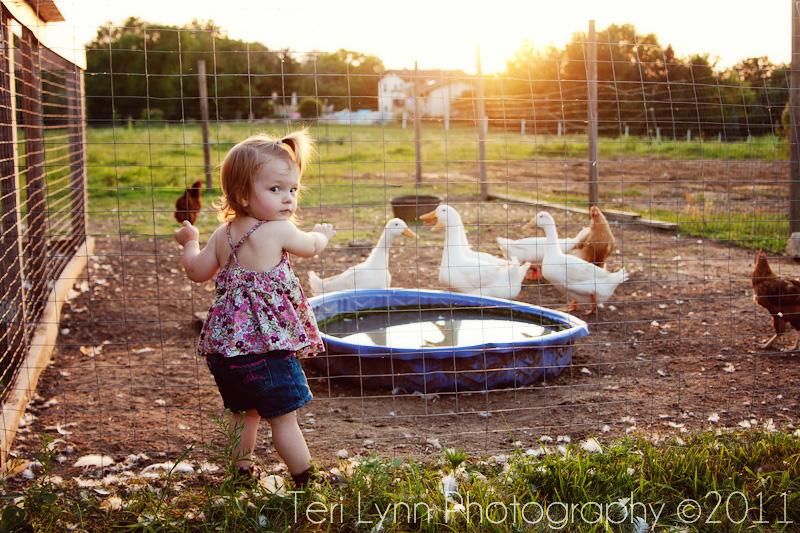
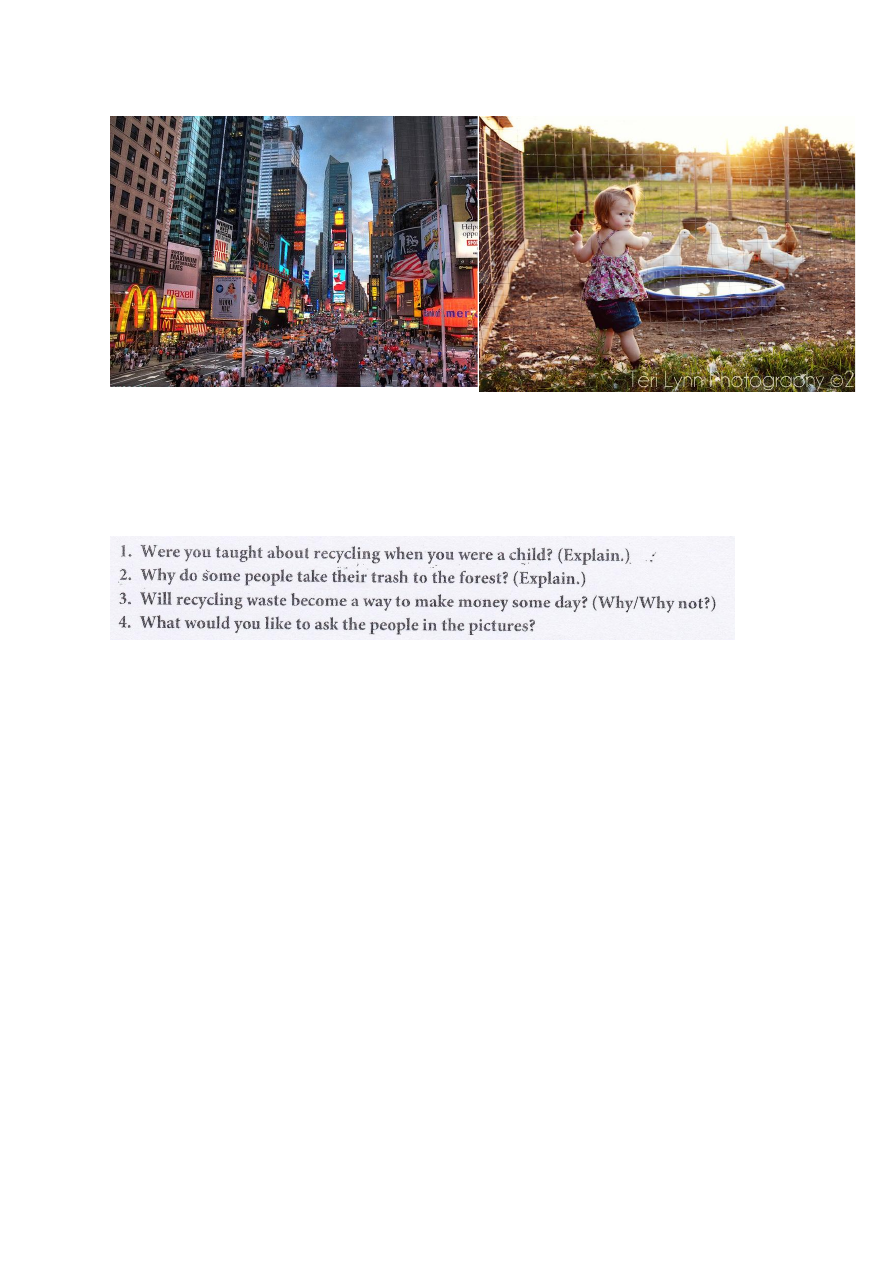
10. Describe, compare and contrast the following pictures.
Selles ülesandes tuleb teil kirjeldada, võrrelda ja kõrvutada/vastandada kahte pilti. Teil tuleb rääkida
nendest piltidest 2 minutit. Enne rääkima asumist on teil 1 minut ettevalmistuseks, kuid te ei tohi märkmeid.
Antud ülesanne koosneb neljast osast. Proovi jaotada aega nii, et jõuaksid käsitleda 2 minuti jooksul
kõiki osasid. Teil tuleb:
1) kirjeldada, keda või mida te piltidel näete
2) võrrelda kahte fotot (s.t. te peate ütlema, mis on nendel piltidel sarnast)
3) vastandada neid pilte (ütlema, mille poolest need pildid erinevad)
4) vastama piltide all olevale küsimusele.
Kirjeldamisel võid kasutada järgnevaid väljendeid:
These two photos/pictures are black-and-white/coloured photos.
The first photo/picture shows ... the other photo/picture shows...
In the photo/the picture on the left.....
in the photo/the picture on the right.....
In the foreground/background you can see/there is...
In the middle/centre there is/are ...
At the top/At the bottom there is/are ...
On the left/right there is/are ...
Behind/In front of... you can see ...
Between... there is ...
Kui sa räägid inimeste tegemistest pildil, kasuta present progressive (kestev olevik) ajavormi:
The woman is watching TV, the man is listening to the radio.
Räägime sarnasustest:
The most striking/obvious similarity is that ......
Is similar to
The first picture is similar to the other.
Both
Both pictures are about being a parent.
Similarly
In the same way
Likewise
Räägime erinevustest:
The main/greatest/most important/most significant difference between the pictures is that......
In the first picture, ..... whereas/while/but in the second one .....
On one hand ..... on the other hand...(ühelt poolt, teiselt poolt)
Neither picture (mitte kumbki piltidest)
In contrast
Unlike
While
Vasta piltide all olevale küsimusele
I think …..
Describe, compare and contrast the pictures.
What are the benefits of living in such environments?
Ülesande teises pooles tuleb vastata küsimustele. Eksamil õpilane neid küsimusi ei näe.
NB! Viimane küsimus antud ülesandes eeldab vastamist kaudse küsimusega.
Vaata Inglise keele grammatika kursust, küsimuste moodustamine, Indirect questions.
 100 punkti
Autor soovib selle materjali allalaadimise eest saada 100 punkti.
100 punkti
Autor soovib selle materjali allalaadimise eest saada 100 punkti.
 ~ 12 lehte
Lehekülgede arv dokumendis
~ 12 lehte
Lehekülgede arv dokumendis
 2020-11-14
Kuupäev, millal dokument üles laeti
2020-11-14
Kuupäev, millal dokument üles laeti
 31 laadimist
Kokku alla laetud
31 laadimist
Kokku alla laetud
 1 arvamus
Teiste kasutajate poolt lisatud kommentaarid
1 arvamus
Teiste kasutajate poolt lisatud kommentaarid
 387965
Õppematerjali autor
387965
Õppematerjali autor
 annaabi.ee













Kõik kommentaarid