 50 punkti
Autor soovib selle materjali allalaadimise eest saada 50 punkti.
50 punkti
Autor soovib selle materjali allalaadimise eest saada 50 punkti.
 ~ 16 lehte
Lehekülgede arv dokumendis
~ 16 lehte
Lehekülgede arv dokumendis
 2015-03-03
Kuupäev, millal dokument üles laeti
2015-03-03
Kuupäev, millal dokument üles laeti
 7 laadimist
Kokku alla laetud
7 laadimist
Kokku alla laetud
 0 arvamust
Teiste kasutajate poolt lisatud kommentaarid
0 arvamust
Teiste kasutajate poolt lisatud kommentaarid
 SkyFox
Õppematerjali autor
SkyFox
Õppematerjali autor
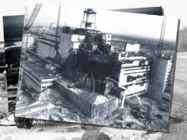
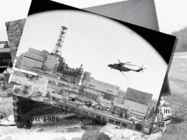
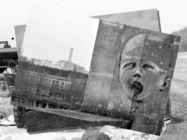
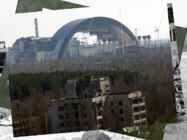
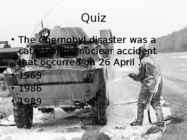
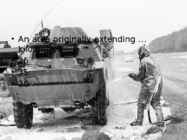
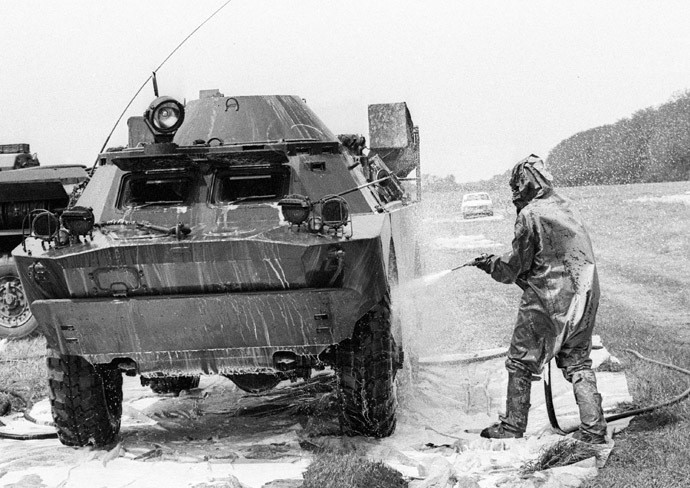
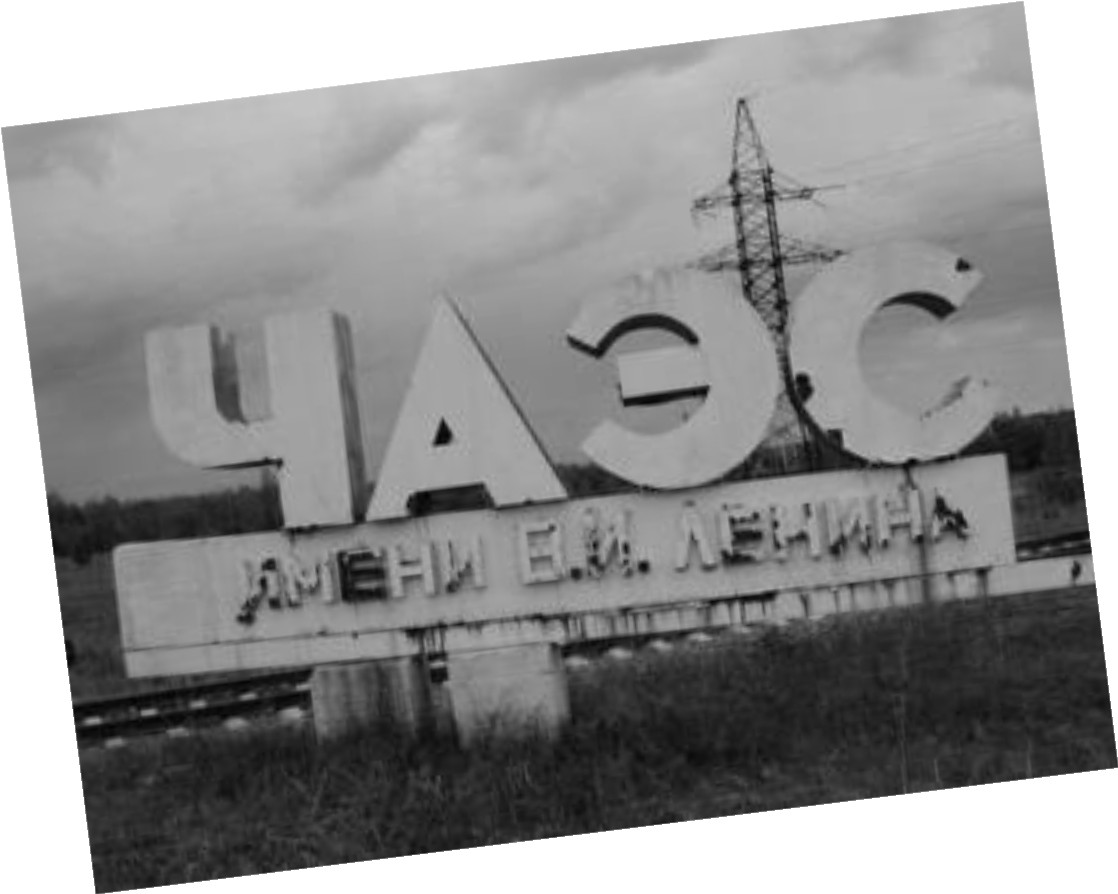
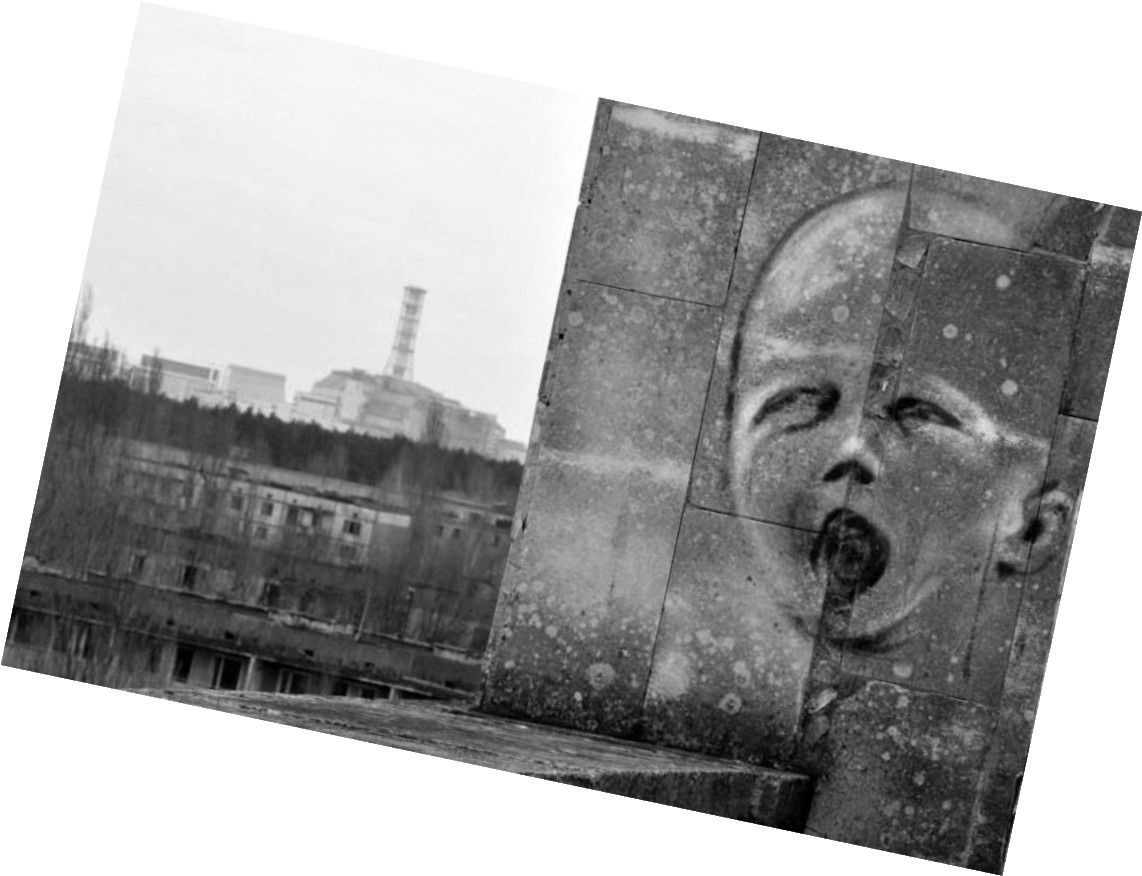
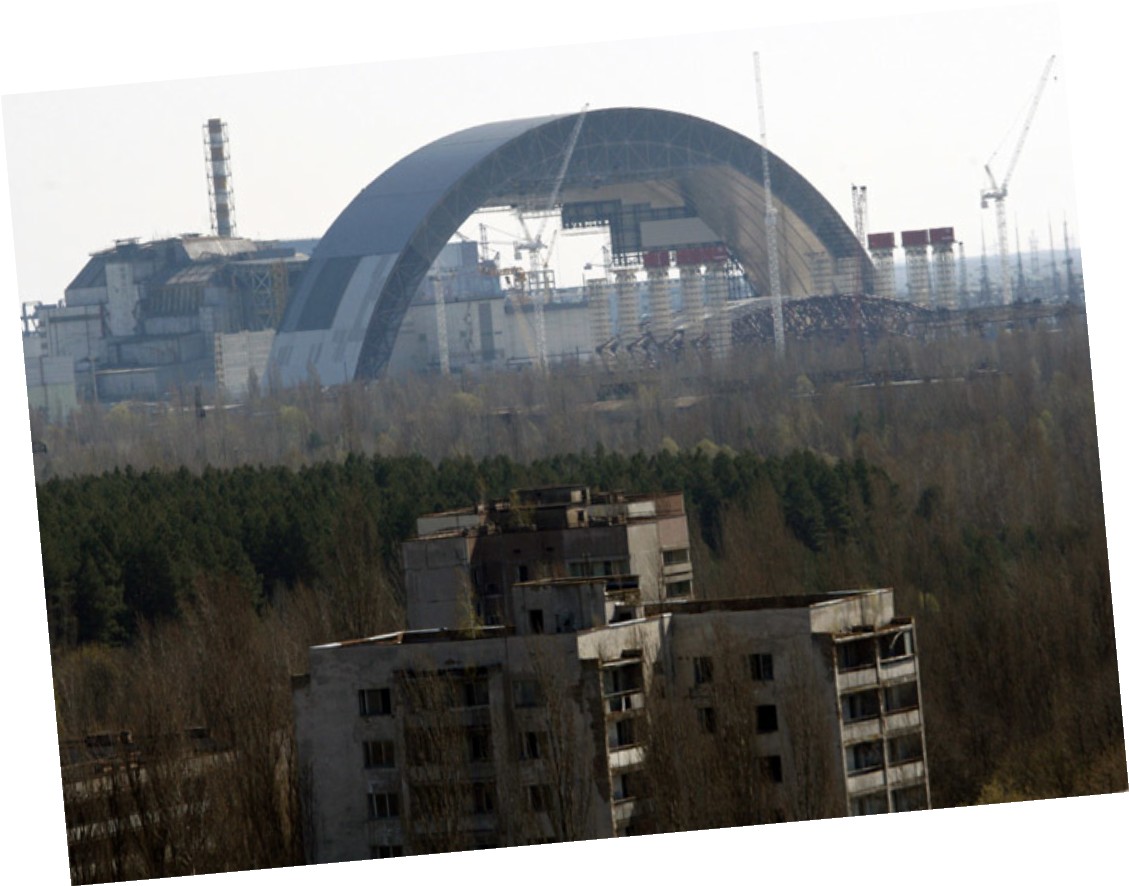
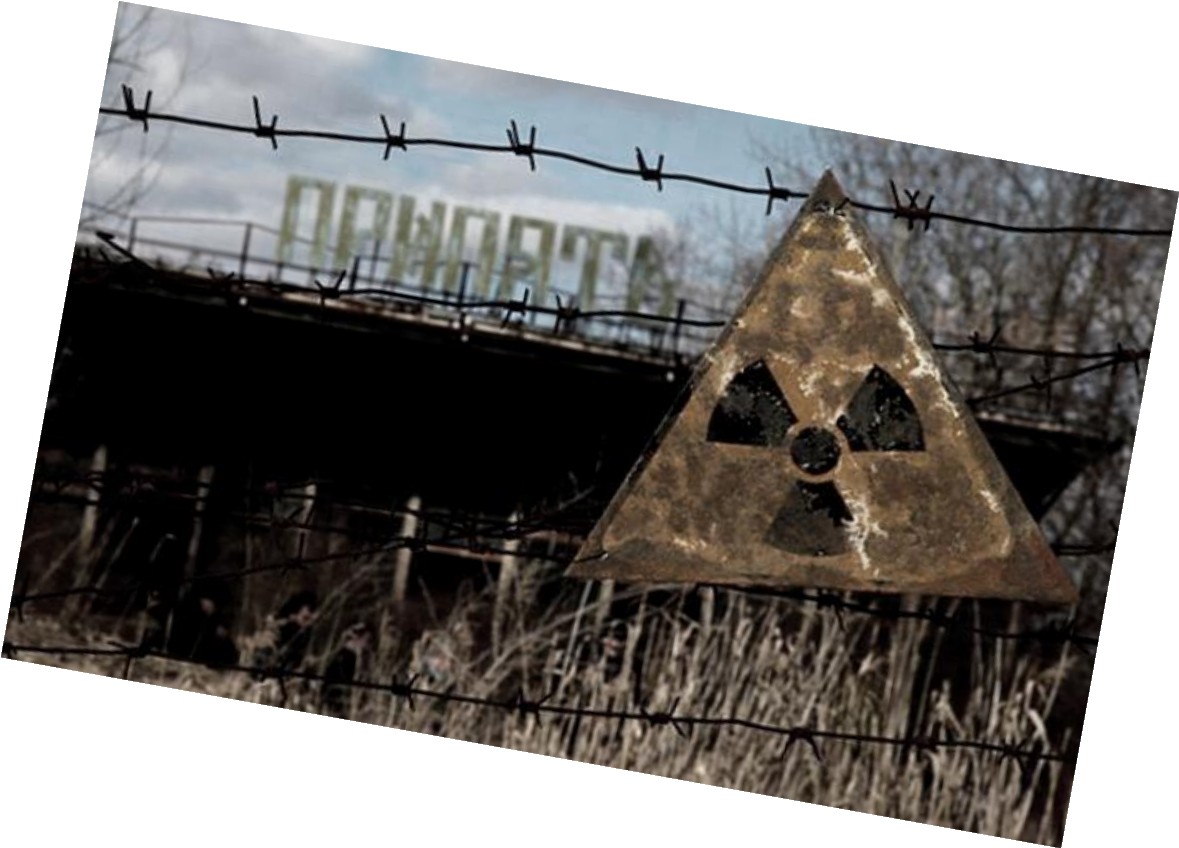
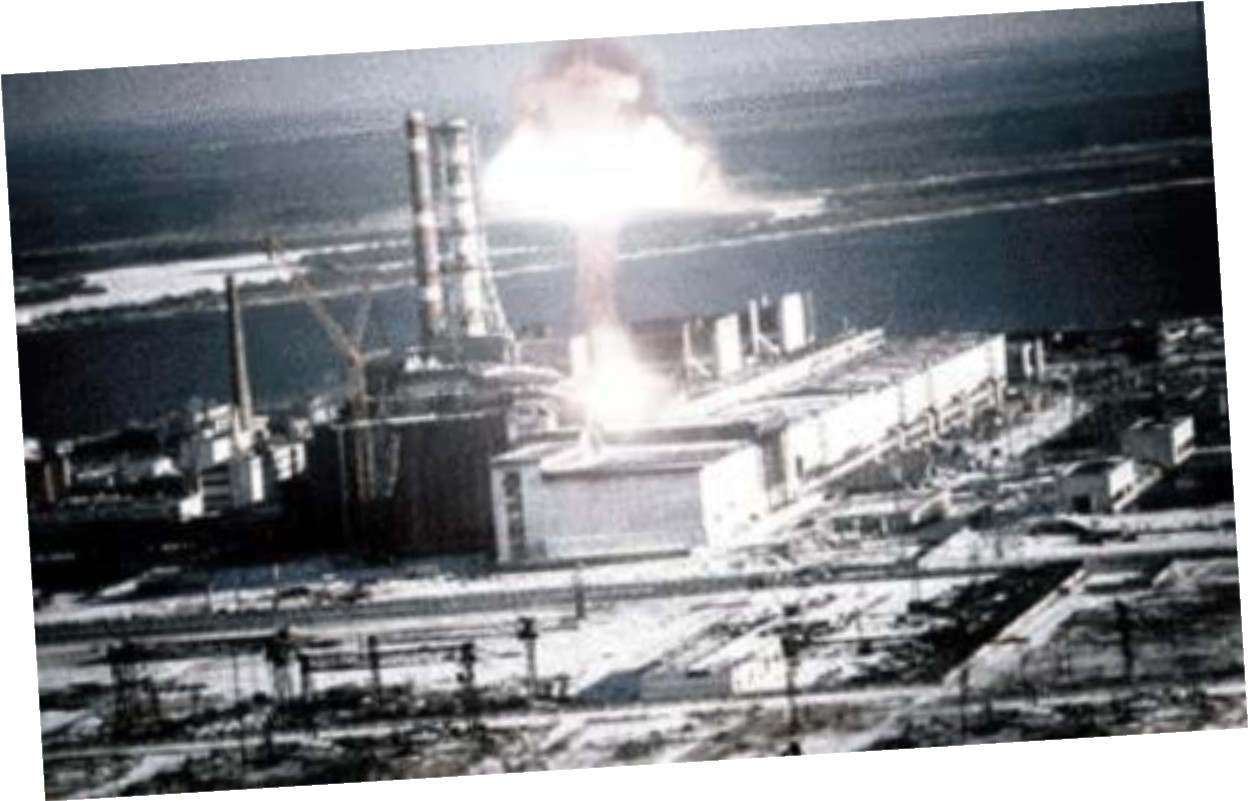
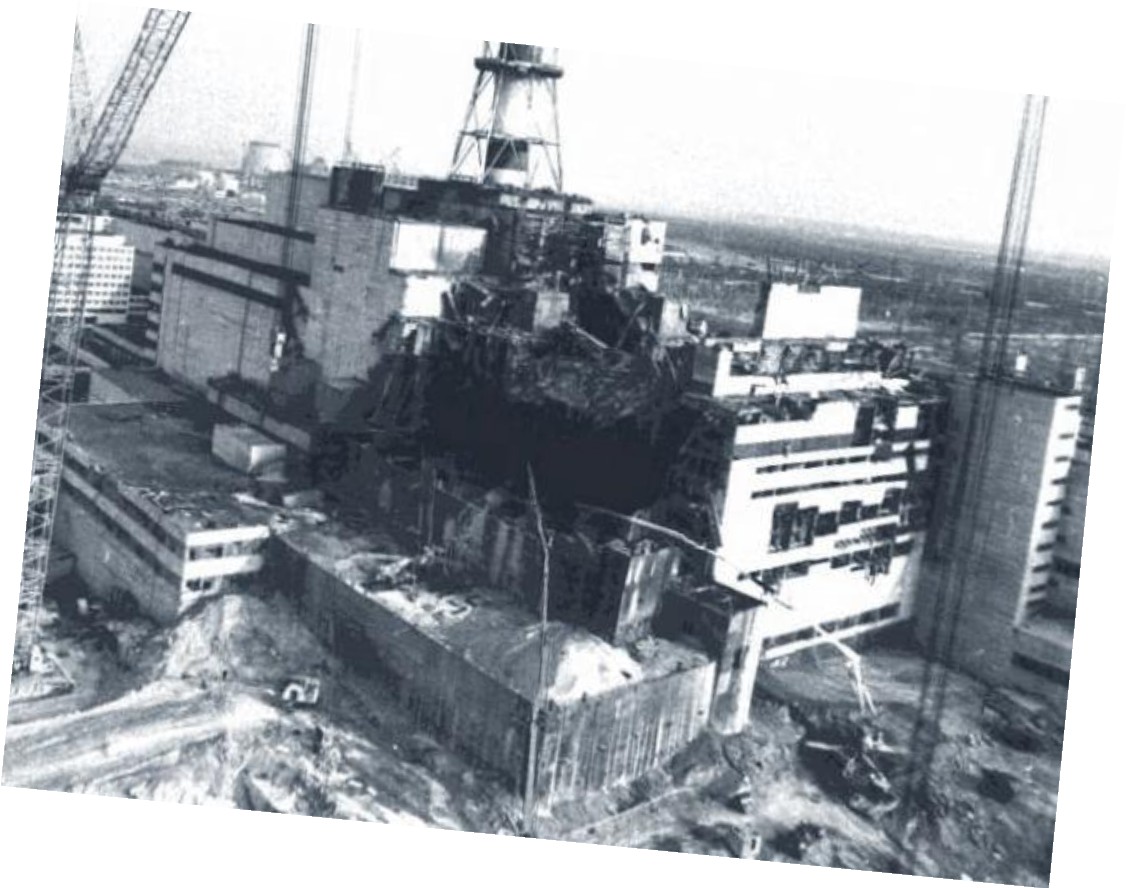
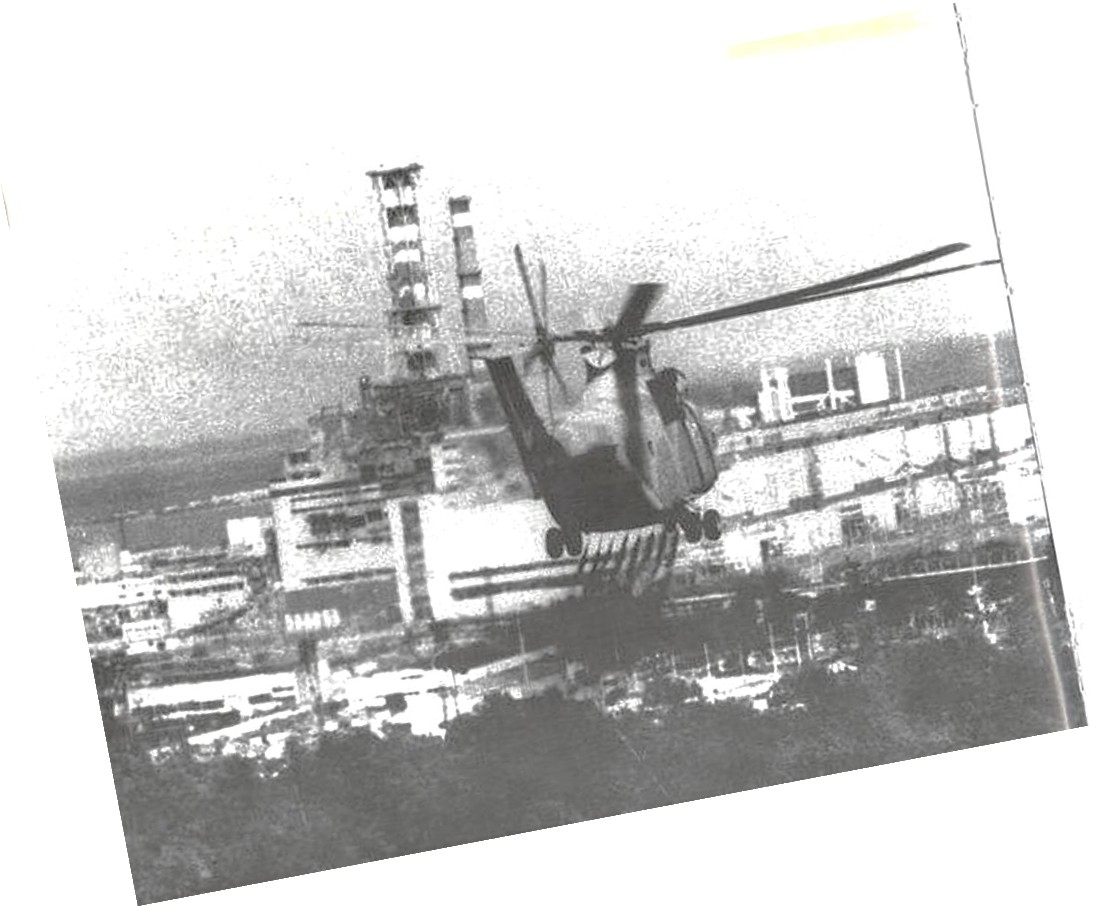
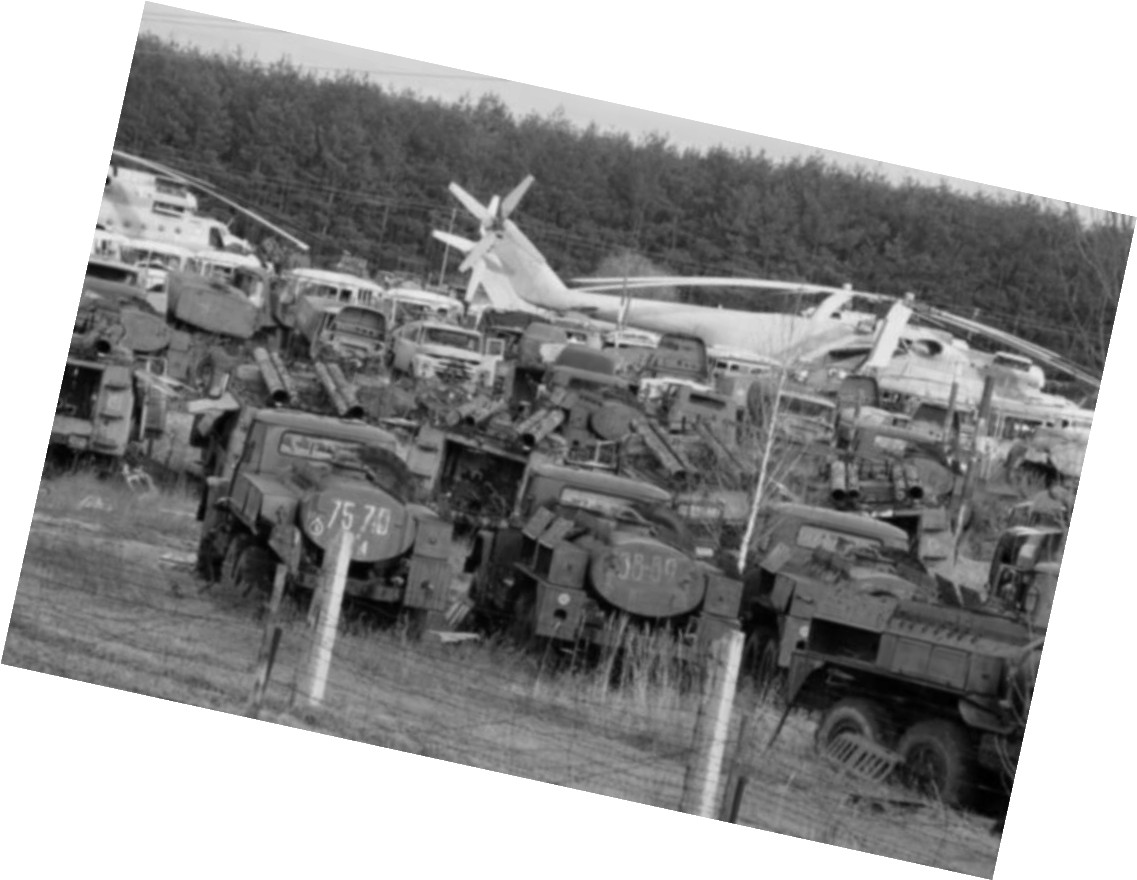
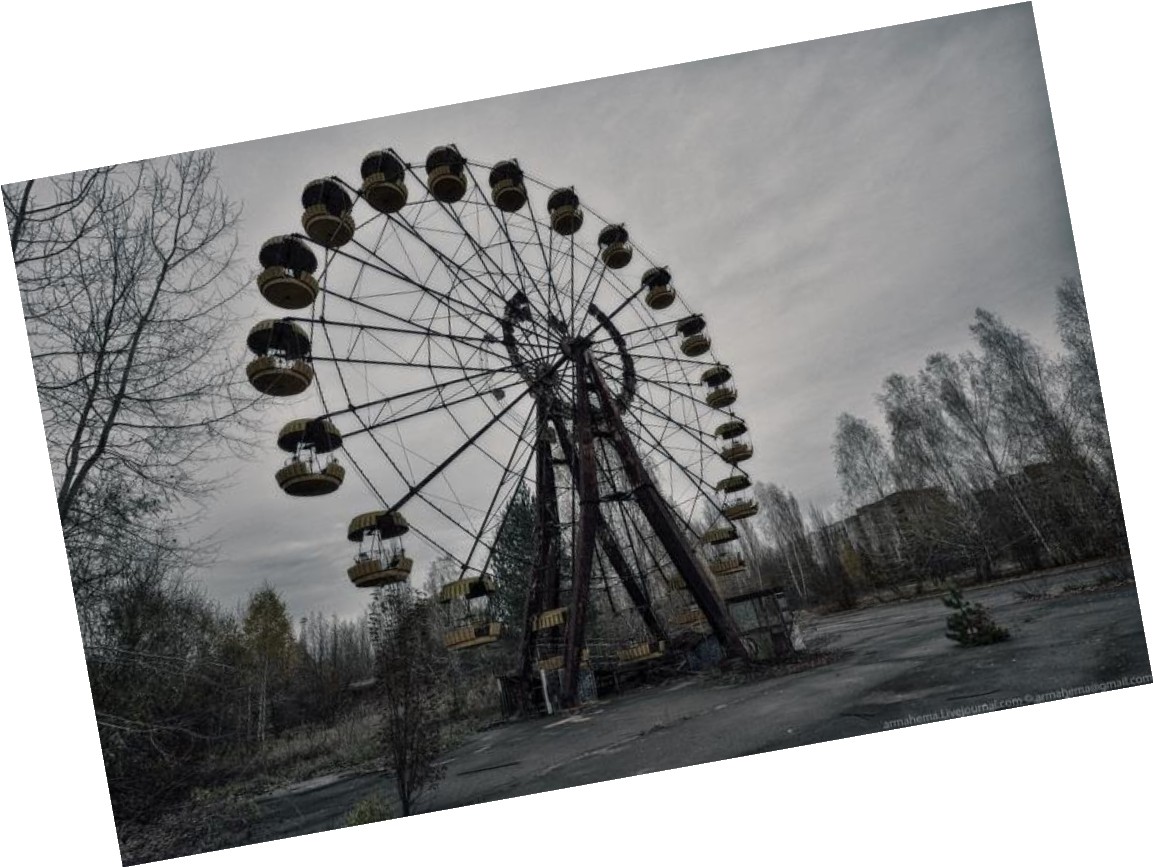
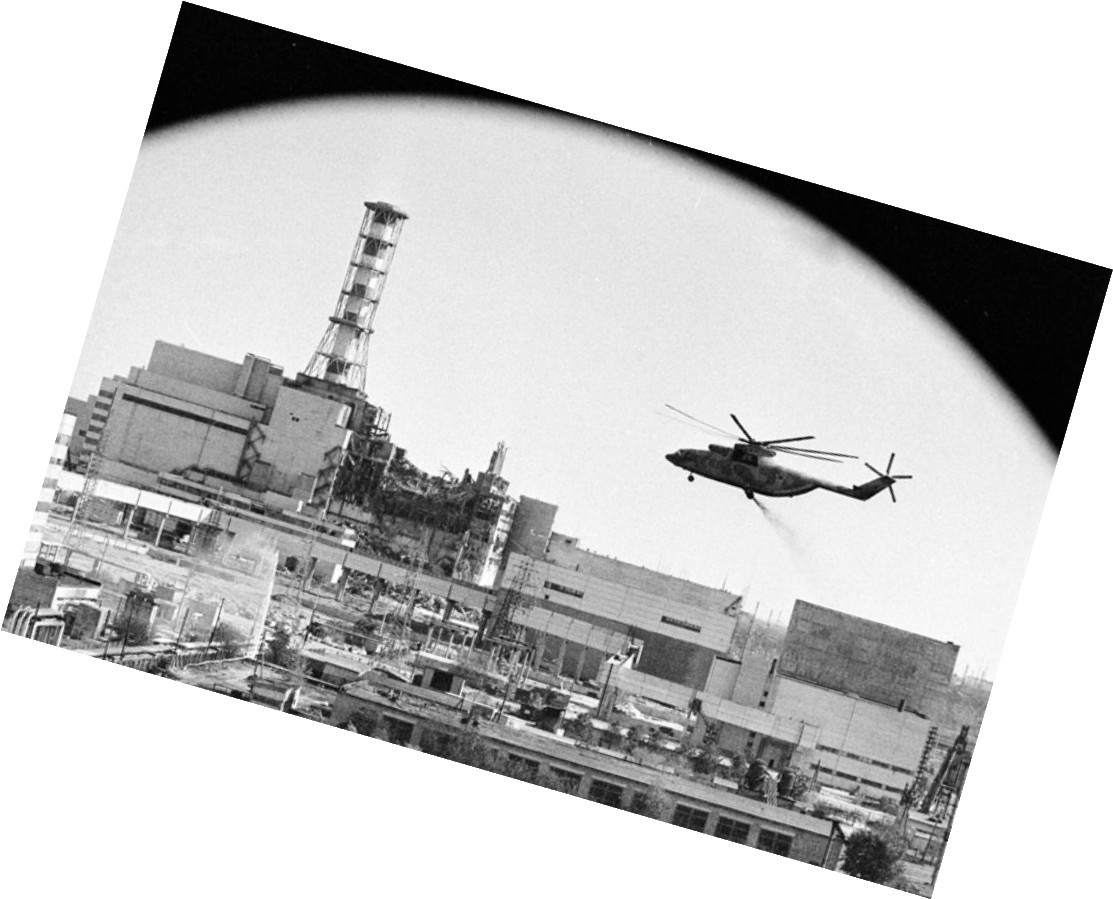
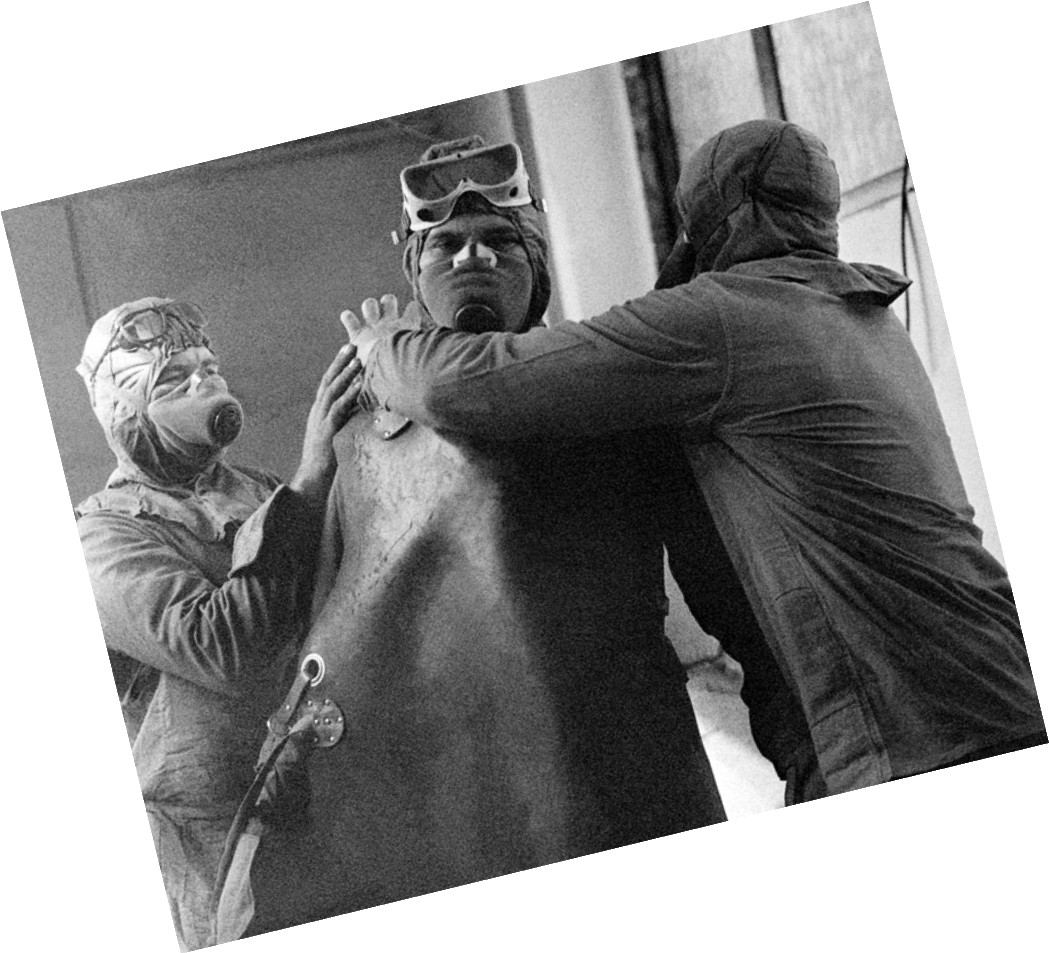
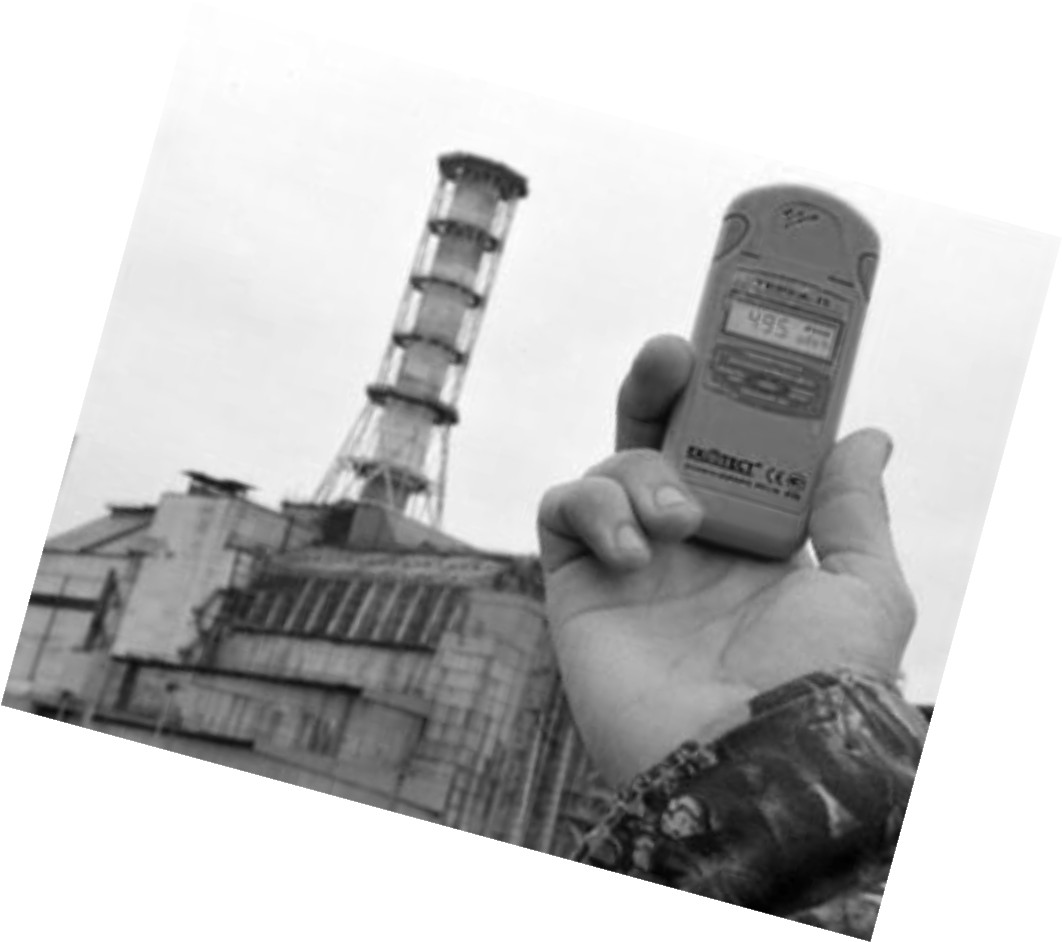
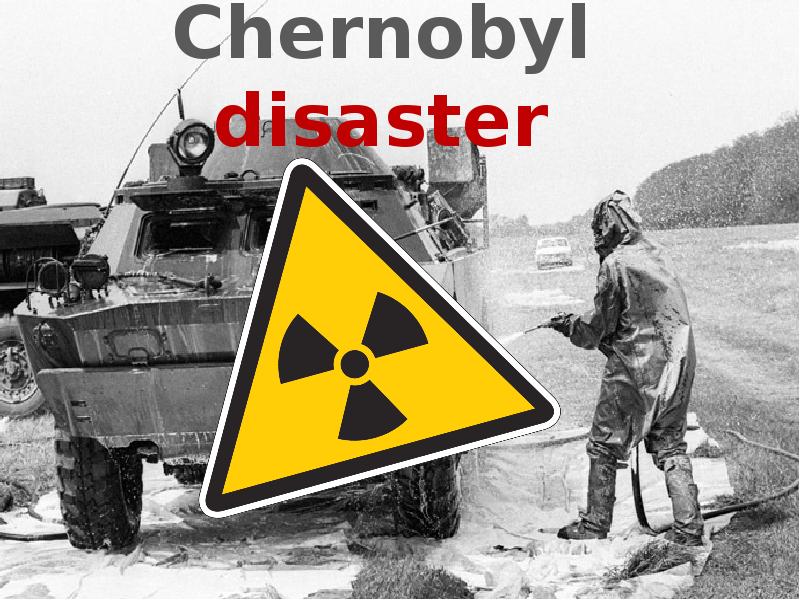
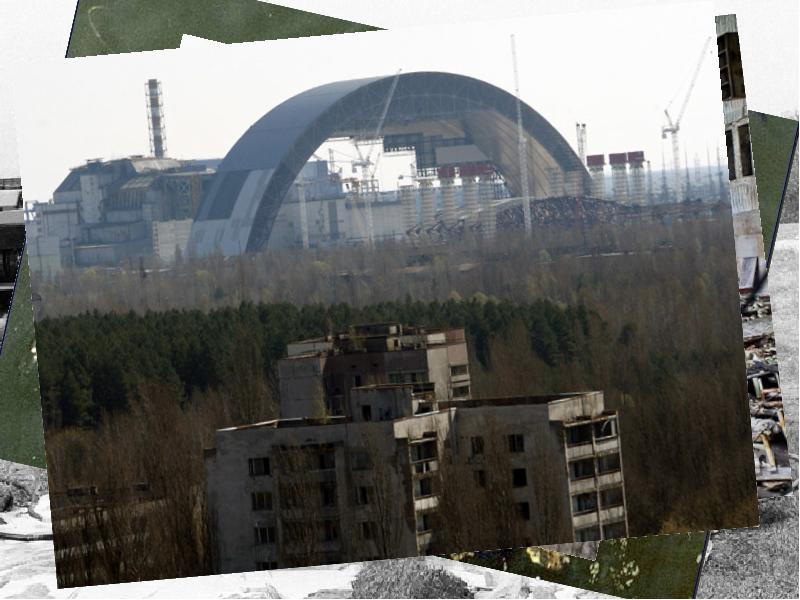
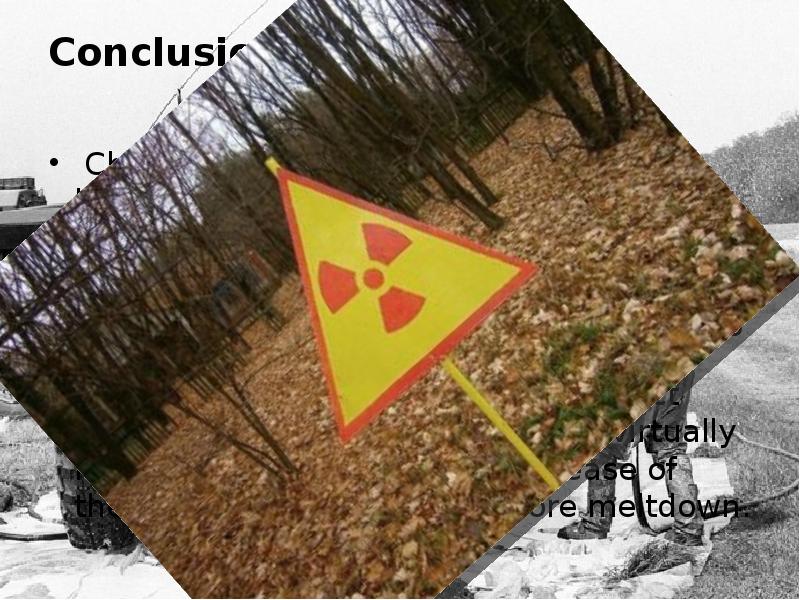
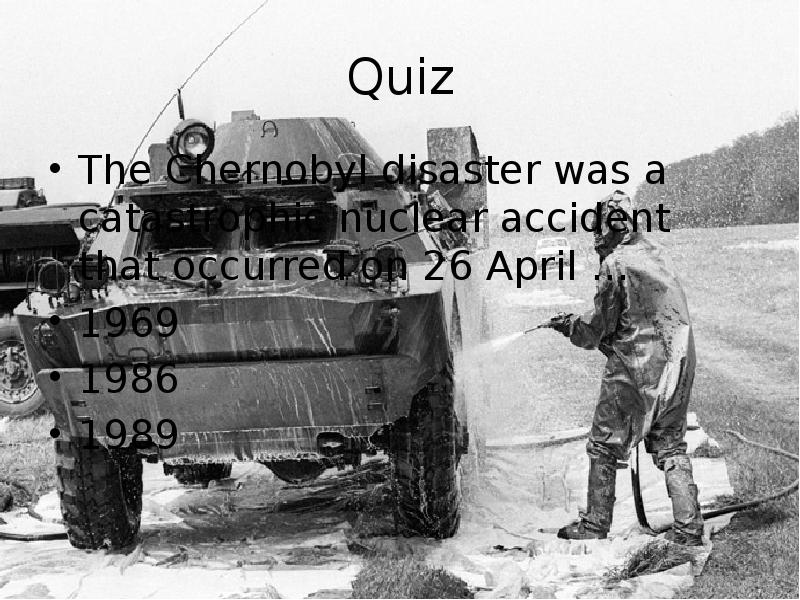
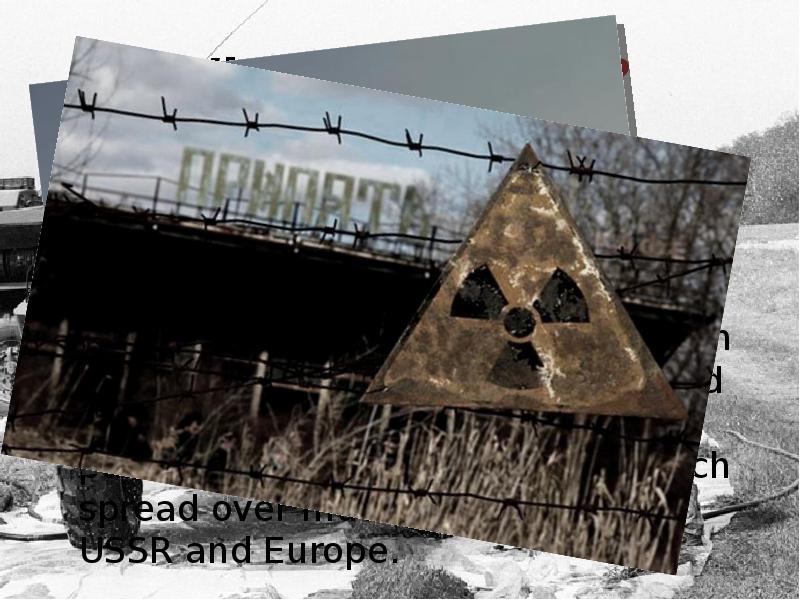
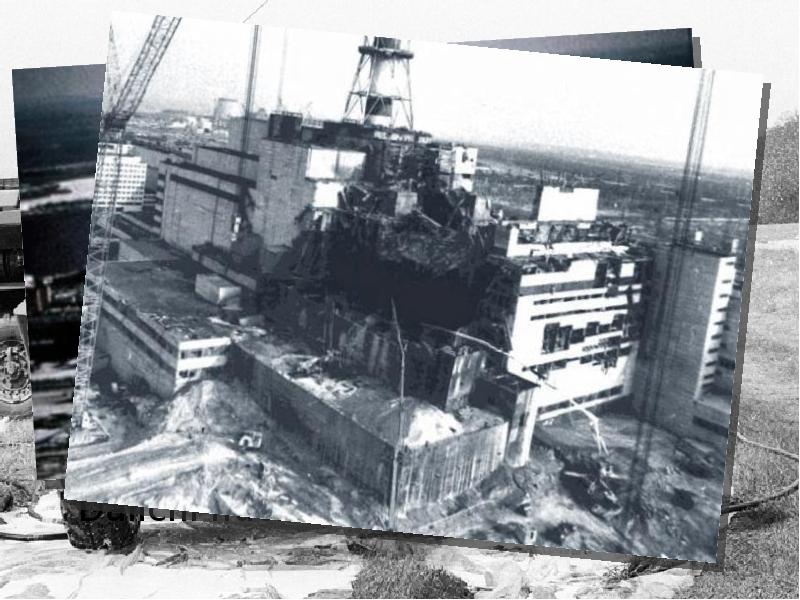
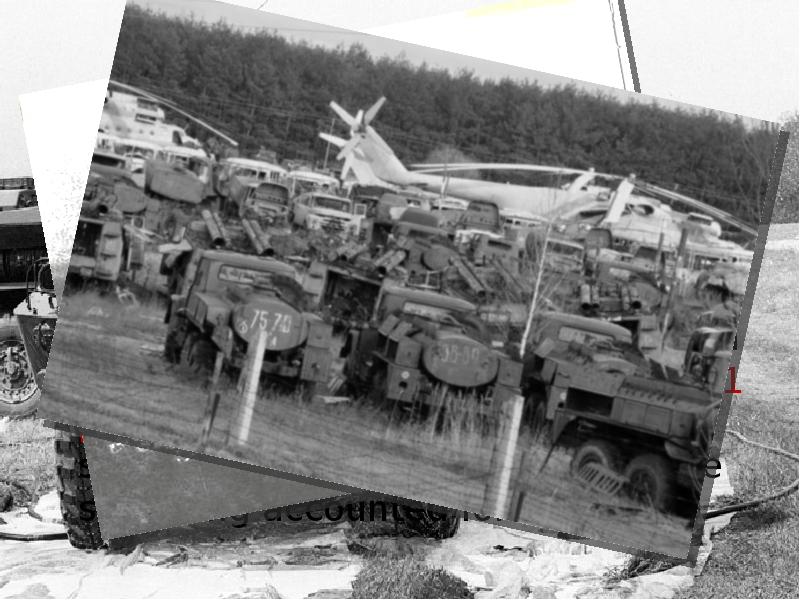
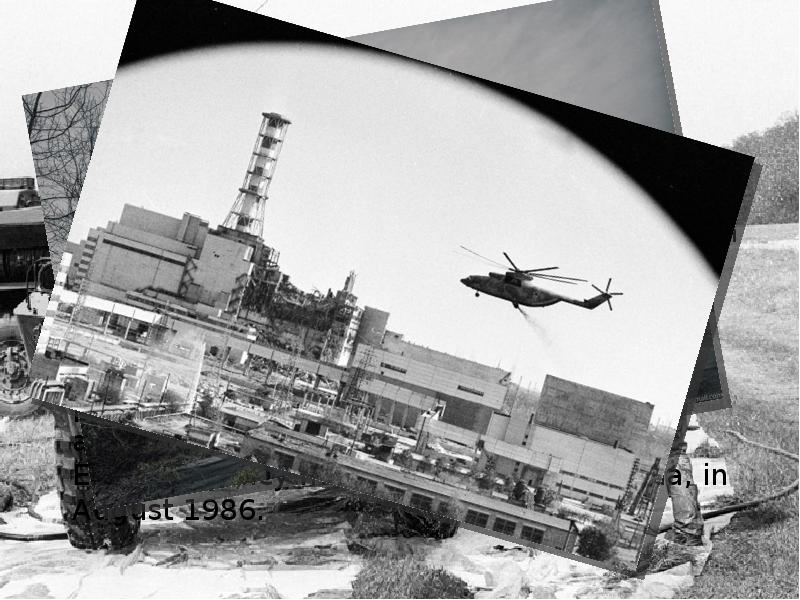
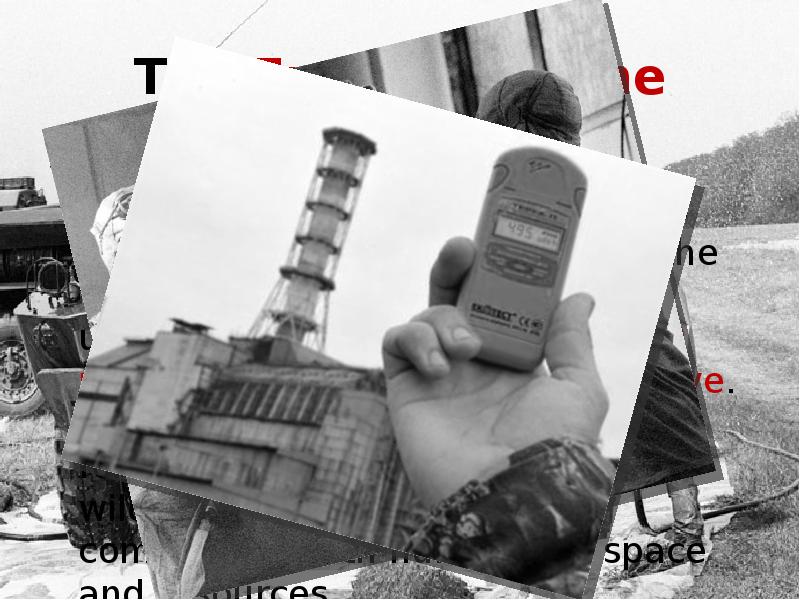
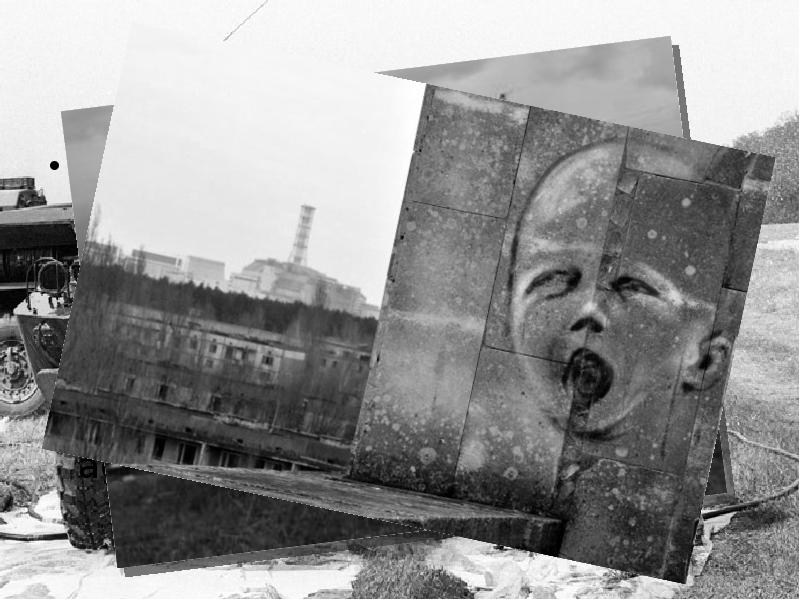
The Chernobyl accident in 1986 was the result of a flawed reactor design that was operated with inadequately trained personnel. The resulting steam explosion and fires released at least 5% of the radioactive reactor core into the atmosphere and downwind. Two Chernobyl plant workers died on the night of the accident, and a further 28 people died within a few weeks as a result of acute radiation poisoning. The April 1986 disaster at the Chernobyl nuclear power plant in the Ukraine was the product of a flawed Soviet reactor design coupled with serious mistakes made by the plant operators. It was a direct consequence of Cold War isolation and the resulting lack of any safety culture. The accident destroyed the Chernobyl 4 reactor, killing 30 operators and firemen within three months and several further deaths later. Acute radiation syndrome was originally diagnosed in 237 people on-site and involved with the clean-up
Tartus secondary school of business Nuclear Power Helena Nulk form 11b Tartu 2009 Table of contents Introduction..........................................................................................................................................3 What is nuclear power?....................................................................................................................3 Nuclear life cycle.............................................................................................................................3 What is nuclear energy?...................................................................................................................3 What is nuclear fusion?....................................................................................................................4 What is nuclear fission?..................................
SISUKORD ENERGY STORY................................................................................................................4 USES OF ENERGY............................................................................................................. 4 2.1 Uses of energy in homes...............................................................................................5 2.2 Types of energy used in homes.................................................................................... 6 2.3 Energy use in different types of homes........................................................................ 6 2.4 Commercial Energy Use...............................................................................................9 2.5 Industrial and Manufacturing Energy Use..................................................................11 2.6 Transportation Energy Use.........................................................................................12 RENE
Dear Sir/Madam, I am writing in the hope that you can help me with a problem regarding a camera that I have bought recently. On 24 April, I purchased a Canon digital SLR camera from a duty-free shop at Freetown Airport on my way from Freetown to Wondercity. The camera cost $599, and I paid for it by credit card. When I arrived at my hotel in Wondercity almost 24 hours later, I discovered that the box which contained the camera did not include the battery, and the space in the box for the charger was empty. I am now in Wondercity, and I am not returning to Freetown, so I need to get the missing parts here. I would be grateful if you could arrange for the parts to be sent to me. I attach a copy of the receipt for your information. I look forward to hearing from you. Yours faithfully, Introduction This report looks at the dietary habits of twenty students in their final year at Freedonian Secondary School. The report is based on the students' responses to the questionnaire
ELEKTROENERGEETIKA INSTITUUT Referaat Taastvad Energiaallikad Esitamise tähtaeg 14.04.2009 Õppejõud: Hannes Agabus Tudeng: Sergei Belosapko Nikita Naumov Tallinn 2009 Contents: 1. Renewable energy 1.1. Costs................................................................................................................... 2 1.2. Potential future utilization..............................................................................4 1.3. Why Don't We Use More Renewable Energy? ...........................................5 2. Energy Types 2.1. Wind Energy.......................................................................................................6 2.1.1. Annual Generation........................................................................................7 2.1.2. Growth and cost trends.........................
Problems 1 Underline the most suitable word or phrase. a) Many people were injured when the building demolished/collapsed. b) The ship radioed to say that it was in difficulties/dangers. c) The government has announced plans to help the poor/poverty. d) There was a large demonstration/manifestation against nuclear power in Manchester yesterday. e) Everyone agrees that the environment/nature must be protected. f) There has been another increase/rising in the level of crime. g) There are few jobs here and many people are away from work/unemployed. h) The train was in a/an accident/collision with a bus on a level crossing. i) The driver of the bus admitted that he had done/made an error. j) No ships are sailing today because of the high/storm winds. 2 Complete each sentence with a word from the box. Use each word once only. disaster emergency hooliganism living disease injuries ru
something different and therefore the breach of the obligations is legal. One exception: jus cogens norms (no state cannot derogate from them). Self-defence use of force and threatening is prohibited, the only exceptions are self-defence and the decision of the Security Council of the UN (if there's threat to peace) Force Majeure "acts of God", acts in nature no state, no human beings have control over, major natural disaster etc. it can be used as defence/excuse in certain limitations: 1) only when the force majeure influences the situation, 2) if direct consequences prevent acting out the obligations, 3) can be used only regarding those obligations which are directly affected by force majeure. Distress and necessity 2 criteria should be followed here: 1) by your action you should prevent more serious harm which you caused by your violation, 2) there shouldn't any other
TRADERUN MOODUL TRADERUN MODULE BUSINESS PECULIARITIES IN THE EU, RUSSIA AND EASTERN PARTNERSHIP COUNTRIES ÄRI ERIPÄRAD EUROOPA LIIDUS, VENEMAAL JA IDAPARTNERLUSRIIKIDES Lecturers: Ryhor Nizhnikau (responsible) Giorgi Gaganidze, Sergei Proskura, Andres Assor P2EC.00.202 (UT code), RIE 7044 (TLU code) Reading materials: Business peculiarities in Ukraine and Belarus Lugemismatejal: Äri eripärad Ukrainas ja Valgenenes Created by Andres Assor Tartu 2013 TABLE OF CONTENTS INTRODUCTION ................................................................................................................... 4 1. UKRAINE ...................................................................................................................... 5 1.1. General information .......
 annaabi.ee








Kõik kommentaarid