Organic Future: The Case of Organic Farming by Adrian Myer Words: 1. Horticulture (aiandus)- the cultivation of a garden, orchard, or nursery; the cultivation offlowers, fruits, vegetables, or ornamental plants. 2. Caveat (hoiatus)- a warning or caution; admonition 3. Husbandry (põllundus)- the cultivation and production of edible crops or of animals for food; agriculture; farming. 4. Yield (tootma)- to give forth or produce by a natural process or in return for cultivation 5. Intuitive (vaistlik)- perceived by, resulting from, or involving intuition 6. Cognition (tunnetus)- the act or process of knowing; perception 7. Silt (setted)- earthy matter, fine sand, or the like carried by moving or running water and deposited as a sediment. 8. Unequivocally (ühemõtteliselt)- in a way that is clear and unambiguous 9. Fungi (seened)- a taxonomic kingdom, or in some classification schemes a division of
Margit Tepner k0848752 Figure 5. Global biofuel production tripled between 2000 and 2007 (IEA, 2009). 3.1. Maize Maize is the primary feedstock for bioethanol in the USA, where demand for ethanol has increased the total demand for maize. Biofuels' feedstock production has shifted the land area away from maize for food and animal feed production. On the other hand, as maize is more profitable to grow due to biofuels, some farmers have shifted their cultivation from rice and wheat cultivation to maize. As a result, the prices of all staple crops, such as rice, wheat and maize have been affected (Rosegrant, 2008). Corn is one of the most widely used food staples in the world. In 2005, the US produced 42% of the world's corn and it is has a variety of uses. About 50% of the field corn grown in the USA is used for animal feed, but smaller volumes, i.e. 10% is used for direct human consumption in corn based meals. Corn is also important in providing cooking oil and margarine in the USA
viridis, M. •Mentha citrata – bergamot mint, cordifolia) – spearmint, curly mint (a orange mint cultivar of spearmint) •Mentha crispata – wrinkled-leaf mint •Mentha suaveolens – apple mint, •Mentha dahurica – Dahurian thyme pineapple mint (a variegated cultivar •Mentha diemenica – slender mint of apple mint) •Mentha vagans – gray mint Cultivation • The most common and popular mints for commercial cultivation are peppermint (Mentha × piperita), native spearmint (Mentha spicata), Scotch spearmint (Mentha x gracilis), and cornmint (Mentha arvensis); also (more recently) apple mint (Mentha suaveolens). • Mints are supposed to make good companion plants, repelling pesty insects and attracting beneficial ones. They are susceptible to whitefly and aphids. Different uses for mint
• I have grown basil • Member of mint family • Belongs to the genus ocimum • The genus includes over sixty species of annuals Chemistry • Essential oils in the plant • Most basils contain methyl chavicol, eugenol and linalool • Methyl chavicol provides a sweet flavor Nutrition • Low in calories • No fat • Source of vitamin A • Also contains Calcium and smaller amounts of other vitamins Cultivation indoors • Growing indoors is challenging • Basil needs alot of water • As a tropical plant, basil requires plenty of heat and light • Good soil is sphagnum, perlite and wood chip mix • Cool white or warm white fluorescent tubes on a timer work best from light • Whatever type of container you choose, be sure it has plenty of drainage holes. Cultivation outdoors • Sowing seeds “close together” • Wait until the soil is warm enough • pH should be about 6
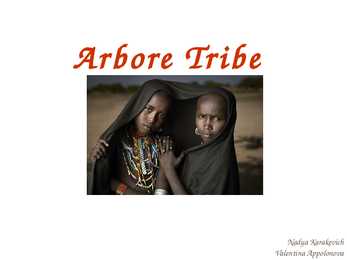
of Murale and Egude. These villages are autonomous social units. Each has a religious chief (kawot), a political chief (kernet) and a group of elders (jalaab). Arbore Gerda (elders) lifestyle Although the Arbore have well developed technology and knowledge for herding cattle, they depend on plant cultivation for most of their food. The Arbore provide cereal grains for neighboring groups through bond partnerships. The crops grown by the Arbore are sorghum, maize,cow pea, green, gourd and pumpkin.
Forests of this type can be found in Southeast Asia, West and East Africa, eastern Brazil and northern Australia. These forests go through two extreme seasons; the season of heavy rainfall and a long season of complete dryness. Trees of these forests include woody vines, orchid and many others like. Human uses of monsoon/seasonal forests: o Habitation Some people live in those areas (for example in India). o Cultivation A lot of territories of those forests have been cleared in order to cultivate crops there. It is a serious threat to those forests. Plantations Plantation can also be classified as type of forest. Plantation is actually a large farm, piece of land or estate that is use for cultivation. Plantation is usually adopted in tropical and subtropical regions. In these farms and lands cultivation of different crops is done on a large scale
• Reduces crop quality and health – increases moisture and disease levels • Delay harvesting – conservation of moisture may delay ripening Beneficial effects of weeds • Valuable indicators • Help against erosion • Many weeds are used as herbs for flavouring • Some weeds are used for their medical properties Seed bank • The reservoir of viable seeds found in the soil or at its surface • Depends on the intensivity, soil type, previous cropping, cultivation and herbicide use • 1000 seeds/m2 in pastures or intensively managed arable fields • 80000 seeds/m2 in less intensively managed fields Different ways to deal with weeds • Herbicide • Non-chemical • Integrated weed management • Biological control of weeds Herbicides • ‘’Weedkiller’’ • Pesticides used to kill unwanted plants • Selective herbicides kill specific targets while leaving the desired crop unharmed
America • Large areas of tropical forests and other ecosystems with high conservation values have been cleared to make room for vast monoculture of oil palm plantations. This clearing has destroyed critical habitat for many endangered species—including rhinos, elephants, tigers and orang-utans – the biggest victims • Burning forests to make room for the crop is a major source of greenhouse gas emissions. Intensive cultivation methods result in soil pollution and erosion and water contamination Impact on inhabitants • Oil palm plantations are a threat to people living in rainforests, destroying their livelihoods and culture • Small farmers and indigenous people are being forced off their ancestral land • The palm oil industry is linked to major human rights violations, including child labour in remote areas of Indonesia and Malaysia. Children are made to carry
• Omapärane ja kindlasti edasiarenev vili. • Palju häid omadusi. • Raskelt ära tuntav tavainimesele. • Saime teada uusi fakte. • Arendame oma selgitusoskusi. 7 Kasutatud materjal • http://agrt.emu.ee/pdf/2005_2_alaru.pdf (12.09.2015) • http://www.pikk.ee/valdkonnad/taimekasvatus/teraviljakasvatus /taliteraviljad/talitritikale#.VfRb9JcqCEc (12.09.2015) • http://www.camli.com.tr/en/monthly-file/triticale-cultivation (12.09.2015) • http://agroinfotel.net/tritikale-kvalitet-zrna-dobro-podnosi-susu / (12.09.2015) 8 Täname tähelepanu eest ! 9
Increase in the production of sugar 15th sugar production increased At the end of the century, when explorers led to the cane further south. For example, the Portuguese navigator prince Henrique brought sugar cane from Sicily Hotel. Originally allocated to sugar cane juice by hand pressing. Later used as animal powered mills, and finally began to squeeze the juice veejõu assistance. And sugar-growing colonies Columbus discovered his trips to the Caribbean climate is ideal for sugar cane cultivation. He had learned the cultivation of sugar cane in Madeira and the way to America and the West Indian sugar islands, where it is planted and grown in large farms. Raw sugar was served back in Europe, where it is refined and sold. After the production of sugar began to increase in sugar trading and the broader upper classes it was no longer a privilege. In most European countries was 17 century in different parts of the world's colonies, the
years old trout farm using spring water. Its main task is production of salmon juveniles for stocking into the rivers, flowing into the Gulf of Finland. Salmon is endangered and rare species in Estonia due to loss of of spawning sites after dam construction on the rivers and also because of overfishing. The production capacity is 100 000 2-year old or 75 000 1- year old salmon. 1997-1999 370 th. salmon juveniles have been released. Being the newest and the best equipped fish cultivation unit in Estonia Põlula Center serves also as a base for education and research. Research and education in fish farming is carried out in Department of Fish Farming of Estonian Agricultural University, Tartu. The staff consists of four scientists and four assistants. Until 1990s the main task of it has been to develop suitable for Estonia technology of carp farming. Nowadays the fields of studies are molecular genetics of salmonid fish,
· The colours of the Italian flag represent three virtues: hope (green), faith (white), and charity (red). · Parmesan cheese originated in the area around Parma, Italy. Italians also created many other cheeses, including gorgonzola, mozzarella, provolone, and ricotta. No one knows when the pizza was invented, but the people of Naples made it populaar. · Most of Italy's natural flora and fauna has disappeared due to centuries of cultivation. Most of its natural wildlife has also disappeared due to over-hunting · No other country in Europe has as many volcanoes as Italy. This is because the Italian peninsula stands on a fault line. Three major volcanoes (Etna, Stromboli, and Vesuvius) have erupted in the last hundred years · The world's first operas were composed in Italy at the end of the sixteenth century. HOLLAND/ Neatherland
Stemless herbaceous perennial plant. Native to eastern North America. Self-seeding freely. In gardens can become a weed. FACTS Give out cleistogamous flowers (insect pollinated flowers). Blue Violet mature plant may be 6 inches across and 4 inches high. Leaves are 3 inches long and 3 inches across and vary in color (from yellowish green to dark green). Leaves are oval-ovate to orbicular-cordate in shape. https:// www.youtube.com/wat ch?v=hGz_mjsbywE CULTIVATION Thepreference is partial sun or light shade, and moist to average conditions, although full sun is tolerated if there is sufficient moisture. The soil should be a rich silty loam or clay loam with above average amounts of organic matter. The leaves have a tendency to turn yellowish green when exposed to full sun under dry conditions – this reaction is normal, and is not necessarily a sign of poor health. This
Iraan, ja Süüria) • 4.6 miljonit hektarit on maailmas läätse all http://www.todayscience.org/AS/article/as.v1i1p55.pdf Kahjurid ja haigused Kokkuvõte • Lääts on väga vana kultuur • Kõige rohkem kasvatatakse läätsi Kanadas, Indias ja Türgis • Kõrge toiteväärtusega kultuur Kasutatud kirjandus 1. http://herba.folklore.ee/?menu=taime&botid=201 (26.02.17) 2. Cokkizgin, A., Shtaya, M. J. Y.. Lentil: Origin, Cultivation Techniques, Utilization and Advances in Transformation. – Agricultural Science. Vol 1, Issue 1 (2013), 55-6. http://www.todayscience.org/AS/article/as.v1i1p55.pdf 3. Ratt, A., Reitan, V. (1969). Kultuurtaimede ja umbrohtude seemned. Valgus: Tallinn 4. Kokassaar, U. (2012) Väiksed toitvad litrikesed – läätsed. – Maaleht. http://maakodu.delfi.ee/news/maakodu/aed/vaiksed-toitvad-litrikesed-laatsed?id=65191940 (26.02.17) 5. Tölp, S. (2011). Lääts (taim)
Over the course of thousands of years, American indigenous peoples domesticated, bred and cultivated a large array of plant species. These species now constitute 5060% of all crops in cultivation worldwide. The Inuit (Eskimos) and some Indian tribes of the far north relied almost entirely on hunting and fishing to survive. Some Native Americans were primarily big game hunters, migrating frequently to follow herds of bison or caribou.
temple in Jerusalem. Mendaña then named the islands after King Solomon--Solomon Islands. Papuan-speaking hunter-gatherers from New Guinea were settling the southern and eastern Solomon Islands by 25, 000 BC. They were the only inhabitants for thousands of years, until Austronesian-speaking proto-Melanesians began moving in around 4000 BC. Most people lived in small villages on tribal lands, practicing shifting cultivation, fishing, hunting, carving, weaving and canoe building. They worshipped ancestors. They were also head-hunters and cannibalism was common. Demography The population of the Solomon Islands is estimated to be approximately 450,000. It is comprised predominantly of Melanesians with the rest of the population consisting of Polynesians, Micronesians, and small pockets of Chinese and Europeans. The annual growth rate is around 3.5 percent. Most of the population (85 percent) live in villages
South Island has the high snow covered mountain peaks and glaciers of the Southern Alps, a range running almost 500Km along the Island. The longest river is the Waikato on North Island (425 Km), the largest inland stretch of water is Lake Taupo also on North Island (607 sq Km) and the highest point is Mount Cook on South Island (3754 m). Over 75% of New Zealand is above 200m. Land use is broken down to about: forested 30% - meadows and pastures 50% - agricultural and under permanent cultivation 15% . Sheep and cattle graze on the rich farmland around Hamilton and New Plymouth in North Island and around Dunedin and Invercargill on South Island. It lies just west of the International Date Line and is among the first into the new millennium. People : New Zealand has a population of around 3.65 million. People from a wide range of European countries have arrived since Captain James Cook to make up 75% of the population while Maori make up about 10%
tulemusena. Ökoloogiline jalajälg (ecological footprint) – Kujundlik nimetus arvestuse kohta, mis mõõdab inimtegevuse ökoloogilist mõju inimese kasutuses oleva ökoloogilise varu ühikutes. Riigi või mõne muu üksuse (nt, ühe inimese) toidu-, materjali –ja energiavajaduse rahuldamiseks vajaliku bioloogiliselt tootliku ala suurus, mis suudab neid loodusvarasid taastoota ja heitmeid ohutuks muuta. Rändpõllundus (shifting cultivation) – Algeline põllunduse vorm, mille puhul põldude rajamiseks raadatakse metsa ja põletatakse alet ning mullaviljakuse langedes jäetakse põllud maha ja rännatakse uuele alale. Geenitriiv (genetic drift) – Alleelide sageduse juhuslikud muutused (sh. nende kadumine) populatsiooni uutes põlvkondades, mis tulenevad sellest, et paljunemisel antakse edasi juhuslik valik alleele. Geenitriiv mõjutab eelkõige neutraalsete või nõrga valikusurve all
Kultuursed ühiskonnad = haritud ühiskonnad. 18. saj keskel tuli kasutusele teine sõna – tsivilisatsioon. Esialgu olid need sõnad sünonüümid, nüüd konfliktipaar. Barbaarsus – tehnoloogiline mahajäämus. Romantismi suunalt tuli konflikt kultuuri ja tsivil. mõiste vahel – kultuur hakkas tähendama vaimset maailma; tsivil. materiaalset. Massikultuur tähendab seda, et kultuur pole vaimne substants, aga on mõõdetav. COLERIDGE def. vahe – civilization - cultivation Ei olnud ainult tegemist erinevate sfääride vahel, cultivation pidi toimuma civilizationi kiuste. Eliit – clerisy. HERDER – kelle käsitluse järgi kultuur ei saanud olla midagi universaalset. Juba mõte ülimuslikust Euroopa kultuurist kui tipust on looduse solvamine. pärispatt? Tsivilisatsioon hõlmas üha enam tehnoloogilist arengut/industriaalset maailma – muutus mehaaniliseks. Rahvusliku romantismi probleem – tsivil. oli miski, mis rikkus inimese.
42% was natural. Since bulk of the rubber produced is the synthetic variety which is derived from petroleum, the price of even natural rubber is determined to a very large extent by the prevailing global price of crude oil. Today Asia is the main source of natural rubber, accounting for around 94% of output in 2005. The three largest producing countries (Indonesia, Malaysia and Thailand) together account for around 72% of all natural rubber production. [edit] Cultivation A tree woman in Sri Lanka in the process of harvesting rubber. Rubber latex is extracted from Rubber trees. The economic life period of rubber trees in plantations is around 32 years 7 years of immature phase and about 25 years of productive phase. Kasutamine: · Autorehvid, · veekindlad riided ja jalanõud, · kummikindad, · elektrijuhtmete isolatsioon, · kustutuskummi.
Qualified work force at affordable price Easy access to the markets Networks of technical universities and colleges Available physical infrastructure Successful examples: www.investbg.government.bg FOOD & BEVERAGE The Sector: More than 666 000 people work in The Sector 5% of GDP was generated by The Sector 5 300 annual wages per Employee Advantages: Unique natural conditions for the cultivation of a wide variety of crops, fruits, and vegetables 49% of the country's territory is farming land A well-established infrastructure available Highly qualified and affordable human resources Strategically located to provide routes to Europe, Russia, CIS, the Middle East, and North Africa Successful examples: www.investbg.government.bg CRITERIA FOR CERTIFICATION THE CRITERIA DEPENDS ON:
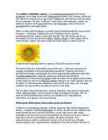
As the bud stage ends, the stem(tüvi) stiffens(kangestuma, jäigastuma) and the blooming stage is reached. Sunflowers in the blooming stage are not heliotropic anymore. The stem has frozen, typically in an eastward orientation. The stem and leaves lose their green color. The wild sunflower typically does not turn toward the sun; its flowering heads may face many directions when mature. However, the leaves typically exhibit some heliotropism. Cultivation and uses A sunflower farm near Mysore, India. Sunflower heads solds as snacks in China. Sunflowers are native(pärit) to the Americas. The earliest known examples of a fully domesticated sunflower were found at the Olmec site of San Andrés dating some time before 2500 B.C.[1] The Incas used the sunflower as an image of their sun god. Gold images of the flower, as well as seeds, were taken back to Europe early in the 16th century.
million head of cattle and Alberta beef has a healthy worldwide market. Nearly one half of all Canadian beef is produced in Alberta. Alberta is one of the prime producers of plains buffalo (bison) for the consumer market. Sheep for wool and mutton are also raised. Wheat is primary farm crop, with Alberta leading the provinces in spring wheat production; other grains are also prominent. Much of the farming is dryland farming, often with fallow seasons interspersed with cultivation. Continuous cropping (in which there is no fallow season) is gradually becoming a more common mode of production because of increased profits and a reduction of soil erosion. Across the province, the once common grain elevator is slowly being lost as rail lines are decreasing; farmers typically truck the grain to central points. Alberta is the leading beekeeping province of Canada, with some beekeepers wintering hives
Agroökosüsteemi biootilised komponendid: Tootlik bioota(elustik) -kultuurtaimed, elusloomad, seened, koed jne. -tarbimiseks või müügiks mõeldud produktid. Kasulik bioota-organismid, kes aitavad kaasa süsteemi produktiivsusele, kuid mida farmer ise ei kasuta. Näiteks: liblikõielised taimed . Kahjulik bioota-organismid, mis vähendavad bioproduktsiooni -umbrohud . KLASSIFITSEERIMINE: nihkuv maaviljelus (shifting cultivation),taaskasutatav maaviljelus (sööti jätmisel põhinev), segaviljelusega püsiv maakasutus (kaasa arvatud viljaväljavahetus), ühe-aastaste monokultuuridega püsivmaakasutus ja permanentsed mitmeaastased istandused. nomaadlik karjatamine loomakasvatusfarmide süsteem.SAPROFOOGID-kõdutoidulised. Monofaagid- ainult ühest toiduobjektist toitujad (spetsialistid)·Oligofaagid-toituvad lähedastest liikidest või perekondadest ·Polüfaagid-toituvad taim-või loomtoidust vähevalivalt
Elias T. 2012. Köögiviljade seostuvad saasteained. WWW] http://saasteainedkviljades.edicy.co/et (13.11.14) Hord N., Tang Y., Bryan N. 2009. Food sources of nitrates and nitrites: the physiologic context for potential health benefits. Janicki K. 1991. Woda pitna na wsi jako czynnik zdrowia lub choroby. Katan MB. 2009. Nitrate in foods: harmful or healthy? Kazimierczak R., Hallmann E., Rusaczonek A., Rembiałkowska E. 2008. Anioxidant content in black currants from organic and conventional cultivation. Lairon D., Termine E., Gauthier S., Trouilloud M., Lafont H., Hauton J. 1984. Effects of organic and mineral fertalization on the contents of vegetables in mineraks, vitamin C and nitrates. Mirvish S. 1993. Vitamin C inhibition of N-nitroso compounds formation. Mäder P., Pfiffner L., Niggli U., Balzer U., Balzer F., Plochberger K., Velimirov A., Besson J.1993. Effect of three farming systems (bio-dynamic, bio-organic, conventional) on yield and quality of beetroot (Beta vulgaris L. var
settlement. The winter of 1609-10, known as the "Starving Time," may have been the worst of all. Disease and hunger ravaged Jamestown. Two desperate colonists were tied to posts and left to starve as punishment for raiding the colonies' stores. One colonist even took to cannibalism, eating his own wife. The fate of the venture was precarious. Yet still more colonists arrived, and their numbers included women. Despite the introduction of tobacco cultivation, the colony was a failure as a financial venture. The king declared the Virginia Company bankrupt in 1624. Twenty slaves in Virginia Africans brought to Jamestown are the first slaves imported into Britain’s North American colonies Mayflower and Pilgrim Fathers Over a hundred travelers embarked on the voyage of the Mayflower in September 1620. Less than one third were Separatists. The rest were immigrants, adventurers, and speculators.
N synthetase genes suggest horizontal gene transfer from prokaryotes to eukaryotes. Proceedings of the Royal Society of London, B 241: 164-169. Papa, K.E. 1979. Genetics of Aspergillus flavus: complementation and mapping of aflatoxin mutants. Genetical Research 34: 1–9. 89 Ramirez Carillo, R. & Leal Lara, H. Breeding of Pleurotus and Lentinula hybrids by pairing of neohaplonts for commercial cultivation. In: IMC7 Book of Abstracts. Oslo. 264. Saville, B.J., Kohli, Y. & Anderson, J.B. 1998. mtDNA recombination in a natural population. Proceedings of the National Academy of Sciences, USA 95: 1331-1335. Schardl, C.L. & Craven, K.D. 2003. Interspecific hybridization in plant-associated fungi and oomycetes: a review. Molecular Ecology 12: 2861–2873.lishing Zolan, M.E. 1995. Chromosome-length polymorphism in fungi. Microbiological
it have been shown to be antigenetic and immunogenic. Vaccine efficacy against pinkeye is 5 very different. The effectiveness of the vaccines depends on the vaccine type, the similarity of the vaccine organism to the challenge organism, bacteria strains and other components to formulate the vaccine. Efforts to develop perfect vaccine is laborious due to the loss of pili during the cultivation. Lipopolysaccharides, outer membrane proteins, lipolytic enzymes and proteases in are also important components in the development of effective acellular vaccines against IBK (Prietoa et al., 2008). Treatment Thorough examination of the cattle`s eye preferably should take place with restrained in a chute with halter to get proper animal head position. During such examination of the eye look for the existence of foreign bodies, clinical signs and anything unusual. To avoid bacteria
muutub patuseks. · Rosseau: ,,Kõik on hea asjade looja käes, kõik kaob alla inimese käes" · Tema loogikas on vastantikus loodus ja kultuur, ta eelistas loodust. Looduses oli ju kõik puhtam, inimarengu kaudu (ka kultuur) toimub allakäik. · Inimene peab läbi tegma puhastustule, et tuua inimese loomupärane headus terrori kaudu välja. · Kirjanik Samuel D. Coleridge oli Arnoldi eeskujuks. · Coleridge: Jaotus: Civilization ja cultivation (tõlkida eesti keelde ei saa, aga pmst kultuur, põllumajandus). o Coleridge jaoks on tähtis, et neid kahte valdkonda ei segataks. o Civilizatsion on ikkagi materjaalne maailm o Cultivation aga osutab rohkem püüdlust millegi poole. o Cultivation leiab ased civilizatsioni kiuste. o Cloridge lootused on rajatud eliidile (Clensy vms o ÜHESÕNAGA: Civilizatsion on see, mis kultuuri hävitab, cultivation aga
Today, algae are used by humans in many ways; for example, as fertilizers, soil conditioners and livestock feed.[54] Aquatic and microscopic species are cultured in clear tanks or ponds and are either harvested or used to treat effluents pumped through the ponds. Algaculture on a large scale is an important type of aquaculture in some places. Maerl is commonly used as a soil conditioner. Factors incluencing soil microflora 1. Cultural practices (Tillage):Cultural practices viz. cultivation, crop rotation, application of manures and fertilizers, liming and gypsum application, pesticide/fungicide and weedicide application have their effect on soil organism. Ploughing and tillage operations facilitate aeration in soil and exposure of soil to sunshine and thereby increase the biological activity of organisms, particularly of bacteria. Crop rotation with legume maintains the favorable microbial population balance, particularly of N2 fixing bacteria and thereby improve soil fertility.
meestele kasulikumad kui naistele. Konkreetse religiooni tunnistamine muutis kultuuri suhtumist egalitaarsetesse soorollidesse. Kristlus (protestantism) = egalitaarsemad vaated soorollidesse; moslemid traditsionaalsemad. Klt geograafiline asukoht mõjutab: põhjamaades egalitaarsem, lõunapoolsemates maades traditsionaalsemad vaated, urbaniseerunud klt’id egalitaarsemate vaadetega – korrelatiivsed andmed! Ajalooline vaade soorollidele: 1. „Shifting cultivation“ (alepõllundus) naised teevad suurema osa põllutöid. 2. „plough cultivation“ (põlispõllundus) maaharimine adraga – mehed; naised traditsiooniliselt kodumajapidamistöödele pühendatud, isegi täna analoogsed tendentsid märgatavad klt’ides. Gender essentialization (vähem paindlik sotsiaalselt heakskiidetud käitumisviiside raamistik). USA’s mehed st ei ole kummaline kui naised käituvad mehelikumalt, aga vastupidi ei ole soositud. Reeglina
Area : Km2 Water : 8.7 % Lands under 7% cultivation : Wild pasture lands : 1% Forests : 67 % Min. Height : 0 m (Baltic Sea) Max. Height : 2111 m (Kebnekaise) Riigi arengutase. Rootsi on kõrgelt arenenud maa, kus on majanduse tähtsaim aru on tööstus. Tööstusel põhirõhk on masina- ja raske tööstusel
y This "Oneness" is not much brighter in the sky, as it is not much dimmer on earth y Tao is not better in Heaven or on Earth y It is pervasive and the same everywhere y It is not more glorious in a saint or dimmer in an ordinary person y The Tao inside of Arnold is not brighter or dimmer than that of the Saints or that of any of us y We all have the same innate wisdom, the same inner potential to be a Saint y Difference is in our dedication to cultivation y Not a question of if we can be a Saint, but when 14.2) Invisible, Inaudible, Intangible "Do, or do not. There is no `try.'" Master Yoda 14.2) Invisible, Inaudible, Intangible y It is everlasting and cannot be named. y It is the original void of "nonbeing". y Thus it is called the form of the formless y The image of the imageless y This is called enigmatic
St. Lawrence Lowlands - The Great Lakes Southern Quebec and Ontario, the industrial heartland of Canada, contain Canada's two largest cities, Montreal and Toronto. In this small region, 50 percent of Canadians live and 70 percent of Canada's manufactured goods are produced. The region also has prime agricultural land, for example the Niagara Peninsula. The large expanses of lakes Erie and Ontario extend the number of frost-free days, permitting the cultivation of grapes, peaches, pears and other fruits. The Great Lakes and St. Lawrence region is sugar maple country. In the autumn, the tree's leaves, Canada's national symbol, are ablaze in red, orange and gold. The sap is collected in Canada, Kärt Kalvet 8a spring and evaporated to make maple syrup and sugar, a culinary delicacy first prepared and used by the Aboriginal North American peoples. Appalachian Region - The Atlantic Provinces
Troopilised vihmametsad. 7% maakera pinnast 50% liikidest seal Vihma ja udumetsad: valgalade kaitsepuhvrid ja kliima reguleerijad CO2 hoiustajad ,,planeedi kopsud" Kerge hävitada väga õhukesed ja toitaine vaesed mullad. Oletatakse et varasem pindala oli 16 mln km2 1982 järgi vaid 9 mln km2Aastas kaob ~ 150 000 210 000 km2 ~ 1 % aastas Kadumise põhjused: 60% ebamajandusliku väikepõllunduse tõttu Rändpõllundus Shifting cultivation 20% Lage ja valikraie 10% karjamaade loomine 5 10% infrastruktuur ja teed Tööstusmaade nõudlus odava toorme järgi Rohumaad- preeriad ja stepid Suurepärased alad põllumajanduse arendamiseks. Enamik neist tänapäeval muudetud põllumajandusmaaks Kaduvväike osa järgi jäänud Märgalad kui elupaigad ja nende seisund. 1Märgalade tähtsus: elupaik ja hüdroloogilise reziimi puhverdaja 2Suur kuivenduse surve 20 saj I poolele Euroopas
trawls are usually well protected, provided they are not lifted through an oily sea surface. Experience from major spills has shown that the possibility of long-term effects on wild fish stocks is remote because the normal over-production of eggs provides a reservoir to compensate for any localised losses. Cultivated stocks are more at risk from an oil spill: natural avoidance mechanisms may be prevented in the case of captive species, and the oiling of cultivation equipment may provide a source for prolonged input of oil components and contamination of the organisms. The use of dispersants very close to mariculture facilities is ill-advised since tainting by the chemical or by the dispersed oil droplets may result. An oil spill can cause loss of market confidence since the public may be unwilling to purchase marine products from the region irrespective of whether the seafood is actually tainted.
Anyway it stayed in first place. July 1912 the RHS President Sir Trevor Lawrence had met Major General Crutchley Of the Royal Hospital at Chelsea, and the two began to talk about a 14-day reservation of the gardens and a 14-year agreement. At the RHS Council meeting the following month, 13 August 1912, all had been decided. The show would move to Chelsea for 1913.The Council then turned to more pressing matters: primulas and experiments in electrical cultivation, for which the RHS would be "put to no expense whatsoever". 7 But it not seems so easy for everybody, Piggott Bros, the Society's tent contractors, were clearly horrified by the timetable. It would be impossible to put up the tents in 14 days; they needed 28. Considering that Chelsea Flower Show now takes at least 18 months to organize, the RHS was running a tight schedule if it was to be ready in time
Articles gace short cut to „polite” opinions and the world of taste. Tone was comic, Whiggish and sceptical. Subjects cut across educated society, aristocracy, gentry, trade and the professions, producing a shifting accord between them. Politeness – art exercised in company. Art – persuasive power setting a person on the path to virtue. Taste in the arts – important sign of refinement and cultivation, needed for the new „sociable man” described by Addison and Steele. Society should be humane and more cultured. Programme of the Spectator and the Tatler: bring this union of art and morality. Both credited with raising the culturl level of the English middle-classes. Steele: crusader for morality, Addison: purpose to introduce the middle-class to recent developments in philosophy and literature and so educate their tastes
kultiveerima asustama.Ülimalt palju tõlgendamisvõimalusi läbi ajaloo. Esialgne tähendus seotud maaviljelusega. HIljem laienes inimesele(tema harimisele), sealt edasi tervele ühiskonnale. Tsivilisatsioon alguses mõnes mõttes kultuuriga sünonüüm, kuid aja jooksul kujunes välja oluline vahe tegemine. Järjest enam seoti millegi materiaalsega(argise maailmaga), see tuli koos romantismiga (kultuur oli vaimne). Luuletaja Coleridge defineeris nende vahe(civilization cultivation). Kultuuri ja tsivilisatsiooni keeruline suhe!(vaimne ja materjaalne) Herderi arvates kultuuri mõiste ei ole universaalne. Ta ütles: "Juba mõte Euroopa kultuuri ülimuslikkusest on looduse majesteetlikkuse hävitatav solvang(?)". Looduses eneses on juba olemas see mitmekesisus. Kultuure on palju, erinevatel rahvastel, erinevad kultuurid erinevatel ajaperioodidel, ükski pole parem kui teine. Neid tuleb vaadelda mitmuses. Kultuur vastandus ka tema arvates tsivilisatsioonile.
Not only the time spared by such a disposal would be a major gain of potential for Lee IS and would allow it to focus on more promising projects and clients, but the immediate influx of monetary resources would be a material advantage to initiation of OO1 conversion. OO3: Tuning appearances Lee IS image would benefit a lot from modernization. Superficiality of human nature is such that oftentimes the visual aspects of company's representation can be crucial in cultivation of inclination to trust. Outdated visual components can be easily associated with usage of technologies that are not state of the art, whereas neat and modern representation of the company is likely to produce the contrary effect. The components that require redesign include but are not limited to the company's website, business cards, company's products/solutions and their business websites. OO4: Turning relations in other countries into local representatives
very difficult for non-Russians. Many educated Estonians were compelled to leave their country and seek work in Russia: by the early 20th century, several Estonian colonies had formed in Russian towns, the biggest being in St Petersburg. The central power tightened its censorship and control over both German and Estonian national organisations; some societies and newspapers were closed down. Besides the farmers' societies propagating innovative work and land cultivation methods, the authorities only allowed temperance, educational and fire brigade societies. By Russifying the Baltic peoples, the central power aimed to eliminate the dominating German influence in that area; prevent the separatism of the indigenous peoples and the Germanisation of their elite; replace the prevailing Western civilisation and Germanic culture with Orthodox Slavonic civilisation and Russian culture. The ascendancy of Nicholas II in 1894 in no way changed this state of affairs.
Tsivilisatsioon (kultuur siis? vist mitte) hävitab selle puhtuse. Inimene on algselt puhas romantismiideede järgi (pärispatukontseptsiooni vastand). Kõik on hästi looja käes, halvasti inimese käes. Rahvas ise oma kultuuri üle otsustada ei tohi. Arnold eristab inimese "tavalist" ja "parimat" versiooni ja peab kollektiivset "parimat" õigeks autoriteedikeskmeks. Coleridge, kes oli romantismiaja luuletaja tõi välja sellised mõisted: civilization - materiaalne maailm (tsiviliseerima) ja cultivation - vaimne maailm (inimese arendamine, kultuurseks muutmine) Leavis: ka tema teooriad lähtuvad hirmust, et ühiskonna ja populaarkultuuriga on midagi lahti. Erinevalt Arnoldist arvab Leavis, et kõige hullem on juba juhtunud. Võim kuulub ebakultuursusele. Valitseb ebakultuurne enamus. Kultuurne vähemus, keda selle enamuse poolt valitsetakse, peab leidma mingi lahenduse. Alamklasside kultuur toimib iseenesest, ta saab üksi hakkama ja ei vaja enam eliidi abi
väljaspool tunnetust. Sellega tegeleb kunsti valdkond. Kunst tabab midagi sellist mis oleks justkui tabamatu. Kunstiteosed võrsuvad loodusest enesest. Kunst ja kultuur on looduse enda arengu tagajärg. Anti mõista, et kogu universus on kunstiteos. (Romantism) Looja tüüpi nimetati geeniuseks - vahendas looduse ilu. Käsitöö on teine kunsti viis. Miks kultuur on vastand tsivilisatsioonile? Samwell Coleridge määratles mis on kultuuri ja tsivilisatsiooni erinevus. Cultivation- kõrgete väärsuste poole püüdlemine, kultuurseks saamine. Tsivilisatsioonil on kalduvus ähvardada kultuuri. Clerisy - intellektuaalne eliit, mis valdab et kultuurilised püüdlused saaksid vabalt liikuda. Valgustusajastu ühiskonna teooria: Rousseau jne Inmene on olend, kelle päritolu on looduslik. Baas asub looduses.sellest tulenevalt loomulikud õigused (inimõigused) ei ole inimese enese poolt võetud vaid tulenevad loodusest (olla vaba, mõelda mida tahad)
6 KONTSEPTSIOON RAHVAST *looduslikkuse idee *seotud puhtusega, süütusega *kõigil oma originaalne loomus, aga tsivilistatsioon rikub sele ära ROUSSEAU *"Kõik on hea asjade looja käes, kõik on halb inimese käes" tsvilisatsiooniga käib kõik alla. *eelistab loodust kultuurie romantismi ja valgustsajastu piirl *Arnoldile: Romantsimiajastu kultuurimudelitega Coleridge, ARNOLDI MÕJUTAJA *jaotus kultuur ja anarhia *Coleridge'i jaotus civilization (materjaalne maailma) & cultivation (p üüdlus millegi poole), neid ei tohi omavahel segada *kultuur eksisteerib tsivilistasiooni kiuste *lootused eliidil clerisy (valvab kultuursuse järele) *romantism on midagi, mis tajub seda, et asjad ei saa nii jääda, rünnak materjaalse maailma vastsu LEAVIS (2030 aastad) *katastroof on juba asset leidnud *analüüs massikultuuri üle *"Culture and Environment" koos Thompsoniga *enamus valitseb vähemuse üle
diversity / AW; ref to, disease / population crash; AVP; e.g. ref to exposure to different selection pressures max 4 [4] 72. plot size; soil type; soil pH; plant cover; aspect / locality; ref to temperature linked to aspect; slope; ref to rainfall or irrigation; time period; AVP; e.g. tillage, method of cultivation, degree of compaction AVP; e.g. previous use of land max 3 [3] 73. (i) A cartilage; B synovial fluid; 2 (ii) reduces friction / stops bones rubbing together; R no friction shock absorber / cushions bone; keeps (joint) lubricated / AW;
crush v. to press together so as to completely adj. crushing distort the shape or nature of the object n. crush Syn. grind The machine crushes corn to produce corn meal. Passage of the legislation was a crushing blow to the president's program. cultivate v. to plant and raise a crop; to encourage adj. cultivated growth of a relationship or friendship n. cultivation Syn. grow The professionals had common interests that allowed them to cultivate a working relationship with each other. The cultivation of diverse crops in pre-Columbian America is well documented. dictate v. to state demands with the power to enforce adj. dictatorial Syn. impose n. dictator The workers were not in a position to dictate demands to management. His boss resembled a dictator. distinguish v
c) Import of nuclear and toxic waste materials from foreign countries for dumping or ren- dering harmless; d) Execution of scientific and research projects related to human cloning; e) Production of narcotics; 79 CYAN MAGENTA YELLOW BLACK 79 f) Cultivation of poppy, coca bush and hemp plant of somatic effect; g) Any activity prohibited by international agreements of Georgia; h) Import and use of lead containing (above 0.013 grams per 1 liter) motor gasoline, tetraethyl lead, as well as counterfeit (irregular) liquid gas for communal consumption (investment in import of tetraethyl lead is allowed only in special cases permitted by a production technology)
also planted the first doubt as to the absolute validity of the human intellect. A few months later, something tragic happened that made my doubt row. On a Monday morning, we arrived for a lecture to be given by a professor whose mind I admired greatly, only to be told that sadly he had committed suicide sometime during the weekend by shooting himself. I was stunned. He was a highly respected teacher and seemed to have all the answers. However, I could as yet see no alternative to the cultivation of thought. I didn’t realize yet that thinking is only a tiny aspect of the consciousness that we are, nor did I know anything about the ego, let alone being able to detect it within myself. CONTENT AND STRUCTURE OF THE EGO The egoic mind is completely conditioned by the past. Its conditioning is twofold: It consists of content and structure. In the case of a child who cries in deep suffering because his toy has been taken away, the toy represents content
On his sixtieth birthday, the music organisations and institutions designated the concert season 1937/1938 as the Artur Kapp Year. 1 Artur Kapp sõnas ja pildis (Artur Kapp in Word and Picture) (Tallinn: Eesti Raamat, 1968) 109. The composer and musicologist Cyrillus Kreek (1889-1962) rose to prominence in the Twenties, and with Mart Saar is one of the founders of Estonian national vocal music. He can be regarded as the pioneer in Estonian spiritual folk song cultivation. His many achievements include a cappella song production, symphonic suites on folk tunes, a great number of folk song arrangements, and of course his Requiem (1927) that may be regarded as his crowning achievement. Kreek studied composition in 1912-16, under Professor Vasily Kalafati and others at the St. Petersburg Conservatoire, where he developed his own sturdy and intimate expression. He became acquainted with all kinds of folk music during his collecting of folk tunes that began in 1911
after ingestion of a large number of viable C. It does not ferment lactose and sucrose but perfringens and include acute abdominal ferments dulcitol, mannitol, and glucose. pain, diarrhea, and nausea, with rare vomit- There are exceptions to the general charac- ing. The symptoms are milder than those teristics. For example, lactose-positive cul- caused by Salmonella. Detection of this tures have been found, and nonmotile species organism is by anaerobic cultivation of food exist, such as S. pullorum and S. gallinarum. using differential anaerobic agar, such as The organism is heat sensitive but can toler- tryptose sulfite cycloserine agar. C. perfrin- ate a variety of chemicals, such as brilliant gens forms black colonies in this agar green, sodium lauryl sulfite, selenite, and medium. Immunologic methods such as tetrathionate. These compounds have been
 annaabi.ee