 Tasuta
Faili alla laadimine on tasuta
Tasuta
Faili alla laadimine on tasuta
 ~ 17 lehte
Lehekülgede arv dokumendis
~ 17 lehte
Lehekülgede arv dokumendis
 2016-08-25
Kuupäev, millal dokument üles laeti
2016-08-25
Kuupäev, millal dokument üles laeti
 2 laadimist
Kokku alla laetud
2 laadimist
Kokku alla laetud
 0 arvamust
Teiste kasutajate poolt lisatud kommentaarid
0 arvamust
Teiste kasutajate poolt lisatud kommentaarid
 pkris
Õppematerjali autor
pkris
Õppematerjali autor
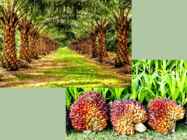
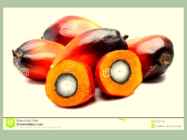
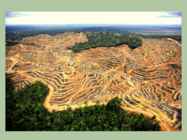
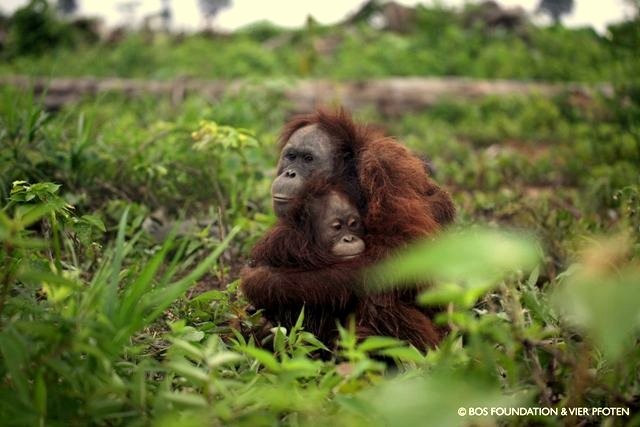
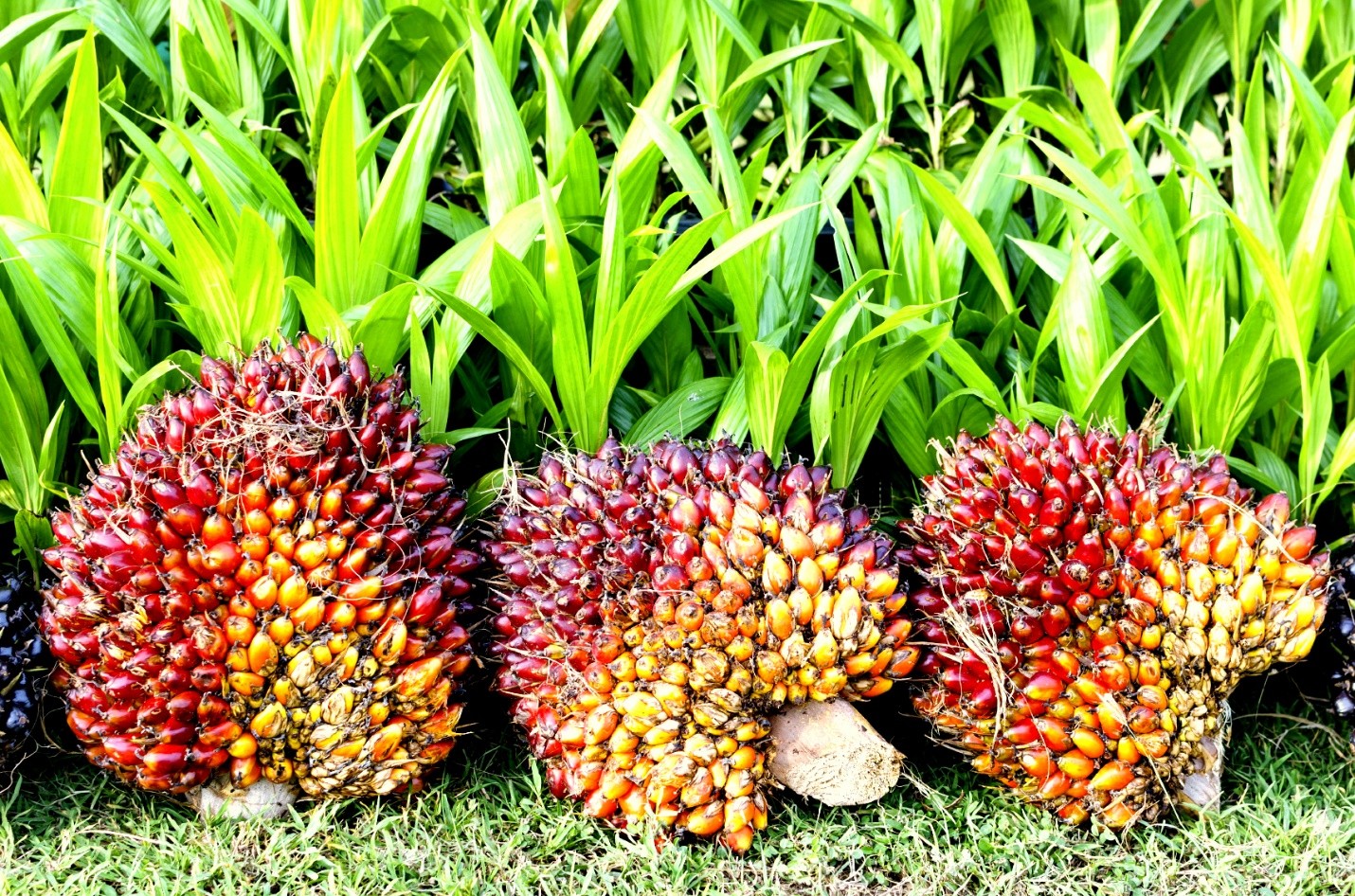
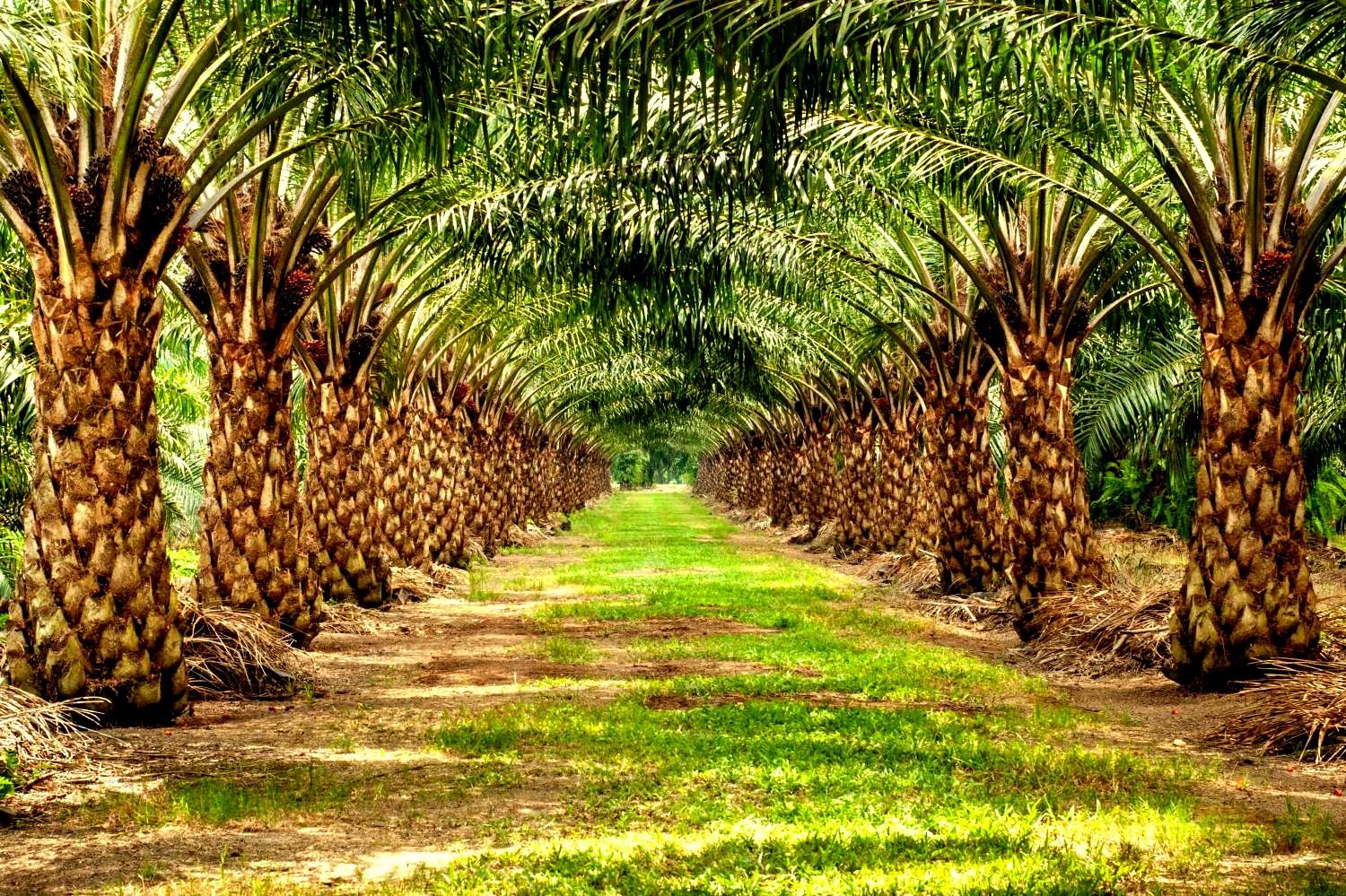
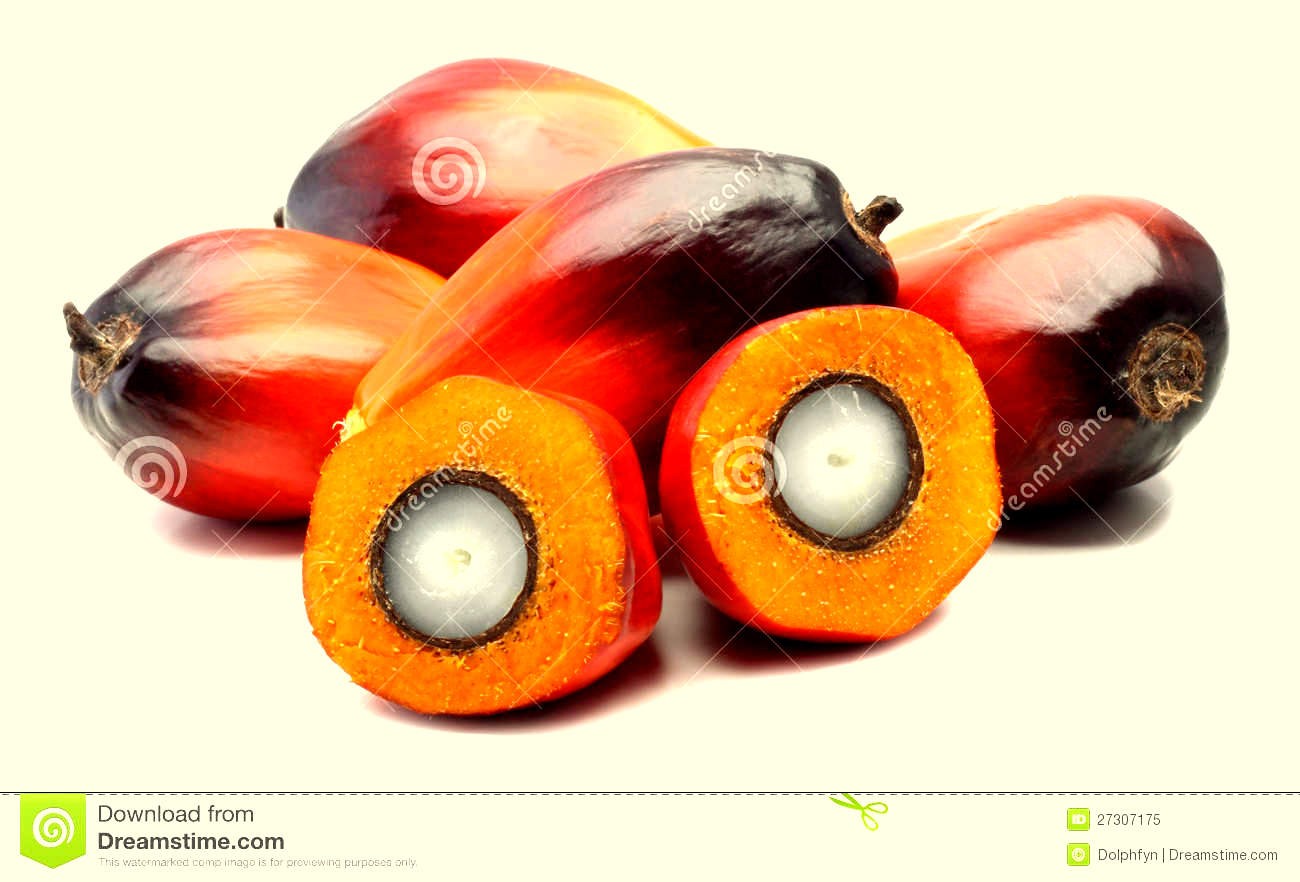
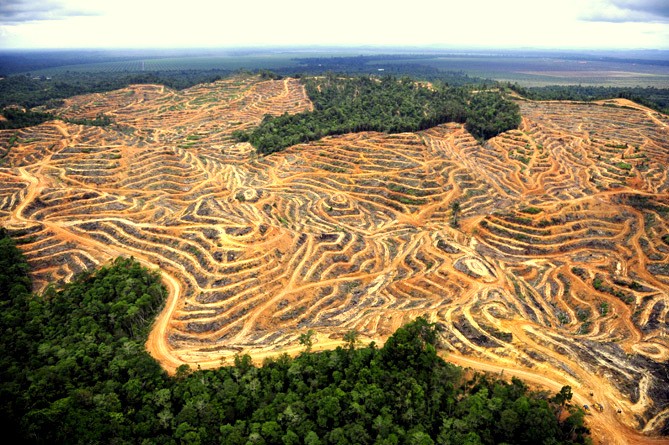
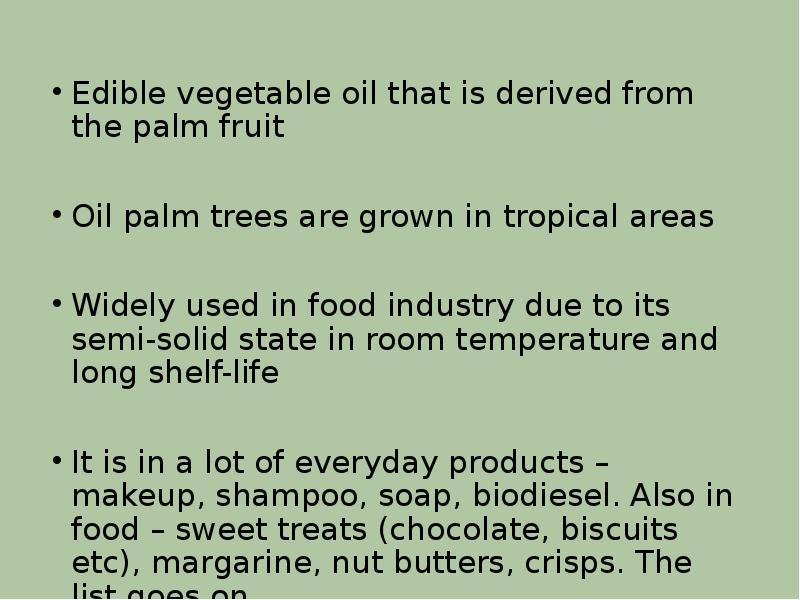
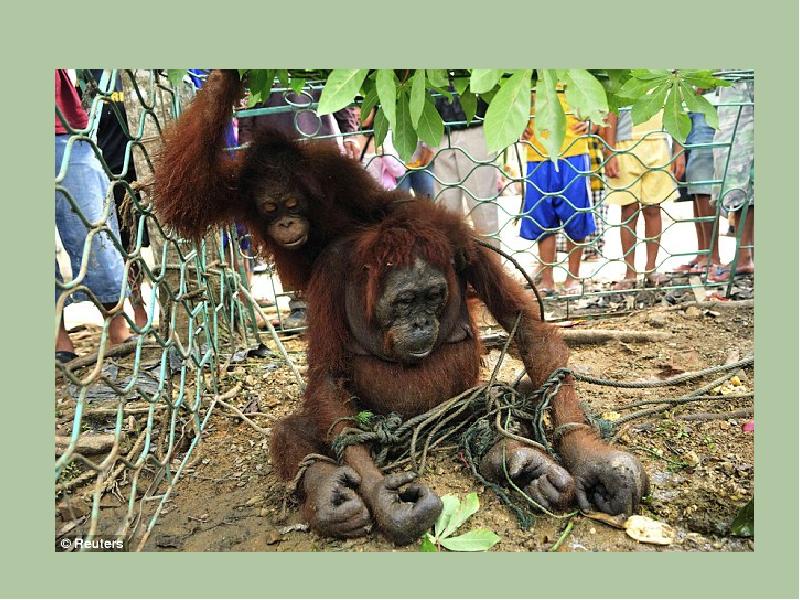
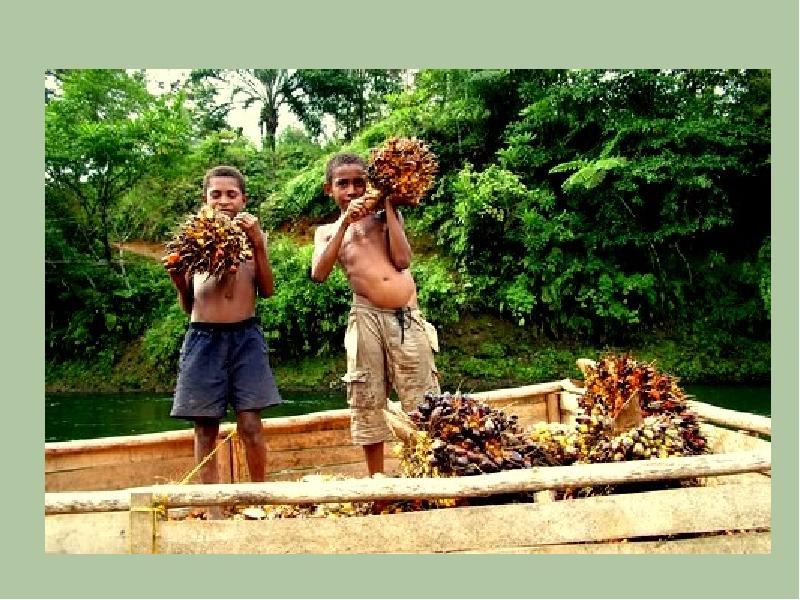
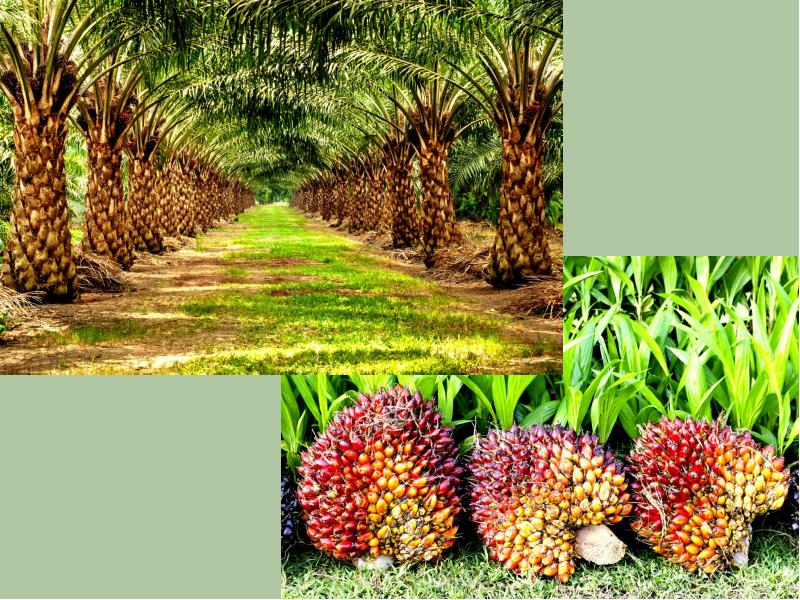
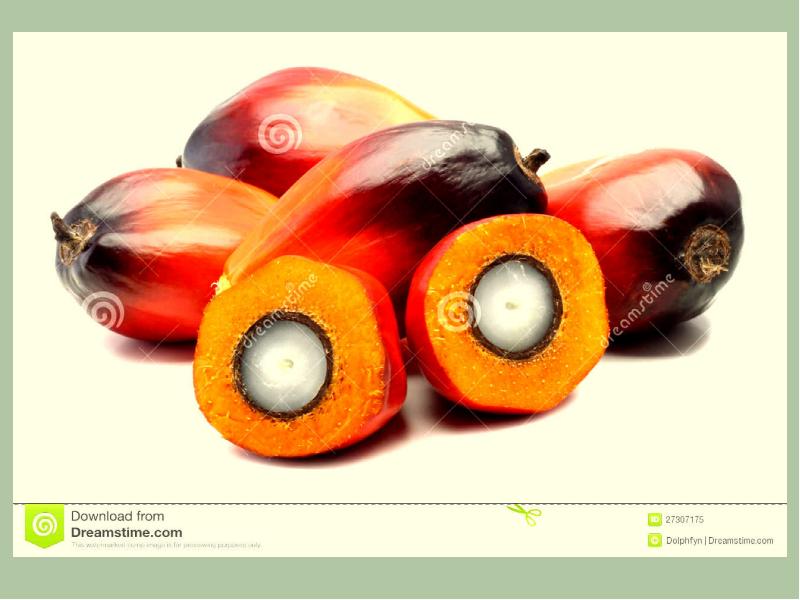
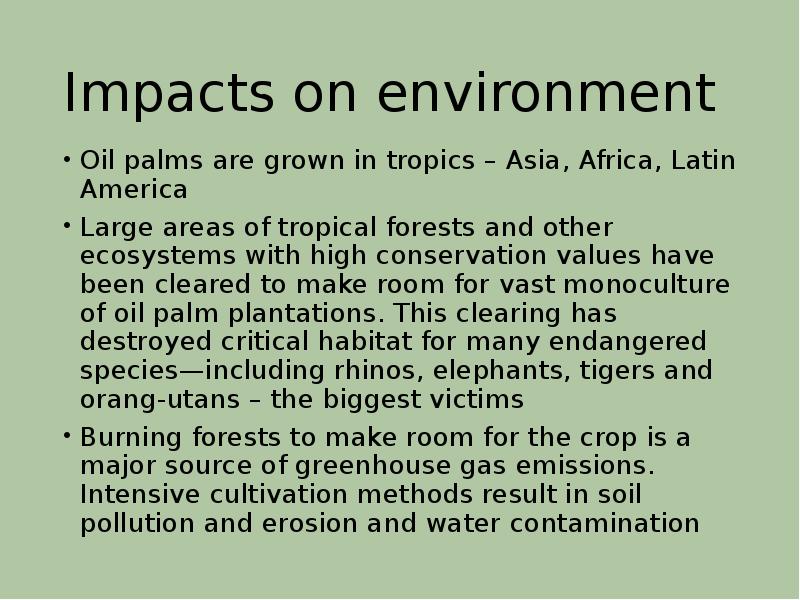
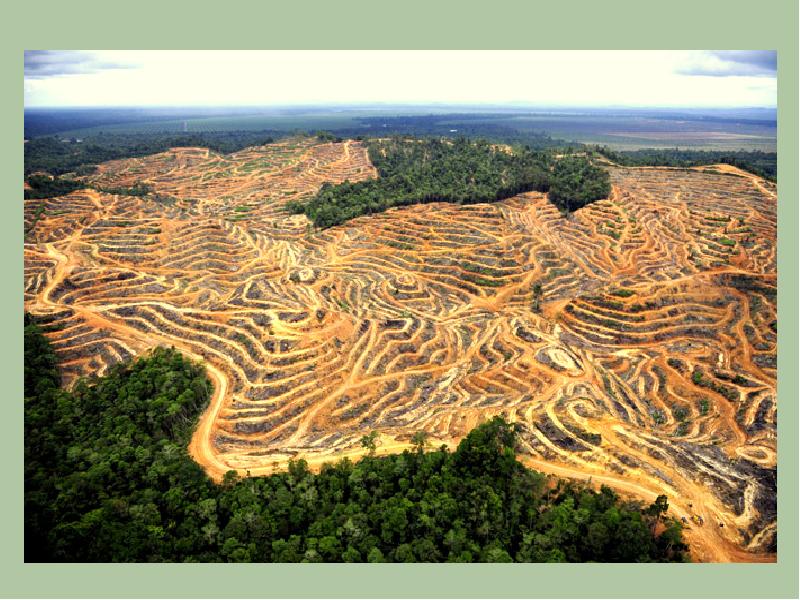
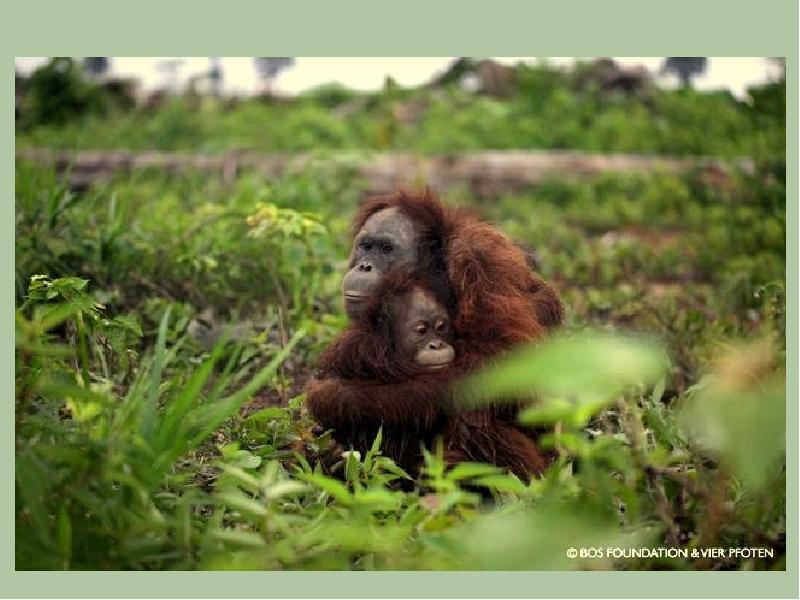
Palm oil Palm oil is a type of edible vegetable oil that is derived from the palm fruit, grown on the African oil palm tree. Oil palms are originally from Western Africa, but can flourish wherever heat and rainfall are abundant. Today, palm oil is grown throughout Africa, Asia, North America, and South America, with 85% of all palm oil globally produced and exported from Indonesia and Malaysia; but most of the time not using sustainable measures. The industry is linked to major issues such as deforestation, habitat degradation, climate change, animal cruelty and indigenous rights abuses in the countries where it is produced, as the land and forests must be cleared for the development of the oil palm plantations. According to the World Wildlife Fund, an
to highlight the issue, raise money to support the work of groups helping victims of violence, and ensure that customers and employees are provided with information on sources of advice and help. Anita Roddick is appointed as a Dame of the British Empire as part of the Queen's Birthday Honours on Saturday 14th June 2003. During 2003 The Body Shop launches in Estonia and Turkey. In 2004 The Body Shop is the first global retailer to join the Board of the Roundtable for Sustainable Palm Oil, working with NGOs and plantations to protect tropical rainforests and improve the human rights of workers and indigenous people. In 2005 The Body Shop joins The Campaign for Safe Cosmetics and is commended by Greenpeace and the Breastcancer Fund for our responsible chemicals policy. During 2005 The Body Shop is awarded for achieving higher standards of animal welfare in the cosmetic category at the first annual awards of the Royal Society of Prevention of Cruelty to Animals in the UK
2008). The starchy products represent only a small percentage of the total plant mass. Other plants' building blocks like cellulose and lignin are currently not being used to make biofuels as there is not a commercial viable production method for making ethanol form cellulosic biomass (FAO, 2008). Biodiesel is based on the oil crops, such as rapeseed in Europe and soybean in the USA and Brazil. In tropical regions, biodiesel feedstock can also be sourced from palm, coconut and jatropha oils, but these are currently not major feedstock for biodiesel. Biodiesel is produced by combining vegetable oil with an alcohol and a catalyst through a chemical process known as transesterification (FAO, 2008). Margit Tepner k0848752 Figure 1. Proportion of global production of liquid biofuels (FO Licht, 2007). Biofuels production is concentrated in three countries: Brazil, the USA, and Europe
declined mostly because of low prices, but also due to disease, insect and bird problems. Sunflower acreage is now moving westward into dryer regions; however, 85% of the North American sunflower seed is still produced in North and South Dakota and Minnesota. II. Uses: A. Edible(söödav)oil: Commercially available sunflower varieties contain from 39 to 49% oil in the seed. In 1985-86, sunflower seed was the third largest source of vegetable oil worldwide, following soybean and palm. The growth of sunflower as an oilseed crop has rivaled that of soybean, with both increasing production over 6-fold since the 1930s. Sunflower accounts for about 14% of the world production of seed oils (6.9 million metric tons in 1985-86) and about 7% of the oilcake and meal produced from oilseeds. Europe and the USSR produce over 60% of the world's sunflowers. The oil accounts for 80% of the value of the sunflower crop, as contrasted with soybean which derives most of its value from the meal
Extended Essay Research Question: To What Extent Does a Plant Based Diet Lower the Risk of Coronary Artery Disease? Subject: Biology Word Count: 3482 Abstract: Because there has been much debate over whether plant based diets are beneficial or not, I’m willing to learn more about it and since there’s eligible data available on the effects of vegetarian/vegan diets on cardiovascular diseases, my research question is formed accordingly: To what extent does a plant based diet lower the risk of coronary artery disease? The importance of this study lies in my own curiosity and my desire to acquire further knowledge on the prevention and treatment of coronary artery disease. In this investigation I will study two similar prospective studies on plant based diets and cardiovascular diseases, mainly coronary artery disease, to find out if the outcomes of one have anything common
SISUKORD ENERGY STORY................................................................................................................4 USES OF ENERGY............................................................................................................. 4 2.1 Uses of energy in homes...............................................................................................5 2.2 Types of energy used in homes.................................................................................... 6 2.3 Energy use in different types of homes........................................................................ 6 2.4 Commercial Energy Use...............................................................................................9 2.5 Industrial and Manufacturing Energy Use..................................................................11 2.6 Transportation Energy Use.........................................................................................12 RENE
Tallinn 2013 Ott Speek Subject: English Geodesy Study group: GI-21b PETROLEUM PRESENTATION Petroleum (L. petroleum, from Greek: Πέτρα (rock) + Latin: oleum (oil) is a naturally occurring flammable liquid consisting of a complex mixture of hydrocarbons of various molecular weights and other liquid organic compounds, that are found in geologic formations beneath the Earth's surface. The name Petroleum covers both naturally occurring unprocessed crude oils and petroleum products that are made up of refined crude oil. A fossil fuel, it is formed when large quantities of dead organisms, usually zooplankton and algae, are buried underneath sedimentary rock and undergo intense heat and pressure. Petroleum is recovered mostly through oil drilling. This comes after the studies of structural geology (at the reservoir scale), sedimentary basin analysis, reservoir characterization (mainly in terms of porosity and permeable structures). It is refined and separated
Tallinna Inglise Kolledz Topic United States of America Mari-Liis Pakats Tallinn 2007 2 Introduction..................................................................................................................4 Geographical Position..................................................................................................4 Geographical Regions..................................................................................................5 Climate ........................................................................................................................6 Natural Resources........................................................................................................ 7 History..........................................................................................................................8 Culture................................................................................................
 annaabi.ee












Kõik kommentaarid