Vajad kellegagi rääkida?
Küsi julgelt abi LasteAbi
Logi sisse

ABS Piping Australian Presentation (0)

1 Hindamata
Punktid
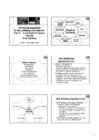
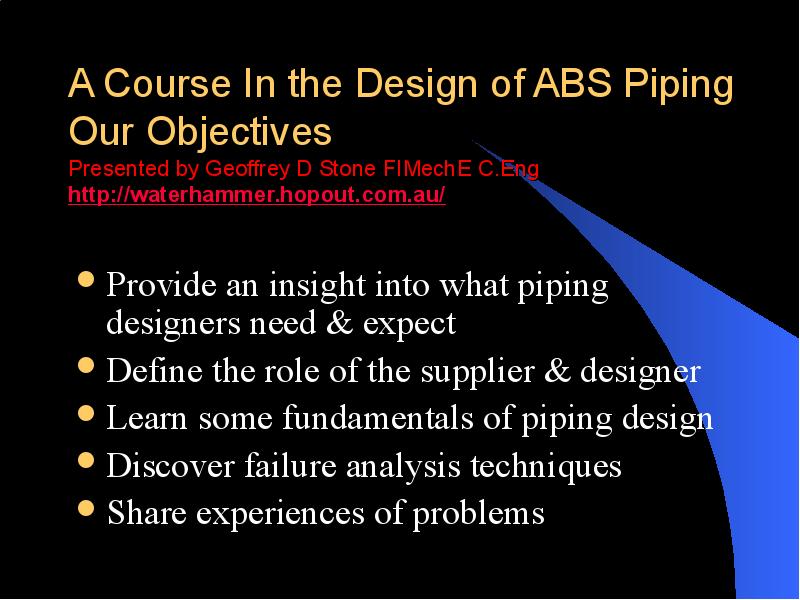
Course  In the Design of ABS Piping
Our Objectives 
Presented by  Geoffrey  D Stone FIMechE C.Eng
http://waterhammer.hopout.com.au/
  Provide  an insight into what piping 
designers need & expect
  Define  the  role  of the  supplier  & designer
 Learn some fundamentals of piping design
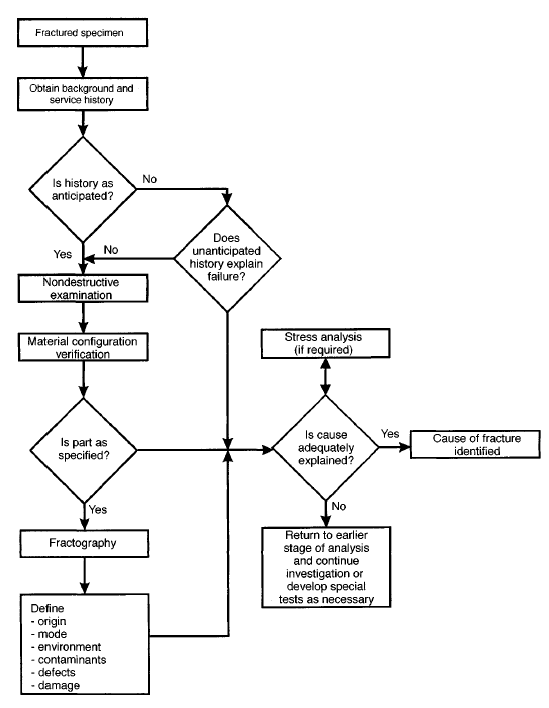
 Discover  failure   analysis  techniques
  Share   experiences  of problems
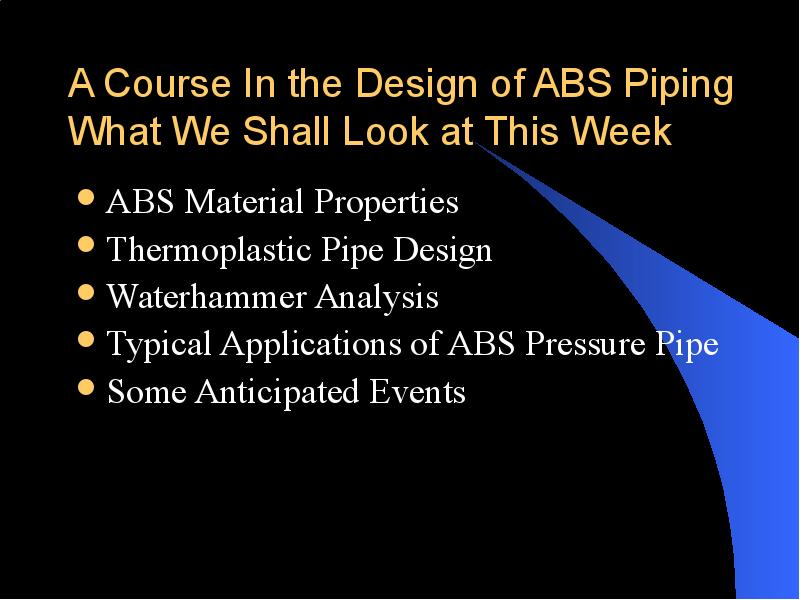
A Course In the Design of ABS Piping
What We  Shall  Look at This Week
 ABS  Material  Properties
 Thermoplastic  Pipe  Design
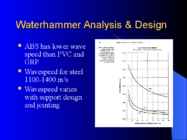
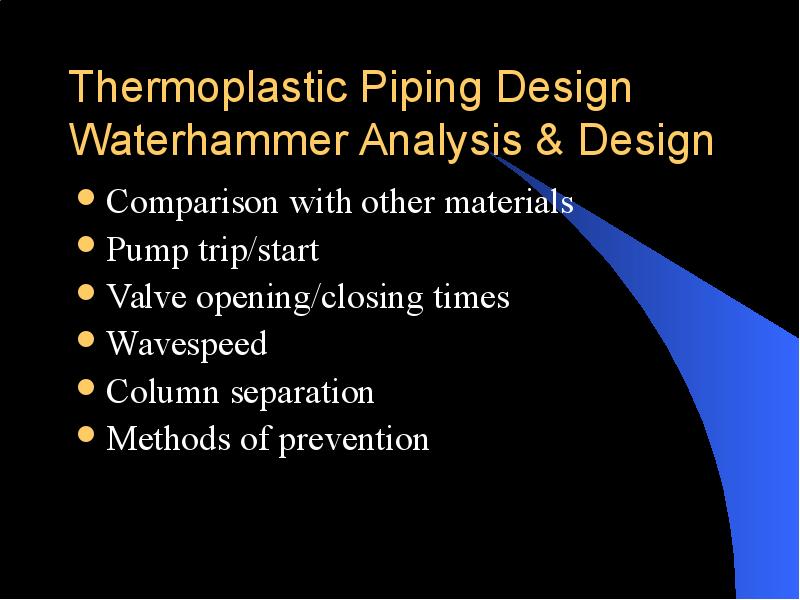
 Waterhammer Analysis
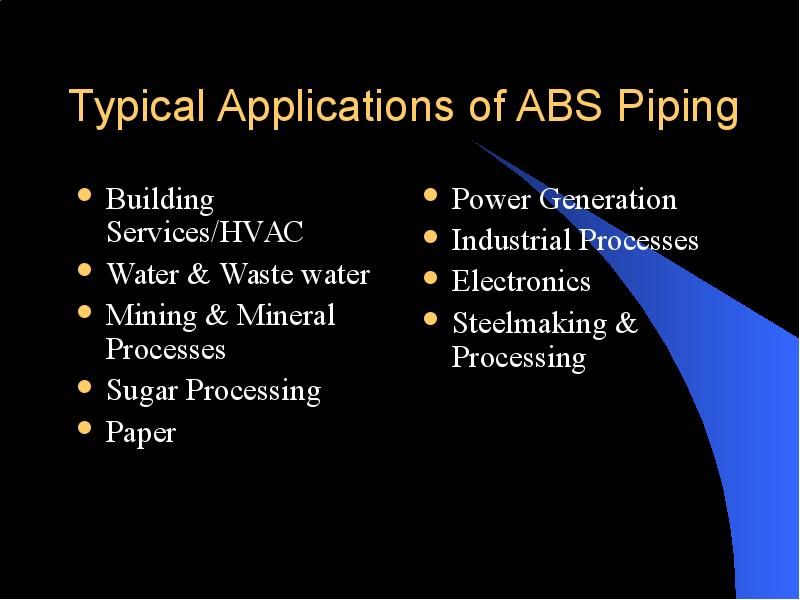
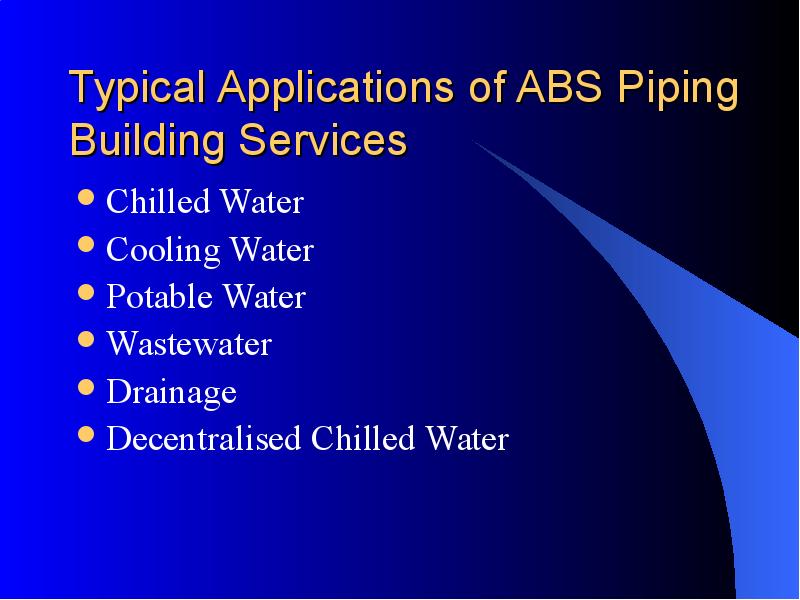
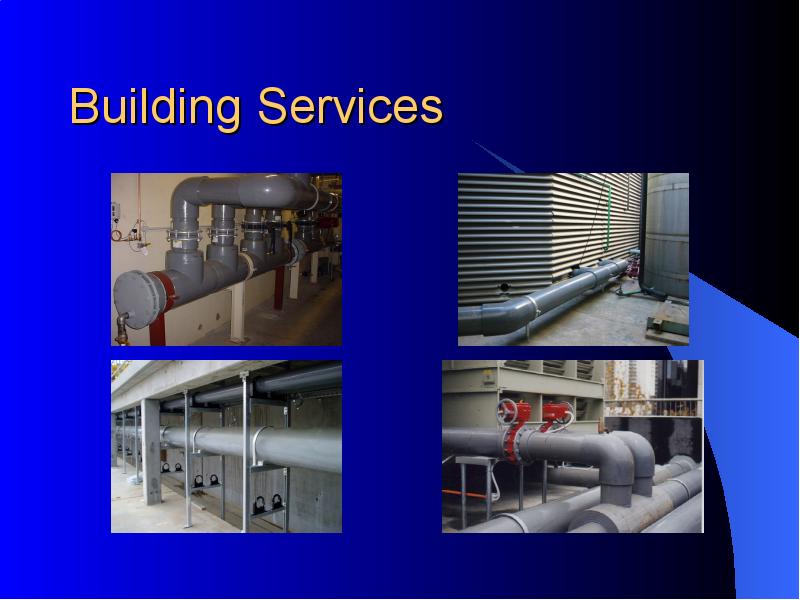
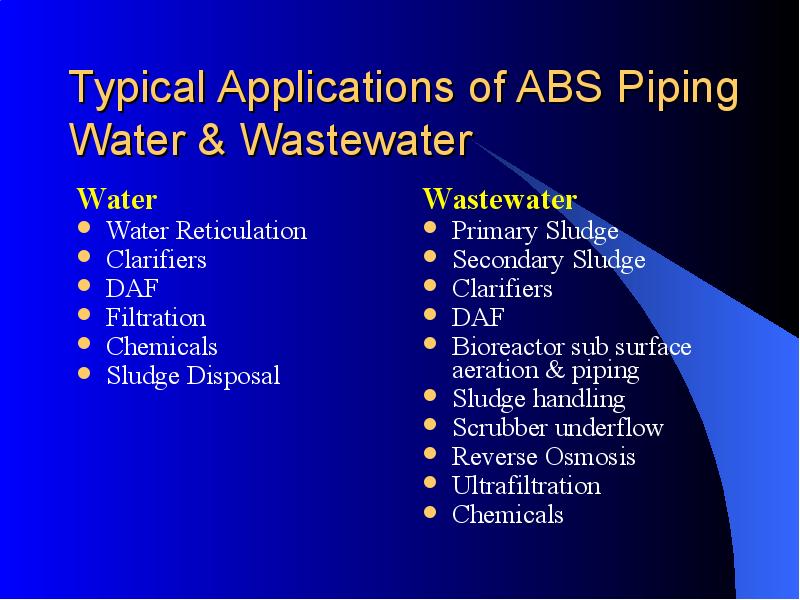
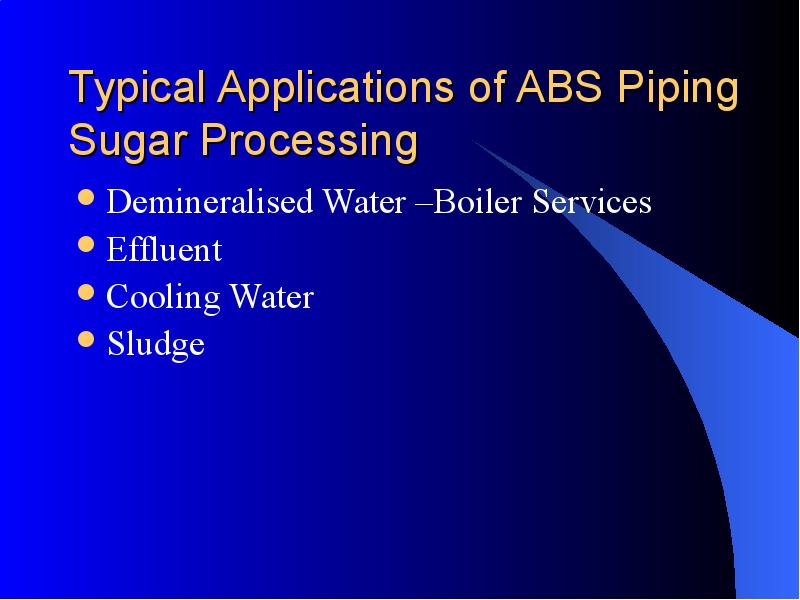
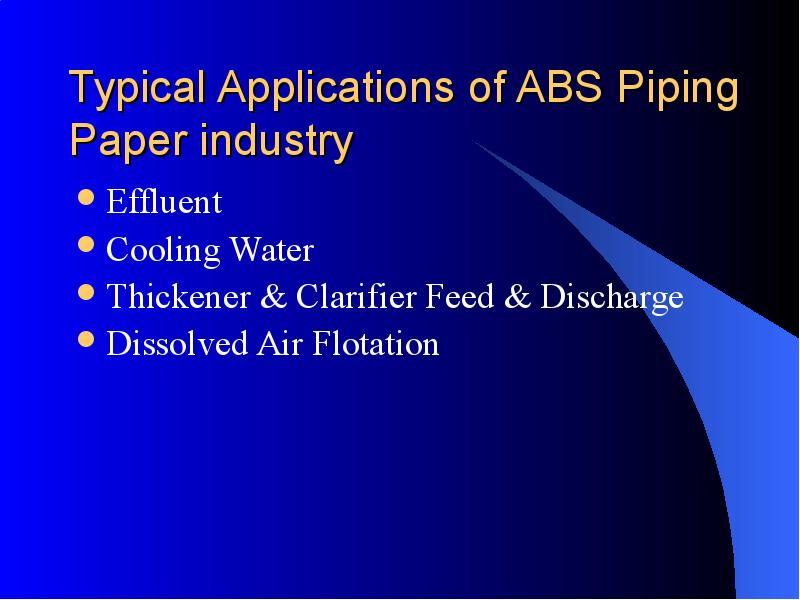
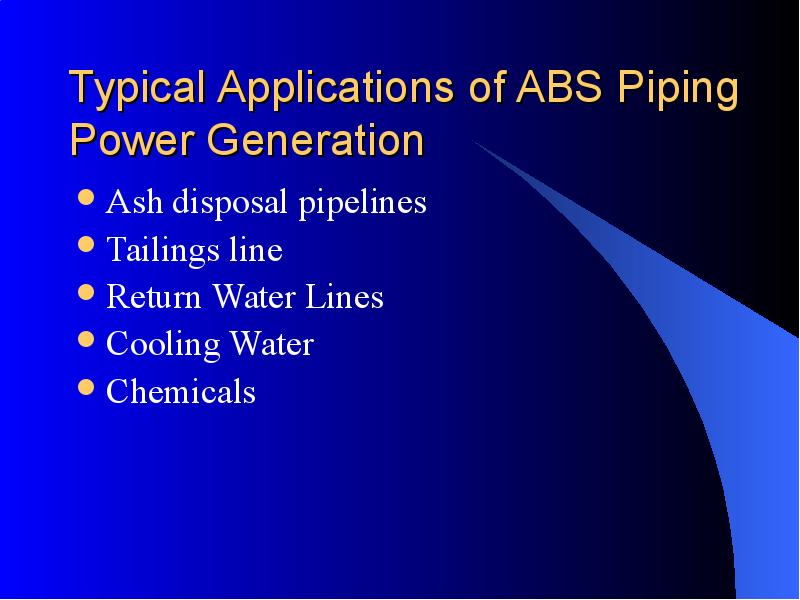
  Typical  Applications of ABS  Pressure  Pipe
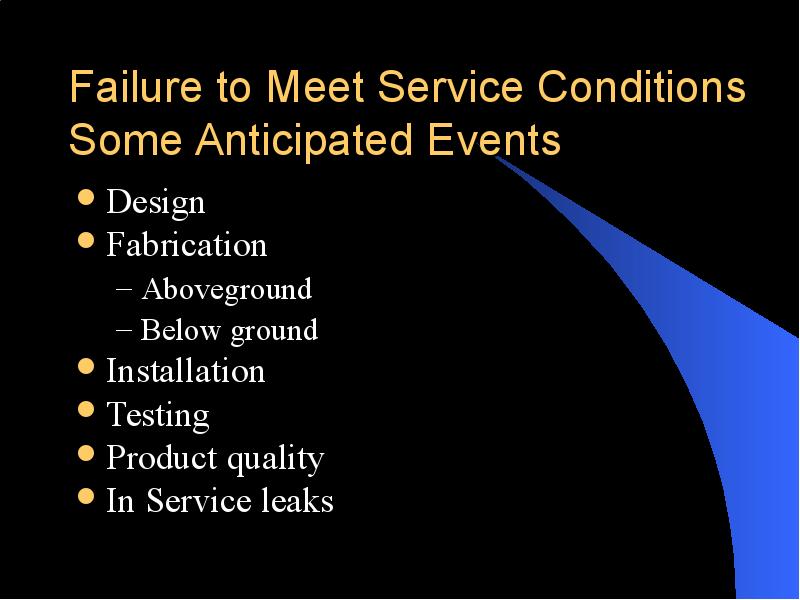
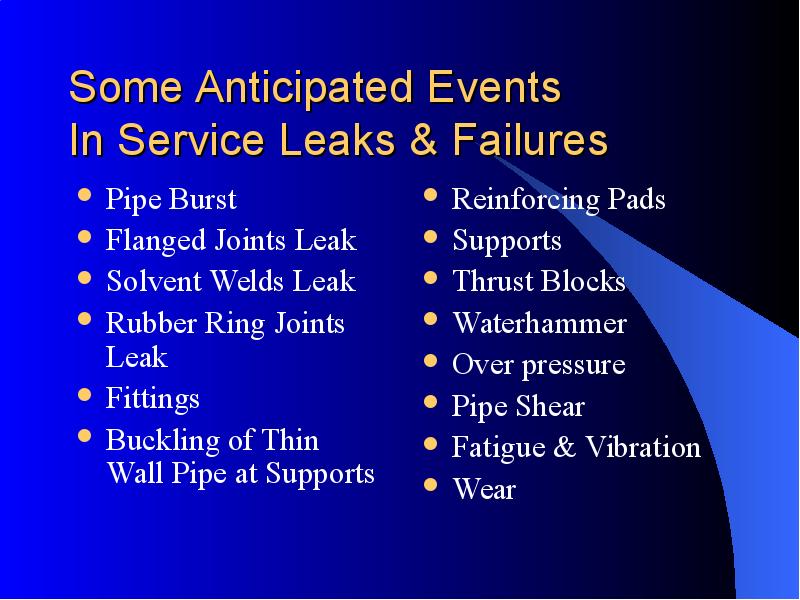
 Some Anticipated  Events
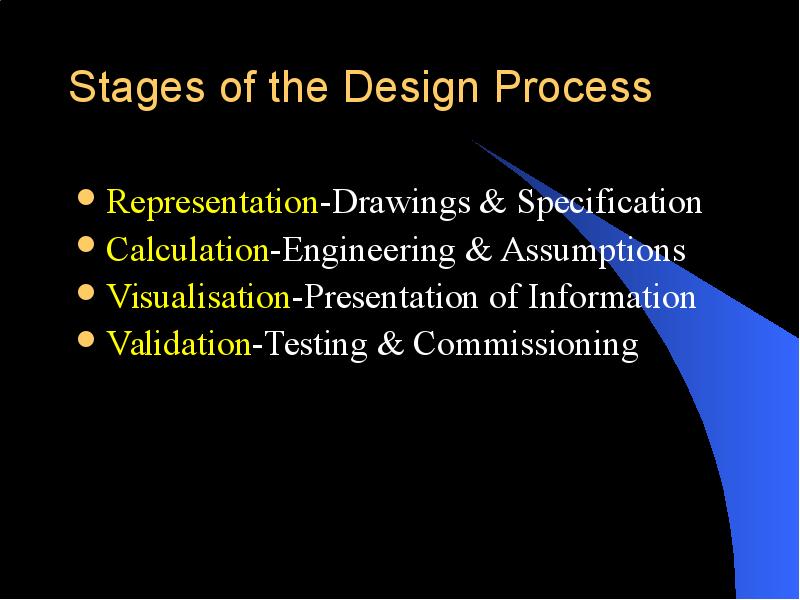
Stages of the Design  Process
 Representation-Drawings & Specification
 Calculation- Engineering  & Assumptions
 Visualisation-Presentation of Information
 Validation- Testing  & Commissioning
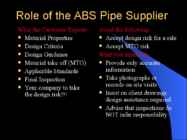
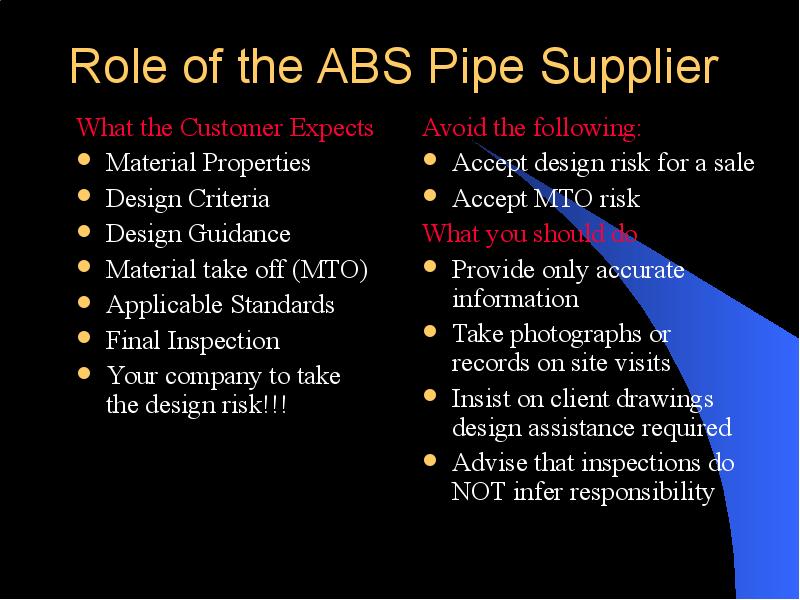
Role of the ABS Pipe Supplier
What the Customer Expects
Avoid the  following :
 Material Properties
 Accept design risk for a  sale
 Design Criteria
 Accept MTO risk
 Design Guidance
What you should do
 Material take off (MTO)
 Provide only accurate 
 Applicable Standards
information
  Final  Inspection
 Take photographs or 
records on site visits
 Your company to take 
the design risk!!!
  Insist  on client drawings 
design assistance  required
 Advise that inspections do 
NOT infer responsibility
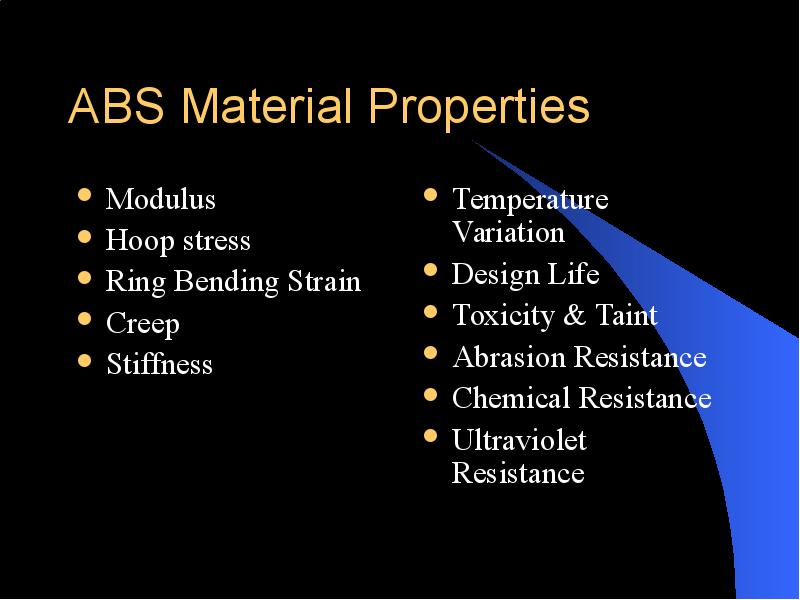
ABS Material Properties
  Modulus
 Temperature 
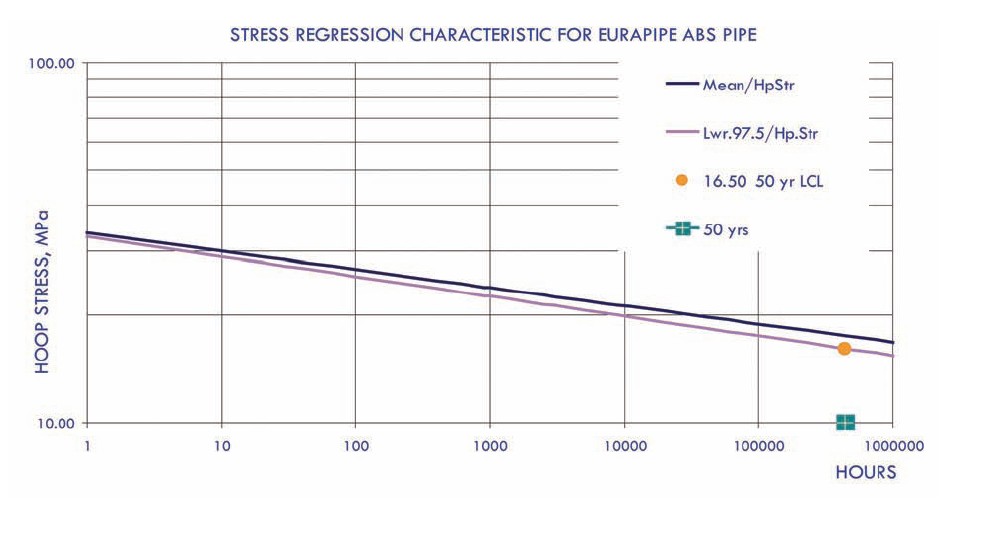
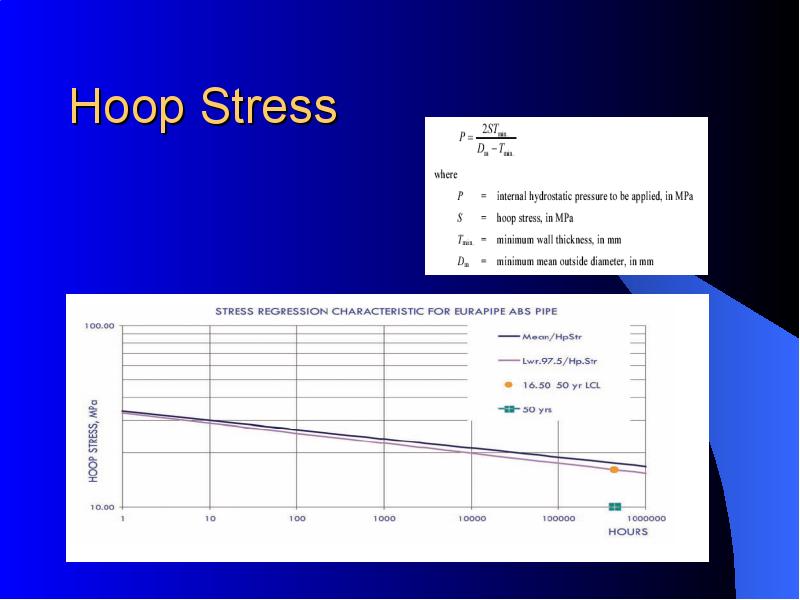
 Hoop  stress
Variation  
 Ring Bending  Strain
 Design Life
 Creep
 Toxicity & Taint
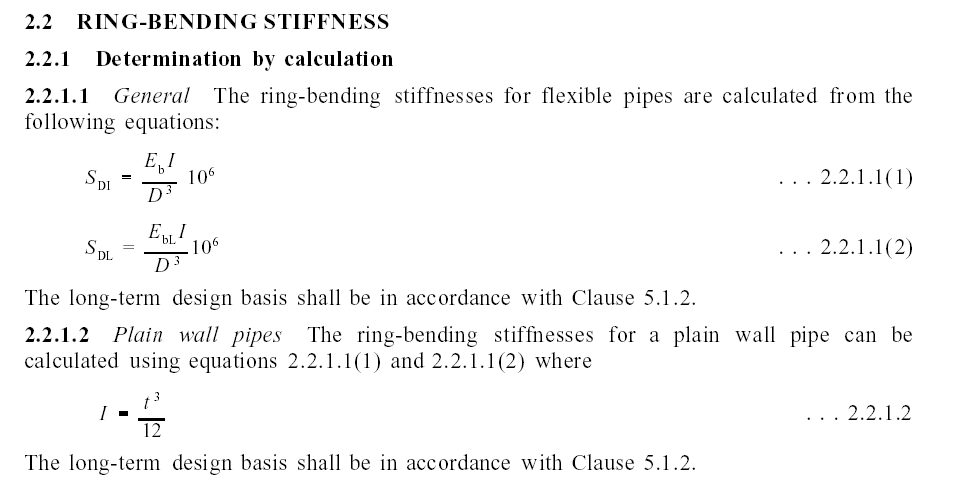
 Stiffness
 Abrasion Resistance
 Chemical Resistance
  Ultraviolet  
Resistance
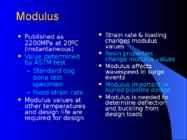
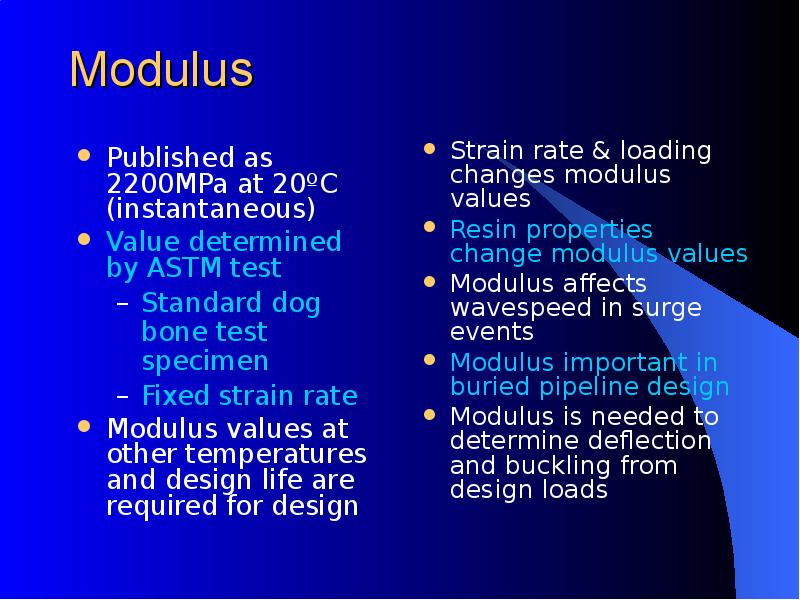
Modulus
 Published as 
 Strain  rate  & loading 
2200MPa at 20ºC 
changes  modulus 
(instantaneous)
values  
  Resin  properties 
  Value  determined 
by ASTM test
change  modulus values
 Modulus affects 
– Standard dog 
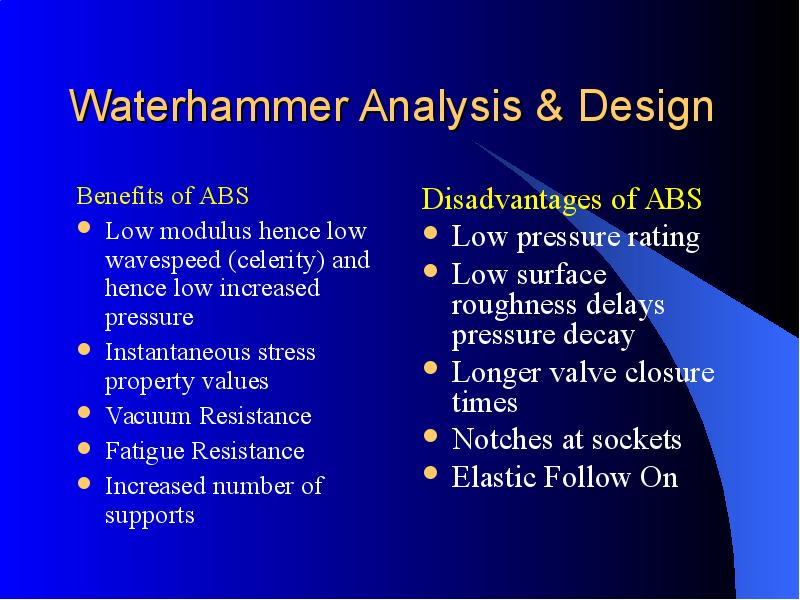
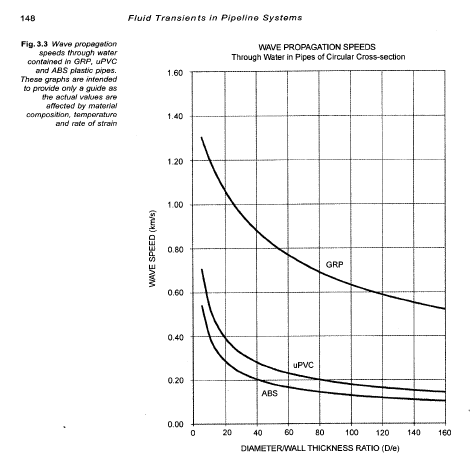
wavespeed in surge 
bone test 
events
specimen
 Modulus important in 
–  Fixed  strain  rate
buried   pipeline  design
 Modulus is needed to 
 Modulus values at 
other  temperatures 
determine deflection 
and design life are 
and buckling from 
design loads
required for design
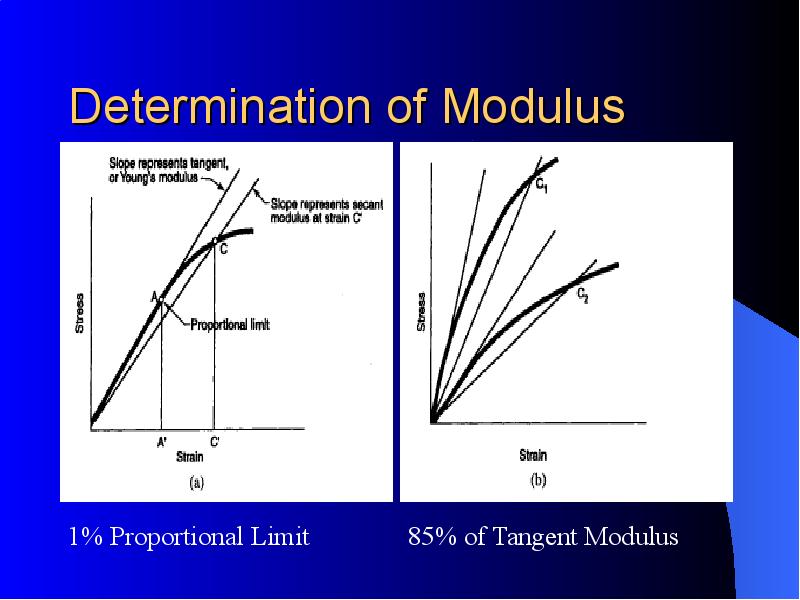
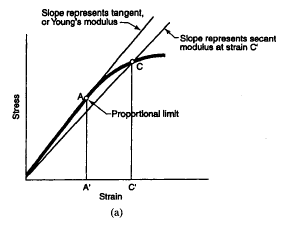
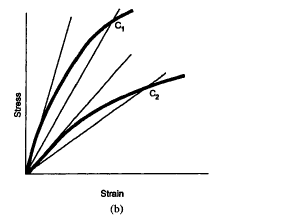
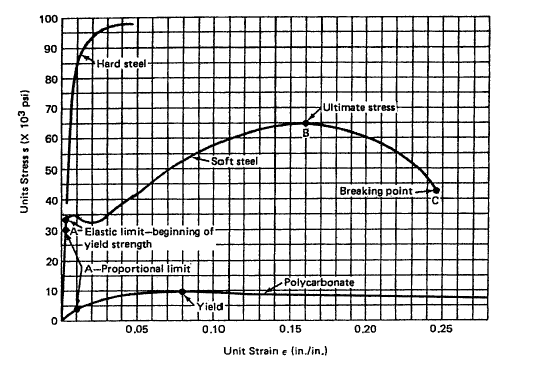
Determination of Modulus
1% Proportional  Limit
85% of Tangent Modulus
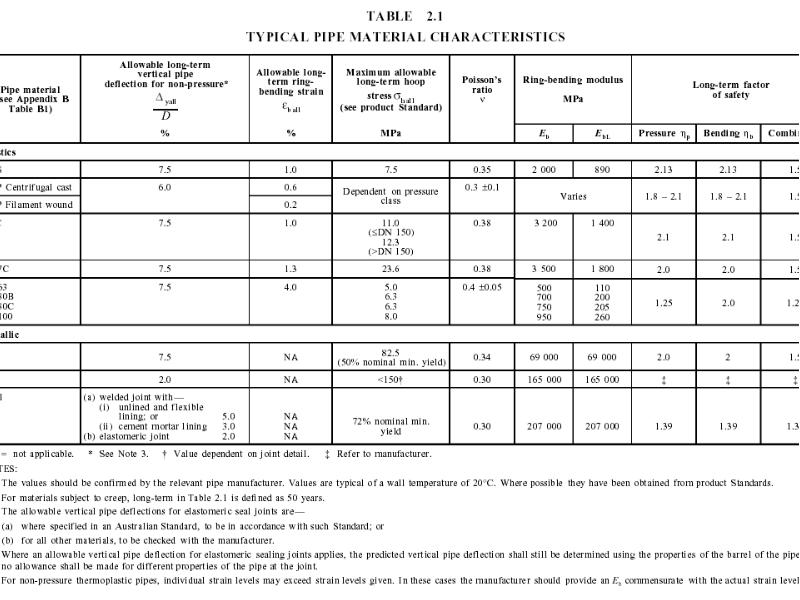
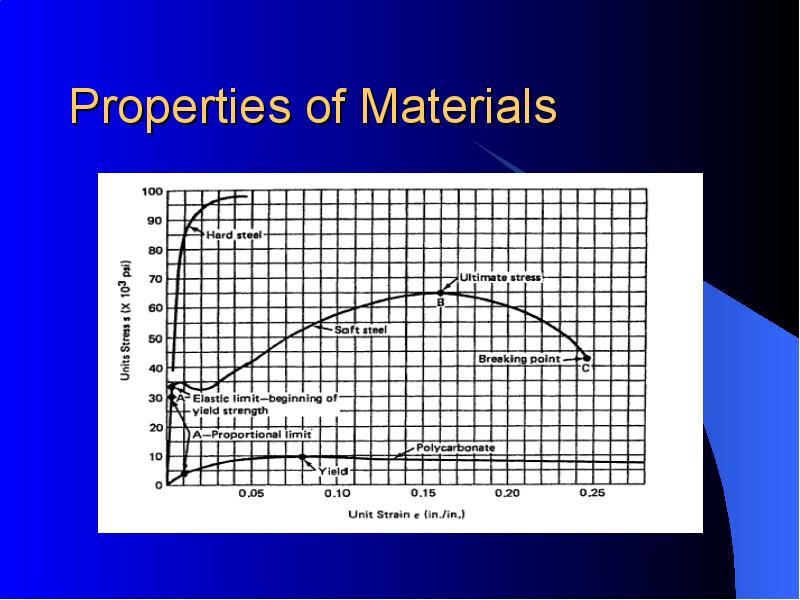
Properties of Materials
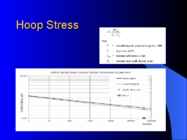
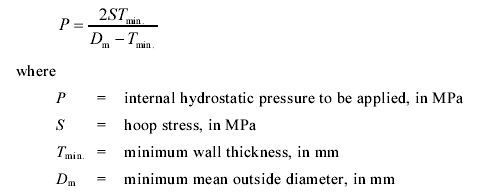
Hoop Stress
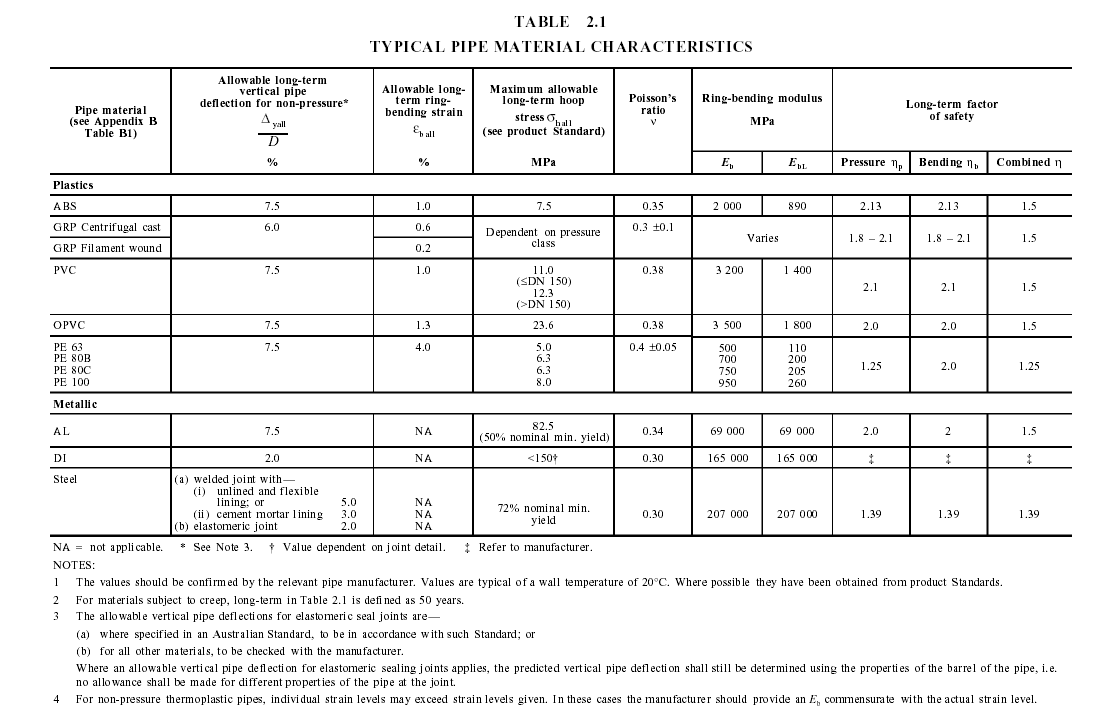
Ring Bending Strain
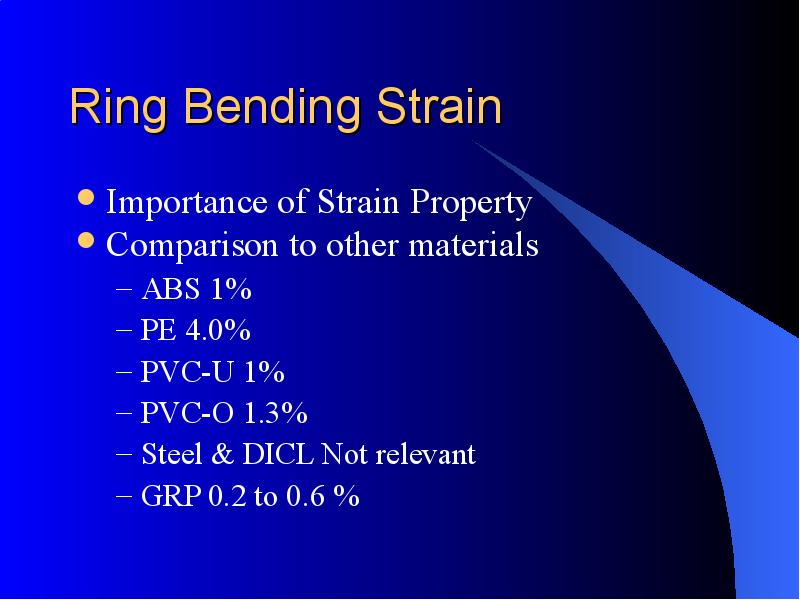
  Importance  of Strain Property
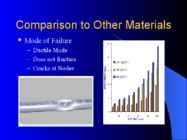
  Comparison  to other materials
– ABS 1%
– PE 4.0%
– PVC-U 1% 
– PVC-O 1.3%
–  Steel  & DICL Not  relevant
– GRP 0.2 to 0.6 %
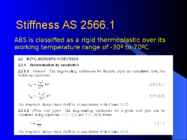
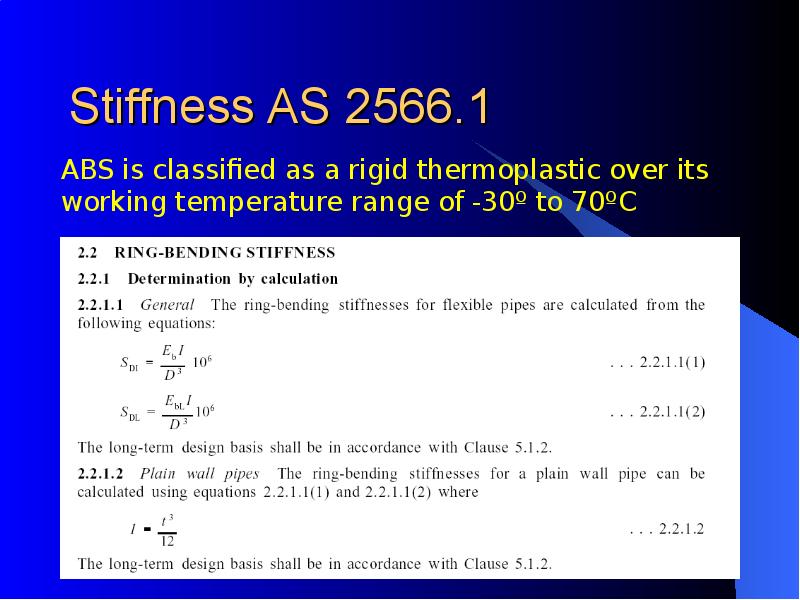
Stiffness AS 2566.1
ABS is classified as a rigid thermoplastic over its 
working  temperature range of -30º to 70ºC
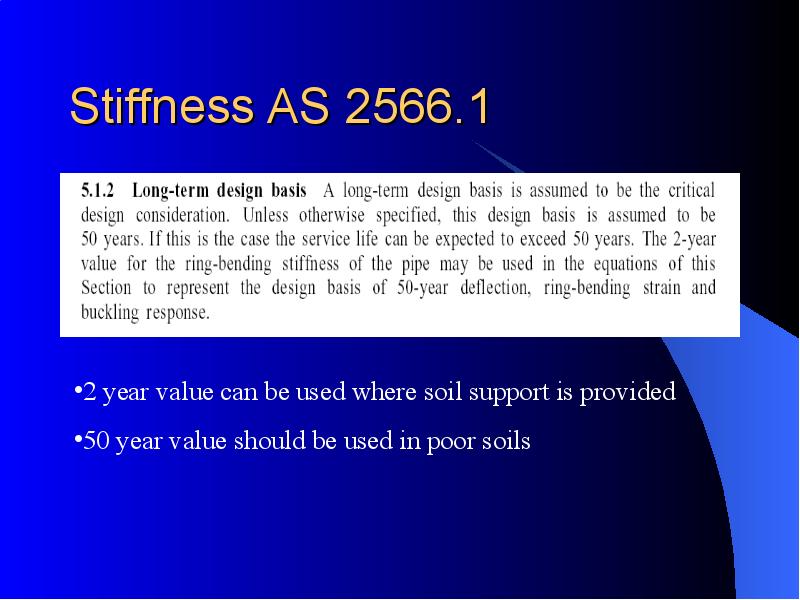
Stiffness AS 2566.1
•2 year  value can be used where  soil   support  is  provided
•50 year value should be used in poor soils
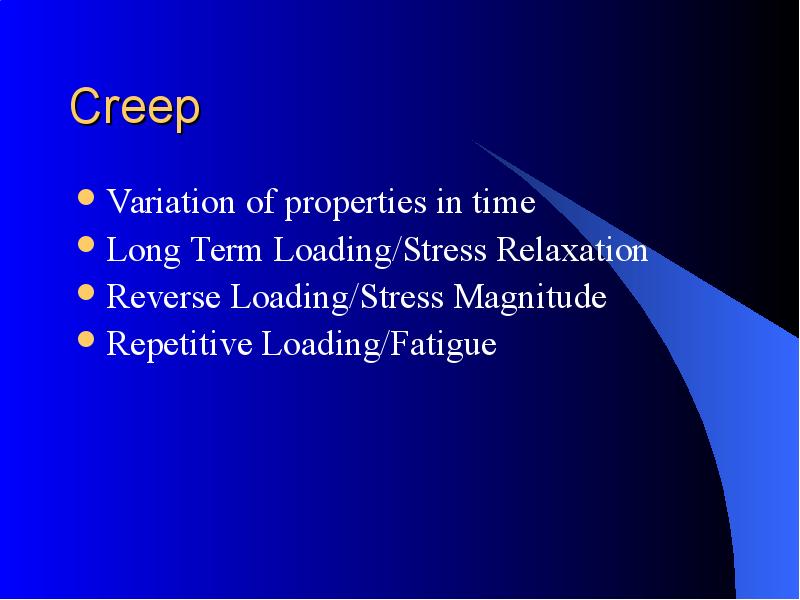
Creep
 Variation of properties in time
 Long  Term  Loading/Stress Relaxation
  Reverse  Loading/Stress Magnitude
  Repetitive  Loading/ Fatigue
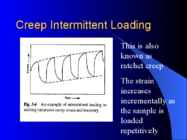
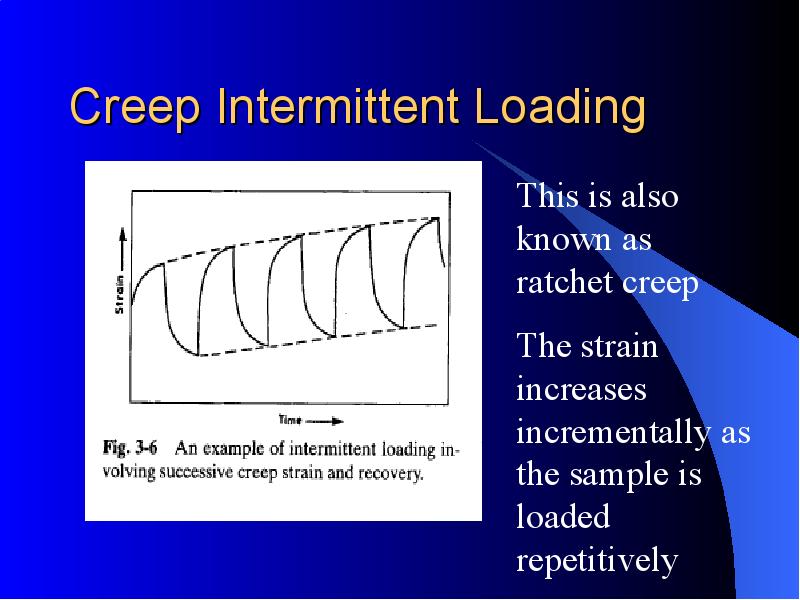
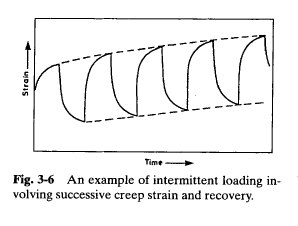
Creep Intermittent Loading
This is also 
known  as 
ratchet creep
The strain 
increases  
incrementally as 
the sample is 
loaded 
repetitively
Te
T mper
e
ature
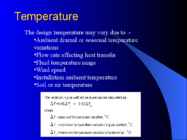
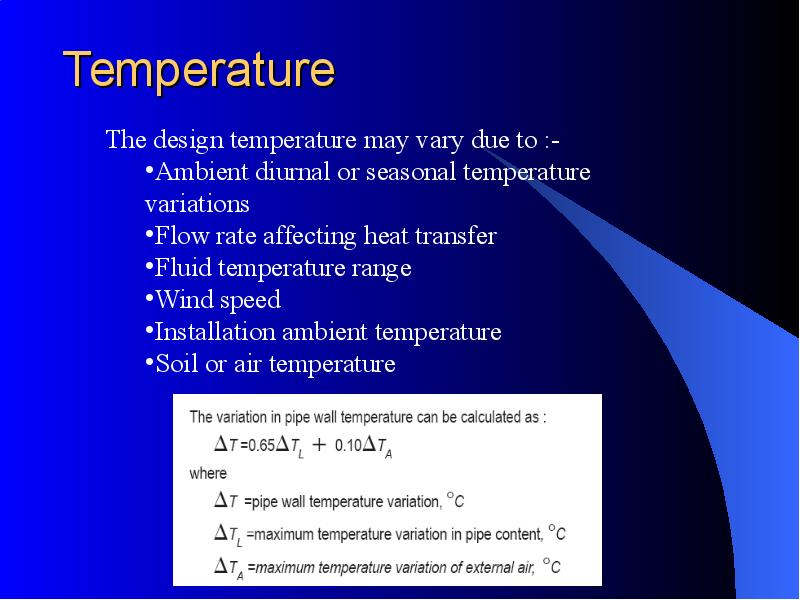
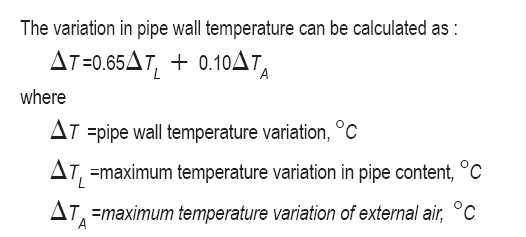
The design temperature may  vary  due to :-
Ambient  diurnal or seasonal temperature 
variations
•Flow rate affecting  heat  transfer
•Fluid temperature range
•Wind speed
•Installation ambient temperature
•Soil or air temperature
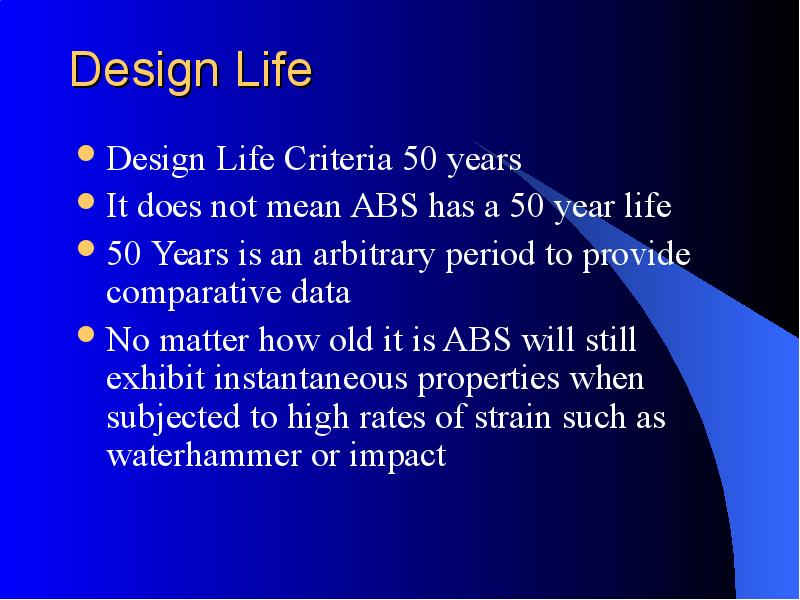
Design Life
 Design Life Criteria 50  years
 It does not mean  ABS has a 50 year life
 50 Years is an arbitrary  period  to provide 
comparative  data
 No  matter  how old it is ABS will still  
exhibit instantaneous properties when 
subjected to high rates of strain  such  as 
waterhammer or impact
To
T x
o icity & Ta
T int
a
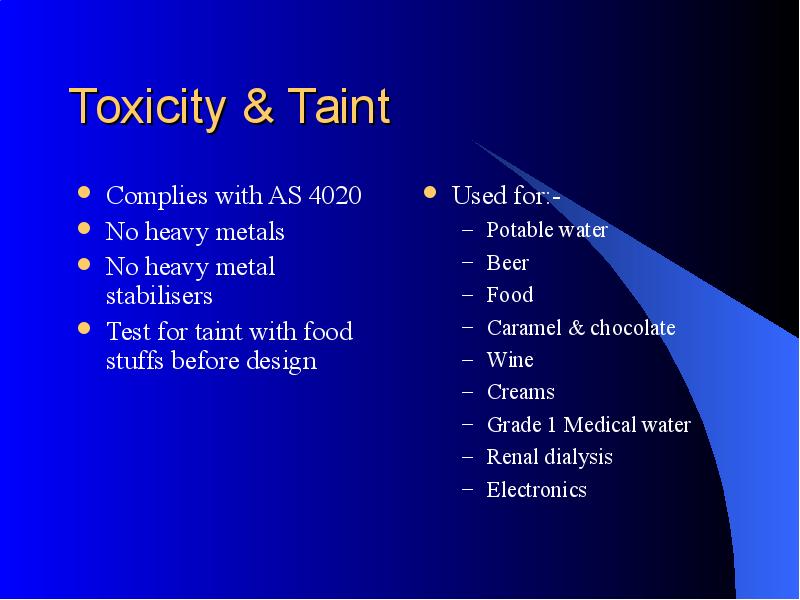
 Complies with AS 4020
 Used for:-
 No heavy  metals
– Potable water
 No heavy metal 
–  Beer
stabilisers
– Food
 Test for taint with food 
– Caramel &  chocolate
stuffs  before  design 
–  Wine
– Creams
–  Grade  1  Medical  water
– Renal dialysis
– Electronics
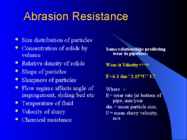
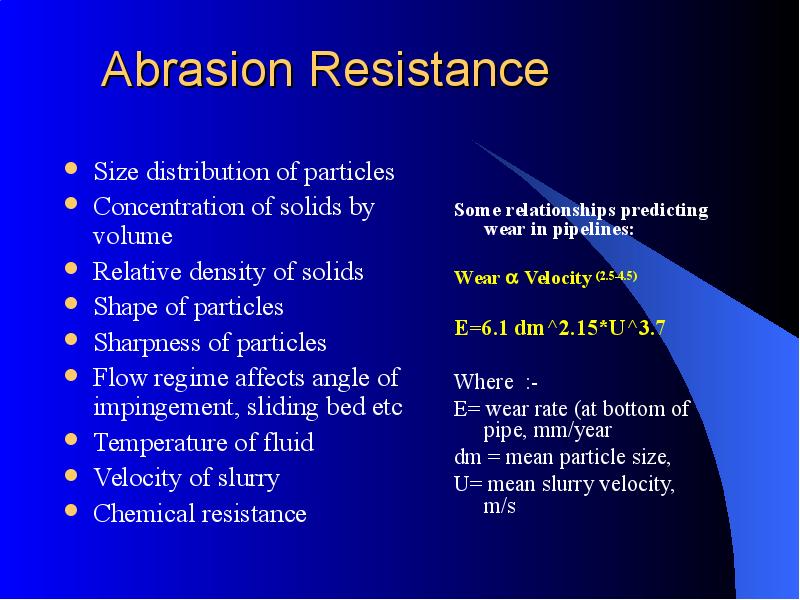
Abrasion Resistance
  Size  distribution of  particles
 Concentration of solids by 
Some relationships predicting 
volume
wear in pipelines :
 Relative  density  of solids
Wear   Velocity  (2.5-4.5)
  Shape  of particles
E=6.1 dm^2.15*U^3.7
 Sharpness of particles
 Flow regime affects angle of 
Where  :- 
impingement, sliding bed etc
E= wear rate (at  bottom  of 
pipe, mm/year
 Temperature of fluid
dm = mean  particle  size, 
 Velocity of slurry
U= mean slurry velocity, 
 Chemical resistance
m/s
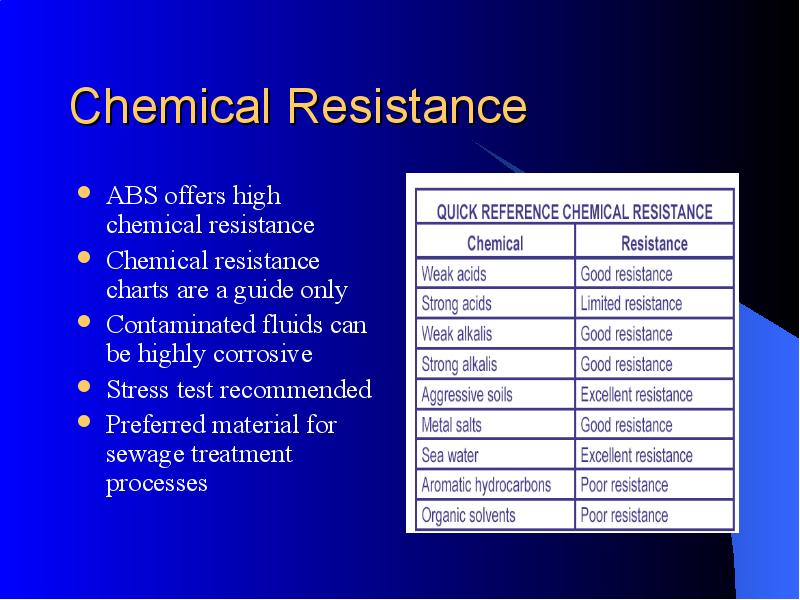
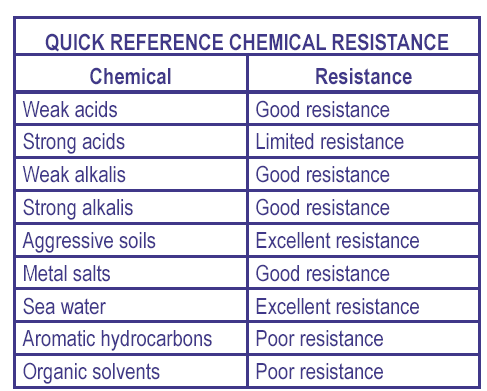
Chemical Resistance
 ABS  offers  high 
chemical resistance
 Chemical resistance 
charts are a  guide  only
 Contaminated fluids can 
be  highly  corrosive
 Stress test recommended
 Preferred material for 
sewage treatment 
processes
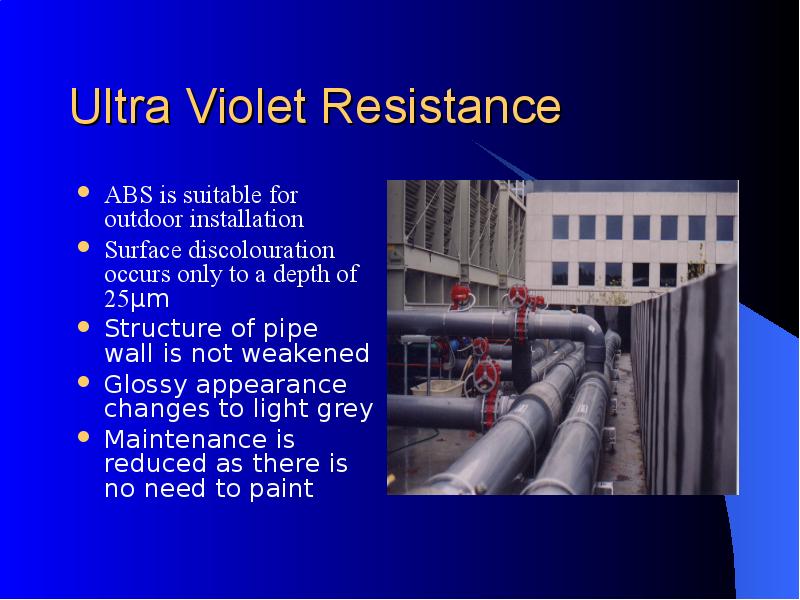
Ultra   Violet  Resistance
 ABS is suitable  for 
outdoor  installation
 Surface discolouration 
occurs only to a depth of 
25μm
 Structure of pipe 
wall  is not weakened
 Glossy appearance 
changes to  light  grey
  Maintenance  is 
reduced as  there  is 
no need to  paint  
Questions ?
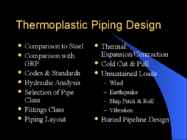
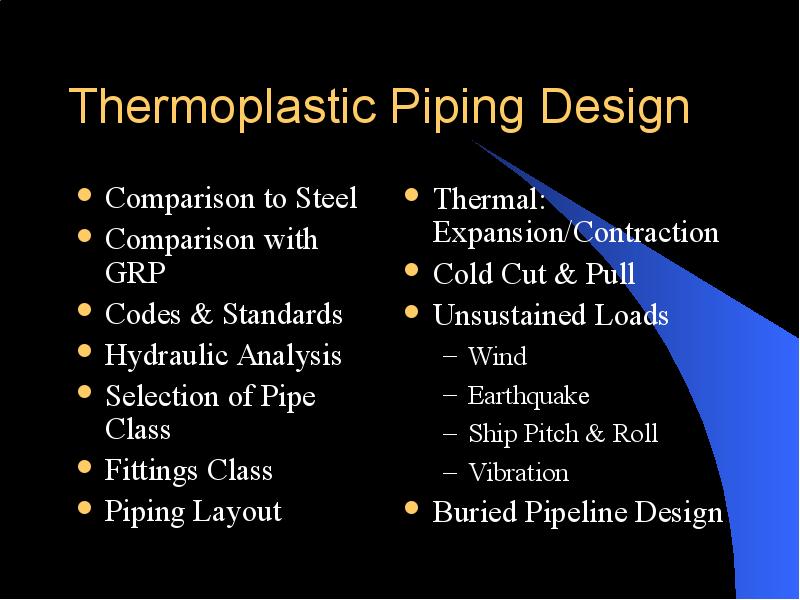
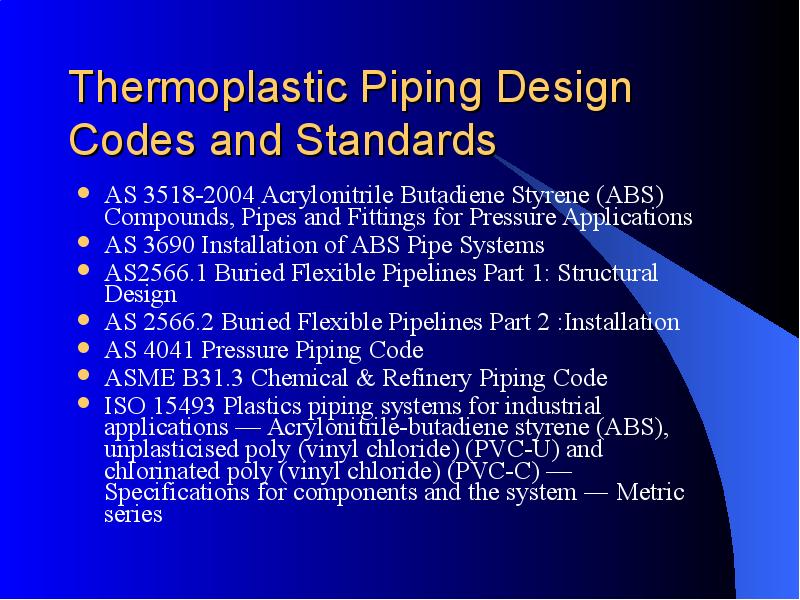
Thermoplastic Piping Design
 Comparison to Steel
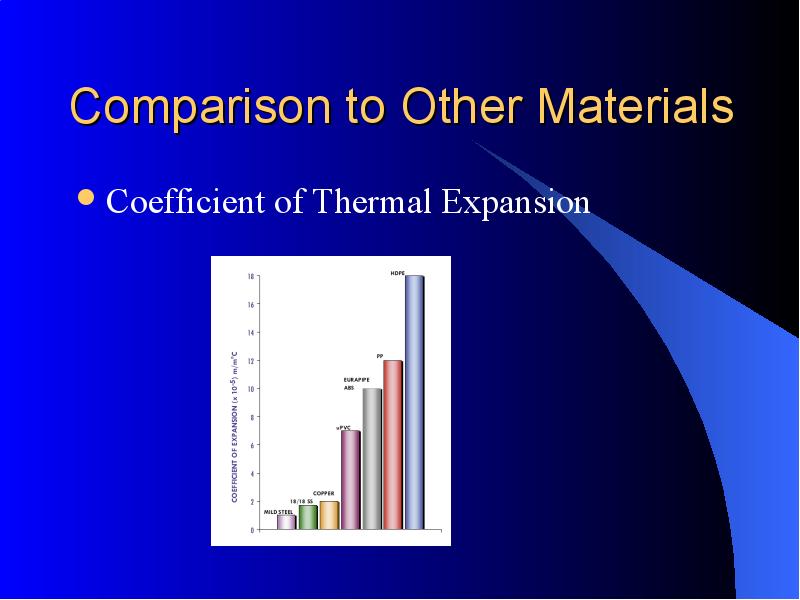
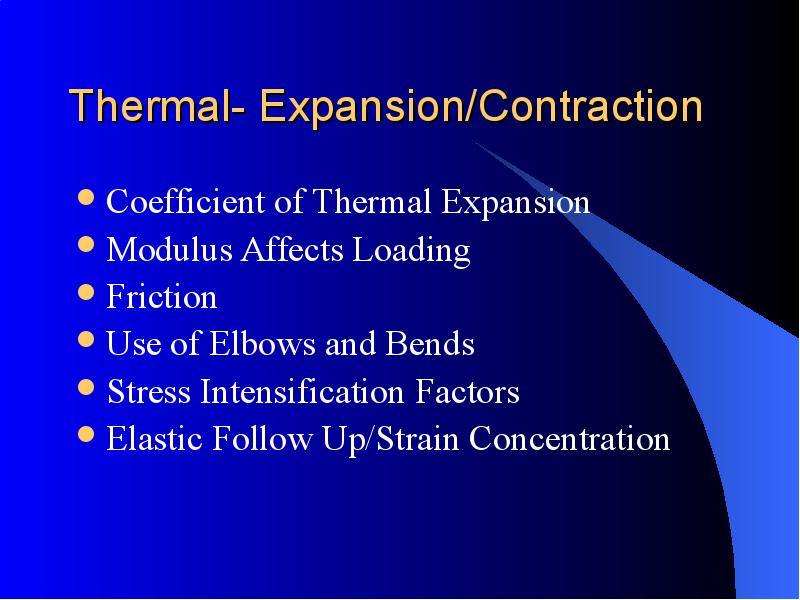
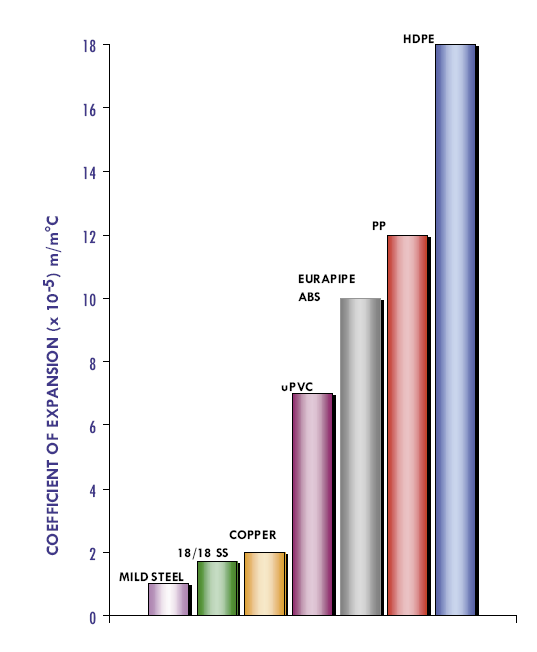
 Thermal: 
 Comparison with 
Expansion/Contraction
GRP
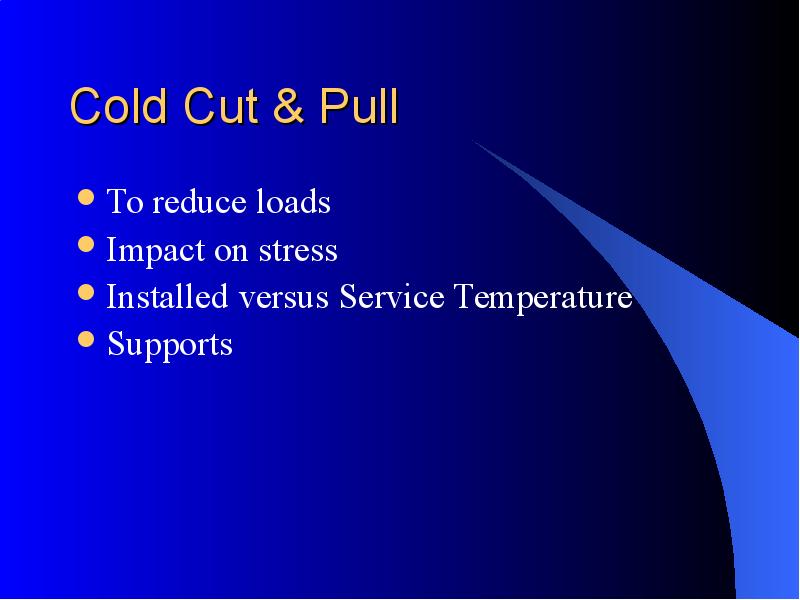
  Cold Cut &  Pull
 Codes & Standards
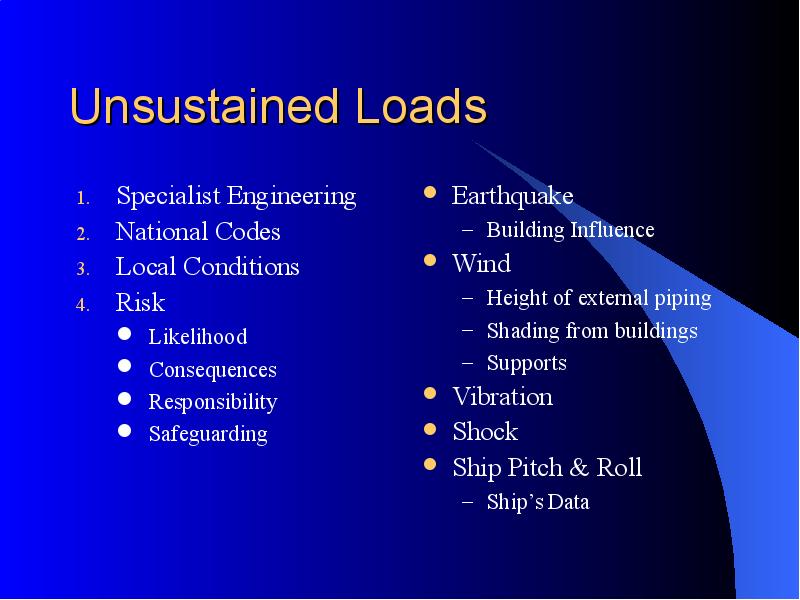
 Unsustained Loads
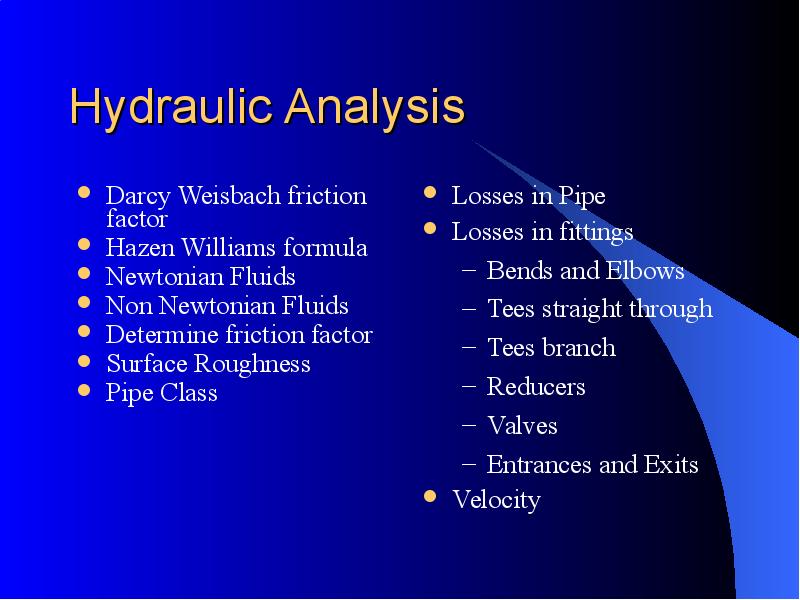
 Hydraulic Analysis
– Wind
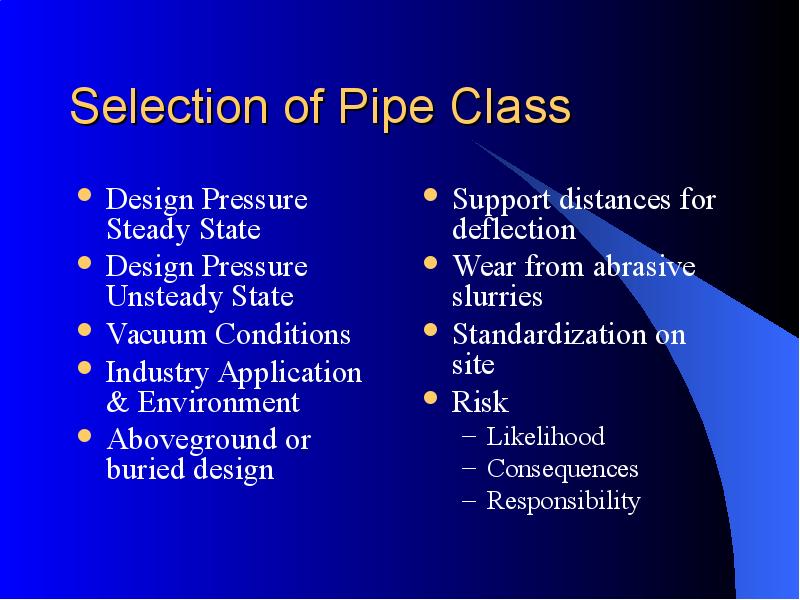
  Selection  of Pipe 
– Earthquake
Class
–  Ship Pitch & Roll
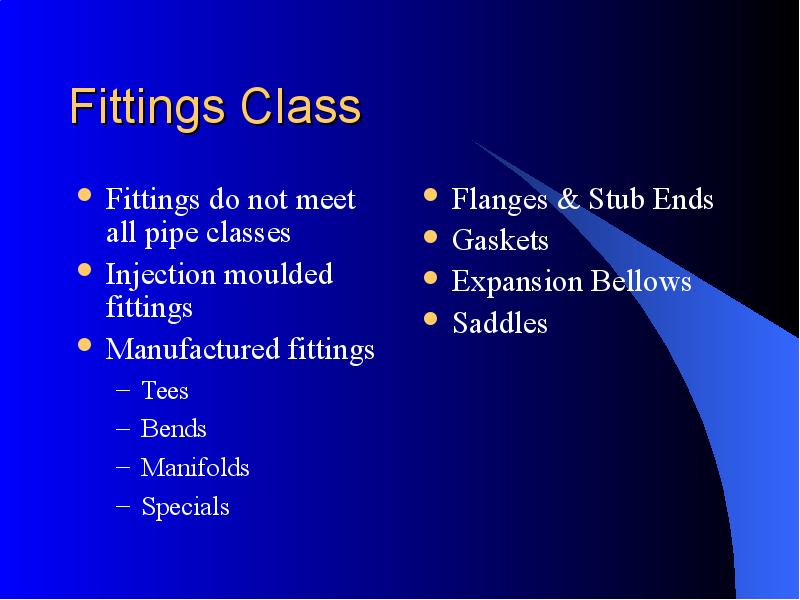
 Fittings Class
– Vibration
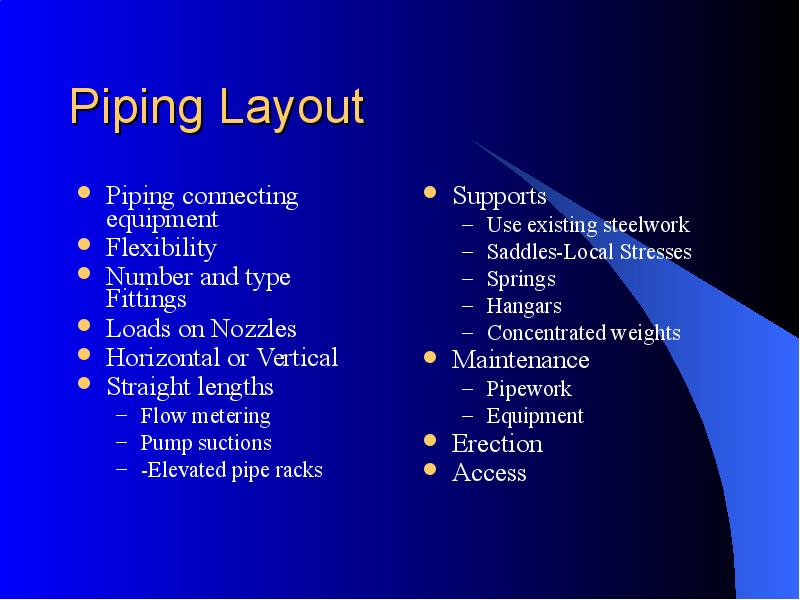
 Piping  Layout
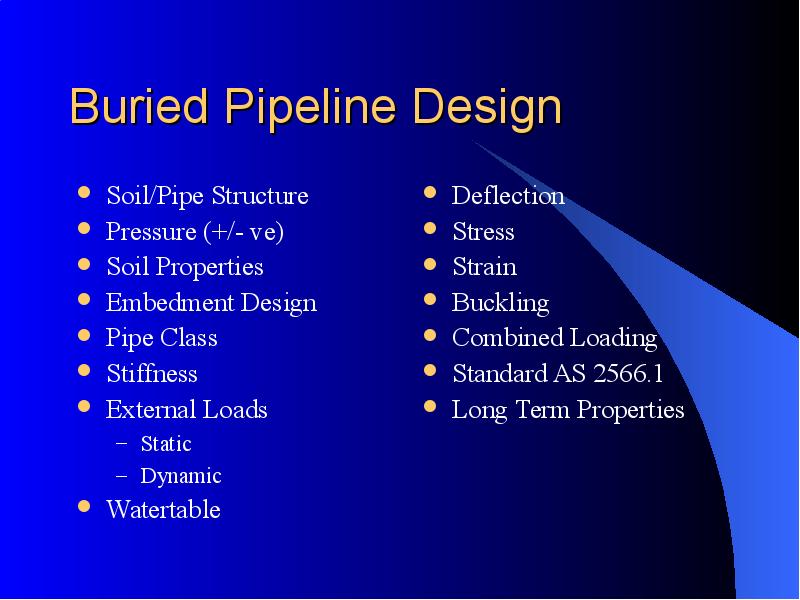
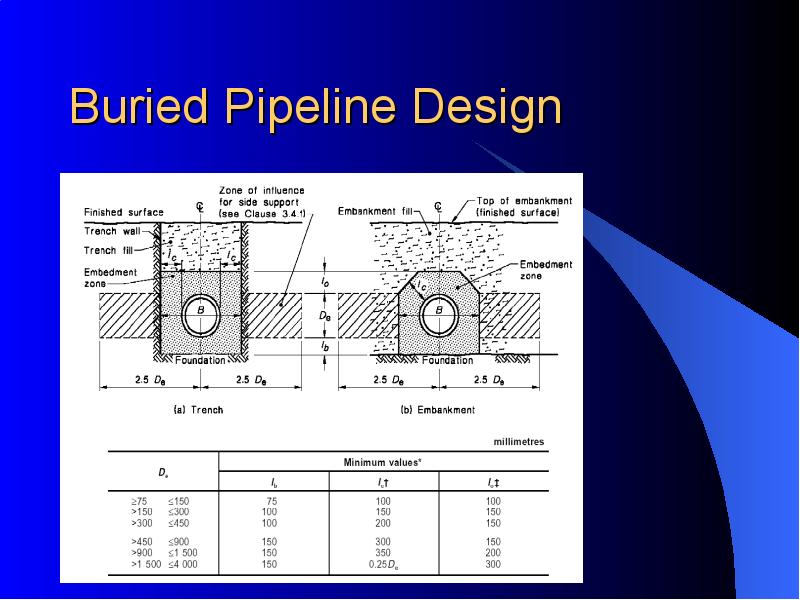
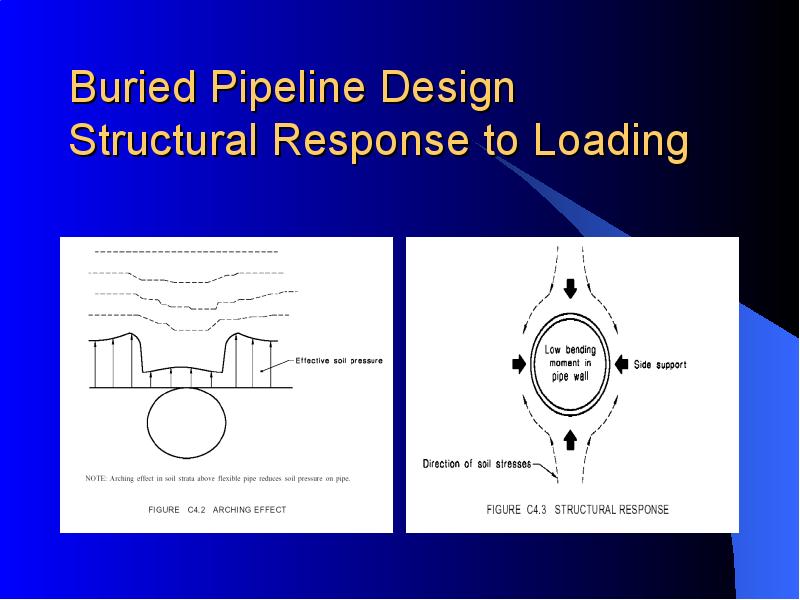
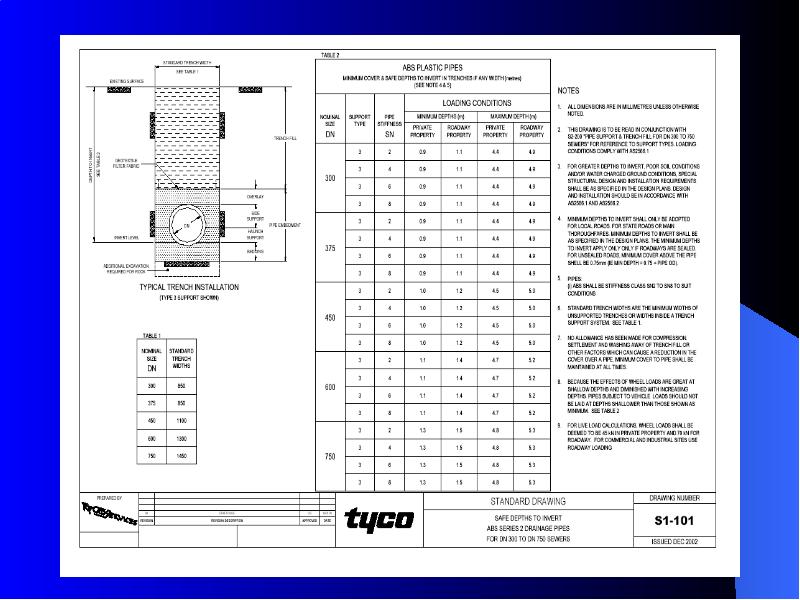
 Buried Pipeline Design
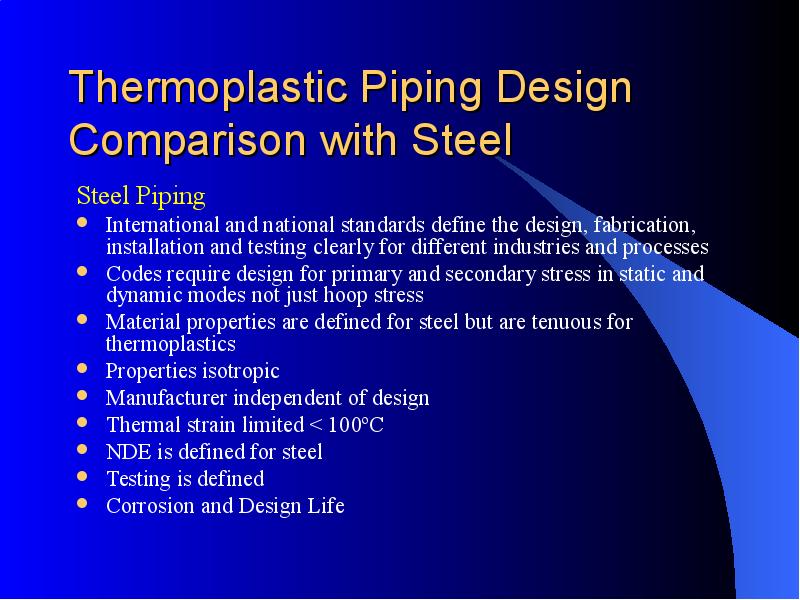
Thermoplastic Piping Design
Comparison with Steel
Steel Piping
 International and national standards define the design, fabrication, 
installation and testing clearly for  different  industries and processes
 Codes require  design for  primary  and secondary stress in static and 
dynamic   modes not just hoop stress
 Material properties are defined for steel but are tenuous for 
thermoplastics
 Properties isotropic
 Manufacturer independent of design
 Thermal strain limited 
Vasakule Paremale
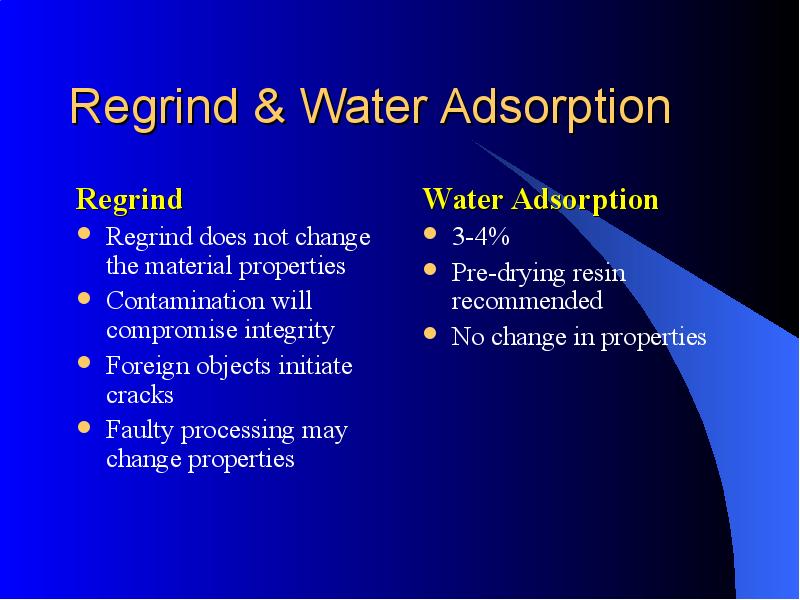
ABS Piping Australian Presentation #1 ABS Piping Australian Presentation #2 ABS Piping Australian Presentation #3 ABS Piping Australian Presentation #4 ABS Piping Australian Presentation #5 ABS Piping Australian Presentation #6 ABS Piping Australian Presentation #7 ABS Piping Australian Presentation #8 ABS Piping Australian Presentation #9 ABS Piping Australian Presentation #10 ABS Piping Australian Presentation #11 ABS Piping Australian Presentation #12 ABS Piping Australian Presentation #13 ABS Piping Australian Presentation #14 ABS Piping Australian Presentation #15 ABS Piping Australian Presentation #16 ABS Piping Australian Presentation #17 ABS Piping Australian Presentation #18 ABS Piping Australian Presentation #19 ABS Piping Australian Presentation #20 ABS Piping Australian Presentation #21 ABS Piping Australian Presentation #22 ABS Piping Australian Presentation #23 ABS Piping Australian Presentation #24 ABS Piping Australian Presentation #25 ABS Piping Australian Presentation #26 ABS Piping Australian Presentation #27 ABS Piping Australian Presentation #28 ABS Piping Australian Presentation #29 ABS Piping Australian Presentation #30 ABS Piping Australian Presentation #31 ABS Piping Australian Presentation #32 ABS Piping Australian Presentation #33 ABS Piping Australian Presentation #34 ABS Piping Australian Presentation #35 ABS Piping Australian Presentation #36 ABS Piping Australian Presentation #37 ABS Piping Australian Presentation #38 ABS Piping Australian Presentation #39 ABS Piping Australian Presentation #40 ABS Piping Australian Presentation #41 ABS Piping Australian Presentation #42 ABS Piping Australian Presentation #43 ABS Piping Australian Presentation #44 ABS Piping Australian Presentation #45 ABS Piping Australian Presentation #46 ABS Piping Australian Presentation #47 ABS Piping Australian Presentation #48 ABS Piping Australian Presentation #49 ABS Piping Australian Presentation #50 ABS Piping Australian Presentation #51 ABS Piping Australian Presentation #52 ABS Piping Australian Presentation #53 ABS Piping Australian Presentation #54 ABS Piping Australian Presentation #55 ABS Piping Australian Presentation #56 ABS Piping Australian Presentation #57 ABS Piping Australian Presentation #58 ABS Piping Australian Presentation #59 ABS Piping Australian Presentation #60 ABS Piping Australian Presentation #61 ABS Piping Australian Presentation #62 ABS Piping Australian Presentation #63 ABS Piping Australian Presentation #64 ABS Piping Australian Presentation #65 ABS Piping Australian Presentation #66 ABS Piping Australian Presentation #67 ABS Piping Australian Presentation #68 ABS Piping Australian Presentation #69 ABS Piping Australian Presentation #70 ABS Piping Australian Presentation #71 ABS Piping Australian Presentation #72 ABS Piping Australian Presentation #73 ABS Piping Australian Presentation #74 ABS Piping Australian Presentation #75 ABS Piping Australian Presentation #76 ABS Piping Australian Presentation #77 ABS Piping Australian Presentation #78 ABS Piping Australian Presentation #79 ABS Piping Australian Presentation #80 ABS Piping Australian Presentation #81 ABS Piping Australian Presentation #82 ABS Piping Australian Presentation #83 ABS Piping Australian Presentation #84 ABS Piping Australian Presentation #85 ABS Piping Australian Presentation #86 ABS Piping Australian Presentation #87 ABS Piping Australian Presentation #88 ABS Piping Australian Presentation #89 ABS Piping Australian Presentation #90 ABS Piping Australian Presentation #91 ABS Piping Australian Presentation #92
Punktid 50 punkti Autor soovib selle materjali allalaadimise eest saada 50 punkti.
Leheküljed ~ 92 lehte Lehekülgede arv dokumendis
Aeg2018-05-14 Kuupäev, millal dokument üles laeti
Allalaadimisi 2 laadimist Kokku alla laetud
Kommentaarid 0 arvamust Teiste kasutajate poolt lisatud kommentaarid
Autor Mkarmin9 Õppematerjali autor

Sarnased õppematerjalid

wood properties
46
pdf

wood properties

Chapter 4 Mechanical Properties of Wood David W. Green, Jerrold E. Winandy, and David E. Kretschmann Contents he mechanical properties presented in this chapter were obtained from tests of small pieces of wood Orthotropic Nature of Wood 4–1 termed “clear” and “straight grained” because they Elastic Properties 4–2 did not contain characteristics such as knots, cross grain, Modulus of Elasticity 4–2 checks, and splits. These test pieces did have anatomical Poisson’s Ratio 4–2 characteristics such as growth rings that occurred in consis-

Ehitus materjalid ja konstruktsioonid
2-stroke tuners handbook tuners
171
pdf

2-stroke tuners handbook tuners

Two-Stroke TUNER’S HANDBOOK By Gordon Jennings Illustrations by the author Copyright © 1973 by Gordon Jennings Compiled for reprint © 2007 by Ken i PREFACE Many years have passed since Gordon Jennings first published this manual. Its 2007 and although there have been huge technological changes the basics are still the basics. There is a huge interest in vintage snowmobiles and their “simple” two stroke power plants of yesteryear. There is a wealth of knowledge contained in this manual. Let’s journey back to 1973 and read the book that was the two stroke bible of that era. Decades have passed since I hung around with John and Jim. John and I worked for the same corporation and I found a 500 triple Kawasaki for him at a reasonable price. He converted it into a drag bike, modified the engine completely and added mikuni carbs and tuned pipes. John borrowed Jim’s cop

Mootor
TOPICS FOR SPEAKING
28
doc

TOPICS FOR SPEAKING

TOPICS FOR SPEAKING CYLINDER FRAME The cylinder section of the engine consists of a number of cylinder blocks, which are tightened together with the engine frame and the bedplate by means of through- going stay bolts. Two central bores, one at the top and one halfway down inside the cylinder block, enclose the cylinder liner. The upper part of the cylinder block forms part of the cooling water space around the central part of the cylinder liner, whereas the lower part forms the scavenge air space. A central bore in the bottom of the cylinder block encloses the piston rod stuffing box. The bottom is double with a hollow space through which cooling water is circulated. On the exhaust side of the cylinder block there is a circular opening leading into the longitudinal scavenge air receiver of the engine. Furthermore, there is an inlet pipe for cooling and lubricating oil. The cylinder block is provided with cleaning and inspection covers for the cooling water and

Inglise keel
Structural Testing Of Homebuilt Aircraft
8
pdf

Structural Testing Of Homebuilt Aircraft

STRUCTURAL TESTING OF HOMEBUILTS Editor's Note: Alex Strojnik's Aviation articles on laminar flow in in all cases of new designs. He writings and aircraft designs have lightplane design, Alex designed also believes load testing may be in appeared in Sport Aviation many and built a very low drag powered order in a number of instances times in the past decade. A native sailplane, the S-2 (Sport Aviation, involving composite airframes. of Yugoslavia, Alex has very April 1982), which would become While there has been no history of impressive academic credentials. the first homebuilt motorglider in structural failure in composite He holds a degree in electrical engi- which International FAI Silver, Gold homebuilts that have been con- neering, a Ph. D. in aerodynamics .. and Diamond badges would be

Abimehanismid
Liha töötlemine
1168
pdf

Liha töötlemine

Handbook of Meat Processing Handbook of Meat Processing Fidel Toldrá EDITOR A John Wiley & Sons, Inc., Publication Edition first published 2010 © 2010 Blackwell Publishing Blackwell Publishing was acquired by John Wiley & Sons in February 2007. Blackwell’s publishing program has been merged with Wiley’s global Scientific, Technical, and Medical business to form Wiley-Blackwell. Editorial Office 2121 State Avenue, Ames, Iowa 50014-8300, USA For details of our global editorial offices, for customer services, and for information about how to apply for permission to reuse the copyright material in this book, please see our website at www.wiley.com/ wiley-blackwell. Authorization to photocopy items for internal or personal use, or the internal or personal use of specific clients, is granted by Blackwell Publishing, provided that the base fee is paid directly to the Copyright Clearance Center, 222 Rosewood Drive, Danvers, MA 01923. F

Inglise keel
Kuidas muudab mudelprojekteerimine teraskonstruktsioonide valmistamist ja ehitamist
228
pdf

Kuidas muudab mudelprojekteerimine teraskonstruktsioonide valmistamist ja ehitamist

EHITUSTEADUSKOND Ehitustootluse instituut KUIDAS MUUDAB MUDELPROJEKTEERIMINE TERASKONSTRUKTSIOONIDE PROJEKTEERIMIST, VALMISTAMIST JA EHITAMIST? HOW ARE 3D AND BIM CHANGING THE DESIGN, FABRICATION AND CONSTRUCTION OF COMPLEX STEEL STRUCTURES? EPJ 60 LT Üliõpilane: Tanel Friedenthal Juhendaja: Prof. Roode Liias Kaasjuhendaja: Prof. Carrie S. Dossick Tallinn, 2010.a. Olen koostanud lõputöö iseseisvalt. Kõik töö koostamisel kasutatud teiste autorite tööd, olulised seisukohad, kirjandusallikatest ja mujalt pärinevad andmed on viidatud. …………………………………………….. (töö autori allkiri ja kuupäev) Üliõpilase kood: 041399 Töö vastab magistritööle esitatud nõuetele …………………………………………?

Ehituskonstruktsioonid
Biogas – The source of future energy
26
docx

Biogas – The source of future energy

Confined spaces that may be immediately hazardous to life and should only be entered using appropriate procedures and equipment. Noise levels that require workers to wear hearing protection. Liquid tanks and ponds that may result in drowning. Pumps and other machinery that are entanglement hazards due to rotating shafts, pinch points and other moving parts. Biogas and manure liquids that cause rapid corrosion or failure of electrical equipment, gas handling piping and building components. Small children and unaware visitors who can wonder into areas of danger and become serious injured or drown. Ladders, platforms and roofs without guards, cages or other fall prevention measures. Dirty liquids and gases escaping under high pressure. Future prospects There must be more researches about many topics concerning biogas in order to make biogas technology applicable and to achieve success from the investments in this field

Inglise keel
Physical hazards konspekt
8
pdf

Physical hazards konspekt

Inconvenient Non-ionizing indoor climate Poor radiation lighting (magnetic fields) PHYSICAL HAZARDS Risk of fire and Noise in the working environment: electrical shock Physical Part I – Inconvenient indoor hazards Risk from climate sharp objec

Ergonoomika


Meedia

Kommentaarid (0)

Kommentaarid sellele materjalile puuduvad. Ole esimene ja kommenteeri



Sellel veebilehel kasutatakse küpsiseid. Kasutamist jätkates nõustute küpsiste ja veebilehe üldtingimustega Nõustun