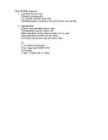
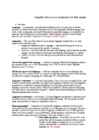
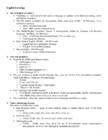
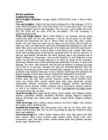
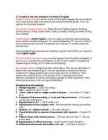
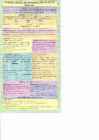
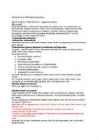
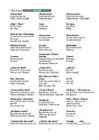
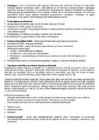
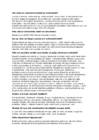
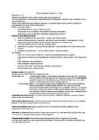
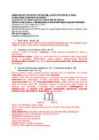
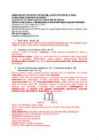
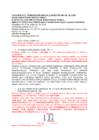
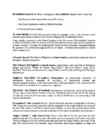
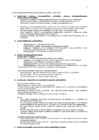
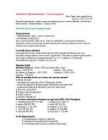
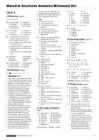
THE ADVERB määrsõna 1. Liht; Here soon now fast Tuletatud; internationally Liit; Outside, therefore, some kind Ühendmäärsõnad; Like phrases; from time to time, now and then 2. Ajamäärsõnad Koha ja suuna määrsõnad; above, there Viisimäärsõnad; quickly, clearly, well Määra määrsõnad; nearly, almost, enough, very, to, quite Põhjusmäärsõnad; therefore, for this reason Küsivad ja siduvad; how, why, how much, where III 2. in a friendly way/manner 3. he's a fast runner ADJECTIVE He runs fast 4. high vs. Highly, late vs. Lately
Adverbs and Adverbial Phrases Table of Contents Adverbs and Adverbial Phrases ........................................................... 2 Types of Adverbs ..................................................................................... 2 Position of Adverbs.................................................................................. 4 Yet, still, already ....................................................................................... 6 Adverbs and Adverbial Phrases An adverb describes a verb, an adjective, another adverb or a whole sentence. Adverbs can be divided according to the information that they give. Types of Adverbs 1. Some adverbs tell us how somebody does something or how something happens. These are called Adverbs of Manner. Please speak quietly. Tom drove carefully along the narrow road. 2. Some adverbs tell us where. Thes...
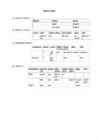
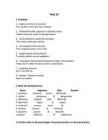
Word order: positive sentences subjects verb(s) object I speak English. I can speak English. Negative sentences subject verbs Indirect object Direct object place time I will not you the story at Tomorro tell school w. Subordinate Clauses conjunction subject verb(s) Indirec Direct place time t object object I will you the story...
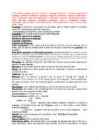
1 Grammatical Terminology PRACTICAL ENGLISH GRAMMAR FLGR.01.042 Grammatical Terminology analytic analüütiline (= uninflected - grammar is focused in the sentence , e.g. English) synthetic sünteetiline (= inflected - grammar is focused in the word, e.g. Estonian, Latin, Russian, Old English) ending lõpp (käände- ja pöördelõpud) marker tunnus (mitmuse, oleviku, lihtmineviku, tingiva kõneviisi, käskiva kõneviisi, kaudse kõneviisi, umbisikulise tegumoe, ma- tegevusnime, oleviku kesksõna, mineviku kesksõna) derivational affix liide, tuletusliide, tuletusafiks (e.g. postwar, anti-American, wiser, greenish) parts of speech sõnaliigid English Estonian ...
adjective + preposition omadussõna + eessõna proud of, good at, married to adverb particle Some verbs are followed by adverb particles. Examples are: put on, take off, give away, bring up, call in. Sometimes the particle is detached from the verb and put after the object. •He took his boots off. •They called the doctor in. apposition a grammatical construction in which two usually adjacent nouns having the same referent stand in the same syntactical relation to the rest of a sentence (as the poet and Burns in “a biography of the poet Burns”) back-reference In grammatical analysis, the term reference is often used to state a relationship of identity which exists between grammatical units, e.g. a pronoun 'refers' to a noun or noun phrase. When the reference is to an earlier part of the discourse, it may be called a 'back-reference' (or anaphora); collective noun Collective noun is the name we give to a group of nouns...
Nouns are commonly thought of as "naming" words, and specifically as the names of "people, places, or things". Nouns also denote abstract and intangible concepts such as birth, happiness, evolution, technology, management, imagination, revenge, politics, hope, cookery, sport... Determiners are followed by the noun. Determiners are the, a or an. The determiner the is known as the definite article and a is indefinite article. Verbs have traditionally been defined as „action“ words or „doing“ words. Travels, sings, walked, cooked... Adjectives typically describe an attribute of a noun. Cold, large, violent, beautiful... Adverbs are used to modify a verb, and adjective, or another adverb. Slowly, quickly, softly, suddenly, gradually... Prepositions typically come before a noun. Across, after, at, before, by, during, from, into, in... Conjunctions are used to express a connection between words. And, but, or... Formulaic expressions are ...
PREPOSITIONS (eessõnad) Prepositions of place: KUS? WHERE? AT ON IN at 10 High Street on Fifth Avenue in the world at 224 Fifth Avenue on the street(AmE) in High Street at the corner of the street on the plane in the east of Europe at a hotel on a bus in London at a store on a boat/ship in Trafalgar Square at the concert on the floor in America at the cinema on the wall in a village at the theatre on the shelf in the country at the station on the table in (the) town at the airport ...
Test Unit 14 1. Translate. 1)täielikult kaduma - disappear wholly 2)haiguste käes kannatama - suffer from illnesses 3)Ameerika põliselanike hõimud - Native Americans tribes 4)Ameerikat avastama - discover America 5)ametlik keel - official language 6)orjusele lõppu tegema - make end slavery 7)traditsioone ja kultuuri hoidma - hold traditions and culture 8)immigrantide arv - number of immigrants 2. Complete the sentences. 1)The capital of Norway is Oslo. 2)Pirjo lives in Finland and she speaks Finnish. 3)Michail comes from Moscow. He speaks Russian. 4)What nationality are you? I'm Estonian. 5)The Dutch live in Holland. 6)Uwe's grandparents live in Germany. They speak German. 7)Michael comes from Australia. He speaks Australian. 8)Eve lives in Ireland and loves Irish music. 3. Write in reported speech. 1)The teacher asks what the capital of Latvia is. 2)Mary wants to know how many sisters I have g...
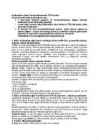
English structure revision for the exam 1. Terms Language → A systematic, conventional (tavakohane) use of sounds, signs or written symbols in a human society for communication and self-expression. Human language at all levels is rule- or principle- governed (valitsema) meaning that language corresponds to the grammar. Natural language is usually spoken, while language can also be encoded into symbols (such as letters, morse etc) For example: Estonian, English. Linguistics → The scientific study of human natural language. Broadly, there are three aspects to the study which are Pragmatics (studies the use of language → interested in the gap between the sentence’s meaning and the speaker’s meaning). Semantics (concerned with the meaning of the language aspects and the way they change, also how objects and language and thinking and language are related). ...
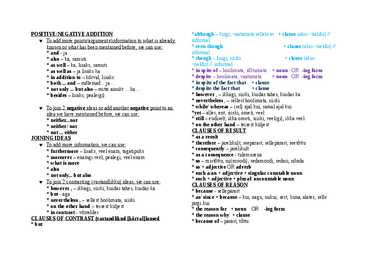
POSITIVE/NEGATIVE ADDITION *although kuigi, vaatamata sellele et + clause (alus->öeldis) // To add more points/arguments/information to what is already informal known or what has been mentioned before, we can use: * even though + clause (alus->öeldis) // * and - ja informal * also ka, samuti * though kuigi, siiski + clause (alus- * as well ka, lisaks, samuti >öeldis) // informal * as well as ja lisaks ka * in spite of hoolimata, sõltumata + noun OR -ing form * in addition to kõrval, lisaks * despite hoolimata, vaatamata + noun OR -ing form * both ... and mõlemad .. ja ... ...
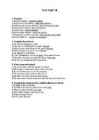
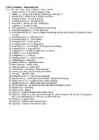
Test 15 1 Translate. 1 Maakera kliima on muutunud. The climate of the Earth has changed. 2 Põlisameeriklaste suguharud vahetasid kaupu. Nateive American tribes exchanged goods. 3 Nende põhilised vaated olid sarnased. Their basic views were similar. 4 Nad austasid kõiki eluvorme. They respected every form of life. 5 Valged asukad liikusid läände. The white settlers moved westward. 6 Tänapäeval elavad paljud põlisameeriklased reservaatides. Today lots of Native Americans live in reservations. 7 kellegisse armuma fall in love with sb 8 kellestki / millestki erinema differ from sb/sth 2 Write the missing forms. Noun Adjective Verb Adverb 1 attraction attractive attract attractively 2 danger dangerous X dangerously 3 difference different differ differently 4 happiness ...
Unit 6: vocabulary School and work (v.) verb (n.) noun (adj.) adjective (adv.) adverb 1. to retire (from) (v.) - to stop working due to age 2. toddler (n.) young child at the age of learning to walk, age 1-2 3. aspiration (n.) strong desire to achieve something 4. exasperated (adj.) extremely annoyed 5. to be fed up with (v.) sick and tired of 6. rarely (adv.) seldom; not often; infrequently 7. to queue (v.) to stand in a line 8. to be ashamed of (v.) to be embarrassed of something 9. to be depressed about (v.) to feel down/sad 10. to be responsible for (v.) to be in charge of something and take either credit if it succeeds or blame if it fails 11. to be famous for (v.) to be known for 12. to be interested in (v.) to be curious 13. to be proud of (v.) to take pride in 14. to complain about (v.) to whine about 15. to su...
English lexicology 1. Size of English vocabulary Vocabulary is a sum total of words used in a language by speakers or for dictionary-making. Active and passive vocabulary. The Old English vocabulary was homogenous. There were about 50 000 – 60 000 words, 1/3 of which have survived. o About 450 loans from Latin o About 2000 from the Viking invasions. The Middle-English vocabulary became a heterogeneous hybrid of Germanic and Romanic languages. 100 000 to 125 000 words. o About 10 000 loans from Norman French, 75% are still in use o Continuing Latin influence Early Modern English. 200 000 – 250 000 words o English becomes a pluricentric language. o Polyglot. Cosmopolitan language Modern English. 500 000 words o At present at least 1 billion lexical units 2....
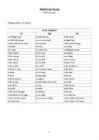
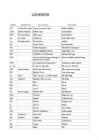
LÜHENDID LÜHEND LADINAKEELES INGLISE KEELES EESTI KEELES CV Curriculum vitae A prief account of life elulookirjeldus A.M. Ante meridiem Before noon Enne lõunat P.M. Post meridiem After noon Peale lõunat etc. Et cetera And so on Ja nii edasi (jne.) e.g. Exampli gratia For instance näiteks GB Great Britain Suurbritannia UK United Kingdom Ühendatud kuningriik VIP A very important person Väga tähtis isik MP A Member of Parliament Parlamendi liige SOS An international signal calling for Rahvusvaheline hädakutsung. ...
Leixcology revision questions 1) Composition of english vocabulary Vobabulary is the sum of a total of words used in a language by speekers or used in a dictionary. English vocabulary cosists of six units: Simple words- fall Complex words- prefall Phrasal word- face up to Compound word- face lift Multiword expression- face the music Shortened forms- prefab (prefabely?) 2) Core and pherifery English has been heavily influenced by other languages. 31.8 % comes from old english, 45% comes from french, 16,7% comes from latin, 4,2% other germanic languages and 2,3 other languages. The very core is mono-syllabic (93 of the first 100 words nad the other seven are two-syllabic). The core vocabulary is predominantly germanic. 3) Native and foreign elements Native vocabulary: INDO-EUROPEAN- mother, foot, heart, father, sea, night etc GERMANIC- friend, bidge, ship, life, heaven OLD-ENGLISH- bad, bird, woman, lady and gospel LATIN- ch...
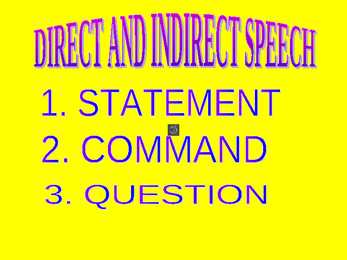
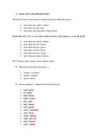
· DIRECT · INDIRECT · Am, is, are · Was/were · Shall/will · Should/would · Can · Could · May · Might · Must · Have/has to · Ought to · Had to CHANGES OF ADVERB OF TIME & PLACE · DIRECT · INDIRECT · NOW · THEN · TOMORROW · THE FOLLOWING DAY · NEXT WEEK · THE FOLLOWING WEEK · TONIGHT · THAT NIGHT · TODAY · THAT DAY · YESTERDAY · THE DAY BEFORE · LAST NIGHT · THE NIGHT BEFORE · LAST WEEK · THE WEEK BEFORE · HERE · THERE · THIS · THAT · THESE · THOSE CHANGES OF TENSES · DIRECT · INDIRECT · SIMPLE PRESENT · SIMPLE PAST · SIMPLE PAST · PAST PERFECT · PRESENT PERFECT · PAST PERFECT · PRESENT · PAST CONTINUOUS CONTINUOUS · PAST PERFECT ...
Review questions English lexicology Size of English vocabulary. Average speaker 45,000-60,000 words, a total of about 200,000. Core and periphery. English has been heavily influenced by other languages. 31.8 % comes from Old English, 45% comes from French, 16,7% comes from Latin, 4,2% other germanic languages and 2,3 other languages. The very core is mono-syllabic (93 of the first 100 words and the other seven are two-syllabic). The core vocabulary is predominantly germanic. Native and foreign element. Native words belong to very important semantic group (modal verbs-shall, will, can, may; pronouns- I, you, he, my, his; preps- in, out, under; numerals and conjunctions::but, till, as. Native words are head, arms, back; mother, brother, son, wife; snow, rain, wind, sun; cat, sheep, cow; old, young, cold, hot, dark; do, make, go, come, see. Many native words have developed many meanings (nt, hand, man, head). Most native words have become ...
Past Simple and Continuous Table of Contents Past Simple .......................................................................... 2 The spelling of endings in the Past Simple ............................ 3 When to use the Past Simple ................................................ 3 Past Continuous .................................................................. 4 When to use the Past Continuous......................................... 4 Used to & would................................................................... 5 Unfulfilled past events.......................................................... 5 Past Simple Regular Past Simple forms end in -ed. I worked he danced we apologized Some verbs have an irregular past form. I left he wrote The Past Simple is the same in all persons except in the past tense...
Degrees of Comparison Table of Contents Degrees of Comparison ......................................................... 2 Formation of comparatives and superlatives from adjectives and adverbs:......................................................................... 2 Adjectives ................................................................. 2 Adverbs .................................................................... 4 Types of comparisons ........................................................... 4 Degrees of Comparison Degrees of Comparison are used to compare things (living beings, actions, phenomena, etc). We use the comparative degree to compare two things: She’s shorter than me. John works harder than Jim. After a comparative we use than. We use the superlative degree to compare more than two things: Mary is shorter than J...
ACTIVE TENSES Active form You use an active verb when you want to say that the subject of a sentence does something. · [Thing doing action] + [verb] + · +[thing receiving action] · Examples The professor (subject doing action) teaches (verb) · the students (object receiving action). · Mary (subject doing action) · washes (verb) · the dishes ( object receiving action). The tenses of the verb 1.Present (olevik) 2.Past (minevik) 3.Future (tulevik) 4.Future in the past (kaudne tulevik) Iga aeg võib esineda neljas eri rühmas 1.IndefiniteTenses (üldajad) 2.Continious Tenses (kestvad ajad) 3.Perfect Tenses (perfekti ajad) 4.Perfect Continious Tenses (perfekti kestvad ajad) Indefinite Tenses (üldajad) used to describe actions but do not state whether the action is completed or on- going märgivad tegevuse sooritamise fakti Peter visits us every day. Peter visited ...
1. Nouns: how is the plural formed? The plural form of most nouns is created simply by adding the letter s: · more than one snake / snakes · more than one ski / skis · more than one Barrymore / Barrymores Words that end in -ch, x, s or s-like sounds, however, will require an -es for the plural: · more than one witch / witches · more than one box / boxes · more than one gas / gases · more than one bus / buses · more than one kiss / kisses · more than one Jones / Joneses BUT! Photos, kilos, pianos, zeros, studios, radios. When the word ends in the letter -y: · country / countries · family / families · story / stories Nouns ending in -f: (should be learned by heart) · calf / calves · elf / elves · half / halves · knife / knives · life /...
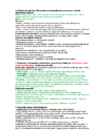
1. Be ready to explain the terms (lecture 1): language, linguistics, synchronic approach to language, diachronic approach to language, linguistic competence, linguistic performance, what is grammar?, prescriptive grammar vs. descriptive grammar; phonology, phonetics, phone, allophone, phoneme; morphology, morphemes (types of morphemes), morphs, allomorphs, types of affixes, derivational affixes, inflectional affixes; open vs closed class words; syntax. Language: a systematic, conventional use of sounds, signs or written symbols in a human society for communication and self-expression. - human language at all levels is rule- or principle-governed. Linguistics: the scientific study of human natural language Synchronic approach to language: Diachronic approach to language: Linguistic competence: Linguistic performance: What is grammar?: "The sounds and sound patterns, the basic units of meaning, such as words, and the rules to combine them...
1) Standard and non-standard varieties of English Standard varieties of English are the varieties of the English language that are considered to be a norm and are spoken and written by the minority (educated people). This is the optimum for educational purposes. The standard varieties of English are: BrEng (British), EngEng (English), NAmEng (North-America), USEng (United States), CanEng (Canada), AusEng (Australia), NZEng (New Zealand). Standard English (British English) is the most widely accepted and understood among native speakers, learned by foreigners. It is used in broadcasting, TV, news etc. It doesn't concern pronounciation (accent), but grammar and vocabulary. It includes formal and informal styles. British Standard English grammar and vocabulary, together with the RP accent should be called English English. RP (Received Pronounciation) is an accent that originates from South-East of England. A social accent, associated o...
Lihtlause (The simple sentence) Lauseliikmed on alus (t/ie subject),iildis (the predicale), sihitis lthe objecr) ja mddrus (.the adver- blal1. Lau.eliikmek. rdih olla iiLl.,siksona r0i terve:dnade riihm ehl< lraas. faraline sdnajiirg on: Alus Oeldis Sihitis MAarus Tbm played sot:f yesteral0!-. My elder brother will play tahle tennis next week Lausete liigid (Klrds ol sentence.s) Viiitlaused (Statements'l teata...
Viljandi County Gymnasium Prepositions Name Form 11b Supervisor: Name Viljandi 2009 Viljandi County Gymnasium 1. Prepositions of place The ball is in the box The ball is on the box. The ball is under the box. Jane's house Bill's house John's house John's house is next to Jane's Jane's house is between Bill's Bill's house is next to Jane's house. and John's houses. house. The man stood The climbers The man stood The enemies stood The gardners next to the gopher stood on top of between the two opposite each stood behind the ...
1. loeng Keeleteaduse alused 5. sept-13. Mis on keel Karlason (lk15): keele all mõeldakse inimese poolt kasutatavat loomulikku keelt, mis tavaliselt teostub leekelise ehk verbaalse suhtluse vormis. Keel on võimalik tänu inimese keelevõime. · Keel on üks inimese kognitiivserest võimetest, võrreldav näiteks nähemise, kuulmise jt tajudega. o Kommunikatsioonisüsteem keel on ette nähtud inimestevaheliseks suhtluseks. o Keeleteaduse üürimisobjekt Tähenduse, funktsiooni poolt keelt vaadates näeme keeles teistsuguseid jaotusi kui struktuuri poolt vaadates. /üldkeeleteadus (ingl k General linguistics) keeleteadus ehk lingvistika/ Keele allsüsteemid: · Foneetika · Fololoogia · Morfoloogia · Süntaks · Tekst · Semantika, pragmaatika (tähendusõpetus, keelekasutus) Maailma keeled on pigem kõik mingil määral sarnased. Kui keelt vaadata struktuuri poolt, siis võivad keele...
Sissejuhatus üldkeeleteadustesse Õpik F. Karlsson ''Üldkeeleteadus''- digilaenutus ebrary Mis on keel? Keele all mõeldakse inimese poolt kasutatavat loomulikku keelt, mis tavaliselt teostub keeleliselt ehk verbaalse suhtlsuse vormis. Keel on võimalik tänu inimese keelevõimele. *Keel on üks inimese kognitiivsetest võimetest, võrreldav kuulmise ja nägemisega. Iga teaduslik lähenemine tahab liigitada ja defineerida, keeleteaduslik ka. Keel kui uurimisobjekt ja selle süstematiseerimine. -Kommunikatsioonisüsteem -keeleteaduse uurimisobjekt Tähenduse, funktsiooni poolt keelt vaadates näeme keeles teistsuguseid jaotusi kui struktuuri poolt vaadates. Üldkeeleteadus (general linguistics) Keeledeadus ehk lingvistika. Viipekeel,, sümbolite keel, on siiski võime keelt edastada. See kuidas me keelt kasutame sõltub sellest mida kuuleme ja näeme. Keele allsüsteemid · Foneetika-hääldus, häälikud · Fonoloogia-silbid · Morfoloogia-käände lõp...
1. Basic Phrases ¡Buenos días! ¡Buenas tardes! ¡Buenas noches! bway-nohs dee-ahs bway-nahs tard-ays bway-nahs noh-chays Hello! / Good morning! Good afternoon! Good evening! / Good night! ¡Hola! / ¡Chao! Adiós. Por favor. oh-lah / chow ah-dee-ohs por fah-bor Hi! / Bye! Good bye. Please. Hasta la vista / Hasta luego. Hasta pronto. Hasta mañana. ah-stah lah vees-tah / ah-stah ah-stah prohn-toh ah-stah mahn-yahn-ah loo-ay-go See you soon. See you tomorrow. See you / See you later. (Muchas) Gracias. De nada. Bienvenidos (moo-chah...
LEXICOLOGY 1. Size of English vocabulary 1) Old English – 50,000 to 60,000 words Vocabulary of Shakespeare OE – homogeneous; 1/3 of the vocabulary has survived • 884,647 words of running text About 450 Latin loans (Amosova) • 29,000 different words (incl. work, working, Viking invasions added 2,000 worked, which are counted here as separate 2) Middle English – 100,000 – 125,000 words) English becomes heterogeneous (Norman French, • 21,000 words English, Latin), hybrid of Germanic and Romance languages Norman French influence – about 10,000 words, 75 % are still in use (Baugh) Latin influence continues 3) Early Modern English – 200,000 – 250,000 English becomes a polycentric language; polyglot, cosmopolitan lang...
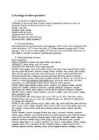
1. Tüpoloogia keelte või keeleelementide liigitamine lähtuvalt nende struktuurist. Eesmärk on leida keeltes esinevate nähtuste varieerumise piirid ühel nähtusel on eri keeltes eri ilmnemisvormid. Tüpoloogias tegeletakse konkreetse nähtusega (nt isikukategooria maailmakeeltes). Põhiliselt kirjeldatakse üksiknähtusi. Tüpoloogia pole grammatikateooria, vaid on meetod, mistõttu võib ta olla teooria-neutraalne. Ta on tausta ja raamistikuta. Peaks vähem rääkima moodsatest grammatilistest suundadest. Tüpoloogia sai alguse Saksamaalt, 19.saj I poolel. Keeletüpoloogia otsib funktsionaalseid seletusi. 2. Keelte liigitamise põhimõtted: · Genealoogiline ehk päritolu järgi (nt eesti k kuulub soome-ugri k hulka) · Tüpoloogiline (keelte sugulus on tähtsusetu) · Areaalne ehk piirkondlik. Geograafiliselt lähestikku kõneldavad keeled muutuvad sarnasteks. Keelekontaktid (vaja 2keelset inimest). · Sotsioloogiline (nt kõnelejate ar...
Changing career: 'These days, I go home feeling relaxed' Starting a new career is a daunting prospect for many. But Kate Hilpern discovers that plenty of help is at hand Some of the jobs that career changers are most keen to break into PR and teaching, among them are the very same jobs that people are queuing to get out of, says John Lees, author of How to Get a Job You'll Love and Take Control of Your Career. Many of us get to the point, whether in our twenties, thirties, forties or fifties where we decide to change careers. Some of us will make radical changes, while others will move to the edge of their comfort zone, perhaps shifting from acupuncturist to homeopath or PR office to journalist. But the key to making the right decision, says Lees, is to bring your dream back down to life with a hard thump. "I always say to people, 'Find out what you will actually be doing in the job of your dreams. What does the nitty-gritty day-...
INGLISE KEELE GRAMMATIKA Present Simple Lihtoleviku moodustamine Jaatav vorm Eitav vorm Küsiv vorm I make I do not make Do I make? He/she/it speaks He/she/it does not speak Does he/she/it speak? We/you/they go We/you/they do not go Do we/you/they go? NB! ERANDID! · Verbidele, mis lõpevad ss, h, ch, tch, x või oga, lisatakse ainsuse kolmdandas pöördes es. he does he goes he misses he watches he mixes · Verbid, mis lõpevad yga, mille ees on konsonant, muudavad y iks enne es lisamist. fly he flies carry he carries Võrdle: say he says Lihtolevik väljendab: · Antud momendil toimuvat tegevust, mis ei väljenda kest...
Burger King Burger King (NYSE: BKC), often abbreviated to BK, is a global chain of hamburger fast food restaurants. The first restaurant was opened in Miami, Florida in 1954 by James McLamore and David Edgerton, and has since used several variations of franchising to expand its operations. Burger King Holdings Corporation is the parent company of Burger King; in the United States it operates under the Burger King Brands title while internationally it operates under the Burger King Corporation banner. It is a publicly traded company with investment firms of TPG Capital, L.P., Bain Capital, and Goldman Sachs each owning about 25% of the company. At the end of its fiscal year 2007, Burger King reported that there are more than 11,300 outlets in 69 countries; 66% are in the United States and 90% are privately owned and operated. The company has more than 37,000 employees serving approximately 11.4 million ...
1.Lexicology as a science L. studies the voc of lg as a system. Word-learning, lexis-logos. The task of L is to establish the general features of modern Engl voc. Theoretical L. gives a complete picture of voc. Practical value lies in using and appretiating the lg more conciously. There is diachronic (historical) L that studies origin and development; syncronic studies voc at a given historical period. There are general L (studies words disregarding particular features of any particular lg); special L (studies specific features of a separate lg, there is Engl that bases on general L); contrastive (compares vocabularys in different languages). 2. Connection of L with other linguistic disciplines a) the word performes a certain grammatical function (nt, he always misses the class, how many misses are there; the girl powders her nose, soliders face powder)In speech words are combined according to grammatical rules. The plural of nouns m...
Book 1 BASIC ENGLISH BASIC ENGLISH GRAMMAR GRAMMAR BASIC ENGLISH GRAMMAR Book 1 Book 1 Younger students at beginning to intermediate levels will greatly benefit from this step-by-step approach to English grammar basics. This is the ideal supplement to your language arts program whether your students are native English speakers or beginning English language learners. Skill-specific lessons make it easy to locate and prescribe instant reinforc...
Windows are not made of wood. Simple Present · · New York is a small city. It is not important that this fact is untrue. [VERB] + s/es in third person USE 3 Scheduled Events in the Near Examples: Future · You speak English. · Do you speak English? · You do not speak English. USE 1 Repeated Actions Examples: · The train leaves tonight at 6 PM. · The bus does not arrive at 11 AM, it arrives at 11 PM. ...
Keeleteadus full konspekt 2018 sügis Keel on märgisüsteem, mida inimene mõtete edasiandmiseks ja suhtlemiseks kasutab. Loomulik keel ja tehiskeel Loomulik keel on keel, mida teatud inimeste rühm kasutab emakeelena, see on loomuliku arengu tulemus. Loomulikud keeled on keeleteaduse uurimisobjektid ja sel kursusel räägitakse nendest. On olemas ka tehiskeeled, need on kunstlikult loodud keeled, nt formaalkeeled (teaduslik ja tehniline eesmärk, nt matemaatilised sümbolid) ning rahvusvahelised abikeeled (eesmärk luau universaalkeel, nt Esperanto) Keelt on vaja selleks, et ennast väljendada. Seda ei saa kunagi selgeks ja sellepärast tulebki koguaeg juurde õppida. Keelel ei ole tegelikult struktuuri (igapäeva elu kasutamisel). Tehti uuring, mis näitas et aju ei reageerinud struktuurile vaid mõistete gruppidele ja tähendust...
Mis vahe on loomulikul keelel ja tehiskeelel? Loomulik keel on keeleteaduse uurimisobjekt. See on keel, mida teatud rühm inimesi räägib emakeelena. Ta on tekkinud loomuliku arengu tulemusena. Tehiskeel on kunstlikult loodud keel, näiteks formaalkeeled, mida kasutatakse teaduslikus ning tehnilises valdkonnas, seda iseloomustavad näiteks matemaatilised sümbolid, ning rahvusvahelised abikeeled, mille eesmärk on luua universaalkeel, näiteks esperanto või volapük. Mitu elavat loomulikku keelt on maailmas? Maailmas on 6000-7000 elavat loomulikku keelt. Kus ja miks on kõige suurem arv erinevaid keeli? Kõige rohkem on elavaid loomulikke keeli Aasias 2165. Keelte paljususe üks põhjusi võib olla näiteks maastiku eripära. Igas orus ja künkas elavad inimesed, kes kasutavad suhtlemisel oma keelt, neil pole tarvis enda elukohast kaugele rännata, sest kõik eluks vajalik on olemas. Miks on maailma keelte arvu kohta nii palju erinevaid andmeid? Maailm...
Keeleteaduse alused 1. Osa EKSAM 04.12.12 Moodles 2 kohustuslikku tööd: kodutöö ühest keelest ja morfoloogia test. Keel on märgisüsteem, mida inimene kasutab suhtlemiseks ja mõtlemiseks. Märgil on vorm ja tähendus, mis on omavahel süsteemis. Keelel on kommunikatiivne ehk suhtlemis situatsioon. On signaali saatja ja selle vastuvõtja. Signaalil on kood(märgisüsteem) ja see liigub mööda kanalit. Märkide klassikaline liigitus: - Sümbolid(puudub seos vormi ja tähenduse vahel) - Ikoonid(seos vormi ja tähenduse vahel põhineb sarnasusel, metafoorika) - Indeksid(seos vormi ja tähenduse vahel põhineb mingit tüüpi järledusel) Inimkeele olemuslikud omadused 1. Keelemärgi arbitraarsus ehk motiveeritus kehtib ainult sümbolite puhul. 2. Keelemärid diskreetsus ehks eristatavus igal sõnal on oma terviklikkus, kindel tähendus. Ei kehti paralingvistiliste(hääletämberiga sujuv üleminek, ...
SISSEJUHATUS ÜLDKEELETEADUSSE ja KEELETEADUSE ALUSED KORDAMISKÜSIMUSED EKSAMIKS LOENGUTE JA KOHUSTUSLIKU KIRJANDUSE PÕHJAL Õpikust (Fred Karlsson: Üldkeeleteadus) on kohustuslik lugeda järgmised leheküljed: Sissejuhatus lk 15-64, sellest eriti lk 55-64 Morfoloogia peatükk lk 107-147 Maailma keelte peatükk lk 292-318 (need, kes ei pea maailma keelte küsimust vastama, ei pea lugema, aga võivad:) Soovitav on lugeda ka Foneetika ja fonoloogia lk 65-107 1. Keele mõiste. (loengu fail) Keele mõiste all mõeldakse inimese poolt kasutatavat loomulikku keelt, mis tavaliselt teostub verbaalse suhtluse vormis. Kell on võimalik tänu inimese keelevõimele. 2. Verbaalne ja mitteverbaalne suhtlus. (lk. 21) Keeleline suhtlus on sõnaline, verbaalne, st selle tähtsamad elemendid on sõnad ja sõnaühendid. Mitteverbaalne suhtlus- suhtlus, mis toetab keelelist ehk verbaalset suhtlust ning avaldub zestide ja miimikana. Mitteverbaalne suhtlus jaguneb: hä...
SISSEJUHATUS ÜLDKEELETEADUSSE ja KEELETEADUSE ALUSED KORDAMISKÜSIMUSED EKSAMIKS LOENGUTE JA KOHUSTUSLIKU KIRJANDUSE PÕHJAL Õpikust (Fred Karlsson: Üldkeeleteadus) on kohustuslik lugeda järgmised leheküljed: Sissejuhatus lk 15-64, sellest eriti lk 55-64 Morfoloogia peatükk lk 107-147 Maailma keelte peatükk lk 292-318 (need, kes ei pea maailma keelte küsimust vastama, ei pea lugema, aga võivad:) Soovitav on lugeda ka Foneetika ja fonoloogia lk 65-107 1. Keele mõiste. (loengu fail) Keele mõiste all mõeldakse inimese poolt kasutatavat loomulikku keelt, mis tavaliselt teostub verbaalse suhtluse vormis. Kell on võimalik tänu inimese keelevõimele. 2. Verbaalne ja mitteverbaalne suhtlus. (lk. 21) Keeleline suhtlus on sõnaline, verbaalne, st selle tähtsamad elemendid on sõnad ja sõnaühendid. Mitteverbaalne suhtlus- suhtlus, mis toetab keelelist ehk verbaalset suhtlust ning avaldub zestide ja miimikana. Mitteverbaalne suhtlus jaguneb: hä...
SISSEJUHATUS ÜLDKEELETEADUSSE ja KEELETEADUSE ALUSED KORDAMISKÜSIMUSED EKSAMIKS LOENGUTE JA KOHUSTUSLIKU KIRJANDUSE PÕHJAL Õpikust (Fred Karlsson: Üldkeeleteadus) on kohustuslik lugeda järgmised leheküljed: Sissejuhatus lk 15-64, sellest eriti lk 55-64 Morfoloogia peatükk lk 107-147 Maailma keelte peatükk lk 292-318 (need, kes ei pea maailma keelte küsimust vastama, ei pea lugema, aga võivad:) Soovitav on lugeda ka Foneetika ja fonoloogia lk 65-107 1. Keele mõiste. (loengu fail) Keele mõiste all mõeldakse inimese poolt kasutatavat loomulikku keelt, mis tavaliselt seostub verbaalse suhtluse vormis. Keel on võimalik tänu inimese keelevõimele. 2. Verbaalne ja mitteverbaalne suhtlus. (lk. 21) Keeleline suhtlus on sõnaline, verbaalne, st selle tähtsamad elemendid on sõnad ja sõnaühendid. Mitteverbaalne suhtlus- suhtlus, mis toetab keelelist ehk verbaalset suhtlust ning avaldub zestide ja miimikana. Mitteverbaalne suhtlus jaguneb: hä...
Established church The Church of England is the established church, which means that: 1.)the Monarch is the Supreme Governor of the church, 2.)the Church performs a number of official functions, 3.)Church and State are linked. To disestablish Disestablishmentarianism refers to campaigns to sever links between church and state, particularly in relation to the Church of England as an established church. It was initially a movement in the United Kingdom in the 18th century. The established churches in Wales and Ireland could not count on even nominal adherence by a majority of the population of those countries. In Ireland, the predominantly Roman Catholic population campaigned against the position of the established Anglican Church of Ireland - eventually disestablished in Ireland from 1 January 1871. A broad church The Church of England is a broad church, representing a wide spectrum of theological thought and practice ...
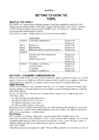
CHAPTER 1 GETTING TO KNOW THE TOEFL WHAT IS THE TOEFL? The TOEFL is a comprehensive English language examination required by more than 3,000 colleges and universities in the United States, Canada, and other parts of the world. In addition, foreign born professionals frequently need a TOEFL score for certification to practice their profession in the United States or Canada. The TOEFL is a timed test that consists of the three sections listed here. THE TOEFL Section 1 Listening Comprehension 50 questions 35 minutes Part A Statements 20 questions Part B Short Dialogs 15 questions ...
1 Kordamisküsimused keeletüpoloogia loengute põhjal. Sügis 2016 1. Tüpoloogia olemus. Grammatiliste mõistete olemus keeletüpoloogias: universaalsed või mitte? - Tüpoloogia on keelte või keele elementide liigitamine nende struktuurist lähtuvalt. - Tüpoloogia eesmärgiks on leida keeltes esinevate nähtuste varieerumise piirid. - Tüpoloogia ei tugine (ei tohiks tugineda) ühelegi grammatikateooriale. Tüpoloogia olulisim metodoloogiline küsimus on see, kuidas on võimalik leida eri keeltes SAMA nähtus, nii et see oleks relevantne nii võrdluse kui iga konkreetse keele suhtes. Kas keele kategooriad on universaalsed või on igal keelel oma kategooriad? - Matti Miestamo (2013): universaalsete kategooriate olemasolu eeldamine nõuab loogiliselt kaasasündi...
Sissejuhatus üldkeeleteadusesse = General linguistics Ilona Tragel [email protected] Lossi 3 324 / T 12-13 Eksamile pääsemiseks vajalik iseseisvate tööde positiivne sooritus Moodle'i keskkonnas Fred Karlsson "Üldkeeleteadus" (Tallinn 2002) 8.09.2010 Mis on keel. Maailma keeled Taustamõisteid · Üldkeeleteadus (ingl k - general linguistics) · Keeleteadus e lingvistika Mis on keel? Karlsson 2002, lk 15: Keele all mõeldakse inimese poolt kasutatavat loomulikku keelt, mis tavaliselt teostub keelelise ehk verbaalse suhtluse vormis. Keel on võimalik tänu inimese keelevõimele. Loomulik keel ja tehiskeel Loomulik keel on keel, mida teatud inimeste rühm kasutab emakeelena ja mis on loomuliku arengu tulemus (nt eesti keel. inglise keel). Tehiskeel on inimese poolt loodud keel mingi (konkreetse eesmärgi) täitmiseks (nt. ...
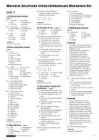
Maturita Solutions Upper-Intermediate Workbook Key Unit 1 2 members of the royal family, politicians, reality TV contestants, 4 1 2 had known had been waiting singers and TV presenters 3 had enjoyed/had been enjoying 1A Talking about people ...
Keeleteaduse alused: kordamisküsimused 2013 kevadel. Eksam koosneb kolmest mõttelisest osast: 1. 2 essee-tüüpi küsimust järgneva 26 kordamisküsimuse hulgast (laiemad küsimused võivad olla pooleks jagatud). 2. 1 essee-tüüpi küsimus nelja kohustusliku teksti kohta (vt ÕIS) (lubatakse valida üks kahest küsimusest) 3. 10 terminit või nime kordamisküsimustes paksus kirjas olevate mõistete ja nimede hulgast vastata ühe lausega. Isikute ja ajalooliste nähtuste puhul palun kirjutada ka sajand (20. sajandi puhul kas esimene või teine pool). Võimalikud on ka loomingulisemad boonusküsimused! 1. India: keeleteaduse alged seoses veedadega, Panini (u 400 eKr) grammatika (olemus, eripärad, tähtsus keeleteadusele); Veedad on Vana-India religioossed tekstid klassikalises sanskriti keeles, nad on ka hinduismi aluseks, suulised tekstid. Keel on personifitseeritud jumalannaks, sest keel suudab kirjeldada püha ...
1. Keel kui märgisüsteem. Märgi mõiste ja kommunikatiivne situatsioon. Inimkeele olemuslikud omadused. Keel on märgisüsteem, mida inimene kasutab suhtlemiseks ja mõtete väljendamiseks. Keel on mõtlemise tööriist. Keel koosneb üksustest ja üksused märkidest. Märk = vorm + tähendus Märgid on: * sümbol – keeleline sümbol koosneb vormist ja tähendusest. Vormi suhe tähendusse on meelevaldne, nende vahel puudub seos (tav sõna, nt „hobune“) * ikoon – märk, mille tähendus järeldub vormist. Nt liiklusmärgid. * indeks – vorm on suhtes oma referendiga. Põhjusliku seosega märk. Nt mitteverbaalsel suhtlemisel kahvatamine = halb tervis. Kitsamas tähenduses selgub alles kontekstis (see, too, ma, ta jne) Kommunikatiivne situatsioon - Keelel on kommunikatiivne ehk suhtlemise situatsioon. On signaali saatja ja selle vastuvõtja. Signaalil on kood(märgisüsteem), mis liigub mööda kanalit. Inimkeele olemuslikud omadused: * Keelemärgi arbitraarsus e motiveeri...
Maturita Solutions Advanced Workbook Key stand bananas and coffee! It's a bit 3 1 to 8 of Unit 1 uncanny really. Is it something she's 2 about 9 century passed on to me genetically, or is it 3 like 10 assumed / 1A Memories page 3 learned behaviour? Who knows? 4 of thought / 1 See exercise 2 2 5 6 any ...
 annaabi.ee