Leidsid 33 sarnast õppematerjali, mis on seotud failiga "Juhtimine.". Need materjalid aitavad sul teemat sügavamalt mõista.
management, york, mintzberg, scientific, motion, study, weber, social, economic, organizations, henderson, talcott, leadership, miller, rice, mullins, organisation, februar, drucker, swot, weaknesses, likert, patterns, mcgraw, hill, blake, status, benchmarking, total, quality, learning· «» , . · , ( , , ..) · ( , .) 5. : : , : : : «» , 1. (, , ) 2. , 3. 4. ( ) 5. ( , ) 6. : - , , - () - : () : : Weber, M. (1947) , ( ). , () , , . : , .. , « , », ( ) , . : 1. , 2. , 3. , 4. . , 5. 6. , , , , . : 1. , 2. () « » 3. : 1. , « , , , , , » (., 1983, « »: , , ) 2. 3. , , 6.
7. Vii valitud strateegiad ellu 8. Hinda elluviidud strateegiaid Strateegiline audit võimaldab suunatud teemakohaseid kontrollküsimusi esitades organisatsiooni terviklikku analüüsi, eesmärgiga arendada strateegiat ja parandada organisatsioonilist tulemuslikkust. Responsibilities of the Board of Directors Due care, Board of directors are responsible that the corporation is not harmed by members of the board, Directors can be held liable. − Hires and fires the CEO and top management. − Controls, monitors, or supervises top management. − Reviews and approves the use of resources. − Cares for shareholders’ interests. − Assures that the corporation is managed in accordance with state laws, security regulations and conflict of interest situations. Role of the Board in Strategic Management • Monitor developments inside and outside the corporation. • Evaluate and influence management proposals, decisions and actions.
Mainori Kõrgkool Kvaliteedijuhtimine Quality Management (õppematerjal) Koostanud: dotsent Katrin Kreegimäe Tartu 2009 SISUKORD Sissejuhatus......................................................................................................................4 1. Kvaliteedi olemus............ ....................................................................................5 1.1.Toote kvaliteet.............................................................
· Bürokraatlik koolkond (bureaucratic organization). Klassikalised teooriad tuginevad praktilistele tähelepanekutele, mille põhjal loodi juhtimise teooria alusmüür. Peamiseks huviobjektiks on ametlik (formal) organisatsioon, millele läheneti kui "masinale". 1.1 Teaduslik juhtimine F. Taylor - lõi nn teadusliku juhtimise koolkonna. Puutus tihedalt kokku juhtimise, töökorralduse ja tootmise efektiivsuse küsimustega. Raamatus The Principles of Scientific Management (1911) esitas teadusliku juhtimise neli põhiprintsiipi: 1. Töö tuleb teaduslikult uurida, et leida parim meetod ülesandega toimetulekuks. 2. Töötaja oskused ja võimed peavad olema talle antud tööle vastavad, seega tuleb töötajaid hoolega valida, treenida ja arendada. 3. Tööliste ja juhtkonna vahel peab olema koostöö. 4. Tööliste ja juhtkonna vahel olgu konkreetne tööjaotus. Juhtkond tegeleb ja vastutab planeerimise,
Autoriteet . 3. Distsipliin 4. Käsutamise ühtsus. 5. Tegutsemisühtsus 6. Isiklike huvide allutamine üldistele. 7. Õiglane tasu. 8. Tsentraliseerimine. 9. Alluvusahel. 10. Kord. 11. Õiglus 12. Personali stabiilsus 13. Algatusvõime. 14. Ühtekuuluvus, personali ühendamineKlassikaline organisatsiooni struktuur kujunes välja 19. sajandi lõpul. Kõrvuti sellega kujunes välja bürokraatlik organisatsiooni struktuur. MAX WEBER (18641920) Bürokraatliku koolkonna esindajaks on Max Weber, saksa sotsioloog. Ta kirjeldas bürokraatlikku organisatsiooni kui kõigist teistest organisatsiooni tüüpidest paremat täpsuse, distsipliini ja stabiilsuse poolest. Max Weber defineeris kolm põhilist autoriteedi tüüpi: Traditsiooniline põhineb inimese ja positsiooni austamisel Karismaatiline põhineb juhi isikuomadustel Seaduslik tippjuhtkonna autoriteet, mis põhineb kehtestatud reeglitele ja regulatsioonidele
-Aafrika algkodu hüpotees: (Recent single-origin hypothesis (RSOH), Replacement Hypothesis or Recent African Origin (RAO) model) According to the theory, anatomically modern humans evolved solely in Africa, between 200,000 and 100,000 years ago, with members of one branch leaving Africa by 60,000 years ago and replacing all earlier human populations such as Neanderthals and Homo erectus. The hypothesis originated in the 1980s based on a study of present day mitochondrial DNA, and its proponents have since presented evidence based on physical anthropologyof archaic specimens. The recent single origin of modern humans in East Africa is currently the near mainstream position held within the scientific community. -Multiregionaalne mudel: Advocates of the Multiregional model, primarily Milford Wolpoff and his associates, have argued that the simultaneous evolution of H. sapiens in different parts of Europe and Asia
Lecture 1: The mountebank pharmacy. Price: 60% of average turnover on last 2 years + 10% of profits per year during next 2 years (võib olla kasumit ei tule, kuna on vaja investeerida). Quack bank present buiseness plan by 8 november, presentation 9 november long term loan (10 years), at 4,8% interest rate. Conclusion I need this sum of money from bank. Business plann: 1. management summary 2. organisational profile 3. internal analysis 4. external analysis 5. strategy 6. financial prognosis Group feedback 7/11. Leadership and management A good manager is competent in all different management styles, and knows when to apply which style. 1. Autocratic 2. Democratic 3. Free reign (vabad käed, dellegeerimine) 4
seonduvate erialateadmiste valdamine jne. • Suhtlusoskus - oskus motiveerida inimesi, lahendada konflikte, korraldada meeskonnatööd jne. • Kontseptuaalsed oskused - võime luua üldkäsitlus organisatsioonist ja tema kohast ümbritsevas keskkonnas. 9. Teadusliku juhtimise koolkonna looja ja põhiseisukohad F. Taylor - lõi nn teadusliku juhtimise koolkonna. Puutus tihedalt kokku juhtimise, töökorralduse ja tootmise efektiivsuse küsimustega. Raamatus The Principles of Scientific Management (1911) esitas teadusliku juhtimise neli põhiprintsiipi: 1. Töö tuleb teaduslikult uurida, et leida parim meetod ülesandega toimetulekuks. 2. Töötaja oskused ja võimed peavad olema talle antud tööle vastavad, seega tuleb töötajaid hoolega valida, treenida ja arendada. 3. Tööliste ja juhtkonna vahel peab olema koostöö. 4. Tööliste ja juhtkonna vahel olgu konkreetne tööjaotus. Juhtkond tegeleb ja vastutab planeerimise,
arvestuse-, ja juhtimisalased tegevused. 1. Otstarbekas tööjaotus 2. Võim ja vastutus 3. Distsipliin 4. Käsuliini ühtsus 5. Tegevussuuna ühtsus 6. Üksikhuvi allutamine üldistele huvidele 7. Personali õige töötasustamine 8. Tsentraliseerimine 9. Alluvusahel 10. Kord organisatsiooni ülesehituses 11. Õiglus alluvatega suhtlemisel 12. Personali stabiilsus 13. Initsiatiiv 14. Koostöö 11. Bürokraatliku koolkonna looja ja põhiseisukohad Max Weber oli seisukohal, et org. Peab töötama nagu õlitatud masin. Pööras tähelepanu org. Tegevuse reguleeritusele ja reeglitele. Reeglid ei tohi sõltuda ametikohal töötavast isikust, vaid peavad tulenema org.- ni spetsiifikast ja vajadustest. Tuleb rangelt järgida distsipliini. Weber esitas bürokraatliku organisatsiooni tunnused, s.t. org.-ni erinevad ametikohad tuleb koondada hierarhilisse süsteemi, kus fikseeritakse täpselt ülemuste ja alluvate ametlik
The Rise and Demise of the New Public Management Wolfgang Drechsler (University of Tartu and Tallinn University of Technology, Estonia) © Copyright: Wolfgang Drechsler 2005 Within the public sphere, the most important reform movement of the last quarter of a century has been the New Public Management (NPM). It is of particular interest in the post-autistic economics (pae) context because NPM largely rests on the same ideology and epistemology as standard textbook economics (STE) is based (for my take on this, see Drechsler 2000), and it has had, and still has, similar results. Already more on the defensive within public administration (PA) than STE is within economics, NPM also shows that such major paradigm shifts in theory and policy may actually happen
.................................................8 3.4. Projects..............................................................................................................................9 3.5. Outsourced Services .........................................................................................................9 3.6. Structure............................................................................................................................9 3.7. Management Process ......................................................................................................10 4. Development Program............................................................................................................10 4.1. Expenses .........................................................................................................................10 4.2. Outstanding Tasks and Projects ............................................................
8. Summary………………………………………………………………………………….17 4 1. INTRODUCTION The Global Reporting Initiative (GRI) is a long-term, multi-stakeholder, international process whose mission is to develop and disseminate globally applicable Sustainability Reporting Guidelines. These Guidelines are for voluntary use by organisations for reporting on the economic, environmental, and social dimensions of their activities, products, and services. The aim of the Guidelines is to assist reporting organisations and their stakeholders in articulating and understanding contributions of the reporting organisations to sustainable development. Trends The key trends during the last two years are: Expanding globalization – Expansion of global capital markets and information technology continue to bring unprecedented opportunities for the creation of new wealth.
TMO3170 Organisatsiooni ja juhtimise teooriad ja meetodid kordamisküsimused Organisatsiooni definitsioon + Juhtimise definitsioon + Organisatsiooni edukuse eeldused + Organisatsiooni sise- ja väliskeskkonna tegurid + Eesmärgi definitsioon, eesmärkide jaotus, SMART mudel + Juhtimise funktsioonide definitsioonid + Juhtide jaotus juhtimistasandite järgi + Juhtide jaotus juhtimisvaldkondade järgi + Juhi rollid H.Minzbergi järgi + Juhile vajalikud oskused + Klassikalised juhtimisteooriad + Neoklassikalised juhtimisteooriad + Kaasaegsed juhtimisteooriad + Kavandamise mõiste. Kavandamise vajalikkus + Kavade ja plaanide liigid + Strateegia olemus, strateegilise juhtimise protsess + Organiseerimise mõiste, olemus + Organisatsiooni arengutsüklid - Struktuuri tüübid, nende eelised ja puudused + Orgaanilised, mehhaanilised organisatsioonid + Juhtimisulatus, juhtimistasand, eelised ja puudused + Rivi- ja staabiorganisatsiooni olemus. Konfliktide põhjused +
• A non-trivial, nearly independent, and replaceable part of a system that fulfills a clear function in the context of a well-defined architecture • A component may be – A source code component – A run time components or – An executable component What is a Package? • A package is a general purpose mechanism for organizing elements into groups • A model element which can contain other model elements • Uses – Organize the model under development – A unit of configuration management What is a Subsystem? • A combination of a package (can contain other model elements) and a class (has behavior) • Realizes one or more interfaces which define its behavior Subsystems and Components • Components are the physical realization of an abstraction in the design • Subsystems can be used to represent the component in the design 6. WATERFALL MODEL The waterfall model is a sequential software development model (a process for the creation of software) in which
TARTU ÜLIKOOL Majandusteaduskond Avatud ülikool KULUDE JUHTIMINE JA CONTROLLING MJJV.09.029 Koostanud professor Toomas Haldma Loengukonspekt ärijuhtimise magistriõppele finantsjuhtimise eriaines TARTU 2015 SISUKORD 1. ETTEVÕTTESISESE ARVESTUSE ROLL JA ARENGUD ............................3 1.1. Strateegiliste nõuete kasv juhtimisele ...............................................................3 1.2. Ettevõtte aruandluse arengusuunad ...................................................................4 1.3. Ettevõttesisese planeerimis- ja aruandlussüsteemi kujundamise vajadused .....6 1.4. Juhtimisarvestuse praktikat mõjutavad tegurid .................................................8 1.4. Ettevõtte kuluarvestuse süsteemi eesmärgid ja komponendid ..........................8 2. ETTEVÕTTE KULUARVESTUSE SÜSTEEM .................................................. 11 2.1.
They approach innovation in its broadest sense, including both new technologies and new ways of doing things” – (Porter 1990) ● “An innovative business is one which lives and breathes “outside the box”. It is not just good ideas, it is a combination of good ideas, motivated staff and an instinctive understanding of what your customer wants” – (Branson 1998) ● “...novel implementation of an invention, discovery, new or existing knowledge in economic process” (Joseph A. Schumpeter) ● An innovation is the implementation of a new or significantly improved product (good or service), or process, a new marketing method, or a new organisational method in business practices, workplace organisation or external relations” (Oslo Manual). Innovation and entrepreneurship Schumpeter on innovation: the role of inventions and entrepreneurs ● Innovation as “new combinations” of existing
INTRODUCTION OF SUPPLY CHAIN MANAGEMENT (SCM) A supply chain is a network of facilities and distribution options that performs the functions of procurement of materials, transformation of these materials into intermediate and finished products, and the distribution of these finished products to customers. Supply chains exist in both service and manufacturing organizations, although the complexity of the chain may vary greatly from industry to industry and firm to firm. Supply chain management is typically viewed to lie between fully vertically integrated firms, where the entire material flow is owned by a single firm and those where each channel member operates independently. Therefore coordination between the various players in the chain is key in its effective management. Cooper and Ellram [1993] compare supply chain management
TARTU ÜLIKOOLI PÄRNU KOLLEDŽ Turismiosakond Kvaliteedijuhtimine Teenuste disain ja juhtimine Magistriõppekava Kursusel omandatud teadmiste hindamise test ● Testi leiate ÕIS-ist ning selle eesmärgiks on kvaliteedijuhtimise alaste teadmiste kinnistamine. ● Saatke vastustega test hiljemalt 01.12.2015. a. aadressil: [email protected] ● Testi hindamisel kasutatakse põhimõtteliselt samu põhimõtteid, mis on esitatud Töö (nelja eksamhinde saamiseks vajaliku töö) hindamiseks iseseisvate tööde juhendi lõpul. Testi sooritamise eest on võimalik saada kuni 30 punkti. Nimi:
University Name Research Project Module Code: xx 2007-2008 Supervised by xxx Word count: 7261 Emotion regulation in relation.. 2 Abstract The aim of this study was to investigate the association between psychological and the biological stress response. It is known that humans, interacting with each other or their environment, have emotional reactions that are individually regulated. These emotional responses are linked to changes in autonomic and neuroendocrine systems, which are essential for metabolic support when preparing the body for action. Since emotion can influence such important processes like learning, decision-making,
An overview of integrated care in the NHS What is integrated care? Research report Sara Shaw, Rebecca Rosen and Benedict Rumbold June 2011 Nuffield Trust work on integrated care This report is part of the Nuffield Trust's extensive programme of work on integrated care, which is examining the potential of new forms of care that are intended to benefit patients and taxpayers. Other related projects include: ·Integration in action: four international case studies. A study of four international organisations that have attempted to improve integration between health and care services. Interviews, documentary analysis and literature review are used to identify the main stimuli for integration and the issues that help or hinder progress; drawing out lessons for the NHS. ·Towards integrated care in Trafford. A project that looks at the process of change and lessons learned to date in Trafford, where NHS organisations have been working on
· Projektijuhtimine ja projektide portfellihaldus · Dünaamilised võimekused Projekt ja projektijuhtimine Kasutatud Goldratt Institute, Microsoft, Focused Performance, Project Management Institute, Akerman, Lahi jt. materjale. 6.9.2011 6 1 9/6/2011
[email protected] ABSTRACT Scholarship on backpackers speculates some individuals may extend backpacking to a way of life. This article empirically explores this proposition using lifestyle consumption as its framing concept and conceptualises individuals who style their lives around the enduring practice of backpacking as ‘lifestyle travellers’. Ethnographic interviews with lifestyle travellers in India and Thailand offer an emic account of the practices, ideologies and social identity that characterise lifestyle travel as a distinctive subtype within backpacking. Departing from the drifter construct, which (re)constitutes this identity as socially deviant, the concept of lifestyle allows for a contemporary appraisal of these individuals’ patterns of meaningful consumption and wider insights into how ongoing mobility can lead to different ways of understanding identities and relating to place. Keywords: lifestyle consumption; backpacker; mobility; drifter; identity
..........................................10 2.1 PROBLEMS ......................................................................................................................................10 2.2 CAUSES OF THE PROBLEMS .............................................................................................................12 2.2.1 Structural: contractual systems ...............................................................................................12 2.2.2 Management in construction ...................................................................................................15 2.2.21 Conventional production management theory in construction..........................................16 2.2.22 Conventional project management theory in construction ................................................17 2.2.23 Learning and improvement ...............................................................................................19
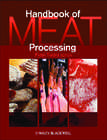
Handbook of Meat Processing Handbook of Meat Processing Fidel Toldrá EDITOR A John Wiley & Sons, Inc., Publication Edition first published 2010 © 2010 Blackwell Publishing Blackwell Publishing was acquired by John Wiley & Sons in February 2007. Blackwell’s publishing program has been merged with Wiley’s global Scientific, Technical, and Medical business to form Wiley-Blackwell. Editorial Office 2121 State Avenue, Ames, Iowa 50014-8300, USA For details of our global editorial offices, for customer services, and for information about how to apply for permission to reuse the copyright material in this book, please see our website at www.wiley.com/ wiley-blackwell. Authorization to photocopy items for internal or personal use, or the internal or personal use of specific
On olemas Esko Koolituse ja Siseministeeriumi koostöös loodud rahvusvaheliste projektide käsiraamatu elektrooniline versioon, kuid see ei sisalda multimeedia illustratsioone. Uut paberõpikut pole mõtet luua, sest vastavasisulist erialast kirjandust on piisavalt. Näiteks Eestis on kõige enam tuntud Algis Perensi Projektijuhtimise õpik ning Äripäeva Projektijuhtimise käsiraamat. Ülemaailmselt on tuntuim Projektijuhtimise Instituudi (PMI - Project Management Institute) PMBOK Guide (Project Management Body of Knowledge Guide). Pole mõtet luua ka projektijuhtimise õpikeskkonda, kui on olemas piisavalt head õpisüsteemid. Näiteks WebCT või IVA. Loodav konspekt peab olema kasutatav eelpool mainitud ja kõikides teistes õpihaldussüsteemides. Seepärast ei ole plaanis konspekti koosseisu lisada kommunikatsioonivahendeid, ülesannete üleslaadimise võimalust, õpilaste ja õppetöö tulemuse haldamise vahendeid
center of the map. Bu t, o ther d istances, sha pe and size ar e distorted. r: Changing Scale T he larg e sc al e map of New York 's lower Manharran (top) sh ows a small area with a large amounr of derail. T he small sca le m ap of New Yo rk State (bottom) is a lar ge area with a Map Scale small amo u nr of de tail. o 2 mile s IJ 11I1111111111111111111111111 111 inches
TARTU ÜLIKOOL Majandusteaduskond Ettevõttemajanduse instituut Kerli Matvere EUROOPA LIIDU RIIKIDE KINNISVARATURU TSÜKLITE JA SELLEGA SEOTUD MAKROTEGURITE NING LAENUTURU TEGURITE AEGRIDADE MUSTRID AASTATEL 2005-2013 Magistritöö sotsiaalteaduse magistri kraadi taotlemiseks majandusteaduses Juhendajad: Kaia Kask, Uku Varblane Tartu 2014 0 Soovitan suunata kaitsmisele ....................................................................... (juhendaja allkiri) Kaitsmisele lubatud „ „ ................... 2014. a. ...........................õppetooli juhataja ..................................................................
3. Auerbach, A. J., Feldstein, M. S. Handbook of public economics. Amsterdam, 1987. 4. Corporation Taxes Wordlwide Summaries 2002-2003, New Jersy. 5. Eesti ja EL ühinemisleping. http://www.vm.ee/ 6. Eesti Panga Bülletään, 2002, nr. 2. 7. Eesti Panga Bülletään, 2003, nr. 1. 8. Eesti põhilised sotsiaal- ja majandusnäitajad, 2003, nr. 5. 9. Hinrichs, H. H. A general theory of tax structure change during economic development. Harvard Law School International Tax Programme, 1966. 10. IMF Government Finance Statistics yearbook, 2001, Washington. 11. 2002. aasta riigieelarve täitmise aruanne. Tallinn, 2003. 12. 2003 aasta riigieelarve täitmise aruanne. Tallinn, 2004. 13. Kallas, S. Kõne Riigikogus 10. novembril 1999. - Riigikogu protokollid, 1999, lk. 815817. 14. Konjunktuur, 2003, nr. 1. 15. Lotz, I. R., Morss E. R
Christopher Vogler Under Fire, Volcano, Anna and the King, Fight Club, and The Thin Red Line. M y concepts o f s t o r y t e l l i n g , shaped by the patterns of mythology and the thinking of Joseph Campbell and Carl Jung, were now being tested not only on animated features but on big-budget, live-action movies for adult audiences. T h e office atmosphere of Fox 2 0 0 0 was a fascinating place to study the ways of power. In the past I h a d been aware o f places like it, but as a story analyst I h a d not been inside those meeting rooms where the decisions were taken about the writers, the stories, and the movies made from them. Power flows in those rooms like hot lava, and until I worked at Fox 2 0 0 0 I had only heard it rumbling. Now I was standing hip deep in it. It was the most adult environment I had ever been in, run on unspoken but
University of Tartu Faculty of Social Sciences and Education Institute of Government and Politics Marie Allikmaa The strategies of creating a dominant party the case of United Russia Tartu 2011 After the collapse of USSR in 1991, many observers expected Russia to develop into a competitive party system. Yet, the reality quickly challenged this view. The developments of
Psychology 1 It is generally assumed that: Differential Psychology · People vary on a range of psychological attributes Ian Deary · It is possible to measure and study these individual differences · Individual differences are useful for explaining and predicting behaviour and performance Differential psychology reading Human Human · General
Tartu Ülikool Loodus- ja tehnoloogiateaduskond Tartu Ülikooli Ökoloogia ja Maateaduste Instituut Geograafia osakond Magistritöö HALLISTE LUHA TAIMKATTE MUUTUSTEST Eha Puusild Juhendajad: Prof. Tõnu Oja MSc. Laimi Truus Tartu 2008 SISUKORD 1. SISSEJUHATUS...................................................................................................................3 1.1. Pool-looduslike koosluste mõiste ja väärtus................................................................3 1.2. Luharohumaade mõiste, kujunemine ja looduslikud tingimused (taimekooslused ja levik) ..................................................................................................................................5 1.2.1. Luhak
st Rain Mikser Abstarct In this article, I highlight the necessity to reintegrate the current social-pedagogical practice in Estonia with the general theory of social pedagogy. For number of reasons, it has been implicitly accepted by Estonian educators, students and practitioners in the field that the theory and practice of social pedagogy do not meet each other, and that
 annaabi.ee