 10 punkti
Autor soovib selle materjali allalaadimise eest saada 10 punkti.
10 punkti
Autor soovib selle materjali allalaadimise eest saada 10 punkti.
 ~ 3 lehte
Lehekülgede arv dokumendis
~ 3 lehte
Lehekülgede arv dokumendis
 2009-02-19
Kuupäev, millal dokument üles laeti
2009-02-19
Kuupäev, millal dokument üles laeti
 265 laadimist
Kokku alla laetud
265 laadimist
Kokku alla laetud
 8 arvamust
Teiste kasutajate poolt lisatud kommentaarid
8 arvamust
Teiste kasutajate poolt lisatud kommentaarid
 tellaella
Õppematerjali autor
tellaella
Õppematerjali autor
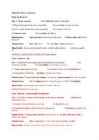
INGLISE KEELE KORDAMINE TIME CLAUSES Present Simple · Permanent states, facts (Tom works..) · Repeated and habitual actions, routines (She usually goes..) · Laws of nature and general truths (The sun sets in the west) · Timetables and programmes · Sporting commentaries, rewiews (Beckham wins the ball, crosses and Owen scores) · Feelings and emotions (I love Tallinn..) TIME EXPRESSIONS USED WITH PRESENT SIMPLE: usually, often, always, every day/week etc, in the morning/evening etc, at night/the weekend, on Fridays etc. Present Continuous · Actions taking place at or arount the moment of speaking (The kids are watching TV..) · Fixed arrangements in the near future (I'm going to the dentist tomorrow) · Currently changing ang developing situations (The number of burgularies is increasing) · With ,,Always" to express anger or irritat
TENSES. ACTIVE VOICE. 1. Present Simple (üldolevik) I (he, she, it s) he works Eitav,küsiv do (I, you, we, they) he does not work does (he, she, it) does he work? Verbidele, mis lõpevad infinitiivis ss, -sh, -ch, -x või o, lisatakse ainsuse 3. pöördes es he touches, she goes Verbidel, mis lõpevad y-ga, mille ees on konsonant, muutub y->ies carry - he carries Vrdl: play he plays 1. Harjumuspärane, korduv tegevus või seisund olevikus. Tom drinks tea every day. He lives in Brussels. 2. Üldtuntud tõed, loodusseadused The earth goes round the sun. 3. Tulevikus toimuv tegevus a) Sõiduplaanid, planeeritud programmid. The train for Tallinn leaves at 10. The course begins on Monday. b) Tingimuslausetes
INGLISE KEELE PÕHITÕED C.K 2017 A – AN – SOME Singular: a or an Use some for things you can't count ◦ *a banana *a car *a monkey *a football ◦ *some milk *some water *some coffee ◦ *an egg*an accident *an umbrella *an *some sugar eagle ◦ *some tea *some juice*some money *some butter Plural: some Exercises: 1. http://www.english-4u.de/a_an_some_ex1.htm ◦ *some bananas *some cats *some monkeys *some 2. http://www.english-4u.de/a_an_some_ex3.htm balls ◦ *some eggs*some oranges *some umbrellas *some 3. http://www.english-4u.de/a_an_some_ex6.htm eagles We us the
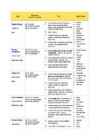
Get/ Have something TENSE ACTIVE PASSIVE WHEN? done Present Simple Am/is/are + Every day, year, often, I pv + do/does Have/ get + sth+ III pv Lihtolevik III pv usually, always Past Simple Yesterday, last year, II pv(-ed)+ did Was/ were + III pv Had/got + sth + III pv Lihtminevik last week Present
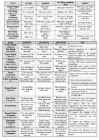
Affirmative tense Use Signal Words /Negative/Question · always · action in the present taking place Simple Present A: He speaks. · every ... once, never or several times N: He does not speak. tegevus, mis toimub ühe korra, mitte · never Lihtolevik Q: Does he speak? · normally kunagi või mitu korda · often I pv
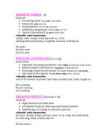
PRESENT SIMPLE (lihtolevik) Form: 1st form (+s) Use: 1. Things in general. Nurses look after patients in hospitals. 2. Things that happen all the time or repeatedly. She usually goes away at weekends. 3. Laws of nature (things that are true in general). The sun rises in the east. 4. Timetable events. The train leaves at 6.50 p.m. Negative form: I don't (do not) normally eat my lunch here. He doesn't (does not) like this film at all. Question form: Do you live here? How often does it rain around here? Signal words: always, every day/month, never, normally, often, seldom, sometimes, usually etc. PRESENT CONTINUOUS/PROGRESSIVE (kestev olevik) Form: am/is/are + ing Use: 1. Unfinished actions happening at or around the time of speaking. Listen! Somebody is crying. They are building a new bridge in our town. 2. Changes happening around now.
PRESENT SIMPLE [s] lihtolevik · kestvad tegevused. Tom works in the market. · rutiinid. He works every day. · loodusseadused. The sun sets in the west. · ajatabelid ja programmid. The buss leaves at 7 am. · (spordi) kommentaarid. Ben passes ball to Tom. väljendid, mida kasutatakse: usually, often, always, every day/week etc, in the morning/afternoon/evening, at night/the weekend, on Friday etc. He works He don't work Does he work PRESENT CONTINUOUS [ is + ing] kestev olevik · tegevused, mis praegu leiavad aset. Karl is doing his homework at the moment. · plaanitud tegevus lähitulevikus. I am going to school tomorrow. · kui midagi toimub/muutub praegu. The number of burglaries is increasing. · alati sama korduv tegevus. You are always eating, when i wake up. väljendid, mida kasutatakse: now, at the moment, at present, these days, nowdays, still, today, tonight etc. He is working He isn't working Is he working PRESENT PERFECT
INGLISE KEELE GRAMMATIKA Present Simple Lihtoleviku moodustamine Jaatav vorm Eitav vorm Küsiv vorm I make I do not make Do I make? He/she/it speaks He/she/it does not speak Does he/she/it speak? We/you/they go We/you/they do not go Do we/you/they go? NB! ERANDID! · Verbidele, mis lõpevad ss, h, ch, tch, x või oga, lisatakse ainsuse kolmdandas pöördes es. he does he goes he misses he watches he mixes · Verbid, mis lõpevad yga, mille ees on konsonant, muudavad y iks enne es lisamist. fly he flies carry he carries Võrdle: say he says Lihtolevik väljendab: · Antud momendil toimuvat tegevust, mis ei väljenda kestvat aega, näiteks see, hear,
 annaabi.ee







Kõik kommentaarid