Vajad kellegagi rääkida?
Küsi julgelt abi LasteAbi
Logi sisse

Ajavormid (4)

3 KEHV
Punktid

Esitatud küsimused

  • Kestev minevik Q Was he speaking?
  • Kestev täisminevik Q Has he been speaking?
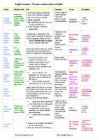
tense
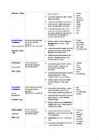
Affirmative / Negative /Question
Use
Signal Words
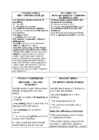
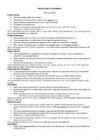
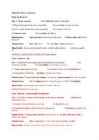
Simple Present
Lihtolevik
I pv
A: He speaks.
N: He does not speak .
Q: Does he speak?
  • action in the present taking place once , never or several times – tegevus, mis toimub ühe korra, mitte kunagi või mitu korda
  • facts - faktid
  • actions taking place one after another – teineteisele järgnevad tegevused
  • action set by a timetable or schedule – plaani- või graafikupärased tegevused
  • always
  • every …
  • never
  • normally
  • often
  • seldom
  • sometimes
  • usually
  • occasionally
  • twice a ...
  • on weekends / - days
Present Continuous
Kestev olevik
Am/is/are + ing
A: He is speaking.
N: He is not speaking.
Q: Is he speaking?
  • action taking place in the moment of speaking - tegevus, mis toimub rääkimise hetkel
  • action taking place only for a limited period of time - tegevus, mis toimub ainult kindlal ajaperioodil
  • action arranged for the future - plaanitud tegevus tulevikuks.
  • at the moment
  • just
  • just now
  • Listen!
  • Look !
  • now
  • right now
  • at present
  • at the present moment
Simple Past
Lihtminevik
II pv
A: He spoke .
N: He did not speak.
Q: Did he speak?
  • action in the past taking place once, never or several times - tegevus, mis toimub ühe korra, mitte kunagi või mitu korda
  • actions taking place one after another teineteisele järgnevad tegevused
  • action taking place in the middle of another action – tegevus, mis toimub mingi teise tegevuse keskel.
  • yesterday
  • 2 minutes ago
  • in 1990
  • the other day
  • last Friday
  • last year
Past Continuous
Kestev minevik
Was/were + ing
A: He was speaking.
N: He was not speaking.
Q: Was he speaking?
  • action going on at a certain time in the past – tegevus toimus mingil kindlal ajaperioodil minevikus
  • actions taking place at the same time – samal ajal toimuvad tegevused
  • action in the past that is interrupted by another action – tegevus minevikus, mida segas mingi teine tegevus.
  • when
  • while
  • as long as
  • then
  • at that time
  • this time yesterday
  • this time last week
  • at 6 o’clock
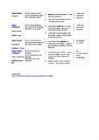
Present Perfect
Täisminevik
Have/has + III pv
A: He has spoken.
N: He has not spoken.
Q: Has he spoken?
  • putting emphasis on the result – rõhk tulemusel
  • action that is still going on – siiani toimuv tegevus
  • action that stopped recently – hiljuti lõppenud tegevus-
  • finished action that has an influence on the present – lõpetatud tegevus, millel on mõju hetkel toimuvale.
  • action that has taken place once, never or several times before the moment of speaking – tegevus, mis on ühe korra, mitte kunagi või mitmeid kordi toimunud.
  • Already
  • ever
  • just
  • never
  • not yet
  • so far
  • till now
  • up to now
  • lately
  • before
  • today
  • this ...
  • since
  • for
Present Perfect Continuous
Kestev täisminevik
Have/has + been + ing
A: He has been speaking.
N: He has not been speaking.
Q: Has he been speaking?
  • putting emphasis on the course or duration (not the result) – rõhk kestvusel
  • action that recently stopped or is still going on – tegevus, mis on hiljuti lõppenud või kestab siiani.
  • finished action that influenced the present – lõpetatud tegevus, mis mõjutas hetkel olevikku
  • all day,
  • for 4 years ,
  • since 1993,
  • how long?,
  • the whole week
Past Perfect
Enneminevik
Had + III pv
A: He had spoken.
N: He had not spoken.
Q: Had he spoken?
  • action taking place before a certain time in the past – tegevus, mis toimus enne mingit hetke minevikus.
  • sometimes interchangeable with past perfect progressive – vahel vahetatav kestva täisminevikuga.
  • putting emphasis only on the fact (not the duration) – rõhk ainult faktil.
  • already,
  • just,
  • never,
  • not yet,
  • once,
  • until that day
Past Perfect Continuous
Kestev enneminevik
Had been + ing
A: He had been speaking.
N: He had not been speaking.
Q: Had he been speaking?
  • action taking place before a certain time in the past – tegevus, mis toimus enne kindlat aega minevikus.
  • sometimes interchangeable with past perfect simple - vahel vahetatav täisminevikuga.
  • putting emphasis on the duration or course of an action – rõhk tegevuse kestvusel või suunal.
  • for,
  • since,
  • the whole day,
  • all day
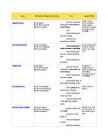
Future Simple
Lihttulevik
Will + I pv
A: He will speak.
N: He will not speak.
Q: Will he speak?
  • action in the future that cannot be influenced – tegevus tulevikus, mida ei saa mõjutada.
  • spontaneous decision – spontaanne otsus
  • assumption with regard to the future – oletus tuleviku kohta.
  • in a year,
  • next …,
  • tomorrow
  • I think,
  • probably
  • we might …,
  • perhaps
Future Simple
(going to)
A: He is going to speak.
N: He is not going to speak.
Q: Is he going to speak?
  • decision made for the future - otsus tulevikus, plaanitud.
  • conclusion with regard to the future – järeldus tuleviku kohta.
  • in one year,
  • next week,
  • tomorrow
Future Continuous
Kestev tulevik
Will be + ing
A: He will be speaking.
N: He will not be speaking.
Q: Will he be speaking?
  • action that is going on at a certain time in the future - tegevus, mis kestab teatud hetkel tulevikus.
  • action that is sure to happen in the near future – tegevus, mis kindlasti toimub lähitulevikus
  • in one year,
  • next week,
  • tomorrow
Future Perfect
Ennetulevik
Will have + III pv
A: He will have spoken.
N: He will not have spoken.
Q: Will he have spoken?
  • action that will be finished at a certain time in the future - tegevus, mis on kindlaks ajahetkeks tulevikus lõpetatud.
Future Perfect Continuous
Kestev ennetulevik
Will have been + ing
A: He will have been speaking.
N: He will not have been speaking.
Q: Will he have been speaking?
  • action taking place before a certain time in the future – tegevus, mis kestab enne kindlat ajaperioodi tulevikus
  • putting emphasis on the course of an action – rõhk tegevuse suunal.
  • for …,
  • the last couple of hours ,
  • all day long

Näitelauseid:
http://www.ego4u.com/en/cram-up/grammar/tenses-examples
Ajavormid #1 Ajavormid #2 Ajavormid #3
Punktid 50 punkti Autor soovib selle materjali allalaadimise eest saada 50 punkti.
Leheküljed ~ 3 lehte Lehekülgede arv dokumendis
Aeg2009-06-04 Kuupäev, millal dokument üles laeti
Allalaadimisi 184 laadimist Kokku alla laetud
Kommentaarid 4 arvamust Teiste kasutajate poolt lisatud kommentaarid
Autor hush Õppematerjali autor
Ajavormide reeglid, mille järgi ära tunda, millist aega kasutada.

Kasutatud allikad

Sarnased õppematerjalid

Tenses and article
5
doc

Tenses and article

tense Affirmative/Negative/Question Use Signal Words always, every ..., action in the present Simple Present A: He speaks. never, normally, N: He does not speak. taking place once, never or often, seldom, Q: Does he speak? several times sometimes, usually if sentences type I facts (If I talk, ...)

Inglise keel
Inglise keele jaotusmaterjal
37
doc

Inglise keele jaotusmaterjal

MODULE 1 Greeting. Introducing oneself and the others. The alphabet. Spelling. The tenses. How to introduce yourself and others Formal introductions How to respond and reply to an May I introduce myself? I am John introduction Smith. How do you do. Allow me to introduce John Smith to Pleased to meet you. you. Standard introduction Nice to meet you. I'd like you to meet John Smith. Hello. I want you to meet John Smith. I'm so pleased to meet you. This is Jane Smith. I'm Jane Smith. My name's John Smith. Informal introduction Hi. John. Jane. Hello. Titles: Mr Mrs Miss Ms Ms is a modern form of address for women. It replaces the traditional forms of Mrs and Miss. Greetings Good morning/afternoon/evening! 'How are you?' Very often people expect you to s

Inglise keel
Inglise keele ajavormid
10
odt

Inglise keele ajavormid

FUTURE SIMPLE BE GOING TO Will + infinitive (will go) Am/is/are going to + infinitive (is going to rain) 1.A decision at the moment of 1.Future plans made before the speaking: moment of speaking: A: 'I'm cold'. A: 'We've run out of milk.' B: 'I'll close the window'. B: 'I know, I'm going to buy some.' 2.Prediction based on opinion: 2.Prediction based on present I think the Conservatives will win the evidence: next election. Look at those boys playing football! 3.A future fact: They're going to break the window. He will be ten next year. 4.Promises / requests / refusal / willingness: I'll help you with your homework. Will you give me a hand? 5.In the same way as the future continuous, but with state verbs: I'll be at the

Inglise keel
Inglise keele kordamine
4
doc

Inglise keele kordamine

INGLISE KEELE KORDAMINE TIME CLAUSES Present Simple · Permanent states, facts (Tom works..) · Repeated and habitual actions, routines (She usually goes..) · Laws of nature and general truths (The sun sets in the west) · Timetables and programmes · Sporting commentaries, rewiews (Beckham wins the ball, crosses and Owen scores) · Feelings and emotions (I love Tallinn..) TIME EXPRESSIONS USED WITH PRESENT SIMPLE: usually, often, always, every day/week etc, in the morning/evening etc, at night/the weekend, on Fridays etc. Present Continuous · Actions taking place at or arount the moment of speaking (The kids are watching TV..) · Fixed arrangements in the near future (I'm going to the dentist tomorrow) · Currently changing ang developing situations (The number of burgularies is increasing) · With ,,Always" to express anger or irritat

Inglise keel
Past and Present tenses
4
doc

Past and Present tenses

PRESENT SIMPLE (lihtolevik) Form: 1st form (+s) Use: 1. Things in general. Nurses look after patients in hospitals. 2. Things that happen all the time or repeatedly. She usually goes away at weekends. 3. Laws of nature (things that are true in general). The sun rises in the east. 4. Timetable events. The train leaves at 6.50 p.m. Negative form: I don't (do not) normally eat my lunch here. He doesn't (does not) like this film at all. Question form: Do you live here? How often does it rain around here? Signal words: always, every day/month, never, normally, often, seldom, sometimes, usually etc. PRESENT CONTINUOUS/PROGRESSIVE (kestev olevik) Form: am/is/are + ing Use: 1. Unfinished actions happening at or around the time of speaking. Listen! Somebody is crying. They are building a new bridge in our town. 2. Changes happening around now.

Inglise keel
Inglise keele ajavormid
8
docx

Inglise keele ajavormid

Simple Present Present Progressive/Continious (99%) infinitive form of 'be' and verb + ing (3rd person singular: infinitive + 's') I speak I am speaking you speak you are speaking he / she / it speaks he / she / it is speaking we speak we are speaking they speak they are speaking Signal words: always, every, often, normally, usually, Signal words: at the moment, at this moment, today, sometimes, seldom, never, first, then now, right now, Listen!, Look! Rules · in general (regularly, often, never) · right now ex. Colin plays football every Tuesday.

Inglise keel
Tenses tabel
5
pdf

Tenses tabel

englisch-hilfen.de ­ LEARNING ENGLISH ONLINE Examples Examples Examples Tense Signal words Use Form affirmative negative interrogative every day something happens repeatedly sometimes how often something happens always I work. I don't work. Do I work? one action follows another often Infinitive He works. He doesn't work. Does he work? Simple Present things in gene

Inglise keel
Inglise keele grammatika - ajavormide tabel
2
doc

Inglise keele grammatika - ajavormide tabel

English Grammar - The most common tenses in English Tense Signal words Use Estonian Form Examples · something happens repeatedly *korduv tegevus every day · how often something happens *püsiv olukord sometimes, *tulevikus · one action follows another I work Present twice a week toimuv, seotud · things in general infinitive he works Simple always, often sõiduplaanidega · after the following verbs (to love, he/she/it + s I go lihtolevik usually

Inglise keel


Kommentaarid (4)

katzuke89 profiilipilt
katzuke89: väga kasulik neile kes aegu pole selgeks saanud veel
20:26 11-01-2011
crystella353 profiilipilt
crystella353: Päris põhjalik ning kvaliteetne materjal.
17:40 21-09-2009
katukas7 profiilipilt
katukas7: Väga hea tabel! Oli abi!
10:19 23-04-2013


Sellel veebilehel kasutatakse küpsiseid. Kasutamist jätkates nõustute küpsiste ja veebilehe üldtingimustega Nõustun