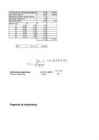
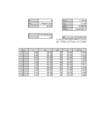
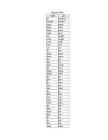
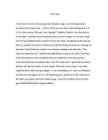
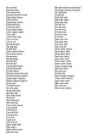
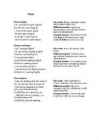
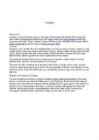
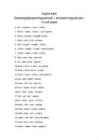
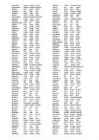
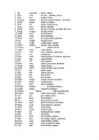
0 1 1 0,08 7,38 7,30 2 0,00 7,44 7,44 3 0,04 7,34 7,30 4 0,02 7,28 7,30 5 0,00 7,30 7,30 6 0,02 7,26 7,24 7,31 0,054 [20] 91,417 0,055 kraad µ 3 Suhkrulahuse eripöörang: 91,417 ±0,055 Fruktoosi eripöörang 91,90 µ Tegemist oli fruktoosiga
docstxt/13694783395468.txt
docstxt/133724610617377.txt
Suhkrulahuse eripöörang, labor Tallinna Tehnika ülikool
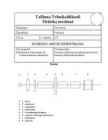
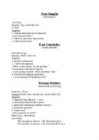
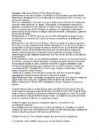
Tallinna Tehnikaülikool Füüsikainstituut Üliõpilane: Natalia Novak Teostatud: Õpperühm: YAMB31 Kaitstud: Töö nr. 21 OT SUHKRULAHUSE ERIPÖÖRANG Töö eesmärk: Töövahendid: Suhkrulahuse eripöörangu määramine. Poolvarju polarimeeter, küvett uuritava suhkru lahusega. Skeem 1. Töö teoreetilised alused 2 2. Töö käik 1. Tutvuge polarimeetri ehitusega ja tema reguleerimisvõimalustega. Määrake polarimeetri ringskaala nooniuse täpsus. 2
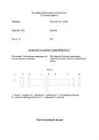
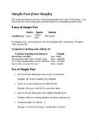
TALLINNA TERVISEHOIU KÕRGKOOL Optomeetria õppetool Üliõpilane: Teostatud : 06.10.2013 Õpperühm: OP 1 Kaitstud: Töö nr. 12 TO: SUHKRULAHUSE ERIPÖÖRANG Töö eesmärk: Suhkrulahuse eripöörangu või Töö vahendid: Poolvarju polarimeeter, kontsentratsiooni määramine analüütilised kaalud, mensuur, mõõtjoonlaud, suhkur Skeem 1 2 3 4 5 6 7 8 1 lamp 2 kondensor 3 valgusfilter 4 polarisaator 5 kvartplaadiga diafragma
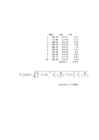
02 n 2 eripöörang -86.638362 kraad*cm3/dm*g tabeliväärtus -91.90 U A t n 1, i 1 n n 1 U С U A U
N 4 U(r_) 0.0005 m0 1.25664E-006 U(i) 0.005 r_ 0.107 U(a) 0.00873 U(BH,i) 0.00000037 a 0.9459684546 I 1.2 Uc 3.95119E-007 _=((()/(2tan )) ((())/(2tan (2^2tan ))^2+((())/(2 (sin Jrk nr l 1 2 tan 1 0.53 39.00 39 39.00 0.810 2 0.85 51.00 50 50.50 1.213 3 0.90 53.00 52 52.50 1.303 4 0.97 55.00 55 55.00 1.428 5 1.04 ...
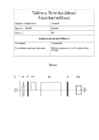
Tallinna Tehnikaülikooli Füüsika instituut Üliõpilane: Teostatud: Õpperühm: Kaitstud: Töö nr. 12 (optika) OT SUHKRULAHUSE ERIPÖÖRANG Töö eesmärk: Töövahendid: Suhkrulahuse eripöörangu või Poolvarju polerimeeter,analüütilised kaalud, kontsentratsiooni määramine. mensuur,mõõtjoonlaud,suhkur. Skeem 1 2 3 4 5 6 7 8 · 1 lamp · 2 kondensor · 3 valgusfilter · 4 polarisaator
docstxt/123979435934538.txt
docstxt/13561087383.txt
Raudteeliipreid valmistati varem kuusepuust, mis pärast mõõtusaagimist sügavimmutati. Kaasajal on hakatud kasutama rohkem pikema kasutusajaga betoonliipreid. Betoonliiprid tagavad ka keevitatud rööbaste tugevama kinnituse. Ühel kilomeetril raudteel on keskmiselt 1640 liiprit. LõunaEuroopa riikides on kasutusel ka terasliiprid. Betoonliiprid Terasliiprid Raudteed ühendatakse omavahel pöörangutega. Pöörang lahutab raudtee kaheks uueks teeks. Pöörang ise võib olla lühike või pikk. Pika pöörangu pöörderaadius on suurem kui lühikesel pöörangul. Mida pikem on pöörang, seda suurema kiirusega on lubatud seda ületada. Pöörangute liigutamine toimub kaasajal elektriliselt kaugjuhtimise teel. Töö teevad ära ajamitega elektrimootorid Rongi all mõeldakse vedurit ja selle külge ühendatud lisaseadmeid ja vaguneid, mis liiguvad või seisavad raudteel nagu üks kompaktne veoühik.
ühesuguseid vastuvõtjaid. algoritmiga vahetult töös.Satelliide liikuste 43. Milleks kasutatakse andmetöötlusel kaotamine ei ole siin eriti ohtlik,sest peale lukustuse lineaarkombinatsioone? Kuidas nim. nelja taastamist laehendatakse vähem kui minuti jooksul põhilistnkombinatsiooni?- Suhteliste mõõtmise uus üldtundmatu. puhul moodustatalse lineaarkombinatsioonidest nn Staatiline kohamäärang.Sellel puhul kasutatakse vahevaatlused. 4 põhilistnkombinatsiooni: kitsa faasipseudokauguseid ja määratakse tundmatute sagedusriba kombinatsioon, laisageduseriba punktide asend tuntud punkti suhtes e. nn. kombinatsioon, ionosfäärivaba kombinatsioon, vahevektorid (∆x, ∆y, ∆z) geomeetriavaba kombinatsioon. 50.Selgita lühidalt DGPS põhimõtteid,sh. Selle 44
bus station. Sadly, the bus had already left. Then she thought, that she could walk to her grannys place. He walked throught the woods. In the forest, he noticed berries and went to pick them. After picking berrys, she was tired and fell asleep. When she woked up, she saw a wolf eating her barries, she quickly took her cake and ran to her grandmothers place. She saw granny in the kitchen baking. She quickly told her granny what was happened, granny told him not to worry. Suddenly the doorbell rang. Then the stranger, who rang the doorbell told: ,,there is a mail for you, I am a mailman." Granny opened the door. There wasn't a mailman, that was a wolf. Suddenly the wolf jumped into the house and began to behave outrageously. Granny ran to the second floor and Little Red Riding Hood knew that she was now left alone. She began running through the rooms and throwing things against the wolf who was tracking him. She couldn't stop the wolf. Wolf wanted to eat her and he had already bite him.
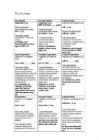
kellaajaga või mingi teise kirjeldama pead. Ajutised kellaajaga). sündmusega, mis just sel olukorrad ja planeeritud at 7 tomorrow, at the hetkel juhtus). tegevused. same time tomorrow, at 7 yesterday, at (right) now, at the etc. midnight yesterday, moment, at present, when the teacher these days, Look! entered the classroom, Listen!, etc. when the phone rang, etc. Past Perfect Present Perfect Future Perfect Tegusõna on esitatud Tegusõna on esitatud Tegusõna on esitatud kujul kujul kujul will have + 3. pv had + 3. pv have / has + 3. pv Tunnused lauses: Tunnused lauses: Tunnused lauses: Keegi saab olema teinud
.............. me who I ............................ to! You can imagine how angry he was when he ............................ that I ............................ an international phone call. (phone, come, ask, speak, discover, make) VASTUSED 1.HARJUTUS 2.was living, met 3.Weren't you working, had 4.was getting, became 5.heard, was going 6.went, were leaving 7.lived, were always having 8.was hoping 9.was living, was published 10.saw, was blowing, were gathering 11.were lying, was working 12.rang, picked, put 13.never understood, always getting 14.was working, went 15.was, always went, really love, often rained 2.HARJUTUS 1.was watching, rang 2.were cleaning, were found 3.was tiding, saw 4.were walking, thought 5.were queueing, ran 6.were you going, passed 7.was i doing, interrupted 8.was shopping, bumped 9.Were waiting, arrived 10.was thinking, heard 11.was feeding, jumped 12.was phoning, came, asked, was speaking, discovered, was making
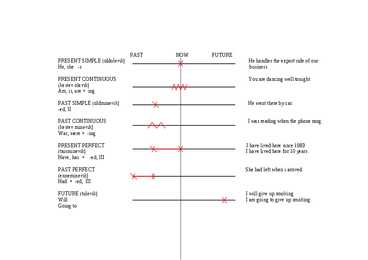
PAST NOW FUTURE PRESENT SIMPLE (üldolevik) He handles the export side of our He, she -s business. PRESENT CONTINUOUS You are dancing well tonight. (kestev olevik) Am, is, are + ing PAST SIMPLE (üldminevik) He went there by car. -ed, II PAST CONTINUOUS I was reading when the phone rang. (kestev minevik) Was, were + -ing PRESENT PERFECT I have lived here since 1983. (täisminevik) I have lived here for 10 years. Have, has + -ed, III PAST PERFECT She had left when i arrived. (enneminevik) Had + -ed, III FUTURE (tulevik) I will give up smoking. Will I am going to give up smoking. Going to
eat ate feel felt find found fly flew forget forgot freeze froze get got give gave go went have had hear heard hit hit hold held hurt hurt keep kept know knew lay laid lead led leave left lend lent let let lie lied lose lost make made meet met pay paid put put read read ride rode ring rang run ran say said see saw sell sold send sent show showed sit sat sleep slept speak spoke spend spent stand stood swim swam take took teach taught tell told think thought throw threw understand understood wear wore win won write wrote
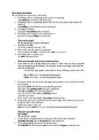
The past- narrative tenses Past simple We use the past simple: 1. To talk about a completed action in the past, often with a time reference. Yesterday morning, the car broke down on the motorway. 2. To tell people about past events and to tell stories. We unlocked the door quietly, went into the room and began to look for clues. 3. With the past continuous to talk about an action which interrupted another. The bell rang while I was having dinner. !!!Watch out!!! We pronounce: 1. Regular past verb endings as /d/: Remembered screamed 2. Verbs ending in ded or ted as /did/ or /tid/: Landed started 3. verbs ending in ch, sh, x or ss as /t/ watched rushed fixed crossed Past continuous We use the past continuous: 1. to talk about an action which was going on at a particular time in the past. At three o'clock yesterday afternoon i was walking back home. 2
I wish I had a million dollars (now). After "If only" (even talking though we're talking about now= If only I had an apple (now). Past Continuous Used to say that somebody was in the middle of doing something at a certain time in the past. At 10:30 yesterday, I was preparing lessons. What were you doing at 6:30? Often used with Past Simple to show a continuing action interrupted by a sudden action in the past. I was studying when the phone rang. (Remember: there are some verbs that have no continuous know, believe, heat, etc.) Present Perfect Simple Used to talk about finished actions in an unfinished time period. I have eaten three cookies today (the cookies are finished but today isn't). I have cleaned my room this morning (the cleaning is finished, but it's still morning). Often the time period isn't mentioned. That means that it's the lifetime of the speaker.
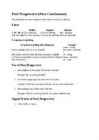
final ie becomes y lie lying Use of Past Progressive · puts emphasis on the course of an action in the past Example: He was playing football. · two actions happening at the same time (in the past) Example: While she was preparing dinner, he was washing the dishes. · action going on at a certain time in the past Example: When I was having breakfast, the phone suddenly rang. Signal Words of Past Progressive · when, while, as long as
My charity day If somebody has always had everything what he needs, then he does not think much about that how other people can make out with their lives and needs. That is why me and my friend Joan decided to devote one day to make other people happier. 42 I was waiting that day for months and when my clock alarm rang that morning I was so excited about what is going to happen. I woke up at 11 a.m, ate my breakfast and then went to shower. We decided to do the charity in Old Town, our destination was sell as much our clothes, what we do not need anymore, as we can. All the money, what we received, went to charity. 76 In the beginning we set up our clothes and then we started to waiting our first clients. It was our
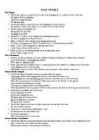
final y after a consonant becomes i hurry hurried Use of Simple Past · action in the past taking place once, never or several times Example: He visited his parents every weekend. · actions in the past taking place one after the other Example: He came in, took off his coat and sat down. · action in the past taking place in the middle of another action Example: When I was having breakfast, the phone suddenly rang. · if sentences type II (If I talked, ...) Example: If I had a lot of money, I would share it with you.
learn laerned/learnt learned/learnt õppima leave left left lahkuma lend lent lent andma , laenama let let let laskma , lubama lie lay lain valetama light lit lit valgustama , põlema pana lose lost lost kaotama make made made tegema mean meant meant tähendama meet met met kohtuma must had to had to pidama pay paid paid maksma put put put panema read read red lugema ride rode ridden sõitma ring rang rung helisema run ran run jooksma say said said ütlema see saw seen nägema sell sold sold müüma send sent sent saatma set set set seadma shine shone shone särama show showed shown näitama shut shut shut sulgema sing sang sung laulma sink sank sunk uppuma , uputama sit sat sat istuma sleep slept slept magama smell smelled/smelt haisema speak spoke spoken rääkima spend spent spent kulutama spill siplled /spilt spilled spilt üle ajama stand stood stood seisma steal stole stolen varastama
Rules · after another · at the same time Ex. She came home, switched on the computer and checked her Ex. Simon was playing on the computer while e-mails. brother was watching TV. · new action · action already in progress Ex. My mobile rang (when I was sitting in a meeting.) Ex. While I was sitting in a meeting, (my mob suddenly rang.) · just mentioning Ex. Colin played football yesterday. · emphasising progress Ex. Yesterday at six o'clock, Colin was playin Signal words: first, then football.
The statue of Liberty It was a gift from France. It stands in New York Harbour. It`s also known as Lady Liberty because it is a symbol of freedom and democracy. It represented hope and freedom to the immigrants who came here from other countries. The Bald Eagle The Liberty Bell It rang when Congress signed the Declaration of Independence. SINGERS ACTORS AND ACTRESSES THANKS FOR WATCHING!
Seven days It was three o'clock in the morning when the phone rang. I was still sleepy when I answered with a furious tone: ,,What is it? Do you even know what freaking time is it? It's 3 in the morning. Why aren't you sleeping?" Suddenly I heard a voice that told me: ,,Seven days!" and after that just beep beep beep. At first I thought it's just some stupid joke but I got frightened and I couldn't even get any sleep. I creeped downstairs looking after my shoulder from time to time because I had this feeling someone was watching me
Be was been Misunderstand misunderstood 2 Bear bore born Oversleep overslept overslept Beat beat beaten Pay paid paid Become became become Put put put Begin began begun Read read read Bite bit bitten Ride rode ridden Break broke broken Ring rang rung Build built built Run ran run Burst burst burst Say said said Buy bought bought See saw seen Catch caught caught Sell sold sold Can could Send sent sent Come came come Set set set Cost cost cost Shoot shot shot Cut cut cut Sing sang sung Deal dealt dealt Sink sank sunk Dig dug dug Slide slid slid Do did done Speak spoke spoken
He/She/It is speaking English project right now. I am speaking English _ I am not speaking English now but i can also speak French You/we/they are not speaking English He/She/It isn't speaking English Past continous: ? were you speaking when they came in? Key words: while, yesterday at 7 Was she speaking when they came in? o'clock, yesterday at the same time, when +I/he/She was speaking to my friend Millal kasutatakse? Minevikus when my mobile phone rang samaaegse tegevuse väljendamine, kindel ajahetk minevikus. You/We/They were speaking to my... Example sentence: I went for the walk _ I/He/She/It was not speaking , so i in the forest while the sun was shining could hear others well You/We/They were not speaking
spices), hakh (a spinach-like leaf), rista-gushtaba (minced meat balls in tomato and curd curry), danival korme, and the signature rice which is particular to Asian cultures. The traditional wazwan feast involves cooking meat or vegetables, usually mutton, in several different ways. Alcohol is strictly prohibited in most places. There are two styles of making tea in the region: Noon Chai, or salt tea, which is pink in colour (known as chinen posh rang or peach flower colour) and popular with locals; and kahwah, a tea for festive occasions, made with saffron and spices (cardamom, cinamon, sugar, noon chai leaves), and black tea. History of tourism in Kashmir The state of Jammu & Kashmir is a region of widely varying people and geography. In the south, Jammu is a transition zone from the Indian plains to the Himalayas. Nature has lavishly endowed Kashmir with certain distinctive features that are paralleled by few alpine regions in the world
Gregor Kutateladze Soohorong, - 18 Soohorang, the mascot of the PyeongChang 2018 Olympic Winter Games, took its motif from the white tiger. The white tiger has been long considered Korea's guardian animal. "Sooho", meaning protection in Korean, symbolises the protection offered to the athletes, spectators and other participants of the 2018 Games. Its name is derived from the Korean words "sooho" ( ) and "ho-rang-i" ( ), which means "protection" and "tiger" respectively Soohorang has a challenging spirit and passion, and also a trustworthy friend who's name is Bandabi. He protects the athletes, spectators and all the participants of the Olympic Games. Mattheus Särg Sam the Olympic Eagle - 1984 His name is Sam The creator of the mascot was C. Robert Moore Before becoming an eagle, the animal chosen as
Tulema COME/CAME/COME laskma LET/LET/LET Maksma COST/COST/COST kaotama LOSE/LOST/LOST Lõikama CUT/CUT/CUT tegema MAKE/MADE/MADE Tegema DO/DID/DONE tähendama MEAN/MEANT/MEANT Joonistama DRAW/DREW/DRAWN kohtama MEET/MET/MET Jooma DRINK/DRANK/DRUNK maksma PAY/PAID/PAID Sõitma DRIVE/DROVE/DRIVEN panema PUT/PUT/PUT Sööma EAT/ATE/EATEN lugema READ/READ/READ Kukkuma FALL/FELL/FALLEN sõitma RIDE/RODE/RIDDEN Toitma FEED/FED/FED helisema RING/RANG/RUNG Tundma FEEL/FELT/FELT tõusma RISE/ROSE/RISEN Kaklema FIGHT/FOUGHT/FOUGHT jooksma RUN/RAN/RUN Leidma FIND/FOUND/FOUND ütlema SAY/SAID/SAID Lendama FLY/FLEW/FLOWN nägema SEE/SAW/SEEN Unustama FORGET/FORGOT/FORGOTTEN müüma SELL/SOLD/SOLD Külmuma FREEZE/FROZE/FROZEN saatma SEND/SENT/SENT Saama GET/GOT/GOT panema SET/SET/SET Andma GIVE/GAVE/GIVEN raputama SHAKE/SHOOK/SHAKEN Minema GO/WENT/GONE paistab SHINE/SHONE/SHONE Kasvama GROW/GREW//GROWN laskma SHOOT/SHOT/SHOT
2.3 burn burnt, burned burnt, burned 4.1 fly flew flown 2.4 buy bought bought 4.2 grow grew grown 2.5 catch caught caught 4.3 know knew known 2.6 feel felt felt 2.7 find found found 2.8 get got got, gotten 2.9 hang hung hung 5 ng 2 2.10 have had had 5.1 ring rang rung 2.11 hear heard heard 5.2 sing sang sung 2.12 keep kept kept 2.13 lay aid laid 2.14 learn learnt, learned learnt, learned 6 come 2 2.15 leave left left 6.1 become became become 2.16 lose lost lost 6.2 come came come 2.17 make made made 2
Break broke broken pay paid paid Brong brought brought put put put Build built built read read read Burn burnt (Inf+ed) burnt (Inf+ed) ride rode ridden Burst burst burst ring rang rung Buy bought bought rise rose risen Can could (been able to) run ran run Catch caught caught say said said Choose chose chosen see saw seen Come came come seek sought sought
LEND LENT LENT LAENUKS ANDMA LET LET LET LASKMA, LUBAMA LIE LAY LAIN LAMAMA, ASETSEMA LOSE LOST LOST KAOTAMA MAKE MADE MADE TEGEMA MEAN MEANT MEANT TÄHENDAMA MEET MET MET KOHTAMA PUT PUT PUT PANEMA READ READ READ LUGEMA RING RANG RUNG HELISEMA, HELISTAMA RISE ROSE RISEN TÕUSMA RUN RAN RUN JOOKSMA SAY SAID SAID ÜTLEMA SEE SAW SEEN NÄGEMA SELL SOLD SOLD MÜÜMA SEND SENT SENT SAATMA SHINE SHONE SHONE PAISTMA (päikese kohta) SING SANG SUNG LAULMA
set the alarm clock at 7.00am, so that I would have enough time to get ready. The interview started at 9.00am. I woke up in the morning because I heard a door bell and wondered who could come so early. I saw my neighbour standing at the door holding a newspaper. ,,You always come at 8 o'clock. What are you doing here so early?" I asked. She raised her eyebrows, felt really confused and said she had come as usual. I glanced at my watch and understood that my alarm clock hadn't rang. My job interview would start in one hour and I had to hurry on a bus. Half an hour later I was in the bus station and felt relieved because I had still 5 minutes until my bus came. So I waited and looked at the timetable and saw that the bus drove every working day except that day. ,,Oh, great," I said ironically. I wanted to call a taxi, but found out that I had left my phone at home while I was rushing around. Fortunately, my friend lived nearby, so I rushed to her house
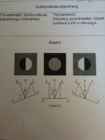
Osutub, et antud temperatuuri ja lainepikkuse korral on valguse polarisatsioonitasandi pöördenurk lahustes võrdeline lahusekihi paksusega ja optiliselt aktiivse aine kontsentratsiooniga lahuses: Suurust nimetatakse optiliselt aktiivse aine eripööranguks. Ta näitab, kui suure nurga võrra pöördub polarisatsioonitasand, kui valgus lainepikkusega läbib ühikulise kontsentratsiooniga ja ühikulise paksusega lahuse kihi, mille temperatuur on T . Käsiraamatutes antakse eripöörang tavaliselt naatriumi D-joone lainepikkusel ( = 589,3 nm ) ning temperatuuril T = 20 oC . Vastavat eripöörangut tähistatakse . Seega: Valemist on näha, et lahuse eripöörangu määramiseks on vaja teada lahuse kontsentratsiooni, lahusekihi paksust l ja polarisatsioonitasandi pöördenurka. Seetõttu reaktsiooni kulgemisel polarisatsioonitasandi pöördenurk väheneb, muutub võrdseks nulliga ja seejärel negatiivseks. Reaktsiooni lõppemisele vastab konstantne negatiivne piirväärtus
teadsin, mis nendega seal edasi juhtus. See on minu arust väga tähtis, et see ei olnud mingi niisama väljamõeldud näidend vaid sellel oli ajalooline põhi all. Sellist näidendit läheksin veelkord hea meelega vaatama. Näidendi autor on K. M. Ryan, kes on ameerika kaasaegne autor, kuid konkreetse tüki tõlkis inglise keelest Tiina Tarik. Lavastaja on Heiti Pakk, kunstnik Kaili Viidas, näitlejad Karin Tammaru, Marika Barabanstsikova, Karin Rask, Piret Laurimaa, Peeter Tammearu, Mikk Rang. Esietendus toimus 15. oktoobril Kuressaare Linnateatris.
.. he's actually quite smart. TAKE IN = A. learn B. deceive C. make smaller D. watch A. Many students have difficulties taking in all these phrasal verbs. B. She was taken in by the smooth talking salesman. C. The tailor took in my jacket after I lost weight. D. Let's take in a movie sometime. TAKE OFF = A. launch plane or rocket B. remove C. leave work for some time D. leave A. The rocket took off with a loud blast and cloud of smoke. D. We took off after the last bell rang. TAKE ON = accept responsibilities She has taken on more than she can handle I'm afraid. TAKE OVER = take control of Mike took over the family business when his father retired. TAKE OUT = A. date, court B. kill C. remove A. I am taking Jill out to a movie tonight. B. The mob ordered a hit on three fingers Tony. They are going to take him out. TAKE TO = A. like B. adjust naturally A. She has really taken to John since she's been here visiting. B
sõitma drive drove driven välja lülitama quit quit quit sööma eat ate eaten lugema read read read kukkuma fall fell fallen ratsutama ride rode ridden toitma feed fed fed helistama ring rang rung tundma feel felt felt tõusma rise rose risen võitlema fight fought fought jooksma run ran run leidma find found found ütlema say said said lendama fly flew flown nägema see saw seen
Hit,hit,hit-lööma Hold,held,held-hoidma Hurt,hurt,hurt-vigastama Keep,kept,kept-endale hoidma Know,knew,known-teadma Lay,laid,laid-lesima Lead,led,led-juhtima Learn,learnt(learned),-II- -õppima Leave,left,left-lahkuma Lend,lent,lent-laenama Let,let,let-laskma lie,lay,lain-valetama Light,lit,lit-süütama Lose,lost,lost-kaotama Make,made,made-valmistama Mean,meant,meant-tähendama Meet,met,met-kohtuma Pay,paid,paid-maksma Put,put,put-panema Read,read,read-lugema Ride,rode,ridden-sõitma Ring,rang,rung-helisema Rise,rose,risen-tõusma Run,ran,run-jooksma Say,said,said-ütlema See,saw,seen-nägema Seek,sought,sought-otsima Sell,sold,sold-müüma Send,sent,sent-saatma Set,set,set-seadma Sew,sewed,sewn(sewed)-õmblema Shake,shook,shaken-kõikuma Shine,shone,shone-särama Shoot,shot,shot-tulistama Show,showed,shown-näitama Shut,shut,shut-sulgema Sit,sat,sat-istuma Sing,sang,sung-laulma Sleep,slept,slept-magama Smell,smelt(smelled),-II- -haistma Speak,spoke,spoken-rääkima
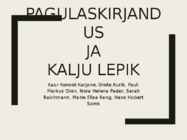
PAGULASKIRJAND US JA KALJU LEPIK Kaur Kennet Karjane, Grete Kurik, Paul- Markus Orav, Nora Helena Padar, Sarah Raichmann, Marie Elisa Rang, Hans Hubert Sams PAGULASKIRJANDUS ■ Arenes väljaspool okupeeritud Eestit (1944–1990 ) ■ Sai alguse Saksa põgenikelaagris ■ Teine maailmasõda – keskuseks Rootsi ■ Elujõulisem Eesti NSV kirjandusest ■ 1944-1990 anti välja: – 267 romaani – 181 luulekogu 75 autorilt – memuaarkirjandust – 90 autorilt ilmus ligi 155 teost ■ 1950 hakati kirjutama teoseid PAGULASKIRJANDUS ■ Tunti puudust allikmaterjalidest
hold held held hurt hurt hurt keep kept kept know knew known lay laid laid lead led led learn learnt learnt leave left left lend lent lent let let let lie lay lain light lit lit lose lost lost make made made mean meant meant meet met met pay paid paid put put put quit quit quit read read read ride rode ridden ring rang rung rise rose risen run ran run say said said see saw seen seek sought sought sell sold sold send sent sent set set set shake shook shaken shine shone shone shoot shot shot show showed shown shut shut shut sing sang sung sit sat sat sleep slept slept speak spoke spoken spend spent spent spring sprang sprung stand stood stood
-ed / II pv. Kasutus: Ago, yesterday, last. ?/- Did Tegevus: 1. Toimus minevikus ja on lõppenud. ,,I met him yesterday" 2. Used To, mineviku harjumused. ,,I used to play tennis." Past Continius (kestev minevik) was/were + ing Kasutus: When, while, as Tegevus: 1. ajutised sündmused. 2. 2 või enam tegevust ,,While i was reading, he was garding." 3. minevikus katkestatud tegevus ,,I was having a shower, when the phone rang." 4. konktreetne kellaaeg minevikus ,, I was watching TV yesterday at 5!" Present Perfect (täisminevik,olevikuaeg) have/has + III pv. Kasutus: Never, ever, already, yet, before, since, for. Tegevus: 1. tegevused alg. Minevik -> now ,,I have been a teacher for 5 years." 2. mineviku situatsiooni resultaat olevikus ,,I have lost my purse." 3. kogemused ,,Have you been in USA?" Have Gone Have Been Go Verbid:
39.Cost cost cost maksma, väärt olema 40.Cut cut cut lõikama 41.Know knew known teadma, tundma 42.Lay laid laid panema, asetama 43.Light lit lit süütama 44.Mean meant meant tähendama 45.Ride rode ridden ratsutama 46.Upset - upset upset ärritama 47.Swing swung swung kiikuma, õõtsutades liikuma 48.Send sent - sent saatma 49. Run ran run jooksma 50.Ring rang rung helistama, helisema 51. Strike struck struck lööma Eessõnad ajamäärustes In: In the morning In the evening In the afternoon In 1998 In february In winter In the 1980s On: On Sunday morning On Monday evening On Saturday afternoon On Friday night reede õhtul On the first of february On a cold winter morning On christmas day At: At ten o'clock At half past eight At noon lõuna At night - õhtul
Nullmaatriksist erinevaid maatrikseid, milliste korrutis aga on nullmaatriks, nimetatakse nulliteguriteks. Kahte maatriksit nimetatakse sarnasteks maatriksiteks, kui leidub teatav regulaarne maatriks C nii, et on täidetu tingimus A*C=C*B A=C*B*C^-1. Võrdsussarnasuse erijuht. Kõik kolm maatriksit peavad olema sama järku. A~B. Suurimat naturaalarvu, mille korral maatriksil leidub nullist erinev k-ndat järku miinor, nimetatakse selle maatriksi astakuks ja märgitakse üles järgmiselt: rang(A). Vastavalt sellele definitsioonile peab leiduma suurim naturaalarv k, mille korral Mvk pole null. Kui on naturaalarv, mis on k-st suurem, siis on vastavad miinorid nullid. Kronecker-Capelli teoreem: Lineaarvõrrandite süsteem on lahenduv siis ja ainult siis(parajasti siis), kui võrrandite süsteemimaatriksi ja võrrandite süsteemi laiendatud maatriksi astakud on võrdsed. Kui teatava ruutmaatriksi korral leidub maatriks nx1, ei tohi olla
M. Ryani draamal põhinev Kuressaare Linnateatri etendus. Arvan, et konkreetse teatritüki näitlejatöö oli suurepärane. Seda seetõttu, et tegelaskujud suutsid end läbi raske konteksti arusaadavaks teha. Etendus ei mõjunud otseselt draamana, kuna seda oli vürtsitatud mõnusate ütlemistega. O.T.M.A see on lühend Nikolai II tütarde eesnimede esitähtedest. Olga (Karin Tammaru), Tatjana (Piret Laurimaa), Maria (Maria Barabansitsikova) ja Anastassia (Karin Rask). Valvuri osas oli Mikk Rang ja Markovi osas Peeter Tammearu. Kõik näitlejad tegid suurepärast tööd, kuid eriti kiidaksin Peeter Tammearu. Seda sellepärast, et Peeter Tammearu suutis kogu ajaloolise fakti vägagi arusaadavaks teha. See poolhull Markov, kes alustas irvitades ja naerdes, nuttes ja nuuksudes ühtaegu, võtab ennast lõpuks kokku ja jutustab tüdrukute elu viimastest minutitest rahulikult, kaalutlevalt, aga eelkõige sügava austuse ja lugupidamisega. Siiralt ja lihtsalt. (Ene Kallas, Meie Maa, 19
ennustama forecast forecast forecast paiskama cast cast cast haisema stink stank stunk paisutama swell swelled swollen haistma smell smelt smelt panema put put put hammustama bite bit bitten panema set set set heitma fling flung flung panustama bet bet bet heitma sling slung slung peitma hide hid hidden helistama ring rang rung pillama spill spilt spilt hellitama spoil spoilt spoilt pistma thrust thrust thrust hiilima creep crept crept poetama shed shed shed hoidma hold held held poolitama split split split hoidma keep kept kept puhkema burst burst burst hääldama spell spelt spelt puhuma blow blew blown
55. Let let let-lubama, laskma 56. Lie lay lain-lebama, asetsema 57. Light lit lit-valgustama, süütama 58. Lose lost lost-kaotama 59. Make made made-valmistama, tegema 60. Mean meant meant-tähendama, silmas pidama 61. Meet met met-kohtuma 62. Pay paid paid-maksma, raha välja andma 63. Put put put-panema 64. Read read read- lugema 65. Ride rode ridden-ratsutama, sõitma 66. Ring rang rung-helistama, helisema 67. Rise rose risen-tõusma 68. Run ran run-jooksma 69. Say said said-ütlema 70. See saw seen-nägema 71. Sell sold sold-müüma 72. Send sent sent-saatma 73. Set set set-seadma, asetama 74. Sew sewed sewn-õmblema 75. Shake shook shaken-raputama, rappuma, värisema 76. Shine shone shone-särama 77. Shoot shot shot-tulistama, laskma 78
charme, châteaux majestueux et imposantes tours qui parsèment le paysage. Parmi les caractéristiques les plus frappantes architectural de la ville sont les tours de la Tour Babott et la Tour des Pins. 5)The Cathédrale St. Pierre- est une cathédrale catholique romaine, et un monument national de la France, situé dans la ville de Montpellier. A l'origine une église attachée au monastère de Saint-Benoît (fondée en 1364), le bâtiment a été élevé au rang de cathédrale en 1536. la Piscine Olympique d'Antigone parc aquatique- Pour un endroit de plaisir en famille par une chaude journée, l'Olympique Piscine d'eau du parc Antigone caractéristiques chutes rapides, une piscine et bains à remous. la Place de la Comédie- Il est situé dans le centre-ville. Elle tient son nom du théâtre municipal dont la façade monumentale orne le sud-ouest de la place.
 annaabi.ee