My Magna Carta. When I first started my own Magna Carta, I thought what's the most near heart and important to me. I chose two main topics, what I find important and relevant. I'm sure that I'm not the onl one who thinks like that. The first thing I would do, is forbid bullying. What is bullying? Bullying is the use of force, threat or duress to abuse, terrorize or aggressively dominate others. There are different types of victims. One of those is the one that ignores all the hate and insulting what comes at him/her. The other one takes it all by heart and seriously. Words can hurt, a lot. Most of the people don't realize what are they causing the victim, when bullying him/her. The worse cause that bullying can cause, is suicide. There is 7% of young people who attempt suicide every year. Nearly 30% of students don't go to school, because they don't want to get bullied. Also ...
The early middle ages The Norman Conquest Since William was crowned king, there were many rebellions against the Normans. A small Norman army marched from village to village and destroyed the ones it couldn't control. The Normans took away the Saxon lords' land. Only a few Saxons who supported William could keep their land. Feudalism William gave parts of his conquered land to his captains around the country to avoid rebellions and uprisings. He also kept some land to himself to make sure his was much stronger than his nobles. Of all the farmland half went to his nobles, quarter to church and fifth he kept to himself. William organised the English kingdom according to feudal system. The main purpose of using that system was economic. King gave the land to "vassals" in return of army services and goods. When a noble dies, his son took over the estate. When there was no family, the land went back to king who could give it to another n...
Mikk Hödemann 12.d klass English Parliament What can I say about the English history at all? I think that this is the most interesting history I had to study. During this subject (British civilization), I discovered some exciting facts, occasions which took place in the British history. One of these "discoveries" was the English Parliament. I was amazed how fast it grew within the centuries, from eleventh to seventeenth centuries. The political history of British Isles over the past 800 years has been largely one of reducing the power of the monarchy and transferring authority to a London-based Parliament as the sovereign legislative body for all of Britain. This development has resulted in political, social and religious conflicts, as well as evolving governmental and constitutional institutions. The early political history of the British Isles is the story of four independent cou...
Anglo-Saxon period Celts-came from Germany,2000-1200BC began to migrate to Britain,spoke Celtic language,were known as Britons,lived in small villages,round wooden huts-mainly farmers-no towns,organised in tribes with a king/queen as a leader,intertribal wars were very common,the Ancient Britons:one of the Celtic tribes living in Britain 4thBC,believed in different gods,governed by a class of priests-druids who had great power. Romans in Britain:55BC came to conquer Britain(Julius Caesar),brought their own civilization,taught Britons to build roads,bridges,houses,baths,temples,protected Britain for several hundred years,4thBC Romans left Britain,43AD Queen Boadicea of Iceni tribe lost their battle with Romans. Who were the next invaders and where did they come from? Anglo-Saxons came from northern Germany,Denmark and northern Holland. What was their lifestyle like?Anglo-Saxons liked fighting,drinking,gambling,life expectancy not very lo...
The Middle Ages The Middle Ages are one of the most turbulent periods in English history. The Middle Ages are so called as the middle period between the decline of the Roman Empire and the Renaissance. The Middle Ages started in 1066. with the Battle of Hastings and the Norman Conquest. William the Conqueror took all the lands from the Saxon English and gave these to French nobles. Normans were known as great builders. This is assured by the fact that many great castles and other buildings, including the Tower of London, were built during the Norman Conquest. In 1086. Domesday Book was compiled. It is a detailed survey of England ordered by William the Conqueror. The reign of King William Rufus who was the son of William started in 1087 and lasted until 1100. Next king was Henry I who was the brother of William Rufus. His reign was from 1100-1135. In 1135 Henry I nephew Stephen got to the throne of Engla...
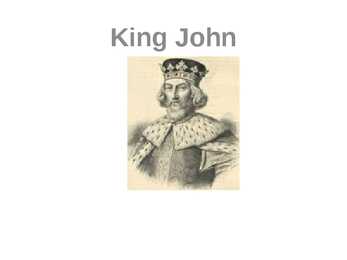
King John King John He was born in 1167 John died in October 1216 His brother was King Richard I King John nick-name was John Lackland. He had intelligence, administrative ability and he was good at planning military campaigns. The Magna Carta I, King John, accept that I have to govern according to the law. So I agree: 1. Not to imprison nobles without trial 2. That trials must be in courts; not held in secret by me 3. To have fair taxation for the nobles 4. To let freemen travel wherever they like 5. Not to interfere in Church matters... Rule King John ruled 1199 to 1216. He faced the following problems. Problems 1. John raised taxes in England to pay for the wars. This upset his BARONS! He ordered them to pay far more tax than earlier kings had done! 2. John went to war twice against th...
King William I When William died his lands were divided between his eldest two sons. Robert inherited Normandy, while William became king of England. Died from injuries EDWARD V He and his brother Richard were murdered in the Tower of London Alfred the Great - King of Wessex (part of England). All British modern British monarchs trace from the Wessex line. William I, the Conqueror. Founder of the modern British state. Henry II - added Ireland the British possessions John I - signed Magna Carta, the beginigs of the British constitution Edward I - conquered Wales Edward III - started 100 years war Henry V - Last great warrior king Henry VIII - Broke England away from Catholic church. Elizabeth I - laid the seeds of the British Empire, and tons of other stuff James I - Was King James VI of Scotland, inherited throne from Elizabeth I, united England and Scotland Charles I - Overthrown by Parliament and executed. Replaced by a re...
The British Parliament The Parliament of the United Kingdom of Great Britain and Northern Ireland, commonly known as the British Parliament,Westminster Parliament or simply "Westminster". The British constitution has envolved over many centuries and unlike many other nations, the UK has no single constitutional documents. But Britain does, however, have certain important constitutional documents, including Magna Carta, Bill of Rights and Reform Act. It is formed partly by statue law, partly by common law and partly by conventions. Fundamental law doesn´t exist in the United Kingdom. There can be distinguish three separate organs: the legislature, the executive and the judiciary. Parliament, the law-making body, consists of three elements: the Monarchy, the House of Commons and the House of Lords. They meet together only on occasions of ceremonial significance, such as the state opening of Parli...
The Medieval period The Middle Ages began in 1066, when the Normans defeated Anglo-saxons at the Battle of Hastings. Now England had a Norman king William the Conquer. Norman kings ruled in England less than 100 years, during that time Normans brought England closer to the mainstream of European society. William introduced the feudalism. Under it, land was divided among noble overlords, or barons. Knights pledged their wealth and services to the overlords. In return overlords let them use their land. At the lowest end of the social scale were the serfs, peasants bound to the land. In 1154 the Norman time was at the end. In 1154 Henry II started to reign. Henry II was the king who increased royal power at the expense of nobles. His desire to control the Roman Catholic Church in England led to the murder of T. Becket. Richard I has become a model of a true knight. John(Richards brother) gained a weak, even villainous ruler. 1215 he signe...
UK Parliament Parliament of the United Kingdom The Parliament of the United Kingdom is the highest legislative body in the United Kingdom and British overseas territories. It alone has parliamentary sovereignty over all other political bodies. At its head is the Queen Elizabeth II. The parliament has an upper house, the House of Lords, and a lower house, the House of Commons. The House of Lords plays an important role in checking and challenging the decisions and actions of the government through questions and debates. A House of Commons evolved at some point in England during the 14th century, becoming the House of Commons of Great Britain after the political union with Scotland in 1707. How laws are made Most new laws passed by Parliament result from proposals made by the government. Proposals aim to shape society or address particular problems. Normally, they are created over a period of time. ...
Gooti arhitektuur Gootika on keskaegse Euroopa imetlusväärseim kunstistiil. See sündis Prantsusmaal ning seal loodi ka kõige kaunimad gooti stiilis kunstiteosed. Prantsusmaalt levis gootika teistesse tolle aja Lääne- Euroopa kultuuriringi kuuluvatesse maadesse. Nimi anti gooti stiilile alles hiljem, renessansiajastul kunagise germaanlaste hõimu, gootide järgi, kuigi neil tegelikult selle stiiliga midagi tegemist polnud. See esialgu pilkena mõeldud nimetus pidi tähendama barbaarset ja metsikut. Meie ajal peetakse gooti stiili aga just millekski ülimalt peeneks, kauniks ja imetlusväärseks. Gooti ajastuks astus feodaalide, talupoegadening vaimulike kõrvale uus linnakodanike seisus: käsitöölised ja kaupmehed. Uued linnad, inimeste liikuvam eluviis, suurenev toredusiha kõik see avaldas mõju kunstile, kuid siiski on gooti stiili suurimad saavutused endiselt seotud ristiusu kirikuga. Üheks suureks mõjut...
Tallinna Nõmme Gümnaasium Referaat Gooti stiil Õpetaja: Rainer Vilumaa Lea Lihtmaa 10b Tallinn 2011 Gooti stiil ja selle tunnused Gooti stiil on teine keskaja Lääne Euroopa kunstistiil. Gooti stiil kestis valdavalt 12. kuni 16. sajandini. Gootika jaguneb aragootikaks mis oli 12. sajandi teisel poolel, kõrggootikaks mis kestis 13. - 14. sajand ja hilisgootikaks mis kestis 15. sajand - 16. sajandi alguseni. Gooti stiilis võesti kasutusele teravkaar. Selleks et ehitada ilmatu kõrgeid ja aina kitsenevaid kivilagesid võetigi kasutusele teravkaare ja sammastele toetavad kiviribid. Gooti stiili sünd on täpselt dateeritud: selle alguseks peetakse aastat 1144, mil Prantsusmaal pühitseti sisse Saint-Denis' kloostri kiriku koor. Stiilinimetusena võeti gootika kasutusele 19. ...
AJALUGU KESKAEG KONTROLLTÖÖ KORDAMISKÜSIMUSED 1.Dateeri keskaeg Dateeri keskaeg 5-15 sajand Miks just seda sündmust seostatakse keskaja lõppemisega, milles seisnes sündmuse pöördeline tähtsus? Ameerika avastamine ja reformatsioon, milles muudeti maailma pilti tehes uue välimuse ja elu. 2.Islam- millal tekkis, kus, kellega seostatakse usundi teket, mida tähendab mõistena. Islam- 7 sajand, Mekas, Muhamed ehk jumala tahetele allumine. 3.Islami 5 tugisammast Usutunnistamine Paastud Palverännakud Palvetamine Almuste jagamine Kuidas nimetatakse püha raamatut ja palvepaika? Püharaamat ehk Koraan, palvepaik ehk Meka 4.Muhamedi seos Meka ja Mediinaga. Muhamed elas Mekas ja oli sealt pärit, kuid teda visati linnast välja kuna ta polnud sealset usku. Seega Mekasse jõudes hakkas ta uut usku levitama ja inimesi kaasa meelitama ning hiljem sai Mekas samuti au. 5.Mille poolest erineb islami kunst kristlikust kunstist? Islamis ei tohi ega ei kujutata...
The United Kingdom and London United Kingdom is a political name of the United Kingdom of Great Britain and Northern Ireland. These political names include the countries of England, Scotland and Wales. Every country has its own capital and language. The capital of England is London, the people there are english and the language spoken is English. In scotland live the scots, capital is Edingburg and the languages spoken are English and Scottish. The capital of Wales is Cardiff, the people tehre are welsh and the languages spoken are welsh and English. N. Ireland is the home for the Irish, the capital is Belfast and the language is Irish. The first inhabitants were Iberians and Celts who settled on the land and were often at war with each other. In AD 43 Britain was made a Roman province. The romans stayed there for three hundred years. After the romans left came the Angles, Saxons and Jutes...
History of Great Britain Prehistory (55BC) no written records 6th 3rd c. BC the Celts came to British isles hill figures, hill forts, stone circles ( Stonehenge ) RomanBritain (55BC 400AD) Julius Caesar, named the country Albion Hadrian's Wall, villas, roads, the town of Bath The AngloSaxon, Danish and Norman invasions Germanic tribes settled and stayed Anglia Christianity was brought, religion became important, churches were built 8th century = raids by the Vikings and the Danes 1016 1042 : Under Danish rule ( York was the capital ) 1042 : local AngloSaxons regain their rule 1066 : Normans arrive ( the Norman conquest ) Medieval Britain (106615th c.) the Battle of Hastings William the Conqueror a new AngloNorman state the feudal system introduced the rule of the king and church strengthened centralised country, military rule Scotland, Wales and Ire...
1. Ancient Britain: the Celtic tribes. 2000 years ago there was an Iron Age Celtic culture throughout the Br Isles. It seems that the Celts, who had been arriving from Europe from the 8th cent BC onward, intermingled with the peoples who were already there. The Celts were extremely talented people, creative and artistic. More than 1 Celtic tribe invaded Br. The descendants of ancient Celts live in Wales, Scotland, Cornwall and Ireland. They lived in primitive society. Druids priests, more powerful than chiefs. Acted like prophets. 2. Stonehenge From prehistoric period. Was built on Salisbury plain between 2500 and 1500 bc. One of the most famous and mysterious archaeological sites in the world. One of the mysteries is how it was built at all with the technology of the time. Another is its purpose. It appears to function as a kind on astronomical clock and we know it was used by the Druids for ceremonies marking the passing ...
Medieval England 1066-1485 Eva Asper Anna Pohlak 11.c The Norman Dynasty The Norman Conquest In the 11th century, Normans conquered England - The Battle of Hastings 14.10.1066 The Anglo-Saxon forces had more soldiers but the Normans had better military tactics and won in the end thanks to a clever strategy William I, also known as William the Conqueror, replaced King Harold on the throne The invasion was completed by 1071 - The Norman invasion is depicted on the Bayeux Tapestry a long embroidered cloth The death of King Harold embroidered on the Bayeux Tapestry The Norman England William I ensured his power by dividing the land into parts and making 1/7 of it a royal domain He made his nobles swear an oath of allegiance and become his vassals Died in 1087 while fighting in France, was succeeded by his third son, William...
25/11/2012 22:54 The World According to Student Bloopers Richard Lederer St. Paul's School One of the fringe benefits of being an English or History teacher is receiving the occasional jewel of a student blooper in an essay. I have pasted together the following "history" of the world from certifiably genuine student bloopers collected by teachers throughout the United States, from eight grade through college level. Read carefully, and you will learn a lot. The inhabitants of Egypt were called mummies. They lived in the Sarah Dessert and traveled by Camelot. The climate of the Sarah is such that the inhabitants have to live elsewhere, so certain areas of the dessert are cul- tivated by irritation. The Egyptians built the Pyramids in the shape of a huge triangular cube. The Pramids are a range of mountains between France and Spain. The Bible is full of interesting caricatures. In the first book of the Bible, Guinesses, Adam a...
PROGRESSIIVNE ROCK 1. Progressiivse rock muusika ajalugu välismaal Sissejuhatus Progressiivne rock (ka progerock) on rockmuusika alamsuund, mis arenes välja 1960. aastate lõpus ja 1970. aastate algul. Sõna progressiivne otsene tähendus on edasiareng. Sõna progressiivne viitab rocki- maailmas aga sellele, kuidas muusika suuna esindajad laiendasid rockmuusika piire, muutes seni valitsenud salmi ja refrääni vaheldumisel põhinenud lauluvorme. Tähelepanu pöörati lugude instrumentaalsetele osadele. 1960. aastate lõpul hakkasid rock muusika esindajad otsima uusi ideid rocki põhisuunast üha kaugemal olevatest muusikalistest allikatest. Neid inspireerisid nii blues, jazz kui ka klassikaline muusika. Peale oli kasvanud uus muusikute põlvkond. Veidi rohkem kui kümne aasta jooksul oli rockist saanud üldiselt omaks võetud nähtus, mis tõmbas enda poole ka suurt osa noorest haritlaskonnast. Sellest tulenes ka nn progressiiv...
1. Progressiivse rockmuusika ajalugu välismaal 1.1 Sissejuhatus Esiteks, enne kui minna edasi, tuleb eelkõige mõista, mis on progressiivne rockmuusika. Progressiivne rock (ka progerock) on rockmuusika alamsuund, mis arenes välja 1960. aastate lõpus ja 1970. aastate algul. Sõna progressiivne otsene tähendus on edasiareng. Sõna progressiivne viitab rocki- maailmas aga sellele, kuidas muusikasuuna esindajad laiendasid rockmuusika piire, muutes seni valitsenud salmi ja refrääni vaheldumisel põhinenud lauluvorme. Tähelepanu pöörati lugude instrumentaalsetele osadele.1 1960. aastate lõpul hakkasid rockmuusika esindajad otsima uusi ideid rocki põhisuunast üha kaugemal olevatest muusikalistest allikatest. Neid inspireerisid nii blues, jazz kui ka klassikaline muusika. Peale oli kasvanud uus muusikute põlvkond. Veidi rohkem kui kümne aasta jooksul oli rockist saanud üldiselt omaks võetud nähtus, mis tõmbas ...
Country Study Mari-Liis Luukas 11c The British Isles Administrative / d'mnstrtv / haldus- Self-governing / self'gvn / isemajandav, iseseisev Legislative assembly/ 'ledsltv 'sembl/ seadusandlik kogu The British Isles is the name of a group of islands washed by the North Sea in the east and the ...
1. The Queen’s official title. Elizabeth the Second, by the Grace of God, of the United Kingdom of Great Britain and Northern Ireland and of Her other Realms and Territories Queen, Head of the Commonwealth, Defender of the Faith. 2. The Queen’s working day. Starts after breakfast. Reads the newspapers which are prepared by the Press Secretary, and a report on the previous day’s proceedings in the Parliament and the letters she receives. Also phone calls. Once a month she attends the Privy Council in order to give Royal Assent to various items of government legislation. Discusses domestic matters with the Master of the Household. Towards the end of the day, there is always another pile of official papers and reports waiting to be read or acted upon. The business on constitutional monarchy never ends. 3. Who is the present heir to the throne? Speak about his education. Wh...
1) General facts The UK: * the United Kingdom of Great Britain and Northern Ireland was formed in 1801 * it covers 243,610 sq km * everybody from the UK is called British * the capital city is London * is made up of four constituent countries: England, Scotland, Wales and Northern Ireland which in turn are divided into counties * the flag is called the Union Jack which is a combination of the flags of England, Scotland and Northern Ireland * the population is about 60,000,000 people, the population density is 242 people/sq km * its coasts are washed by the Atlantic Ocean, the North Sea, the English Channel, the Celtic Sea, Saint George's Channel, and the Irish Sea. It is linked to France by the Channel Tunnel * the United Kingdom is a constitutional monarchy. The current monarch is Queen Elizabeth II, who is also the Queen and Head of State of fifteen other Commonwealth Realms, such as Can...
The United Kingdom The United Kingdom consists of England, Scotland, Wales and North Ireland and it is situated in the Atlantic Ocean near the mainland of Europe. The population of the UK is 58.6 million and area is 244,110 sq km. Britain has a temperate humid climate. Its characteristic features are mild winters, warm summer, no temperature extremes, abundant rain all year round and frequent changes of weather. The mild climate is partly due to the warm Gulf Stream and partly to the south westerly winds. Occasional winds from the east in winter may bring cold and dry weather. The distribution of rainfall is influenced by the Atlantic Stream. The mountainous areas of the north and west have more rain than the lowlands of the south and east. Wales is located on a peninsula in central-west Britain. The entire area of Wales is about 20,779 km². Wales borders by England to the e...
1 EKSAMIKONSPEKT: INGLISMAA AJALUGU I Sissejuhatus Suurbritannia ajalukku Inglismaa ajaloo periodiseerimine. Eelajalooline Britannia ( - 43 pkr). Rooma Britannia (50 eKr-450 pKr). Anglosaksi Inglismaa (450 pKr – 1066 pKr) Normanni Inglismaa (1066-1290): Anjou dünastia. Hiliskeskaeg (1290-1450). Varauusaeg (1450-1750): Tudorid, Stuartid. Uusaeg (1750-20.sajand). Viktoriaanlik sajand (1837-1901). Rooma Britannia: Julius Caesari ekspeditsioonid 55-54 e.Kr; Esimesed katsed vallutada tegi juba Julius Caesar. Kaks katset aastatel 55 – 54 eKr, millega jäädavalt püsima Inglismaale ei jäädud. Invasioon algusega 43 p.Kr. ja selle raskused; Keiser Claudiuse ajal üritati uuesti vallutada. Rooma oli ülekaalus, aga tegemist oli paljude hõimudega, kellega tuli pidevalt võidel...
Britain History Pre-Norman Britain The Iberians brought their metal-working skills and the first real civilization to Britain in the third millennium B.C and were overrun by various Celtic invasions that began in the 8th century. The Celts introduced their tribal organization and an early form of agriculture before they were forced westward by the Roman invasion. Forms of Celtic language are still spoken in Britain. Romans (with Julius Caesar in the head of them) first tried to occupy Britain in 55 B.C., but there was a rebellion in Gaul so they had to leave to fight against it. Next time they came in 43 A.D. and their leader was Emperor Claudius. Romans brought a lot with them. Their brought paved roads, the sites of important cities, the seeds of Christianity, the Roman law, Roman baths, language and advanced civilization. They also built Hadrian's Wall in 122 A.D. Romans occupied...
PERIODISEERING JA ÜHTLUSTAVAD OMADUSED: Rooma impeerium kui hilisemate sajandite arusaama alus Euroopa ühisjoonte olemasolust. Ühe riigi raamesse paigutatud suur osa alasid, ühised õigusnormid, liikumine impeeriumi raames (turvaliselt ühise süsteemi alusel, iseenesest mõistetav, mille alusel sarnastuvad ka arusaamad ja vaated), ladina keel ja tähestik, tugev sõjaline jõud kui eri osade rahvaste vaheliste konfliktide lahendaja tekitas olukorra, mis soodustas majanduskasvu, üldist heaolu paranemist. Matti Klinge ,,Me oleme roomlased" e ,,Romanus sum" kui julgustus EL'i astumiseks, tuues ,,Suur-Euroopa" põhjenduseks Rooma impeeriumi. Religioon kui kristluse poliitiline staatus ja selle kaudu võimu teostamine Euroopas. Teoloogiline religioon. Kristluse levimise tänu Rooma impeeriumi ühtsusele (keskused, rahvas, süsteem), ilma selleta suure ...
History exam *Stonehenge - is a monument located in England. It is one of the most famous prehistoric sites in the world and is composed of earthworks surrounding a circular setting of large standing stones. The surrounding circular, earth bank and ditch, have been dated to about 3100 BC. Stonehenge was produced by a culture with no written language. Many aspects of Stonehenge remain subject to debate. There is little or no direct evidence for the construction techniques used by the Stonehenge builders. *The Celts in Britain and their legacy The Cets lived in Britain in The Iron Age. They were warring tribes who were battleful amongst themselves as well as inter-tribal war. They were not centrally governed. The Celts brought iron working, iron ploughs and metal swords, horses, wheels and chariots - all these things gave them an instant superiority over the native tribes. The Celts built a number ...
Years 1154-1485 Henry I was the first unquestioned ruler. One of the most important kings in the Middle Ages. He had lands in Britain & France. Then the government was the monarch, a person, not a place. He had more land than any pervious king. After his marriage to Eleanor of Aquitaine, he also ruled the lands south of Anjou. His empire stretched from the Scottish border to the Pyrenees. England provided most of its wealth, but the heart was Anjou. Henry II began to regain royal control. During the war some barons had become very powerful. He pulled down some of their castles. He tried to restore law & order. He wanted the same kind of justice to be used everywhere. He appointed his own judges to travel around the country. They dealt with crimes & disagreements over poverty. Serious offences were tried in the king's court. At first they had no special knowledge or training. They were trusted to use common se...
1. Mis on õigusajalugu, tema koht õigusteaduse süsteemis? Õigusajalugu on teadus, mis uurib, kuidas õigus on kujunenud ja miks see muutub. Õigusteaduse haru, mis tegeleb möödaniku õiguse uurimisega, erinevate õiguskordade kujunemisprotsessi analüüsimisega. Uurimise objektiks on õiguse olemine, muutumine ja toimimine minevikus. Õigusajalugu võib pidada nii ajaloo kui ka õiguse osaks. Õiguslike institutsioonide ajalugu on lähedane sotsiaalajaloole, aga on ka riigikorra (põhikorra) ajalugu. See on tihedalt seotud tsivilisatsiooni arenguga ja asetub laiemasse sotsiaalajaloo konteksti. Mida uurib õigusajalugu? Möödaniku õigust Erinevate õiguskordade kujunemise protsessi Minevikus kehtinud norme Arusaamu väärtustest Õigustegelikkust 2. Erinevate lähenemiste võimalus õigusajaloo uurimisel ja õpetamisel, õigusajaloo periodiseeringute erinevad alused. Universaalne ja partikulaarne õigus...
Stonehenge One of the best known ancient wonders of the world, 5000 years old Megalith monument, built by western mediterraneans during 3000-1600 BC Circular structure, large standing stones, aligned with rising sun at teh solstice Attlers and bones were sued to dig pits that hold the stones The Celts in Britain and their legacy 700-200 BC celts invade Britain Gaels or Goehls(Ireland and Scotland),Cymri(Wales) and Brythons(gave name to Brittany) Fierce fighters,superb horsemen.Most of them farmers, lived in thatched houses Good at art, craftmanship, used iron Divided into tribes, ruled by kings, only in face of danger would they choose a single leader Legacy- hill-forts, farms, churches, field system, woodland, pasture, weapons, iron objects, langugae, culture Caesar in Britain The great Roman Emperor Firts came 55 BC to gather information, celts ...
[email protected] Kinder, Hilgemann ,, Maailma ajalugu esiajast tänapäevani", Avita. Tallinn, 2001+ soovituslik kirjandus ÕIS-ist Eksam 09.01 ja 16.01 , järeleksam 23.01 Euroopa poliitiline ajalugu 20 . sajandil Ideoloogiad on pol praktikas võrdlemisi uus nähtus. Tekkinud viimase 300 a jooksul. Pol ideloogiad tähistavad olulist murrangut arusaamises võimust.18.saj kujunes välja uus võimukäsitlus, mis hakkas kõrvaldama aristokraatia võimumonopoli , võimu hakkab saama töölisklass, mis on majtegevust juhtiv eliit. Tõsine vastane aristokraatiale, ei oma piisavat poliitilist võimu . Pinged erinevate ühkihtide vahel. Töölisklass tahab võimule lähemale pääseda, selleks vajab argumente, et oma võimu legtiimseks muuta, kujuneb välja olukord, kus pol võitluse ideeliseks aluseks ei ole enam dünastilised argumendid ( valitseja suguvõsade ja pärismusõiguslikkusele tuginevad argumendid, samuti mitte ka religioossed argumendid), keskeks polvõitluse...
Poliitiline ajalugu Suur rahvasterändamine algas 370ndatel hunnide liikumisega Ida-Euroopasse. Purustasid gootide väe, mis omakorda panid viimased liikuma. Goodid võeti Rooma teenistusse. Edasi liikudes murdsid hunnid Kesk-Euroopasse, mõjutades liikuma teisi rahvaid. Rooma riigi põhjapiir lakkas toimimast. Olulisemad rahvad, kes rändasid olid: vandaalid, ida- ja läänegoodid, hunnid, germaanlased. Eeldused: Rooma sisestabiilsuse nõrgenemine (Rooma rahu lagunemine, Caracalla edikt 212. Konstantinoopoli nimetamine uueks pealinnaks = Rooma lõhestamine 330. Põhjused: Barbarite rahvaarvu kasv ja sellest tulenev maapuudus (tuli leida uusi elupaiku), üleüldine kliima jahenemine (sundis inimesi liikuma lõunapoole). Alates 4. sajandist hunnide läände liikumine ja idagootide riigi hävitamine (põgenike tulv Rooma). Adrianoopoli lahing 378 9. august peetud lahing, milles läänegoodid purustasid Rooma keisri Valensi väe (Valens sai surma) ja tung...
INIMÕIGUSTE RAHVUSVAHELINE KAITSE 16.02.09 Eksam kirjalik, 2 küsimust: 1 teoreetiline ja 1 kaasuse moodi küsimus, analüütiline 1. Olemus 2. Ajalooline areng 3. Inimõigused rahvusvahelisel tasandil 4. Inimõigused regionaalsel tasandil 5. Inimõigused Euroopa tasandil 6. Kodaniku- ja poliitilised õigused 7. Majanduslikud, sotsiaalsed ja kultuurialased õigused 8. Enesemääramisõigus 9. Probleemid ja arengud 1. Olemus Inimõigused on väga keeruline valdkond, sest paikneb moraali, eetika, poliitika vahel. Inimõigused on trump, mida vaidluses osapooled püüavad alati ära kasutada. Igaüks püüab leida endale sobiva inimõiguse. Läbi inimõiguste püütakse näidata, et teised õigusaktid on vahel. Läbi selle on inimõigused ülimuslikud. Inimõiguste juures on nii ohtusid kui ka positiivseid külgi. Definitsioon · Ühene autoriteetne definitsioon pu...
Poliitiline ajalugu Suur rahvasterändamine, selle põhjused ja käik; See oli intensiivse rände periood Euroopas umbes aastatel 400 kuni 800 pKr. See periood tähistab üleminekut hilisantiikajalt varakeskajale. 2 faasi: esimene faas, mis toimus aastatel 300 kuni 500 pKr, teine faas leidis aset aastatel 500 kuni 700. Hunnid purustasid gootide väe, mis omakorda panid Läänegoodid liikuma. Goodid võeti Rooma teenistusse. Läänegoodid rüüstasid aastal 410 Roomat, frangid tulid Rooma maadele, slaavi hõimud asusid Kesk- ja Ida-Euroopasse. Edasi liikudes murdsid hunnid Kesk-Euroopasse, mõjutades liikuma teisi rahvaid. Rooma riigi põhjapiir lakkas toimimast. Olulisemad rahvad, kes rändasid olid: vandaalid, ida- ja läänegoodid, hunnid, germaanlased. Miks?Barbarite rahvaarvu kasv ja sellest tulenev maapuudus (tuli leida uusi elupaiku), üleüldine kliima jahenemine (sundis inimesi liikuma lõunapoole). Adrianopoli lahing 378. Adrianoopoli lahing oli osa ...
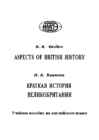
N. A. Vavilov ASPECTS OF BRITISH HISTORY Н. А. Вавилов КРАТКАЯ ИСТОРИЯ ВЕЛИКОБРИТАНИИ Учебное пособие на английском языке Москва Институт международного права и экономики имени А. С. Грибоедова 2008 2 УТВЕРЖДЕНО кафедрой лингвистики и переводоведения Вавилов Н.А. Краткая история Великобритании: Учебное пособие на английском языке. – 2-е изд., пересмотр. и испр. – М.: ИМПЭ им. А.С. Грибоедова, 2008. – 88 с. Пособие содержит краткий очерк важнейших событий в истории Великобритании – от первых документально засвидетельствованных вторжений на остров (кельтов, римлян и англосаксов) до создания и распада Британск...
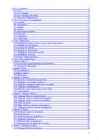
I OSA: Sissejuhatus.........................................................................................................................3 § 1 Üldist......................................................................................................................................3 § 2 Eesti Vabariik........................................................................................................................ 4 § 3 Eesti Vabariigi põhiseadus.....................................................................................................9 § 4 Põhiseaduse tõlgendamine...................................................................................................10 II OSA: Põhiseaduse aluspõhimõtted............................................................................................13 § 5 Ülevaade.........................................................................................................
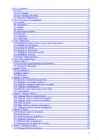
I OSA: Sissejuhatus.........................................................................................................................3 § 1 Üldist......................................................................................................................................3 § 2 Eesti Vabariik........................................................................................................................ 4 § 3 Eesti Vabariigi põhiseadus.....................................................................................................9 § 4 Põhiseaduse tõlgendamine...................................................................................................10 II OSA: Põhiseaduse aluspõhimõtted............................................................................................13 § 5 Ülevaade.........................................................................................................
I OSA: Sissejuhatus.........................................................................................................................3 § 1 Üldist......................................................................................................................................3 § 2 Eesti Vabariik.........................................................................................................................4 § 3 Eesti Vabariigi põhiseadus.....................................................................................................9 § 4 Põhiseaduse tõlgendamine...................................................................................................10 II OSA: Põhiseaduse aluspõhimõtted............................................................................................13 § 5 Ülevaade.........................................................................................................
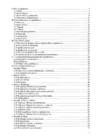
I OSA: Sissejuhatus 3 § 1 Üldist 3 § 2 Eesti Vabariik 4 § 3 Eesti Vabariigi põhiseadus 9 § 4 Põhiseaduse tõlgendamine 10 II OSA: Põhiseaduse aluspõhimõtted 13 § 5 Ülevaade 13 § 6 Inimväärikus 14 § 7 Vabadus 15 § 8 Võrdsus 15 § 9 Demokraatia põhimõte 15 § 10 Õigusriik 19 § 11 Sotsiaalriik 21 § 12 Rahvusriik ...
 annaabi.ee