 Tasuta
Faili alla laadimine on tasuta
Tasuta
Faili alla laadimine on tasuta
 ~ 9 lehte
Lehekülgede arv dokumendis
~ 9 lehte
Lehekülgede arv dokumendis
 2018-12-18
Kuupäev, millal dokument üles laeti
2018-12-18
Kuupäev, millal dokument üles laeti
 2 laadimist
Kokku alla laetud
2 laadimist
Kokku alla laetud
 0 arvamust
Teiste kasutajate poolt lisatud kommentaarid
0 arvamust
Teiste kasutajate poolt lisatud kommentaarid
 231165
Õppematerjali autor
231165
Õppematerjali autor
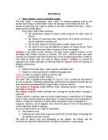
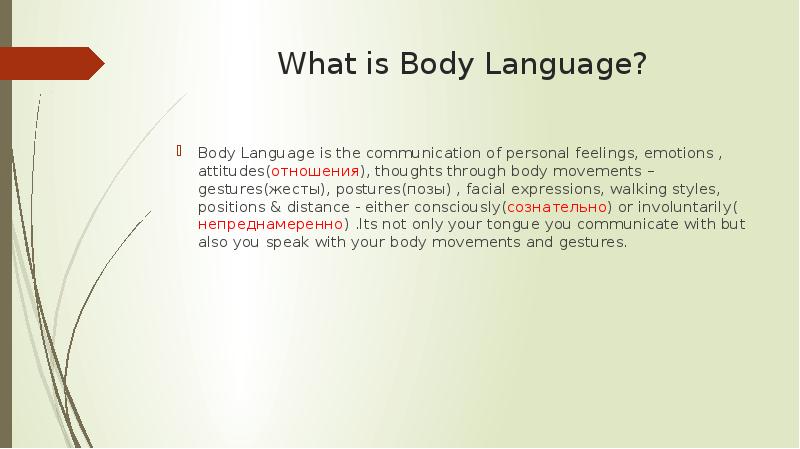
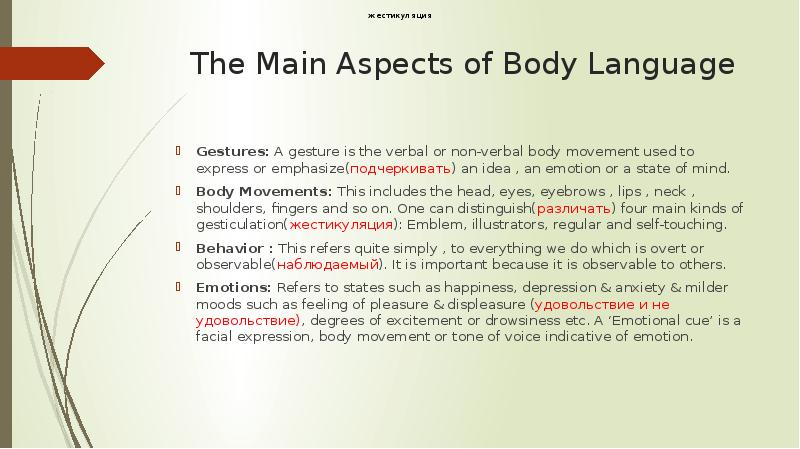
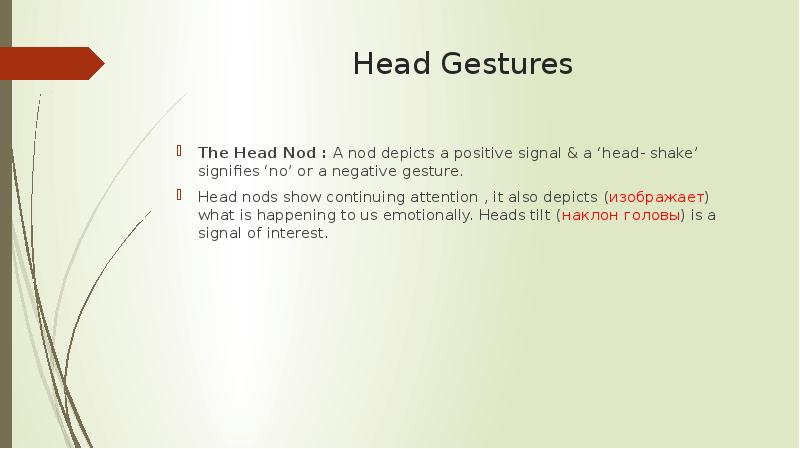
Body language Body language means communication with the movement or position of the human body. It can be conscious or unconscious. It is something that is noticed by everybody but is not always given enough attention. We sometimes ignore it and try to hide behind words, but we should never forget that we cannot fool everyone! Children react to body language because they experience the world through intuition. The same can be true for adults when feelings are involved. People who are in bad shape emotionally will often place great importance in it. In fact, they often pick up the smallest hint of a lapse in attention in the person they are speaking to. And they frequently jump to the conclusion that they are boring or a nuisance - thus compounding any sense of depression or poor self-esteem.
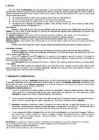
A feeling of helplessness. Delay or refusal to learn the lg of the host country. Excessive fear of being cheated. Excessive concern over minor pains. Terrible longing to be back home. Reverse CS- re-entry shock- the unexpected confrontation with the familiar. Cultural dimensions. Non-verbal communication Nonverbal communication is usually understood as the process of communication through sending and receiving wordless messages. Such messages can be communicated through gesture; body language or posture; facial expression and eye contact; object communication such as clothing, hairstyles or even architecture; symbols and infographics. Speech may also contain nonverbal elements known as paralanguage, including voice quality, emotion and speaking style, as well as prosodic features such as rhythm, intonation and stress. 1
GETTING PHYSICAL Tallinn 2012 "Delivery is more important than content." Arch Lustberg, speech trainer According to wellknown social anthropologist Edward T. Hall, 60% of our communication is nonverbal. That means whenever we stand before an audience, our stance, our posture, our facial expressions, our hand gestures, our whole body dynamic communicate more than our actual spoken words. A stiff, immobile speaker is often a boring and usually ineffective speaker as. It is therefore essential to know how to be physically relaxed, which will allow your actions to complement your words. Before we start, two important definitions: A podium is the raised platform at the
–Openness, fluidity, empathy, tenderness, appreciation, beauty, joy, warmth, satisfaction, clarity, sincerity, integrity, being, calmness, light-lightness, happiness, bliss, delicate balance, unity, Freedom – – Wheel of emotions What is an emotion? – An intense and short-lived feeling, – Caused by an evaluation of an (real or imagined) event that is of important concern – Preparing the body to react or pay attention to the events – Every emotion consists of five main components, where each have a different function: 1. Cognitive- Evaluates the event that leads to the emotion 2. Neuropsychological- Prepares your body to react to the event 3. Motor expression- Expresses, or communicates your reaction to the event and how you will behave 4
............................................................24 Identification with Things........................................................................25 The Lost Ring...........................................................................................26 The Illusion of Ownership........................................................................29 Wanting: The Need for More....................................................................31 Identification with the Body.....................................................................33 Feeling the Inner Body.............................................................................34 Forgetfulness of Being.............................................................................35 From Descartes's Error to Sartre's Insight...............................................36 The Peace that Passes All Understanding................................................37
The term ,,stylistics"came into more common use in English only some 35 years ago. It was recorded much earlier; in 1882 as "the study of literary style, the study of stylistic features" Stylistics is a branch of linguistics that studies principles of selecting different linguistic means for passing on thoughts and emotions. It studies: · Different functional styles, styles of genres, individual styles · Expressive, emotional features of different language units Stylist--a writer or a speaker skilled in a literary style Stylistition--a scholar who studies stylistics The word "style" is applied to many things. A linguistic style is a variety of subsystem of lg with its peculiar vocabulary, phraseology, grammatical and phonetic features that are used selectively and purposefully to express ideas in a given situation. The stylistics of language studies different styles, including registers, stylistic devices and shades of meaning.
ancient people. Already in classical Latin the meaning was extended to denote the manner of expressing one's ideas in written or oral form. Jonathan Swift defined style as "proper words in proper places". In present day English the word "style" is used in about a dozen of principle meanings: 1. the characteristic manner in which a writer expresses his/her ideas (e.g. style of Byron) 2. the manner of expressing ideas, characteristic of a literary movement or period 3. the use of language typical of a literary genre (e.g. the style of a comedy, drama, novel). 4. the selective use of language that depends on spheres / areas of human activity (e.g. style of fiction, scientific prose, newspapers, business correspondence, etc.). STYLISTICS Stylistics is the study of style. The very term "stylistics" came in more common use in English only some 45 years ago.
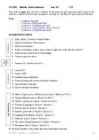
12. Special literary vocabulary 13. Special colloquial vocabulary 14. Metre in English poetry. Modifications of metre ("Rhythm and Text") 15. Typically English stanzas ("Rhythm and Text") 16. Rhythm in poetry and in prose ("Rhythm and Text") Study independently 17. Varieties of language (I. Galperin "Stylistics") 18. Emotive prose (I. Galperin "Stylistics") 19. Scientific prose style (I. Galperin "Stylistics") 20. Language of the drama (I. Galperin "Stylistics") 21. Publicistic style (I. Galperin "Stylistics") 22. The style of official documents (I. Galperin "Stylistics") 23. Newspaper style (I
 annaabi.ee










Kõik kommentaarid