 100 punkti
Autor soovib selle materjali allalaadimise eest saada 100 punkti.
100 punkti
Autor soovib selle materjali allalaadimise eest saada 100 punkti.
 ~ 24 lehte
Lehekülgede arv dokumendis
~ 24 lehte
Lehekülgede arv dokumendis
 2017-04-16
Kuupäev, millal dokument üles laeti
2017-04-16
Kuupäev, millal dokument üles laeti
 1 laadimist
Kokku alla laetud
1 laadimist
Kokku alla laetud
 0 arvamust
Teiste kasutajate poolt lisatud kommentaarid
0 arvamust
Teiste kasutajate poolt lisatud kommentaarid
 alise100
Õppematerjali autor
alise100
Õppematerjali autor
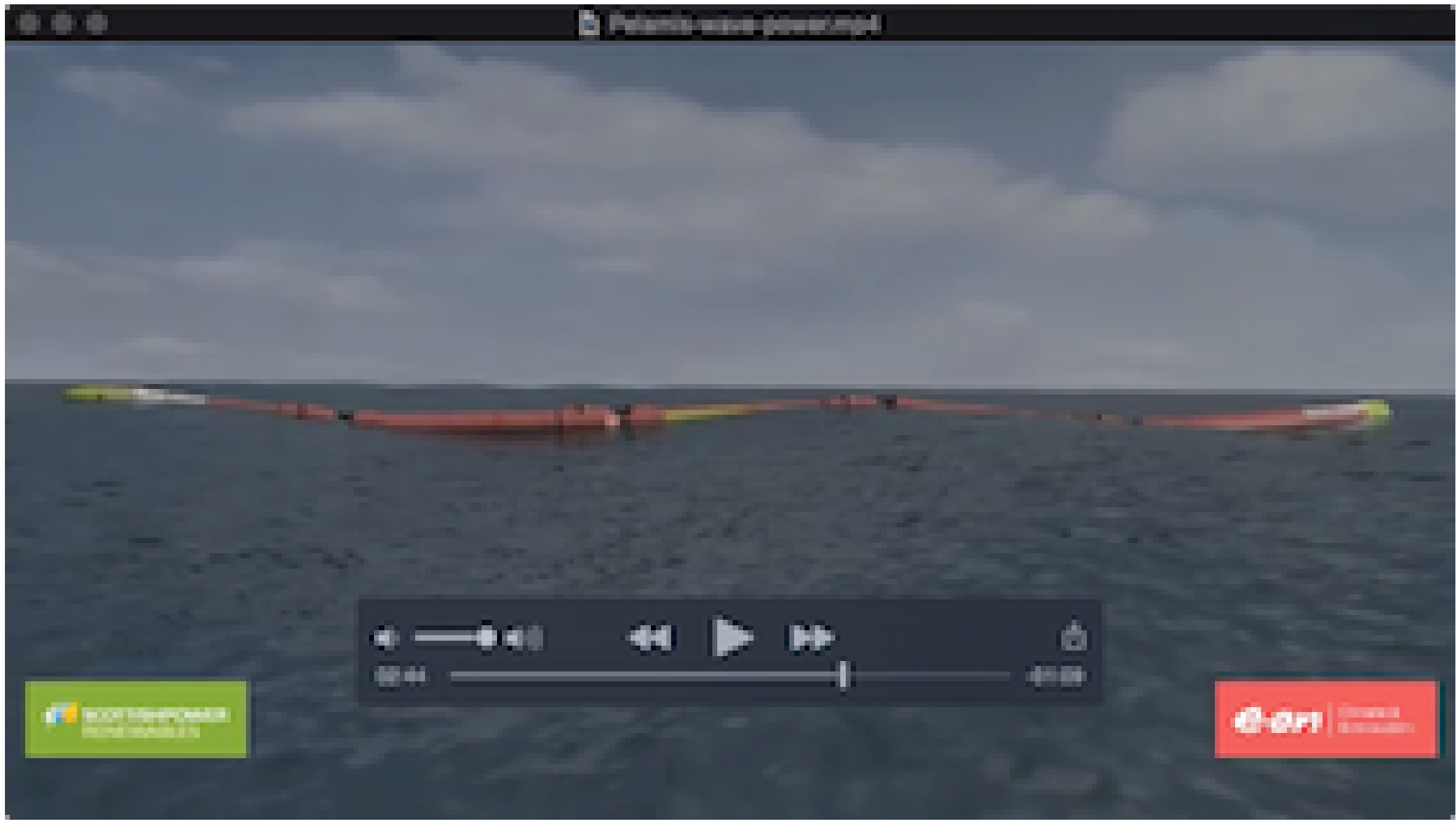
aircraft Hydroenergy Hydro energy is simply energy that is taken from water and converted to electricity. Hydro energy can be obtained by using many methods of capture. The most common method of using energy from water is a hydroelectric dam, where water coming down through an area causes turbines to rotate and the energy is captured to run a generator. Power can also be generated from the energy of tidal forces or wave power, which uses the energy created by waves. Many countries in the world use hydro energy for conversion to electricity. Canada maintains the highest use, while the United States comes in second. One of the main reasons that hydro energy is used is that it is a renewable energy, meaning it will not be depleted over time and it will consistently be replenished. It is also a clean energy source, as it does not emit any toxins.
.....................................................................................................33 9.5 Wind production......................................................................................................... 34 9.6 Wind and the environment..........................................................................................34 TIDAL ENERGY............................................................................................................... 35 10.1 Wave Energy............................................................................................................ 36 10.2 Ocean Thermal Energy Conversion (OTEC) .......................................................... 37 10.3 Solar..........................................................................................................................37 10.4 Wind........................................................................................................................
coastal water seaward and exposes harbor and sea floors. This retreating of sea water is an important warning sign of a tsunami, because the wave’s crest and its enormous volume of water typically hit shore five minutes or so later. Recognizing this phenomenon can save lives. WHAT HAPPENS WHEN IT HITS LAND? • A tsunami is usually composed of a series of waves, called a wave train, so its destructive force may be compounded as successive waves reach shore. • Some tsunamis do not appear on shore as massive breaking waves but instead resemble a quickly surging tide that inundates coastal areas. Evacuate: DO NOT wait! Leave as soon as you see any natural Evacuate signs of a tsunami or receive an official tsunami warning. Get Get to high ground as far inland as possible. WHAT TO DO
" In the stars that launch gamma-ray bursts, the spinning black hole and the disk may pump out enough energy to blow the star apart. But in most collapsing stars, the collapse ends when the Earth-size core crunches into a neutron star the size of a city, at a temperature of a hundred billion degrees (55 billion degrees Celsius). This is the point of maximum scrunch. The squeezed core rebounds like a squished sponge, launching a shock wave that races outward, ramming into the material that is still pouring down from the star's outer layers. Astronomers once thought this shock would be enough to tear the star apart and generate the explosion, says Adam Burrows of the University of Arizona. Turns out it's not so simple. Simulating a supernova gobbles enormous amounts of computer power, and even the largest supercomputers can't fully reproduce an exploding star in three dimensions. But over the years
Floating Wind Turbines University of Tartu 2012 Featured topics Basic layout of wind turbines About FWT Technology and advantages Initiatives Conclusion Introduction to how wind turbines work Electricity Kinetic Click to edit Master text styles Second level energy of the wind Third level is converted to Fourth level mehanical energy. Fifth level Main parts 1. Rotor blades 2. Shaft 3. Generator Introduction to how wind turbines work Click to edit Master text styles Click to edit Master text styles Second level Second level Third level Third level Fourth level
*Surfing is a surface water sport in which a person (the surfer) moves along the face of a breaking ocean wave (the surf). Surfing also takes place on rivers, riding a standing wave. *Two major subdivisions within stand-up surfing are longboarding and shortboarding, reflecting differences in surfboard design -- particularly including surfboard length, and riding style. *It's important to observe the correct etiquette while out surfing, otherwise things will just descend in to total chaos. These are the most importand rules you have to follow. Probaly the most important word and rule in surfing. Respect for the land, the ocean and the people who grew up surfing here
Resonances are another matter. Sound waves will travel through any elastic medium, such as air, and in their passage they pull together or force apart molecules, just as the similar energy waves traveling through the ocean pull the water into peaks and troughs on its surface. And, as in the ocean, the waves move steadily onward away from their source but the transmitting medium does not. Take, for example, the activity surrounding a single condensation, or positive-pressure wave, as it moves through the air. In its center, molecules have been pulled together, condensed, but as it travels it releases those molecules and compresses others as it reaches them. In the same manner, a rarefaction, or negative-pressure wave, pushes molecules apart. Both waves behave in a curious, but useful way when confined in a tube and the effects of inertia are mixed with them. For one thing, they will be reflected back when reaching the end of the tube - whether that end is open or closed
Most tsunamis are caused by underwater earthquakes, but not all underwater earthquakes cause tsunamis - an earthquake has to be over about magnitude 6.75 on the Richter scale for it to cause a tsunami. About 90 percent of all tsunamis occur in the Pacific Ocean. Many tsunamis could be detected before they hit land, and the loss of life could be minimized, with the use of modern technology, including seismographs (which detect earthquakes), computerized offshore buoys that can measure changes in wave height, and a system of sirens on the beach to alert people of potential tsunami danger.
 annaabi.ee













Kõik kommentaarid