 50 punkti
Autor soovib selle materjali allalaadimise eest saada 50 punkti.
50 punkti
Autor soovib selle materjali allalaadimise eest saada 50 punkti.
 ~ 9 lehte
Lehekülgede arv dokumendis
~ 9 lehte
Lehekülgede arv dokumendis
 2019-05-25
Kuupäev, millal dokument üles laeti
2019-05-25
Kuupäev, millal dokument üles laeti
 1 laadimist
Kokku alla laetud
1 laadimist
Kokku alla laetud
 0 arvamust
Teiste kasutajate poolt lisatud kommentaarid
0 arvamust
Teiste kasutajate poolt lisatud kommentaarid
 v1lee
Õppematerjali autor
v1lee
Õppematerjali autor
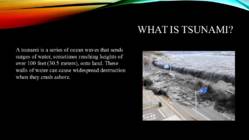
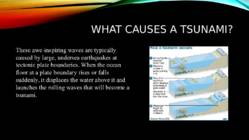
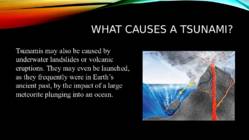
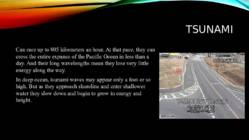
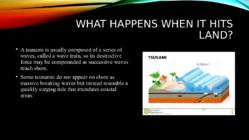
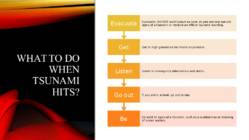
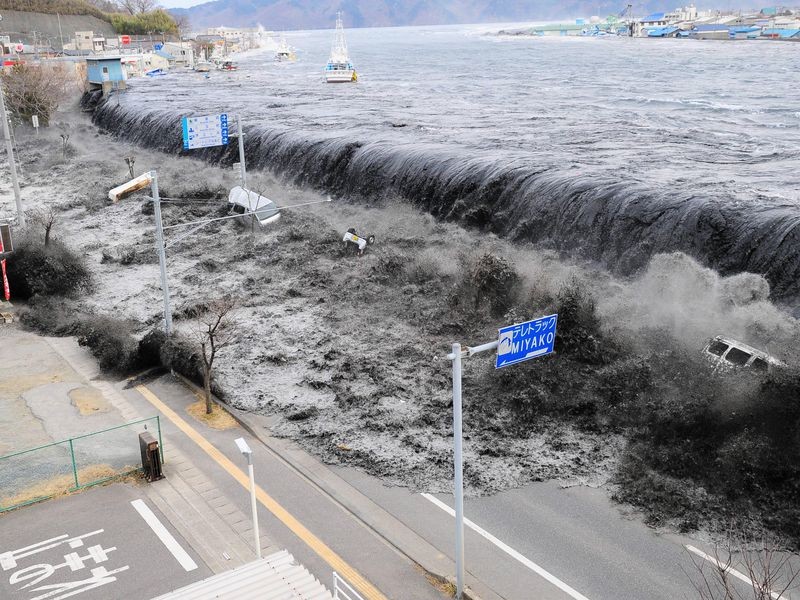
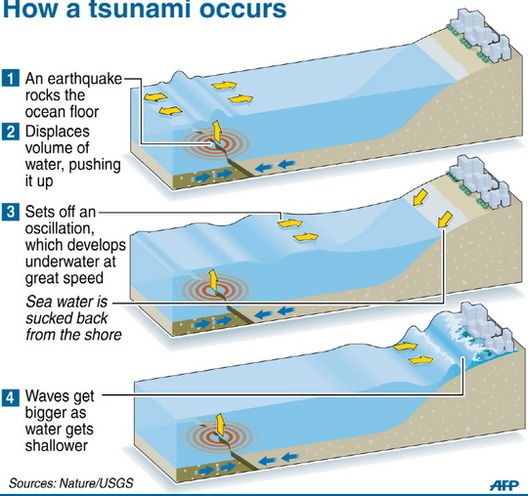
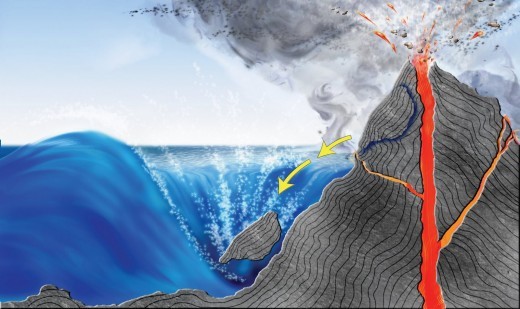
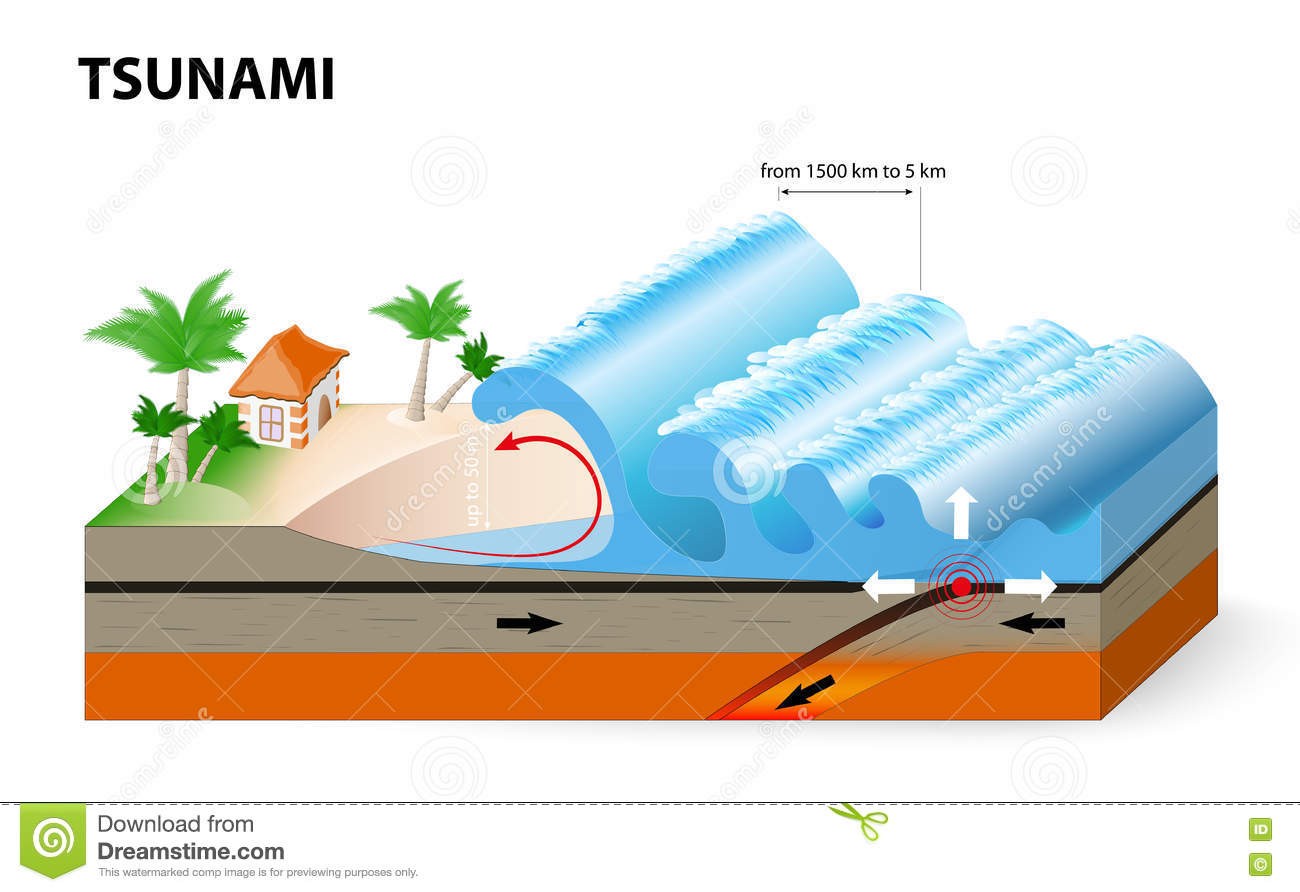
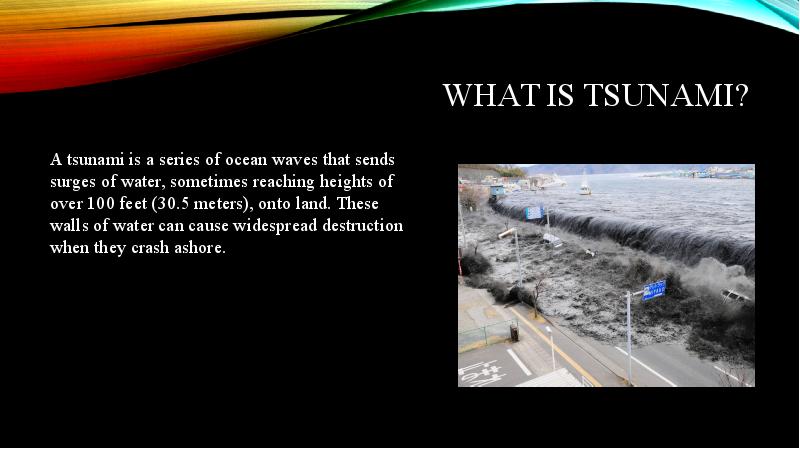
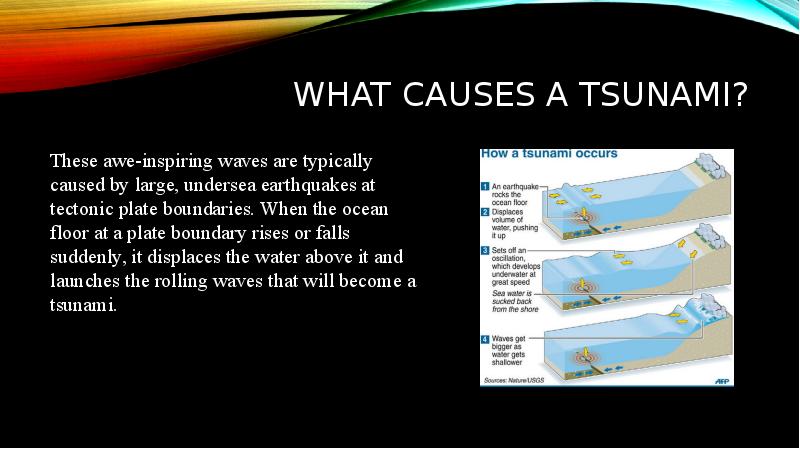
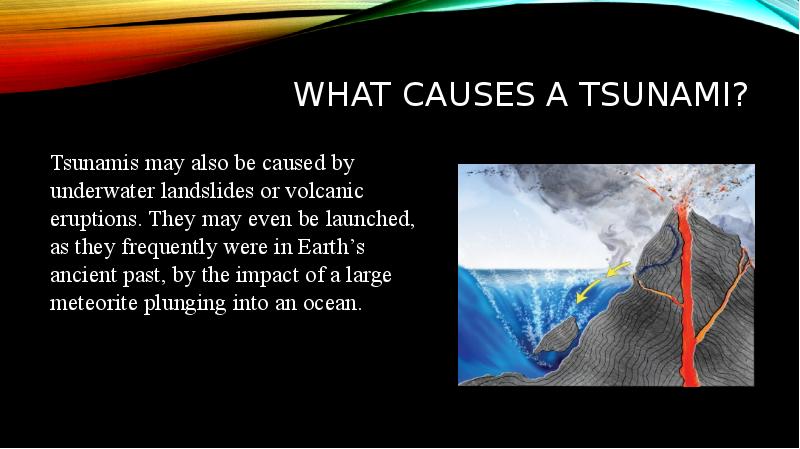
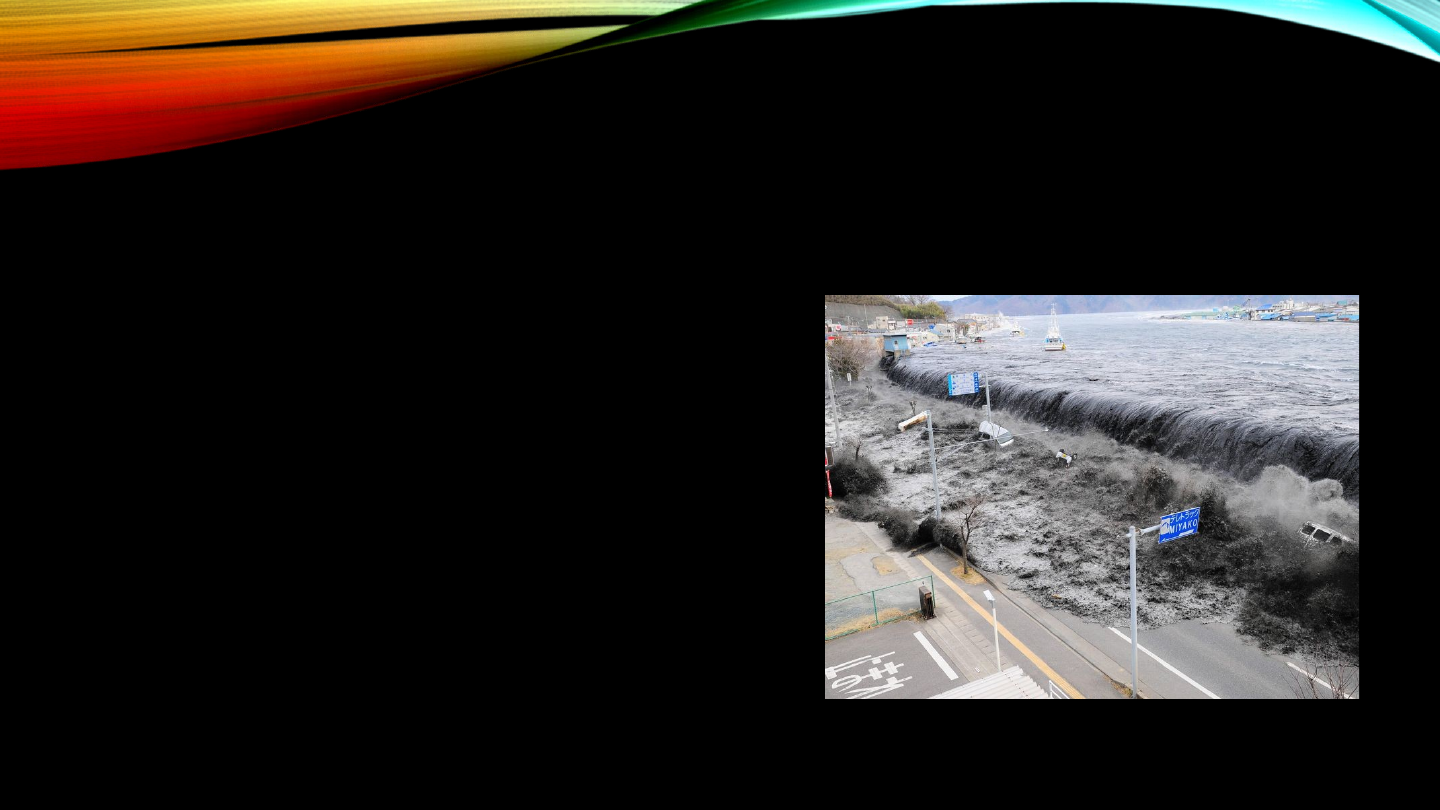
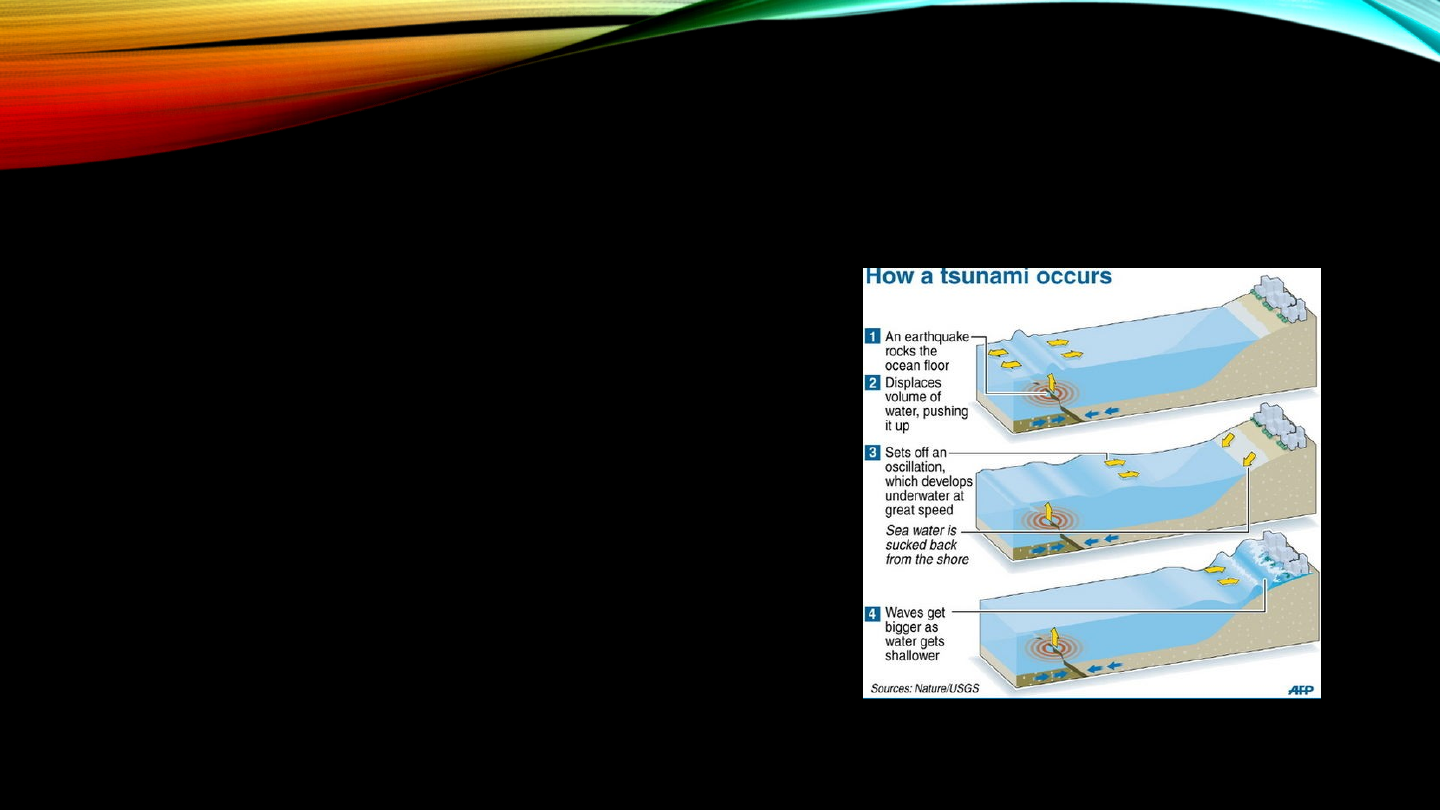
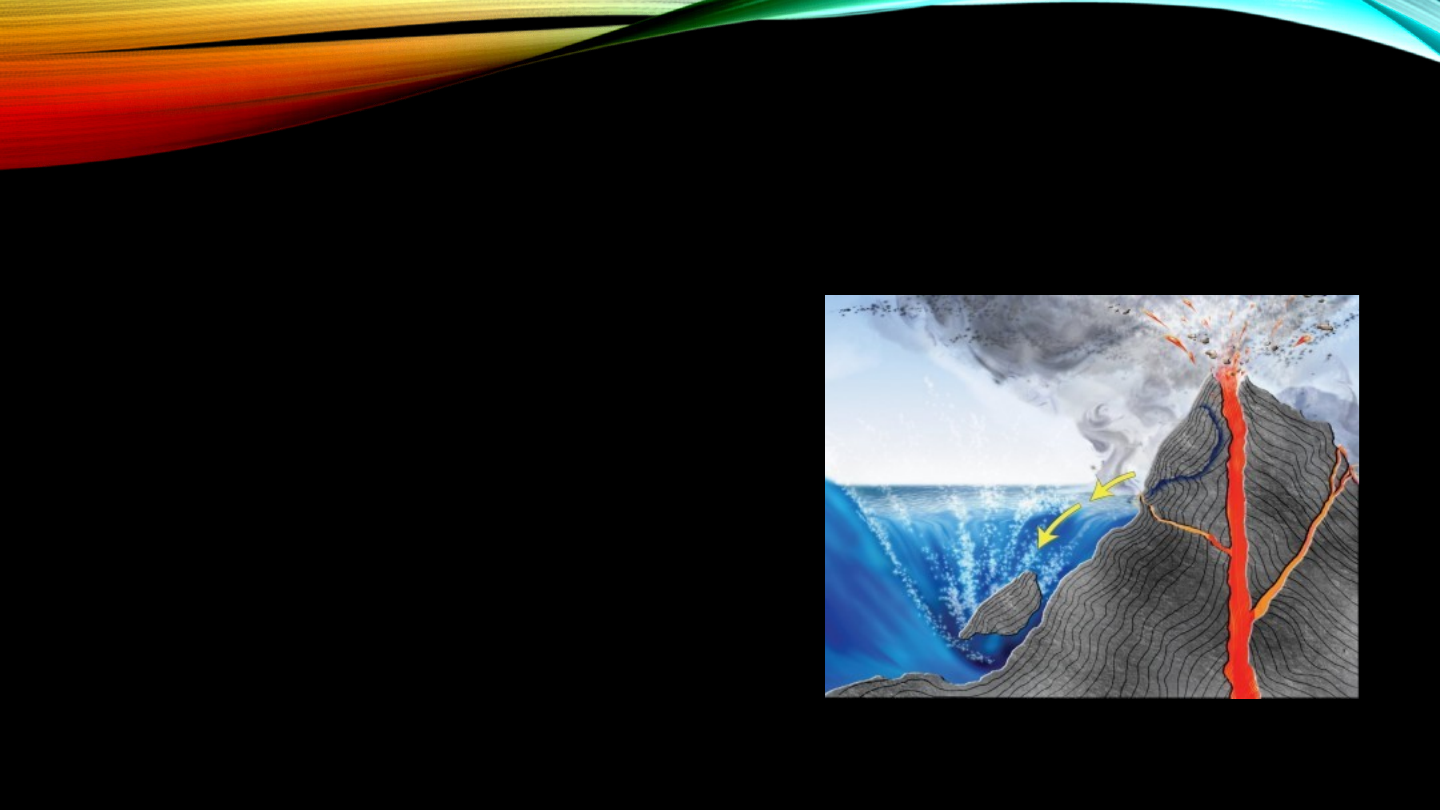
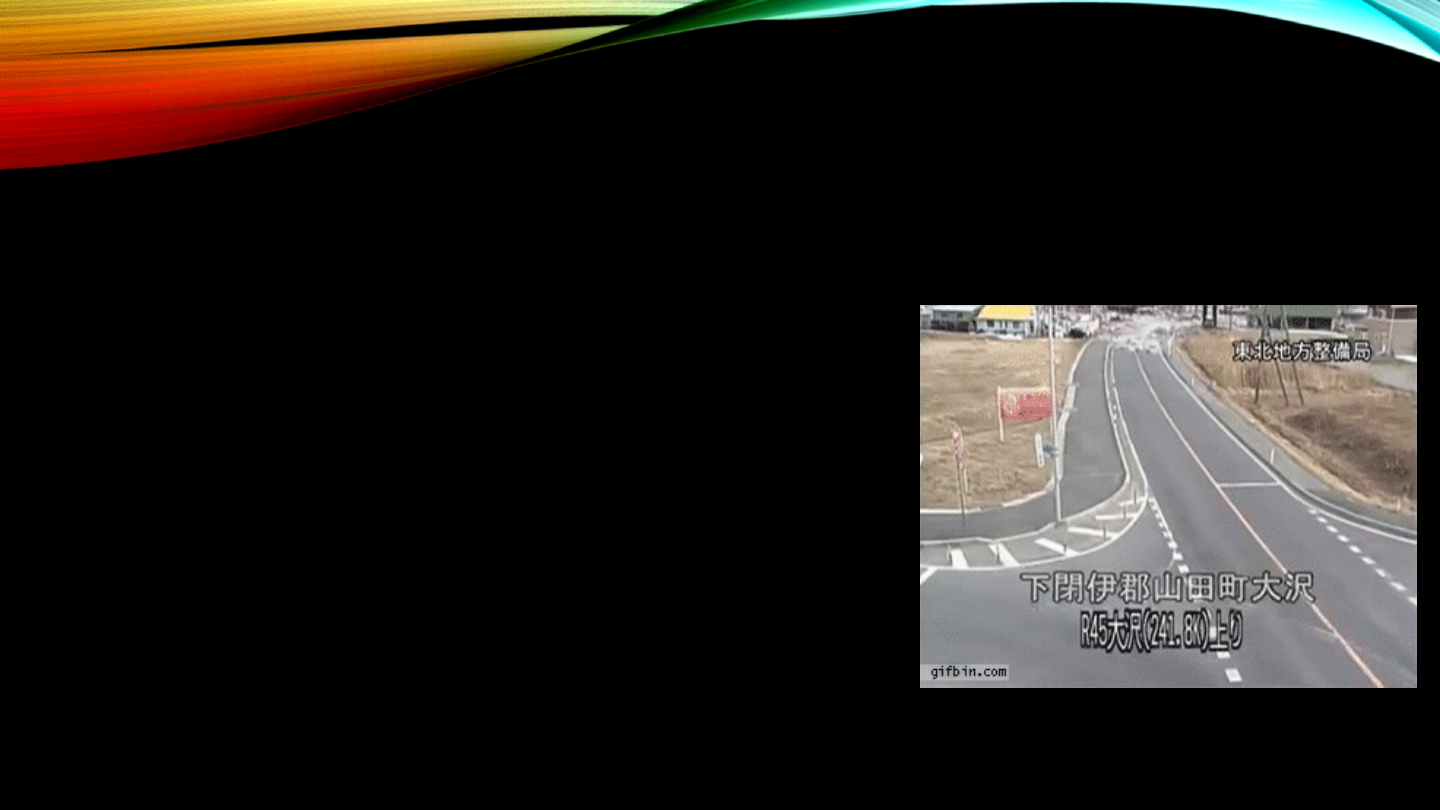
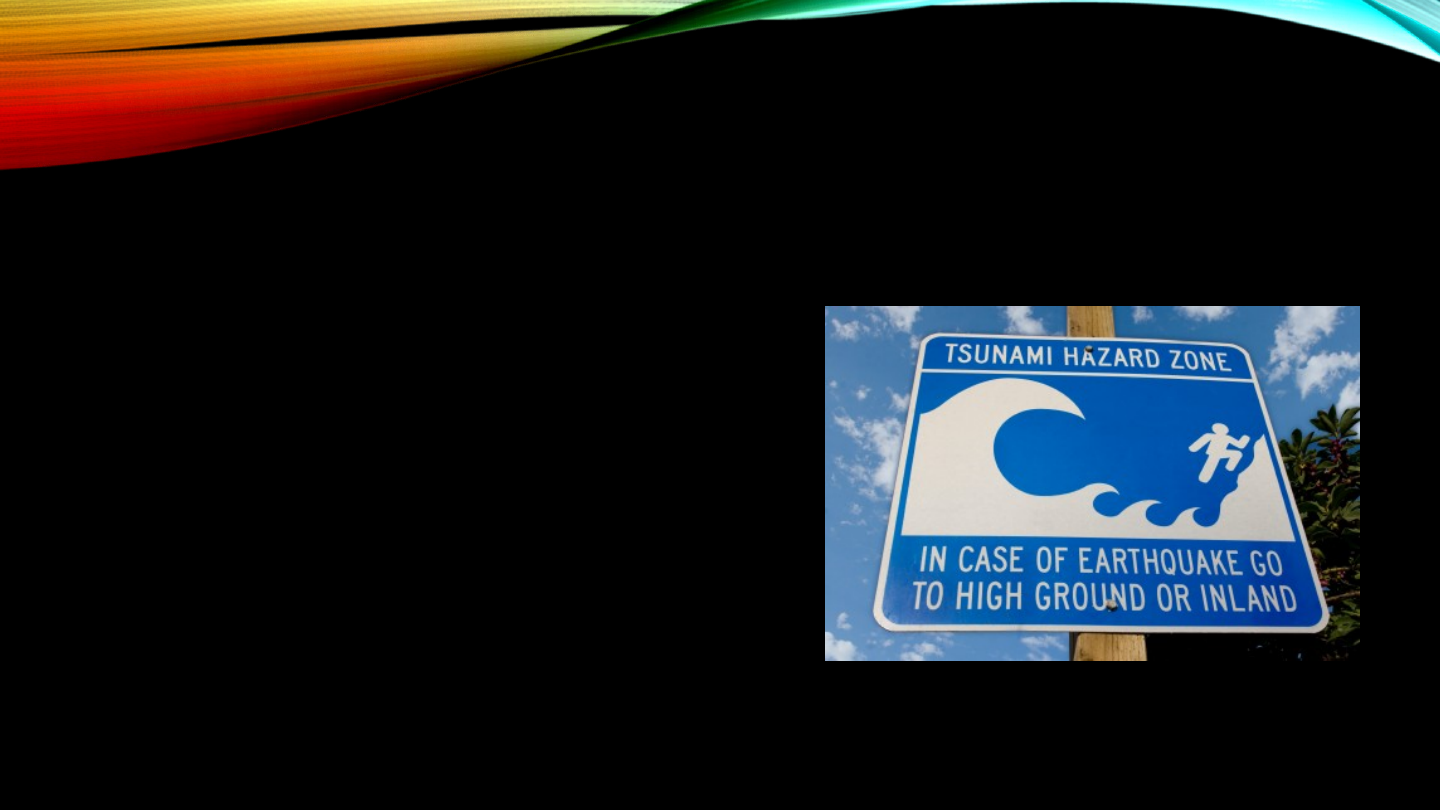
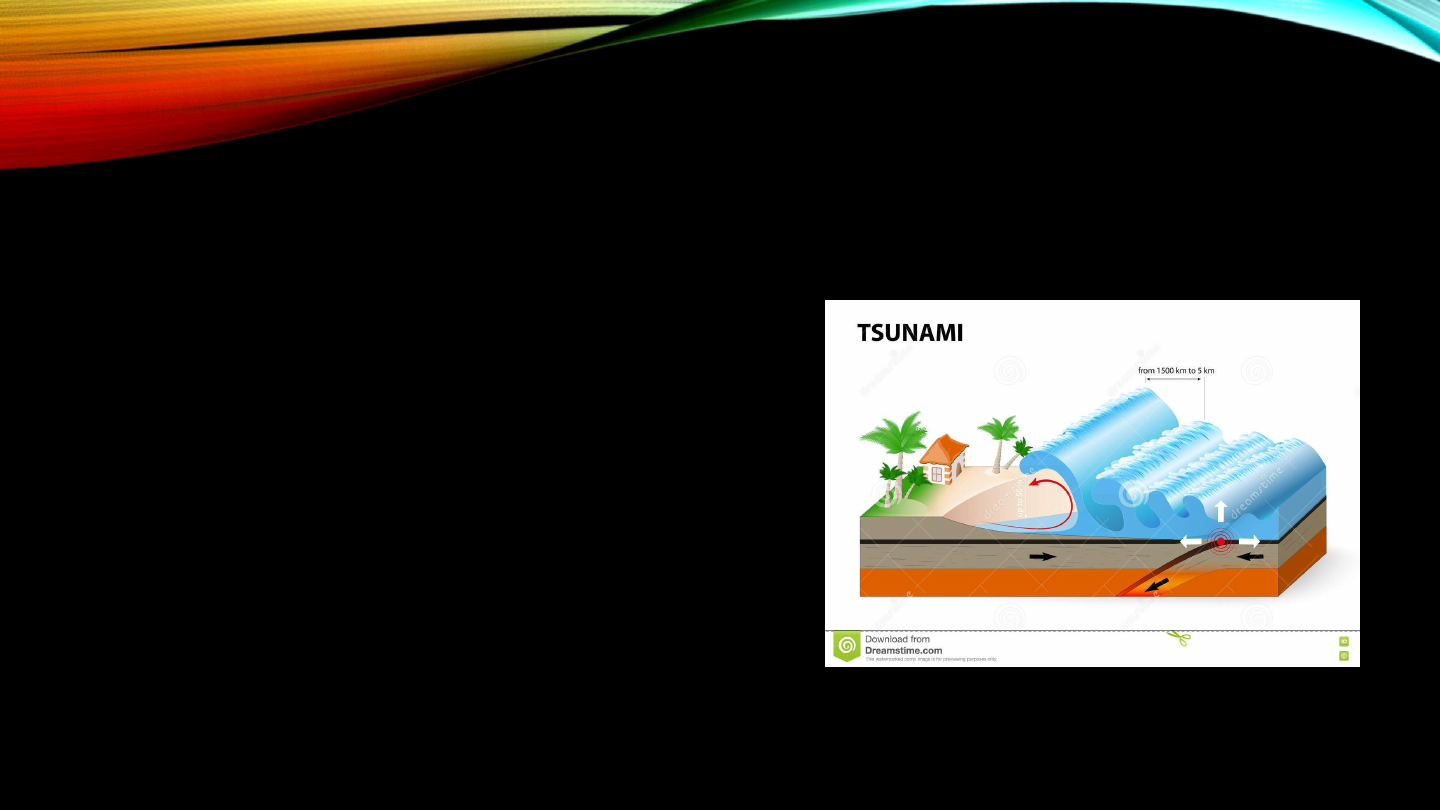
Floods and Tsunamis Flood is a natural event or occurrence where a piece of land that is usually dry land, suddenly gets submerged under water. Some floods can occur suddenly and recede quickly. Others take days or even months to build and discharge. When floods happen in an area that people live, the water carries along objects like houses, bridges, cars, furniture and even people. It can wipe away farms, trees and many more heavy items. Floods occur at irregular intervals and vary in size, duration and the affected area. It is important to note that water naturally flows from high areas to low lying areas. This means low-lying areas may flood quickly before it begins to get to higher ground. Flooding is extremely dangerous and has the potential to wipe away an entire city, coastline or area, and cause extensive damage to life and property. It also has great erosive power and can be extremely destructive, even if it is a foot high. A tsunami (pronounced sue-nahm-ee) is a series of
"And the Blue Sky My Fretted Dome Shall Be"- Nature vs Society In the Works of British Romanticists Research paper Liisi Pajula 11 b The Inchcape Rock by Robert Southey The Inchcape Rock is a poem about Sir Ralph the Rover, an evil man, who wants to sink other ships, so he could use his own ship to blunder villages and towns. He removes a warning bell that warns sailors about a secret underwater rock. By doing this, he signs his own death sentence. At a dark night, he crashes his ship to the Rock, because there was no bell to warn him. In the first stanza of the poem Southey describes the surroundings. The tone of the poem is set, at the begging it is very serene and relaxed. The weather and sea are calm
1 Wave energy Introduction to wave energy There are several possibilities to harvest different forms of energy from the sea. One of these options is the usage of waves for the generation of electricity. The devices needed to perform this task are called wave energy converters. Wave energy is indirect solar energy in twice. At first there is the wind, which is caused by variations in atmospheric pressure due to a differential solar heating of earth's surface by the sun. Different regions of pressure drives a force which rises a movement of atmospheric air masses that causes the earths wind system. If wind strikes over the surface of an open water, waves are induced. First they are very flat with only a low level of energy. When there is a long distance over the water on which wind can attack the small ones, they became bigger and bigger with a lot of energy inside them. Physics of wave energ
SISUKORD ENERGY STORY................................................................................................................4 USES OF ENERGY............................................................................................................. 4 2.1 Uses of energy in homes...............................................................................................5 2.2 Types of energy used in homes.................................................................................... 6 2.3 Energy use in different types of homes........................................................................ 6 2.4 Commercial Energy Use...............................................................................................9 2.5 Industrial and Manufacturing Energy Use..................................................................11 2.6 Transportation Energy Use.........................................................................................12 RENE
ELEKTROENERGEETIKA INSTITUUT Referaat Taastvad Energiaallikad Esitamise tähtaeg 14.04.2009 Õppejõud: Hannes Agabus Tudeng: Sergei Belosapko Nikita Naumov Tallinn 2009 Contents: 1. Renewable energy 1.1. Costs................................................................................................................... 2 1.2. Potential future utilization..............................................................................4 1.3. Why Don't We Use More Renewable Energy? ...........................................5 2. Energy Types 2.1. Wind Energy.......................................................................................................6 2.1.1. Annual Generation........................................................................................7 2.1.2. Growth and cost trends.........................
*Surfing is a surface water sport in which a person (the surfer) moves along the face of a breaking ocean wave (the surf). Surfing also takes place on rivers, riding a standing wave. *Two major subdivisions within stand-up surfing are longboarding and shortboarding, reflecting differences in surfboard design -- particularly including surfboard length, and riding style. *It's important to observe the correct etiquette while out surfing, otherwise things will just descend in to total chaos. These are the most importand rules you have to follow. Probaly the most important word and rule in surfing. Respect for the land, the ocean and the people who grew up surfing here. You have to give respect and behave while visiting a spot, keep things friendly, earn some respect yourself *You will never know what may happen out there and its better if you have some friend with you.They can look over you and you over them. * Always know the water where you choose to surf. * Clint Eastwood say in one o
The Great Wave off Kanagawa The Great Wave off Kanagawa , also known as The Great Wave or simply The Wave, is a woodblock print by theJapanese artist Hokusai. An example of ukiyo-e art, it was published sometime between 1830 and 1833[1] (during the Edo Period) as the first in Hokusai's series Thirty-six Views of Mount Fuji(Fugaku sanjrokkei (?)), and is his most famous work. This particular woodblock is one of the most recognized works of Japanese art in the world. It depicts an enormous wavethreatening boats near the Japanese prefecture of Kanagawa. While sometimes assumed to be a tsunami, the wave is, as the picture's title notes, more likely to be a large okinami literally "wave of the open sea." As in all the prints in the series, it depicts the area around Mount Fuji under particular conditions, and the mountain itself appears in the background. COPIES Copies of the print are in many Western collections, including the Metropolitan Museum of Art in New York City, the British Mus
The Cataclysmic Death of Stars Republished from the pages of National Geographic magazine Written by Ron Cowen March 2007 Ever since he was a teenager, Stan Woosley has had a love for chemical elements and a fondness for blowing things up. Growing up in the late 1950s in Texas, "I did everything you could do with potassium nitrate, perchlorate, and permanganate, mixed with a lot of other things," he says. "If you mixed potassium nitrate with sulfur and charcoal, you got gunpowder. If you mixed it with sugar, you got a lot of smoke and a nice pink fire." He tested his explosive concoctions on a Fort Worth golf course: "I screwed the jar down tight and ran like hell." "kaboomWoosley", now an astronomer at the University of California at Santa Cruz, has graduated to bigger explosions--much bigger. Woosley studies some of the most powerful explosions since the birth of the universe: supernovae, the violent deaths of stars. The universe twinkles with these cataclysms. They happen every sec
 annaabi.ee












Kõik kommentaarid