 50 punkti
Autor soovib selle materjali allalaadimise eest saada 50 punkti.
50 punkti
Autor soovib selle materjali allalaadimise eest saada 50 punkti.
 ~ 11 lehte
Lehekülgede arv dokumendis
~ 11 lehte
Lehekülgede arv dokumendis
 2016-11-08
Kuupäev, millal dokument üles laeti
2016-11-08
Kuupäev, millal dokument üles laeti
 2 laadimist
Kokku alla laetud
2 laadimist
Kokku alla laetud
 0 arvamust
Teiste kasutajate poolt lisatud kommentaarid
0 arvamust
Teiste kasutajate poolt lisatud kommentaarid
 liisuuk
Õppematerjali autor
liisuuk
Õppematerjali autor
Tallinn English College English Sergo Vainumäe 9A TALLINN Report Supervisor: Inge Välja Tallinn 2006 Order of contents: 1.Introduction 2.Toompea 3.Lower Town 4.Kadriorg and Pirita 5.Museums 1. Introduction Tallinn, the capital of Estonia, lies on the Baltic Sea. It is on almost the same latitude east St. Petersburg in Russia, Stockholm in Sweden and Stavanger in Norway, and covers 158 sq km. Tallinn was first marked on a map of the world by the Arab geographer al-Idrisi in 1154, its name then being Kolyvan (probably derived from the name Kalev). In the 13th-century Chronicle of
Louise Erdrich Love Medicine Assignment 2 (pp. 4384) 1. Define the following words and expressions (considering the context) and reproduce (in your own words) the situations in which they appear in the book: the marrow of something (44) - The soft stuff inside of a bone is called marrow. ... From this biological kind of marrow comes a figurative meaning of marrow -- the essence of something. S The convent is on top of the high hill and from its window the Sisters can see the marrow of the town. to be privy to something (46) - If you're privy to something, you've been let in on a secret or know about something that most people don't. ... The adjective privy comes from the Latin privatus, meaning "private," and describes someone who has knowledge of secret or confidential information. S- Marie is privy to both worlds of Evil knowledge.
as “ward off the enemy”) was built, on the north-east corner was a round cannon tower Landskrone (“crown of the land”), and on the north-west corner, which offered relatively good natural protection owing to the hill bank, a small corbelled tower, Pilsticker (“arrow-sharpener”). Three of these towers have been preserved. Stür den Kerl was demolished in the 18th century when the government administration building was being erected. The core of the fortress was taken up by the Convent House, built to a specific plan and the layout evolved in the course of the Order´s construction activities.In the 1920s the house, which had fallen into disrepair, was replaced with the building of the parliament of the Republic of Estonia that follows in general the layout of the medieval construction. The building was designed by Eugen Habermann and Herbert Johanson, who later proved to be Estonia’s most outstanding architects. The building with its traditionalist exterior and
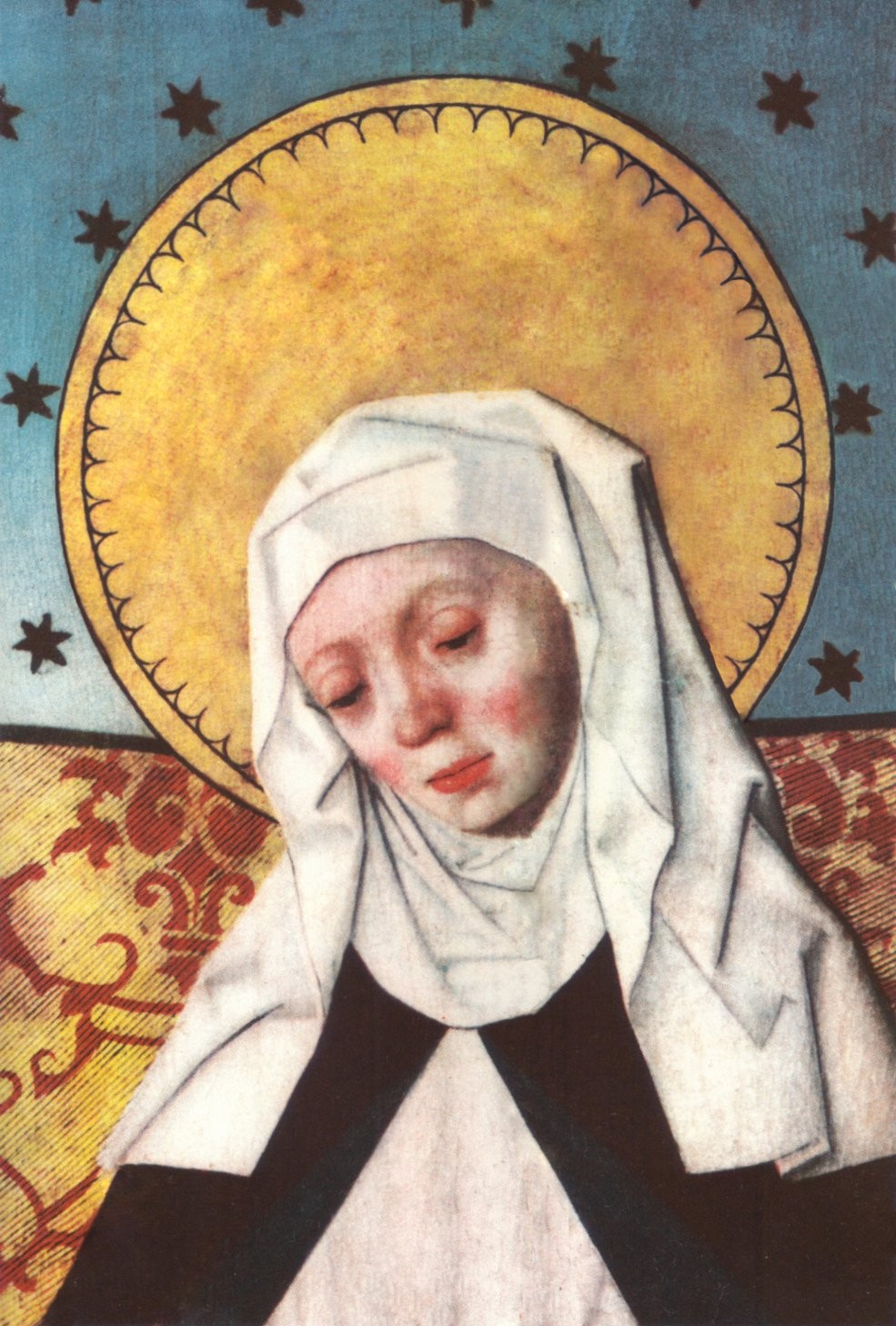
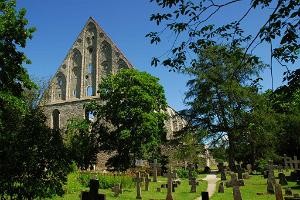
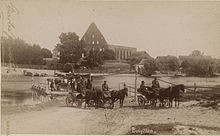
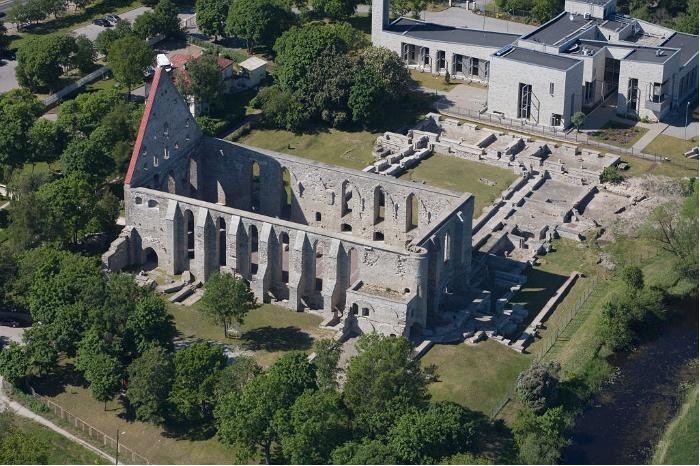
Tallinn until you've drunk Vana Tallinn (Old Tallinn). It is available in 40%, 45% and 50% varieties, but if that scares you perhaps you may like to try the cream variety. Kiiu Torn (Kiiu Tower) tastes something like Baileys, and is produced in the small town of Kiiu about 25 minutes East of Tallinn. You can visit Kiiu Tower and sample the liqueur on EstAdventure's Lahemaa National Park Tour Pirita is another local liqueur, which has a bottle adorned by the ruins of the Pirita convent. A true experience can be to drink Pirita at the Pirita Convent ruins, Vana Tallinn in Old Tallinn, and Kiiu Torn in Kiiu Tower! VODKA While they may not drink us much as Russians, Estonians certainly love Vodka. Vodka is used to cure just about every ailment. For example at the onset of a cold, an old Estonian folk remedy is to soak your socks in Vodka and then put them on your feet. Even today Estonians swear by "Vodka Socks".
ee/~eelk109/english.htm St Olaf's Church The St. Olaf's Church is dedicated to King Olaf Haraldsson of Norway (995-1030), who adopted Christianity and established it in Norway. The traditional faith was still strong, however; the king was overthrown and killed in battle. He was canonised after death and the cult of his name spread all over Scandinavia. The earliest written record about the church date back to 1267, when Queen Margarethe of Denmark granted the female Cistercian convent of St. Michael the advowson over the St. Olaf's Church. But major reconstruction followed in the 14 th -15th centuries. The tower standing separate from the church was completed in 1364. The fire of 1433 claimed the St.Olaf's Church besides other buildings. It was consecrated for service again in a few years later, as well as decided to be reconstructed larger. The new church, whose construction required the demolition of the old nave and chapels, was completed as a three-nave basilica
When and where was he born? He was born somewhere around 1343 in London. What occupations did he have during his life? He was trained for knighthood, he also worked as a courtier, a diplomat, and a civil servant, as well as working for the king, collecting and inventorying scrap metal How many periods are his works divided into? What are they called? What are the main works of each period? What/who are they inspired by? His poetry is generally divided into three periods the French period ("The romance of the rose"), the Italian period ("Troilus and Criseyde", inspired by his own trip to Italy) and the English period ("The Canterbury Tales") What type of a work is The Canterbury Tales ? Poetry (two tales are in prose: the Tale of Melibee and the Parson's Tale) When did Chaucer die? Where is he buried? He is believed to have died of unknown causes on 25 October,
centre and one of the main ports in the Baltic States. Tallinn is one of the oldest cities on the Baltic Sea. It is unique for its well-preserved architecture from the 13-15 centuries. In contrast to the ancient town-walls and towers, Tallinn of today offers modern hotels, restaurants, sport and cultural centres. Every five years national song and folk dance festivals take place in Tallinn. The yachting regatta of the 1980 Moscow Olympic Games was held at Pirita. History Tallinn means in English "Danish town". The place is believed to have been settled by Finno-Ugric people about 2500 BC. It was first marked on a map of the world by the Arab geographer al-Idrisi in 1154. The Estonians were the first to build a stronghold on the spot of the Toompea Hill, but the real Tallinn was built by the Danes who conquered the north of Estonia in 1219. Legend has it that one day, when the Danes were about to
BOOKS (From Wikipedia, the free encyclopedia) A book is a set or collection of written, printed, illustrated, or blank sheets, made of paper, parchment, or other various material, usually fastened together to hinge at one side. A single sheet within a book is called a leaf, and each side of a leaf is called a page. A book produced in electronic format is known as an electronic book (e-book). Books may also refer to works of literature, or a main division of such a work. In library and information science, a book is called a monograph, to distinguish it from serial periodicals such as magazines, journals or newspaper. The body of all written works including books is literature. In novels and sometimes other types of books (e.g. biographies), a book may be divided into several large sections, also called books (Book 1, Book 2, Book 3, etc.). A lover of books is usually referred to as a bibliophile, or, more informally, a bookworm. A store where books are bought and sold is a bookstore
 annaabi.ee









Kõik kommentaarid