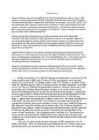
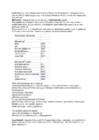
TRANSHUMANT GRAZING SYSTEMS IN TEMPERATE ASIA Merlin-Hans Hiiekivi Authors:J.M.Suttie S.G Reynolds Intro • Temperate Asia has vast areas of grazing lands • Both transhumant and agropastoral systems are common Cold semi-arid Asia • Over most of area thee is little interaction between herding and croping • A major herding skill is getting stock fat summer and autumn to survive the winter • In 20th the livestock industry was collectivized for a period • Most of the countries of th region report serious degradation of their grazing lands. By the least affected is Mongolia Mongolia Case Study
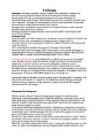
The consumption of herbage by introduced grazers in savanna woodlands has led to a reduction in the amount of fuel available for burning and resulted in fewer and cooler fires. The introduction of exotic pasture legumes has also led to a reduction in the need to burn to produce a flush of green growth because legumes retain high nutrient levels throughout the year, and because fires can have a negative impact on legume populations which causes a reluctance to burn. Grazing and browsing animals The closed forests types such as broadleaf forests and rainforests are usually not grazed owing to the closed structure precluding grass growth, and hence offering
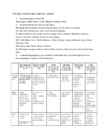
through, and actually need them to keep healthy and grow new vegetation in the spring 7. How are plants adapted to life in temperate grassland? (vt. ka õpik lk 61) During a fire, while above-ground portions of grasses may perish, the root portions survive to sprout again. Some prairie trees have thick bark to resist fire. Prairie shrubs readily resprout after fire. Roots of prairie grasses extend deep into the ground to absorb as much moisture as they can Extensive root systems prevent grazing animals from pulling roots out of the ground. Prairie grasses have narrow leaves which lose less water than broad leaves. Grasses grow from near their base, not from tip, thus are not permanently damaged from grazing animals or fire. Many grasses take advantage of exposed, windy conditions and are wind pollinated. Soft stems enable prairie grasses to bend in the wind Priit Pensa Tartu Veeriku Kool http://www.geo.ut
in terms of employment and contribution to GDP, reflecting Britain's early industrialization. Agriculture employs less than 2 per cent of the population and contributes 2 per cent of GDP. However, it achieves high levels of efficiency and productivity. Britain is self-sufficient in 58 per cent of all types of food and animal feed. Large parts of Britain, notably in Scotland and Wales, are suitable only for grazing. Overall, in the first half of the 1990s about 39 per cent of agricultural land was under pasture, another 27 per cent under rough grazing, and the remainder under crops or lying fallow. Over half of all full-time farms are devoted to dairy or beef farming, or sheep. Cattle and sheep contribute more than 40 per cent of the value of gross agricultural output. Arable farming is concentrated mainly in eastern and south-central England and in eastern Scotland
Every year, more and more animals are facing extinction. In order to protect endangered species, what can we about this problem? One way of solving the problem is to protect wildlife habitats as the best way to protect endangered species is to protect the places they live in. In addition to this, wildlife must have a place to find food and shelter from the weather. Logging, oil and gas drilling, over-grazing and real estate development have all resulted in the destruction of these habitats, which must be minimized as much as possible. Another way to solve the problem is to stop buying products that are made from animal skin. The lack of demand would result in hunters being unable to continue their business. Finally, it is important to pay attention when driving. One of the problems in developed areas is that roads divide habitats, meaning they are a constant hazard
A number of animal species also found in these forests which includes bears, bats, woodpecker, fox etc. Human uses of boreal forests: o Wood products - One of the most important human uses of these forests for example wood for house construction and paper pulp. o Animal products - Most valuable animal products of the cold forests and mountains are animal pelts for clothing and beaver for hats. o Grazing & agriculture - Upland forests are often cleared for grazing and lowland forests for agriculture. o Habitation Population is not dense, but many people live there. Temperate forests Temperate forests can be found on both hemispheres on latitude approximately 25 to 50 in regions of northeastern Asia, North America, western and central Europe. They can be categorized as deciduous as well as evergreen. These forests are include: o Temperate deciduous forest o
The highest rate in world of cutting down rainforest Major problem in Brazil Over 600 000 km² destroyed The problems that comes with deforestation New plants can't grow Global warming Life for animal Greenhouse gases Why they are cutting rainforest? More place for new homes To build new roads Selling the lumber to Japan To generate electricity Trees are used in flooring, furniture and other items Make more space for grazing lands Solution To enforce their anti-logging laws Provide alternatives to poor farmers Use less firewood and paper products Recycle old furniture and wood Educate yourself Ari Pollution Second largest environmental problem Industrial activities are the major causes Urbanisation Vehicular gas emissions dropped by 94% Burning trees Solution of air pollution Use more public transport To limit emissions of carbon dioxie Recycle different products
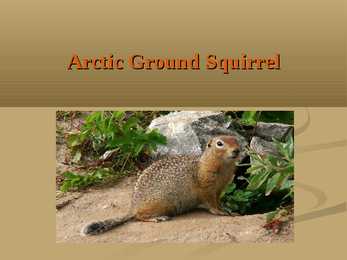
the afternoon and nine or ten at night. On rainy and cloudy days, they will stay in their burrows. Colony is made up of burrows that are dug about three feet under the ground. The burrows are connected with a series of tunnels. Arctic ground squirrels are very vocal. They are called "sik-sik" by the Inupiat Eskimos in Alaska because of the sounds they make. Threats Unsustainable hunting for skins for local trade. Habitat degradation through grazing by increasing numbers of livestock. Drying of water sources and droughts. Bigger animals like arctic foxes and wolves, grizzly bears, lynxes, eagles and wolverines. Melting ice, which is caused by global warming. Thank you for listening !
wide -- has given it a hugely varied climate, ranging from the world's driest desert -- the Atacama -- in the north, through a Mediterranean climate in the centre, to a snow-prone Alpine climate in the south, with glaciers, fjords and lakes. The Pacific forms the country's entire western border, with a coastline that stretches over 6,435 kilometres. Chile expanded in the late 19th century, when it incorporated its northern and southern regions. Southern Chile is rich in forests and grazing lands and features a string of volcanoes and lakes. The southern coast is a labyrinth of fjords, inlets, canals, twisting peninsulas, and islands. Prior to the coming of the Spanish in the 16th century, northern Chile was under Inca rule while the indigenous Araucanians inhabited central and southern Chile. Although Chile declared its independence in 1810, decisive victory over the Spanish was not achieved until 1818. Currently, Chile is one of South America's most stable and prosperous nations
Vähendavad söödakulusid, välistavad sööda saastumise, piiravad tallede liikumise oma aedikust välja. Saab paigaldada postide vahele või teisaldatavate jalgadega ettevalmistuseta tasasele pinnale Soojustamata lautades on vajalik külmumiskindlate jooturite kasutamine, fotol elektriga soojendatav veejootur, veetoru tuuakse maa-alt külmumise vältimiseks Lamba eripärad rohusöötade tarbijana Lammas on hea karjamaaloom, keda võimalik aastaringselt väljas pidada (grazing animal) Karjamaarohus eelistab lammas ristikut kõrreliste ees Sööb rohundeid valikuliselt, valides taime osi, mis on parema kvaliteedi ja seeduvusega kui seda oskab teha veis Monokarjatamisel võib lambaid karjatada suure karjatamiskoormusega, et ära hoida suurt rohu mahasõtkumist loomade liigse ringiliikumise tõtt Lambad söövad rohkem puude, põõsaste lehti kui veised, aga vähem kui kitsed Lambad on võrreldes kitsede ja ka veistega paremad mägikarjamaade, kõnnumaade ja teiste
to take advantage of the nutrients from the decomposing fallen logs. Trees can grow very tall due to amount of precipitation. Temperate Grassland (Prairie)- During a fire, while above-ground portions of grasses may perish, the root portions survive to sprout again. Some prairie trees have thick bark to resist fire. Prairie shrubs readily resprout after fire. Roots of prairie grasses extend deep into the ground to absorb as much moisture as they can extensive root systems prevent grazing animals from pulling roots out of the ground. Prairie grasses have narrow leaves which lose less water than broad leaves. Grasses grow from near their base, not from tip, thus are not permanently damaged from grazing animals or fire. Many grasses take advantage of exposed, windy conditions and are wind pollinated. Soft stems enable prairie grasses to bend in the wind. Taiga- Due to the harsh environmental conditions, not many plants can survive in the taiga biome
This instrument spread in Estonia probably already in the 14th century. The first written records date from the 16th century Bagpipes played at festivities, but also at other gatherings. Based on written records, bagpipe music was used to cheer up tired workers in the fields. o trumpet type wind instruments Herdsman's horns and trumpets were sounded in taking the cattle grazing in the morning and returning home in the evening. The large herdsman's trumpet karjapasun (up to 2 metres in length) was his tool and boys were not allowed to touch it. Herding boys had smaller trumpets and horns. They signalled information to each other and warded off wild beasts=animals STRINGED INSTRUMENTS Kannel Kannel is the oldest known instrument in Estonia. It is believed to have been around for about two thousand years
woman was voted into Australia parliament. Australia still has a long way to go before Aborigines have equal rights. The Australian government should give land back to an Aboriginal person who wants to live the way his or her people were before the British arrived. Use of land Australia's area is 769 million hectares, with about one quarter mostly desert and not used commercially. The most extensive land use in Australia is livestock grazing in arid and semi-arid regions and covers 430 million hectares or 56 percent of Australia. In total, the area of agricultural land is 473 million hectares or nearly 62 percent of the continent. Although agriculture is still an important player in the Australian economy, mining, manufacturing, service and construction now contribute more to the economy than agriculture. Forestry tends to be confined to regions of Australia with higher rainfall and covers nearly 2 percent of the continent.
4. There are nearly 20,000,000 people in Australia, of which approximately 80% live in cities next to the sea. 5. Australia has, probably, the lowest population density of any country in the world, ie, 2 people per square km. Japan has 327 people/2km. 6. The area of Australia that is covered by snow in winter is larger than the area of Switzerland. 7. 70% of the world's wool comes from Australia. We have over 126,000,000 sheep, which use fully half the continent for grazing. 8. The longest fence in the world is in Australia, and it runs for over 5,530 kms. It's designed to keep dingoes away from the sheep. 9. The wine cask, the ubiquitous plastic bag full of wine contained in a cardboard box, was invented in Australia in 1967. 10. The world's longest golf course, measuring more than 850 miles long is located in Australia. Canada 1. Canada is one of the only countries that confederating without war. 2
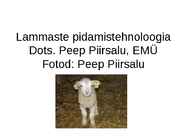
veejootur, veetoru tuuakse maa-alt külmumise vältimiseks Monosööda söötmine söödamikseriga-silost, heinast, teravilja-ja mineraalsöötadest segatakse söödamikseris kokku üks monosööt · Söödamikser Söödalaval monosööda jäägid (monosööt silost, põhust, rapsikoogist, mineraalsöödasegust Lamba eripärad rohusöötade tarbijana · Lammas on hea karjamaaloom, keda võimalik aastaringselt väljas pidada (grazing animal) · Karjamaarohus eelistab lammas ristikut kõrreliste ees · Sööb rohundeid valikuliselt, valides taime osi, mis on parema kvaliteedi ja seeduvusega kui seda oskab teha veis · Monokarjatamisel võib lambaid karjatada suure karjatamiskoormusega, et ära hoida suurt rohu mahasõtkumist loomade liigse ringiliikumise tõttu Lamba eripärad rohusöötade tarbijana · Lambad söövad rohkem puude, põõsaste lehti kui veised, aga vähem kui kitsed
to Australia by men are rapidly destroying the gentler marsupials. There is only one marsupial still alive in the United States today it is the opossum. Many of the plants of Australia aren't found anywhere else. Agriculture. Australia's farms are highly mechanized and therefore require the minimum of human labour. Only about 5 per cent of the country's workers are farmers. Farmland covers about 65 per cent of Australia. However, most of this land is dry grazing land. Crops are grown on only 5 per cent of the farmland. About 10 per cent of the cropland is irrigated. Australia's leading farm products are cattle, calves, wheat and wool. Also fruit and sugar cane. Australia is a leading producer and exporter of beef, sugar and wheat. Other major farm products include barley, chicken and eggs, cotton, oats, rice, potatoes, sheep and vegetables. Sheep and cattle are raised in all the Australian states. Victoria is the leading producer of dairy products
Fishery resources Capture fisheries resources are highly diverse. FAO landing statistics refer to about 2 500 species or group of species most of which are finfish. By far the most numerous fish species, and those most important to aquaculture and fisheries, are teleosts, or bony fish, which in the sea extend from small "grazing" species such as anchovy to large active predatory fish such as tuna. A similarly wide range is also found in freshwater, with the most important species from a production point of view belonging to the carp family. These account for over half the total of inland waters fisheries production. Marine capture fisheries resources are usually considered close to full exploitation worldwide with about half of them fully exploited, one quarter over exploited, depleted or
• trade • drug manuf., • slavery aka the 3. projects hiking etc • communications • manufacturing largest city of • gambling • mining, microelectronics nation) (Vegas) lumbering, in the 19th farmes • arts (Santa grazing etc century produced a Fe) • Hollywood manufacturers bundance • Silicon and clothing, harvest of Valley rifles and clocks corn
designs passed down through the generations. Bedouin children are often found selling these beauitful crafts around Dahab town centre. Many shops also sell these locally made items on behalf of the Bedouin families. 7. What is a Tribe A tribe is a group made up by a number of clans, each clan made up of individual families who can trace their ancestry back to one original source. Each clan always has its own wells, grazing grounds and land. These clans are further split into groups each performing different functions within the tribe i:e herding and rearing cattle, guiding traders etc. At the head of the tribe there is always a leader called the Sheikh. 8. Pictures Picture 1. Bedouin man Picture 2. Bedouin woman Picture 3. Bedouin tent 9. References 1. http://www.geographia.com/egypt/sinai/bedouin.htm 2. http://en.wikipedia.org/wiki/Bedouin 3. http://www.sheikhsalemhouse.com/bedouins
Rich in natural resources, Australia is a major exporter of agricultural products, particularly grains and wool, and minerals, including various metals, coal, and natural gas. Agriculture Agriculture in Australia is a major industry. Most of the farmland in Australia is pasture for raising cattle and sheep. Farmland covers about 65 per cent of Australia. However, most of this land is dry grazing land. Crops are grown on only about 5 per cent of the farmland. But farmers use modern agricultural methods and so make the cropland highly productive. Australia's leading farm products are cattle and calves, wheat and wool. Australia is the world's largest producer and exporter of wool and leading producer and exporter of beef, sugar and wheat. Fruits like apples and pears are grown in all the states. South Australia also produces large quantities of grapes that are used for making wine
unemployment remain low. During the 19th century Britain used to have many coal and iron mines and had the natural resources to make textiles, steel and ships. Today, coal and textiles can be produced more cheaply in other countries and so many British factories and mines have closed. The natural resources in the UK for example are: coal, ptroleum, natural gas, limestone, salt, iron, etc. Most of the land is suitable for agriculture, although the largest area is reserved for pasture and grazing land. Agriculture provides around 60 per cent on the country's food needs. The biggest cities in The UK are: Edinburgh and Glasgow in Scotland; Cardiff, Newport and Swansea in Wales; Belfast and Londonderry in Northern Ireland and London, Oxford, Birmingham and York in England. Edinburgh is the capital of Scotland and is well known for its monuments and for the International Festival which is held every August.
Romanov Dynasty, which is memorialized on the bridge by the dates 1613-1913. The bridge is dedicated to Emperor Alexander I, who signed the founding treaty for the tsarist university - the second official opening of Tartu University, and whose embossed relief decorates the bridge side facing Vallikraavi Street. Toome Hill Toome Hill was a gift of Tsar Paul I to the University till then the clearing was used mainly as a grazing area for townspeople's cows and goats. Toome Hill has been a centre of settlement activity throughout the centuries. The oldest trees in the park are now 200 years old. There are many sculptures and buildings of architectural value the former Toome Cathedral, now the History Museum of Tartu University, the Observatory, the Old Anatomical Theatre, State Court, and the Angel's and Devil's Bridges. On the Angel's bridge,
põhjustatud koosluste muutumine.* populatsioonide vaheldumine; * dominantide vaheldumine; * hulga muutused; * liikide arvu muutused; * tsüklomorfoos - raku kuju muutused (näit. niidi laiuse või pikkuse muutumine, jätkete pikkuse muutumine). Sesoonset dünaamikat kontrollovad faktorid - *varakevadel valgus*siis biogeenid, Si ränivetikatel*siis stratifikatsioon e kihistus (osa vorme settib)*aeg-ajalt ärasöömine e. kisklus (grazing), entomoloogid kasutavad terminit sööm*sügisel jälle valgus Bioloogilised faktorid (vähemalt 5) - 1. allelopaatia - eritiste mõju; 2.antagonism eri liikide ja rühmade vahel. Väga levinud looduses. On ka positiivseid mõjusid. Tegelikkus on paljude erinevate mõjude summa. Siia kuulub ka toidukonkurents 3. autoinhibeerimine, kui üht liiki on liiga palju. Elutegevuse eritised mõjuvad pärssivalt populatsiooni paljunemisele. Samuti mõjub isevarjutamine. 4
commercially planted, fast-growing forests in Wales and northeastern Scotland. Before they were affected by centuries of clearing and human use, the great oak forests spread over the best soils in Britain. Forests were unable to establish themselves in the poorer soils of the mountains, wetlands, heath, and moorlands. The plants common to these areas are heather, gorse (astelhernes), peat moss (sammal), rowan (pihlakas) and bilberry (mustikas). These regions have been altered by heavy grazing of livestock and by controlled burning. Some wetland areas have been subjected to massive draining efforts for hundreds of years and are now covered by towns and farmland. 8. Agriculture, natural resources The open fields with their tiny strips of land worked by farmers were quickly replaced by compact farms, with large farms surrounded by hedges and ditches to prevent stray animals from ruining the crops or mixing with the new, improved breeds of sheep and cattle
Unique wildlife - Australia has a unique collection of fauna which is definately worth seeking out. Most are marsupials, such as the emblematic kangaroo and koala. The platypus and echidna are among the few living representatives in the world of mammals that both lay eggs and suckle their young. With just a little effort, visitors can also see Australian native animals in the wild. Beyond the cities, in rural and outback Australia, it's not unusual to see mobs of kangaroo grazing in the late afternoon sun and see the flightless emu going about its business. The dingo, brought to Australia by the Aborigines, is considered the country's native dog. You can also see fairy penguins at Phillip Island, Victoria Working Holiday Visa This visa is designed for young travellers looking to experience Australia. It is very convenient as it is usually easy and quick to get, and, as you will see in this article, it suits many situations. To be eligible to apply, you must:
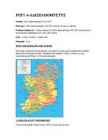
sest las robitid töötavad kuna elektrit on ju käes piiramatus koguses. Tuumaenergia Iirimaa ei plaani hetkel oma tuumaenergia vaba staatust muuta. RIIGI PÕLLUMAJANDUSE ISELOOMUSTUS Põllumajanduslik jaotus Iirimaal Fringe - Serv Livestock - Kariloomad Dairying - Piimatalitus Small Dairy & Cattle Farms - Väiksed piima- ja veisefarmid Arable - Põllumaa Grazing - Karjamaa Mixed - Segu ___________________________________________________________________ ___________ Tänu Iirimaa pehmele temperatuurile, küllaldasele vihmale ja viljakale mullale, on seal suurepärased tingimused põllumajanduseks. Põllumajandus on Iirimaal väga tähtis ja suur osa. Iirimaa näeb kõvasti vaeva, et põllumajandust Euroopa Liidu standardini viia. Põllumehed võtavad sageli teise ameti kuna ei saa piisavalt sisse tuua raha, et
Britain has the richest energy resources in EU including oil and natural gas, both primarily found in the North Sea, off eastern Scotland and eastern England respectively. About 77% of the land area of Britain is under agricultural use of some sort. Agriculture employs 2 per cent of the population. However, it achieves high levels of efficiency and productivity. Large parts of Britain, notably in Scotland and Wales, are suitable only for grazing. Over half of all full-time farms are devoted to dairy- or beef-farming, or sheep raising. Tourism forms a big part of English economy. Britain is one of the world's leading tourist destinations. The industry is a big business and now about 2 million people are employed in this area. The majority of tourists come from Western Europe. It is good to travel all over Britain because there is a good railway and road network. It is also possible to travel by inland waterways
Western Australia has dolphins and whale sharks- the worlds largest fish, that you can swim with. Perth is the capital of Western Australia. A population of 1,477,800 makes Perth the largest city in Western Australia. One third of the families in Perth own a boat. The Northern Territory is blessed with a variety of natural landscapes. Flora and fauna are diverse. Economy They have got beef productions, dairy industries, fisheries, forestry and wine industry. They have got a lot of grazing lands, where they keep sheep, cows, pigs etc. They have beef productions. They export about 65% of it, so they keep less than half to themselves. Then they also have got dairy industries, which are mostly in Victoria. They export butter, cheese, milk etc. Because of the fact that people love seafood, they also have got fisheries. They export it mostly to Asia and America. Forestry includes a lot of things. For example they grow grain, oilseeds, wheat, barley and rye.
kasutamine, võib kasutada elektriga soojendatavat veejooturit, veetoru tuuakse maa alt külmumise vältimiseks. Monosööda söötmine söödamikseriga silost, heinast, teravilja- ja mineraalsöötadest segatakse söödamikseris kokku üks monosööt. Mikserite kasutamisel peaks söödalava olema vähemalt 3m laiune. Lamba eripärad rohusöötade tarbijana Lammas on hea karjaloom, keda võimalik aastaringselt väljas pidaad (grazing animal). Karjamaarohus eelistab lammas ristikut kõrreliste ees, sööb rohuneid valikuliselt, valides taime osi, mis on parema kvaliteedi ja seeduvusega kui seda oskab teha veis. Lambad söövad rohekm puude, põõsaste lehti kui veised, aga vähm kui kitsed. Lambad on võrreldes kitsede ja ka veistega paremad mägikarjamaade, kõnnumaade ja teiste looduslike karjamaade kasutajad. Lammastele talviseks söötmiseks sobivad rohusöötadena nii silo, hein kui põhk.
Makrofütobentose nagu üldse taimestiku levikut maakeral põhjustab terve ökololoogiliste tingimuste kompleks, mis mõjuvad kõik samaaegselt ja on omavahel seotud. Maailma mastaabis on põhitegureiks valgus ja temperatuur. Valgusest on tingitud vertikaalne levik (sügavuse järgi) ja temperatuurist geograafiline levik maailmamere eri osades. Olulised on ka vee soolsus, vee liikumine, toitainete sisaldus vees. Märkimata ei saa jätta biootilisi faktoreid, ärasöömist loomade poolt (grazing) ja konkurentsi liikide 1 vahel. Need kaks viimast on kohaliku tähtsusega, mingis kindlas paigas võivad mängida tähtsat osa. Maailmameres loendatakse kokku umbes 8000 liiki makrovetikaid e. suurvetikaid ja ainult umbes 50 liiki õistaimi. nende maksimaalseks sügavuspiiriks loetakse 70 m. Seda ala maailma ookeanis, kus esineb fütobentos, nimetatakse eufootiliseks
Agriculture Agriculture in Australia is a major industry, 402 000 people are employed in agriculture and agriculture related services. Until the late 1950s agriculture accounted for up to 80% of Australia's export earnings. That percentage has fallen with diversification of the economy. Most of the farmland in Australia is pasture for raising cattle and sheep. Farmland covers about 65 per cent of Australia. However, most of this land is dry grazing land. Crops are grown on only about 5 per cent of the farmland. But farmers use modern agricultural methods and so make the cropland highly productive. Australia's leading farm products are cattle and calves, wheat and wool. Australia is the world's largest producer and exporter of wool and leading producer and exporter of beef, sugar and wheat. Fruits like apples and pears are grown in all the states. South Australia also produces large quantities of grapes that
(b) stabilise environment; soil development / increase humus / organic material; change soil pH; hold more water; release more minerals or nutrients / increase N content or fix N / hold ions; form microhabitat / reduce exposure / provide shelter / reduce erosion; max 3 (c) any two from following: grazing; burning; mowing / application of fertilizer / application of selective herbicide; exposure to wind; grass able to continue to grow (linked to a statement above); 2 (d) increases; plants at later stages are large / plants in early stages are small; trees / shrubs. are woody, appear later in succession; 2
Erinevused on keha suuruses ja jätkete esinemises või puudumises ja pikkuses. Suvel pikenevad organismidel mitmesugused väljakasvud: jätked, ogad, harjased. Tsükolmorfoosid on seotud veetemperatuuri ja vee tiheduse muutumisega. Algab, kui veetemperatuur tõuseb üle 12-16°C. Vesikirbulistele on see kohastumine oluline mitte ainult hõljumist soodustava tegurina, vaid ka kaitseks suuremõõtmeliste zooplankterite ärasöömise (grazing) vastu. · Zooplanktoni enamikel rühmadel esineb aktiivne liikumine. Paljud zooplankterid on läbipaistva kehaga (kaitsefunktsioon). · · Planktonorganismide levikut ja arengut mõjutavad tegurid: · I. Abiootilised. 1. Veekogu asend ja morfomeetria (veekogu aluspõhi, valgla, selle suurus ning pinnakate) 2. Füüsikalised: valgus, vee hüdrodünaamika, veetemperatuur.
Niisugust suboptimaalset käitumist, näiteks üksteise eest pooltoorete metsamarjade ärakorjamist, esineb tihti ka inimestel, kui ressursi kasutamine on reguleerimata. Mis aitaks sellise ebaökonoomsuse vastu? Selleks on kaks põhilist võimalust: kaitsta individuaalseid territooriume konkurentide eest; toituda eranditult grupina ja külastada toitumispaiku optimaalsete ajavahemike järel kõik ühekorraga. Niisugust toitumistaktikat võib nimetada ka karjamaatoitumiseks ehk karjatumiseks (grazing). Kas vaatlused looduses kinnitavad grupieluviisi niisuguse efekti esinemist loomadel? Hollandi ornitoloogid uurisid sellest aspektist valgepõsk-lagle salkade toitumiskäitumist. Selgus, et salgad pöördusid täpselt samasse kohta tagasi regulaarselt iga 4 päeva tagant. Rohu toiteväärtuse muutumise eksperimentaalne uurimine näitas, et just see ajaintervall tagas laglede peamise toidutaime - rand-teelehe - täieliku taastumise ja pealegi stimuleeris kõige
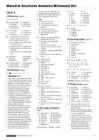
brother. 3 wailed / was wailing was setting, he went out in his new 2 She talks about soap opera 4 scrambled disguise. He was strolling strolled characters like they are real 5 ungracious confidently into a field where some people. 6 smudged sheep grazed were grazing. He 3 Her father works as a TV 7 twitch had spotted a juicy-looking lamb producer. 8 mimicking and was just going to pounce on it, 4 Unlike Kate, I don't like reality when a shepherd, who looked was shows. 2 1 E 2 B 3 D 4 H 5 G looking for a sheep to slaughter for
Mixed forest Midlatitude scrubland Midlatitude grassland iS · eattle Land Use ~a co ma o Farming WASH IN GTO N Grazing Primarily forestland o Limited agricultural activity Portlana M O NTANA NORTH DAKOTA · Urbanarea OREGON
crease, and their responsibilities expand as they faced their fears by speaking over and over again and until they became very good on their feet. ■ TURN TOWARD DANGER On the Serengeti Plain of Africa, zoologists have developed a sim- ple technique to determine which one of the animals in the herd is the leader. When a predator—a lion or cheetah—approaches a herd of grazing animals, the members of the herd pick up the scent in the wind and begin drifting away in the opposite direction. At this time, the leader of the herd will emerge.The leader will be the animal that places himself between the predator and the herd while the herd be- gins to flee.The leader, risking his life facing the lion or cheetah that is moving in on the herd, will nonetheless stand his ground to buy
The Reverse Drag Curl This exercise, ideally performed with a thick bar, develops the brachialis on the side of the upper arm and provides more constant tension than traditional curls. Traditional curls often place the elbow under the weight at the top of the moment, minimizing resistance: The suboptimal traditional curl The drag curl, in contrast, raises the bar straight up rather than in a circular motion, grazing the front of the body and maintaining tension throughout. The "drag curl" The above photos show a standard drag curl with palms up. To reverse it, as suggested, ensure your palms are shoulder width apart and facing down. Tempo and reps on both the row and the drag curl are the same as in Occam's Protocol, 5 up and 5 down. Dave Palumbo was going to become a doctor.
quality. Meat Science 67(1):81–86. Journal of Food Science 44:1686–1691. Thomas, M.L., A. H., Jr. Brown, and D. W. Kellogg. Shahidi, F. 1994. Flavor of meat and meat products—An 2008. Fatty acids and meat characteristics of different overview. In Flavor of Meat and Meat Products, biological types of beef cattle developed under a 42 Chapter 2 management-intensive grazing system. Journal of Yancey, E., M. Dikeman, K. Hachmeister, E. Chambers Food Quality 31(2):189–204. IV., G. Millike. 2005. Flavor characterization of top Toldrá, F., and M. Flores. 2000. The use of muscle blade, top sirloin, and tenderloin steaks as affected by enzymes as predictors of pork meat quality. Food pH, maturity, and marbling. Journal of Animal Chemistry 69:387–395
 annaabi.ee