 50 punkti
Autor soovib selle materjali allalaadimise eest saada 50 punkti.
50 punkti
Autor soovib selle materjali allalaadimise eest saada 50 punkti.
 ~ 12 lehte
Lehekülgede arv dokumendis
~ 12 lehte
Lehekülgede arv dokumendis
 2014-05-06
Kuupäev, millal dokument üles laeti
2014-05-06
Kuupäev, millal dokument üles laeti
 16 laadimist
Kokku alla laetud
16 laadimist
Kokku alla laetud
 0 arvamust
Teiste kasutajate poolt lisatud kommentaarid
0 arvamust
Teiste kasutajate poolt lisatud kommentaarid
 estiko12
Õppematerjali autor
estiko12
Õppematerjali autor
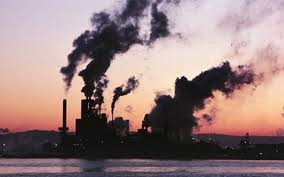
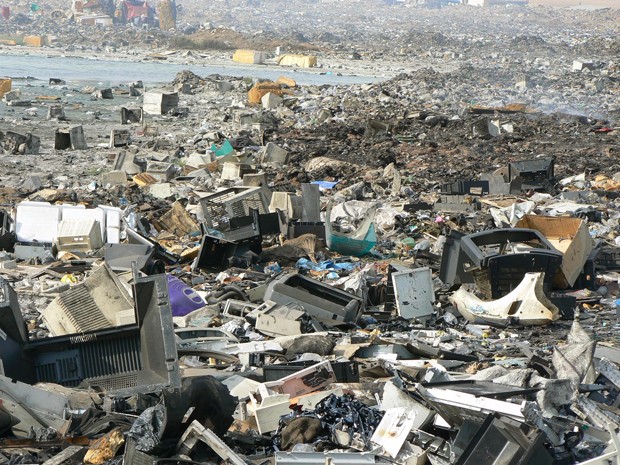
ENVIRONMENTAL PROBLEMS Our environment is constantly changing. However, as our environment changes, so does the need to become increasingly aware of the problems that surround it. With a massive influx of natural disasters people need to be aware of what types of environmental problems our planet is facing. Current environmental problems make us vulnerable to disasters and tragedies, now and in the future. Unless we address the various issues seriously we are surely doomed for disaster. Current environmental problems require urgent attention. 1. Pollution: Pollution of air, water and soil require millions of years to recoup. Industry and motor vehicle exhaust are the number one pollutants. Heavy metals, nitrates and plastic are toxins responsible for pollution. While water pollution is caused by oil spill, acid rain, urban runoff; air pollution is caused by
framework at accelerating the deployment of renewable energy technologies · The Renewable Energy Act was the central political element of one of the greatest paradigm shifts since the start of the industrial revolution: the shift from fossil and atomic energy supplies to renewable energy sources. Freiburg · Freiburg is a 900 year old city of under 250,000 people, perched in the wine growing region of southwest Germany · Citizens have high environmental awareness · Sunniest Region in Germany, Making it the "Solar Capital" · The Heliotrope (the world's first energy self-sustaining solar building) Germany and the Kyoto Protocol · Sets binding obligations on industrialized countries to reduce emissions of greenhouse gases. · Between March 1998 and March 1999, 84 countries including Germany signed the Kyoto Protocol. · In March 2002, the Bundestag unanimously ratified Kyoto
SISUKORD ENERGY STORY................................................................................................................4 USES OF ENERGY............................................................................................................. 4 2.1 Uses of energy in homes...............................................................................................5 2.2 Types of energy used in homes.................................................................................... 6 2.3 Energy use in different types of homes........................................................................ 6 2.4 Commercial Energy Use...............................................................................................9 2.5 Industrial and Manufacturing Energy Use..................................................................11 2.6 Transportation Energy Use.........................................................................................12 RENE
Trapped biogas can be used to power stoves for cooking and heating, in addition to other applications. By trapping the gases, people can prevent methane from reaching the atmosphere, thereby reducing degradation caused by methane gas. The ability to turn waste products into something which can be utilized is also rather convenient, especially in developing countries, where available resources may be limited. Furthermore, by turning biomass into biogas, people can address issues like sewage treatment, ensuring that raw sewage is not released into the natural environment. Producing process Biogas is normally produced by using the excreta of animals as the source material. In most of the countries where biogas is produced, the excreta of the cattle and other farm animals are used. In India gobar or cow dung is used for the purpose of making biogas. 20% of the excreta of animals are made up of dust particles that are inorganic in nature
Just how damaged they will be by pollution is uncertain. Acid rain The term acid rain refers to what scientists call acid deposition. It is caused by airborne acidic pollutants and has highly destructive results. Scientists first discovered acid rain in 1852, when the English chemist Robert Agnus invented the term. From then until now, acid rain has been an issue of intense debate among scientists and policy makers. Acid rain, one of the most important environmental problems of all, cannot be seen. The invisible gases that cause acid rain usually come from automobiles or coal-burning power plants. Acid rain moves easily, affecting locations far beyond those that let out the pollution. As a result, this global pollution issue causes great debates between countries that fight over polluting each other's environments. For years, science studied the true causes of acid rain. Some scientists concluded that human
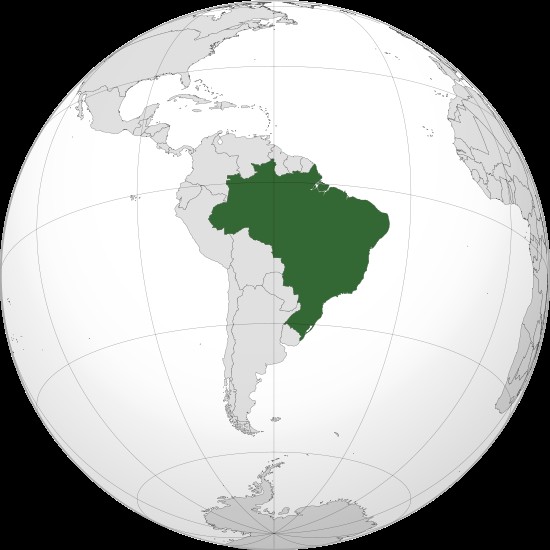
Brazil. In tropical regions, biodiesel feedstock can also be sourced from palm, coconut and jatropha oils, but these are currently not major feedstock for biodiesel. Biodiesel is produced by combining vegetable oil with an alcohol and a catalyst through a chemical process known as transesterification (FAO, 2008). Margit Tepner k0848752 Figure 1. Proportion of global production of liquid biofuels (FO Licht, 2007). Biofuels production is concentrated in three countries: Brazil, the USA, and Europe On a global scale, there are three regions that produce biofuels: mainly France and Germany in Europe, the USA, and Brazil. Each region specialises on a specific crop, and the production technologies vary greatly. Biodiesel is concentrated in Europe and in 2005 France and Germany supplied 69% of the global biodiesel. Bioethanol production is concentrated in two countries: Brazil and the USA and in 2005, they together accounted for 80% of global
burning plant will cause 30 deaths. · This technology is readily available, it does not have to be developed first. · It is possible to generate a high amount of electrical energy in one single plant. Disadvantages of nuclear power generation: · The problem of radioactive waste is still an unsolved one. The waste from nuclear energy is extremely dangerous and it has to be carefully looked after for several thousand years (10'000 years according to United States Environmental Protection Agency standards). · High risks: Despite a generally high security standard, accidents can still happen. It is technically impossible to build a plant with 100% security. A small probability of failure will always last. The consequences of an accident would be absolutely devastating both for human being as for the nature (see here , here or here ). The more nuclear power plants (and
water through the turbines to produce electricity on demand. In addition, reservoirs may offer recreational opportunities, such as swimming and boating. A typical hydro plant is a system with three parts: an electric plant where the electricity is produced; a dam that can be opened or closed to control water flow; and a reservoir where water can be stored. Hydroelectric power provides almost onefifth of the world's electricity. China, Canada, Brazil, the United States, and Russia were the five largest producers of hydropower in 2004. The first hydroelectric power plant was built at Niagara Falls in 1879. Negative aspects of hydropower Damming rivers may destroy or disrupt wildlife and other natural resources. Hydropower plants can cause low dissolved oxygen levels in the water, which is harmful to river habitats. Hydroelectric power plants don't work for a very long time.
 annaabi.ee




















Kõik kommentaarid