Leidsid 33 sarnast õppematerjali, mis on seotud failiga "Future". Need materjalid aitavad sul teemat sügavamalt mõista.
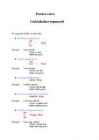
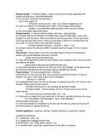
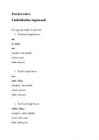
simple, perfect, shall, going, ajavormi, activePresent Progressive · Hetkel toimuv, pooleliolev tegevus: S/he IS TALKing on the phone now. I AM READing an interesting book. · Ajutine, regulaarsele ja tavapärasele vastanduv tegevus (tulevikku viitav): This summer they ARE not GROWing cucumbers as usual. They'RE GROWing tomatoes instead. · !!! Halvakspanu väljendus harjumuspärase tegevuse kohta: He IS always COMPLAINing! · BE (am/is/are) + 1pv-ing Aari Juhanson, MA 2008 Present Perfect ON -NUD · Toimunud tegevus, seos olevikuga: I have WORKed here for 3 years. · Toimunud olevikuga seotud/lõpetamata tegevus (saab muuta): S/he has CALLed them twice already. · !!! Kordne tegevus: It's the umpteenth time you've TOLD me this! Have I ever FORGOTTEN anything? · !!! Tutvuse pikkuse väljendus: I don't know how long I have KNOWN her. · have/has (s/he, it) + -ed/3 pv Aari Juhanson, MA 2008 Present Perfect Progressive
Passiivi ajavormid moodustatakse abiverbi be pöördelistest vormidest vastavas ajas ja põhiverbi mineviku kesksõnast (III pv-past participle). BE vastav aeg+ Verbi III pv Tegevuse sooritaja näitamiseks kasutatakse eessõna by. Kui aktiivlause aluseks on asesõna (I, you, he, we, you, they, somebody...), siis jäetakse by- fraas ära. Aktiivlause muutmine passiivlauseks: 1. Leiame sihitise ja muudame ta aluseks. 2. Määrame öeldise ajavormi ja asendame ta passiivi vastava ajaga 3. Leiame aluse ja muudame ta eessõna by abil sihitiseks. Example: Jane baked a cake.-active sentence A cake was baked by Jane.-passive sentence Exampple: My bike was stolen. Tence Subject Verb Object Simple Present Active: Rita writes a letter Passiv: A Letter is written by Rita
Get/ Have something TENSE ACTIVE PASSIVE WHEN? done Present Simple Am/is/are + Every day, year, often, I pv + do/does Have/ get + sth+ III pv Lihtolevik III pv usually, always Past Simple Yesterday, last year,
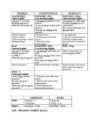
PRESENT PRESENT PRESENT PRESENT PAST SIMPLE PAST PAST PERFECT PAST PERFECT SIMPLE CONTINIOUS PERFECT PERFECT CONTINUOUS SIMPLE CONTINUOUS SIMPLE CONTINUOUS Lihtolevik Kestev olevik Täisminevik Kestev Lihtminevik Kestev minevik Enneminevik Kestev täisminevik enneminevik I pv Am/is/are, I pv, Has/have, III Has/have, II pv, -ed Was/were, -ing Had, III pv Had, been, -ing
SIMPLE CONTINUOUS PERFECT I (-s) DO/DOES AM/IS/ARE + ING HAVE/HAS + III pv. I learn English I am learning English I have learned English. I get up at 7 every day. I'm reading a good book at the I've learned 10 words today. He doesn't get up at 7. moment. He hasn't learned any new What time do you get up? He isn't reading anything at the words today. moment
............................................................................................................................................. 6 Active & passive (isikuline ja umbisikuline kõneviis) ................................................................
5o'clock,when that happened) Present Have/has+III pv I have Have/has+been+III pv A house has perfect seen this film been built (on ehitatud) (already,yet,just) Past Had+III pv They had left Had been+III pv A house had been perfect before you came built (oli ehitatud) (already,yet,before sth else happened) Future Will/shall+I pv I will buy aWill+be+III pv A house will be built simple car next spring. I'm going (ehitatakse tulevikus). to buy a car next spring. (next month,year,in the future,soon) ConditionWould+ I pv They would Would+be+III pv The film would be als develop the film if they haddeveloped if they had time. time. Modals Must+I pv They must Must+be+III pv The film must be develop the film by noon developed by noon. 1.All-loendamatute nimisõnadega. Somebody has drunk all the coffee. He spends all his free time in the library. 2
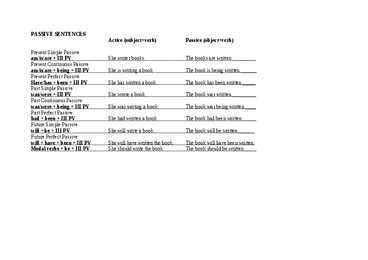
PASSIVE SENTENCES Active (subject+verb) Passive (object+verb) Present Simple Passive am/is/are + III PV She writes books. The books are written _________ Present Continuous Passive am/is/are + being + III PV She is writing a book. The book is being written.______ Present Perfect Passive Have/has + been + III PV She has written a book. The book has been written._____ Past Simple Passive was/were + III PV She wrote a book. The book was written._________ Past Continuous Passive was/were + being + III PV She was writing a book. The book was being written.____ Past Perfect Passive had + been + III PV She had written a book. The book had been written._____ Future Simple Passive will + be + III PV She will write a book. The book will be written.______ Future Perfect Passive
Passive voice Umbisikuline tegumood Kui tegija pole oluline või pole teada. The Present Simple Passive am is + III pv are Examples: I am watched. A book is read. Marks are given. The Past Simple Passive was were + III pv Examples: I was watched. A book was read. Marks were given. The Future Simple Passive will be + III pv Examples: I will be watched. A book will be read. Marks will be given. The Future Simple Passive in the Past would be + III pv Examples: I would be watched.
Present tenses : 1) Present simple regular actions and routines especially with frequency(kordumine ) adverbs(määrsõna) N: Do you go to school by car every day ? I don't often watch TV. 2)Present continuousbe + verb + ing. Actions happening now N; Look! It's snowing. I'm meeting Jane tonight. You're always losing things. 3)keep + ingto describe habitual actions which may be irritating. N: my uncle keeps making silly jokes. Present perfect: 1) Present perfect simple: have/has + past participle. N: I've been here for ten minutes .The phone has rung ten times today. Look at this cheque,'I've won first prize. They have made a new star wars film. I've just got home. How long have you been here ? Have you ever been to Paris? It's the best book I've ever read. It's the first time I have ever been abroad. 2)Present perfect continious : have/has + been + ing. N:I've been living in this flat since 2000
Passive voice Umbisikuline tegumood Kui tegija pole oluline või pole teada. · The Present Simple Passive am is + III pv are Examples: I am watched. A book is read. Marks are given. · The Past Simple Passive was were + III pv Examples: I was watched. A book was read. Marks were given. · The Future Simple Passive will be + III pv Examples: I will be watched. A book will be read. Marks will be given. · The Future Simple Passive in the Past would be + III pv Examples: I would be watched. A book would be read. Marks would be given. · The Present Progressive Passive am is + being + III pv are Examples: I am being watched. A book is being read. Marks are being given. · The Past Progressive Passive was were + being + III pv Examples: I was being watched. A book was being read. Marks were being given. · The Present Perfect Passive have has been + III pv
Simple Continious Perfect to be + ing to have + III pv/ -ed I pv. is/am/are + ing Present -s (3 pööre) have/has + III pv/ -ed -/? Do, Does II pv. / -ed Past was/were + ing had -/? Did + I pv. Future Will + I pv. will be + ing will have
· action taking place in the middle of another action tegevus, mis toimub mingi teise tegevuse keskel. Past Continuous A: He was speaking. · when N: He was not speaking. · action going on at a certain time in · while Kestev minevik Q: Was he speaking? the past tegevus toimus mingil kindlal ajaperioodil minevikus · as long as · then
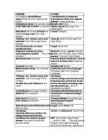
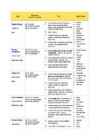
AJAVORMID JA NENDE MOODUSTAMINE AJAVORMI NIMETUS MOODUSTAMINE KASUTAMINE, SAGEDAMINI ESINEVAD AJAMÄÄRUSED THE PRESENT I pv; do/does + I Tegevus toimub korduvalt, on harjumuspärane SIMPLE live, goes twice a week, every day, usually, often, sometimes, always THE PAST (+) II pv; did + I Tegevus toimub minevikus SIMPLE lived, went yesterday, last week, two years ago, in 1996 THE FUTURE (shall)/will + I Tegevus toimub tulevikus, on üksteisele järgnev
kasutas: The pasta sauce was made by Tony. It was made with fresh tomatoes from the garden. Kui me tahame teada, kes või mis oli tegija, saame moodustada passiivi küsimuse Who/ What ... by?: Who was the book written by? Passiivi moodustatakse be (is/ was jne) + mineviku kesksõna (past participle) ehk III põhivorm (done/ cleaned/ seen jne). Aktiivilause sihitisest saab passiivilause alus. Aktiivilause tegusõna jääb samasse ajavormi, kuid muutub passiivseks. Aktiivilause alus ehk tegija jäetakse ära või pannakse lause lõppu prepositsiooni by järele: Present simple passive am/ is/ are + III pv (cleaned/ seen jne) Many accidents are caused by careless driving. Present simple active: Somebody cleans this room every day. passive: This room is cleaned every day. Past simple passive was/ were + III pv (cleaned/ seen jne) We were woken up by a loud noise during the night.
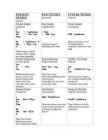
TENSES (Table) Past Simple Present Simple Future Simple Tegusõna 2. pv Tegusõna 1. pv Tegusõna on esitatud kujul [NB! He/She/It _____(e)s] Küsimuse/eituse will + 1. pv moodustamiseks kasut. Küsimuse/eituse did + 1. pv moodustamiseks kasut. Eituste moodustamisel do / does + 1. pv will not = won't Tunnused lauses: Lihtminevik
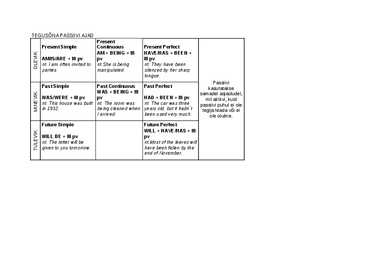
TEGUSÕNA PASSIIVI AJAD Present Present Simple Continuous Present Perfect AM + BEING + III HAVE/HAS + BEEN + OLEVIK AM/IS/ARE + III pv pv III pv nt. I am often invited to nt.She is being nt. They have been parties. manipulated. silenced by her sharp tongue. Passiivi
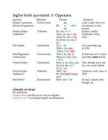
Future tenses Present Simple I pv. (Timetables) My bus leaves at 6 am. We are leaving at 6 tomorrow (Present continuous) Present Continuous Tegija + am, is, are + ing I am learning. Kindel tulevikuplaan Be going to 1. Kindlate tõendite põhjal tehtav tulevikuennustus Look at the clouds, its going to rain soon. 2. Tulevikuplaanid (mittekindel) Future Simple Will + I pv. · Tuleviku ennustused, mida tehakse arvamuste põhjal. · Hetkeotsused · Lubadused, ähvardused, pakkumised, palved etc. I will never speak to you again · Tegevused, mis toimuvad meie tahtest sõltumata. She will have a baby in June. Future Continuous Will be + ing Next year I will be graduating from school.' Future Perfect Will have +III pv. I will have eaten my dinner. · Tegevuste puhul, mis saavad olema lõpetatud, mingiks teatud ajaks.
THE TENSES AJAVORMID JA NENDE KASUTAMINE AJAVORMI NIMETUS MOODUSTAMINE KASUTAMINE; SAGEDAMINI ESINEVAD AJAMÄÄRUSED THE PRESENT SIMPLE I pv. (+ s); do/does + I pv. Tegevus toimub korduvalt, on harjumuspärane. püsiv olukord, ajagraafikutega seotud tulevik Lihtolevik live, goes every day, usually, often, sometimes, always THE PAST SIMPLE II pv.; did + I pv. Tegevus toimub minevikus. Lihtminevik lived, went yesterday, last week two years ago, in 1998
AJAVORMI NIMETUS MOODUSTAMINE KASUTAMINE ; SAGEDAMINI ESINEVAD AJAMÄÄRUSED THE PRESENT I pv ( +s ); do/does Tegevus toimub korduvalt, on harjumuspärane. ev SMPLE live, goes every day, usually, often, somtimes, always,never Lihtolevik THE PAST SIMPLE II pv; did ,lived, Tegevus toimus minevikus. Lihtminevik went yesterday, last week, two years ago, in 1998 THE FUTURE SMPLE ( shall ) / will +I pv. Tegevus toimub tulevikus. Lihttulevik will go tomorrow, next week, soon, later, In 2050 THE FUTURE IN THE ( should ) / would +I Kaudses kõnes tuleviku asemel, kui pealause on
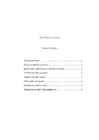
INGLISE KEEL Sisukord Sisukord 2 Ajavormid Tense vorms 3 Lihtolevik The present simple 3 Lihtminevik The past simple 3 Lihttulevik The future simple 3 Kestev olevik The present continuous 3 Kestev minevik The past continuous 4 Kestev tulevik The future conrinuous 4 Täisminevik The present perfect 4 Enneminevik The past perfect 4 Ennetulevik Future perfect 5 Üldminevik Past tense 5 Üldtulevik Future indefinite 5
INGLISE KEEL Sisukord Sisukord.................................................................................................................................. 2 Ajavormid Tense vorms.......................................................................................................3 Lihtolevik The present simple..................................................................................... 3 Lihtminevik The past simple....................................................................................... 3 Lihttulevik The future simple...................................................................................... 3 Kestev olevik The present continuous......................................................................... 3 Kestev minevik The past continuous
Tense Form Use Hints Example + I pv ((e)+s) Present Simple 1. daily routines, habits or repeated actions Every hour/day/week etc , I always play football in -? do/does not+I pv 2. permanent states usually, always, in the the evenings
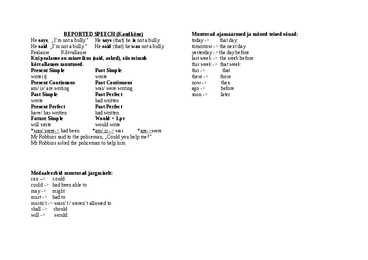
He says, ,,I'm not a bully." He says (that) he is not a bully. today -> that day He said ,,I'm not a bully." He said (that) he was not a bully. tomorrow -> the next day Pealause Kõrvallause yesterday -> the day before Kui pealause on minevikus (said, asked), siis toimub last week -> the week before kõrvallauses muutused. this week -> that week Present Simple Past Simple this -> that write(s) wrote these -> those Present Continuous Past Continuous now -> then am/ is/ are writing was/ were writing ago -> before Past Simple Past Perfect soon -> later wrote had written Present Perfect Past Perfect
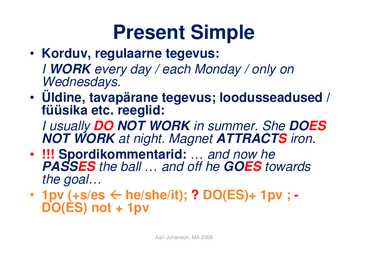
Väidetavalt on üle poole inglise keele sõnavarast mitte anglo- saksi päritolu, ehk siis laenatud – kontrolli hoolega, kas ‘sympathy’ ikka tähendab ‘sümpaatiat! kaastunne Aari Juhanson, MA 2009 Tenses – Tegusõna ajad • Olevik (Present) • Minevik (Past) • Tulevik (Future) • Kaudne tulevik (Future-in-the-Past) Aari Juhanson, MA 2009 Present Tenses • Lihtolevik (Present Simple / Present Indefinite) – regulaarne, korduv tegevus • Kestev olevik (Present Progressive / Present Continuous) – pooleliolev, ühes tükis tegevus • Täisminevik !!! (Present Perfect) – tehtud, *lõpetamata* tegevus • Kestev täisminevik (Present Perfect Progressive) – äsja tehtud (tagajärjed veel näha), ka veel kestev tegevus Aari Juhanson, MA 2009 Present Simple • Korduv, regulaarne tegevus:
PRESENT PAST TENSES FUTURE TENSES TENSES minevik tulevik olevik Present Simple Past Simple Future Simple lihtolevik Lihtminevik Lihttulevik I You + I põhivorm + II pv We ? , - Do + I pv. ?, - Did + I pv Will + I põhivorm They He + I põhivorm + S Tegevus tulevikus, mis ei She ?,- Does + I pv Lõpetatud tegevus ole ettekavatsetud It (yesterday, last week) (tomorrow, next week, next
1. Active/Passive Active - the professor teaches the students. Passive - The students are taught by the professor 2. Present Simple [VERB] + s/es in third person. Tegevus on korduv või tavapärane. You speak English. I play tennis. Cats like milk. The train leaves tonight at 6 PM. I am here now. Active= Once a week, Tom cleans the car. Passive= Once a week, the car is cleaned by Tom. 3. Present Continuous [am/is/are + present participle]. Tegevus toimub/ei toimu praegusel hetkel. You are watching TV. You are learning English now. I am studying to become a doctor. I am meeting some friends after work.
1. the base form Talk Speak üldoleviku tüvivorm 2. the past form/ -ed form Talked Spoke üldmineviku vorm 3. the past participle (-ed Talked Spoken participle) mineviku kesksõna 4. the present participle (- Talking Speaking ing participle) oleviku kesksõna The tenses: Expressing the future: Simple Perfect Continuous Perfect Continuous Present Base Have / has + to be + base+ ing has/ have been +s + pariticiple base+ -ing He drinks tea at I have walked She is talking She has been breakfast. waiting for you all
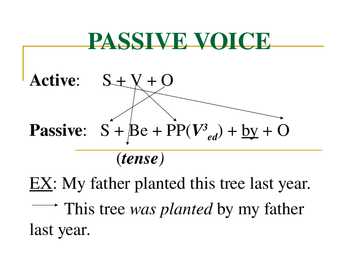
PASSIVE VOICE Active: S + V + O Passive: S + Be + PP(V3ed) + by + O (tense) EX: My father planted this tree last year. This tree was planted by my father last year. TABLE OF ENGLISH TENSES IN PASSIVE VOICE The Simple Present Tense Active: S + V(s/es) + O Passive: S + am/is/are + PP + by + O EX: He reads books every day. Books are read (by him) every day. TABLE OF ENGLISH TENSES IN PASSIVE VOICE The Present Continuous Tense Active: S + am/is/are + Ving + O Passive: S + am/is/are + being +PP + by + O EX: He is writing a novel at the moment. A novel is being written (by him) at the moment. TABLE OF ENGLISH TENSES IN PASSIVE VOICE The Present Perfect Tense
............................................................ 5 The Passive with ’by/with’ .................................................................. 6 Talking about what other people say ................................................ 6 The Passive Voice The subject is the starting point of the sentence, the thing we are talking about. The new information about the subject comes at the end of the sentence. When the subject is the person or thing doing the action, then we use an active verb: Bell invented the telephone. When the subject is not doing the action, but something is happening or being done to it, or the action is directed at it, then we use a passive verb. The telephone was invented by Bell. NB! The object of an active sentence becomes the subject of a passive sentence. The doer of the action is indicated by a by phrase. When the doer of the action is not important, the ’by phrase’ is omitted:
Inglise keele ajavormid: 5. Õppeaasta Ajavorm Tähendus Vormid Abisõnad Present Continuous Kestev olevik am Look! Listen! Now! At (Present Progressive) BE is +ING the moment. At the are present. Present Simple Üldolevik He, she, it + S Always, usually (Indefinite) They, we, you, I (s) Sometimes, every ?does (he, she, it) (s) often Do (they, we, you, I) (s) Past Simple Lihtminevik II pv/ -ed Last, yesterday, ago
You, they You, they I K Will be + verb III I will be asked. I will have been asked. Will I be asked? Will I have been asked? I will not been asked. I will not have been asked. Active Passive Once a week, Tom cleans the Once a week, the house is cleaned Simple Present house. by Tom. Present Right now, Sarah is writing the Right now, the letter is being Continuous letter. written by Sarah. Simple Past Sam repaired the car. The car was repaired by Sam.
He/She/It will not work hard tomorrow. Will he/she/it work hard tomorrow? We will work hard tomorrow. We will not work hard tomorrow. Will we work hard tomorrow? You will work hard tomorrow. You will not work hard tomorrow. Will you work hard tomorrow? They will work hard tomorrow. They will not work hard tomorrow. Will they work hard tomorrow? NB! Lihttulevik moodustatakse abitegusna ja phitegusna ma-tegevusnime (I pv) abil. (abitegusnadeks on SHALL (1.prdes) ja WILL (2. ja 3.prdes) - ainult ametlikus keeles tnapeval) Tnapeva inglise keeles tavatsetakse kasutada kikides pretes abitegusna WILL. Ajamrused: next week(month, year, summer) soon, tomorrow etc. Kasutamine: Lihttulevikku kasutatakse tuleviku vljendamiseks, mis ei sltu meie tahtest. It'll be warm and sunny tomorrow. Lihttulevikku kasutatakse tuleviku vljendamiseks, mille suhtes teeme otsuse praegu.I think i'll give him a fountain pen for his birthday.
 annaabi.ee