 10 punkti
Autor soovib selle materjali allalaadimise eest saada 10 punkti.
10 punkti
Autor soovib selle materjali allalaadimise eest saada 10 punkti.
 ~ 1 leht
Lehekülgede arv dokumendis
~ 1 leht
Lehekülgede arv dokumendis
 2011-02-24
Kuupäev, millal dokument üles laeti
2011-02-24
Kuupäev, millal dokument üles laeti
 59 laadimist
Kokku alla laetud
59 laadimist
Kokku alla laetud
 1 arvamus
Teiste kasutajate poolt lisatud kommentaarid
1 arvamus
Teiste kasutajate poolt lisatud kommentaarid
 smalldevil
Õppematerjali autor
smalldevil
Õppematerjali autor
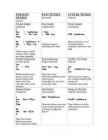
SIMPLE CONTINUOUS PERFECT I (-s) DO/DOES AM/IS/ARE + ING HAVE/HAS + III pv. I learn English I am learning English I have learned English. I get up at 7 every day. I'm reading a good book at the I've learned 10 words today. He doesn't get up at 7. moment. He hasn't learned any new What time do you get up? He isn't reading anything at the words today. moment. How many words have you What are you reading at the learned today? moment? 1 Korduv tegevus. 1 Praegu toimuv. 1 Äsja lõppenud 2 Püsiv olukord. 2 Praeguse perioodi vältel 2 Täna/sel nädalal toimunud 3 Tulevikus toimuv, seotud toimuv. 3 Elavate inimeste koht
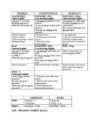
Affirmative tense Use Signal Words /Negative/Question · always · action in the present taking place Simple Present A: He speaks. · every ... once, never or several times N: He does not speak. tegevus, mis toimub ühe korra, mitte · never Lihtolevik Q: Does he speak? · normally kunagi või mitu korda · often I pv
THE TENSES AJAVORMID JA NENDE KASUTAMINE AJAVORMI NIMETUS MOODUSTAMINE KASUTAMINE; SAGEDAMINI ESINEVAD AJAMÄÄRUSED THE PRESENT SIMPLE I pv. (+ s); do/does + I pv. Tegevus toimub korduvalt, on harjumuspärane. püsiv olukord, ajagraafikutega seotud tulevik Lihtolevik live, goes every day, usually, often, sometimes, always THE PAST SIMPLE II pv.; did + I pv
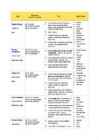
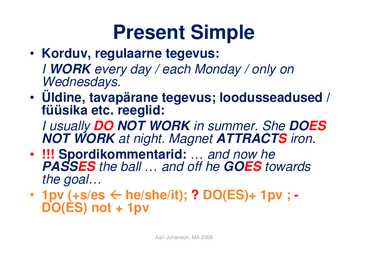
Present Simple · Korduv, regulaarne tegevus: I WORK every day / each Monday / only on Wednesdays. · Üldine, tavapärane tegevus; loodusseadused / füüsika etc. reeglid: I usually DO NOT WORK in summer. She DOES NOT WORK at night. Magnet ATTRACTS iron. · !!! Spordikommentarid: ... and now he PASSES the ball ... and off he GOES towards the goal... · 1pv (+s/es Å he/she/it); ? DO(ES)+ 1pv ; - DO(ES) not + 1pv Aari Juhanson, MA 2008 Present Progressive · Hetkel toimuv, pooleliolev tegevus: S/he IS TALKing on the phone now. I AM READing an interesting book. · Ajutine, regulaarsele ja tavapärasele vastanduv tegevus (tulevikku viitav): This summer they ARE not GROWing cucumbers as usual. They'RE GROWing tomatoes instead. · !!! Halvakspanu väljendus harjumuspärase tegevuse kohta: He IS always COMPLAINing! · BE (am/is/are) + 1pv-ing Aari Juhanson, MA 2008 Present Perfect ON -NUD ·
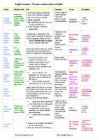
English Grammar - The most common tenses in English Tense Signal words Use Estonian Form Examples · something happens repeatedly *korduv tegevus every day · how often something happens *püsiv olukord sometimes, *tulevikus · one action follows another I work Present twice a week toimuv, seotud · things in general infinitive he works Simple always, often sõiduplaanidega · after the following verbs (to love, he/she/it + s I go lihtolevik usually
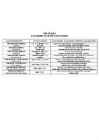
13 Mitmuse moodustamine 13 Siduvad asesõnad 14 Omastav kääne 14 Käskiv kõneviis 15 Omadussõnad 15 Viisimäärsõnad 16 Tingimuslaused 16 2 Ajavormid Tense vorms Lihtolevik The present simple Korduv, harjumuspärane tegevus. Every day, twice a week, usually, sometimes, often, always. 1. pv (-s) do/does + 1. pv I get up at 7 every day. He always works hard. What time do you go to school? Lihtminevik The past simple Minevikus toimunud tegevus. Yesterday, last week, two das ago, last year, in 1999. 2. pv / -ed did + 1. pv I got up at nine last Saturday. Yesterday he worked much. What time did you go to school yesterday
...............................................................................................................15 Viisimäärsõnad............................................................................................................. 16 Tingimuslaused.............................................................................................................16 2 Ajavormid Tense vorms Lihtolevik The present simple Korduv, harjumuspärane tegevus. Every day, twice a week, usually, sometimes, often, always. 1. pv (-s) do/does + 1. pv I get up at 7 every day. He always works hard. What time do you go to school? Lihtminevik The past simple Minevikus toimunud tegevus. Yesterday, last week, two das ago, last year, in 1999. 2. pv / -ed did + 1. pv I got up at nine last Saturday. Yesterday he worked much. What time did you go to school yesterday
Present Simple (lihtolevik) Abitegusõnu do, does kasutatakse ainult + 1.põhivorm + (e)s he, she, it eitavates ja küsilausetes. - do (does) + not + 1.põhivorm ? do (does) + 1.põhivorm Väljendab: Korduvat tegevust, püsivat olukorda, sõiduplaanide jms. Seotud tulevikku Spikkrisõnad: always, sometimes, seldom, often, usually, once a week, twice a day, every day, on Mondays Present Continuous (kestev olevik) Be(am, is, are), kasutatakse jaatavates, + be (am, is, are) + 1.põhivorm ing eitavates ja küsilausetes. - be (am, is, are) + not+ 1.põhivorm -ing ? be (am, is, are) + 1.põhivorm ing Väljendab: Praegu toimuvat tegevust, praeguse momendi vältel toimuvat tegevust, ettekavatsetud tegevus tulevikus Spikkrisõnad: now, at the moment, at 6'clock, today Present perfect (täisminevik)
 annaabi.ee






Kõik kommentaarid