 50 punkti
Autor soovib selle materjali allalaadimise eest saada 50 punkti.
50 punkti
Autor soovib selle materjali allalaadimise eest saada 50 punkti.
 ~ 2 lehte
Lehekülgede arv dokumendis
~ 2 lehte
Lehekülgede arv dokumendis
 2011-10-05
Kuupäev, millal dokument üles laeti
2011-10-05
Kuupäev, millal dokument üles laeti
 4 laadimist
Kokku alla laetud
4 laadimist
Kokku alla laetud
 0 arvamust
Teiste kasutajate poolt lisatud kommentaarid
0 arvamust
Teiste kasutajate poolt lisatud kommentaarid
 001etesil
Õppematerjali autor
001etesil
Õppematerjali autor
ESTONIA Estonia is a country in northeastern Europe in the northernmost of the three Baltic states. Estonia’s area includes some 1,500 islands and islets; the two largest of these islands are Saaremaa and Hiiumaa. Situated in northeastern Europe, Estonia juts out into the Baltic Sea, which surrounds the country to the north and west. To the east Estonia is bounded by Russia, predominantly by the Narva River and Lakes Peipus. To the south Estonia is bounded by Latvia. (Stranga, 2021) Estonias current population is 1 327 100 and the city with the largest population is Tallinn with 394 000 people. The population density of Estonia is 31 people per km2. (Estonia Demographics, s.a) One of the most cherished national symbols of Estonia is the blue-black-white colour national flag. The Estonian flag was born in the national-romantic student circles of the University of Tartu during the final quarter of the 19th century
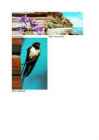
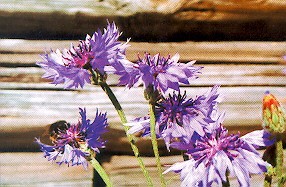
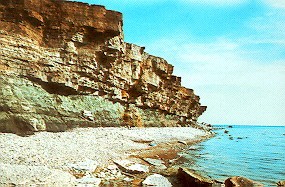
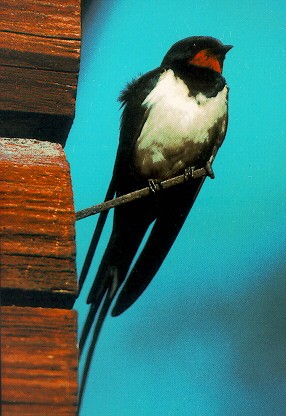
Tallinna Inglise Kolledz Estonia Topic Alice Tärk, 9b Tallinn 2007 FACTFILE Area: 45 228 sq km Poplulation: under 1.4 million Capital: Tallinn Language: Estonian Currency: Eesti kroon (EEK) Main religion: Lutheran National holiday: 24 February (anniversary of the republic) National flower: Cornflower National bird: Barn Swallow National stone: Limestone LOCATION The Republic of Estonia is the northernmost and smallest of the three Baltic States. It is located on the eastern shores of the Baltic Sea in the north east of Europe. To the east the country borders Russia. Latvia is the countries neighbour to the south. From the west the coast of Estonia is washed by the Baltic Sea and from the north by the Gulf of Finland. The length of the coastline is approximately 3 800 km. The longest distance from east to west is 350 km, while north to south Estonia stretches 240 km.
Estonia. Estonia, officially the Republic of Estonia is a country in Northern Europe. It is the smallest of the three Baltic countries. Estonia has land borders with Latvia (339 km) to the south and Russia (229 km) to the east. It is separated from Finland in the north by the narrow Gulf of Finland and from Sweden in the west by the Baltic Sea. Estonia has been a member of the European Union since May 1, 2004 and of the NATO since March 29, 2004. The area of Estonia is about 45000 square kilometres and the population is about 1.4 million people. The capital of Estonia is Tallinn and the official language is Estonian. The currency is Eesti kroon. The main religion is Lutheran. Anniversary of the republic is celebrated on February 20. The national flower is cornflower, national bird is barn swallow and national stone is limestone.
Tallinn English College Topic Estonia Tallinn 2008 1. Introduction Estonia is a small country about the size of Switzerland, or New Hampshire and Massachussetts combined. Estonia is named after the people called "Ests" who lived in the region in the 1 st century AD. The Republic of Estonia is one of the three countries commonly known as the "Baltic States". The other Baltic States are Latvia and Lithuania. 2. Geographical position Estonia is situated in northeastern Europe. Estonia is bounded on the north by the Gulf of Finland, on the east by Russia, on the south by Latvia and on the west by the Baltic Sea. In the north it borders on Finland. The coastline of the Baltic Sea in Estonia is characterized by numerous gulfs and bays, the biggest of them
Estonia Topic Tallinn 2007 2 List of Contents page Facts and figures 3 Geography 3 Climate 3 Nature 4 History 5 Economy 6 Culture 6 Biggest towns 7 Language 8 3 Facts and figures The Republic of Estonia is a small country. Covering only 45, 228 sq km it is slightly bigger than Denmark, Belgium or Switzerland. Estonia's population is under 1.4 million. The official language is Estonian but since very many Russians live here Russian is also wide spread. The capital of Estonia is Tallinn. The currency used in Estonia is Eesti kroon. The Estonian national flag is blue-black-white. It was originally the flag of the Estonian Students' Society. The flag was first consecrated in Otepää Church in 1884
the wife of Kalev and mother of Kalevipoeg Koluvan - mentioned in Russian chronicles; derives from the hero Kalev from our national epic Reval - comes from the German words “REH” and “FALL”, meaning the falling of the deer; could be deers trying to escape from the Danes, running down the Toompea hill Tallinn - the word origins from estonian language, could mean “taani-linn”, “tali-linn” or “talu- linn”; Reval was replaced when Estonia became independent Symbols Flag - blue black white tricolor; blue represents sky, black the soil, and white our freedom. Danneborg - red flag with a white cross fell from the sky during the battle in 1219. It is also set into the small coat of arms of Tallinn. Great coat of arms - three lions, a knight, and Danish queen; leaves around Old Thomas - quardian of Tallinn, put on top of the spire of Tallinn Town Hall in 1530;
Fact file: Australia comprises a land area of 7 686 850 square kilometres. Its population is about 21,3 million people. Australia's capital is Canberra. The national language is English. The official name of it is the Commonwealth of Australia. It's divided into six states and two territories: New South Wales, Queensland, South Australia, Western Australia, Tasmania, Victoria, Australian Capital Territory (ACT) and Northern Territory. Symbols: Australia had the British flag as their official flag until 1901, when the Commonwealth of Australia was formed. Over 30 000 entries attracted the official competition. Five of them, which contained almost identical designs, were placed equally first. The Australian flag symbolises Australia's historical links with Britain, because it has British flag on it, and Australia's location in the southern hemisphere, because it has stars of the Southern Cross on it
The local cultural heritage offers as much variety as the nature. Many rare work and mythological motives are retained in folk songs. The flax-growing that spread rapidly in the beginning of the 19th century was the basis of the prosperous Mulgi family farms in Southern Viljandimaa. 19. The second half of the 19th century and the beginning of the 20th century constituted the golden age for many local families. The mulgi inhabitants were actually the first farmers in Estonia who bought the farms for their families after being released from the servitude. The farming was developed rapidly thanks to flax-growing. The wealthiest farmers gained even so much money that for the first time in history Estonian farmers became owners of mansions. The wealthy mulk were the first of Estonian farmers to build manses, until then the farmers all over Estonia lived in farmhouses that included a barn so that people and animals lived under one roof
 annaabi.ee






Kõik kommentaarid