Leidsid 33 sarnast õppematerjali, mis on seotud failiga "Passives". Need materjalid aitavad sul teemat sügavamalt mõista.
passive, põhivorm, present, simple..), siis jäetakse by- fraas ära. Aktiivlause muutmine passiivlauseks: 1. Leiame sihitise ja muudame ta aluseks. 2. Määrame öeldise ajavormi ja asendame ta passiivi vastava ajaga 3. Leiame aluse ja muudame ta eessõna by abil sihitiseks. Example: Jane baked a cake.-active sentence A cake was baked by Jane.-passive sentence Exampple: My bike was stolen. Tence Subject Verb Object Simple Present Active: Rita writes a letter Passiv: A Letter is written by Rita Simple Past Active: Rita wrote a letter Passiv: a letter was written by Rita Present perfect Active: Rita has written a letter
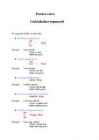
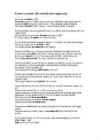
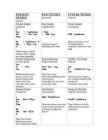
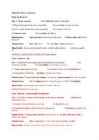
Passive voice Umbisikuline tegumood Kui tegija pole oluline või pole teada. The Present Simple Passive am is + III pv are Examples: I am watched. A book is read. Marks are given. The Past Simple Passive was were + III pv Examples: I was watched. A book was read. Marks were given. The Future Simple Passive will be + III pv Examples: I will be watched. A book will be read. Marks will be given. The Future Simple Passive in the Past would be + III pv Examples: I would be watched.
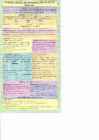
Yet, ever . toimunud participle Prefect past and it has a connection to he's worked already , for *elavate inimeste I've gone täis the present (infinitive + so far, since kohta, mida nad he's gone minevik · action started in the past ed) (III recently, just on/ei ole oma up to now and continues up to the present elus teinud põhivorm)
Passive voice Umbisikuline tegumood Kui tegija pole oluline või pole teada. · The Present Simple Passive am is + III pv are Examples: I am watched. A book is read. Marks are given. · The Past Simple Passive was were + III pv Examples: I was watched. A book was read. Marks were given. · The Future Simple Passive will be + III pv Examples: I will be watched. A book will be read. Marks will be given. · The Future Simple Passive in the Past would be + III pv Examples: I would be watched. A book would be read. Marks would be given. · The Present Progressive Passive am is + being + III pv are Examples: I am being watched. A book is being read. Marks are being given. · The Past Progressive Passive was were + being + III pv Examples: I was being watched. A book was being read. Marks were being given. · The Present Perfect Passive have has been + III pv
garden. Kui me tahame teada, kes või mis oli tegija, saame moodustada passiivi küsimuse Who/ What ... by?: Who was the book written by? Passiivi moodustatakse be (is/ was jne) + mineviku kesksõna (past participle) ehk III põhivorm (done/ cleaned/ seen jne). Aktiivilause sihitisest saab passiivilause alus. Aktiivilause tegusõna jääb samasse ajavormi, kuid muutub passiivseks. Aktiivilause alus ehk tegija jäetakse ära või pannakse lause lõppu prepositsiooni by järele: Present simple passive am/ is/ are + III pv (cleaned/ seen jne) Many accidents are caused by careless driving. Present simple active: Somebody cleans this room every day. passive: This room is cleaned every day. Past simple passive was/ were + III pv (cleaned/ seen jne) We were woken up by a loud noise during the night. Past simple active: Somebody cleaned this room yesterday. passive: This room was cleaned yesterday. These rooms were cleaned yesterday.
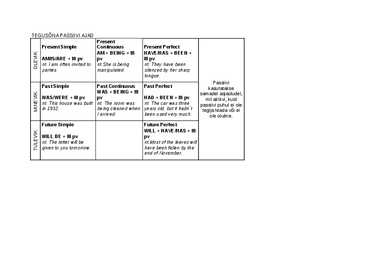
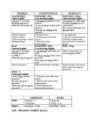
TEGUSÕNA PASSIIVI AJAD Present Present Simple Continuous Present Perfect AM + BEING + III HAVE/HAS + BEEN + OLEVIK AM/IS/ARE + III pv pv III pv nt. I am often invited to nt.She is being nt. They have been parties. manipulated. silenced by her sharp tongue. Passiivi
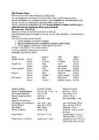
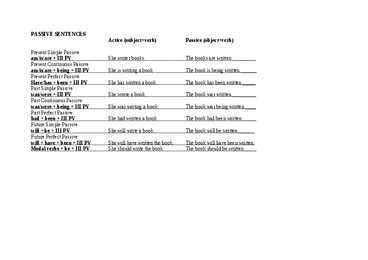
PASSIVE SENTENCES Active (subject+verb) Passive (object+verb) Present Simple Passive am/is/are + III PV She writes books. The books are written _________ Present Continuous Passive am/is/are + being + III PV She is writing a book. The book is being written.______ Present Perfect Passive Have/has + been + III PV She has written a book. The book has been written._____ Past Simple Passive was/were + III PV She wrote a book. The book was written._________ Past Continuous Passive was/were + being + III PV She was writing a book. The book was being written.____ Past Perfect Passive had + been + III PV She had written a book. The book had been written._____ Future Simple Passive will + be + III PV She will write a book. The book will be written.______ Future Perfect Passive
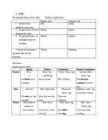
7. Verb: The principal forms of the verbs: Verbil on 4 põhivormi: Regular verb Irregular verb 1. the base form Talk Speak üldoleviku tüvivorm 2. the past form/ -ed form Talked Spoke üldmineviku vorm 3. the past participle (-ed Talked Spoken participle) mineviku kesksõna 4. the present participle (- Talking Speaking ing participle) oleviku kesksõna The tenses: Expressing the future: Simple Perfect Continuous Perfect Continuous Present Base Have / has + to be + base+ ing has/ have been +s + pariticiple base+ -ing
minevikus. WILL + I I'll learned English I think I'll get up later 1 Tulevikus, mis ei sõltu meie tomorrow. tahtest. He won't get up at 7 2 Tulevik, mille suhtes teeme tomorrow. otsuse praegu. What time will you get up 3 Tulevikusündmuste tomorrow? oletamine/ennustamine. PRESENT PAST Active + He/She + s + II pv/-ed -/? Do/Does -/? Did + I pv. Passive Am/Is/Are + III pv. Was/Were + III pv. (,,BY"- NÕUAB 99% PASSIVE AEGA!!) AJAVORMI MOODUSTAMINE KASUTAMINE; SAGEDAMINI NIMETUS ESINEVAD AJAMÄÄRUSED. THE PRESENT SIMPLE I pv. ( + s ) ; Do/Does Tegevus toimub korduvalt ja on
c) Case: The term case applies in the first instance to a system of inflectional forms of a noun that serve to mark the function of an NP relative to the construction containing it. Distinctions of case mark the structural and semantic functions of noun phrases within sentences. Common Case and Genitive Case Plain and Genitive case Forms: boy boys boy's boys' child child's children children's Semantic functions of 's: We can use sentential or phrasal analogues to present the different meanings. 1) possessive genitive: the boy's car 2) partitive genitive: the man's head, the baby's eyes 3) subjective genitive: the boy's application 4) objective genitive: the thief's arrest 5) genitive of origin: the student's letter 6) local or locative genitive: the butcher's (shop) 7) genitive of measure: an hour's walk, ten days' absence 8) descriptive or classifying genitive: a man's voice 4. Pronouns: pronoun subclasses
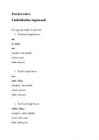
Active Present Past Future Simple I work II (-ed) Will + I usually Don’t work Didn’t work Will not work
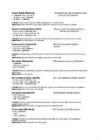
1. Active/Passive Active - the professor teaches the students. Passive - The students are taught by the professor 2. Present Simple [VERB] + s/es in third person. Tegevus on korduv või tavapärane. You speak English. I play tennis. Cats like milk. The train leaves tonight at 6 PM. I am here now. Active= Once a week, Tom cleans the car. Passive= Once a week, the car is cleaned by Tom. 3. Present Continuous [am/is/are + present participle]. Tegevus toimub/ei toimu praegusel hetkel. You are watching TV. You are learning English now. I am studying to become a doctor. I am meeting some friends after work. Active= Right now, Tom is writing the letter. Passive= Right now, the letter is being written by Tom. 4. Past Simple [VERB+ed] or irregular verbs. Tegevus algas/lõppes minevikus täpsel ajal. . You called Debbie. I saw a movie yesterday. I finished work, walked to the beach, and found a nice place to swim
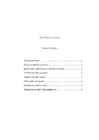
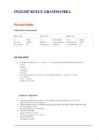
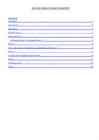
The Passive Voice Table of Contents The Passive Voice................................................................................. 2 Tenses in the Passive Voice ................................................................ 2 Modal Verbs and Future in the Passive Voice ................................. 3 The Passive with ’get/have’ ................................................................ 4 When to use the Passive ..................................................................... 5 Verbs with two objects ........................................................................ 5 The Passive with ’by/with’ .................................................................. 6 Talking about what other people say ................................................ 6 The Passive Voice The subject is the starting point of the sentence, the thing we are talking about
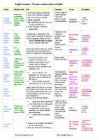
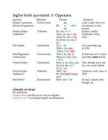
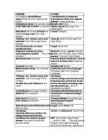
Inglise keele ajavormid: 5. Õppeaasta Ajavorm Tähendus Vormid Abisõnad Present Continuous Kestev olevik am Look! Listen! Now! At (Present Progressive) BE is +ING the moment. At the are present. Present Simple Üldolevik He, she, it + S Always, usually (Indefinite) They, we, you, I (s) Sometimes, every ?does (he, she, it) (s) often Do (they, we, you, I) (s) Past Simple Lihtminevik II pv/ -ed Last, yesterday, ago
Get/ Have something TENSE ACTIVE PASSIVE WHEN? done Present Simple Am/is/are + Every day, year, often, I pv + do/does Have/ get + sth+ III pv Lihtolevik III pv usually, always Past Simple Yesterday, last year,
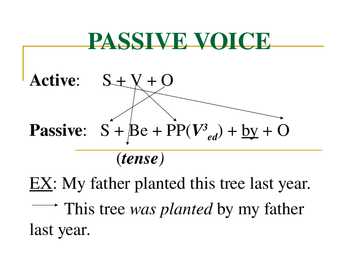
PASSIVE VOICE Active: S + V + O Passive: S + Be + PP(V3ed) + by + O (tense) EX: My father planted this tree last year. This tree was planted by my father last year. TABLE OF ENGLISH TENSES IN PASSIVE VOICE The Simple Present Tense Active: S + V(s/es) + O Passive: S + am/is/are + PP + by + O EX: He reads books every day. Books are read (by him) every day. TABLE OF ENGLISH TENSES IN PASSIVE VOICE The Present Continuous Tense Active: S + am/is/are + Ving + O Passive: S + am/is/are + being +PP + by + O EX: He is writing a novel at the moment. A novel is being written (by him) at the moment. TABLE OF ENGLISH TENSES IN PASSIVE VOICE The Present Perfect Tense Active: S + Has/Have + V3ed + O Passive: S + has/have + been +PP + by + O EX: He has just finished a novel. A novel has just been finished (by him). TABLE OF ENGLISH TENSES IN PASSIVE VOICE
PRESENT PAST TENSES FUTURE TENSES TENSES minevik tulevik olevik Present Simple Past Simple Future Simple lihtolevik Lihtminevik Lihttulevik I You + I põhivorm + II pv We ? , - Do + I pv. ?, - Did + I pv Will + I põhivorm They He + I põhivorm + S Tegevus tulevikus, mis ei She ?,- Does + I pv Lõpetatud tegevus ole ettekavatsetud It (yesterday, last week) (tomorrow, next week, next year) Korduv tegevus, faktid (always, often, usually, every day, normally) Present Continuous Past Continuous GOING-TO Future
Present perfect (täisminevik) Have, has kasutatakse kõikides + have, has + 3.põhivorm lausetes - have, has + not + 3.põhivorm ? have, has + 3.põhivorm Väljendab: Äsja lõppenud tegevust, täna/sel nädalal/sel kuul/sel aastal toimunud tegevust, tegevust, mida on/ei ole kunagi tehtud Spikkrisõnad: today, this week, this year, already, yet, just, never, ever, for, lately Past simple (lihtminevik) Did kasutatakse eitavas ja küsilausetes + 2.põhivorm - did + not + 1.põhivorm ? did + 1.põhivorm Väljendab: Minevikus toimnud tegevust, tegevuse v sündmuse aeg on antud. Tgevust, mis toimus minevikus korduvalt, kuid enam ei toimu Spikkrisõnad: ago, last, yesterday Past continuous (kestev minevik) Was, were kasutatakse kõikides lausetes + be (was, were) + 1.põhivorm ing
REPORTED SPEECH 2. Kui saatelause verb on oleviku aegades, siis ei muutu kaudse kõne verbi aeg. Kui saatelause verb on minevikus, toimub väit- ja küsilausetes aegade nihe: Prsent Simple Past Simple Present Progressive Past Progressive Present Perfect Past Perfect Present Perfect Progressive Past Perfect Progressive Past Simple Past Perfect Past Progressive Past Perfect Progressive Past Perfect jääb muutmata Past Perfect Progressive jääb muutmata Future Simple Future in the Past 3. Kui saatelause verb on minevikus, asendatakse kaudses kõnes mõned lähedust väljendavad sõnad kaugust väljendavate sõnadega: This that These those Here there Now then Ago before Today that day Tomorrow the next day Yesterday the day before Last night the previous night Next week the following week
We are going to the theatre. Pane tähele! Kestvat olevikku kasutatakse tegevusverbides (I am dancing, you are eating etc.). Mõned verbid on mitte tegevusverbid, näiteks ei saa öelda I am liking või you are knowing, vaid I like ja you know. Järgmiseid verbe ei kasutata tavaliselt kestvas olevikus. like love hate want need prefer know realise suppose mean understand believe remember belong contain consist depend seem Past Simple Lihtmineviku moodustamine Jaatav vorm Eitav vorm Küsiv vorm I asked I did not ask Did I ask? He/she/it went He/she/it did not go Did he/she/it go? We/you/they made We/you/they did not make Did we/you/they make?
the Iron Age, Sõnadega- värvid-red tähistused- Mardi Gras morning,afternoon,station,city, village,supermarket,beach Omaduss mis iseloom gruppi NB!! the Golden Gate Bridge inimesi- the poor,the blind,the ....Annie's Café .... The only people sick,the eldery English, the English language the Second World war, aga World War II Tense/verActive Passive b form Present I pv+es I walk/he walks Am/is/are+III pv House is built simple every day (every every month. (ehitatakse) -week,day,summer,ofte n, usually,always,nowaday s) Present Am/is/are+ing I am Am/is/are+being+IIIpv A house is Continuoworking. He is eating. being built. (ehitatakse praegu) us (now,at the moment, presently) Past II pv. He left after lunch. Was/were+III pv A house was built.
Lihtlause (The simple sentence) Lauseliikmed on alus (t/ie subject),iildis (the predicale), sihitis lthe objecr) ja mddrus (.the adver- blal1. Lau.eliikmek. rdih olla iiLl.,siksona r0i terve:dnade riihm ehl< lraas. faraline sdnajiirg on: Alus Oeldis Sihitis MAarus
3. Actions repeated over a period of time. She has been playing tennis since she was eight. 4. We are interested in the activity. It does not matter whether something has been finished or not I have been painting the ceiling. Negative form: I haven't (have not) been learning Spanish very long. He hasn't (has not) been eating properly. Question form: Has it been snowing recently? How long have you been working on the computer? Signal words: for 2 hours, since..., all day, etc. PAST SIMPLE (lihtminevik) Form: 2nd form (-ed) Use: 1. A finished time in the past. We can ask when? I visited John yesterday. 2. Finished actions taking place one after another. I woke up, ate breakfast and went to work. Negative form: I didn't (did not) enjoy the film much. He didn't (did not) go to school yesterday. Question form: Did you watch the match yesterday? What did you do at the weekend? Signal words: yesterday, last..., ago, in 1979, the other day, etc.
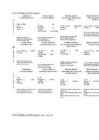
You, they You, they I K Will be + verb III I will be asked. I will have been asked. Will I be asked? Will I have been asked? I will not been asked. I will not have been asked. Active Passive Once a week, Tom cleans the Once a week, the house is cleaned Simple Present house. by Tom. Present Right now, Sarah is writing the Right now, the letter is being Continuous letter. written by Sarah. Simple Past Sam repaired the car. The car was repaired by Sam. The salesman was helping the The customer was being helped by Past
Cali 2005 Was Born Traveled to Europe Husband 1978 School graduates @ Oxford 1999 Started Got married School 1983 2008 2 The Six English Verb Tenses Three Simple Tenses Simple continuous Present You walk. You are walking I run. I am running. Past You Walked You were walking. I ran. I was running. Future You will walk. You will be walking. I will run. I will be running. Three Perfect Tenses Perfect continuous Present perfect you have walked
MOODUSTAMINE ABITEGUSÕNAD AJAMÄÄRUSED AEGADE Et moodustada eitavat, küsilauset NIHE KAUDSES KÕNES AJAVORM Present Simple Tegusõna I põhivorm Always, often, usually, Lihtolevik (algvorm) do sometimes, seldom, does every .... , once a year, he / she / it +s twice a month ...... Past Simple Tegusõna II põhivorm did Yesterday, ..... ago, Lihtminevik (+ ed) last night / week / .....
INGLISE KEEL Sisukord Sisukord 2 Ajavormid Tense vorms 3 Lihtolevik The present simple 3 Lihtminevik The past simple 3 Lihttulevik The future simple 3 Kestev olevik The present continuous 3 Kestev minevik The past continuous 4 Kestev tulevik The future conrinuous 4 Täisminevik The present perfect 4 Enneminevik The past perfect 4 Ennetulevik Future perfect 5 Üldminevik Past tense 5 Üldtulevik Future indefinite 5 Artiklid ja eessõnad 7
INGLISE KEEL Sisukord Sisukord.................................................................................................................................. 2 Ajavormid Tense vorms.......................................................................................................3 Lihtolevik The present simple..................................................................................... 3 Lihtminevik The past simple....................................................................................... 3 Lihttulevik The future simple...................................................................................... 3 Kestev olevik The present continuous......................................................................... 3 Kestev minevik The past continuous
frequency(kordumine ) adverbs(määrsõna) N: Do you go to school by car every day ? I don't often watch TV. 2)Present continuousbe + verb + ing. Actions happening now N; Look! It's snowing. I'm meeting Jane tonight. You're always losing things. 3)keep + ingto describe habitual actions which may be irritating. N: my uncle keeps making silly jokes. Present perfect: 1) Present perfect simple: have/has + past participle. N: I've been here for ten minutes .The phone has rung ten times today. Look at this cheque,'I've won first prize. They have made a new star wars film. I've just got home. How long have you been here ? Have you ever been to Paris? It's the best book I've ever read. It's the first time I have ever been abroad. 2)Present perfect continious : have/has + been + ing. N:I've been living in this flat since 2000. I've been waiting for ages
Tense form Active voice Passive voice Present Simple I greet him every day. He is greeted every day. Present Continuous I am greeting him. He is being greeted. Present Perfect I have greeted him today. He has been greeted today. Present Perfect Continuous I have buun greeting him. He has been greeted today. Past Simple I greeted him yesterday. He was greeted yesterday. Past Continuous I was greeting him. He was being greeted. Past Perfect I had greeted him. He had been greeted. Past Perfect Continuous I had been greeting him. He had been greeted. Future Simple I will greet him. He will be greeted. Future Continuous I will be greeting him. He will be greeted.
............................................................................................................................................. 6 Active & passive (isikuline ja umbisikuline kõneviis) ................................................................
TENSE FORMS Active Passive Present Simple He studies art. Art is studied. Present Continuous He is studying art Art is being studied. Past Simple He studied art. Art was studied. Past Continuous He was studying art. Art was being studied. Future Simple He will study art. Art will be studied. Future Continuous He will be studying art. Future Perfect He will have studied art. Art will have been studied.
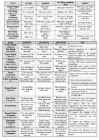
Inglise keeles Eesti keeles + -/? Usage Näited 1. Present Simple Lihtolevik I ajavorm Do, don't, does, doesn't A permanent state, a generally Every day, always, often, (He, she, it + -s) known fact, usual or repeated usually, sometimes, rarely,
 annaabi.ee