 50 punkti
Autor soovib selle materjali allalaadimise eest saada 50 punkti.
50 punkti
Autor soovib selle materjali allalaadimise eest saada 50 punkti.
 ~ 3 lehte
Lehekülgede arv dokumendis
~ 3 lehte
Lehekülgede arv dokumendis
 2017-11-26
Kuupäev, millal dokument üles laeti
2017-11-26
Kuupäev, millal dokument üles laeti
 4 laadimist
Kokku alla laetud
4 laadimist
Kokku alla laetud
 0 arvamust
Teiste kasutajate poolt lisatud kommentaarid
0 arvamust
Teiste kasutajate poolt lisatud kommentaarid
 juntsu101
Õppematerjali autor
juntsu101
Õppematerjali autor
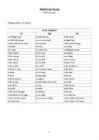
Absent from-puuduma Abstain from-halvast harj hoiduma According to-vastavalt Account for-põhjendama Accuse sb of-süüdistama Accustomed to-harjunud Acquainted with-tuttav millegi/kellegagi Advantage of-eelis Advice on-nõu andma Afraid of-kedagi kartma Afraid for-kellegi pärast kartma Agree with sb on sth-nõustuma Aim at-sihtima Allergic to-allergiline Amazed at/by-imestunud Amount to-ulatuma sinnani Amused at/with/by-lõbustatud Angry at what sb does-vihane Angry with sb about sth-vihane Angry with sb for doing sth-vihane Annoyed with sb about sth-häiritud (in)answer to-vastus Anxious about sth-murelik Apologise to sb for sth-vabandama Appeal to/against-meeldima Apply(to sb)for sth-kandideerima Approve of-heaks kiitma Argue with sb about sth-vaidlema Arrest sb for sth-arreteerima Arrive at(a small place)-saabuma Arrive in(a town)-saabuma Ashamed of-häbenema Ask for-küsima midagi Ask sb a question-küsimust kelleltki küsima Astonished at/by-hämmingus Attend to-osa võtma (un)a
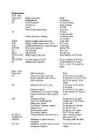
Prepositions Time - Aeg Preposition Millal kasutatakse Näide ON Nädalapäevad On Monday IN Kuud/ Aastaajad In July/on Spring Osa päevast In the morning Aasta In 2006 Peale kindlat perioodi ajas In an hour AT At night At the weekend Kindel punkt ajas, kellaaeg At half past nine At 3 o'clock SINCE Mingist kindlast ajapunktist siiani Since 1980 FOR Mingist kindlast ajaperioodist siiani For 2 years AGO Kindlal ajal minevikus, mingi aeg tagasi 2 years ago BEFORE Enne m
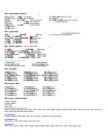
Unit 1/ Present Simple be /lihtolevik + - ? I am your teacher I'm not am I German? Yes- I am, you are, she/she/it is, we are, You are in room 13 you aren't am you German? you are, they are. He is jane he/she/it isn't Is he/she/it German? No I'm not, you aren't, he/she/it isn't, we aren't, She is marta we aren't are we German? you aren't, they aren't. It is a school. you aren't are you German? We are students they aren't are they German? You are in class 12 They are teachers Unit 2 / present simple + - ? yes- I do, you do, he/she/it does. I work I don't work Do I work no
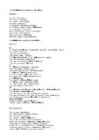
) SEPARATE FROM: Daniella is separated from Jason. (Daniella on Jasonist lahutatud.) SHARE WITH: I don't want to share my problems with you. (Ma ei taha oma muresid sinuga jagada.) SHOUT AT: Neil shouted at Ted. (Neil karjus Tedi peale.) SMELL OF: I could smell of different flowers. (Ma tundsin erinevate lillede lhna.) SMILE AT: He smiled at me. (Ta naeratas mulle.) SPEAK OF: The book speaks of her childhood. (See raamat rgib ta lapseplvest.) SPEAK ON: He spoke on English art. (Ta kneles inglise kunstist.) SPEAK TO: Did you speak to the doctor? (Kas sa knelesid arstiga?) SPEND ON: I spent lots of money on it. (Ma kulutasin sellele palju raha.) SUCCEED IN: Ralf succeeded in making his own company. (Ralfil nnestus rajada oma firma.) SUFFER FROM: Grace suffers from head-aches. (Grace kannatab peavalude all.) TAKE PART IN: He took part in the competition. (Ta vttis vistlusest osa.) TALK TO: I talked to mother. (Ma rkisin emaga.) THANK FOR: Thank you for your kindness
PREPOSITIONS (eessõnad) Prepositions of place: KUS? WHERE? AT ON IN at 10 High Street on Fifth Avenue in the world at 224 Fifth Avenue on the street(AmE) in High Street at the corner of the street on the plane in the east of Europe at a hotel on a bus in London at a store on a boat/ship in Trafalgar Square at the concert on the floor in America at the cinema on the wall in a village at the theatre on the shelf in the country at the station on the table in (the) town at the airport on a hook in the m
I/we will ask I/we will not ask Will I ask? He/she/it will go He/she/it will not go Will he/she/it go? You/they will make You/they will not make Will we/you/they make? Pane tähele! Üldtuleviku moodustamiseks kasutatakse abiverbe will/shall. Traditsiooniliselt esineb shall ainsuse ja mitmuse 1. pöördes ( I, we ). Kaasaegses inglise keeles kasutatakse will kõigis pööretes ning shall, et küsida kellegi arvamust, kuid tendents on kasutada abiverbi will kõigis pööretes. Will/shalltuleviku asemel saab kasutada mitmetel juhtudel going totulevikku. Üldtulevik väljendab: · Ühekordset, korduvat või harjumuspärast tegevust tulevikus. I will meet John in the station. My birthday will come again. · Tegevust või situatsiooni, mis kestab tulevikus.
.................................................................................... 4 Ennetulevik Future perfect...........................................................................................5 Üldminevik Past tense..................................................................................................5 Üldtulevik Future indefinite.........................................................................................5 Artiklid ja eessõnad.................................................................................................................7 Eessõnad......................................................................................................................... 7 Kesksõnad.......................................................................................................................8 Prefiksid ehk eesliited....................................................................................
Lihttulevik The future simple 3 Kestev olevik The present continuous 3 Kestev minevik The past continuous 4 Kestev tulevik The future conrinuous 4 Täisminevik The present perfect 4 Enneminevik The past perfect 4 Ennetulevik Future perfect 5 Üldminevik Past tense 5 Üldtulevik Future indefinite 5 Artiklid ja eessõnad 7 Eessõnad 7 Kesksõnad 8 Prefiksid ehk eesliited 8 Sufiksid ehk järelliited 9 Artikkel the pärisnimedega 10 Artikkel the geograafiliste nimedega 10 Artikkel a, an 10 Muu 11
 annaabi.ee








Kõik kommentaarid