Leidsid 33 sarnast õppematerjali, mis on seotud failiga "Drug addiction presentation". Need materjalid aitavad sul teemat sügavamalt mõista.
drugs, cause, heroin, addiction, legal, ecstasy, causes, consequences, mental, known, cannabis, effects, activities, dangerous, usually, tablet, lots, deaths, definition, disorder, illegal, keep, alcohol, considered, serious, term, including, physical, employment, best, weed, include, losing, interest, friends, goals, highly, injected, needle, diseasesDrugs are chemicals that change the way a person's body works. You've probably heard that drugs are bad for you, but what does that mean and why are they bad? Medicines Are Legal Drugs If you've ever been sick and had to take medicine, you already know about one kind of drugs. Medicines are legal drugs, meaning doctors are allowed to prescribe them for patients, stores can sell them, and people are allowed to buy them. But it's not legal, or safe, for people to use these medicines any way they want. Cigarettes and Alcohol Cigarettes and alcohol are two other kinds of legal drugs. (In Estonia, adults 18 can buy cigarettes and alcohol.) But smoking and excessive drinking are not healthy for adults and off limits for kids. Nicotine is the drug in tobacco leaves. Whether someone smokes, chews, or sniffs tobacco, he or she is delivering nicotine to the brain. Each cigarette contains about 10 milligrams of nicotine
Table of contents Smoking...............................................................................................page 3 Narcotics............................................................................................................................page 4 1. Marijuana..............................................................................page 4 2. Ecstasy.................................................................................page 5 3. Heroin.................................................................................page 6 4. Mushrooms...........................................................................page 6 5. LSD....................................................................................page 7 Alcohol...........................................................................
Addictions summary 2011 Table of contents 1. Addictions 3 Drug addiction 3 Behavioural addiction 3 2. Drug addictions 3 Smoking 3 Drinking alcohol 4 Doing drugs 4 3. Behavioral addictions 4
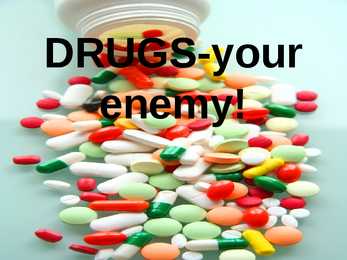
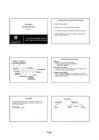
DRUGS-your enemy! Drugs-What are they? · Banned by law · Really dangerous and unhealthy · People use them to get high or feel better · Affect our behavior and senses completely · There are natural and chemical drugs What is a drug addiction? · Constant need to have it again and again · Physical addiction · Mental addiction Main reasons to start · Your friends use it · Curiosity-new and interesting · Symbol of independents,rebellious and being an adult · The feeling of being high · Easy to get · Symbol of money and fame What is what? · Ecstasy · Methadone · Meth · Cocaine · Heroin · Crack · Amphetamine · GHB · LSD · Nervines · Cannabis · Glues and varnishes · White Chinese
the EU average rate. Second reason why Estonia should consider decriminalizing cannabis is that there has never occurred death by overdosing cannabis. People do feel sick after abusing marijuana, but the effect is never like overdosing on alcohol or on other narcotic substances. According to Robert Gable “the least physiologically toxic substances, those requiring 100 to 1,000 times the effective dose to cause death, include psilocybin mushrooms and marijuana, when ingested. Gable has found no published cases in the English language that document deaths from smoked marijuana, so the actual lethal dose is a mystery. Gable’s surmise is that smoking marijuana is more risky than eating it but still safer than getting drunk by alcohol (Gable, American Scientist 2006, 94). Third reason why Estonia should decriminalize cannabis is that our doctors are afraid to write
alcohol consumption. Firstly I'll tell you about short term effects and then move on to long term effects. My presentation will take about 5 minutes. If you have any questions, you are welcome to ask them afterwards. Firstly I would focus on the short term effects of alcohol consumption. The amount and circumstances of alcohol consumption play a large part in determining the extent of intoxication; for instance, consuming alcohol after a heavy meal causes alcohol to absorb more slowly. Hydration also plays a role as for determining the extent of hangovers. Initially, alcohol produces feelings of relaxation and cheerfulness, but as a result of further consumption blurred vision and coordination problems generally occure. As far as cell membranes are concerned they are highly permeable to alcohol, once alcohol is in the bloodstream it can diffuse into nearly every biological tissue of the body. Excessive drinking
1 Caffeine 2 3 Caffeine (C8H10N4O2) is the common name for trimethylxanthine (systematic name is 1,3,7- 4 trimethylxanthine or 3,7-dihydro-1,3,7-trimethyl-1H-purine-2,6-dione). The chemical is also 5 known as coffeine, theine, mateine, guaranine, or methyltheobromine. Caffeine is naturally 6 produced by several plants, including coffee beans, guarana, yerba maté, cacao beans, and tea. 7 For the plants, caffeine acts as a natural pesticide. It paralyzes and kills insects that attempt to 8 feed on the plants. The molecule was first isolated by the German chemist Friedrich Ferdinand 9 Runge in 1819. 10 When purified, caffeine is an intensely bitter white powder
use of alcohol and lighter drugs has increased twofold scince the year 2006. 6) The economic recession has caused many problems which are mainly the loss of job, or housing and the downfall of healthcare. As the economy was struggling many people lost their jobs which also caused a rise in crime and fall in living standards, the loss of permanent income also caused a fall in the use of services. 7) The main form of poverty figuring in the biritsh society is the lack of money, which causes the lack of vital resources and a permanent residence. The cause of poverty is mainly the lack of a job, which in turn is caused by disability, mental ilnness, economic recession or low intelligence. Sometimes lone parents also have financial difficulties and it is also possible to born to poor parents. A household living in fuel poverty is one that struggles to keep warm at reasonable cost 8) The riots were started by a protest in Tottenham, demanding justice from
Addictions Business English Marion Soomre 10.b What is addiction? The term "addiction" is used in many contexts to describe an obsession, compulsion, or excessive physical depence or psychological dependence, such as: drug addiction, video games, crime, alcoholism, compulsive overeating, problem gambling, computer addiction, pornography, etc. Drug addiction Drug addiction is widely considered a pathological state. The disorder of addiction involves the progression of acute drug use to the development of drug-seeking behavior, the vulnerability to relapse, and the decreased, slowed ability to respond to naturally rewarding stimuli. Video game addiction Video game addiction, or more broadly video game overuse, is excessive or compulsive use of computer and video games that interferes with daily life. Instances have been reported in which users play compulsively, isolating
much as 80 kilometres (50 mi) in width situated in the Caribbean Sea. It is about 620 kilometres (385 mi) northeast of the Central American mainland, 145 kilometres (90 mi) south of Cuba, and 190 kilometres (120 mi) west of the island of Hispaniola, on which Haiti and the Dominican Republic are situated. Its indigenous Arawakan-speaking Taíno inhabitants named the island Xaymaca, meaning either the "Land of Springs," or the "Land of Wood and Water". Formerly a Spanish possession known as Santiago, it later became the British West Indies Crown colony of Jamaica. It is the third most populous anglophone country in the Americas, after the United States and Canada. I chosed Jamica because there are many things what I like in this country. Mostly I like Jamaica´s music, culture and climate. Geography Jamaica is the third largest island in the Caribbean, and the most populous English speaking island there
What is MRSA, and why is it sometimes referred to as a "superbug"? · MRSA in hospitals. MRSA infection is caused by Staphylococcus aureus bacteria - often called "staph." Many years ago, a strain of staph emerged in hospitals that was resistant to the broad-spectrum antibiotics commonly used to treat it. Dubbed methicillin-resistant Staphylococcus aureus (MRSA), it has been called a "superbug" by the media because of its multiple drug resistance. MRSA can cause serious, sometimes fatal, infections that resist treatment with all but a few drugs - for example, vancomycin, linezolid or daptomycin. Some extremely rare strains of MRSA that are resistant even to vancomycin are starting to turn up in some hospitals. · MRSA in the community. In the 1990s, a type of MRSA began showing up outside hospital settings - in the wider community. These strains aren't the same as those
of clean, fresh water. We should exercise regularly, strengthening our muscles and keeping us in shape. Exercise helps the blood circulate around our bodies, cleaning out waste and supplying plenty of oxygen. It is also important what we get enough sleep. The number of hours we sleep we need depend on our age. Young babies sleep for 20-22 hours each day, whereas older people often need only 6-7 hours. 2.1 Early hospitals The earliest known institutions aiming to provide cure were Egyptian temples. In ancient times temples dedicated to the gods of healing used to have a hospital area. Sick people came there to pray and be treated. Later in the Middle Ages hospitals attached to monasteries were run by monks and nuns. The oldest hospital still in existence is in Paris. It was founded in 800's A.D. In the 1700's European cities began to build hospitals. They were charity hospitals for the poor and sick, as the rich
Infectious bovine keratoconjunctivitis Kristjan Rannaäär Veterinary medicine, 2. year, 2. group Abstract Infectious bovine keratoconjunctivitis (IBK) is a highly contagious ocular disease and big problem in cattle farms worldwide. It is the most common ocular disease of cattle caused by bacteria Moraxella bovis. This study focuses on IBK despite having low mortality rate and complete recovery, it causes significant loss of productivity in the herds affected due to the costs of treatment and considerable impact on afflicted animals, including blindness. This research is focused on the details, such as risk factors, pathogenesis, etiology, clinical signs prevention, transmission, and treatment, which animal handlers should be aware of to minimize the harm caused by IBK. Vaccination does not ensure lifelong immunity and not prevent a primary and reinfection of the cattle
In the strictest terms, Munchausen's Syndrome by Proxy means that a perpetrator has Munchausen's syndrome or factitious illness himself/herself and manifests the psychipathology via the child. Aga kas MSBP on vaimne haigus ja kas kohtul on võimalus tunnistada selliseid vanemaid süüdimatuks/kas kohtul on alust karistust selle võrra kergendada? Vastus on ei. (vaata siin järgi USA, Austraalia ja UK seadusi. Kas nendes riikides on ka vaimne haigus süüdimatuse alus?) In majority of legal jurisdiction, doctors are only allowed to give evidence in regard to whether the child is being harmed. They are not allowed to give evidence in regard to the motive as it would be prejudicial to the determination of the guilt. Furthermore, It has been specifically established in legal precedents in Australia and the U.K. that Munchausen Syndrome By Proxy does not exist as a medico-legal entity. About seven years ago, an attorney asked me how much it would cost to assess a mother accused of MSBP
easily identify the object. But when it was shown so it would be projected in the right hemisphere, the participant could not verbally identify the object, although he or she could point out what it was, if cards with different words were shown. This evidence implicates that the language processing happens mainly in the left hemisphere of the brain. To test what the right hemisphere of the brain might localize in another test with a split-brain patient was carried out. It is known that the right hand is governed by the left hemisphere and the left hand by the right. So the patient was asked to solve a visual constructional task with blocks. He could solve it with his left hand, governed by the right hemisphere, but not with his right hand. This research makes it possible to localize in one half brain basic mental processes like learning and memory. In the future, we can expect deeper insights into the mechanics of how the brain works.
written. In PIL there is no such hierarchy, but there are primary sources (all are equally important) and secondary sources and all are not written. Primary sources: written documents (int treaties, conventions, declarations etc), international customary law (legally binding), fundamental principles (legally binding). PIL= system of (legally binding) norms and principles, written or customary, regulates the conduct of states and intergovernmental international organizations. Also known as International Law, but called PIL to distinguish from private international law, i.e. solution for conflict of laws. Only intergovernmental organizations are also subject of PIL, non-governmental organizations are not. There can be specific cases of PIL, e.g. nations fighting for their independence. These can be considered to be subjects of PIL. Also, some exceptions: International Committee of Red Cross, formerly it wasn't covered by PIL,
· People can be placed on a continuum (e.g. extraversion-introversion) · Needs to be a scientific approach to understand their nature Key Assumptions · Stability: a person's level on a trait is relatively stable over time · Differences: composition of dispositions varies from person to person · Causation: trait differences cause differences in behaviours Page The Grandfathers of Trait Theory Structure of personality descriptors Allport and Odbert (1936) · Found 17,953 words to describe behavioural and psychological Dimensions (traits!)
The Meatless Machine II: A 28-Day Experiment BONUS MATERIAL Spot Reduction Revisited: Removing Stubborn Thigh Fat Becoming Brad Pitt: Uses and Abuses of DNA The China Study: A Well-Intentioned Critique Heavy Metal: Your Personal Toxin Map The Top 10 Reasons Why BMI Is Bogus Hyperclocking and Related Mischief: How to Increase Strength 10% in One Workout Creativity on Demand: The Promises and Dangers of Smart Drugs An Alternative to Dieting: The Bodyfat Set Point and Tricking the Hypothalamus ACKNOWLEDGMENTS PHOTO AND ILLUSTRATION CREDITS INDEX TIM'S DISCLAIMER Please don't be stupid and kill yourself. It would make us both quite unhappy. Consult a doctor before doing anything in this book. PUBLISHER'S DISCLAIMER The material in this book is for informational purposes only
and social level. In the medical field, health is commonly defined as an organism's ability to succesfully respond to challenges and effectively restore and keep a so-called ,,state of balance". 2. History · Early hospitals During the Middle Ages the hospital could serve other functions, such as an almshouse for the poor, or hostel for pilgrims. In ancient cultures, religion and medicine were linked. The earliest known institutions aiming to provide cure were Egyptian temples. Greek temples dedicatedto the healer-god, might admit the sick, who would wait for guidance from the god in a dream. The Romans adopted this worship. The Sri Lankans are perhaps responsible for introducing theconcept ofdedicated hospitals to the world. According to an ancient chronicle, written in the 6 th century A.D., a king had lying-in homes and hospitals built in various parts of the country. This is the earliest
Tallinn University Natural and exact sciences Molecular Biochemistry and Ecology Maria Gnidenko Capillary electrophoresis Essay Supervisor: Kert Martma Tallinn 2015 Table of contents Acronyms and symbols used Introduction History and development Physical basis and principle of separation Elektrophoresis Electroosmotic flow Separation process Electrodispersion Various methods of separation Capillary zone�
Kemikaali riskianalüüs Aniliin Õppejõud: Karin Reinhold Üliõpilane: Kood: 000000 Tallinn 2012 1. Introduction Aniline (also known as phenylamine or aminobenzene) is an organic compound with the formula C6H5NH2. Consisting of a phenyl group attached to an amino group, aniline is the prototypical aromatic amine. The largest application of aniline is for the preparation of methylene diphenyl diisocyanate. The majority of aniline serves this market. Other uses include rubber processing chemicals (9%), herbicides (2%), and dyes and pigments (2%). Illustrative of the drugs prepared from aniline is paracetamol
Formaldehyde Formaldehyde is a colorless, flammable gas at room temperature. It has a pungent, distinct odor and may cause a burning sensation to the eyes, nose, and lungs at high concentrations. Formaldehyde is also known as methanal, methylene oxide, oxymethylene, methylaldehyde, and oxomethane. Formaldehyde can react with many other chemicals, and it will break down into methanol (wood alcohol) and carbon monoxide at very high temperatures. Formaldehyde is naturally produced in very small amounts in our bodies as a part of our normal, everyday metabolism and causes us no harm. It can also be found in the air that we breathe at home and at work, in the food we eat, and in some products that we put on our skin
Speech may be slurred; balance, vision,reaction time and hearing will be impaired. (It is illegal to operate a motor vehicle at this level of intoxication.) 0.13-0.15 BAC: Gross motor impairment and lack of physical control. BLurred vision and major loss of balance. Euphoria is reduced and dysphoria beginning to appear. 0.16-0.20 BAC: Dysphoria (anxiety,restlessness) predominates, nausea may appear. The drinker has the appearance of a "sloppy drunk." 0.25 BAC: Needs assistance in walking; total mental confusion. Dysphoia with nausea and some vomiting. 0.30 BAC: Loss of consciousness. 0.40 BAC and up: Onset of coma,possible death due to respiratory arrest. WHAT IS CONSIDERED A DRINK: A drink that contains a half-ounce of alcohol or more. The amount you would problibly find in a 12 ounce can of beer, 4 ounce glass of table wine, 1 ounce shot of 100% destilled spirits such as whiskey or vodka. Generally this is the amount of alcohol a person can metabolize in about an hour
27 and Prince Harry, aged 25. She gave birth to both sons in St Mary's Hospital, London. She has two older sisters Jane and Sarah and younger brother Charles. Hobbies Diana's hobbies were Shopping, health and beauty treatments. In sports, she liked skiing. Frances Ruth Shand Kydd Edward John Spencer Charity Starting in the mid - to late 1980s, the Princess of Wales became increasingly known for her support of numerous charities. Diana, however, developed an interest in serious illnesses and health-related matters outside the purview of traditional royal involvement, including AIDS and leprosy. In addition, the Princess patronised charities and organisations working with the homeless, youth, drug addicts and the elderly. From 1989, she was the President of Great Ormond Street Hospital for Children. Diana was mostly known, in the last year of her life, as the most
wave had failed to do); feminisms, expansion, multiplicity, postcolonialism. 4. Anne Bradstreet the first feminist 17th century; the most prominent of early English poets of North America and first female writer in the British North American colonies to be published Mary Wollstonecraft education; an eighteenthcentury English writer, philosopher, and advocate of women's rights. Wollstonecraft is best known for A Vindication of the Rights of Woman (1792), in which she argues that women are not naturally inferior to men, but appear to be only because they lack education. Caroline Norton English feminist, social reformer, and author of the early and midnineteenth century. She divorced her husband, because the marrige was very unhappy and Caroline was a victim of regular beatings
fine (trahv) - certain sum of money person pays for breaking a law corruption (korruptsioon) - dishonest or unethincal conduct by a person entrusted with a position of authority suspension (kõrvaldamine) - form of punisment that people recieve for violating rules and regulations Civil Action (tsiviilhagi) - lawsuit between two private parties prosecution (süüdistus) - the institution and carrying on of legal proceeding against a person injury (vigastus) - an act or event that causes someone/something no longer to be fully healthy claim (nõudeõigus) - to apply for compensation or to inherit something prison (vangla) - residence for incaretaking criminals majority (enamus) - greater amount of the group public opinion (avalik arvamus) - collective opinion of many people on same issue, problem etc. Seperation of Power (võimude lahusus) - division of responsibilites into distinct branches to limit any branch from excersising the core
After the 1910 revolution deposed the monarchy, the democratic but unstable Portuguese First Republic was established, itself being superseded by the "Estado Novo" authoritarian regime. Democracy was restored after the Portuguese Colonia l War and the Carnation Revolution in 1974. POPULATION As of 2011, the population of Portugal was 10,562,178, of which 547,733 live in Lisbon, the country's capital and largest city, located in the South, and 237,591 in Porto, also known as Oporto, the second-largest city, located in the North. The country is a democratic republic with a president (currently Aníbal Cavaco Silva) and prime minister (currently Pedro Passos Coelho). Since the 1990s, Portugal's economic development model has been slowly changing from one based on public consumption to one focused on exports, private investment, and development of the high-tech sector. The Portuguese currency is the euro () and the country's economy is in the eurozone. DEVELOPMENT
A research paper Student: Grade: 10 Tutor: Tallinn 2016 Joint Hypermobility Syndrome (JMS) is a condition which describes joints that are able to bend further than normal. The syndrome is generally induced by changes in bone structure. It occurs in about 10%-25% of the world’s population.1 Joint hypermobility causes several effects, both positive and negative. This essay describes the syndrome briefly as well as discusses the benefits and consequences of the condition. However, the expedience of the condition outweighs the negative issues JMS can bring about. Hypermobile joints are a serious case in which the tissues that hold the joint together – ligaments – are detached. In most cases, hypermobility is caused by the deviation of
right time, and at the lowest possible cost. According to Ganeshan & Harrison (2001) Supply Chain Management is a "systems approach to managing the entire flow of information, materials, and services from raw materials suppliers through factories and warehouses to the end customer." Supply chain event management (abbreviated as SCEM) is a consideration of all possible occurring events and factors that can cause a disruption in a supply chain. With SCEM possible scenarios can be created and solutions can be planned. Some experts distinguish supply chain management and logistics management, while others consider the terms to be interchangeable. From the point of view of an enterprise, the scope of supply chain management is usually bounded on the supply side by your supplier's suppliers and on the customer side by your customer's customers.
Acid rain The term acid rain refers to what scientists call acid deposition. It is caused by airborne acidic pollutants and has highly destructive results. Scientists first discovered acid rain in 1852, when the English chemist Robert Agnus invented the term. From then until now, acid rain has been an issue of intense debate among scientists and policy makers. Acid rain, one of the most important environmental problems of all, cannot be seen. The invisible gases that cause acid rain usually come from automobiles or coal-burning power plants. Acid rain moves easily, affecting locations far beyond those that let out the pollution. As a result, this global pollution issue causes great debates between countries that fight over polluting each other's environments. For years, science studied the true causes of acid rain. Some scientists concluded that human production was primarily responsible, while others cited natural causes as well. Recently, more
............................................................................................9 1.4 ABBREVIATIONS ...............................................................................................................................9 CHAPTER 2- PROBLEMS IN THE CONSTRUCTION INDUSTRY ...........................................10 2.1 PROBLEMS ......................................................................................................................................10 2.2 CAUSES OF THE PROBLEMS .............................................................................................................12 2.2.1 Structural: contractual systems ...............................................................................................12 2.2.2 Management in construction ...................................................................................................15 2.2.21 Conventional production management theory in construction...............
· Homereading we read a case from European Court of Justice thingy. · Oral thing. · 90% you have to attend · Have to prepare for class and take part of it etc What we learn: Terms Expressions / collocations (nt obey/abide by the law) Explaining AWOL absence without a leave Legal English can be divided into 3 levels. We learn the first one, which is needed for the other two! You have to know the vocabulary etc. Second level has to do with legal contracts... The third level both 1 and 2 and explaining... We learn the vocabulary + explaining. Process of law-making draft law/bill (seaduseelnõu) is developed draft is sent to the parliament readings(amendments made to the law (seadusemuudatused)pass/ adopt the lawpass on to the presidentproclame (väljakuulutama) or veto or sent to supreme court (riigikohus) (may declare it un-constitutional)it has to be published in the state gazette (riigiteataja) Vald rural municipality
10...12% further increase in pulse rate, performance failure, increased absence (Erdmann and Apte, 2004) giddiness, poor judgement and blue lips. Mental failure, nausea, vomiting, fainting, • Serious health impacts: 8...10% – concentrations > 20,000 ppm cause deepened breathing; unconsciousness, blue lips, ashen face. – concentrations > 40,000 ppm increases respiration markedly; 8 minutes may be fatal in 50...100% of exposures, – concentrations > 100,000 ppm causes visual disturbances 6...8% and tremors and has been associated with loss of 4..
 annaabi.ee